16 Places to See in Whitby, England (2024)

Disclaimer: This post contains affiliate links.

The wonderful seaside town of Whitby is situated on the east coast of North Yorkshire, England. Located at the mouth of the River Esk, Whitby has been a bridging point since medieval times as several bridges have spanned the river.

Whitby has been known to be a tourist destination for some time now. The first traces of tourism date to the Georgian period, which developed with the arrival of the railway in 1839. People opt to visit Whitby mainly because of its proximity to the North York Moors National Park and its association with the horror novel “Dracula.” The village has also been featured on British TV shows such as “Heartbeat.”

16 Places to See in Whitby, England

When it comes to walks around Whitby, you are totally spoilt for choice—you needn’t worry about ability or experience—with so many options, there is sure to be a walk around that is perfect for you.

The following places are all FREE to visit, except for Whitby Abbey!

Visit the Harbor and Spot the Lighthouses

While many towns center on a market square, Whitby’s heart is its harbor. It all began by the early 1300s, when merchants from all over Northern Europe sailed to Whitby to trade with the wealthy Abbey. The harbor is home to two lighthouses. The taller lighthouse is West Pier Lighthouse, made from local sandstone and built in 1831. The shorter lighthouse is the East Pier Lighthouse, and it was built in 1855. There is also a third lighthouse lying Southwest of Whitby—the Whitby High Lighthouse, which has been in function since 1858.

Walk Around Sandgate Street

Sandgate Street is the perfect place to find a selection of Whitby Jet Shops. Furthermore, the Market Place located at the end of the street has been a trading area since the mid 17th Century and you will still find stalls today.

Wander around Church St

Originally known as Kirkgate, Church Street is home to several shops and restaurants. You will also find cottages and tiny houses dating back to the 15th Century here—although it is thought the Street first had buildings in the late 14th Century. You will find Church Street below the 199 steps leading up to Whitby Abbey. If you are hungry, I recommend stopping by and having dinner at Mister Chips!

Discover Blackburn’s Yard

Whitby’s yards are rows of 17th and 18th Century cottages tucked behind main streets. You will find the lovely Blackburn’s Yard off Church Street. This yard has been granted several awards such as “Perfect Picture Yard” and “Whitby’s Best Kept Garden” throughout the years. Here, you can visit the Wash House Pottery where they sell beautiful pottery and ceramics.

Spot the Crooked Cottage

This 400-year-old cottage is situated next to the 199 steps leading up to Whitby Abbey and St Mary’s Church. People can actually book the cottage and stay here. The building sleeps up to five people and it offers gorgeous views of the harbor from the upstairs rooms. What makes this building fascinating is its colors and quirkiness!

Wander around Grape Lane

Grape Lane is a quaint pedestrianized lane where you’ll find a surprising selection of retailers including a jet shop, a coffee shop, a gift shop, and the ever popular Captain Cook’s Memorial Museum, in between others.

Walk on Henrietta St

This popular street was once known as ‘Haggerlythe’ (1270) but was later renamed after the wife of Nathaniel Cholmley, Henrietta Cholmley. Nathaniel was a member of the British parliament in the late 1700s. Back in the day, Henrietta Street was considered a desirable place to live (especially by fishermen) because it provided easy access to the sea and offered some of the best views in the village. Today, things are not much different. The view of the harbor and the abbey are simply amazing from this viewpoint!

Go Up the 199 Steps

Whitby’s 199 steps have been recorded since at least 1370 and, up until the 1770s, they were made of wood. Today you will find they are made of stone. The 199 steps are an iconic landmark leading all the way up to Whitby Abbey widely known because of their appearance in the book ‘Dracula’ by Bram Stoker!

Visit the St Mary’s Church and Churchyard

St Mary’s stands atop Whitby’s East Cliff, between the village and the ruins of Whitby Abbey. You can reach it by climbing the famous 199 steps or taking the Donkey Road. Founded around 1100 AD, St Mary’s is famous for its association with Captain Cook, who worshipped here, and with Bram Stoker’s vampire novel, Dracula. The Churchyard offers a peaceful space to wander around and, from there, you can soak in a one-of-a-kind view of the Abbey.

Visit Whitby Abbey

The ruins of Whitby Abbey are among the most celebrated sights of North Yorkshire. The first monastery to take place in the abbey was founded in about 657. The Abbey has been inspiring visitors for nearly 1500 years with its stories of saints, poets, and Dracula. The site also offers fantastic views of the coast, a fascinating museum, and wide open grounds to roam.

Walk Down to the Village through The Donkey Road

The steep and cobbled Donkey Road parallels the famous 199 steps and leads up to the previously mentioned Whitby Abbey. Historically, it was on this track the beach donkeys walked on their way to perform their arduous beach chores. Nowadays this is not so, as the donkeys are carried to and from their field on the Abbey Plain by small trucks.

Walk Along Pier Road

Located in West Whitby, Pier Road leads to the main beach. The road is filled with amusement arcades, ice cream stalls, and fish and chip shops. There is also a fish market here!

Visit the Whitby Whalebone Arch

The original Whalebone Arch was placed on Whitby’s West Cliff in 1853, but was replaced in 1963 with a replica from Norway and then again in 2003. The arch perfectly frames the ruins of Whitby Abbey and makes for a great picture spot. The story of the Whalebone Arch is an exciting one. In the 18th and 19th Centuries, the whaling industry was thriving in Whitby. Many ships sailed to Greenland to hunt these leviathans and then sell their lucrative whale oil. Many of those ships never came back. The Arch stands in place as a reminder of Whitby’s past.

Walk on Cliff St

Cliff Street offers some lovely views of the coast and village down below. It is a beautiful street to wander around with many places to rent for the night, such as this cottage. From Cliff Street, you are literally minutes away from the town center, the pier, the beach, and all the other amenities Whitby has to offer.

Spot the Robert Lennard House

The Robert Lennard House stands on the narrow Cliff Street. It was apparently built by Robert as the headquarters of his businesses of architect, builder, and antique dealer. Outside of the building, you will find a blue plaque with the date of construction (1888). Stop by and admire the beautiful architecture, especially the details surrounding the bay window across the corner!

Visit the Alice in Wonderland Garden

Created by the Whitby in Bloom Group, this small but charming garden is located on Cliff Street (next to the car park) and is the perfect spot for both visitors and residents to take a rest and enjoy the view. The Alice-themed garden includes large playing cards inscribed with quotes from the novel, an elegant archway, and a giant ‘stopwatch’ seat. The garden forms part of the White Rabbit Trail in town, which you can purchase in the Tourism Information Center.

Discovering the Village of Bibury, Cotswolds (2024)

Disclaimer: This post contains affiliate links

The beautiful village of Bibury is one of the most visited villages in the Cotswolds, England, and it is not hard to see why once you set foot here—Bibury is truly a hidden gem that transports you to a bygone era. It is hard for visitors to not be enchanted by the breathtaking beauty and charm of Bibury. In this article, I will take you on a journey of discovery revealing captivating architecture that will transport you back in time and must-see attractions that will leave you in awe.

Experience the Serene and Peaceful Ambiance of Bibury

As you step into the tranquil embrace of Bibury, you’ll feel the hustle and bustle of everyday life fade away. The village’s picturesque landscapes and well-preserved architecture create an atmosphere of serenity that is hard to find elsewhere.

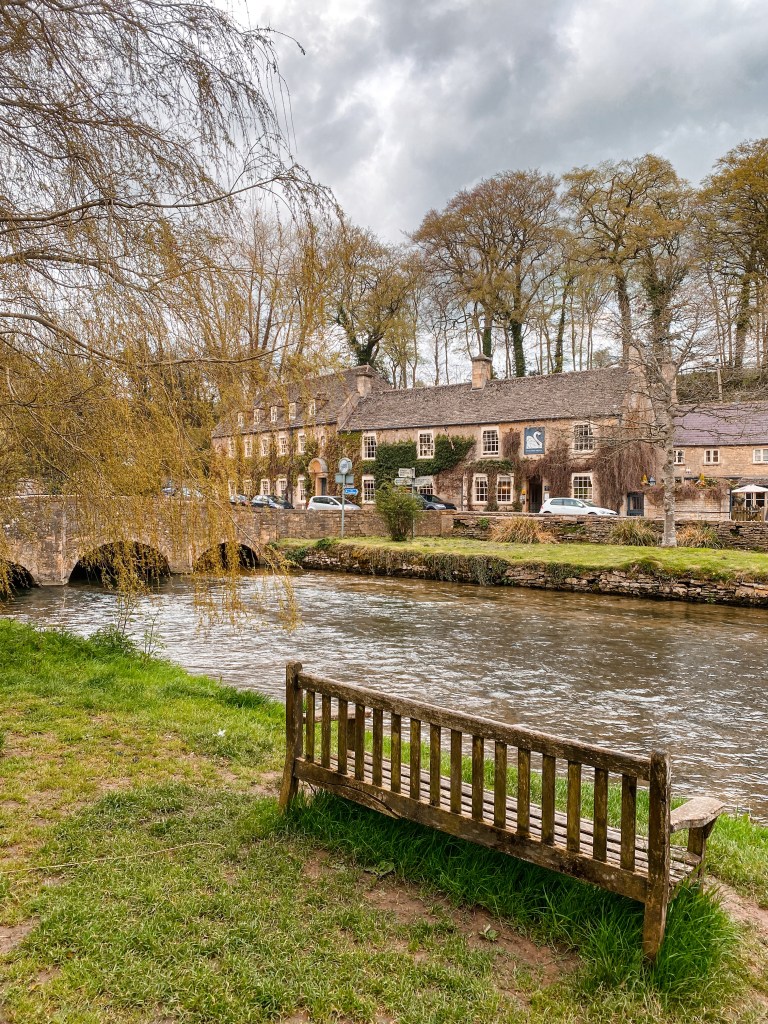
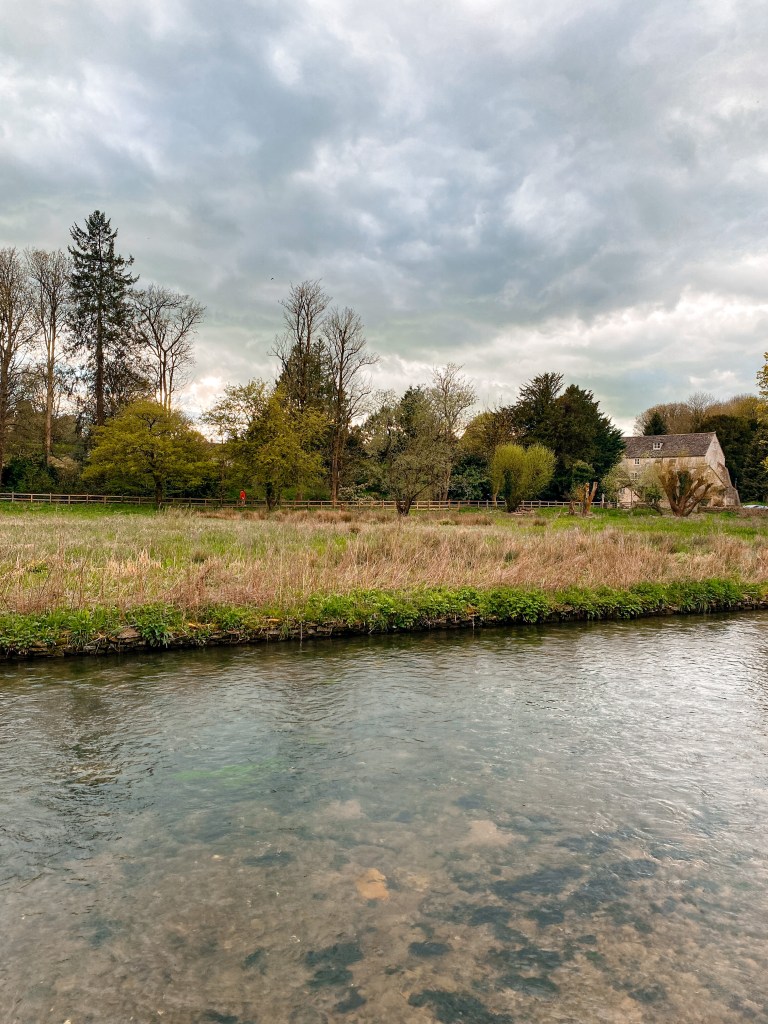
The meandering River Coln adds to the village’s peaceful ambiance, gently flowing through the countryside. Find a secluded spot along its banks and let the soothing sound of running water calm your mind.

With its lush green fields, Bibury offers an abundance of natural beauty waiting to be discovered. Take a moment to bask in the peacefulness of the surrounding countryside, breathing in the fresh, crisp air. Whether you choose to explore on foot or by bicycle, you’ll be rewarded with breathtaking views at every turn.

Must-See Attractions in Bibury

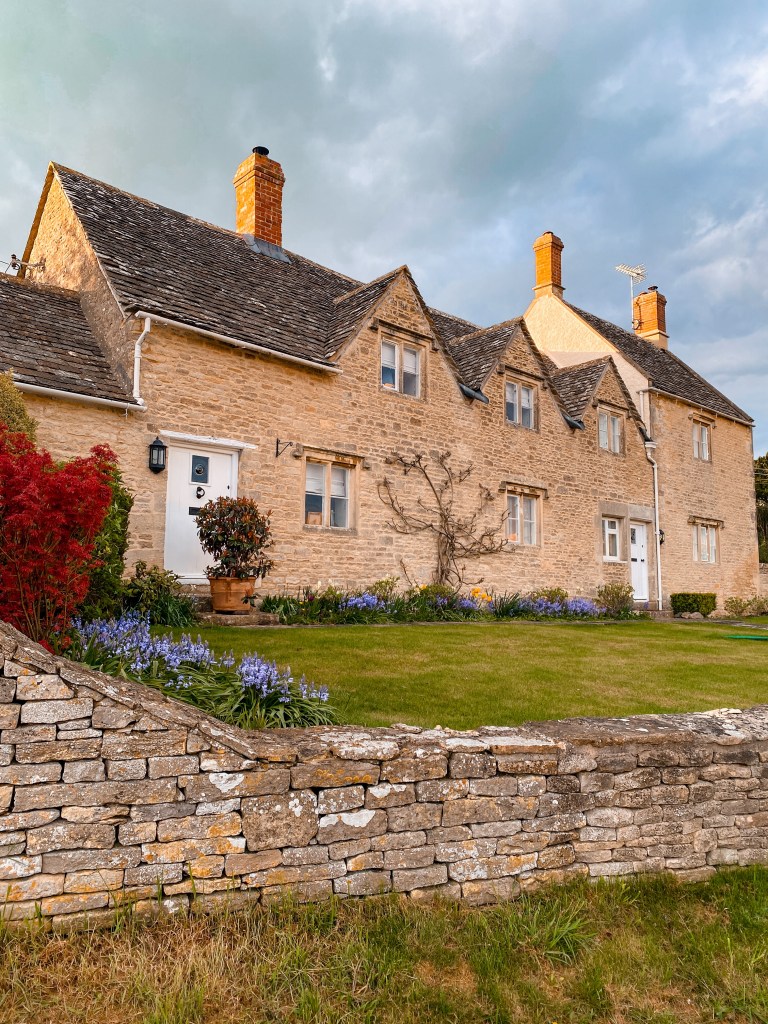
One of the most captivating aspects of Bibury is its architectural charm. As you wander through the village’s quaint streets, you’ll be mesmerized by the beautiful stone cottages that line the banks of the River Coln. These ancient buildings, crafted from honey-colored Cotswold stone, exude a timeless elegance that is truly enchanting.

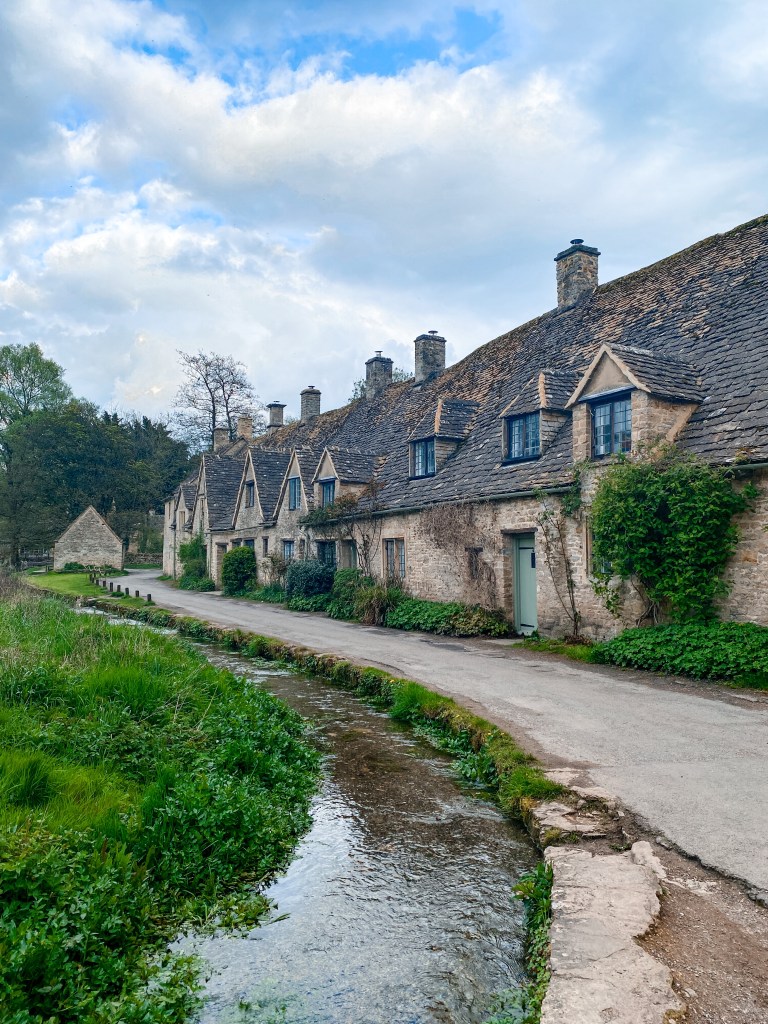
Arlington Row

One architectural gem that stands out in Bibury is Arlington Row. This row of stone cottages, dating back to the 14th century, is undoubtedly one of the most picturesque sights in the village. The iconic row was first built as a wood store and was then converted into weaver houses in the 17th Century. Arlington Row is certainly a true testament to Bibury’s history and charm! With their steeply pitched roofs, mullioned windows, and climbing roses adorning the walls in the summertime, these cottages are like something out of a storybook. Their historic significance and well-preserved state make them a must-see attraction for anyone visiting Bibury.

Church of St. Mary

But the architectural wonders don’t end there. The Church of St. Mary, standing gracefully at the heart of Bibury, is a sight that cannot be missed. Dating back to the 12th century, this historic church boasts intricate stonework and stunning stained glass windows, showcasing the craftsmanship of a bygone era. Whether you step inside to admire the ornate interior or simply stand outside to take in its grandeur, the Church of St. Mary will leave you awestruck.

Bibury Court

Another noteworthy sight is Bibury Court, an exquisite Jacobean mansion that has been beautifully restored and transformed into a hotel. Its grand facade, ornate details, and manicured gardens make it a wonderful place to stop and admire, even if you’re not staying overnight.

As you wander through the village’s streets, don’t forget to pause and appreciate the smaller architectural gems that lie hidden throughout Bibury. From charming cottages with colorful flower gardens to ancient stone bridges that span the River Coln, every corner holds a little piece of history waiting to be discovered.

Local Traditions and Culture

As you delve deeper into Bibury’s hidden treasures, you’ll discover how its rich history shaped the sense of community that still thrives today. From quaint village events to time-honored customs, Bibury offers a fascinating array of experiences that allow visitors to connect with the heart and soul of this Cotswold paradise.

One way to immerse yourself in Bibury’s local traditions is by attending the annual Bibury Duck Race, a beloved event that brings the community together in friendly competition. Held on the picturesque River Coln, this lively race sees hundreds of rubber ducks bobbing along the water, each sponsored by locals and visitors alike. It’s a heartwarming spectacle that showcases Bibury’s camaraderie and the simple joys that bind the community.

To truly embrace Bibury’s cultural fabric, consider exploring the Arlington Row Weavers’ Cottages previously mentioned in this article. These historic cottages, first built in the 14th Century and then converted into weaver’s cottages in the 17th Century, once housed weavers who produced fine woolen cloth. Today, they stand as a testament to Bibury’s heritage and offer a glimpse into the village’s past.

For a taste of local flavor, visit the Bibury Trout Farm, the oldest in the country. This working fish farm not only offers the opportunity to catch your own trout but also provides insight into the traditional methods of rearing and farming fish. Whether you’re an angling enthusiast or simply curious about the local industry, a visit to the Bibury Trout Farm offers a unique chance to explore a quintessential aspect of Bibury’s culture.

Immersing yourself in Bibury’s traditions and culture sets the stage for a truly authentic experience in this idyllic village. As you uncover the stories behind its historic landmarks and participate in local customs, you’ll gain a deeper appreciation for the unique sense of community that still thrives within Bibury’s charming streets.

Experience the Surrounding Countryside and Nature

As you venture further into the surrounding countryside, you’ll discover a myriad of hidden gems waiting to be explored. Follow the winding paths that lead through enchanting meadows and ancient woodlands. Marvel at the vibrant colors of wildflowers dancing in the breeze, adding a touch of magic to the landscape. Pause by a babbling brook, listening to the soothing sounds of water cascading over rocks, creating a calming melody.

For the avid birdwatcher, the countryside around Bibury offers an opportunity to spot a variety of avian species in their natural habitat. Keep your eyes peeled for the elegant flight of the buzzards, the graceful swoop of swallows, and the charming antics of little birds perched on tree branches. Nature enthusiasts will be delighted to stumble upon a wealth of wildlife, from squirrels playfully scampering across the forest floor to rabbits darting between fields of wildflowers.

Exploring the surrounding nature not only allows you to appreciate the raw beauty of Bibury’s countryside but also offers a chance for self-reflection and introspection. The serenity and tranquility of the natural world become a mirror, reflecting your inner thoughts and allowing you to reconnect with yourself.

Plan Your Adventure

Bibury, in all its hidden glory, is a paradise for the wanderer, a sanctuary for the seeker of tranquility. Whether you are a nature lover, a history enthusiast, or simply someone yearning for an escape, this hidden gem has the power to ignite your wanderlust and awaken your senses. So what are you waiting for? Start planning your next visit to Bibury today!

9 Charming Things To Do in Castle Combe, Cotswolds (2026)

Disclaimer: This post contains affiliate links

Often described as one of the prettiest villages in England, Castle Combe feels like a place untouched by modern life. Tucked away in the southern Cotswolds, this small Wiltshire village is famous for its perfectly preserved stone cottages, quiet lanes, and storybook scenery. Walking its streets feels like stepping back several centuries, where every corner tells a story of medieval England, the wool trade, and generations who lived and worked here. No wonder it is my favorite Cotswolds village!

This guide covers some of the most charming things to do in Castle Combe and helps you plan a memorable visit, whether you are stopping by for a few hours or staying overnight.

8 Charming Things To Do in Castle Combe, Cotswolds

1. Stay at The Old Museum

The Old Museum is a detached holiday home located near the lower entrance of Castle Combe village. It is one of the first historic buildings you will see as you walk toward the village center from the parking lot.

Staying here allows you to experience Castle Combe when the crowds fade, offering peaceful views of the street and immediate access to the heart of the village.

2. Walk Down The Street

The main approach into Castle Combe is known simply as The Street. Lined with trees, stone cottages, and rolling greenery, this walk sets the tone for the entire visit.

As you stroll downhill toward the village center, you will pass some of the most photographed cottages in England. Be mindful that this is an active road with occasional traffic.

3. Visit the Dower House from Doctor Dolittle

The Dower House is one of Castle Combe’s most recognizable buildings. This Grade II listed property famously appeared as the Doctor Dolittle house in the 1967 film.

Painted in soft yellow tones and set along The Street, it is a favorite photo stop and a highlight for film lovers visiting the village.

4. See the Market Cross

The Market Cross stands at the heart of Castle Combe and marks the location of the village’s medieval market. Built in the fourteenth century, it symbolizes Castle Combe’s importance during the height of the wool and cloth trade.

This historic monument remains one of the most iconic features of the village!

5. Visit St Andrew’s Church

St Andrew’s Church dates back to the thirteenth century and has been expanded and restored over time. Inside, visitors can see the effigy of Sir Walter de Dunstanville, Baron of Castle Combe, who died in 1270. His crossed legs indicate participation in the Crusades, a detail that fascinates many visitors.

The church and surrounding churchyard are open during daylight hours, and offer a peaceful place to pause.

6. Walk Through Market Place and Admire the Cottages

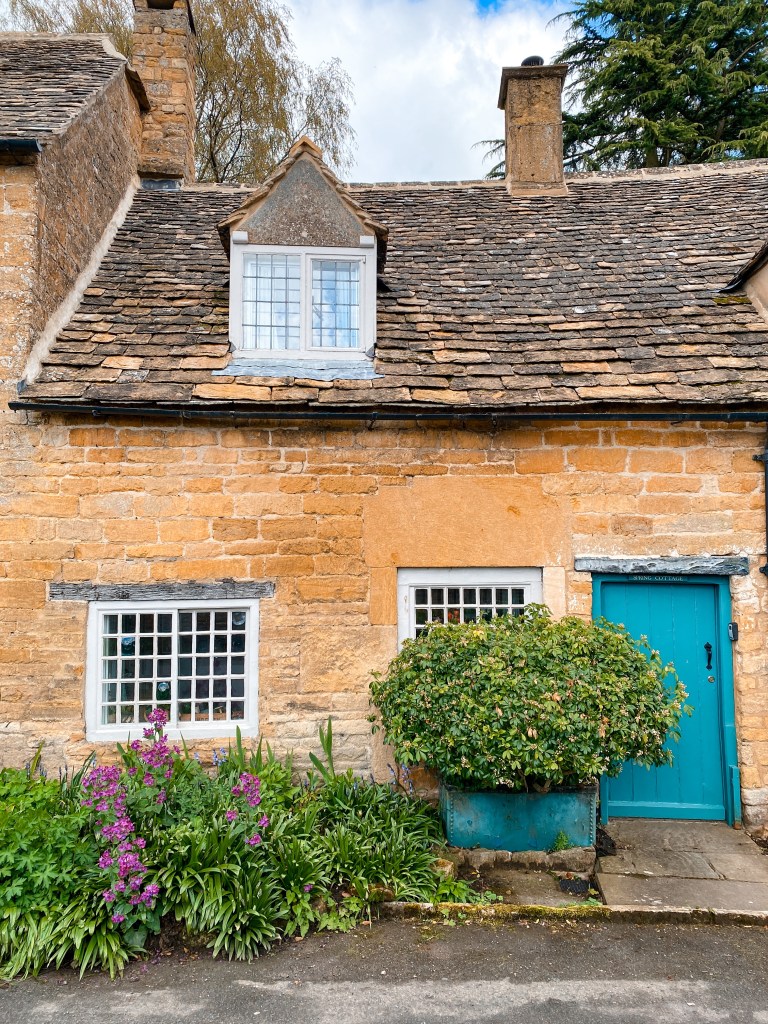
Market Place is one of the most picturesque areas of Castle Combe. Here, rows of honey colored stone cottages with ivy covered walls and carefully tended gardens create the village’s postcard perfect image.

Tucked among the cottages, you will also find small tea rooms where you can stop for tea, coffee, or freshly baked treats!

7. Photograph the Bridge over the River Bybrook

The stone bridge over the River Bybrook is the most photographed spot in Castle Combe. From here, you get a perfect view of the cottages reflected in the water.

No new buildings have been constructed in Castle Combe since the seventeenth century, which is why the village feels so remarkably preserved!

8. Sit on Queen Elizabeth’s Bench

Located near the bridge, Queen Elizabeth’s Bench offers one of the best viewpoints in the village. The bench was placed in memory of Her Majesty Queen Elizabeth II and faces the iconic cottages of Castle Combe. It is a lovely place to sit quietly and take in the scenery.

9. Visit Castle Combe Manor

Castle Combe Manor dates back to the fourteenth century and was once home to Sir John Oldcastle. Today, it operates as a luxury hotel and golf estate.

Visitors can enjoy coffee, lunch, afternoon tea, or dinner at the manor, even if not staying overnight. The gardens are open to the public unless a private event is taking place.

Castle Combe Filming Locations

Castle Combe has appeared in numerous films and television productions due to its untouched medieval appearance. Notable productions include Doctor Dolittle, War Horse, Stardust, and several period dramas. This cinematic history adds another layer of interest for visitors.

Things to Do Near Castle Combe

Castle Combe is well located for exploring other parts of the Cotswolds.

Nearby highlights include Lacock Village, often used as a filming location for Harry Potter, and Bath, a UNESCO World Heritage city. For travelers exploring the northern Cotswolds, villages such as Broadway, Snowshill, and Stow on the Wold can be visited as part of a longer road trip.

Best Time to Visit Castle Combe

Spring and summer are the most popular seasons, thanks to blooming gardens and mild weather. Autumn offers fewer crowds and warm colors, while winter brings a quiet, atmospheric charm.

Early mornings and late afternoons are the best times to experience Castle Combe without large tour groups.

Exploring the Village of Stow on the Wold in the Cotswolds (2026)

Disclaimer: This post contains affiliate links.

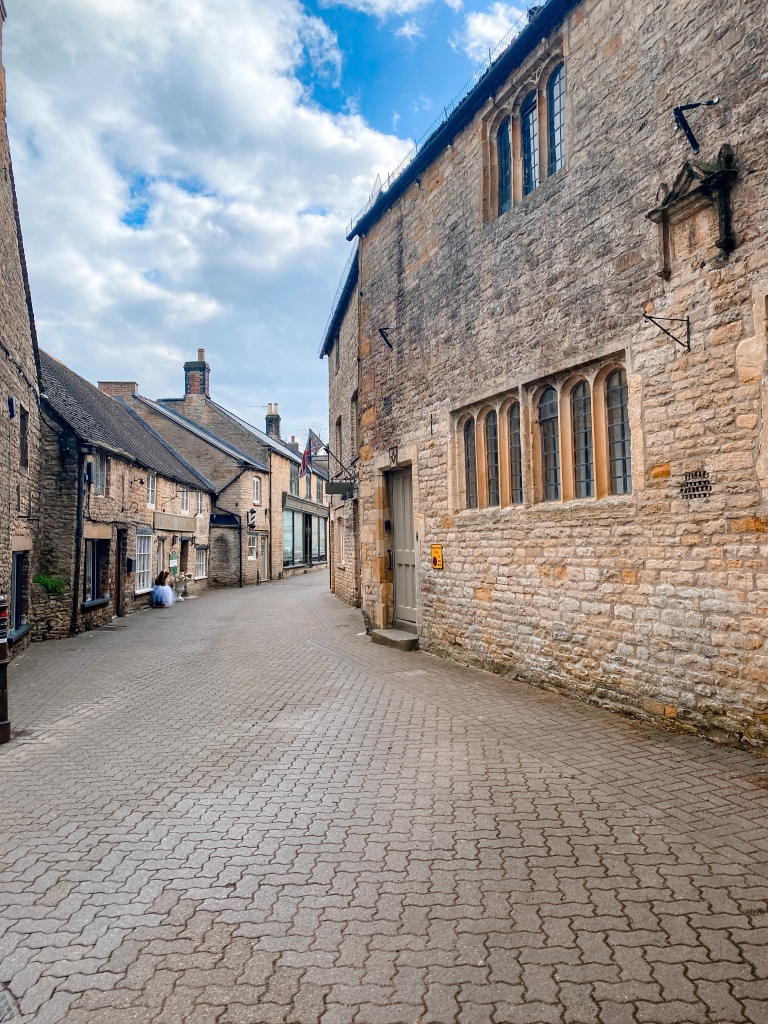
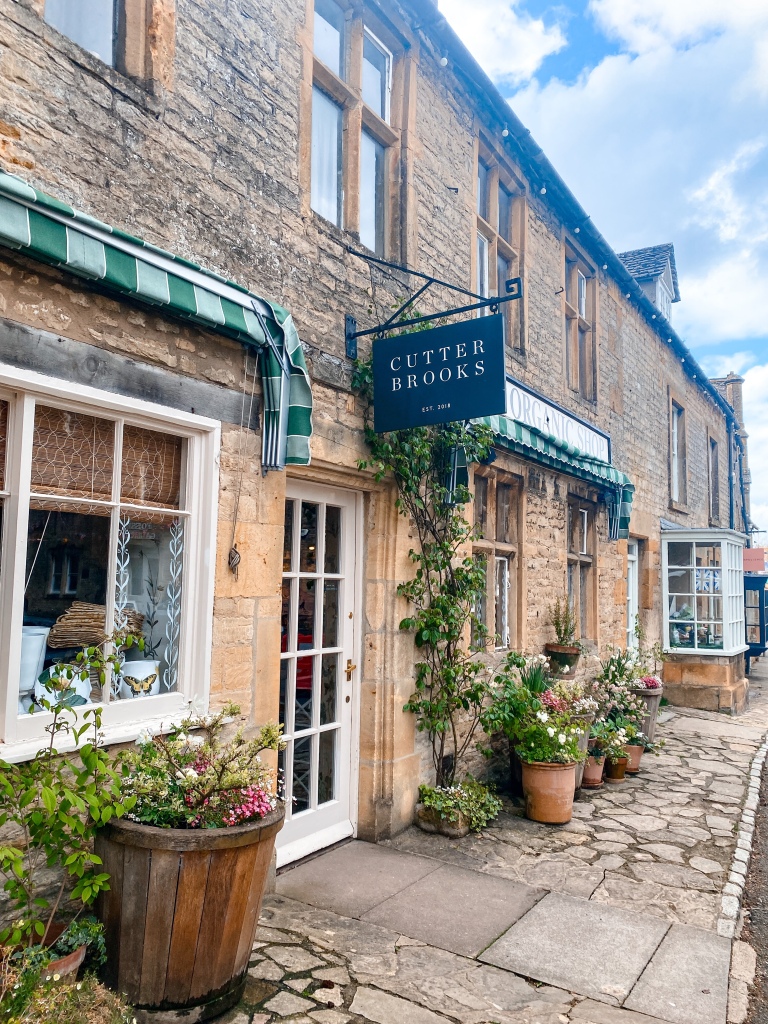
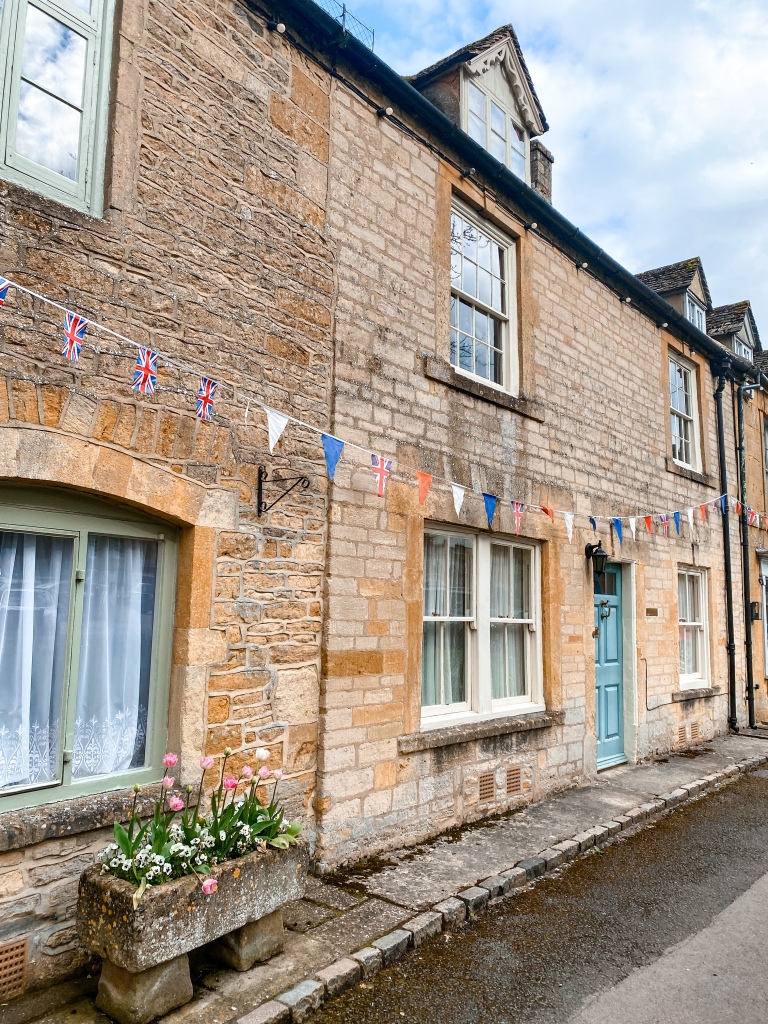
Perched on one of the highest points in the Cotswolds, Stow on the Wold is a village that feels both timeless and welcoming. Once an important market town, today it draws visitors with its honey colored stone buildings, antique shops, historic inns such as this one, and relaxed village atmosphere.

Walking through Stow on the Wold feels like stepping into a quieter rhythm of life. Cobblestone streets curve gently past centuries old cottages, independent shops, and cozy tearooms. It is a place that encourages slow travel, whether you are browsing antiques, enjoying a long lunch, or simply wandering without a plan.

Exploring the Streets of Stow on the Wold

One of the best things to do in Stow on the Wold is simply to wander. The village center is compact, yet full of character.

The winding streets are lined with antique shops, independent boutiques, cafes, and galleries. Many of these buildings date back several centuries and retain their original stone facades, giving the village its unmistakable Cotswold charm.

Take your time here. This is the kind of place where popping into one shop easily turns into an afternoon of exploring!

Stow on the Wold High Street and Market Square

The High Street and Market Square form the heart of Stow on the Wold. Historically, this square hosted large sheep markets and fairs that brought traders from across England.

Today, it is surrounded by antique shops, traditional pubs, and tearooms. The atmosphere is lively but never overwhelming. A relaxed afternoon route through the village could include:

  • Start with brunch or cream tea at Huffkins, a classic Cotswolds institution
  • Browse nearby shops such as The Curated Store or Fosse Gallery
  • Explore antique favorites like Durham House Antiques and Tara Antiques
  • Pick up local cheese from the Cotswold Cheese Company
  • Finish with coffee or cake at Lucy’s Tearoom or the New England Coffee House.

Visit St Edward’s Church

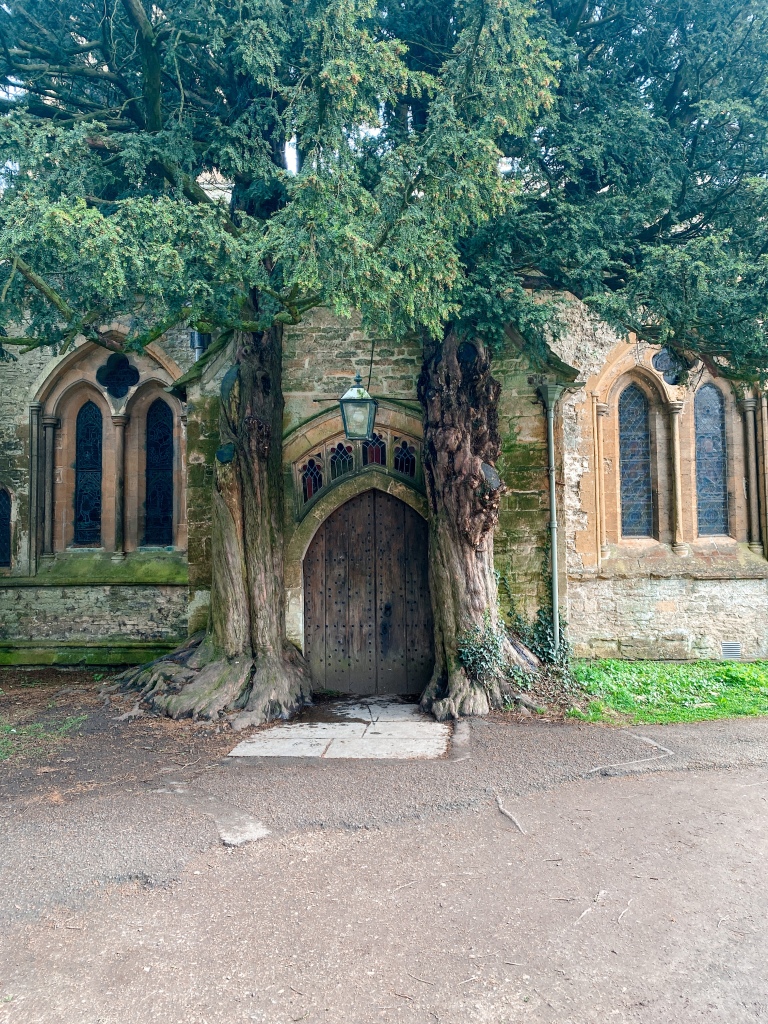
St Edward’s Church is one of the most atmospheric churches in the Cotswolds. Its famous north door, framed by ancient yew trees, has become an iconic image of Stow-on-the-Wold and is often likened by Tolkien fans to something from Middle-earth—reminiscent of the hidden doors of Moria watched over by ancient trees!

The church dates back to the eleventh century and features beautiful stained glass windows and intricate stonework. The setting feels almost mythical and is frequently linked to inspiration for fantasy literature. Needless to say, this is a must-see stop when visiting the village!

Walks and Nature Around Stow on the Wold

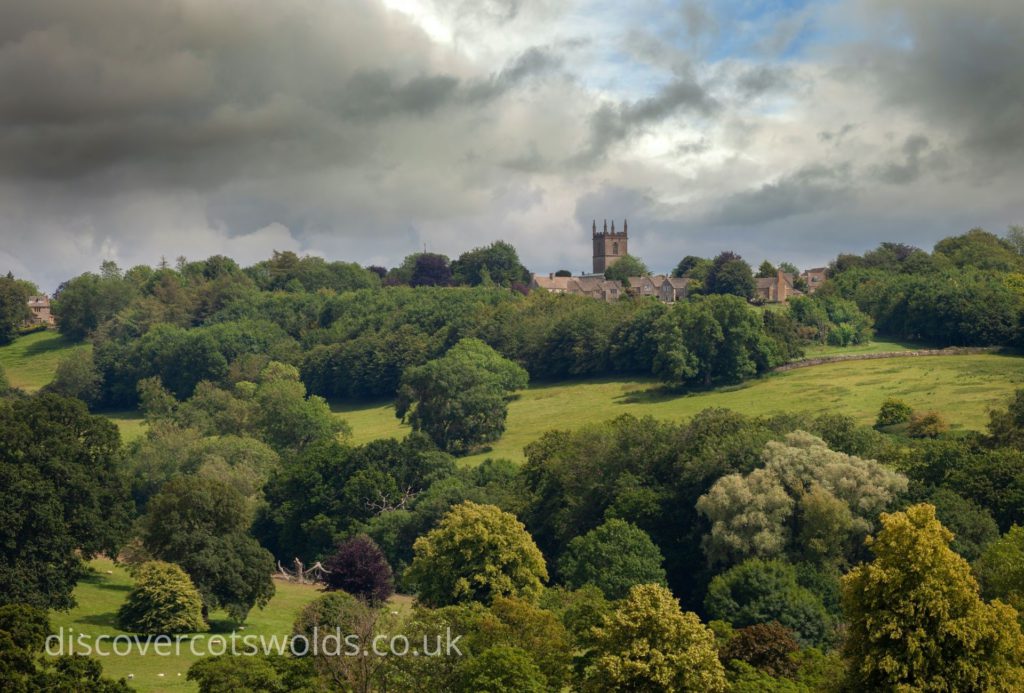
Stow on the Wold is surrounded by classic Cotswold countryside. Rolling hills, open fields, and quiet footpaths begin just beyond the village streets.

The Cotswold Way long distance walking trail passes nearby, offering opportunities for short scenic walks or longer countryside hikes. Each season brings a different feel, from spring wildflowers to golden autumn landscapes.

Where to Stay in Stow on the Wold

Stow on the Wold offers a wide range of accommodation options, making it a popular place to stay in the Cotswolds. You will find charming bed and breakfasts, historic coaching inns, boutique hotels, and self catering cottages. Many accommodations are within walking distance of shops and restaurants, which makes evenings especially enjoyable.

Getting to Stow on the Wold

By Car

  • From London, the drive takes about two hours via the M40 and A424.
  • From Oxford, the journey is just under one hour.
  • From Birmingham, allow around one hour and fifteen minutes.

Parking is available in and around the Market Square, though spaces can fill quickly. A free car park near the Tesco on the edge of town is a useful alternative.

By Train

  • The nearest train station is Moreton in Marsh, approximately four miles away.
  • Direct trains run from London Paddington in about one hour and thirty minutes.

From the station, you can take a taxi or local bus to Stow on the Wold.

By Bus

  • Local bus services connect Stow on the Wold with Moreton in Marsh, Bourton on the Water, Cheltenham, and other Cotswold towns.
  • Services are less frequent on Sundays, so checking timetables in advance is recommended.

Visiting Broadway from Stow on the Wold

Broadway is an excellent addition to a Stow on the Wold itinerary. Located to the north, it is known as the Jewel of the Cotswolds and offers a wider High Street, excellent shopping, and access to Broadway Tower.

Many visitors combine Stow on the Wold and Broadway in a single day, either by car or on a guided Cotswolds tour. The village of Broadway also makes a great base if you want to explore Snowshill and the northern Cotswolds.

I wrote an article about the village of Broadway here, and Snowshill here. I highly recommend taking a look and seeing if they are a good fit to add to your itinerary!

Stow on the Wold in Film and Television

Stow on the Wold and the surrounding Cotswolds have been featured in numerous British television shows and films. Nearby villages have appeared in productions such as Downton Abbey, Father Brown, and Bridget Jones’s Diary.

The timeless streets and historic buildings of Stow on the Wold make it a natural fit for period dramas and countryside scenes.

Best Time to Visit Stow on the Wold

Spring and summer are the most popular times to visit, thanks to pleasant weather and blooming gardens. Autumn offers fewer crowds and warm countryside colors, while winter brings festive decorations and cozy pub interiors.

Stow on the Wold is a year round destination, with each season offering a different atmosphere!

5 Prettiest Spots in the Village of Broadway, Cotswolds (2026)

Disclosure: This post contains affiliate links.

Broadway is often called the Jewel of the Cotswolds, and it is easy to see why. Sitting at the northern edge of the Cotswolds, this elegant village combines grand architecture, flower filled gardens, historic inns, and sweeping countryside views.

Unlike smaller villages nearby, Broadway feels lively yet refined. Independent shops, cafes, art galleries, and traditional pubs line its wide High Street, while peaceful footpaths and scenic viewpoints lie just minutes away. It is an ideal stop on any Cotswolds itinerary and a perfect base for exploring the surrounding area!

If you only have a few hours in Broadway, this guide covers the prettiest spots you should make time for. If you want to see Broadway along with other standout Cotswolds villages in a single day, I highly recommend joining a guided tour such as the one offered by Go Cotswolds. I have personally gone on this tour, and it is an excellent way to experience multiple highlights without the stress of planning or driving!

5 Prettiest Spots in Broadway, Cotswolds

1. Broadway High Street

Broadway High Street is one of the widest and most impressive high streets in the Cotswolds. Lined with honey colored stone buildings, boutique shops, historic inns, and colorful flower displays, it feels both grand and welcoming.

Walking along the High Street is one of the best free things to do in Broadway. Take your time browsing independent shops, stopping for tea, and admiring the architecture that dates back several centuries.

This area is especially beautiful in spring and summer when flowers cascade from windows and garden walls.

2. Broadway Village Green

The Village Green sits at the heart of Broadway and plays an important role in local life. It regularly hosts farmers markets, seasonal fairs, and community events.

Surrounded by cafes and pubs, it is a popular spot for picnics and people watching. Benches around the green offer excellent views of the surrounding buildings and countryside beyond.

Families will appreciate the open space, while photographers will enjoy capturing the village atmosphere from this central location.

3. The Lygon Arms

The Lygon Arms is one of the most famous hotels in the Cotswolds and a true Broadway landmark. This historic coaching inn dates back over 600 year s and has hosted royalty, political figures, and writers throughout its long history.

Oliver Cromwell is said to have stayed here during the English Civil War, and the building itself feels like a living museum.

Even if you are not staying overnight, it is worth stepping inside to admire the interiors or enjoying a drink in the bar or courtyard.

4. The Lygon Arms Garden

Behind the Lygon Arms, accessed via Back Lane, you will find a series of beautifully maintained gardens. These peaceful spaces offer a welcome escape from the busier High Street.

Each garden area has a slightly different design, with manicured lawns, stone paths, and carefully chosen plants. Benches throughout the gardens invite visitors to sit and relax.

This is one of the most underrated spots in Broadway and ideal for a quiet break during your visit.

5. The Bridal Room Square

The Bridal Room boutique is located just off the High Street at 4 Keil Close. The small square surrounding it is one of Broadway’s hidden gems.

With its traditional stone buildings, soft colors, and tucked away feel, it offers a more intimate and less crowded view of the village. It is a lovely place to pause and soak in Broadway’s charm away from the main thoroughfare.

More Things to Do in and Around Broadway

Visit Broadway Tower

Broadway Tower is one of the most famous landmarks in the Cotswolds and sits just outside the village. Built in the eighteenth century, it offers panoramic views across up to sixteen counties on clear days!

You can walk to the tower from Broadway village or drive to the nearby parking area. The surrounding parkland is ideal for walks and picnics. You can also visit while on a tour, such as this one!

Walk the Northern Cotswolds

Broadway is the official starting point of the Cotswold Way, a long distance walking trail that stretches to Bath. Even if you are not tackling the full route, shorter walks around Broadway offer stunning countryside views.

Popular routes include walks to Snowshill, Broadway Tower, and through nearby farmland and woodland.

Explore Nearby Villages

Broadway is perfectly located for visiting other beautiful Cotswold villages. Snowshill is only two miles away and offers a quieter, more secluded atmosphere. Chipping Campden, Winchcombe, and Stanton are also easy to reach by car.

Broadway Filming Locations

Broadway and the surrounding Cotswolds have appeared in numerous film and television productions. The village’s historic inns and streets fit perfectly into period dramas.

Nearby locations have been used in productions such as Downton Abbey, Bridget Jones’s Diary, and Father Brown, making Broadway a great stop for fans of British film and television!

How to Get to Broadway Village

You can reach Broadway from London in several ways.

By car, the journey takes just under two hours, depending on traffic.

By train, travel to Moreton in Marsh station, then take a local bus or taxi to Broadway. Total travel time is approximately three hours.

By coach, you can take a service from London Victoria to Cheltenham and then transfer to a local bus. This is the longest option and can take around five hours.

Where to Stay in Broadway

Broadway offers accommodation for a wide range of budgets and travel styles.

You will find luxury hotels, historic inns, self catering cottages, and family friendly stays both in the village and nearby.

Staying in Broadway is ideal if you want easy access to the North Cotswolds while enjoying a lively village atmosphere.

Best Time to Visit Broadway

Spring and summer are the most popular seasons, thanks to blooming flowers and outdoor events. Autumn offers beautiful colors and fewer crowds, while winter brings festive decorations and cozy pub experiences.

Broadway is a year round destination, with each season offering a different perspective on village life.

Frequently Asked Questions About Broadway

How many people live in Broadway
According to the 2011 census, Broadway had a population of 2,540.

Is there parking in Broadway
Yes. There are several car parks in and around the village, all reasonably priced and easy to use.

Can I walk to another village from Broadway
Yes. Snowshill is only two miles away and can be reached on foot.

Is Broadway worth visiting
Absolutely. Broadway combines history, scenery, shopping, and excellent food, making it one of the best villages to visit in the Cotswolds!

To get a more thorough view of the village, refer to this map for your visit.

Exploring Snowshill in the Cotswolds: Things to Do, Walks and Travel Tips (2026)

Disclosure: This post may contain affiliate links.

Snowshill is one of those rare Cotswold villages that feels almost untouched by time. Tucked away in the rolling hills of Gloucestershire, this peaceful village is known for its honey colored cottages, historic manor, lavender fields, and beautiful countryside views. Despite its small size, Snowshill offers visitors an authentic and deeply atmospheric Cotswolds experience.

If you are looking for a quiet village to visit near Broadway, away from the crowds of Bourton on the Water or Bibury, Snowshill is an excellent choice.

Where is Snowshill Located?

Snowshill is a civil parish in Gloucestershire, England, located in the North Cotswolds. It sits within the Cotswolds Area of Outstanding Natural Beauty, one of the most scenic regions in the country.

The village is positioned just a few miles south of Broadway, making it easy to combine Snowshill with visits to other popular Cotswold destinations such as Chipping Campden, Winchcombe, and Stow on the Wold.

How to Get to Snowshill

Snowshill does not have a train station or regular bus service, which helps preserve its quiet charm.

The most convenient way to reach Snowshill is by car. There is a free public car park located just before the Snowshill Manor parking area, within easy walking distance of the village.

If you are traveling without a car, you can take a bus or train to Broadway or Moreton in Marsh and then arrange a taxi in advance. Another popular option is walking from Broadway, which is approximately two miles and offers beautiful countryside views along the way.

Because taxi availability in this area is limited, planning transportation ahead of time is strongly recommended.

A Brief History of Snowshill

Snowshill was first recorded in the year 821, when King Coenwulf of Mercia gifted Snowshill Manor to Winchcombe Abbey. Many of the village’s charming stone cottages date back to the fifteenth century and were originally home to workers connected to the manor.

Archaeological excavations carried out in the nineteenth century revealed that the area was inhabited much earlier. Evidence of a Bronze Age settlement dating between 2100 and 1600 BC was discovered, with artifacts now held in the British Museum!

Top Things To Do in Snowshill, Cotswolds

Walk Around the Village

One of the best things to do in Snowshill is simply to wander. The village is small enough to explore in fifteen minutes, but you will want to move slowly to appreciate the details.

Expect narrow lanes, traditional limestone cottages, flower filled gardens, and complete tranquility. Early morning and golden hour are particularly magical times to visit.

If you would like to explore Snowshill with a private guide and car, then check this tour out!

Visit St Barnabas Church

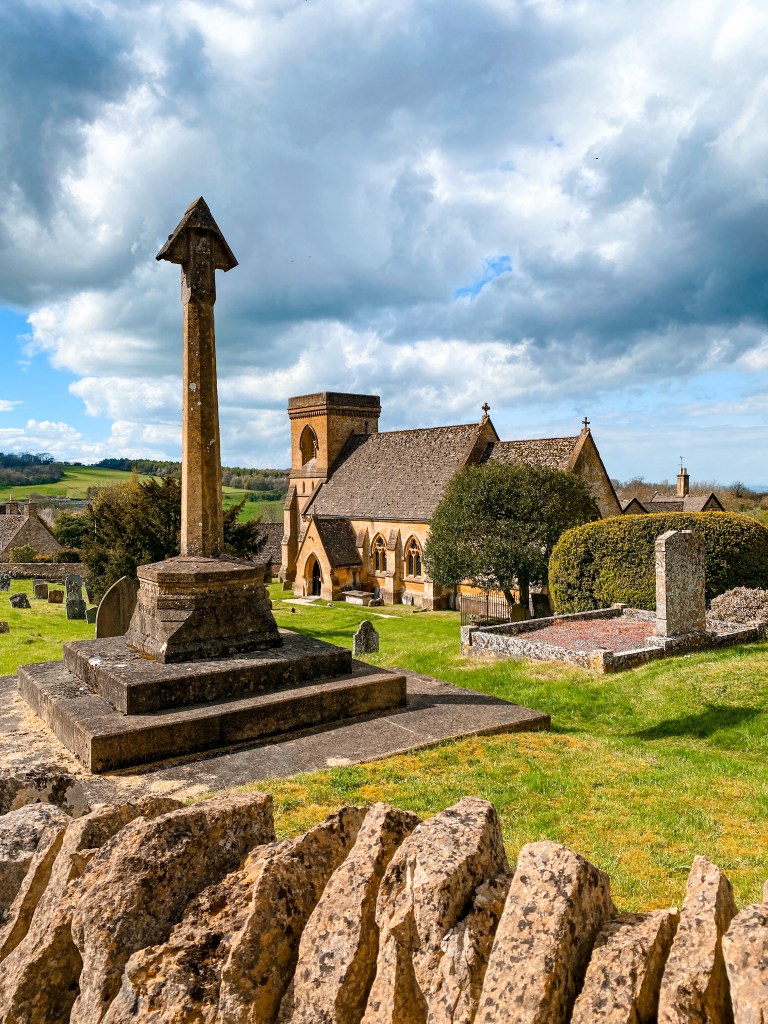
St Barnabas Church stands at the heart of the village and dates back to 1864. This Victorian church is open to visitors and offers a quiet place to pause and reflect.

Outside the church, you will find one of Snowshill’s most photographed scenes: a classic red telephone box framed by stone walls and countryside views. A nearby bench makes it a perfect spot to sit and enjoy the village atmosphere.

Eat at The Snowshill Arms

The Snowshill Arms is a beautifully preserved fifteenth century inn and one of the most characterful pubs in the Cotswolds. It serves traditional British dishes and local ales in a cozy, historic setting.

The inn is also a filming location and appeared in the popular British television series Father Brown, adding to its appeal for TV and film fans!

Explore Snowshill Manor and Garden

Snowshill Manor is one of the most fascinating National Trust properties in the Cotswolds. Once home to Charles Paget Wade, the manor houses an eclectic collection of objects ranging from samurai armor to vintage bicycles.

Highlights include the meticulously designed gardens, orchards, and the miniature model village known as Wolfs Cove. There is also a café, gift shop, and second hand bookshop on site.

Allow at least two to three hours to fully explore the manor and grounds.

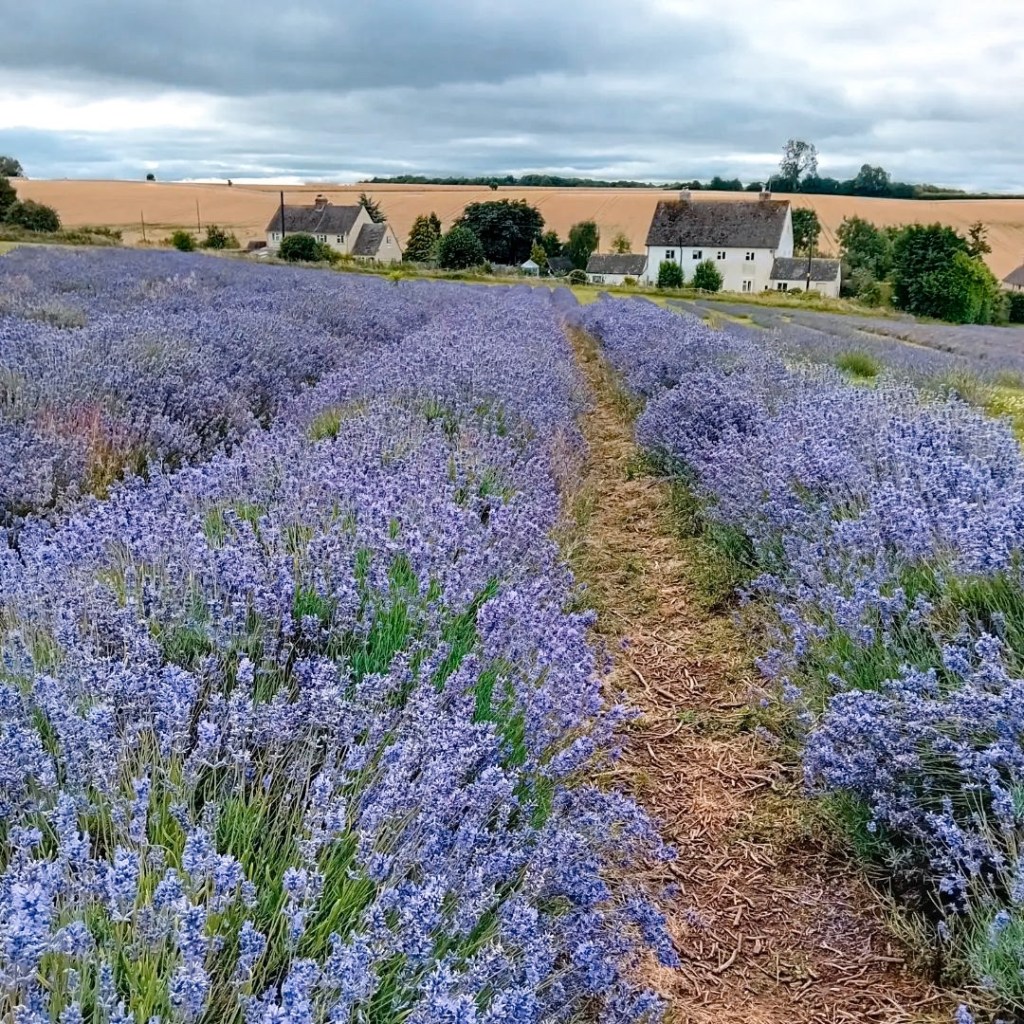
Visit the Cotswold Lavender Fields

Located just outside the village, the Cotswold Lavender fields are one of the most iconic summer attractions in the region. Typically open from June to August, the fields burst into vibrant purple and offer panoramic views over Broadway and the Vale of Evesham.

Tickets are purchased on arrival and card payments only are accepted. Visiting early in the season or early in the day helps avoid crowds.

Go Walking in the Surrounding Countryside

Snowshill is surrounded by classic Cotswold landscapes, making it an excellent base for walking.

Snowshill Walk One
Distance: 2 miles
Duration: approximately 1 hour

This circular walk begins in the village and passes Snowshill Manor and gardens, combining woodland, countryside paths, and quiet roads. Views extend across the Severn Valley towards Wales on clear days.

Snowshill Walk Two
Distance: 3.75 miles
Duration: approximately 2 hours

Starting from the village car park, this longer circuit explores open countryside and woodland, with some steep climbs rewarded by stunning views over the Severn Vale. The route also passes through Snowshill village and the manor grounds.

Things to Do Near Snowshill

Snowshill makes an excellent base for exploring the North Cotswolds.

Nearby highlights include Broadway Tower, one of the best viewpoints in the Cotswolds, Chipping Campden, which marks the start of the Cotswold Way, and Winchcombe, a historic market town close to Sudeley Castle.

Day trips to Bourton on the Water, Stow on the Wold, and Lower Slaughter are also easily achievable by car.

Snowshill Filming Locations and Pop Culture

Snowshill has appeared in several British television productions, most notably Father Brown. Its timeless appearance and lack of modern development make it a popular choice for period dramas and countryside scenes. The area has also been featured in productions such as Downton Abbey and Bridget Jones’s Diary, which adds to the region’s appeal for film and TV enthusiasts.

Where to Stay in Snowshill and Nearby

Accommodation in Snowshill itself is limited, which helps maintain its peaceful atmosphere. However, there are excellent options in nearby villages such as Broadway, Chipping Campden, and Winchcombe.

Staying nearby allows you to explore Snowshill early in the morning or later in the evening, when it is at its most serene.

Best Time to Visit Snowshill

Spring and summer are the most popular times to visit, particularly during lavender season from June to August. Autumn offers quieter streets and beautiful golden landscapes, while winter brings a cozy charm and occasional snowfall that lives up to the village’s name.

Frequently Asked Questions About Snowshill

How many people live in Snowshill?
According to the 2011 census, Snowshill had a population of 164.

When was Snowshill first recorded?
The village was first recorded in 821.

Does it snow in Snowshill?
Yes. Snowshill often experiences snowfall earlier than surrounding areas due to its elevation!

Is there free parking in Snowshill?
Yes. Free parking is available near Snowshill Manor, though spaces are limited.

Is Snowshill worth visiting?
Absolutely. Snowshill is ideal for travelers seeking a peaceful, authentic Cotswold village with rich history and beautiful scenery.