Top 13 Must-See Places in Bath, England

Disclaimer: This post contains affiliate links

Located in the picturesque rolling hills of Somerset, Bath, England is a must-visit destination that perfectly blends ancient history with modern elegance. Renowned for its well-preserved Roman baths and natural hot springs, Bath has been a sanctuary for wellness, relaxation, and spa lovers for over 2,000 years. Bath’s breathtaking Georgian architecture makes one feel like they have stepped into a Jane Austen novel—and this is no surprise, as the beloved author once lived here and drew inspiration from its charming streets.

Beyond the historic sites, Bath boasts a vibrant cultural scene, independent shops, cozy cafes, and lush green spaces. In other words, Bath is the kind of place that slows you down in the best way possible!

In this article, I share with you 13 iconic places you need to see in the city of Bath, England:

13 Iconic Places to See in the City of Bath, England

Jane’s Austen House

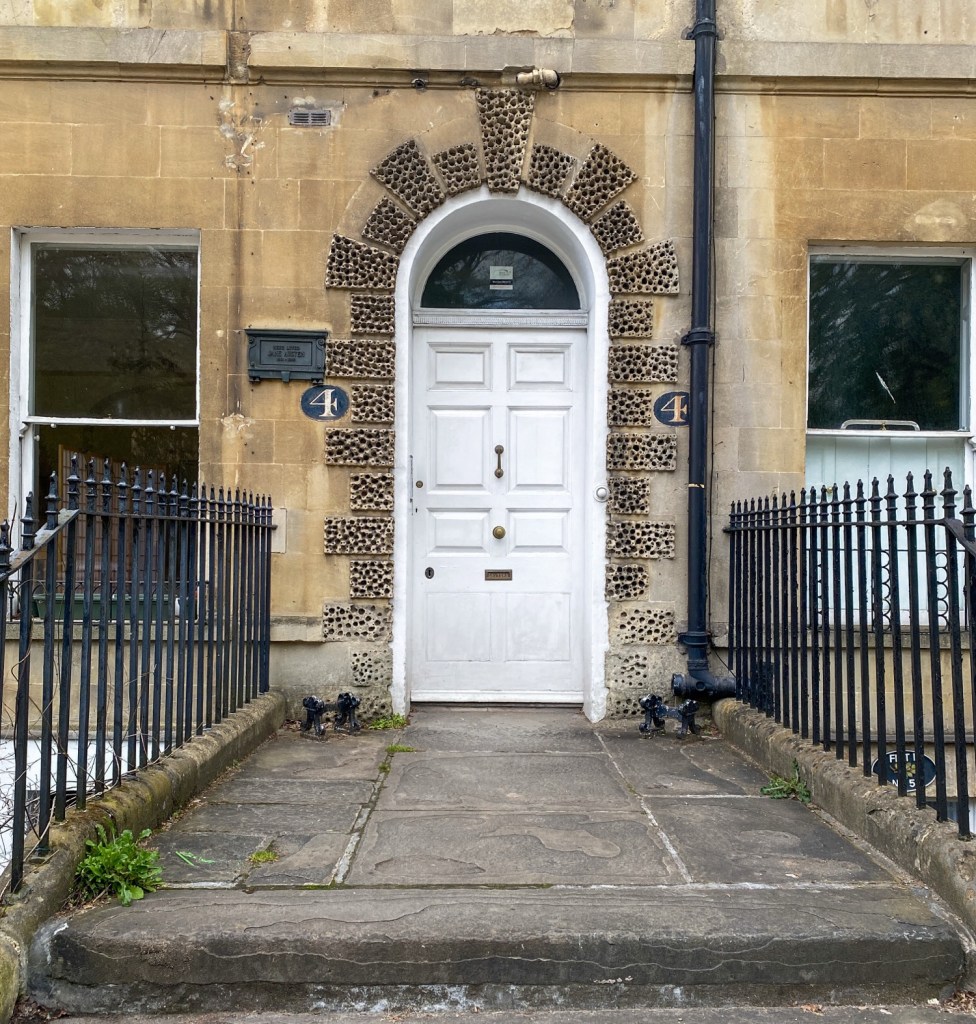
For fans of classic literature, a visit to Jane Austen’s Bath residence is a must. While Austen lived in several homes throughout Bath during her time in the city from 1801 to 1806, the most famous is 4 Sydney Place, a beautifully preserved Georgian townhouse located near the picturesque Sydney Gardens. Although it’s now a private residence, the exterior still draws admirers who want to walk in the footsteps of one of England’s most iconic authors, and you can even book a stay here!

Click here to book a stay in Jane Austen’s Family Home in Bath from 1801 to 1805
The Royal Crescent

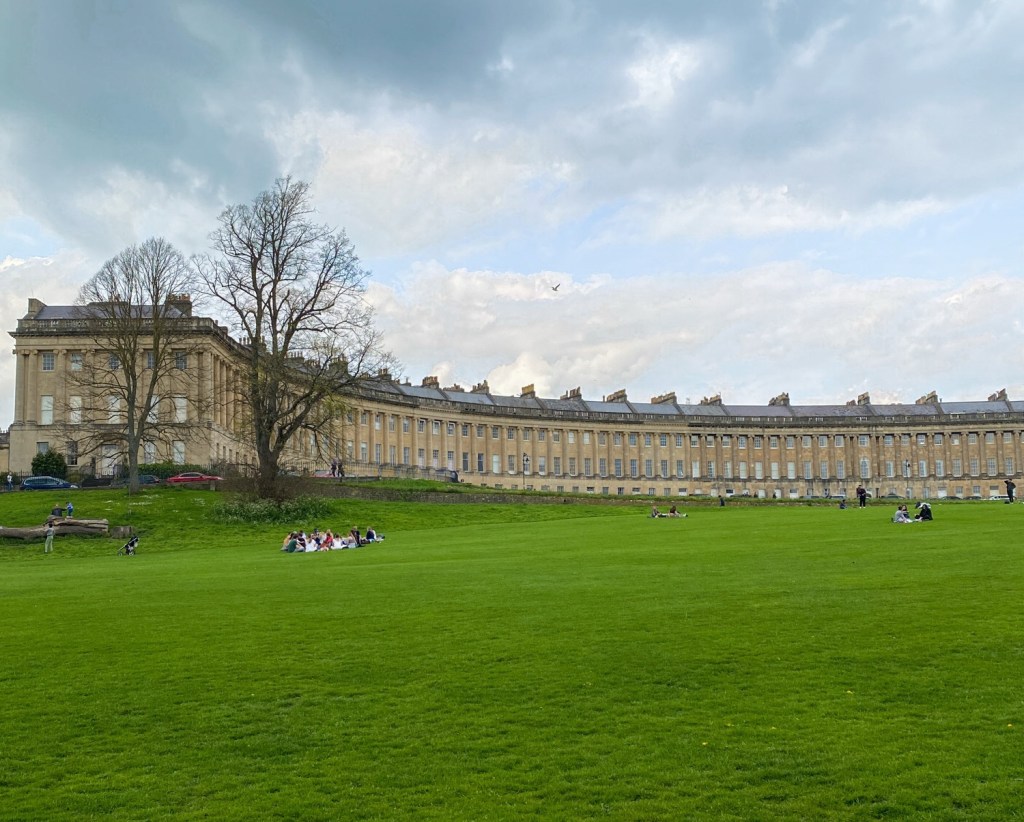
The Royal Crescent is one of Bath’s most iconic landmarks—a sweeping arc of 30 grand Georgian townhouses overlooking a beautiful green lawn. Built in the 18th century, it’s a stunning example of Palladian architecture and a must-see for history and architecture lovers. Perfect for a photo stop or a peaceful stroll!

A Restoration of a Georgian Garden

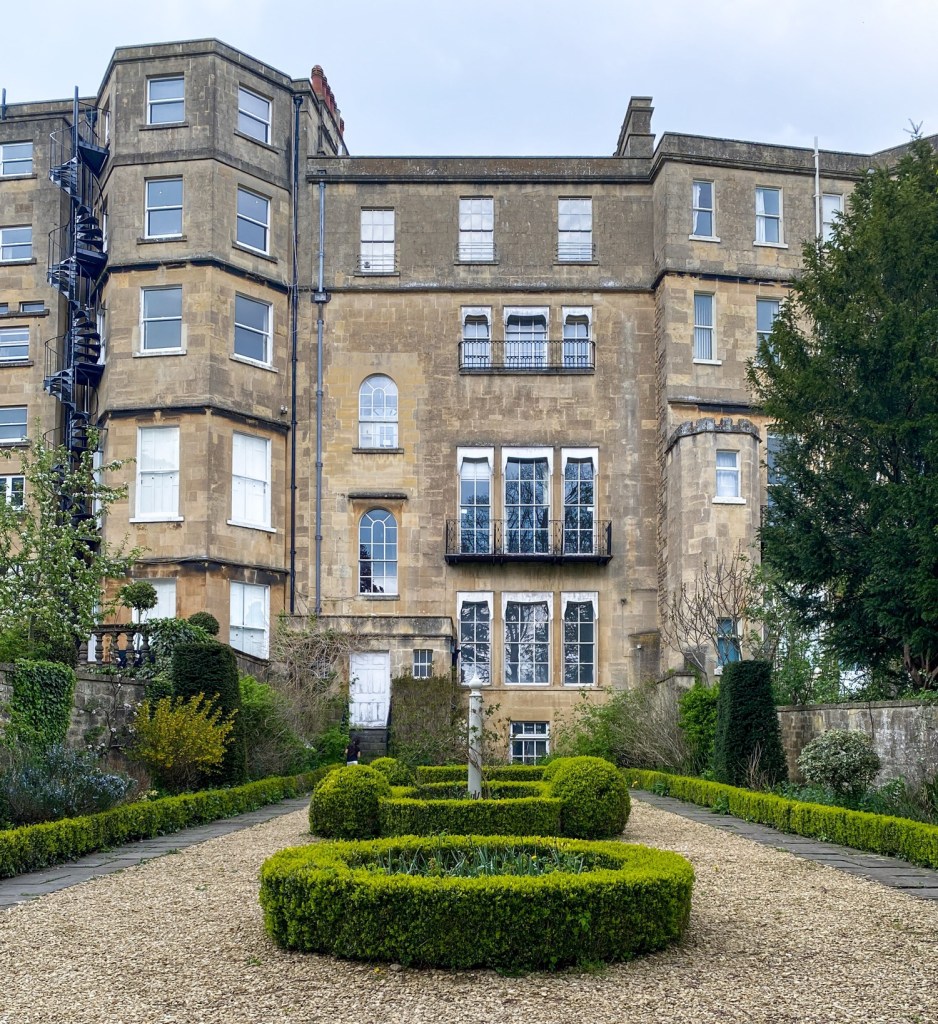
Tucked behind the elegant Royal Crescent, the Georgian Garden offers a quiet glimpse into 18th-century life. This restored garden recreates the style and layout typical of the Georgian era, complete with symmetrical flower beds and gravel paths. It’s a peaceful, free-to-visit spot that adds a touch of authenticity to any stroll through Bath’s historic heart.

Click here to book a walking tour of Georgian Bath

The Jane Austen Centre

Located on historic Gay Street, the Jane Austen Centre celebrates the life and works of the beloved author during her time in Bath. With costumed guides, exhibits, and a charming tea room, it is a must-visit for fans wanting to experience a slice of Austen’s world!

Click here to book the “Jane Austen’s Bath And History Trail” tour with Viator, and get FREE access to the center with your tour!

The Circus

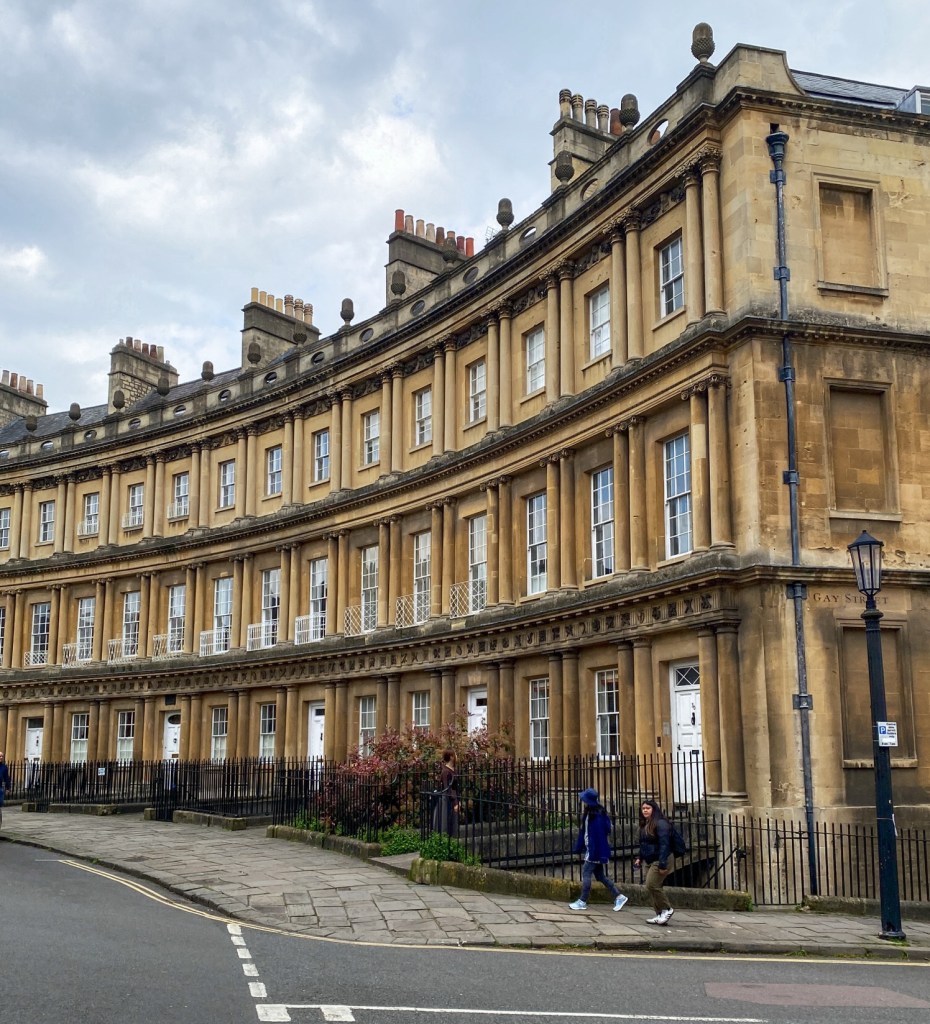
Designed by architect John Wood the Elder, The Circus is a stunning circular arrangement of Georgian townhouses, rich in architectural detail and historical charm. Its unique shape and classical design make it one of Bath’s most impressive and photogenic landmarks.

Over the centuries, The Circus has attracted a number of notable residents. Perhaps most famously, the renowned painter Thomas Gainsborough lived at No. 17 in the 18th century, using the elegant surroundings as inspiration for his portrait and landscape work. The area has long been a fashionable address, home to artists, writers, and prominent figures drawn to its grand Georgian design and central location in Bath.

Sally Lunn’s

Home to one of the oldest houses in Bath, Sally Lunn’s Historic Eating House is famous for its legendary “Sally Lunn bun”—a light, fluffy brioche-style treat. Served sweet or savory, it’s the perfect base for everything from rich cinnamon butter to hearty roast beef. Come hungry, leave happy! (and maybe with a bun to go).

The Pump Room

Right next to the Roman Baths, The Pump Room is the place to soak up Bath’s historic charm—literally. Once the social hub of Georgian high society, it’s now a gorgeous tearoom where you can sip traditional afternoon tea and even try a glass of the famous spa water (minerals included!). Elegant, iconic, and oh-so Bath.

The Bath Abbey

Right in the center of Bath, Bath Abbey is a stunning Gothic church that’s impossible to miss. With its soaring stained-glass windows, intricate fan-vaulted ceiling, and centuries of history, it’s a peaceful and awe-inspiring stop—perfect for a quiet moment or a jaw-dropping photo. Don’t skip the tower tour if you’re up for the climb!

Tickets can be purchased online or from the Welcome Desk on arrival at the Abbey.

The Roman Bath

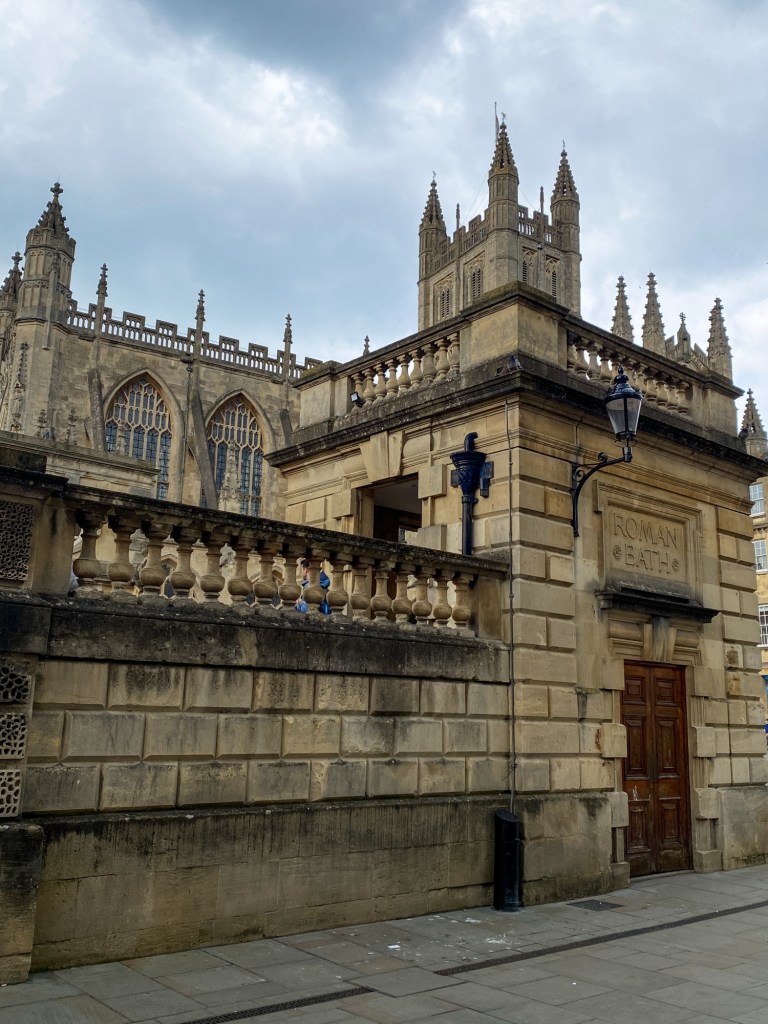
Step back nearly 2,000 years at the Roman Baths, one of the most fascinating historic sites in the UK! Wander around steaming pools, ancient stones, and temple ruins, all right in the heart of Bath. It’s like walking through history—with a little thermal magic in the air.

Click here to book a Roman Baths and Bath City Walking Tour with Viator!

The City Centre

Bath’s city centre is a dream to explore—think honey-hued stone buildings, cobbled streets, and cozy spots around every corner. From boutique shopping and bustling cafes to street performers and stunning architecture, it’s the perfect blend of elegance and everyday buzz. Everything’s walkable, and everywhere feels like a postcard!

The Pulteney Bridge

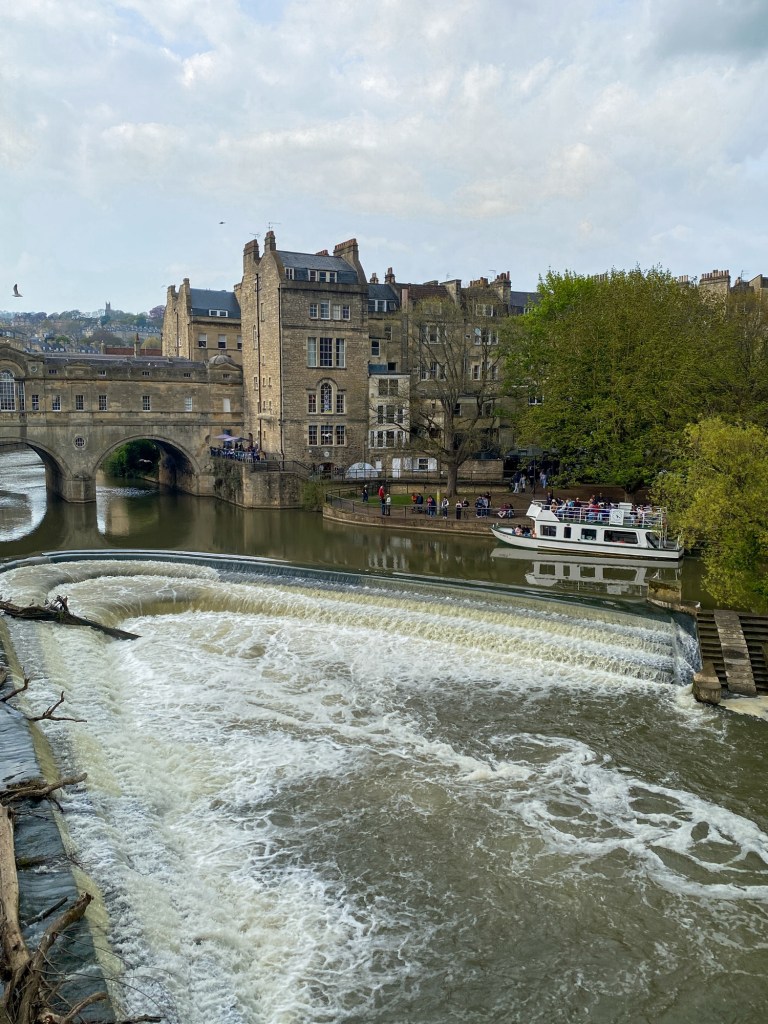
With shops lining both sides and views straight out of a postcard, Pulteney Bridge is one of Bath’s most beautiful spots. Built in the 18th century and inspired by Florence’s Ponte Vecchio, it’s the perfect place for a stroll, a snap, and a peek into Bath’s elegant past—right over the River Avon.

The Parade Gardens

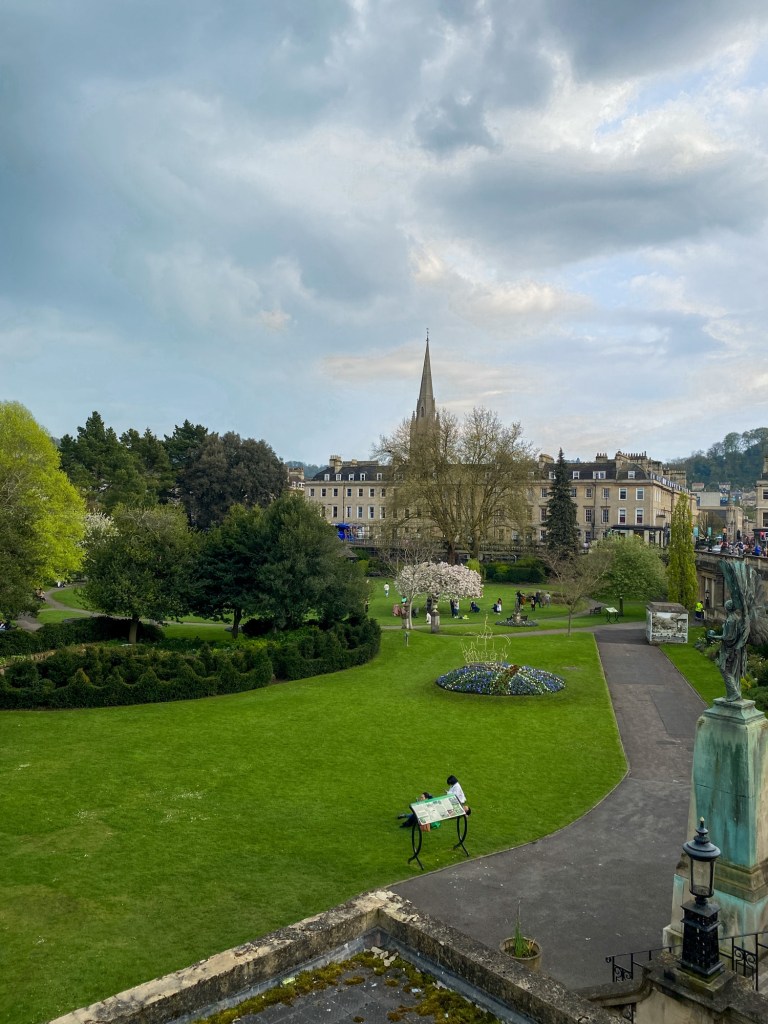
With beautifully manicured lawns, vibrant flowerbeds, and views of Pulteney Bridge, The Parade Gardens is the perfect spot to relax, have a picnic, or enjoy a peaceful stroll. It’s a little slice of greenery, ideal for unwinding after a day of sightseeing.

The Sweet Little Things Shop

If you are craving something sweet (and seriously Instagrammable), make a stop at Sweet Little Things on Old Bond Street. This charming, floral-filled café is known for its indulgent afternoon teas, homemade cakes, and cozy atmosphere. Whether you’re sipping bottomless tea, enjoying a brunch platter, or treating yourself to a cupcake, it’s the perfect spot to unwind in style. Don’t miss their in-house bakery for take-home goodies or a custom celebration cake!

How to Get to Bath, England

Getting to Bath, England is simple and convenient.

By train: Bath has regular direct services from London Paddington that take around 90 minutes, making it an easy day trip from the capital. If you’re coming from other cities, there are also great rail connections from Bristol, Cardiff, and Birmingham.

By car: Bath is about a 2-hour drive from London, and the scenic journey through the Cotswolds offers a glimpse of the English countryside.

By Bus: Bath is well-connected by coach and bus services from various UK cities:

  • National Express: Runs the 403 coach service from London Victoria Coach Station to Bath Spa Bus Station, with up to 14 services daily, taking around 2.5 hours, and fares from £7 one-way.
  • FlixBus: Offers affordable trips to Bath starting at £4.49, depending on your departure point.
  • Megabus: Provides budget-friendly coach services to Bath on various routes.
  • First Bus: Operates local buses within Bath and nearby areas, offering easy access to the city.

Once you arrive, Bath’s compact city center is easy to navigate on foot, allowing visitors to soak in the historic charm right away.

Where to Stay in Bath, England

Bath offers a wide range of accommodations to suit every style and budget. For a luxurious stay, consider elegant Georgian townhouses turned boutique hotels, like The Royal Crescent Hotel & Spa or The Gainsborough Bath Spa, both offering top-notch amenities and historic charm.

Travelers seeking cozy comfort will find plenty of charming bed and breakfasts and stylish guesthouses tucked away in quiet corners of the city, like Leighton House, Chestnuts House Boutique B&B, or The Yard in Bath Hotel.

Budget-friendly options like hostels and well-rated chain hotels are also available, many within walking distance of Bath’s main attractions such as the Bath YMCA Hostel and the YHA Bath.

Looking for more Bath accommodation? Explore listings on Booking.com!

4 Wonderful Things to Do in the Village of Lacock, England (2024)

Disclaimer: This post contains affiliate links

The village of Lacock is a wonderful gem nestled in the English countryside. With its rich history, quaint architecture, charming streets, and local delights, Lacock knows how to captivate the heart of any traveler.

4 Wonderful Things to Do in the Village of Lacock, England

For Lacock tours and tickets, visit here!

From ancient abbey ruins, well-preserved medieval cottages, and being featured in several movies and tv shows, every corner of this charming village tells a story of heritage and tradition. Join me as I show you four wonderful things you can do as you explore the quaint village of Lacock!

Pay a Visit to Lacock Abbey

One of the must-see historic landmarks in Lacock Village is Lacock Abbey, a former monastery turned into a country house dating back to the 13th century. The abbey was once home to William Henry Fox Talbot, inventor of the photographic negative, and, for this matter, is today located next to the Henry Fox Talbot museum.

Spot the Greenhouse

In the 1800s, Henry Fox Talbot (who is credited as the British inventor of photography) built the greenhouses in the botanic garden of the abbey. The greenhouse is filled with many colorful plants and flowers, creating a beautiful atmosphere for all those who visit. Come here and let your soul recharge in this little space!

See the Cloisters and the Harry Potter Filming Locations

Yes, you read that right! Lacock Abbey has been used in the filming of two Harry Potter movies, Harry Potter and the Philosopher’s Stone and Harry Potter and the Chamber of Secrets (and, more recently, the cloisters and some of the rooms were featured in Fantastic Beasts: The Crimes of Grindelwald.) See how many spots you can recognize!

The Cloisters

The Abbey’s cloisters were used as Hogwarts corridors in the first and second Harry Potter movies. Some scenes showcasing the cloisters include when Professor McGonagall takes Harry over to meet Oliver Wood because she is impressed with his broom techniques and wants him to join the Quidditch team, when Harry is meandering the hallways in his invisibility cloak and narrowly escapes being “seen” by Snape, and when Harry and Ron figure out the mystery of the Basilisk just before realizing Ginny was taken.

The Chapter House

The Chapter House was used twice in the Harry Potter movies. Here, Harry discovers the Mirror of Erased and is able to see his parents in Harry Potter and the Philosopher’s Stone, and later, students are seen in this room speculating about whether or not Harry is the heir of Slytherin in Harry Potter and the Chamber of Secrets.

The Warming Room

The Warming Room is used as Professor Quirrel’s classroom for his Defence Against the Dark Arts Class in Harry Potter and the Philosopher’s Stone. The coolest feature in this room is the big cauldron, which has been a part of the Abbey for hundreds of years now!

The Sacristy

The Sacristy was used as Professor Snape’s potions classroom in Harry Potter and the Philosopher’s Stone. For the movie, producers decided to cover the windows up to a certain point to make the room look darker, as if it was underground.

Explore the Interior of the Abbey

It was back in 1232 that Ela, Countess of Salisbury and one of the most powerful women in the Middle Ages, founded Lacock Abbey. The Abbey has seen many transformations since then: from having a cloister and rooms showcasing medieval monastic architecture, to going through Tudor, Gothic, and Victorian alterations. In fact, it was in one of these rooms that the first photographic negative in existence was captured!

Take a Stroll around the Abbey Gardens

The beautiful Lacock Abbey has had its gardens for nearly 900 years now. The garden combines meandering paths through woodland and parkland and features a historic Rose Garden, an orchard, and the William Henry Fox Talbot’s Botanic Garden. After exploring the Abbey’s interior, a walk around the lovely Lacock Abbey gardens will surely fill your heart.

Wander Around the Village

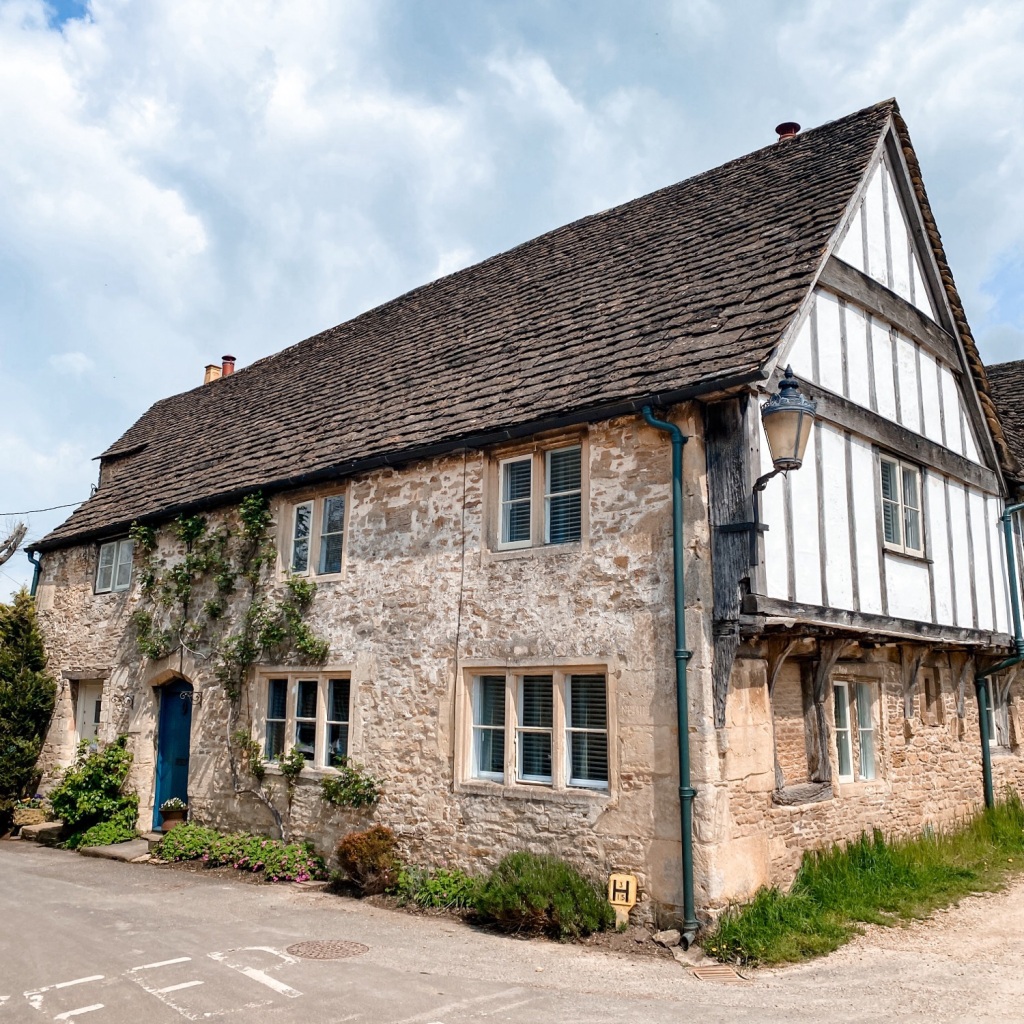
As you wander around the quaint streets and cottages of Lacock, you will notice a sense of nostalgia and charm filling the air. With its timber-framed cottages, shops, and its central grid of four streets, Lacock today looks much as it did 200 years ago.

As you meander through the cobblestone paths lined with picturesque cottages, each with their colorful gardens and unique architecture, it’s easy to imagine yourself stepping back in time to a simpler way of life. The cozy homes with thatched roofs and blooming flowers create a postcard-worthy scene that captures the essence of this historic village.

The winding streets lead you past charming shops selling local crafts and artisan goods, adding to the village’s old-world charm. Take your time to explore each nook and cranny, as you never know what hidden gem you may stumble upon next.

Indulge in a traditional cream tea at a cozy tearoom, or sample handcrafted chocolates made right in the village. For those seeking unique souvenirs, the local shops offer a variety of handmade gifts and locally sourced products. Keep your eyes peeled for the tucked-away art galleries and antique stores that showcase the talent and history of Lacock.

Spot the Harry Potter Filming Locations in the Village

If you like the Harry Potter movies, don’t miss the chance to spot more Harry Potter filming locations as you wander around the village!

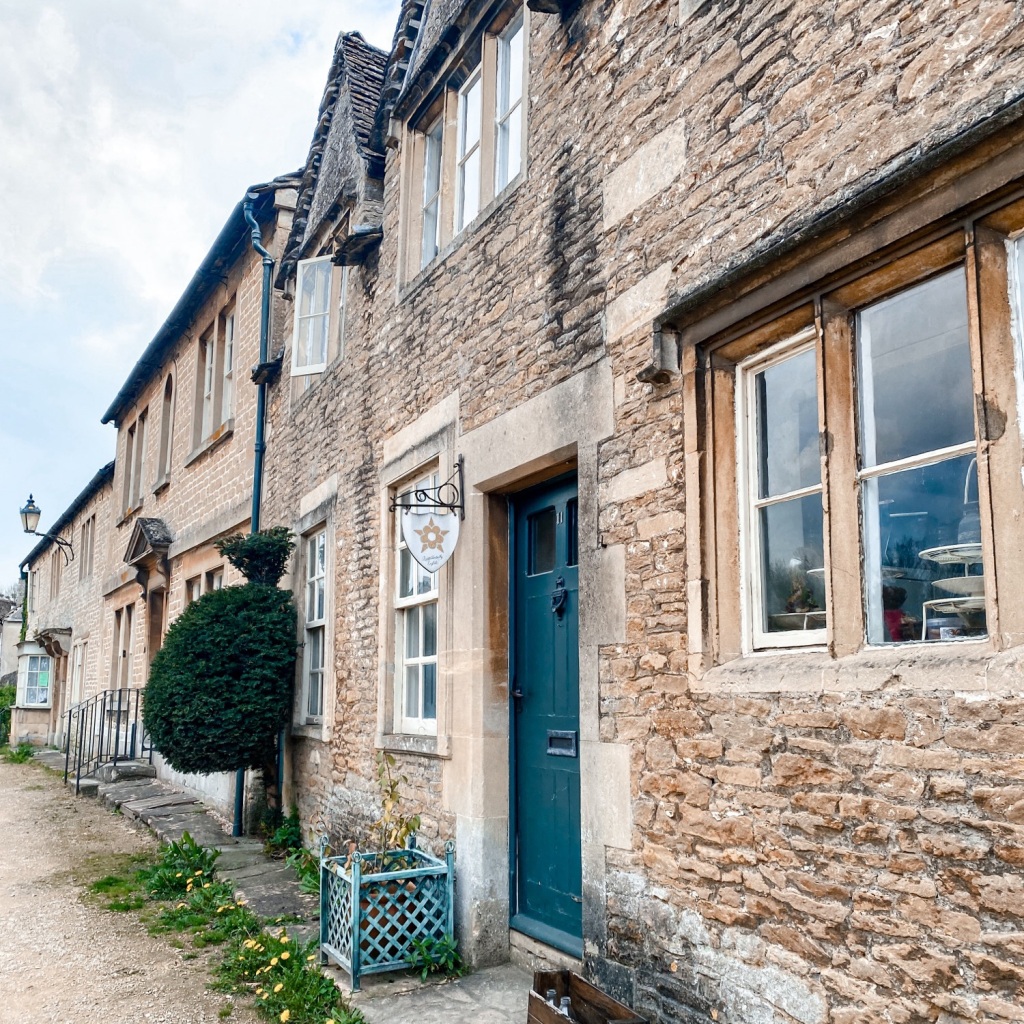
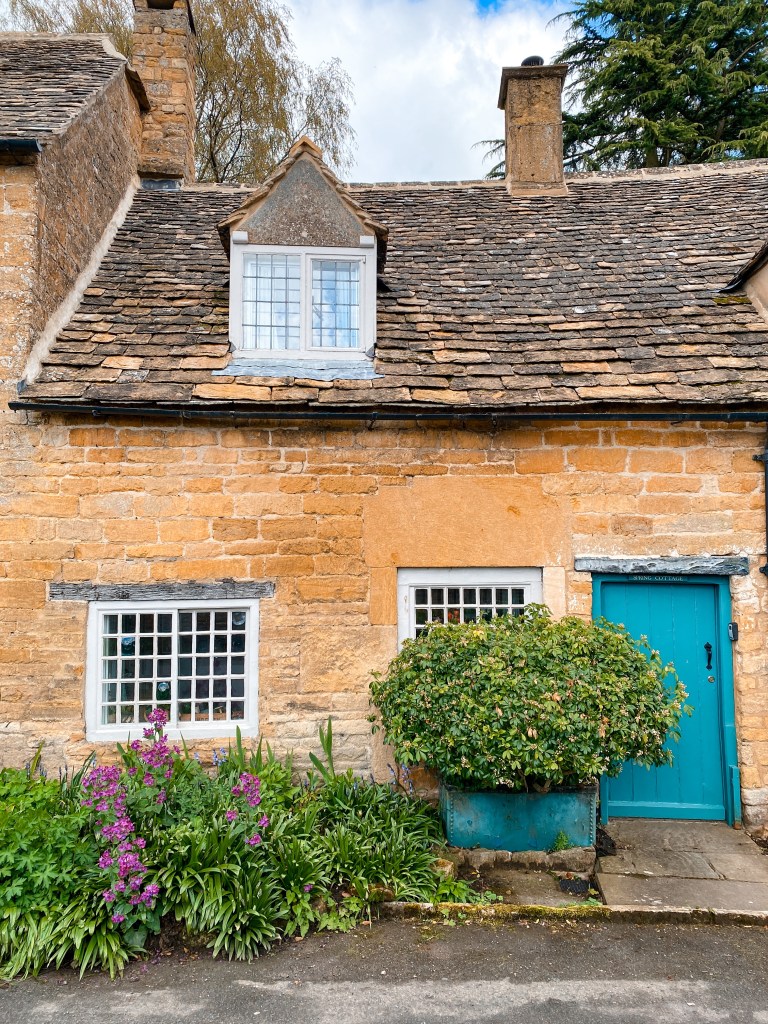
The Cottage with the Blue Door

This cottage is quickly shown in Harry Potter and The Half-Blood Prince movie as Harry and Dumbledore walk past it after visiting Horace Slughorn. In real life, the street where this cottage is located is called Church Street.

Sign of the Angel Pub

As Harry and Dumbledore walk though the streets of Budleigh Babberton in the dark in Harry Potter and The Half-Blood Prince movie, you’ll notice a pub called the Babberton Arms which is actually the Sign of the Angel pub in the village.

Harry Potter Parent’s House

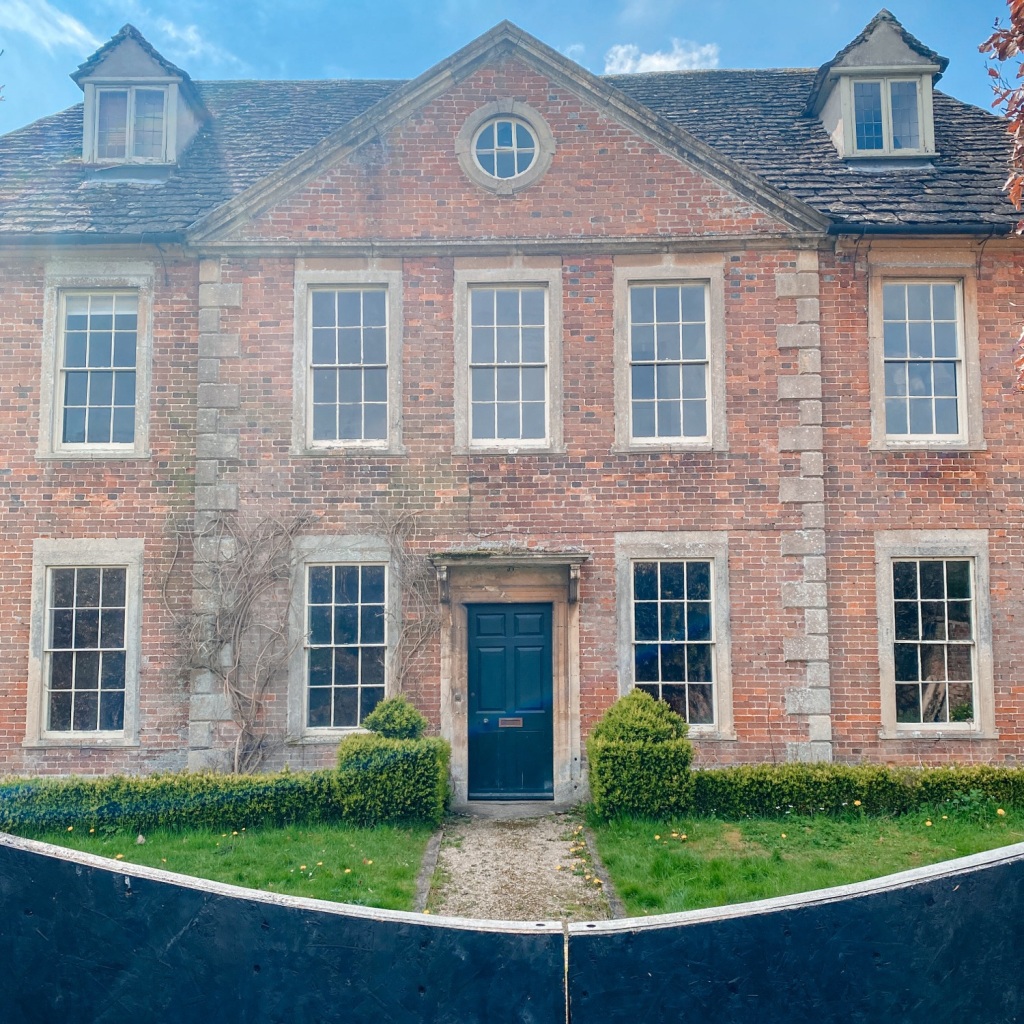
This beautiful brick home with a blue door at the end of Church Street was used as James and Lily Potter’s house in Harry Potter and the Philosopher’s Stone. In the movie, flashbacks to Harry’s childhood are shown as Hagrid shares with Harry the story of his parents. The cottage is then shown, only that the door has a different color.

Horace Sluggorn’s Hideaway

This majestic house is found on Church Hill, and is where Horace Slughorn hides from the Death Eaters in Harry Potter and the Half-Blood Prince. Here, he receives a visit from Harry and Dumbledore and is persuaded to come back to Hogwarts as the Professor of Potions.

Visit St Cyriac’s Church & Churchyard

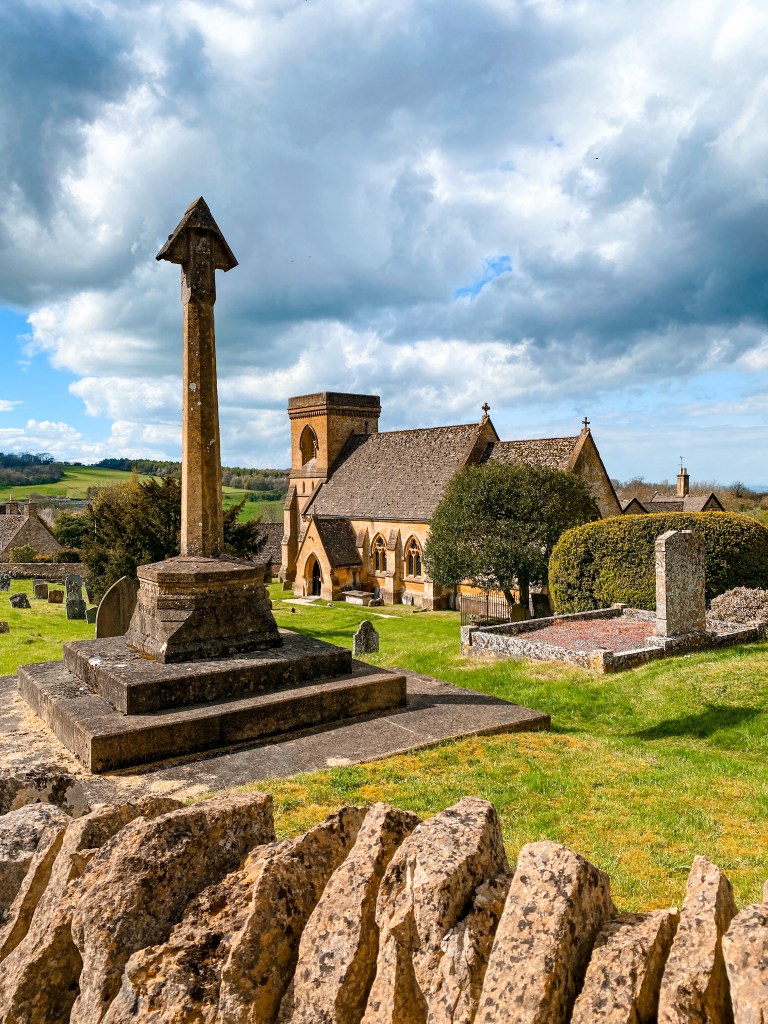
The St Cyriac’s Church is a 14th Century church and a stunning example of medieval architecture with its intricate carvings and stained glass windows. Walk through its doors and step back in time to a period when faith and craftsmanship were intertwined in every stone and beam. In fact, settlement in Lacock began around the church, and visitors can see this reflected in the irregular line of houses situated on Church Street. 

Where to Stay in Lacock

If you are looking forward to spending a night or two in the village, then you should check out availability at the Sign of the Angel Pub.

You can also find places to stay in or around Lacock village through Booking.com, where the options are endless!

4 Wonderful Things to Do in the Village of Lacock, England

I hope you’ve enjoyed this guide to Lacock village and that it has inspired you to visit this wonderful quintessential village in the future! I am sure you will love it just as much as I do.

Find this post helpful? You can buy me a drink!

Discovering the Village of Bibury, Cotswolds (2024)

Disclaimer: This post contains affiliate links

The beautiful village of Bibury is one of the most visited villages in the Cotswolds, England, and it is not hard to see why once you set foot here—Bibury is truly a hidden gem that transports you to a bygone era. It is hard for visitors to not be enchanted by the breathtaking beauty and charm of Bibury. In this article, I will take you on a journey of discovery revealing captivating architecture that will transport you back in time and must-see attractions that will leave you in awe.

Experience the Serene and Peaceful Ambiance of Bibury

As you step into the tranquil embrace of Bibury, you’ll feel the hustle and bustle of everyday life fade away. The village’s picturesque landscapes and well-preserved architecture create an atmosphere of serenity that is hard to find elsewhere.

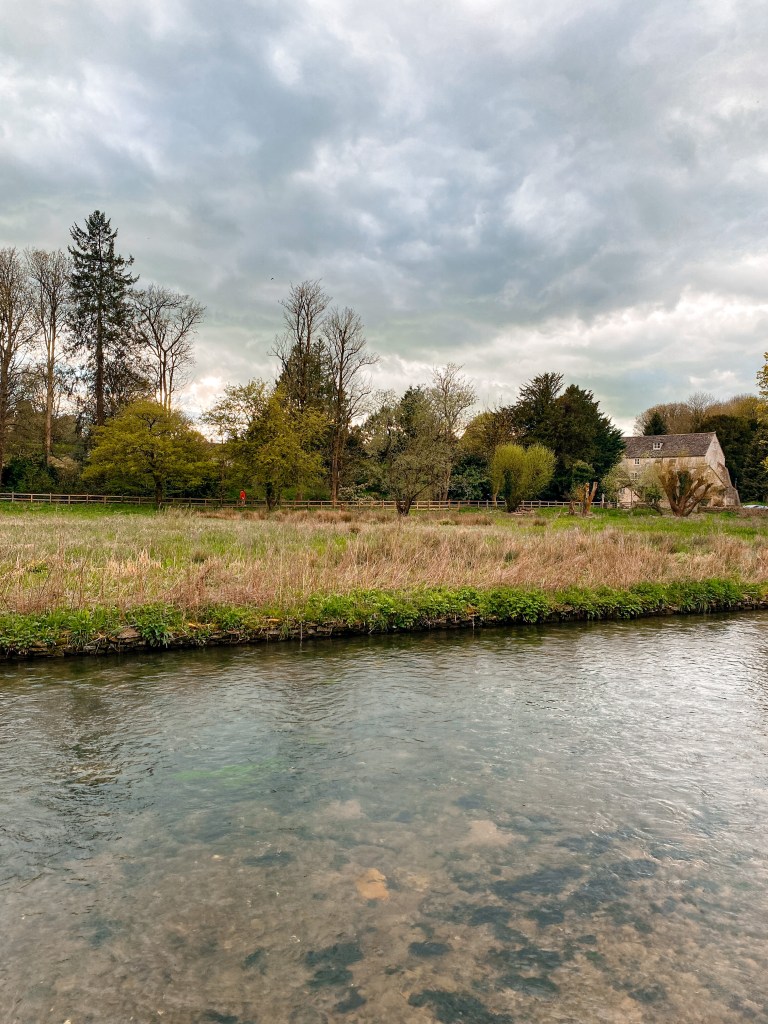
The meandering River Coln adds to the village’s peaceful ambiance, gently flowing through the countryside. Find a secluded spot along its banks and let the soothing sound of running water calm your mind.

With its lush green fields, Bibury offers an abundance of natural beauty waiting to be discovered. Take a moment to bask in the peacefulness of the surrounding countryside, breathing in the fresh, crisp air. Whether you choose to explore on foot or by bicycle, you’ll be rewarded with breathtaking views at every turn.

Must-See Attractions in Bibury

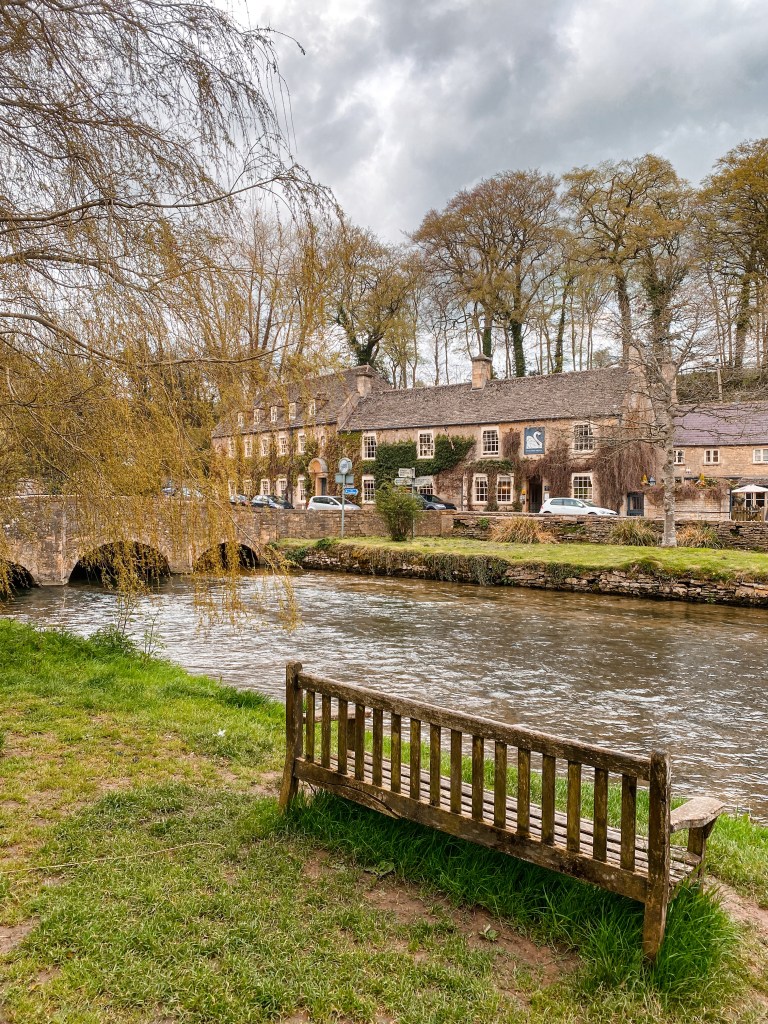
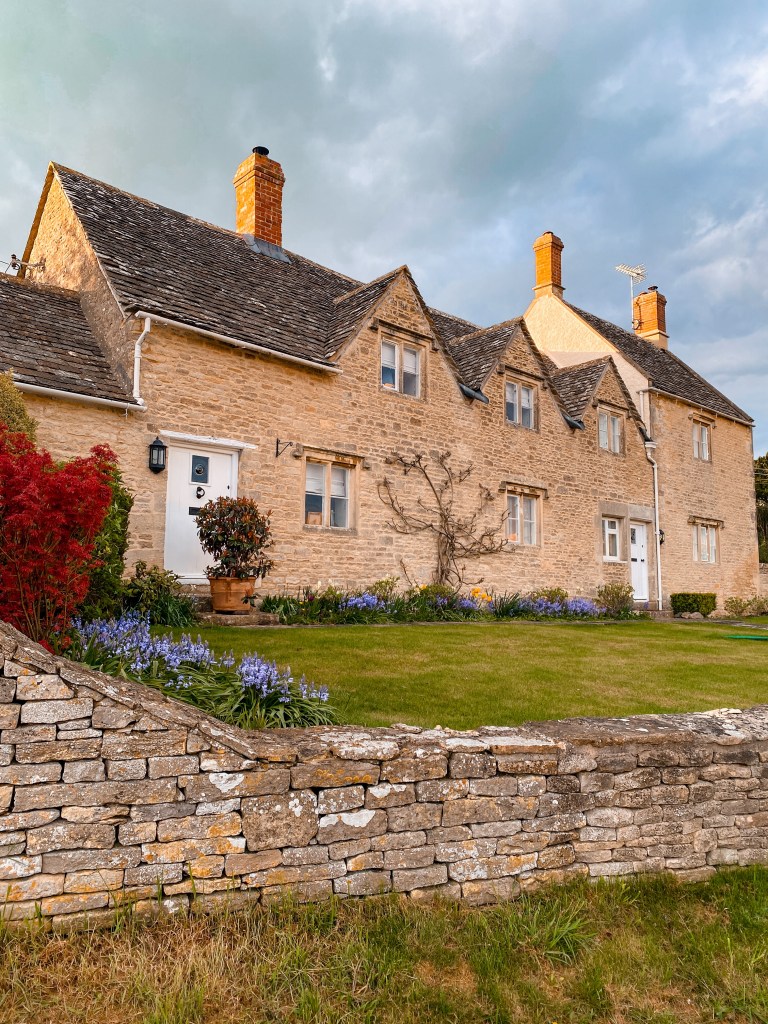
One of the most captivating aspects of Bibury is its architectural charm. As you wander through the village’s quaint streets, you’ll be mesmerized by the beautiful stone cottages that line the banks of the River Coln. These ancient buildings, crafted from honey-colored Cotswold stone, exude a timeless elegance that is truly enchanting.

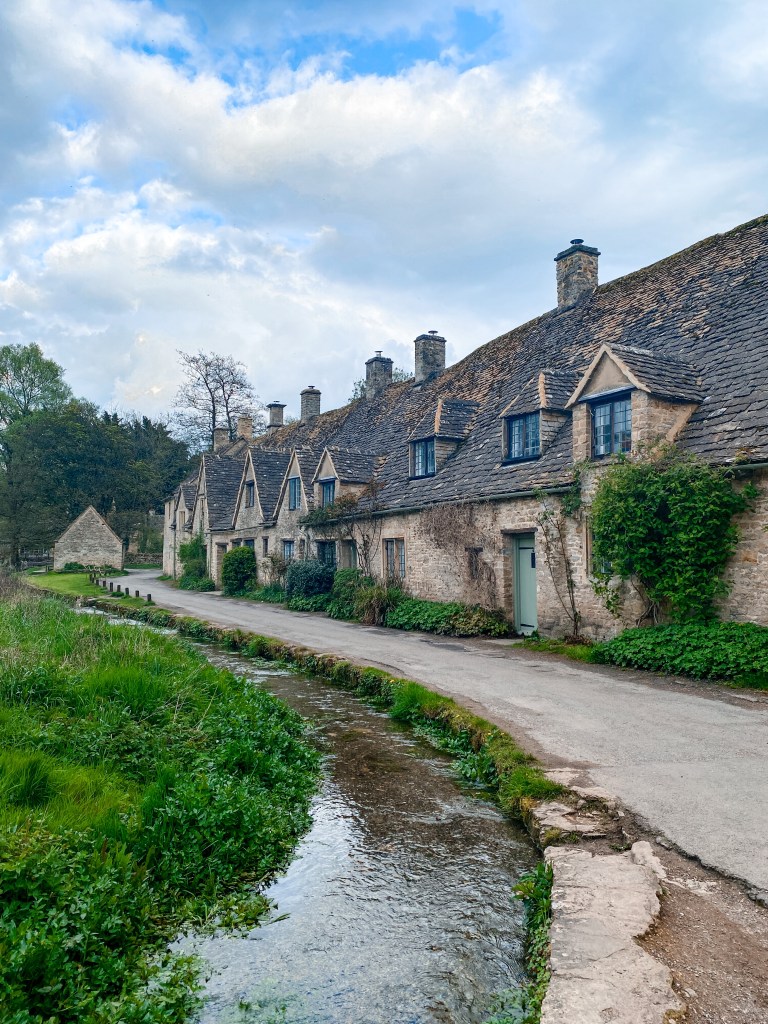
Arlington Row

One architectural gem that stands out in Bibury is Arlington Row. This row of stone cottages, dating back to the 14th century, is undoubtedly one of the most picturesque sights in the village. The iconic row was first built as a wood store and was then converted into weaver houses in the 17th Century. Arlington Row is certainly a true testament to Bibury’s history and charm! With their steeply pitched roofs, mullioned windows, and climbing roses adorning the walls in the summertime, these cottages are like something out of a storybook. Their historic significance and well-preserved state make them a must-see attraction for anyone visiting Bibury.

Church of St. Mary

But the architectural wonders don’t end there. The Church of St. Mary, standing gracefully at the heart of Bibury, is a sight that cannot be missed. Dating back to the 12th century, this historic church boasts intricate stonework and stunning stained glass windows, showcasing the craftsmanship of a bygone era. Whether you step inside to admire the ornate interior or simply stand outside to take in its grandeur, the Church of St. Mary will leave you awestruck.

Bibury Court

Another noteworthy sight is Bibury Court, an exquisite Jacobean mansion that has been beautifully restored and transformed into a hotel. Its grand facade, ornate details, and manicured gardens make it a wonderful place to stop and admire, even if you’re not staying overnight.

As you wander through the village’s streets, don’t forget to pause and appreciate the smaller architectural gems that lie hidden throughout Bibury. From charming cottages with colorful flower gardens to ancient stone bridges that span the River Coln, every corner holds a little piece of history waiting to be discovered.

Local Traditions and Culture

As you delve deeper into Bibury’s hidden treasures, you’ll discover how its rich history shaped the sense of community that still thrives today. From quaint village events to time-honored customs, Bibury offers a fascinating array of experiences that allow visitors to connect with the heart and soul of this Cotswold paradise.

One way to immerse yourself in Bibury’s local traditions is by attending the annual Bibury Duck Race, a beloved event that brings the community together in friendly competition. Held on the picturesque River Coln, this lively race sees hundreds of rubber ducks bobbing along the water, each sponsored by locals and visitors alike. It’s a heartwarming spectacle that showcases Bibury’s camaraderie and the simple joys that bind the community.

To truly embrace Bibury’s cultural fabric, consider exploring the Arlington Row Weavers’ Cottages previously mentioned in this article. These historic cottages, first built in the 14th Century and then converted into weaver’s cottages in the 17th Century, once housed weavers who produced fine woolen cloth. Today, they stand as a testament to Bibury’s heritage and offer a glimpse into the village’s past.

For a taste of local flavor, visit the Bibury Trout Farm, the oldest in the country. This working fish farm not only offers the opportunity to catch your own trout but also provides insight into the traditional methods of rearing and farming fish. Whether you’re an angling enthusiast or simply curious about the local industry, a visit to the Bibury Trout Farm offers a unique chance to explore a quintessential aspect of Bibury’s culture.

Immersing yourself in Bibury’s traditions and culture sets the stage for a truly authentic experience in this idyllic village. As you uncover the stories behind its historic landmarks and participate in local customs, you’ll gain a deeper appreciation for the unique sense of community that still thrives within Bibury’s charming streets.

Experience the Surrounding Countryside and Nature

As you venture further into the surrounding countryside, you’ll discover a myriad of hidden gems waiting to be explored. Follow the winding paths that lead through enchanting meadows and ancient woodlands. Marvel at the vibrant colors of wildflowers dancing in the breeze, adding a touch of magic to the landscape. Pause by a babbling brook, listening to the soothing sounds of water cascading over rocks, creating a calming melody.

For the avid birdwatcher, the countryside around Bibury offers an opportunity to spot a variety of avian species in their natural habitat. Keep your eyes peeled for the elegant flight of the buzzards, the graceful swoop of swallows, and the charming antics of little birds perched on tree branches. Nature enthusiasts will be delighted to stumble upon a wealth of wildlife, from squirrels playfully scampering across the forest floor to rabbits darting between fields of wildflowers.

Exploring the surrounding nature not only allows you to appreciate the raw beauty of Bibury’s countryside but also offers a chance for self-reflection and introspection. The serenity and tranquility of the natural world become a mirror, reflecting your inner thoughts and allowing you to reconnect with yourself.

Plan Your Adventure

Bibury, in all its hidden glory, is a paradise for the wanderer, a sanctuary for the seeker of tranquility. Whether you are a nature lover, a history enthusiast, or simply someone yearning for an escape, this hidden gem has the power to ignite your wanderlust and awaken your senses. So what are you waiting for? Start planning your next visit to Bibury today!

9 Charming Things To Do in Castle Combe, Cotswolds (2026)

Disclaimer: This post contains affiliate links

Often described as one of the prettiest villages in England, Castle Combe feels like a place untouched by modern life. Tucked away in the southern Cotswolds, this small Wiltshire village is famous for its perfectly preserved stone cottages, quiet lanes, and storybook scenery. Walking its streets feels like stepping back several centuries, where every corner tells a story of medieval England, the wool trade, and generations who lived and worked here. No wonder it is my favorite Cotswolds village!

This guide covers some of the most charming things to do in Castle Combe and helps you plan a memorable visit, whether you are stopping by for a few hours or staying overnight.

8 Charming Things To Do in Castle Combe, Cotswolds

1. Stay at The Old Museum

The Old Museum is a detached holiday home located near the lower entrance of Castle Combe village. It is one of the first historic buildings you will see as you walk toward the village center from the parking lot.

Staying here allows you to experience Castle Combe when the crowds fade, offering peaceful views of the street and immediate access to the heart of the village.

2. Walk Down The Street

The main approach into Castle Combe is known simply as The Street. Lined with trees, stone cottages, and rolling greenery, this walk sets the tone for the entire visit.

As you stroll downhill toward the village center, you will pass some of the most photographed cottages in England. Be mindful that this is an active road with occasional traffic.

3. Visit the Dower House from Doctor Dolittle

The Dower House is one of Castle Combe’s most recognizable buildings. This Grade II listed property famously appeared as the Doctor Dolittle house in the 1967 film.

Painted in soft yellow tones and set along The Street, it is a favorite photo stop and a highlight for film lovers visiting the village.

4. See the Market Cross

The Market Cross stands at the heart of Castle Combe and marks the location of the village’s medieval market. Built in the fourteenth century, it symbolizes Castle Combe’s importance during the height of the wool and cloth trade.

This historic monument remains one of the most iconic features of the village!

5. Visit St Andrew’s Church

St Andrew’s Church dates back to the thirteenth century and has been expanded and restored over time. Inside, visitors can see the effigy of Sir Walter de Dunstanville, Baron of Castle Combe, who died in 1270. His crossed legs indicate participation in the Crusades, a detail that fascinates many visitors.

The church and surrounding churchyard are open during daylight hours, and offer a peaceful place to pause.

6. Walk Through Market Place and Admire the Cottages

Market Place is one of the most picturesque areas of Castle Combe. Here, rows of honey colored stone cottages with ivy covered walls and carefully tended gardens create the village’s postcard perfect image.

Tucked among the cottages, you will also find small tea rooms where you can stop for tea, coffee, or freshly baked treats!

7. Photograph the Bridge over the River Bybrook

The stone bridge over the River Bybrook is the most photographed spot in Castle Combe. From here, you get a perfect view of the cottages reflected in the water.

No new buildings have been constructed in Castle Combe since the seventeenth century, which is why the village feels so remarkably preserved!

8. Sit on Queen Elizabeth’s Bench

Located near the bridge, Queen Elizabeth’s Bench offers one of the best viewpoints in the village. The bench was placed in memory of Her Majesty Queen Elizabeth II and faces the iconic cottages of Castle Combe. It is a lovely place to sit quietly and take in the scenery.

9. Visit Castle Combe Manor

Castle Combe Manor dates back to the fourteenth century and was once home to Sir John Oldcastle. Today, it operates as a luxury hotel and golf estate.

Visitors can enjoy coffee, lunch, afternoon tea, or dinner at the manor, even if not staying overnight. The gardens are open to the public unless a private event is taking place.

Castle Combe Filming Locations

Castle Combe has appeared in numerous films and television productions due to its untouched medieval appearance. Notable productions include Doctor Dolittle, War Horse, Stardust, and several period dramas. This cinematic history adds another layer of interest for visitors.

Things to Do Near Castle Combe

Castle Combe is well located for exploring other parts of the Cotswolds.

Nearby highlights include Lacock Village, often used as a filming location for Harry Potter, and Bath, a UNESCO World Heritage city. For travelers exploring the northern Cotswolds, villages such as Broadway, Snowshill, and Stow on the Wold can be visited as part of a longer road trip.

Best Time to Visit Castle Combe

Spring and summer are the most popular seasons, thanks to blooming gardens and mild weather. Autumn offers fewer crowds and warm colors, while winter brings a quiet, atmospheric charm.

Early mornings and late afternoons are the best times to experience Castle Combe without large tour groups.

Exploring the Village of Stow on the Wold in the Cotswolds (2026)

Disclaimer: This post contains affiliate links.

Perched on one of the highest points in the Cotswolds, Stow on the Wold is a village that feels both timeless and welcoming. Once an important market town, today it draws visitors with its honey colored stone buildings, antique shops, historic inns such as this one, and relaxed village atmosphere.

Walking through Stow on the Wold feels like stepping into a quieter rhythm of life. Cobblestone streets curve gently past centuries old cottages, independent shops, and cozy tearooms. It is a place that encourages slow travel, whether you are browsing antiques, enjoying a long lunch, or simply wandering without a plan.

Exploring the Streets of Stow on the Wold

One of the best things to do in Stow on the Wold is simply to wander. The village center is compact, yet full of character.

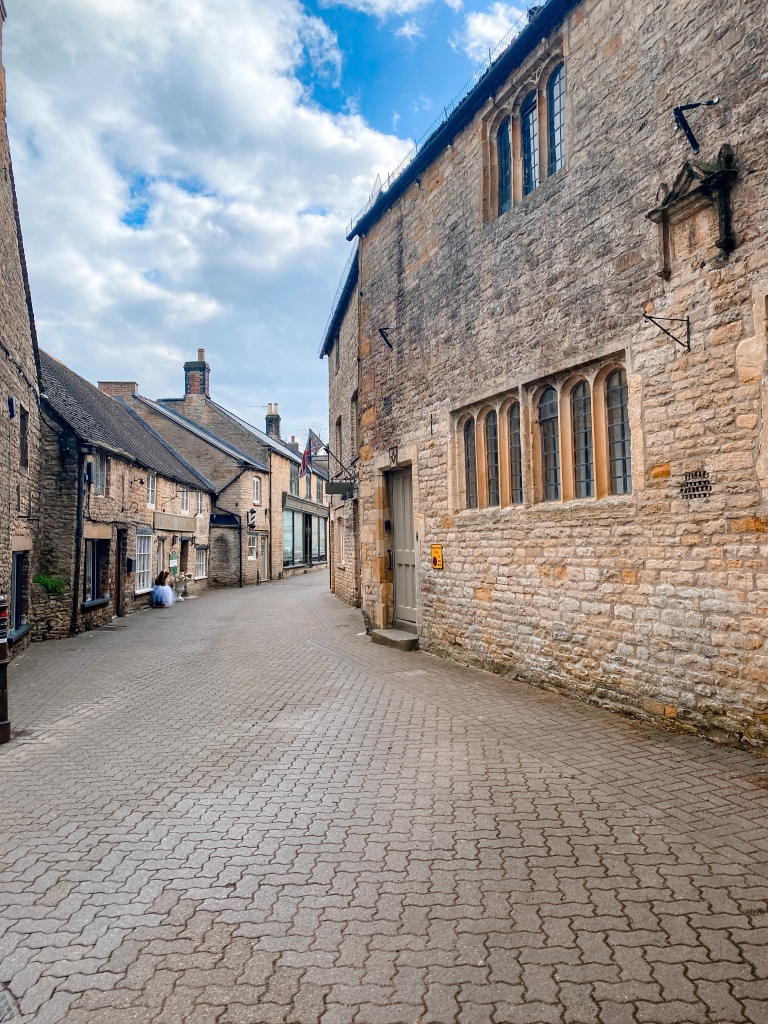
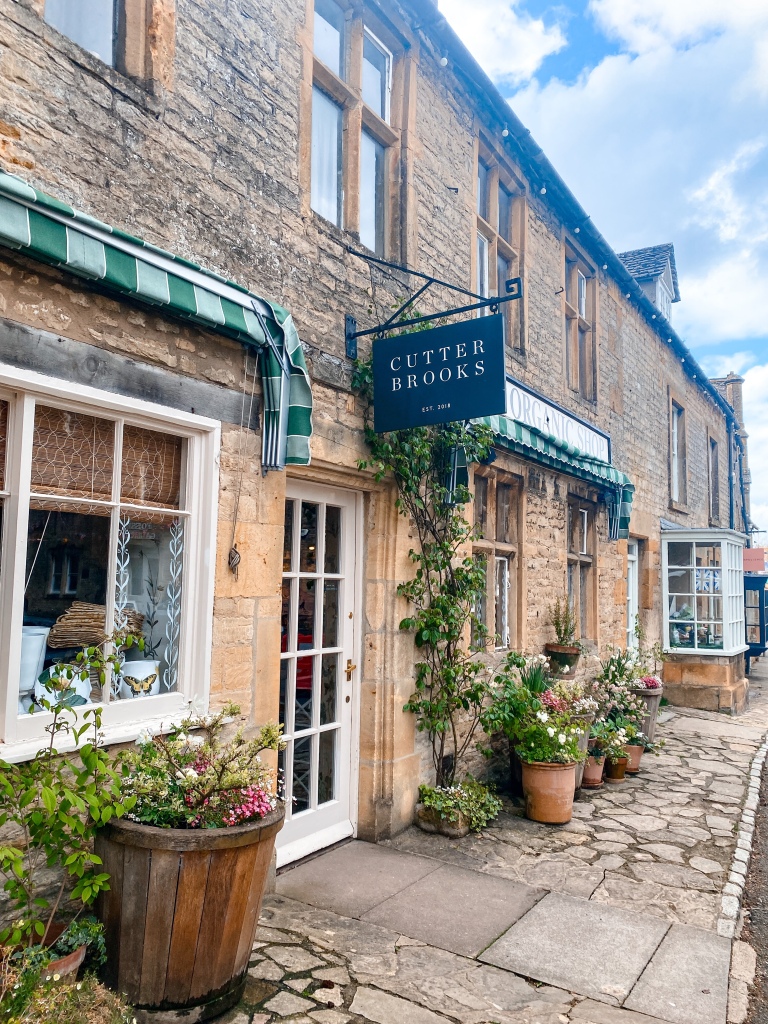
The winding streets are lined with antique shops, independent boutiques, cafes, and galleries. Many of these buildings date back several centuries and retain their original stone facades, giving the village its unmistakable Cotswold charm.

Take your time here. This is the kind of place where popping into one shop easily turns into an afternoon of exploring!

Stow on the Wold High Street and Market Square

The High Street and Market Square form the heart of Stow on the Wold. Historically, this square hosted large sheep markets and fairs that brought traders from across England.

Today, it is surrounded by antique shops, traditional pubs, and tearooms. The atmosphere is lively but never overwhelming. A relaxed afternoon route through the village could include:

  • Start with brunch or cream tea at Huffkins, a classic Cotswolds institution
  • Browse nearby shops such as The Curated Store or Fosse Gallery
  • Explore antique favorites like Durham House Antiques and Tara Antiques
  • Pick up local cheese from the Cotswold Cheese Company
  • Finish with coffee or cake at Lucy’s Tearoom or the New England Coffee House.

Visit St Edward’s Church

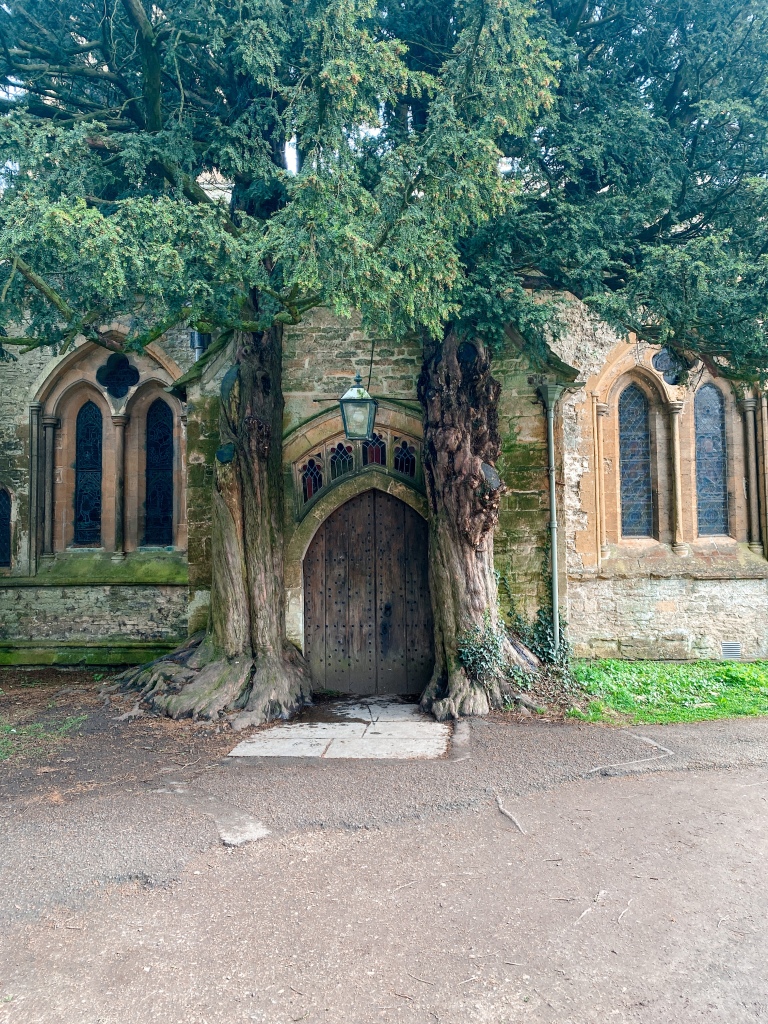
St Edward’s Church is one of the most atmospheric churches in the Cotswolds. Its famous north door, framed by ancient yew trees, has become an iconic image of Stow-on-the-Wold and is often likened by Tolkien fans to something from Middle-earth—reminiscent of the hidden doors of Moria watched over by ancient trees!

The church dates back to the eleventh century and features beautiful stained glass windows and intricate stonework. The setting feels almost mythical and is frequently linked to inspiration for fantasy literature. Needless to say, this is a must-see stop when visiting the village!

Walks and Nature Around Stow on the Wold

Stow on the Wold is surrounded by classic Cotswold countryside. Rolling hills, open fields, and quiet footpaths begin just beyond the village streets.

The Cotswold Way long distance walking trail passes nearby, offering opportunities for short scenic walks or longer countryside hikes. Each season brings a different feel, from spring wildflowers to golden autumn landscapes.

Where to Stay in Stow on the Wold

Stow on the Wold offers a wide range of accommodation options, making it a popular place to stay in the Cotswolds. You will find charming bed and breakfasts, historic coaching inns, boutique hotels, and self catering cottages. Many accommodations are within walking distance of shops and restaurants, which makes evenings especially enjoyable.

Getting to Stow on the Wold

By Car

  • From London, the drive takes about two hours via the M40 and A424.
  • From Oxford, the journey is just under one hour.
  • From Birmingham, allow around one hour and fifteen minutes.

Parking is available in and around the Market Square, though spaces can fill quickly. A free car park near the Tesco on the edge of town is a useful alternative.

By Train

  • The nearest train station is Moreton in Marsh, approximately four miles away.
  • Direct trains run from London Paddington in about one hour and thirty minutes.

From the station, you can take a taxi or local bus to Stow on the Wold.

By Bus

  • Local bus services connect Stow on the Wold with Moreton in Marsh, Bourton on the Water, Cheltenham, and other Cotswold towns.
  • Services are less frequent on Sundays, so checking timetables in advance is recommended.

Visiting Broadway from Stow on the Wold

Broadway is an excellent addition to a Stow on the Wold itinerary. Located to the north, it is known as the Jewel of the Cotswolds and offers a wider High Street, excellent shopping, and access to Broadway Tower.

Many visitors combine Stow on the Wold and Broadway in a single day, either by car or on a guided Cotswolds tour. The village of Broadway also makes a great base if you want to explore Snowshill and the northern Cotswolds.

I wrote an article about the village of Broadway here, and Snowshill here. I highly recommend taking a look and seeing if they are a good fit to add to your itinerary!

Stow on the Wold in Film and Television

Stow on the Wold and the surrounding Cotswolds have been featured in numerous British television shows and films. Nearby villages have appeared in productions such as Downton Abbey, Father Brown, and Bridget Jones’s Diary.

The timeless streets and historic buildings of Stow on the Wold make it a natural fit for period dramas and countryside scenes.

Best Time to Visit Stow on the Wold

Spring and summer are the most popular times to visit, thanks to pleasant weather and blooming gardens. Autumn offers fewer crowds and warm countryside colors, while winter brings festive decorations and cozy pub interiors.

Stow on the Wold is a year round destination, with each season offering a different atmosphere!

5 Prettiest Spots in the Village of Broadway, Cotswolds (2026)

Disclosure: This post contains affiliate links.

Broadway is often called the Jewel of the Cotswolds, and it is easy to see why. Sitting at the northern edge of the Cotswolds, this elegant village combines grand architecture, flower filled gardens, historic inns, and sweeping countryside views.

Unlike smaller villages nearby, Broadway feels lively yet refined. Independent shops, cafes, art galleries, and traditional pubs line its wide High Street, while peaceful footpaths and scenic viewpoints lie just minutes away. It is an ideal stop on any Cotswolds itinerary and a perfect base for exploring the surrounding area!

If you only have a few hours in Broadway, this guide covers the prettiest spots you should make time for. If you want to see Broadway along with other standout Cotswolds villages in a single day, I highly recommend joining a guided tour such as the one offered by Go Cotswolds. I have personally gone on this tour, and it is an excellent way to experience multiple highlights without the stress of planning or driving!

5 Prettiest Spots in Broadway, Cotswolds

1. Broadway High Street

Broadway High Street is one of the widest and most impressive high streets in the Cotswolds. Lined with honey colored stone buildings, boutique shops, historic inns, and colorful flower displays, it feels both grand and welcoming.

Walking along the High Street is one of the best free things to do in Broadway. Take your time browsing independent shops, stopping for tea, and admiring the architecture that dates back several centuries.

This area is especially beautiful in spring and summer when flowers cascade from windows and garden walls.

2. Broadway Village Green

The Village Green sits at the heart of Broadway and plays an important role in local life. It regularly hosts farmers markets, seasonal fairs, and community events.

Surrounded by cafes and pubs, it is a popular spot for picnics and people watching. Benches around the green offer excellent views of the surrounding buildings and countryside beyond.

Families will appreciate the open space, while photographers will enjoy capturing the village atmosphere from this central location.

3. The Lygon Arms

The Lygon Arms is one of the most famous hotels in the Cotswolds and a true Broadway landmark. This historic coaching inn dates back over 600 year s and has hosted royalty, political figures, and writers throughout its long history.

Oliver Cromwell is said to have stayed here during the English Civil War, and the building itself feels like a living museum.

Even if you are not staying overnight, it is worth stepping inside to admire the interiors or enjoying a drink in the bar or courtyard.

4. The Lygon Arms Garden

Behind the Lygon Arms, accessed via Back Lane, you will find a series of beautifully maintained gardens. These peaceful spaces offer a welcome escape from the busier High Street.

Each garden area has a slightly different design, with manicured lawns, stone paths, and carefully chosen plants. Benches throughout the gardens invite visitors to sit and relax.

This is one of the most underrated spots in Broadway and ideal for a quiet break during your visit.

5. The Bridal Room Square

The Bridal Room boutique is located just off the High Street at 4 Keil Close. The small square surrounding it is one of Broadway’s hidden gems.

With its traditional stone buildings, soft colors, and tucked away feel, it offers a more intimate and less crowded view of the village. It is a lovely place to pause and soak in Broadway’s charm away from the main thoroughfare.

More Things to Do in and Around Broadway

Visit Broadway Tower

Broadway Tower is one of the most famous landmarks in the Cotswolds and sits just outside the village. Built in the eighteenth century, it offers panoramic views across up to sixteen counties on clear days!

You can walk to the tower from Broadway village or drive to the nearby parking area. The surrounding parkland is ideal for walks and picnics. You can also visit while on a tour, such as this one!

Walk the Northern Cotswolds

Broadway is the official starting point of the Cotswold Way, a long distance walking trail that stretches to Bath. Even if you are not tackling the full route, shorter walks around Broadway offer stunning countryside views.

Popular routes include walks to Snowshill, Broadway Tower, and through nearby farmland and woodland.

Explore Nearby Villages

Broadway is perfectly located for visiting other beautiful Cotswold villages. Snowshill is only two miles away and offers a quieter, more secluded atmosphere. Chipping Campden, Winchcombe, and Stanton are also easy to reach by car.

Broadway Filming Locations

Broadway and the surrounding Cotswolds have appeared in numerous film and television productions. The village’s historic inns and streets fit perfectly into period dramas.

Nearby locations have been used in productions such as Downton Abbey, Bridget Jones’s Diary, and Father Brown, making Broadway a great stop for fans of British film and television!

How to Get to Broadway Village

You can reach Broadway from London in several ways.

By car, the journey takes just under two hours, depending on traffic.

By train, travel to Moreton in Marsh station, then take a local bus or taxi to Broadway. Total travel time is approximately three hours.

By coach, you can take a service from London Victoria to Cheltenham and then transfer to a local bus. This is the longest option and can take around five hours.

Where to Stay in Broadway

Broadway offers accommodation for a wide range of budgets and travel styles.

You will find luxury hotels, historic inns, self catering cottages, and family friendly stays both in the village and nearby.

Staying in Broadway is ideal if you want easy access to the North Cotswolds while enjoying a lively village atmosphere.

Best Time to Visit Broadway

Spring and summer are the most popular seasons, thanks to blooming flowers and outdoor events. Autumn offers beautiful colors and fewer crowds, while winter brings festive decorations and cozy pub experiences.

Broadway is a year round destination, with each season offering a different perspective on village life.

Frequently Asked Questions About Broadway

How many people live in Broadway
According to the 2011 census, Broadway had a population of 2,540.

Is there parking in Broadway
Yes. There are several car parks in and around the village, all reasonably priced and easy to use.

Can I walk to another village from Broadway
Yes. Snowshill is only two miles away and can be reached on foot.

Is Broadway worth visiting
Absolutely. Broadway combines history, scenery, shopping, and excellent food, making it one of the best villages to visit in the Cotswolds!

To get a more thorough view of the village, refer to this map for your visit.

Exploring Snowshill in the Cotswolds: Things to Do, Walks and Travel Tips (2026)

Disclosure: This post may contain affiliate links.

Snowshill is one of those rare Cotswold villages that feels almost untouched by time. Tucked away in the rolling hills of Gloucestershire, this peaceful village is known for its honey colored cottages, historic manor, lavender fields, and beautiful countryside views. Despite its small size, Snowshill offers visitors an authentic and deeply atmospheric Cotswolds experience.

If you are looking for a quiet village to visit near Broadway, away from the crowds of Bourton on the Water or Bibury, Snowshill is an excellent choice.

Where is Snowshill Located?

Snowshill is a civil parish in Gloucestershire, England, located in the North Cotswolds. It sits within the Cotswolds Area of Outstanding Natural Beauty, one of the most scenic regions in the country.

The village is positioned just a few miles south of Broadway, making it easy to combine Snowshill with visits to other popular Cotswold destinations such as Chipping Campden, Winchcombe, and Stow on the Wold.

How to Get to Snowshill

Snowshill does not have a train station or regular bus service, which helps preserve its quiet charm.

The most convenient way to reach Snowshill is by car. There is a free public car park located just before the Snowshill Manor parking area, within easy walking distance of the village.

If you are traveling without a car, you can take a bus or train to Broadway or Moreton in Marsh and then arrange a taxi in advance. Another popular option is walking from Broadway, which is approximately two miles and offers beautiful countryside views along the way.

Because taxi availability in this area is limited, planning transportation ahead of time is strongly recommended.

A Brief History of Snowshill

Snowshill was first recorded in the year 821, when King Coenwulf of Mercia gifted Snowshill Manor to Winchcombe Abbey. Many of the village’s charming stone cottages date back to the fifteenth century and were originally home to workers connected to the manor.

Archaeological excavations carried out in the nineteenth century revealed that the area was inhabited much earlier. Evidence of a Bronze Age settlement dating between 2100 and 1600 BC was discovered, with artifacts now held in the British Museum!

Top Things To Do in Snowshill, Cotswolds

Walk Around the Village

One of the best things to do in Snowshill is simply to wander. The village is small enough to explore in fifteen minutes, but you will want to move slowly to appreciate the details.

Expect narrow lanes, traditional limestone cottages, flower filled gardens, and complete tranquility. Early morning and golden hour are particularly magical times to visit.

If you would like to explore Snowshill with a private guide and car, then check this tour out!

Visit St Barnabas Church

St Barnabas Church stands at the heart of the village and dates back to 1864. This Victorian church is open to visitors and offers a quiet place to pause and reflect.

Outside the church, you will find one of Snowshill’s most photographed scenes: a classic red telephone box framed by stone walls and countryside views. A nearby bench makes it a perfect spot to sit and enjoy the village atmosphere.

Eat at The Snowshill Arms

The Snowshill Arms is a beautifully preserved fifteenth century inn and one of the most characterful pubs in the Cotswolds. It serves traditional British dishes and local ales in a cozy, historic setting.

The inn is also a filming location and appeared in the popular British television series Father Brown, adding to its appeal for TV and film fans!

Explore Snowshill Manor and Garden

Snowshill Manor is one of the most fascinating National Trust properties in the Cotswolds. Once home to Charles Paget Wade, the manor houses an eclectic collection of objects ranging from samurai armor to vintage bicycles.

Highlights include the meticulously designed gardens, orchards, and the miniature model village known as Wolfs Cove. There is also a café, gift shop, and second hand bookshop on site.

Allow at least two to three hours to fully explore the manor and grounds.

Visit the Cotswold Lavender Fields

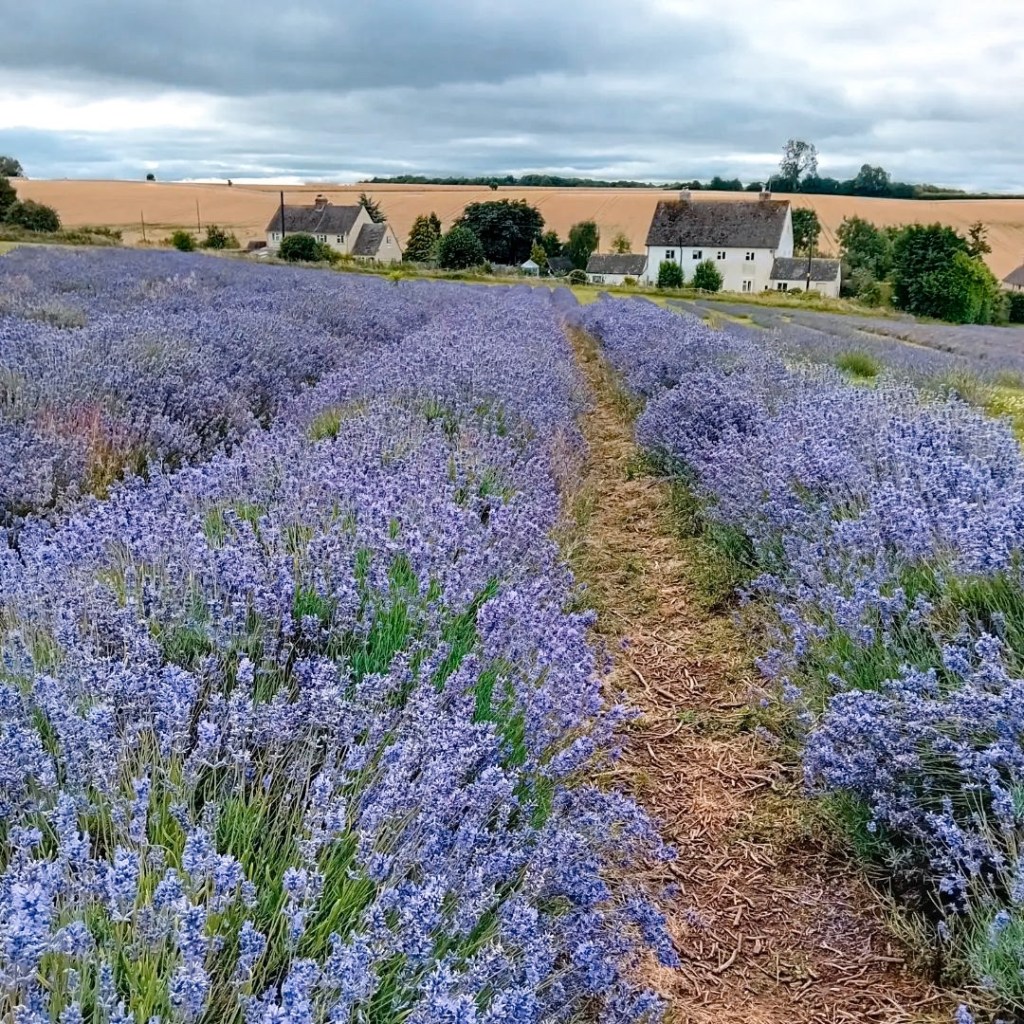
Located just outside the village, the Cotswold Lavender fields are one of the most iconic summer attractions in the region. Typically open from June to August, the fields burst into vibrant purple and offer panoramic views over Broadway and the Vale of Evesham.

Tickets are purchased on arrival and card payments only are accepted. Visiting early in the season or early in the day helps avoid crowds.

Go Walking in the Surrounding Countryside

Snowshill is surrounded by classic Cotswold landscapes, making it an excellent base for walking.

Snowshill Walk One
Distance: 2 miles
Duration: approximately 1 hour

This circular walk begins in the village and passes Snowshill Manor and gardens, combining woodland, countryside paths, and quiet roads. Views extend across the Severn Valley towards Wales on clear days.

Snowshill Walk Two
Distance: 3.75 miles
Duration: approximately 2 hours

Starting from the village car park, this longer circuit explores open countryside and woodland, with some steep climbs rewarded by stunning views over the Severn Vale. The route also passes through Snowshill village and the manor grounds.

Things to Do Near Snowshill

Snowshill makes an excellent base for exploring the North Cotswolds.

Nearby highlights include Broadway Tower, one of the best viewpoints in the Cotswolds, Chipping Campden, which marks the start of the Cotswold Way, and Winchcombe, a historic market town close to Sudeley Castle.

Day trips to Bourton on the Water, Stow on the Wold, and Lower Slaughter are also easily achievable by car.

Snowshill Filming Locations and Pop Culture

Snowshill has appeared in several British television productions, most notably Father Brown. Its timeless appearance and lack of modern development make it a popular choice for period dramas and countryside scenes. The area has also been featured in productions such as Downton Abbey and Bridget Jones’s Diary, which adds to the region’s appeal for film and TV enthusiasts.

Where to Stay in Snowshill and Nearby

Accommodation in Snowshill itself is limited, which helps maintain its peaceful atmosphere. However, there are excellent options in nearby villages such as Broadway, Chipping Campden, and Winchcombe.

Staying nearby allows you to explore Snowshill early in the morning or later in the evening, when it is at its most serene.

Best Time to Visit Snowshill

Spring and summer are the most popular times to visit, particularly during lavender season from June to August. Autumn offers quieter streets and beautiful golden landscapes, while winter brings a cozy charm and occasional snowfall that lives up to the village’s name.

Frequently Asked Questions About Snowshill

How many people live in Snowshill?
According to the 2011 census, Snowshill had a population of 164.

When was Snowshill first recorded?
The village was first recorded in 821.

Does it snow in Snowshill?
Yes. Snowshill often experiences snowfall earlier than surrounding areas due to its elevation!

Is there free parking in Snowshill?
Yes. Free parking is available near Snowshill Manor, though spaces are limited.

Is Snowshill worth visiting?
Absolutely. Snowshill is ideal for travelers seeking a peaceful, authentic Cotswold village with rich history and beautiful scenery.