Top 8 Day Trips from London by Train

Disclosure: this post contains affiliate links

London is bursting with energy, but sometimes, a change of scenery is just what you need to recharge. Fortunately, the UK’s rail network makes it incredibly easy to escape the capital for a day—no car or overnight stay required! Whether you’re after rolling countryside, medieval charm, or coastal breezes, these eight destinations offer the perfect antidote to city life.

Here are 8 wonderful day trips from London by train—each under 2 hours away, and absolutely worth the ride!

1. Moreton-in-Marsh: Gateway to the Cotswolds

🚆 Getting there: Approx. 1 hr 28 min from London Paddington via Great Western Railway

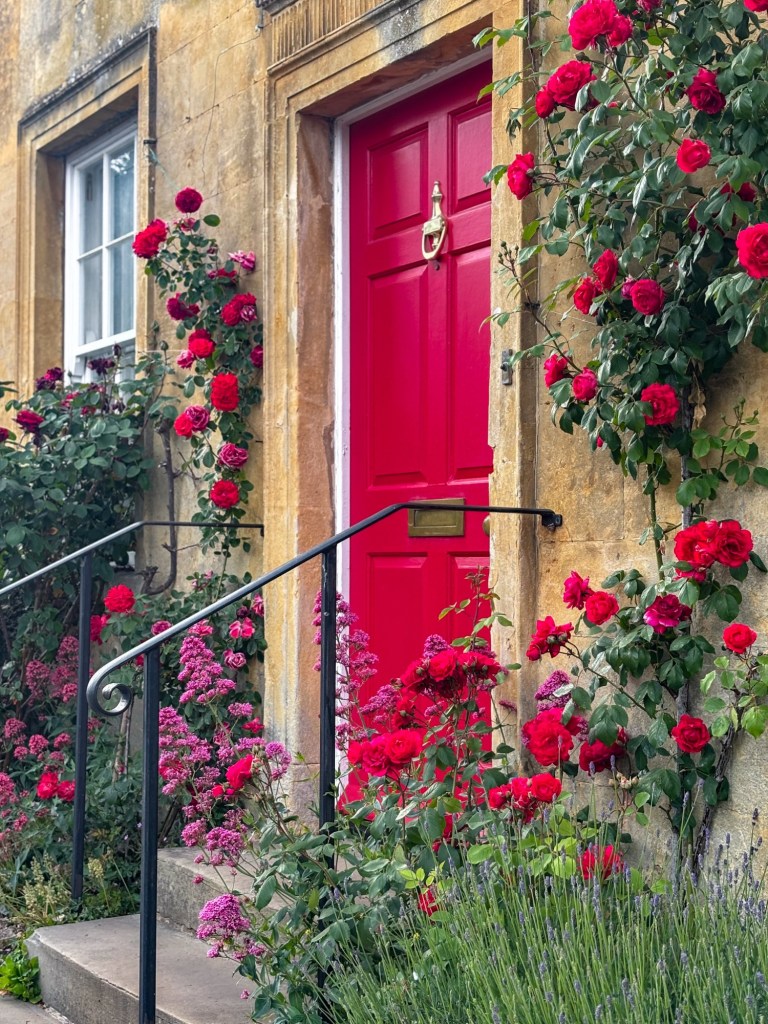
Tucked in the northern Cotswolds, Moreton-in-Marsh is a postcard-perfect market town that feels like stepping into an old English novel. Expect colored stone buildings, independent bookstores, and cozy cafés serving scones with clotted cream.

It’s a fantastic base for exploring the surrounding countryside or joining a guided tour of nearby villages like Stow-on-the-Wold and Bourton-on-the-Water.

Tip: Book a small-group tour with Go Cotswolds for a seamless, story-filled Cotswolds experience.

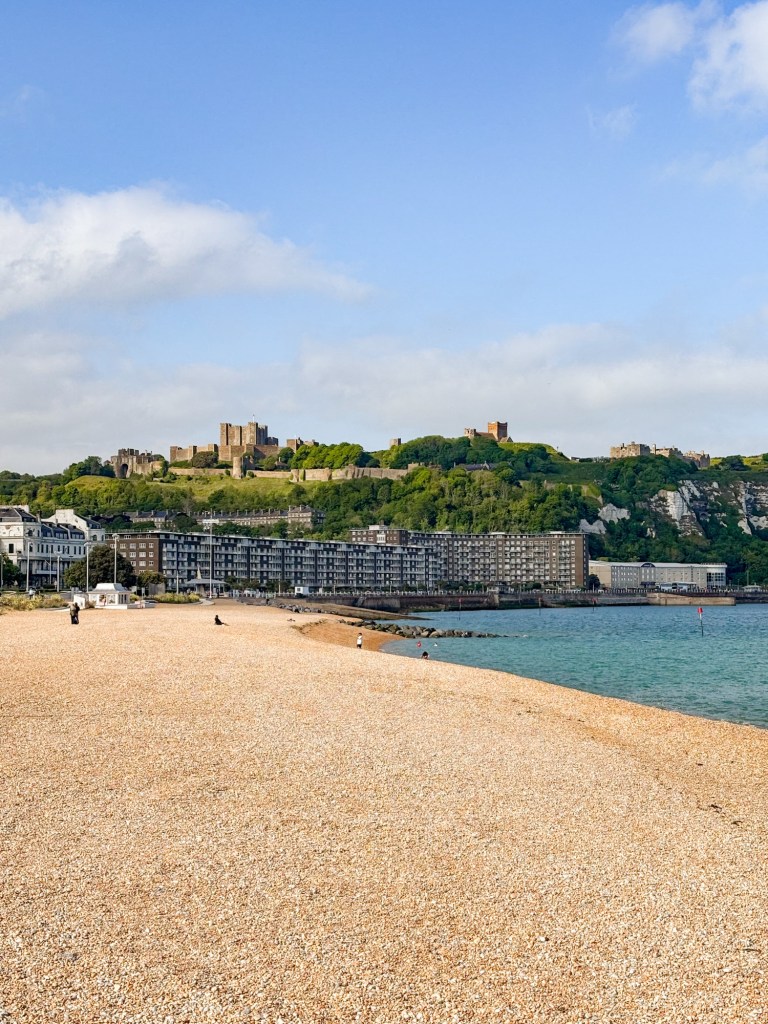
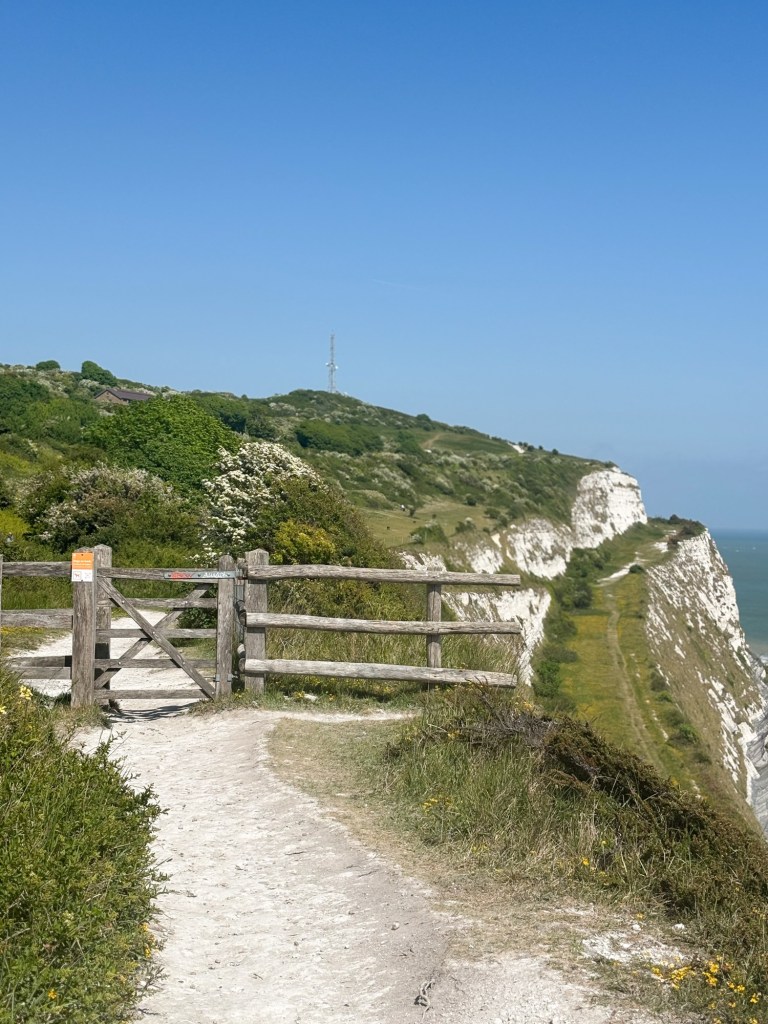
2. Dover: Coastal Drama & Historic Majesty

🚆 Getting there: Just 1 hour from London St Pancras International via Southeastern High-Speed (Javelin)

If you’ve ever wanted to stand on cliffs that seem to touch the sky, Dover is your place. Famous for its dazzling white cliffs and wartime tunnels, Dover also boasts the mighty Dover Castle, a medieval fortress offering panoramic views over the English Channel.

On clear days, you might even spot the French coastline across the water.

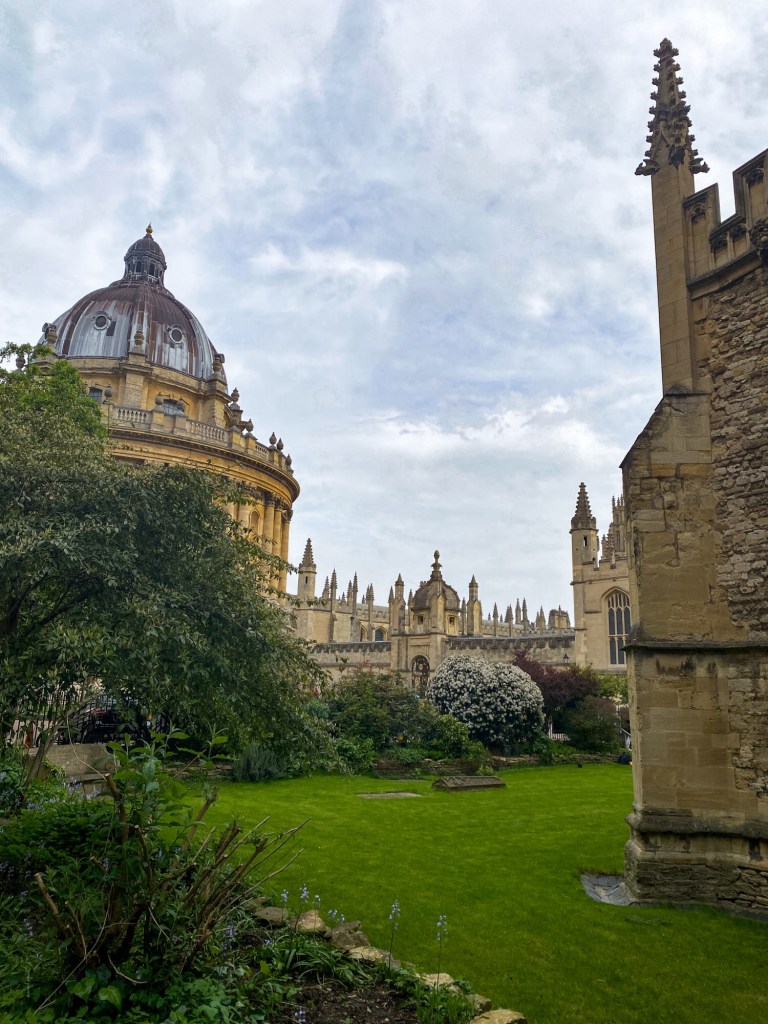
3. Oxford: The City of Dreaming Spires

🚆 Getting there: About 1 hour from London Paddington via Great Western Railway
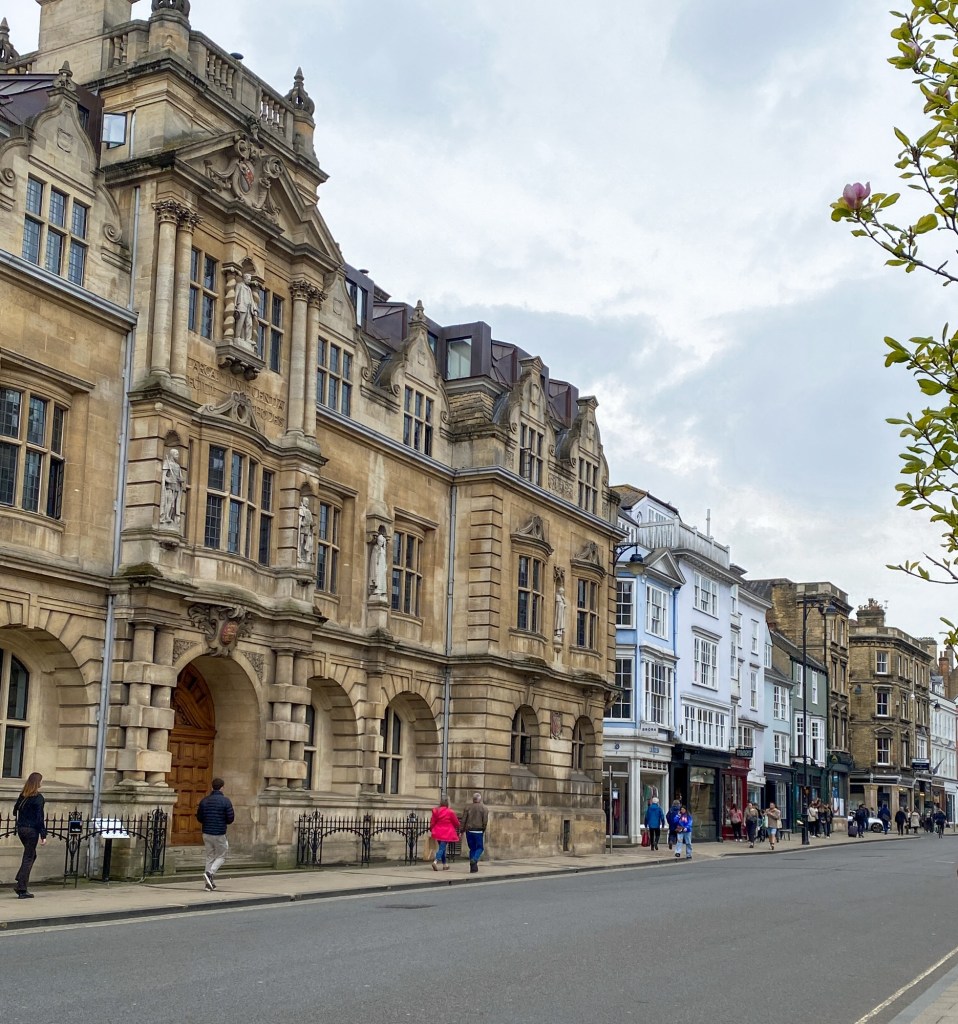
History, academia, and breathtaking architecture combine in Oxford, one of the most iconic university towns in the world. Tour centuries-old colleges, visit the Bodleian Library, and stroll along the River Thames—or spot film locations from Harry Potter and Inspector Morse.

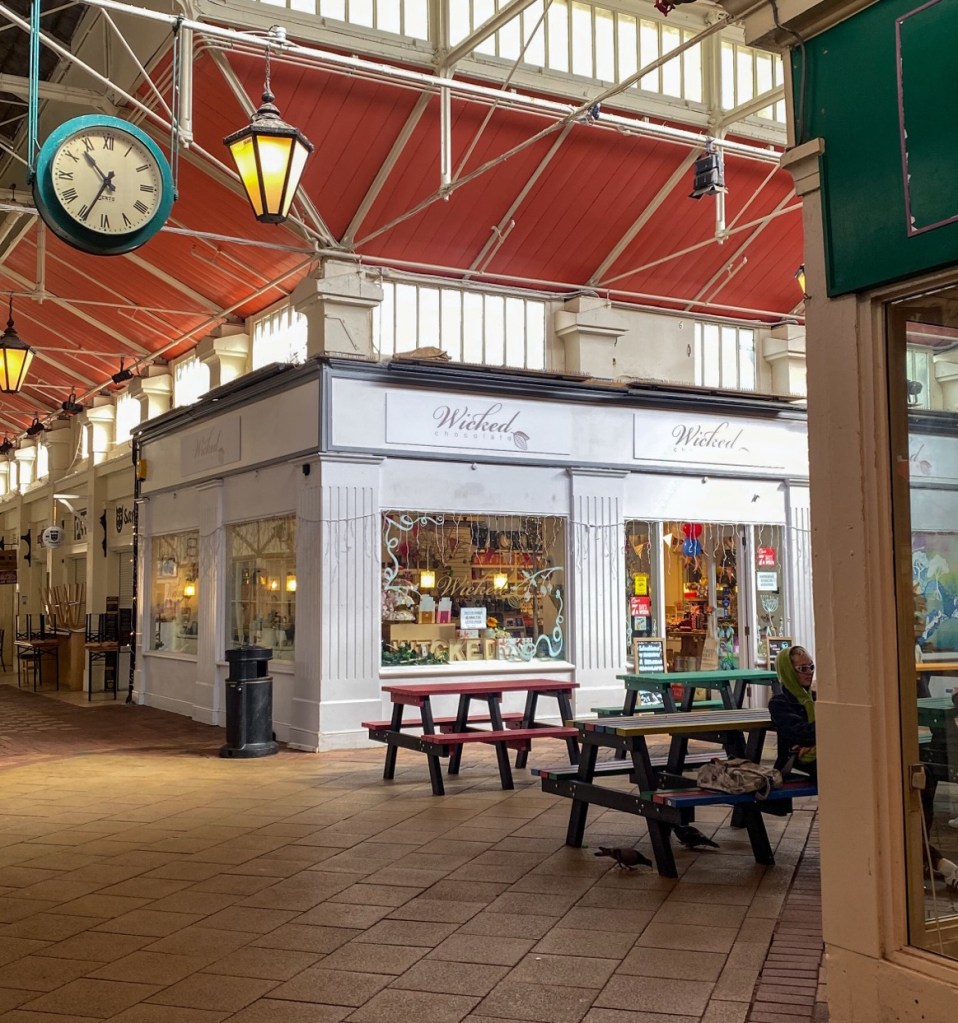
Be sure to pop into the Covered Market for local eats and handmade gifts.

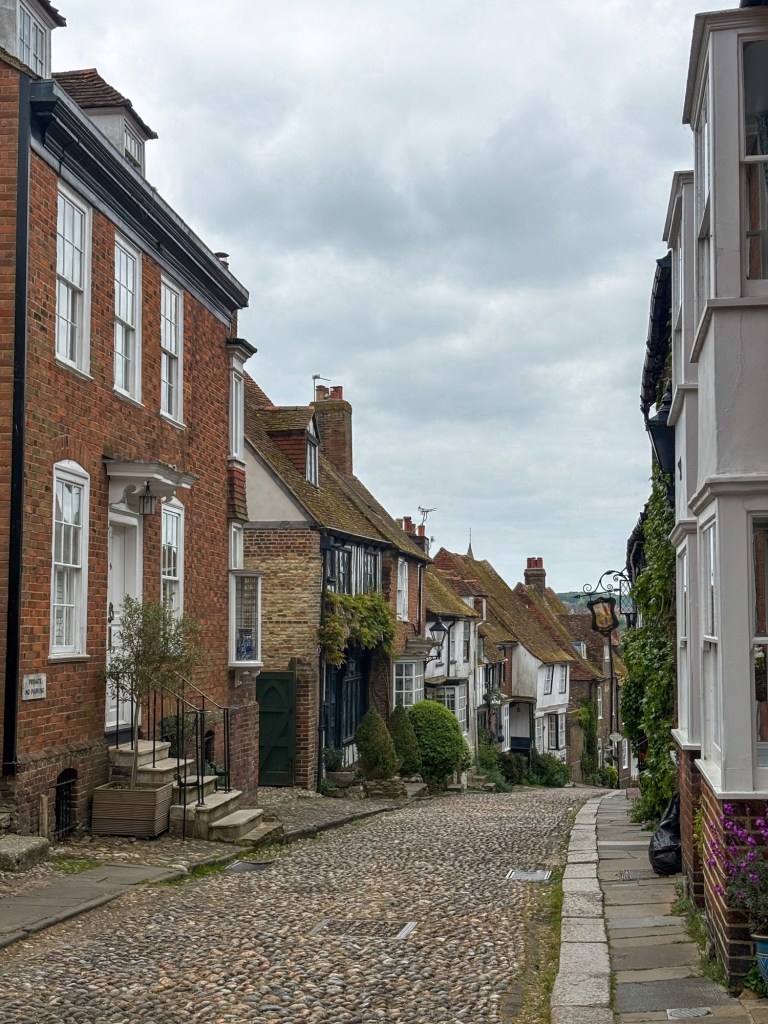
4. Rye: A Real-Life Fairytale

🚆 Getting there: ~1 hr 5 min from London St Pancras via Southeastern High-Speed to Ashford, then transfer to Rye

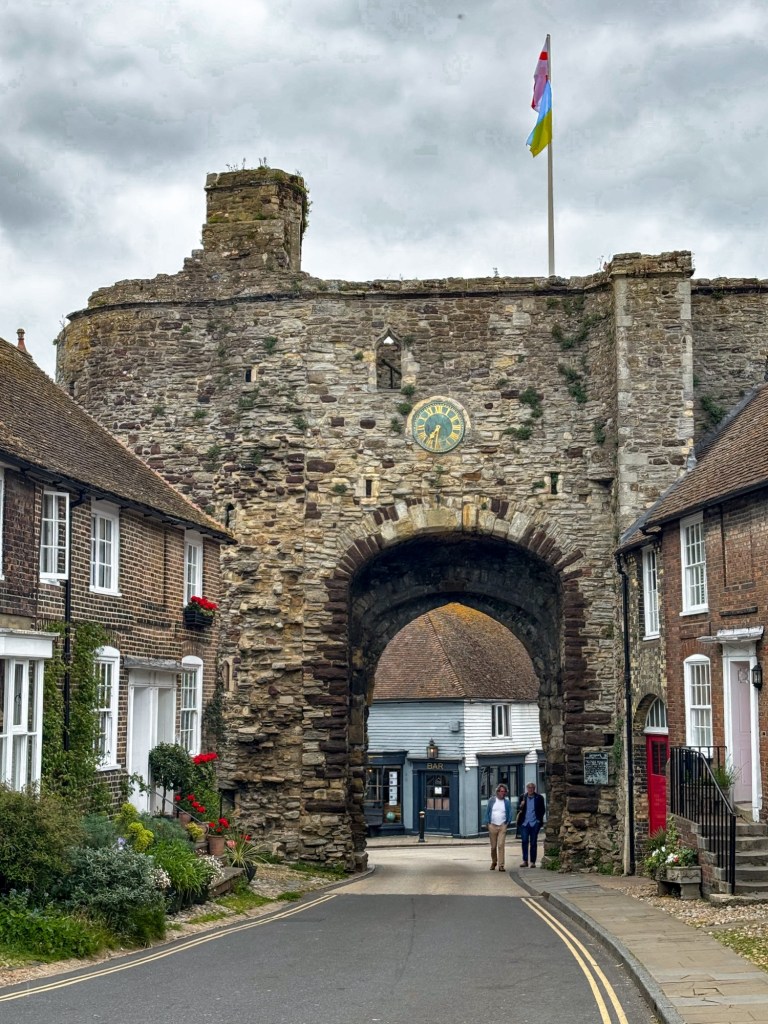
Rye is the kind of place where time slows down. Wander its cobbled lanes (like the famously photogenic Mermaid Street), admire timber-framed houses, and browse antique shops straight out of a Dickens novel.

This charming East Sussex town is rich in literary and smuggling history and just the spot for a slow, scenic day.

5. Cambridge: Punting, Parks & Prestige

🚆 Getting there: A speedy 48 min from London King’s Cross via Great Northern Express

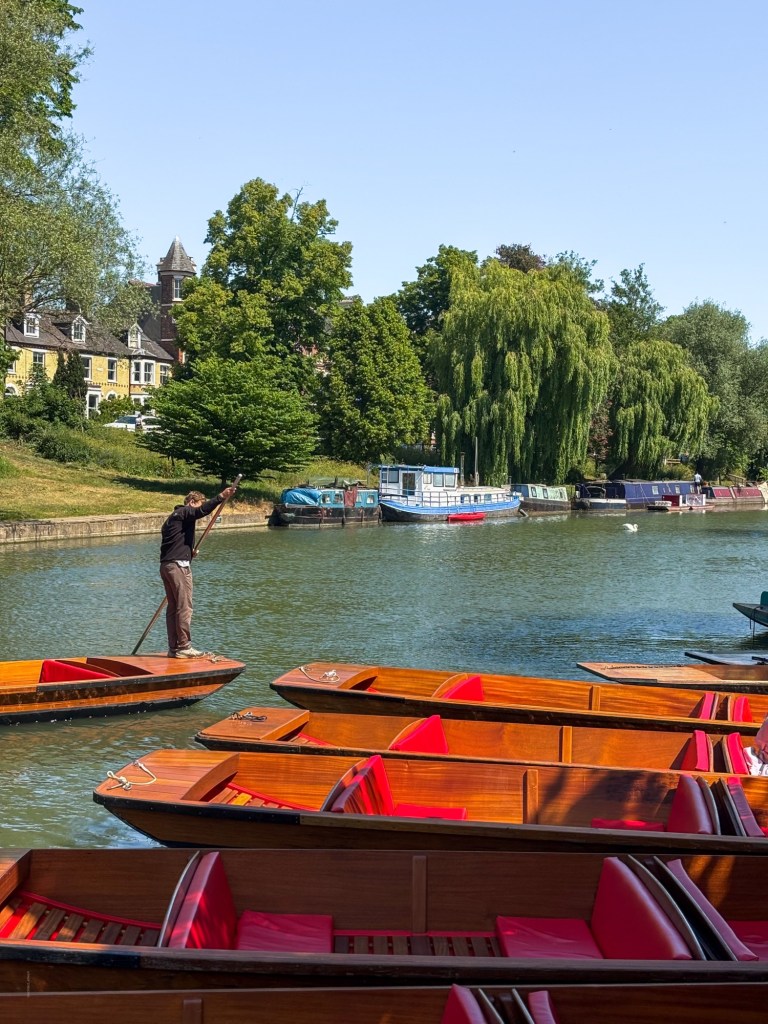
Cambridge exudes intellectual charm, with stunning college courtyards, tranquil riverside paths, and an artsy town centre. Don’t miss a chance to go punting—a flat-bottomed boat ride—on the River Cam under the famous Bridge of Sighs.

Tip: Book with Traditional Punting Company for a guided punting experience through the university’s most scenic stretches.

6. Bath: Ancient Wellness Meets Georgian Elegance

🚆 Getting there: Around 1 hr 15 min from London Paddington via Great Western Railway

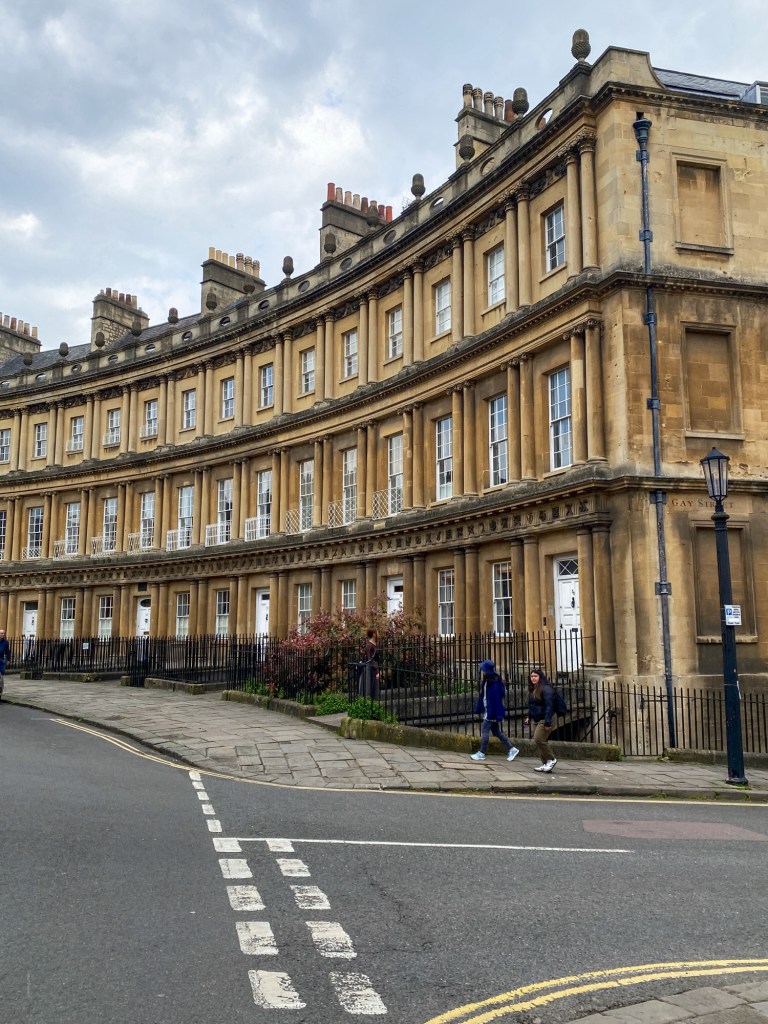
Known for its Roman heritage and graceful Georgian architecture, Bath is a feast for the eyes—and the senses. Visit the Roman Baths, take a dip in a modern thermal spa, and marvel at the Royal Crescent. Jane Austen fans will especially love exploring her connections to the city.

7. Canterbury: A Cathedral City with Literary Soul

🚆 Getting there: Just 50 min from London St Pancras International via Southeastern High-Speed to Canterbury West
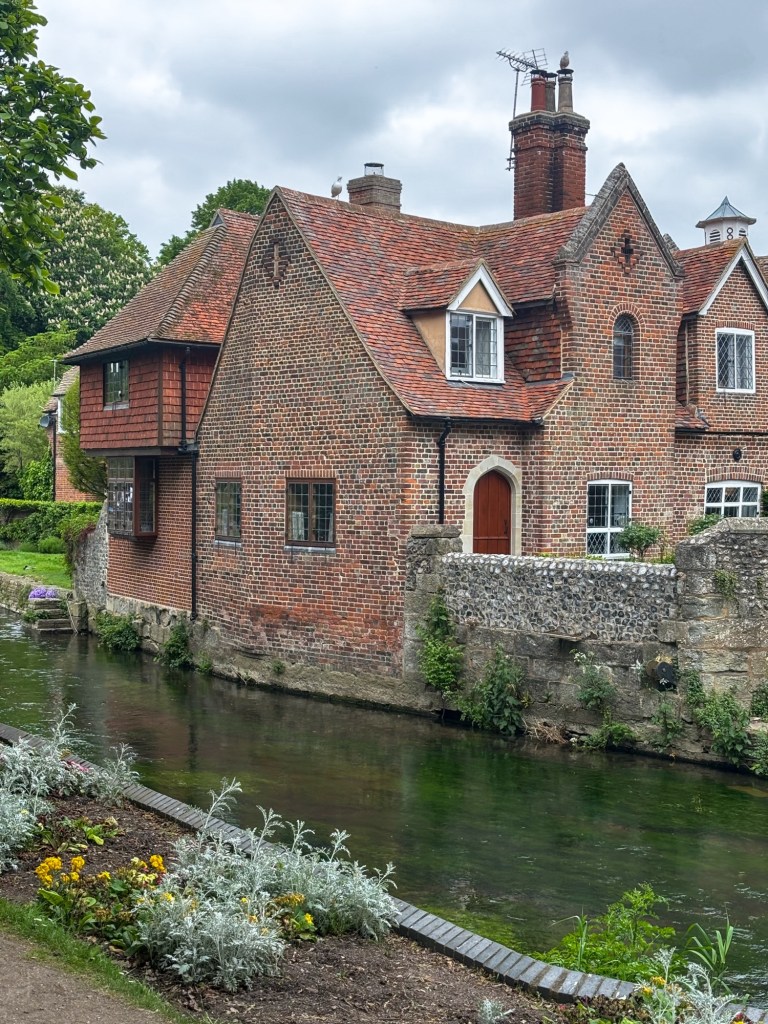
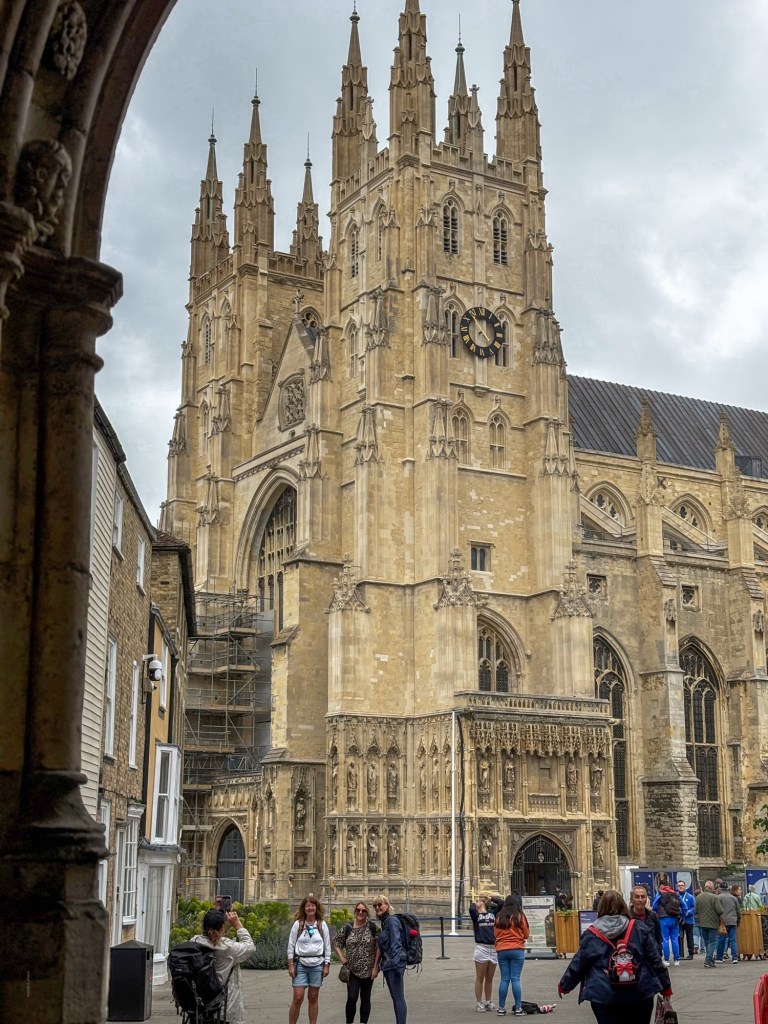
With cobblestone streets and timbered houses, Canterbury is steeped in history. At its heart lies Canterbury Cathedral, a UNESCO World Heritage Site and seat of the Archbishop of Canterbury.

Book lovers and pilgrims alike will enjoy walking in the footsteps of Chaucer’s “Canterbury Tales.”

8. Stratford-upon-Avon: Shakespeare’s Timeless Town

🚆 Getting there: About 2 hours from London Marylebone via Chiltern Railways (change at Leamington Spa)
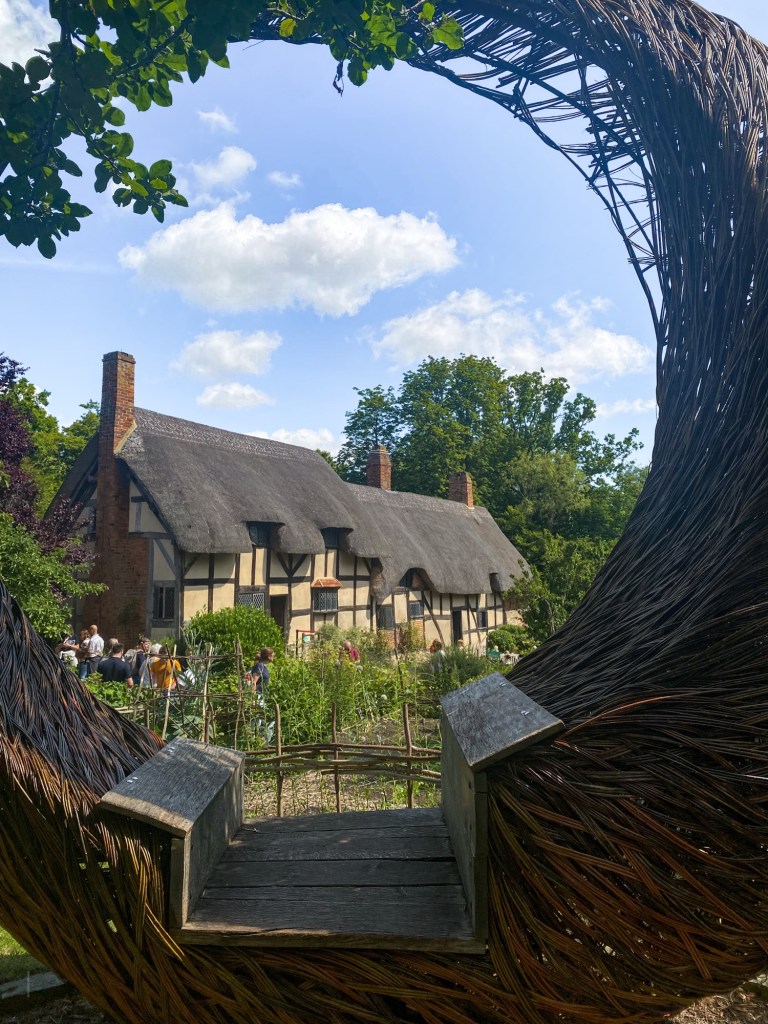
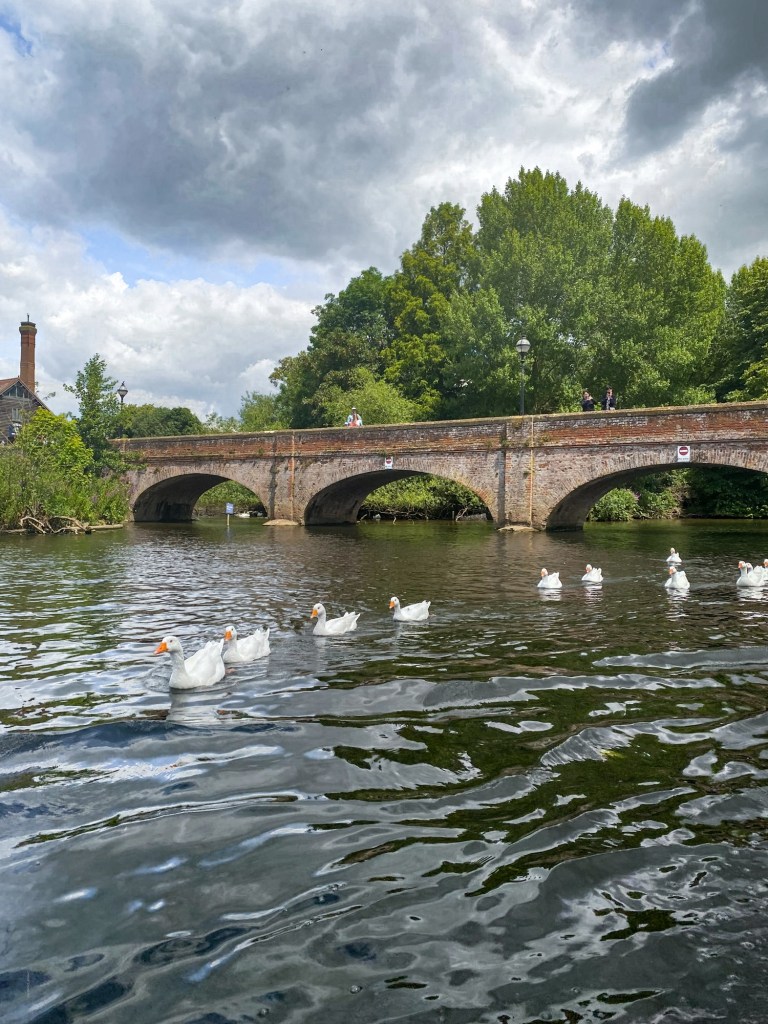
No literary pilgrimage is complete without a trip to Stratford-upon-Avon. This riverside market town is the birthplace of William Shakespeare, and his legacy lives on in the Royal Shakespeare Theatre, Shakespeare’s Birthplace, and Anne Hathaway’s Cottage.

Tip: Save money and time with the Explorer Pass from Shakespeare’s England, which grants access to multiple historic sites.

Final Thoughts

These 8 destinations offer more than just a break from London—they’re immersive, enriching, and effortlessly accessible by train. So whether you’re in the mood for rolling hills, coastal winds, or college towns with centuries of legacy, you don’t have to go far to experience the magic.

Which place are you excited the most to explore next?

Top 13 Must-See Places in Bath, England

Disclaimer: This post contains affiliate links

Located in the picturesque rolling hills of Somerset, Bath, England is a must-visit destination that perfectly blends ancient history with modern elegance. Renowned for its well-preserved Roman baths and natural hot springs, Bath has been a sanctuary for wellness, relaxation, and spa lovers for over 2,000 years. Bath’s breathtaking Georgian architecture makes one feel like they have stepped into a Jane Austen novel—and this is no surprise, as the beloved author once lived here and drew inspiration from its charming streets.

Beyond the historic sites, Bath boasts a vibrant cultural scene, independent shops, cozy cafes, and lush green spaces. In other words, Bath is the kind of place that slows you down in the best way possible!

In this article, I share with you 13 iconic places you need to see in the city of Bath, England:

13 Iconic Places to See in the City of Bath, England

Jane’s Austen House

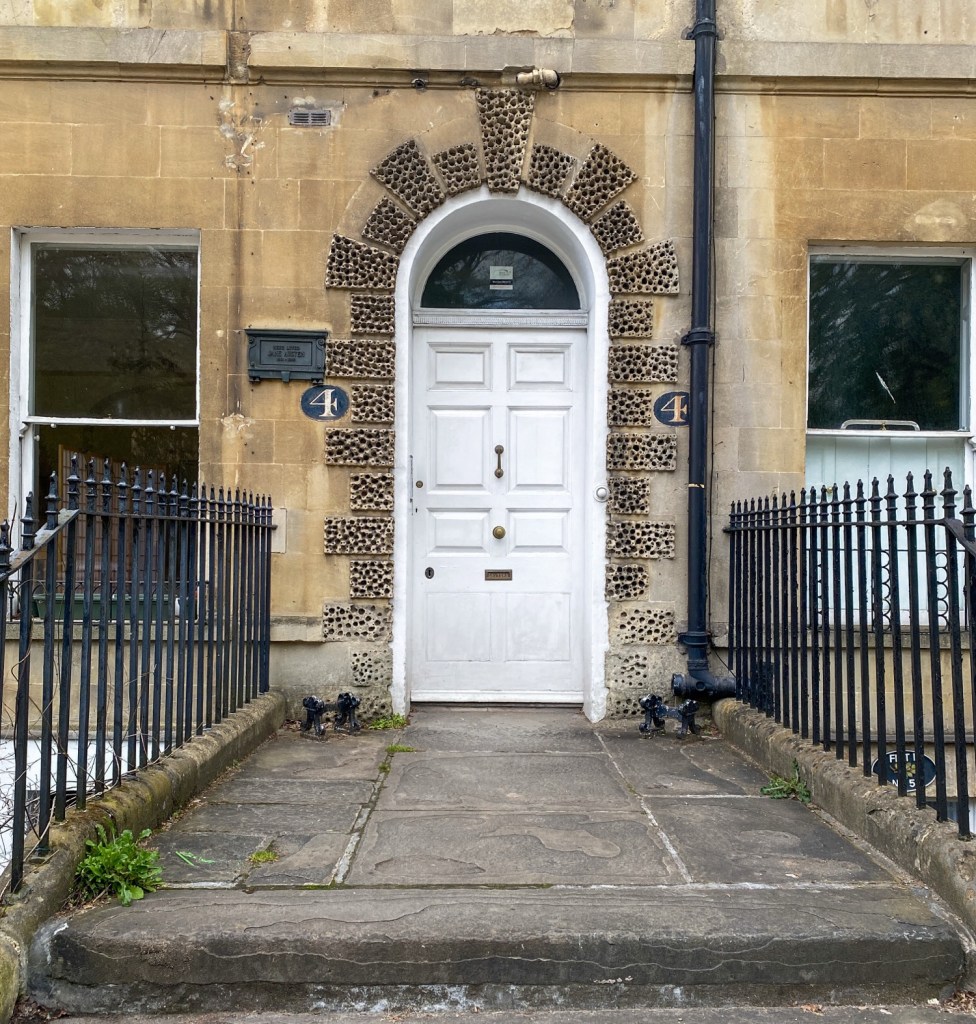
For fans of classic literature, a visit to Jane Austen’s Bath residence is a must. While Austen lived in several homes throughout Bath during her time in the city from 1801 to 1806, the most famous is 4 Sydney Place, a beautifully preserved Georgian townhouse located near the picturesque Sydney Gardens. Although it’s now a private residence, the exterior still draws admirers who want to walk in the footsteps of one of England’s most iconic authors, and you can even book a stay here!

Click here to book a stay in Jane Austen’s Family Home in Bath from 1801 to 1805

The Royal Crescent

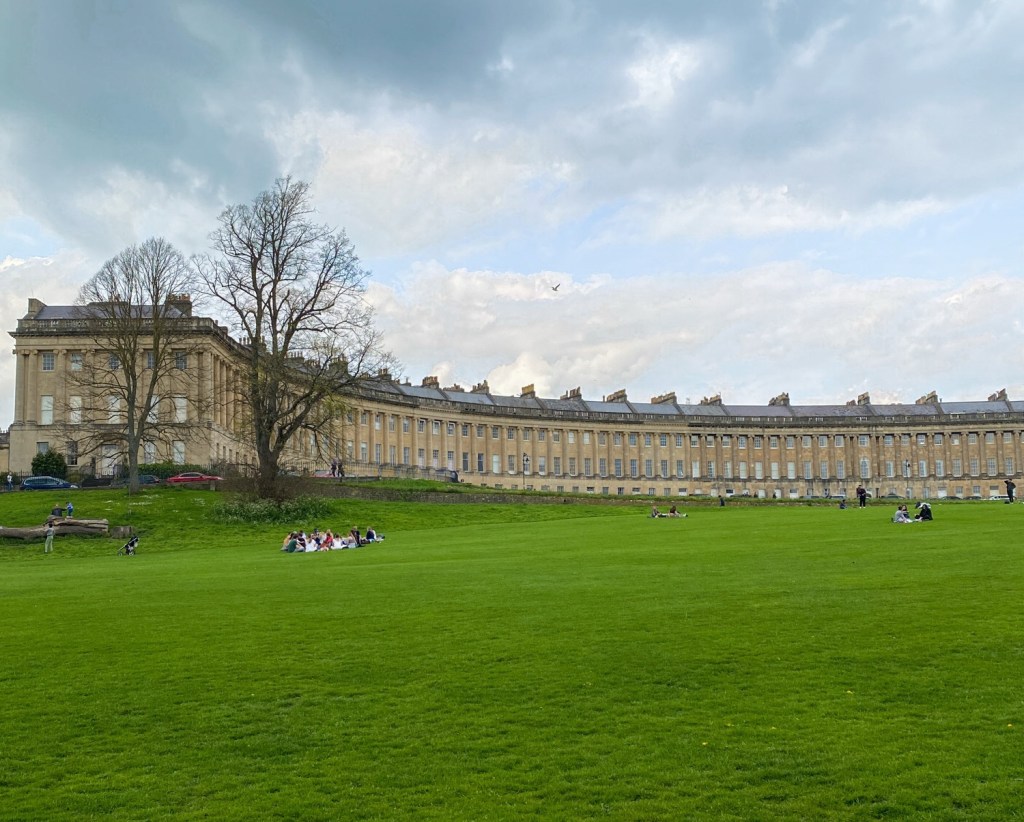
The Royal Crescent is one of Bath’s most iconic landmarks—a sweeping arc of 30 grand Georgian townhouses overlooking a beautiful green lawn. Built in the 18th century, it’s a stunning example of Palladian architecture and a must-see for history and architecture lovers. Perfect for a photo stop or a peaceful stroll!

A Restoration of a Georgian Garden

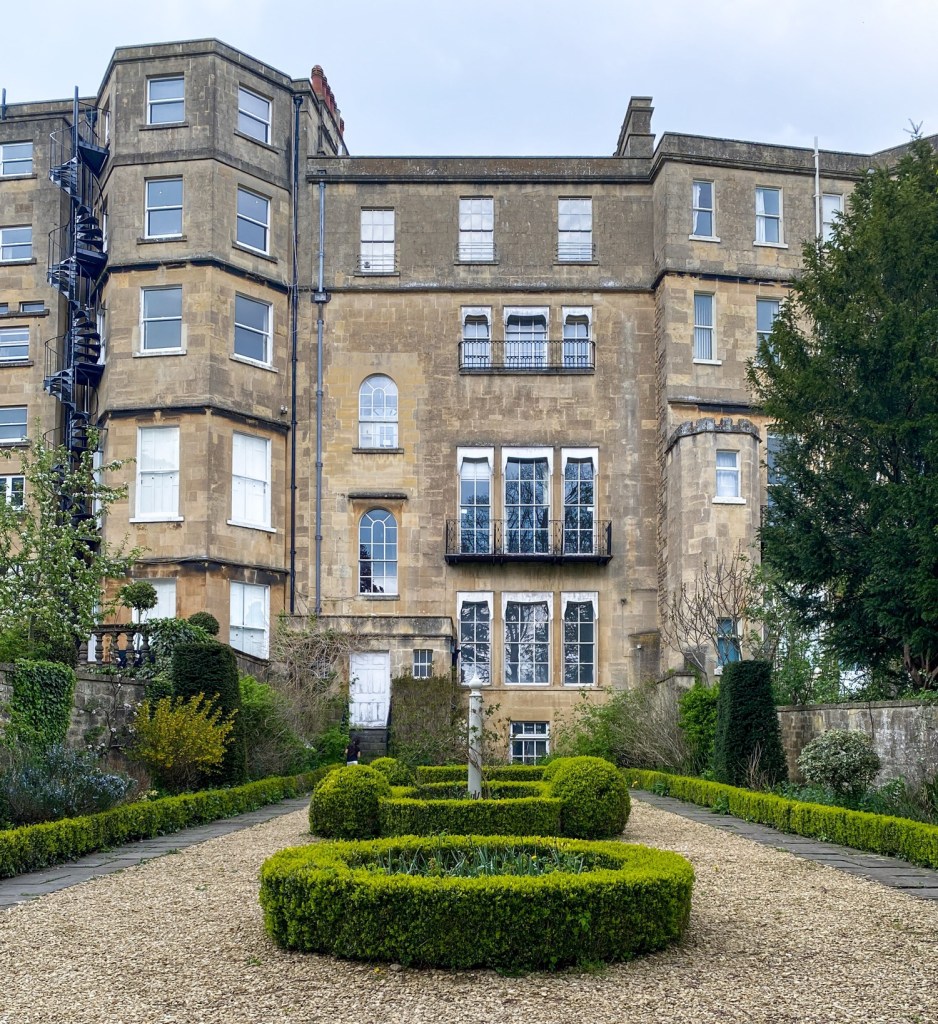
Tucked behind the elegant Royal Crescent, the Georgian Garden offers a quiet glimpse into 18th-century life. This restored garden recreates the style and layout typical of the Georgian era, complete with symmetrical flower beds and gravel paths. It’s a peaceful, free-to-visit spot that adds a touch of authenticity to any stroll through Bath’s historic heart.

Click here to book a walking tour of Georgian Bath

The Jane Austen Centre

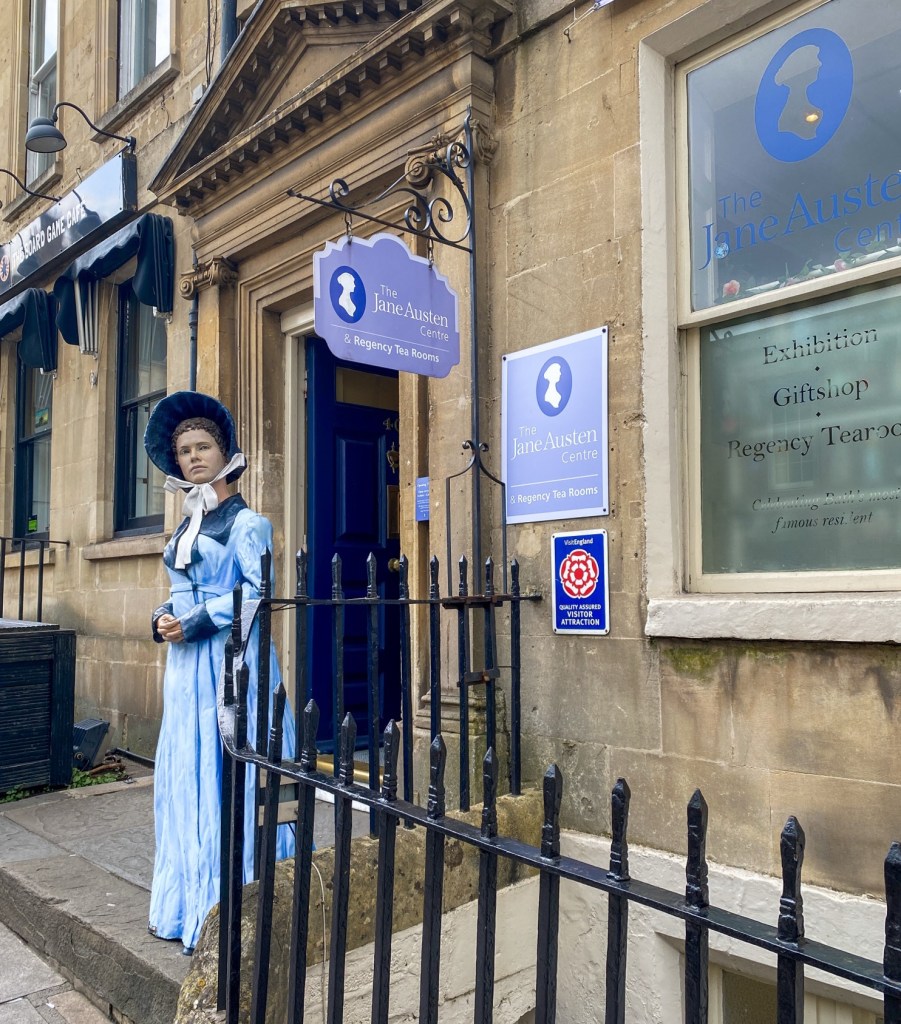
Located on historic Gay Street, the Jane Austen Centre celebrates the life and works of the beloved author during her time in Bath. With costumed guides, exhibits, and a charming tea room, it is a must-visit for fans wanting to experience a slice of Austen’s world!

Click here to book the “Jane Austen’s Bath And History Trail” tour with Viator, and get FREE access to the center with your tour!

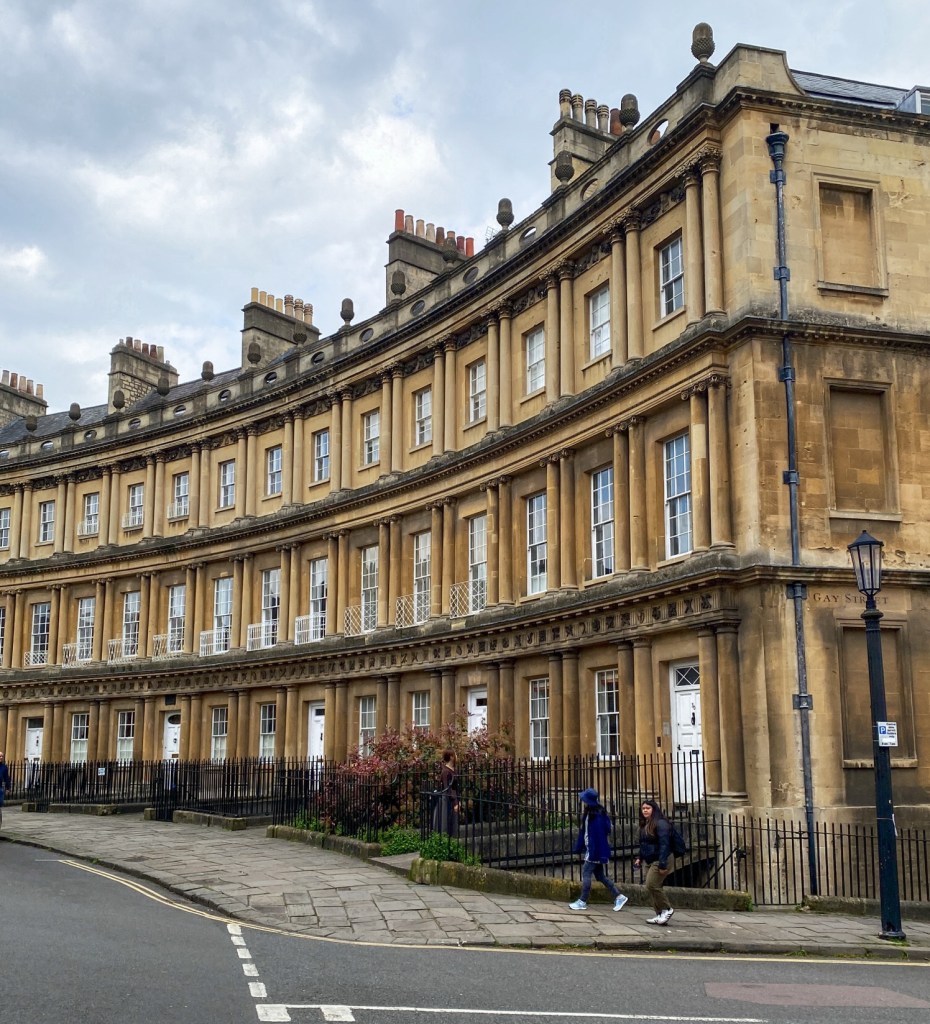
The Circus

Designed by architect John Wood the Elder, The Circus is a stunning circular arrangement of Georgian townhouses, rich in architectural detail and historical charm. Its unique shape and classical design make it one of Bath’s most impressive and photogenic landmarks.

Over the centuries, The Circus has attracted a number of notable residents. Perhaps most famously, the renowned painter Thomas Gainsborough lived at No. 17 in the 18th century, using the elegant surroundings as inspiration for his portrait and landscape work. The area has long been a fashionable address, home to artists, writers, and prominent figures drawn to its grand Georgian design and central location in Bath.

Sally Lunn’s

Home to one of the oldest houses in Bath, Sally Lunn’s Historic Eating House is famous for its legendary “Sally Lunn bun”—a light, fluffy brioche-style treat. Served sweet or savory, it’s the perfect base for everything from rich cinnamon butter to hearty roast beef. Come hungry, leave happy! (and maybe with a bun to go).

The Pump Room

Right next to the Roman Baths, The Pump Room is the place to soak up Bath’s historic charm—literally. Once the social hub of Georgian high society, it’s now a gorgeous tearoom where you can sip traditional afternoon tea and even try a glass of the famous spa water (minerals included!). Elegant, iconic, and oh-so Bath.

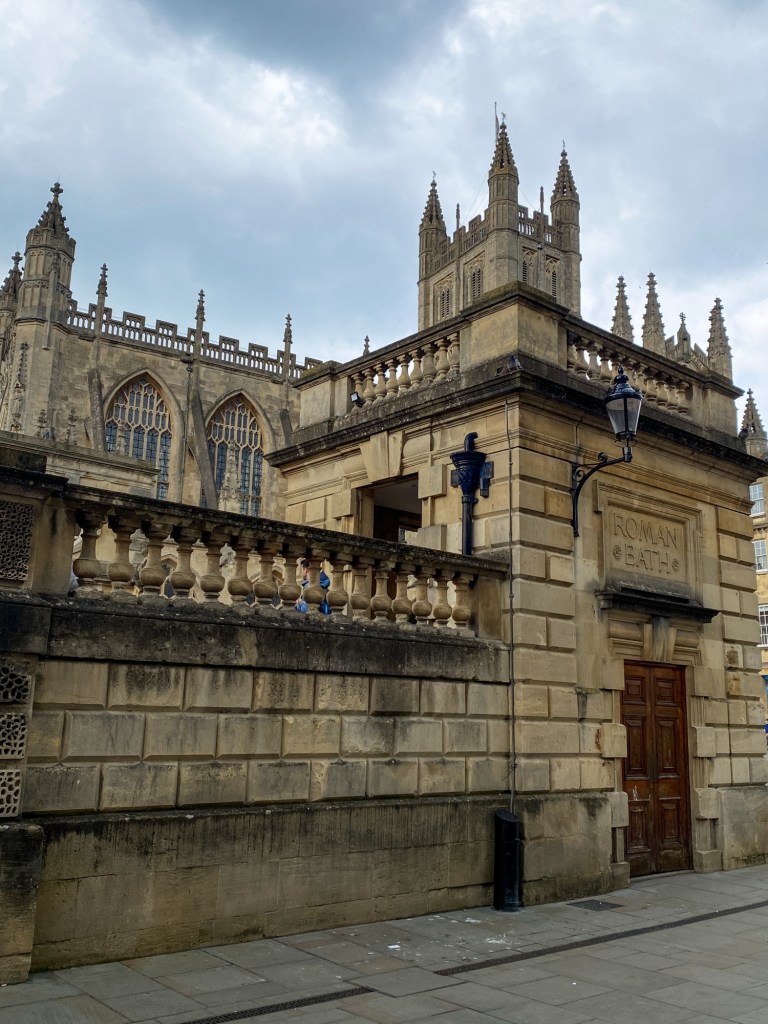
The Bath Abbey

Right in the center of Bath, Bath Abbey is a stunning Gothic church that’s impossible to miss. With its soaring stained-glass windows, intricate fan-vaulted ceiling, and centuries of history, it’s a peaceful and awe-inspiring stop—perfect for a quiet moment or a jaw-dropping photo. Don’t skip the tower tour if you’re up for the climb!

Tickets can be purchased online or from the Welcome Desk on arrival at the Abbey.

The Roman Bath

Step back nearly 2,000 years at the Roman Baths, one of the most fascinating historic sites in the UK! Wander around steaming pools, ancient stones, and temple ruins, all right in the heart of Bath. It’s like walking through history—with a little thermal magic in the air.

Click here to book a Roman Baths and Bath City Walking Tour with Viator!

The City Centre

Bath’s city centre is a dream to explore—think honey-hued stone buildings, cobbled streets, and cozy spots around every corner. From boutique shopping and bustling cafes to street performers and stunning architecture, it’s the perfect blend of elegance and everyday buzz. Everything’s walkable, and everywhere feels like a postcard!

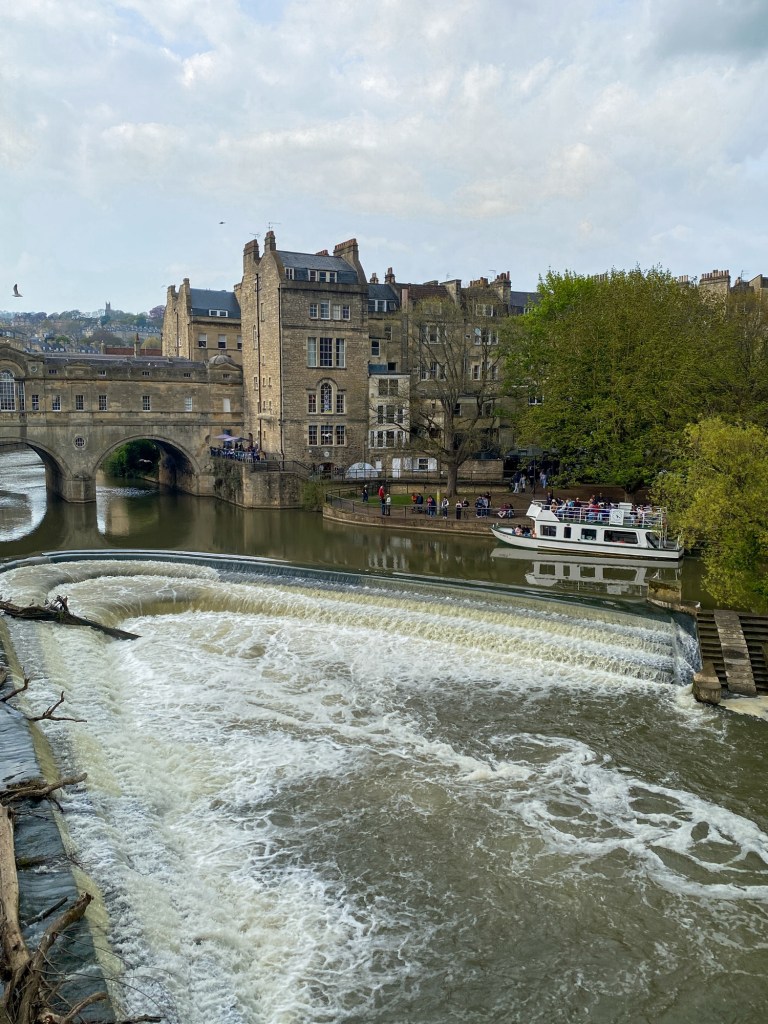
The Pulteney Bridge

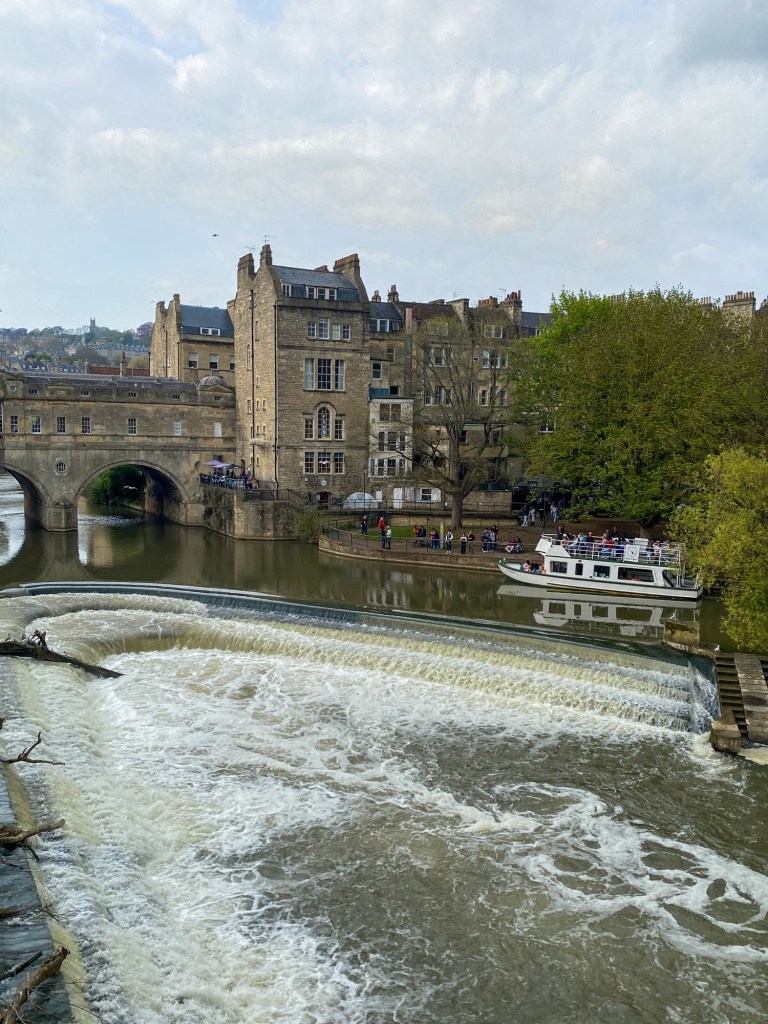
With shops lining both sides and views straight out of a postcard, Pulteney Bridge is one of Bath’s most beautiful spots. Built in the 18th century and inspired by Florence’s Ponte Vecchio, it’s the perfect place for a stroll, a snap, and a peek into Bath’s elegant past—right over the River Avon.

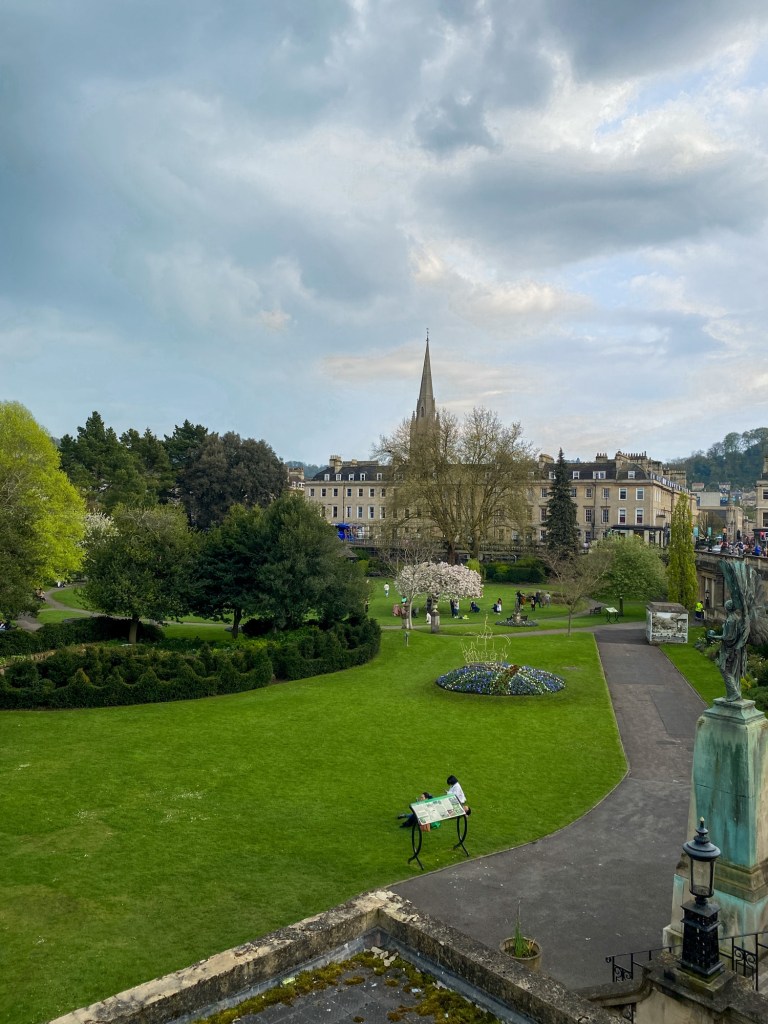
The Parade Gardens

With beautifully manicured lawns, vibrant flowerbeds, and views of Pulteney Bridge, The Parade Gardens is the perfect spot to relax, have a picnic, or enjoy a peaceful stroll. It’s a little slice of greenery, ideal for unwinding after a day of sightseeing.

The Sweet Little Things Shop

If you are craving something sweet (and seriously Instagrammable), make a stop at Sweet Little Things on Old Bond Street. This charming, floral-filled café is known for its indulgent afternoon teas, homemade cakes, and cozy atmosphere. Whether you’re sipping bottomless tea, enjoying a brunch platter, or treating yourself to a cupcake, it’s the perfect spot to unwind in style. Don’t miss their in-house bakery for take-home goodies or a custom celebration cake!

How to Get to Bath, England

Getting to Bath, England is simple and convenient.

By train: Bath has regular direct services from London Paddington that take around 90 minutes, making it an easy day trip from the capital. If you’re coming from other cities, there are also great rail connections from Bristol, Cardiff, and Birmingham.

By car: Bath is about a 2-hour drive from London, and the scenic journey through the Cotswolds offers a glimpse of the English countryside.

By Bus: Bath is well-connected by coach and bus services from various UK cities:

  • National Express: Runs the 403 coach service from London Victoria Coach Station to Bath Spa Bus Station, with up to 14 services daily, taking around 2.5 hours, and fares from £7 one-way.
  • FlixBus: Offers affordable trips to Bath starting at £4.49, depending on your departure point.
  • Megabus: Provides budget-friendly coach services to Bath on various routes.
  • First Bus: Operates local buses within Bath and nearby areas, offering easy access to the city.

Once you arrive, Bath’s compact city center is easy to navigate on foot, allowing visitors to soak in the historic charm right away.

Where to Stay in Bath, England

Bath offers a wide range of accommodations to suit every style and budget. For a luxurious stay, consider elegant Georgian townhouses turned boutique hotels, like The Royal Crescent Hotel & Spa or The Gainsborough Bath Spa, both offering top-notch amenities and historic charm.

Travelers seeking cozy comfort will find plenty of charming bed and breakfasts and stylish guesthouses tucked away in quiet corners of the city, like Leighton House, Chestnuts House Boutique B&B, or The Yard in Bath Hotel.

Budget-friendly options like hostels and well-rated chain hotels are also available, many within walking distance of Bath’s main attractions such as the Bath YMCA Hostel and the YHA Bath.

Looking for more Bath accommodation? Explore listings on Booking.com!

8 Amazing Places to See in Oxford, England

Disclaimer: This post contains affiliate links

Visiting Oxford, England feels like stepping into a living tapestry of history and knowledge. With its breathtaking architecture, majestic college buildings, ancient libraries, and ivy-clad stone walls at every turn, the city exudes a peaceful yet lively atmosphere shaped by centuries of academic tradition and vibrant student life. Whether you’re stopping by for a short visit or staying a few days, Oxford offers a unique blend of culture, beauty, and intellectual charm that leaves a lasting impression on everyone who walks its storied streets. In this post, I share with you 8 amazing places you should see when in Oxford, England (along with how to get there, and where to stay!):

8 Amazing Places to See in Oxford, England

The Covered Market

The Covered Market in Oxford is a hidden gem tucked away in the heart of the city. Dating back to the 18th century, it’s a lively and colorful place filled with independent shops, local food stalls, florists, and quirky boutiques. The atmosphere is warm and inviting, with the scent of fresh pastries and coffee drifting through the air. Whether you’re grabbing a bite to eat, picking up unique souvenirs, or simply exploring, the Covered Market offers a charming glimpse into Oxford’s local life and community spirit.

Turl St

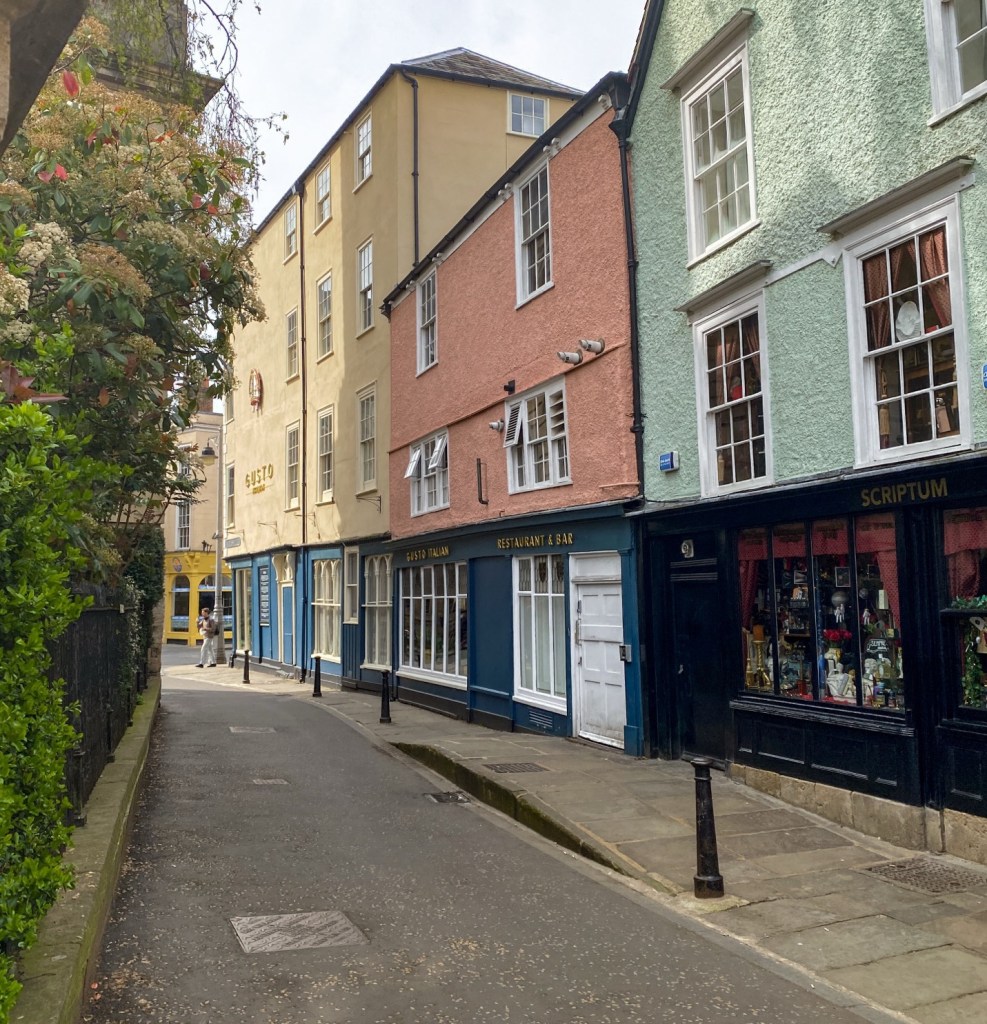
Turl Street is one of Oxford’s most picturesque and historic lanes, nestled right in the city center. Lined with beautiful old college buildings like Exeter, Lincoln, and Jesus College, it offers a quiet charm that feels distinctly Oxford. The cobbled street is a peaceful escape from the busier parts of the city, yet it’s just steps away from iconic landmarks. With its blend of academic history and cozy cafés, Turl Street captures the timeless elegance and character of Oxford perfectly.

St. Mary’s Passage

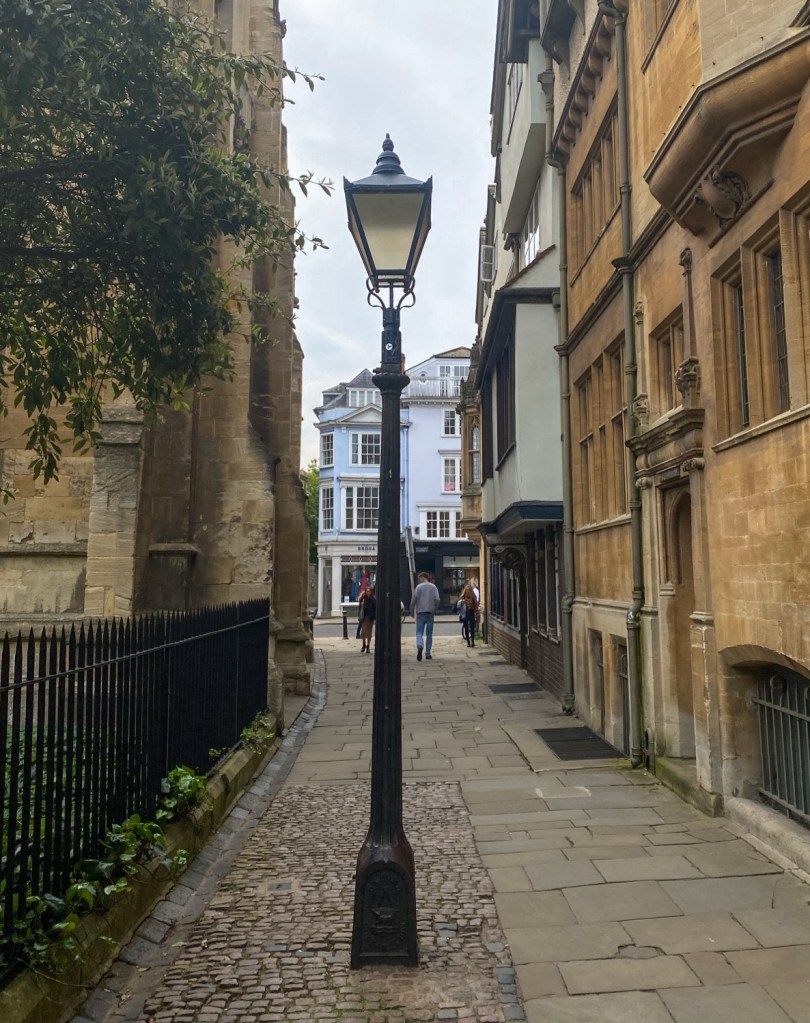
I love this narrow, enchanting walkway in the heart of Oxford! Tucked between the University Church of St Mary the Virgin and the Radcliffe Camera, it’s a lovely spot often overlooked by tourists. What’s more, the Passage is famously linked to The Chronicles of Narnia by C.S. Lewis, who was a fellow at Magdalen College just a short walk away. Legend has it that elements of this quiet, tucked-away passage helped inspire parts of The Lion, the Witch and the Wardrobe. At the entrance of the passage, there’s an old wooden door with a carved lion’s head—said to have sparked the idea for Aslan. Nearby, two stone fauns stand on either side of the doorway, reminiscent of Mr. Tumnus, and a traditional Victorian lamp post sits just a few steps away, echoing the one Lucy sees when she first enters Narnia. Whether coincidence or subconscious inspiration, it’s a magical connection that draws Narnia fans from around the world!

Victorian lamp post which is said to have inspired C.S. Lewis in his book The Lion, the Witch and the Wardrobe

To book a self-guided audio tour about Oxford’s literary legends and landmarks, click HERE

Radcliffe Square

Radcliffe Square is one of the most iconic, loved spots in Oxford. Surrounded by some of the city’s most historic buildings—like the Radcliffe Camera, All Souls College, and the University Church of St Mary the Virgin—it feels like the very heart of the university.

The Radcliffe Camera, locate at the center of Radcliffe Square

The Bridge of Sighs

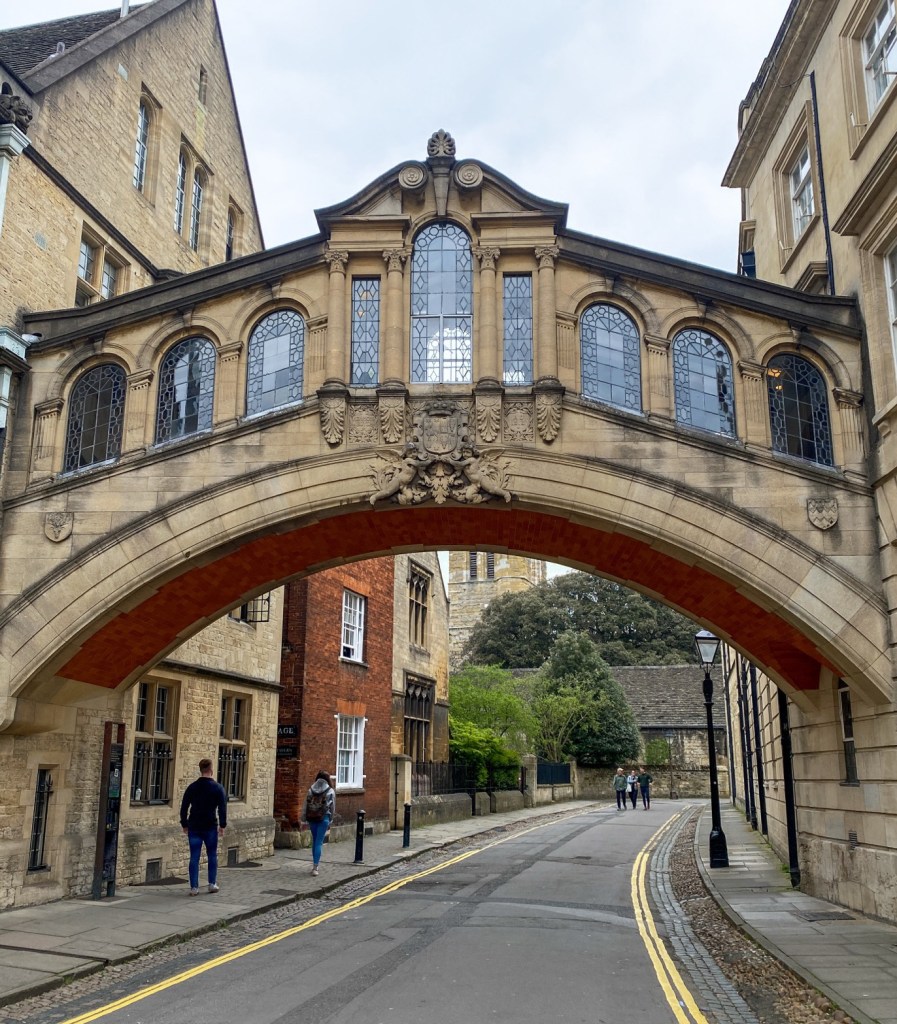
The Bridge of Sighs in Oxford, officially known as Hertford Bridge, is one of the city’s most photographed landmarks. Arching gracefully over New College Lane, it connects two parts of Hertford College and resembles the famous bridge in Venice, which inspired its nickname. Built in 1914, it adds a touch of romantic charm to the historic streets of Oxford, and is a perfect spot for photography lovers!

New College

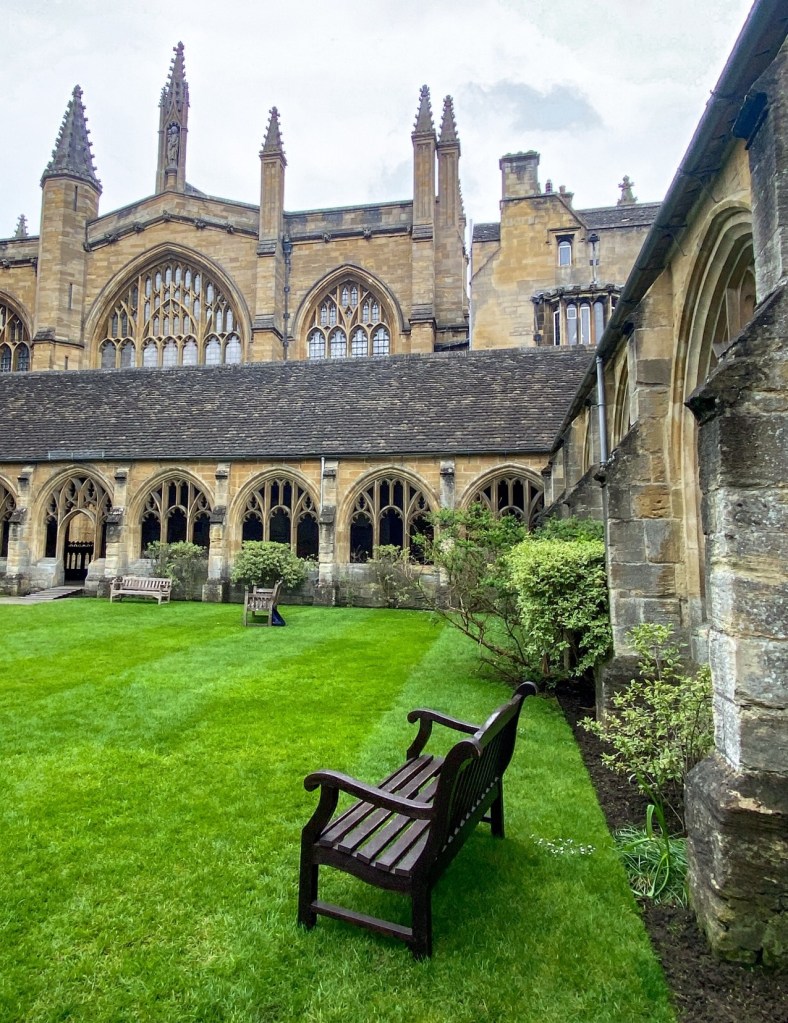
New College, one of the oldest and most beautiful colleges in Oxford, was founded in 1379 and is steeped in history and tradition. The college harbors beautiful high stone walls, stunning architecture all around, timeless cloisters, a magnificent chapel, and one of Oxford’s oldest gardens. The college’s medieval dining hall and impressive city wall, which still stands along the garden, make it a favorite spot for visitors and was one of my favorite parts to admire! New College also gained fame as a filming location for Harry Potter, adding a touch of magic to its already enchanting atmosphere.

To book a private tour of the college, click HERE

Christ Church College

Christ Church College is another one of Oxford’s most renowned and picturesque colleges, known for its grandeur and historical significance. Founded in 1546, it boasts stunning architecture, including the iconic Christ Church Cathedral and the majestic Tom Tower. The college is also famous for its beautiful dining hall, which inspired the Great Hall in the Harry Potter films, as well as its lush lawns and tranquil surroundings.

To book an Oxford University & City Tour With Christ Church, click HERE

St. Edmund Hall

Founded in the 13th century and often referred to simply as “The Hall,” this college is known for its intimate and welcoming atmosphere. Nestled in a quiet corner of the city, the college is rich in history, with its stunning medieval architecture, including the beautiful old dining hall and the impressive chapel. Despite its smaller size, it exudes a unique charm and character, with a connection to Oxford’s long academic heritage. I highly recommend stepping in and taking a look of the cozy garden and architecture!

How to Get to Oxford, England

Getting to Oxford, England is straightforward, whether you’re traveling by car, train, or bus.

By Train: Oxford is well-connected by train, with frequent services running from London, Birmingham, and other major cities. The Oxford train station is just a short walk from the city center. From London, direct trains depart regularly from Paddington Station and take around an hour. If you’re coming from London Heathrow, you can take a direct bus or train for a quick and convenient journey.

By Car: If you’re driving, Oxford is about a 1.5-hour drive from London via the M40 motorway. There are several car parks around the city center, though be mindful of the congestion zone in some areas. Parking can be limited, so it’s recommended to check for available spaces in advance.

By Bus: Oxford is also accessible by long-distance buses from cities like London, Birmingham, and Manchester. The main bus station is located just outside the city center, with good connections to local transport links. Services like National Express and Megabus offer affordable options.

Once you arrive in Oxford, the city center is easy to navigate by foot, and buses or bikes are available for exploring further afield.

Where to Stay in Oxford, England

Oxford offers a variety of accommodation options for all budgets and preferences. For a luxurious stay, the Old Bank Hotel and the Randolph Hotel provide elegant, centrally located rooms with stunning views of the city’s historic architecture.

If you’re looking for a more budget-friendly option, there are numerous guesthouses and charming bed-and-breakfasts around the city, such as The Buttery or The Tower House.

For those who prefer a more unique experience, college rooms can often be rented during the summer months, offering a chance to stay within the heart of the university’s iconic colleges. Additionally, there are modern hotels and cozy boutique options scattered throughout Oxford’s picturesque streets.

For more accommodation options, you can check out booking.com

Are you ready to explore the magic of Oxford? Tell me in the comments which experiences you’re most looking forward to on your visit to this incredible city!

Exploring the Villages of Near and Far Sawrey in the Lake District, England (2024)

Disclaimer: This post contains affiliate links

Near Sawrey and Far Sawrey are two neighboring villages in the county of Cumbria, England. The villages date from at least the 14th Century, and are located in the Lake District region.

Exploring the Villages of Near and Far Sawrey in the Lake District, England

Both Near and Far Sawrey lie on the B5285 road, which runs from the village of Hawkshead to the West Bank of the Windermere Ferry, a car ferry. Because these villages are small and the population is reduced, those who visit Near and Far Sawrey have the opportunity to see them in their entirety and enjoy other experiences in the neighboring villages. It is important to note a car is necessary to travel around these villages.

Near Sawrey

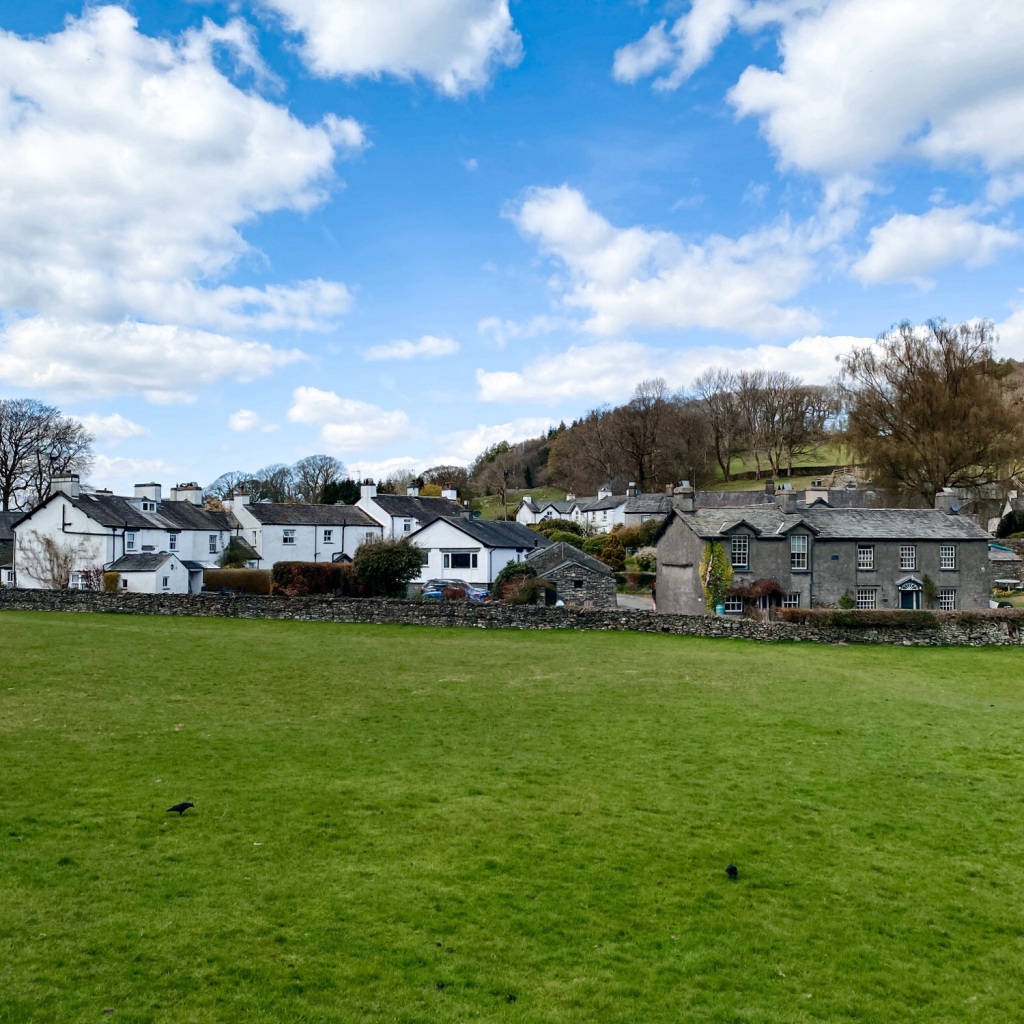
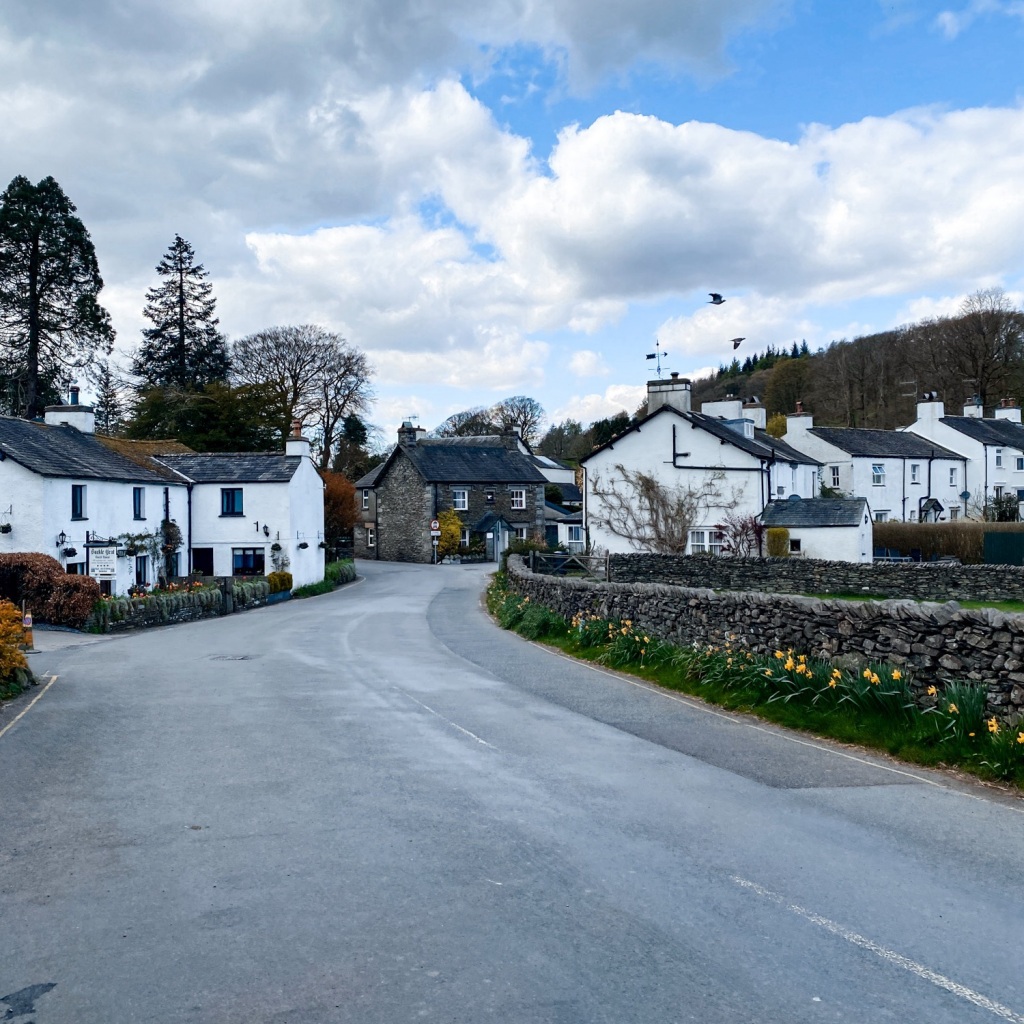
Upon entering the village of Near Sawrey, you will be greeted with the view of green pastures on one side of the road, and pretty white and stone cottages on the other. Some of these cottages are hotels and B&Bs, while others are private residential homes. There is public parking as you get closer to the “Sawrey House Hotel Restaurant,” which I advise you to use if you are just visiting for the day. Otherwise, there is a small parking space in front of Hill Top Farm.

Hill Top Farm

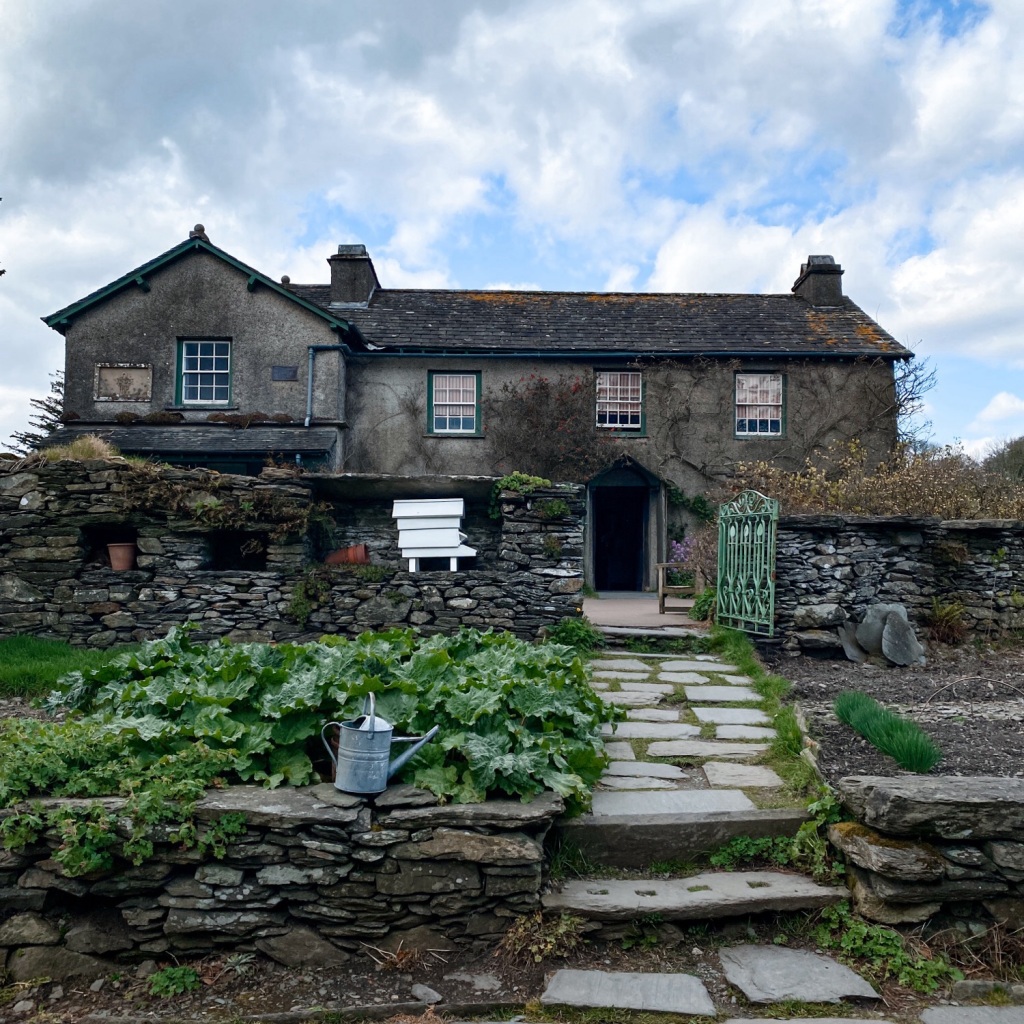
The main reason for visiting Near Sawrey is Hill Top farm—the home of the beloved children’s author and illustrator Beatrix Potter. The cottage is a 17th-century house and an example of Lakeland vernacular architecture. Before Beatrix died, she left the cottage to the National Trust and is today a Grade II listed building.

Hill Top is open to the public as a writer’s house museum, and it is shown as Beatrix Potter herself would have known it.

The house counts with a lovely garden, a shop with unique products, and an independent café serving baked goods, savory snacks, locally roasted coffee, teas, and hot chocolate.

Main Road (B5285)

As you exit Hill Top and walk along the B5285 road, soak in the view that surrounds you—the stone wall bordering the road, the green landscape and resting sheep, the beautiful cottages both near and far in the distance, and, if visiting during spring or summer time, the dancing daffodils and variety of flowers both adorning the road and cottages.

Stones Lane

As you walk up the main road, you will notice a street named Stones Lane. Here you will find a luggage store, a convenience store, and more lovely accommodation options, such as the Belle Green B&B and the Casle Cottage.

I suggest you take time to slow down the pace and soak in the peaceful atmosphere and view, always remembering to be respectful of the properties around you.

Landscape view from Stones Lane

As you continue to make your way up Stones Lane, you will come to a point where you won’t be able to see any more cottages. Follow the path aligned with the old stone walls, and enjoy the breathtaking view of the village and cottages in the distance. Here you can see different animals grazing on the landscape, such as sheep and cows. This is a tranquil dirt road to walk on for as long as you would like to, and it connects to other streets and trails that will lead you outside of the village boundaries.

Back to the Main Road (B5285)

After Stones Lane, you may choose to come back to the main road and head north to explore the rest of the village—you will only find more lovely homes and accommodation options at this point.

Tower Bank Arms

To calm your appetite and enjoy a hearty meal after exploring, you might want to consider eating at the Tower Bank Arms—a charming historic Inn located right next to Hill Top farm. Here you can relax, unwind, and refresh in an atmosphere you won’t soon forget.

Far Sawrey

Far Sawrey is yet another small village with attractive architectural and historic character. The buildings predominantly date from the 17th, 18th, and 19th centuries and are mostly dispersed and surrounded by irregularly shaped fields. The network of public footpaths links the village to the surrounding countryside.

St Peter’s Church

St Peter’s Church was completed in 1869 and was built of local stone in the Early English style. Even though the number of permanent residents in the parish is only about 150, the church is surprisingly large, with seating for about 400!

Services take a variety of different forms and are held every week. Visitors are always welcome to any of the services.

Claife Viewing Station

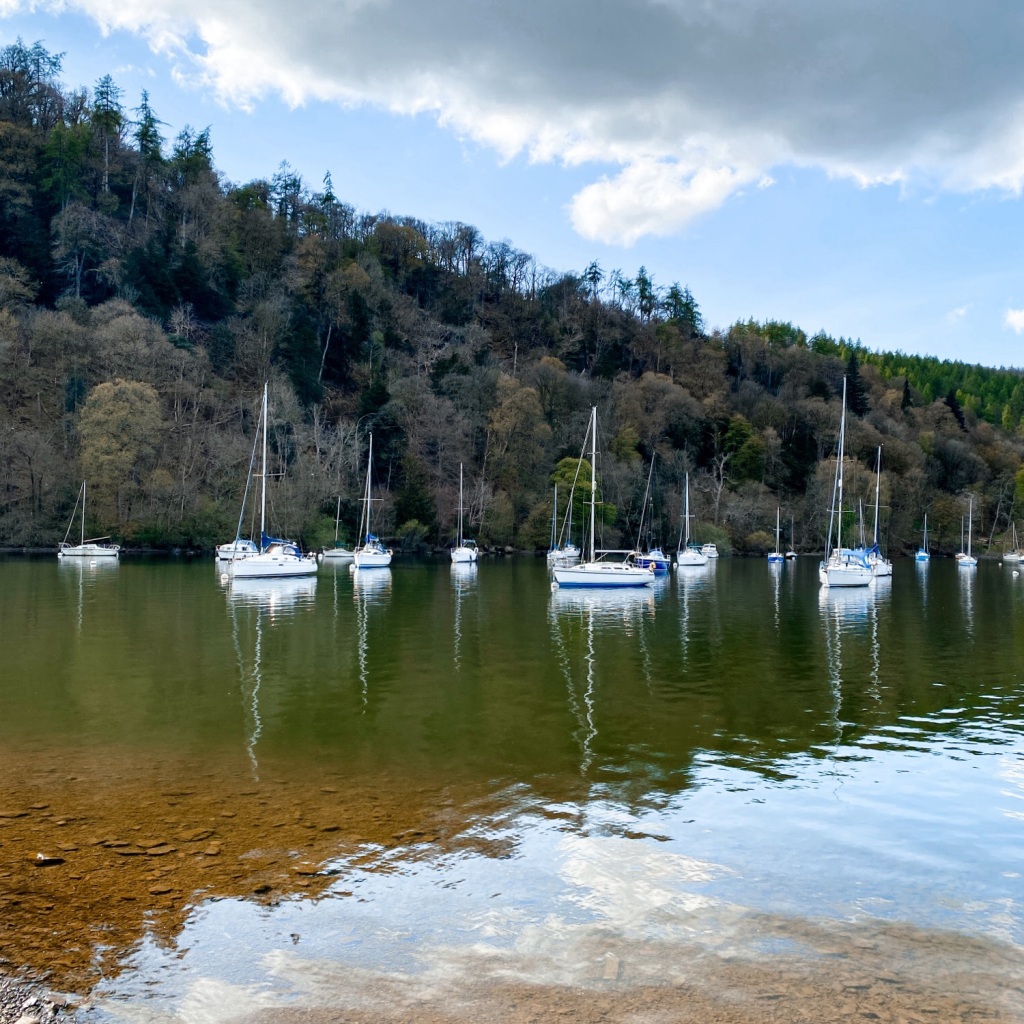
Overlooking the lake Windermere is Claife Viewing Station, the ruins of a residence where each room was glazed in differing colored glass to give the effect of viewing the landscape in the changing seasons.

From here, visitors can go on gentle walks along the west shore of Lake Windermere, with beautiful mountain views and lakeshore access. There is also an independent café serving baked goods, savory snacks, locally roasted coffee, teas, and hot chocolate.

The villages of Near and Far Sawrey are a lovely option for those wanting to escape to the beautiful English countryside and experience the northern part of the country. The peace and tranquility found in these places is unmatched, and will give you an increased desire to come back in the future for more. If you are wanting to explore what the Lake District has to offer, then Near and Far Sawrey are a must on your travel list!