8 Bronte Places in the Village of Haworth, West Yorkshire

Disclaimer: This post contains affiliate links

Home of the Bronte Sisters, Haworth attracts visitors and literary lovers from all around the world every year. With its historic cobbled Main Street, the iconic Bronte Parsonage and the rolling moors, Haworth is the perfect place to transport yourself to an earlier era. In this article, I show you 8 Bronte places you cannot miss when in the village of Haworth in West Yorkshire, England.

8 Bronte Places in the Village of Haworth, West Yorkshire

Bronte Parsonage Museum

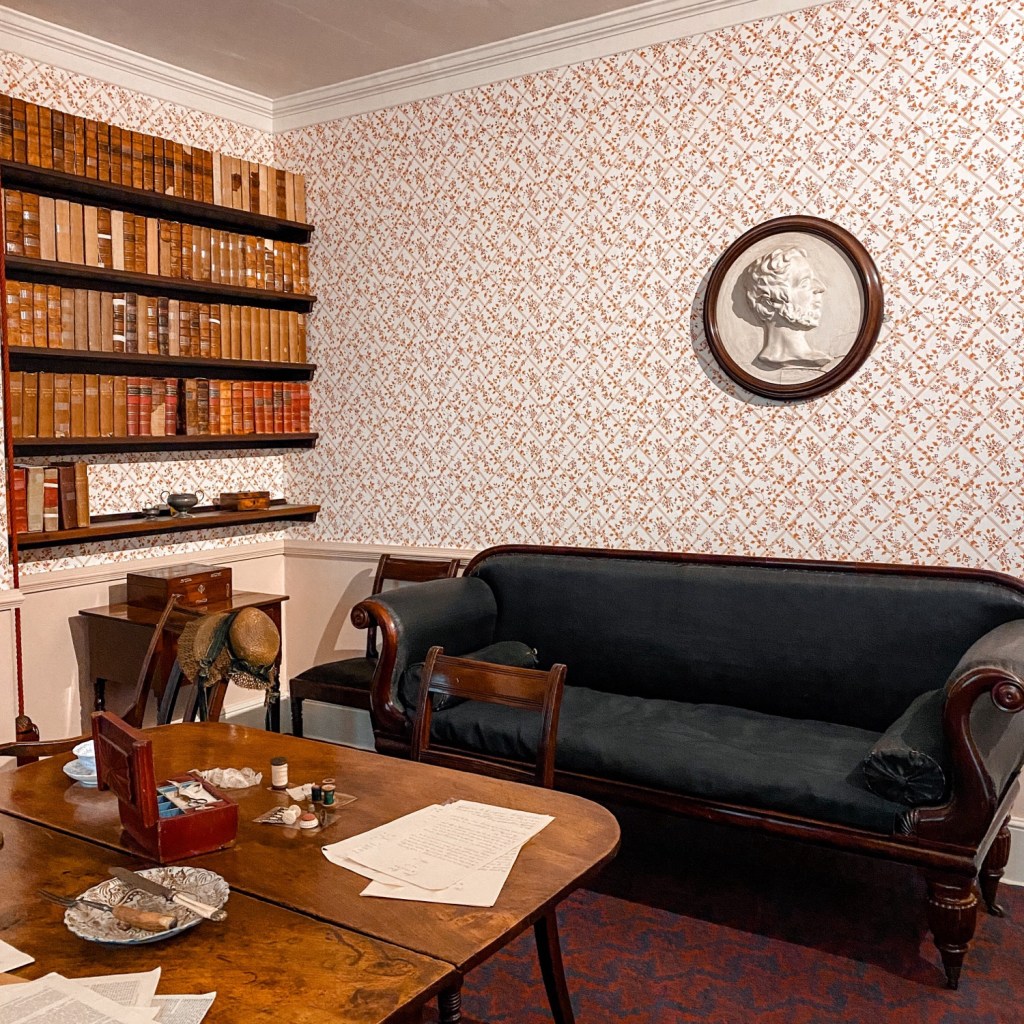
The Bronte Parsonage, the house where the Bronte family lived and where Anne, Emily and Charlotte wrote their famous novels, is located at the top of Haworth’s Main Street and is now a museum run by the Bronte Society.  In 1820 Patrick Bronte, the father, was appointed incumbent of St Michael and All Angels’ Church and arrived at the parsonage with his wife Maria and six children. This was the family’s home for the rest of their lives, and where Patrick got to outlive all of his family.

St Michael and All Angel’s Church

St Michael and All Angel’s Church is right next to the Parsonage and it is where the Brontes are buried (except Anne). Rebuilt in 1879, the church hardly looks the same as it did during the Brontes’ time in the village, but the tower dates back to 1480 and the church itself goes back much further. Here, Patrick Bronte, father of the Bronte Sisters, served as minister of the parish between 1820 and 1861.

The Old School Room

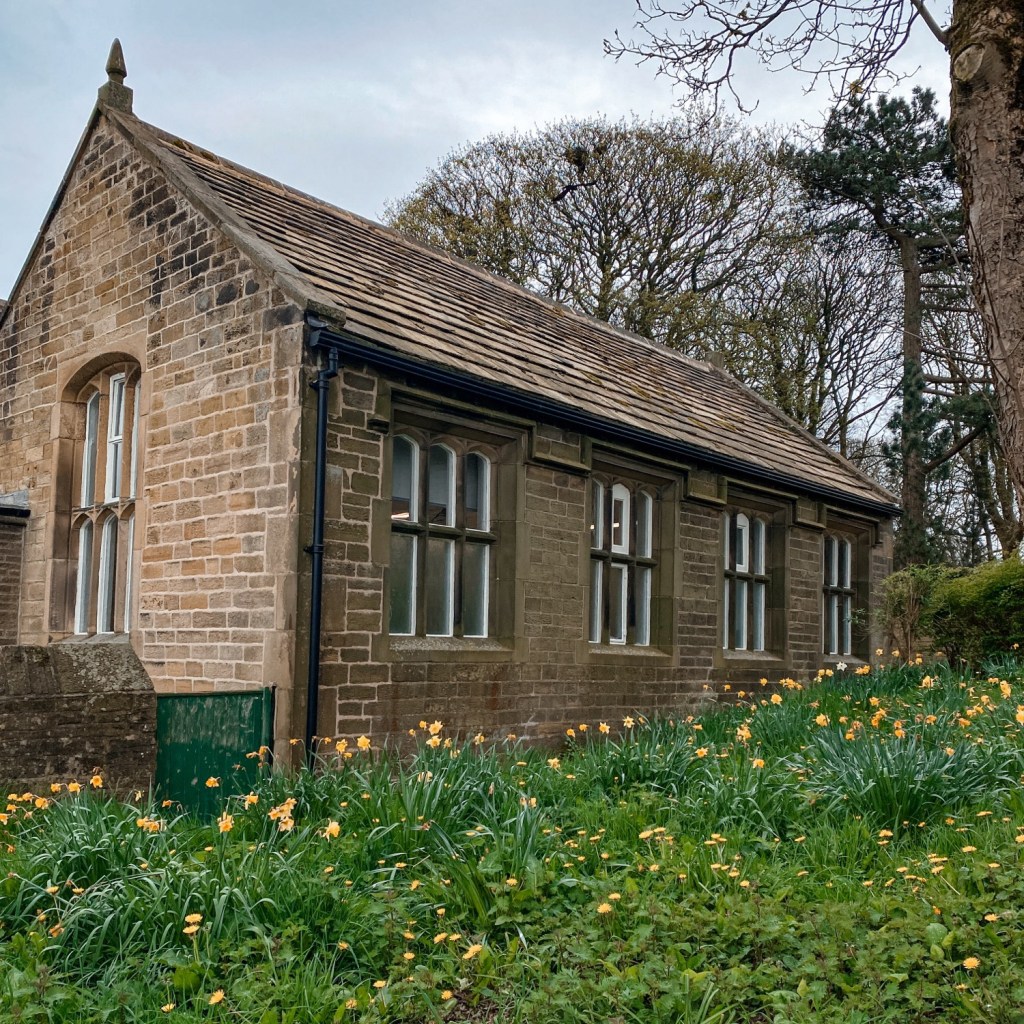
Built by Patrick Brontë in 1832 and taught at by all his famous children, the Old School Room is one of the most important historical buildings in the area. The school came to be as Patrick evaluated the need for a place where education for the poor, and in particular poor children, could be provided. Since 2011, the Old School Room has been managed by a small charity and is now available to hire for events.

Top Withens

Top Withens is a ruined farmhouse which is said to have been the inspiration for Wuthering Heights, the famous novel by Emily Brontë. The ruin lies on the Pennine Way and is a popular walking destination to take from the village of Haworth.

Bronte Waterfall

It takes approximately 45 minutes to get to the Bronte waterfall from Haworth’s Main Street, or 25 minutes from the Penistone Hill Country Park, which has free parking. The walk has some larger stones and rough terrain the closer you get to the waterfall, therefore, this walk is not suitable for people with wheelchairs or strollers.

Haworth Main Street

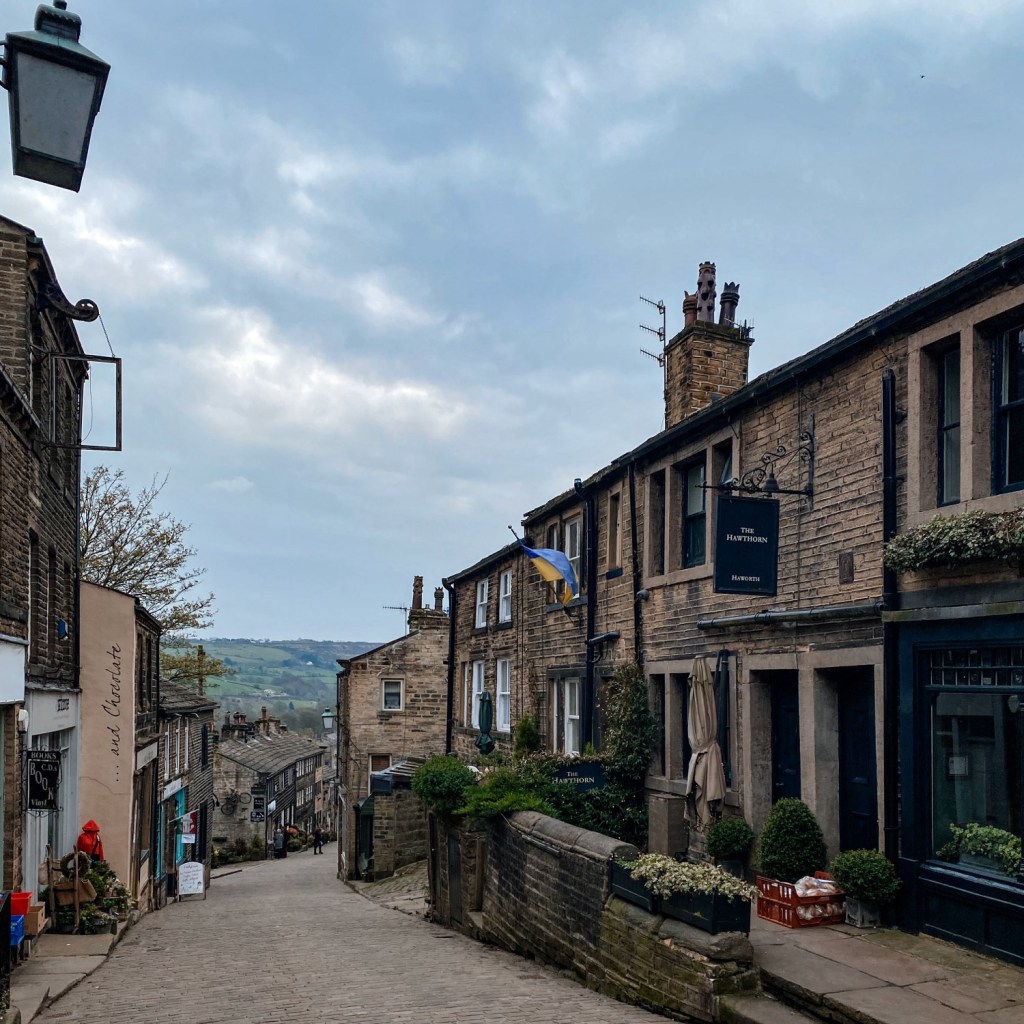
Haworth’s Main Street was established in 1851 and is home to an excellent selection of independent shops and pubs for you to discover and explore. The Black Bull is situated at the top of Main Street and is one of Haworth’s oldest drinking establishments. The pub was frequented by Branwell Bronte, and the original masonic seat used by him still resides on the staircase of the Black Bull. The pub was also featured in the 2006 BBC drama “To Walk Invisible” where Patrick’s relationship with his famous sisters is depicted in great part during the film.

The Apothecary Guest House

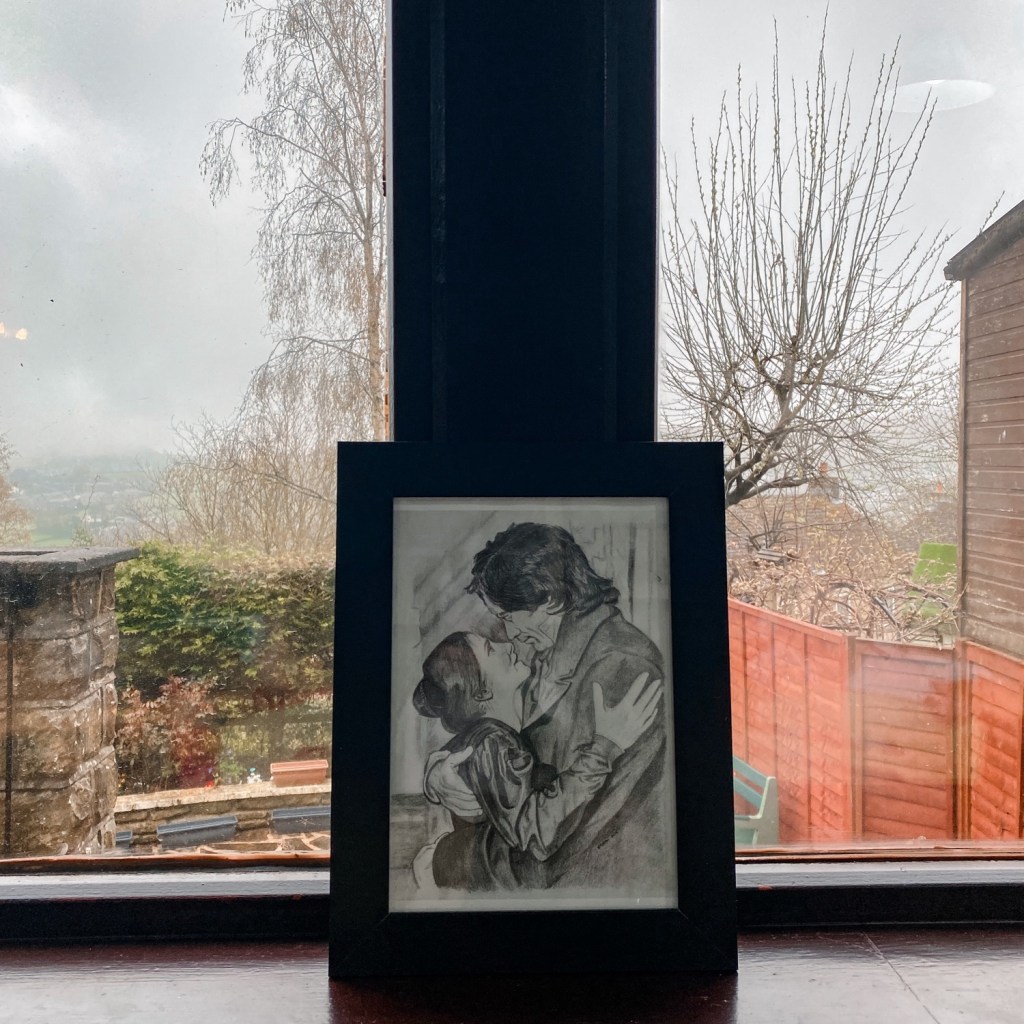
During my visit to Haworth, I stayed at The Apothecary Guest House and let me tell you, it didn’t disappoint! The Guest House is conveniently located on Main Street and only a few steps away from the Bronte Parsonage. Pictures of the Bronte sisters and their works are placed all around the guest house, and the breakfast room has lovely garden views. A full English/Irish, vegetarian, or vegan breakfast is available each morning at the property, as well as free-parking (please note that during the daytime the guesthouse opens as a tea room, and for the time being you will have to find parking elsewhere until it closes for the day). This is a great place to stay during your visit to Haworth and experience some lovely Bronte vibes!

The Birthplace

A few minutes away from Haworth you will find the Bronte birthplace, a house located in Thornton, Bradford, where Charlotte, Emily and Anne Brontë were born in front of the parlor fireplace. The house has been recently saved, and it is officially in public ownership for the first time in its 200 year history!

The building is currently under restoration work and it is expected it will open in time for Bradford City of Culture 2025, when visitors will be invited to walk in the footsteps of its most famous residents and sit in the community cafe beside the original fireplace, or even stay in the bedrooms where the young girls slept.

In the meantime, a look of the birthplace’s facade and pictures of the exterior will have to suffice!

What did you think of this Bronte guide in Haworth? Is there an area or place you are excited to see the most? You can let me know in the comments section!

9 Prettiest Streets in the Village of Whitby, England

Disclaimer: This post contains affiliate links

The captivating seaside town of Whitby in North Yorkshire, England, has long been recognized because of its association with Dracula and Captain Cook—but, truly, there is more to Whitby that meets the eye. After paying a visit to this fishing town, it became clear to me one of the best ways to experience Whitby’s charm is through its beautiful streets!

9 Prettiest Streets in the Village of Whitby, England

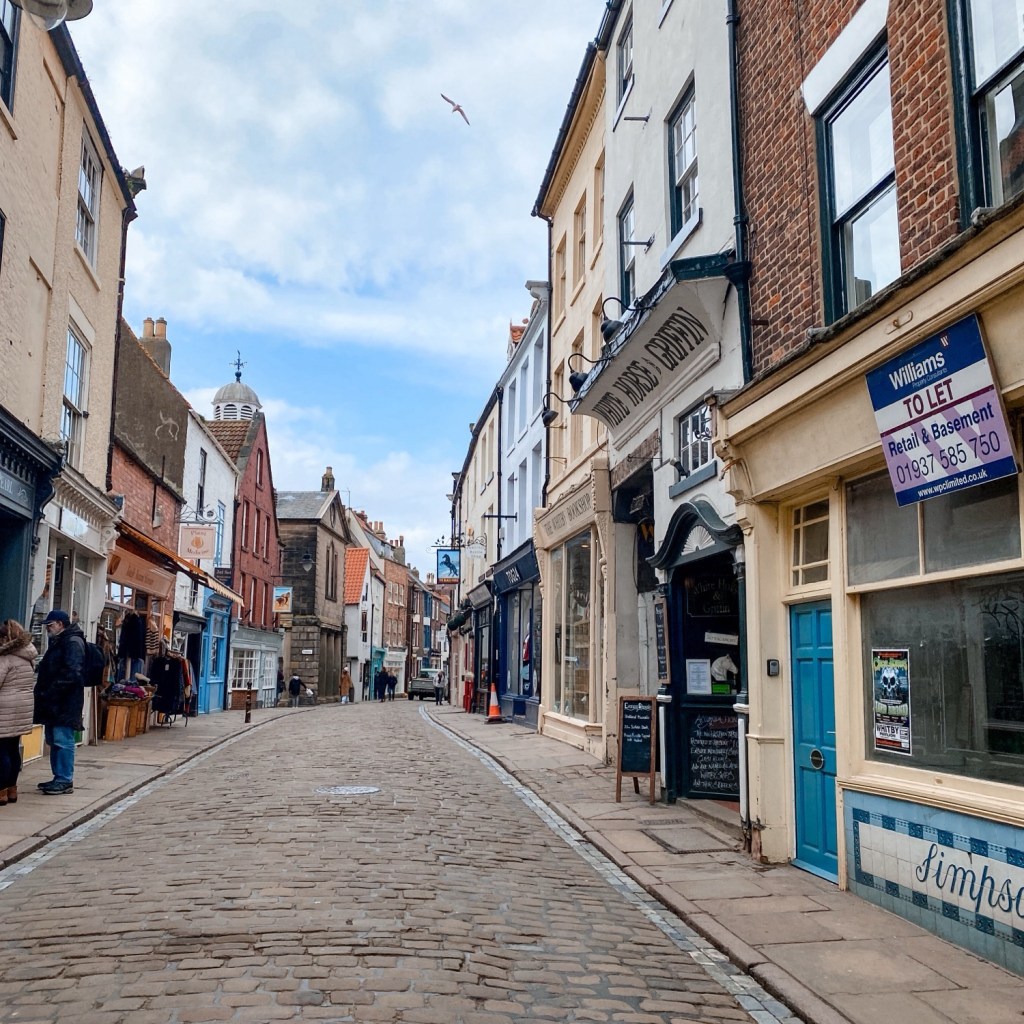
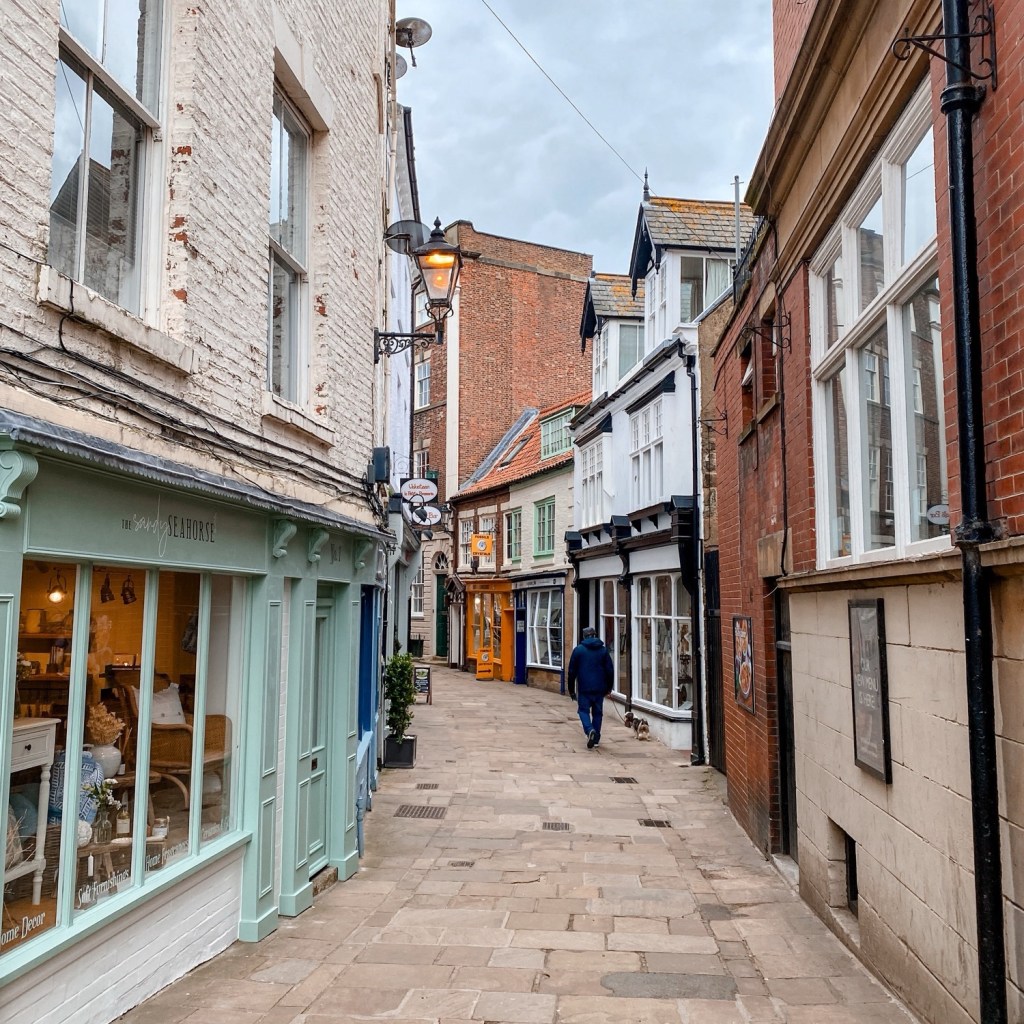
The beauty of Whitby streets is one of the first things you will notice as you arrive in the village. Here you will find from cobblestone to steep and quirky streets, and also unique shops, all providing gorgeous views to the ocean and some of Whitby’s iconic landmarks, like the wonderful Whitby Abbey. In this post, I share with you 9 of the prettiest streets in the village of Whitby, England to add to your itinerary (you can also check 16 places to see in Whitby here.)

Sandgate

Sandgate Street is the perfect place to find a choice of Whitby Jet Shops. Furthermore, the Market Place located at the end of the street has been a trading area since the mid 17th Century and you will find stalls are still there today.

Church St

Originally known as Kirkgate, Church Street is home to several shops and restaurants. You will also find cottages and tiny houses dating back to the 15th Century here—although it is thought the Street first had buildings in the late 14th Century. You will find Church Street below the 199 steps leading up to Whitby Abbey. If you are hungry, I recommend having dinner at Mister Chips!

Grape Lane

Grape Lane is a quaint pedestrianized lane where you’ll find a good choice of retailers including a jet shop, a coffee shop, a gift shop, and the ever popular Captain Cook’s Memorial Museum.

Blackburns Yard

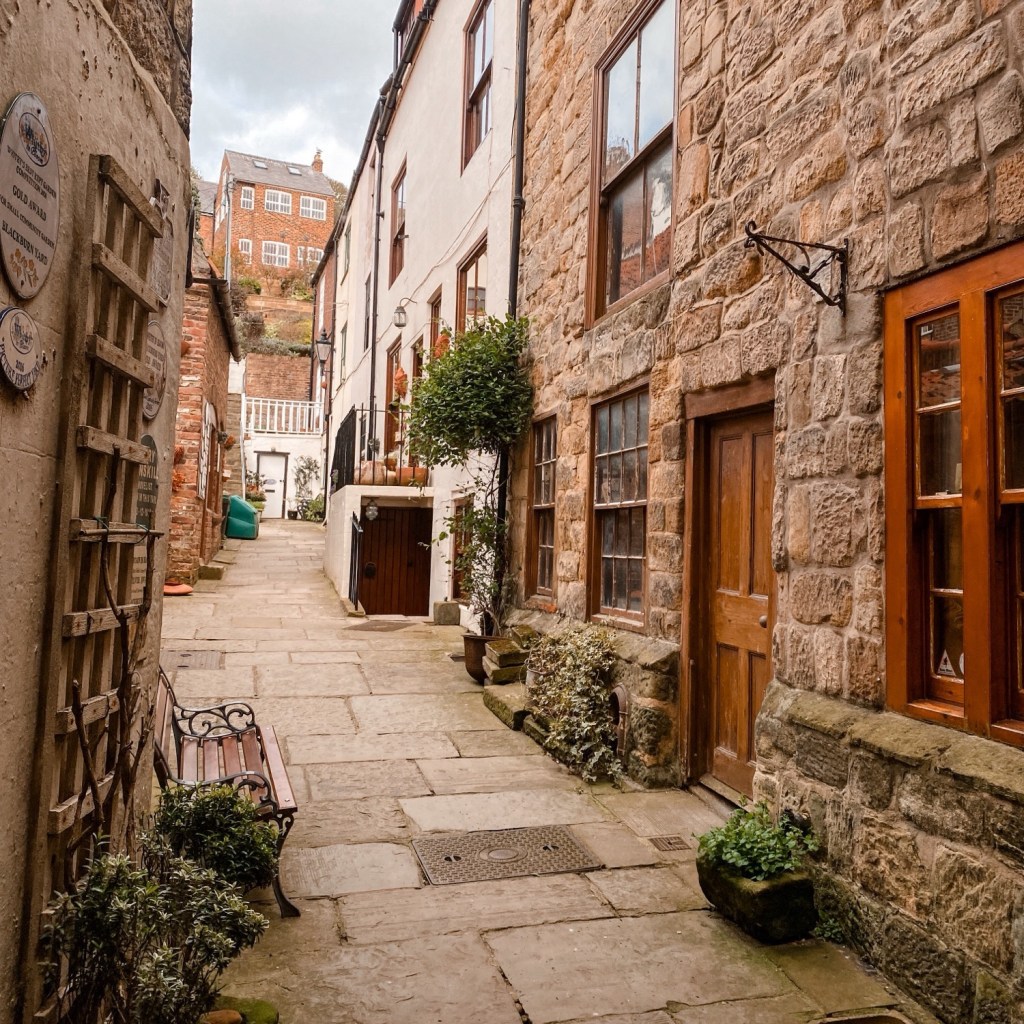
You will find the lovely Blackburn’s Yard off Church Street. This yard has been granted several awards including “Perfect Picture Yard” and “Whitby’s Best Kept Garden” throughout the years. Here, you can visit the Wash House Pottery where they sell beautiful pottery and ceramics.

Henrietta St

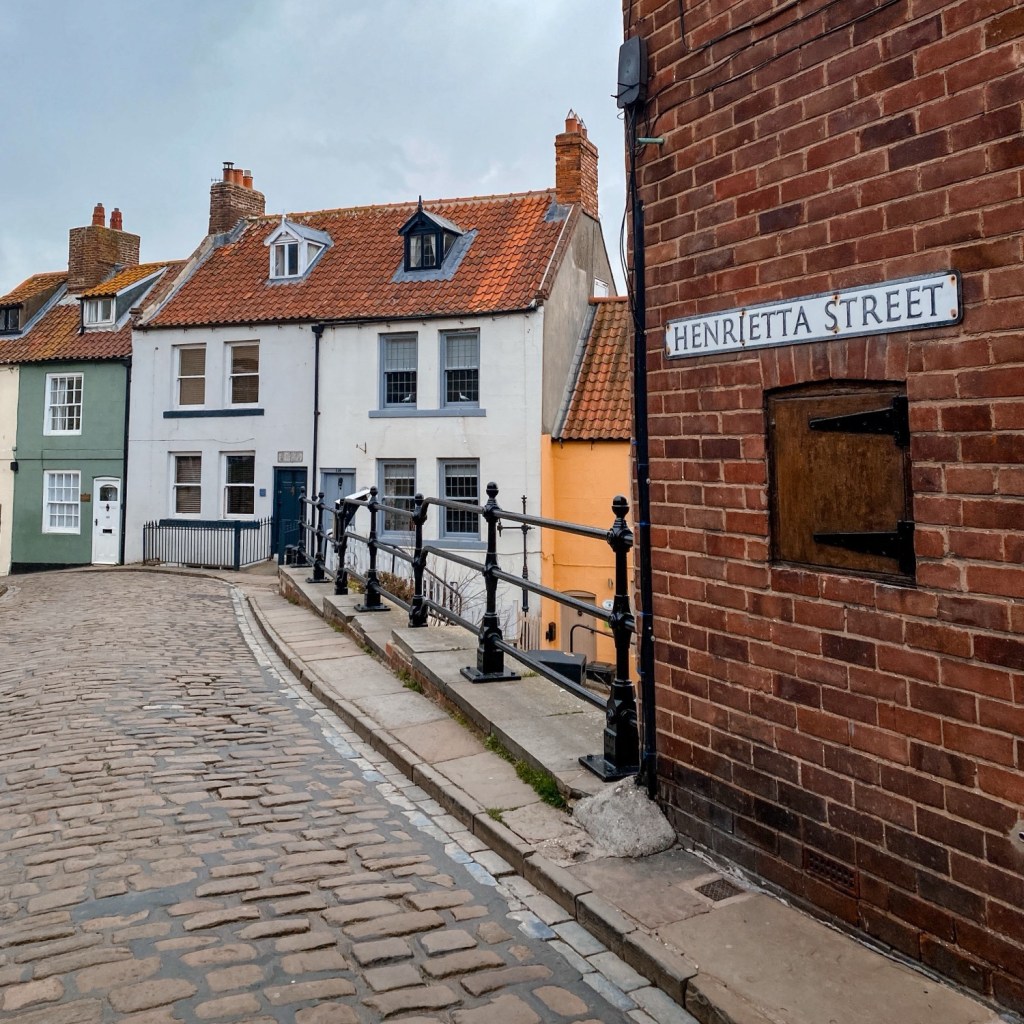
This popular street was once known as ‘Haggerlythe’ (1270) but was later renamed after the wife of Nathaniel Cholmley, Henrietta Cholmley. Nathaniel was a member of the British parliament in the late 1700s. Back in the day, Henrietta Street was considered a desirable place to live (especially by fishermen) because it provided easy access to the sea and offered some of the best views in the village. Today, things are not much different. The view of the harbor and the abbey are simply amazing from this viewpoint!

Tate Hill

Tate Hill provides such a wonderful view point of Whitby’s piers and lighthouses over the cottages roof tops. This little street definitely makes for a lovely picture spot!

Church Lane/Donkey Road

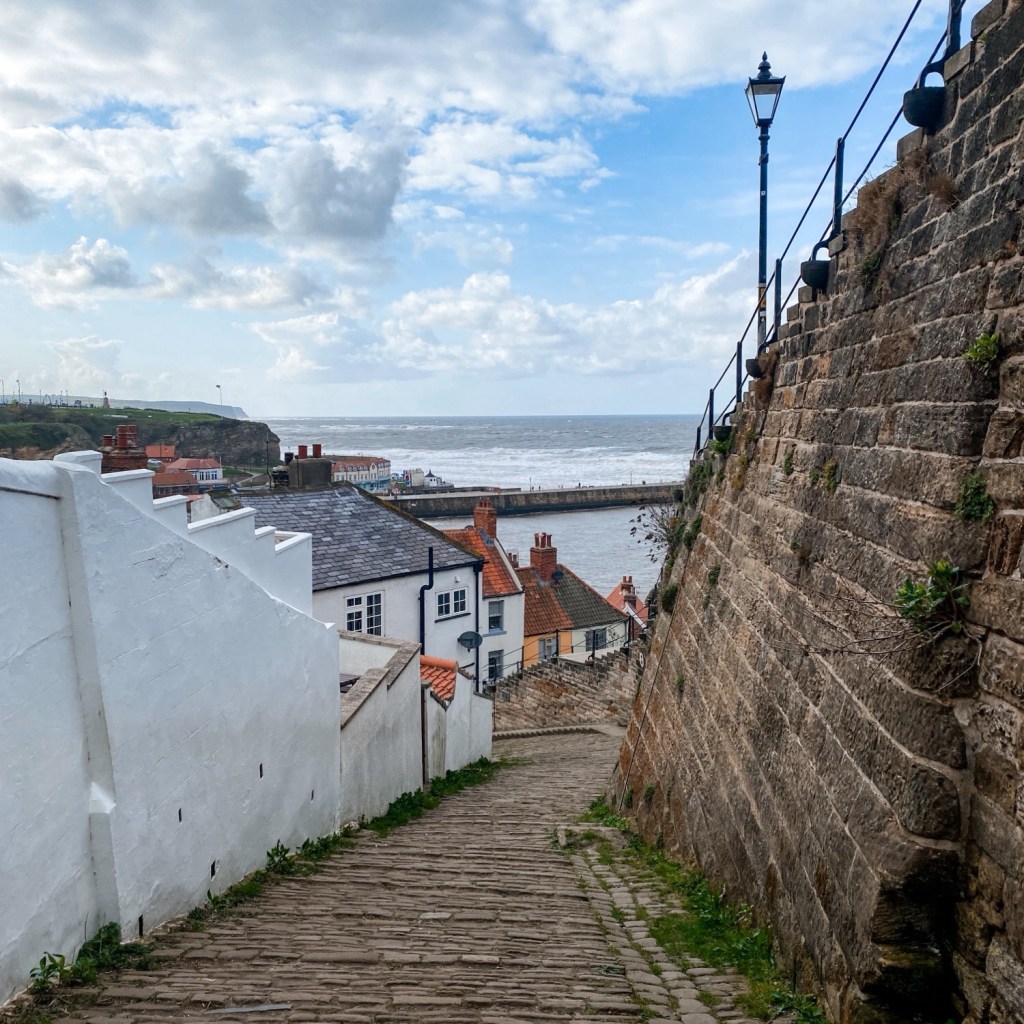
The steep and cobbled Donkey Road dates to 1370, but the current stone work was laid in 1774. The path parallels the famous 199 steps and leads up to the iconic Whitby Abbey.

The name of this street comes from the donkeys who have historically lived on the abbey plain and had to travel down this path each day on their way to the beach, where they would give donkey rides. Nowadays this is not so anymore, as the donkeys are carried to and from their field by small trucks.

As you make your way down Donkey Road, you are able to witness a unique and stunning view of the ocean and shops down below—and, trust me, the way down is surely much easier than the climb up!

Pier Road

Located in West Whitby, Pier Road leads to the main beach. The road is filled with amusement arcades, ice cream stalls, and fish and chip shops. There is also a fish market here!

Cliff Street

Cliff Street offers some lovely views of the coast and village down below. It is a beautiful street to wander around with many places to rent for the night, such as this cottage. From Cliff Street, you are literally minutes away from the town center, the pier, the beach, and all the other amenities Whitby has to offer.

I would love to know what you think of these street recommendations! Is there one you are excited to visit the most? Let me know in the comments, and don’t forget to add these 9 prettiest streets in the village of Whitby to your Whitby itinerary!

4 Wonderful Things to Do in the Village of Lacock, England (2024)

Disclaimer: This post contains affiliate links

The village of Lacock is a wonderful gem nestled in the English countryside. With its rich history, quaint architecture, charming streets, and local delights, Lacock knows how to captivate the heart of any traveler.

4 Wonderful Things to Do in the Village of Lacock, England

For Lacock tours and tickets, visit here!

From ancient abbey ruins, well-preserved medieval cottages, and being featured in several movies and tv shows, every corner of this charming village tells a story of heritage and tradition. Join me as I show you four wonderful things you can do as you explore the quaint village of Lacock!

Pay a Visit to Lacock Abbey

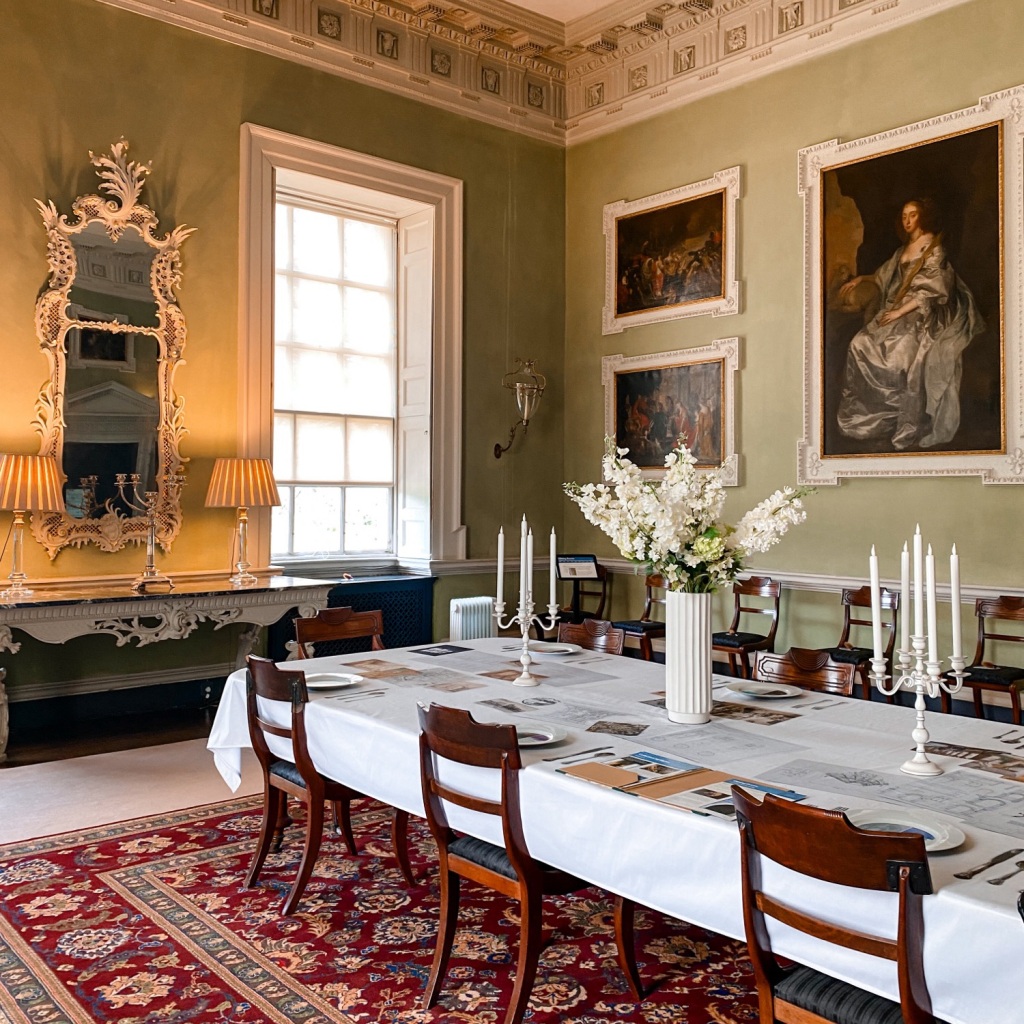
One of the must-see historic landmarks in Lacock Village is Lacock Abbey, a former monastery turned into a country house dating back to the 13th century. The abbey was once home to William Henry Fox Talbot, inventor of the photographic negative, and, for this matter, is today located next to the Henry Fox Talbot museum.

Spot the Greenhouse

In the 1800s, Henry Fox Talbot (who is credited as the British inventor of photography) built the greenhouses in the botanic garden of the abbey. The greenhouse is filled with many colorful plants and flowers, creating a beautiful atmosphere for all those who visit. Come here and let your soul recharge in this little space!

See the Cloisters and the Harry Potter Filming Locations

Yes, you read that right! Lacock Abbey has been used in the filming of two Harry Potter movies, Harry Potter and the Philosopher’s Stone and Harry Potter and the Chamber of Secrets (and, more recently, the cloisters and some of the rooms were featured in Fantastic Beasts: The Crimes of Grindelwald.) See how many spots you can recognize!

The Cloisters

The Abbey’s cloisters were used as Hogwarts corridors in the first and second Harry Potter movies. Some scenes showcasing the cloisters include when Professor McGonagall takes Harry over to meet Oliver Wood because she is impressed with his broom techniques and wants him to join the Quidditch team, when Harry is meandering the hallways in his invisibility cloak and narrowly escapes being “seen” by Snape, and when Harry and Ron figure out the mystery of the Basilisk just before realizing Ginny was taken.

The Chapter House

The Chapter House was used twice in the Harry Potter movies. Here, Harry discovers the Mirror of Erased and is able to see his parents in Harry Potter and the Philosopher’s Stone, and later, students are seen in this room speculating about whether or not Harry is the heir of Slytherin in Harry Potter and the Chamber of Secrets.

The Warming Room

The Warming Room is used as Professor Quirrel’s classroom for his Defence Against the Dark Arts Class in Harry Potter and the Philosopher’s Stone. The coolest feature in this room is the big cauldron, which has been a part of the Abbey for hundreds of years now!

The Sacristy

The Sacristy was used as Professor Snape’s potions classroom in Harry Potter and the Philosopher’s Stone. For the movie, producers decided to cover the windows up to a certain point to make the room look darker, as if it was underground.

Explore the Interior of the Abbey

It was back in 1232 that Ela, Countess of Salisbury and one of the most powerful women in the Middle Ages, founded Lacock Abbey. The Abbey has seen many transformations since then: from having a cloister and rooms showcasing medieval monastic architecture, to going through Tudor, Gothic, and Victorian alterations. In fact, it was in one of these rooms that the first photographic negative in existence was captured!

Take a Stroll around the Abbey Gardens

The beautiful Lacock Abbey has had its gardens for nearly 900 years now. The garden combines meandering paths through woodland and parkland and features a historic Rose Garden, an orchard, and the William Henry Fox Talbot’s Botanic Garden. After exploring the Abbey’s interior, a walk around the lovely Lacock Abbey gardens will surely fill your heart.

Wander Around the Village

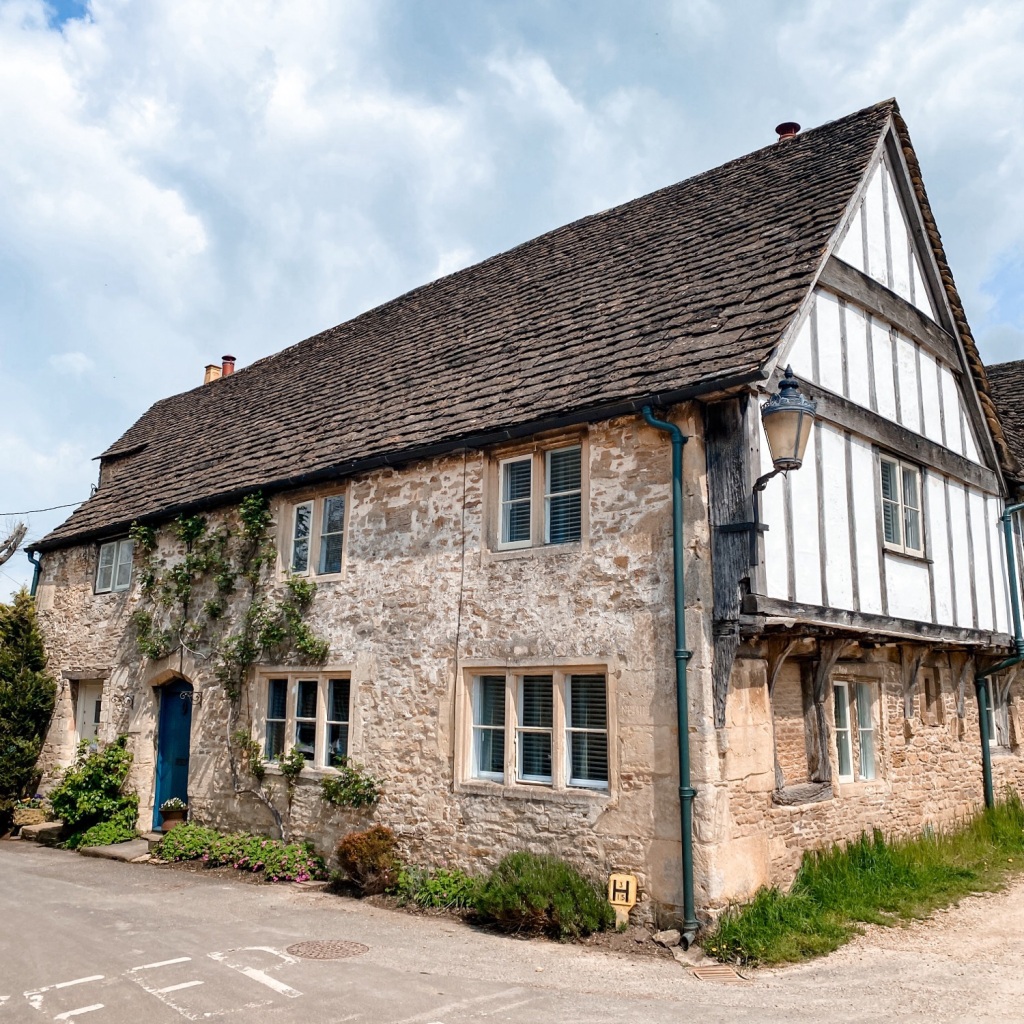
As you wander around the quaint streets and cottages of Lacock, you will notice a sense of nostalgia and charm filling the air. With its timber-framed cottages, shops, and its central grid of four streets, Lacock today looks much as it did 200 years ago.

As you meander through the cobblestone paths lined with picturesque cottages, each with their colorful gardens and unique architecture, it’s easy to imagine yourself stepping back in time to a simpler way of life. The cozy homes with thatched roofs and blooming flowers create a postcard-worthy scene that captures the essence of this historic village.

The winding streets lead you past charming shops selling local crafts and artisan goods, adding to the village’s old-world charm. Take your time to explore each nook and cranny, as you never know what hidden gem you may stumble upon next.

Indulge in a traditional cream tea at a cozy tearoom, or sample handcrafted chocolates made right in the village. For those seeking unique souvenirs, the local shops offer a variety of handmade gifts and locally sourced products. Keep your eyes peeled for the tucked-away art galleries and antique stores that showcase the talent and history of Lacock.

Spot the Harry Potter Filming Locations in the Village

If you like the Harry Potter movies, don’t miss the chance to spot more Harry Potter filming locations as you wander around the village!

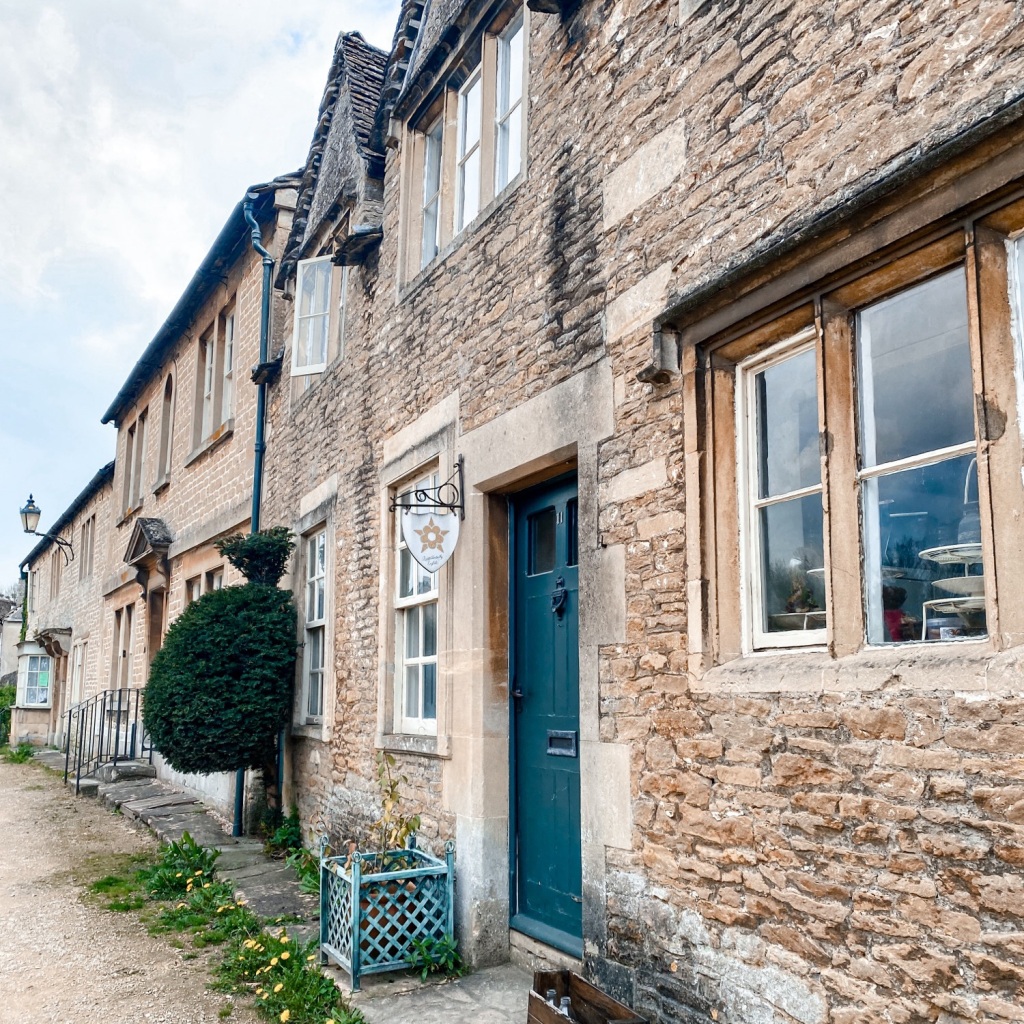
The Cottage with the Blue Door

This cottage is quickly shown in Harry Potter and The Half-Blood Prince movie as Harry and Dumbledore walk past it after visiting Horace Slughorn. In real life, the street where this cottage is located is called Church Street.

Sign of the Angel Pub

As Harry and Dumbledore walk though the streets of Budleigh Babberton in the dark in Harry Potter and The Half-Blood Prince movie, you’ll notice a pub called the Babberton Arms which is actually the Sign of the Angel pub in the village.

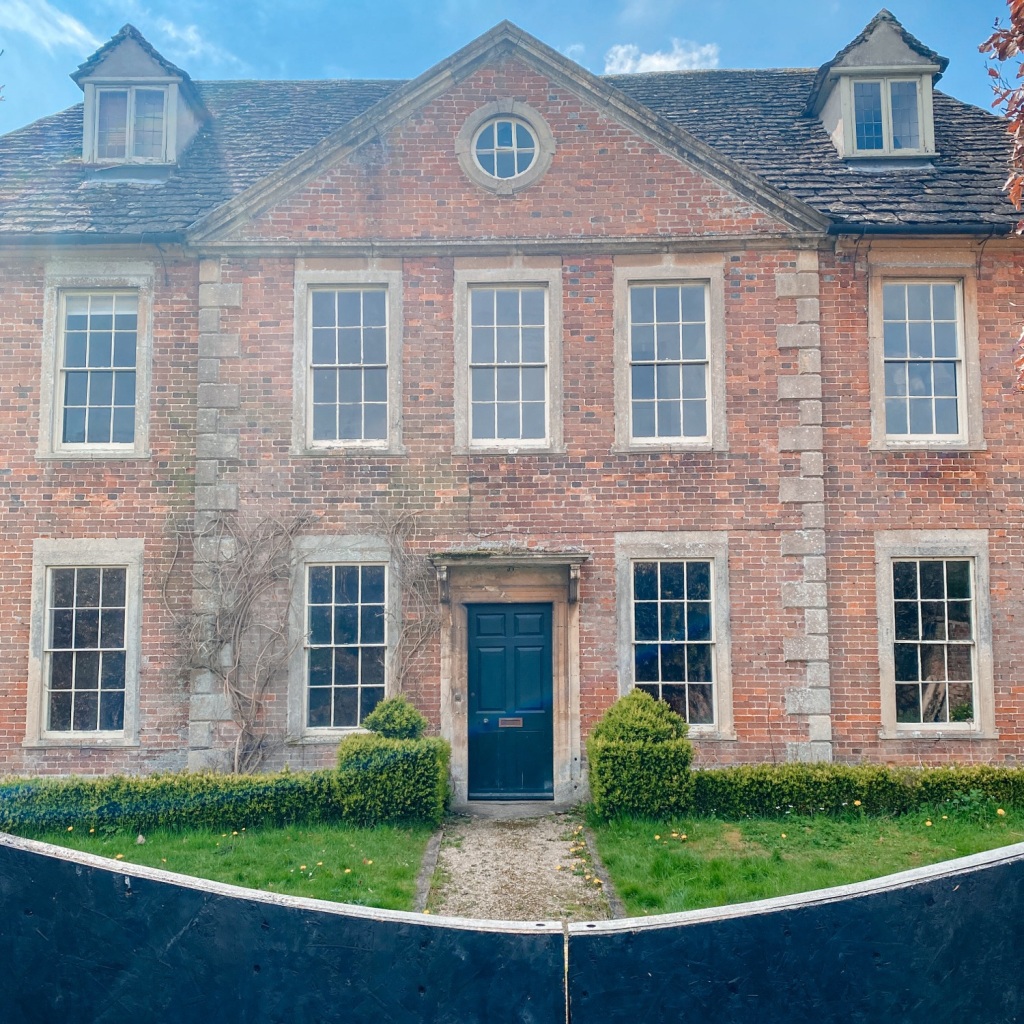
Harry Potter Parent’s House

This beautiful brick home with a blue door at the end of Church Street was used as James and Lily Potter’s house in Harry Potter and the Philosopher’s Stone. In the movie, flashbacks to Harry’s childhood are shown as Hagrid shares with Harry the story of his parents. The cottage is then shown, only that the door has a different color.

Horace Sluggorn’s Hideaway

This majestic house is found on Church Hill, and is where Horace Slughorn hides from the Death Eaters in Harry Potter and the Half-Blood Prince. Here, he receives a visit from Harry and Dumbledore and is persuaded to come back to Hogwarts as the Professor of Potions.

Visit St Cyriac’s Church & Churchyard

The St Cyriac’s Church is a 14th Century church and a stunning example of medieval architecture with its intricate carvings and stained glass windows. Walk through its doors and step back in time to a period when faith and craftsmanship were intertwined in every stone and beam. In fact, settlement in Lacock began around the church, and visitors can see this reflected in the irregular line of houses situated on Church Street. 

Where to Stay in Lacock

If you are looking forward to spending a night or two in the village, then you should check out availability at the Sign of the Angel Pub.

You can also find places to stay in or around Lacock village through Booking.com, where the options are endless!

4 Wonderful Things to Do in the Village of Lacock, England

I hope you’ve enjoyed this guide to Lacock village and that it has inspired you to visit this wonderful quintessential village in the future! I am sure you will love it just as much as I do.

Find this post helpful? You can buy me a drink!

10 Lovely Things to Do in the Village of Grasmere, Cumbria (2024)

Disclaimer: This post contains affiliate links

The village of Grasmere is one of Cumbria’s most popular villages, especially thanks to English poet William Wordsworth, who lived here in the early 1800s. Today, Grasmere attracts tourists from all over the world with its gorgeous green landscapes, good variety of gift shops, delicious places to eat, and unique stays. Although most of Grasmere’s buildings date from the 19th and early 20th Century, the farms around the village are much older, including its church.

10 Lovely Things to Do in Grasmere, Cumbria

From the moment you enter the village, you are captivated by Grasmere’s green spaces and beauty. Early spring seems to be the perfect time to wander around the village, with the weather usually being in perfect conditions and the crowds reduced to a handful of people.

Grasmere is a village full of peace and charm around every corner. Following, is a list of the most popular and lovely things to do in the village of Grasmere:

Take a Walk around the Village centre

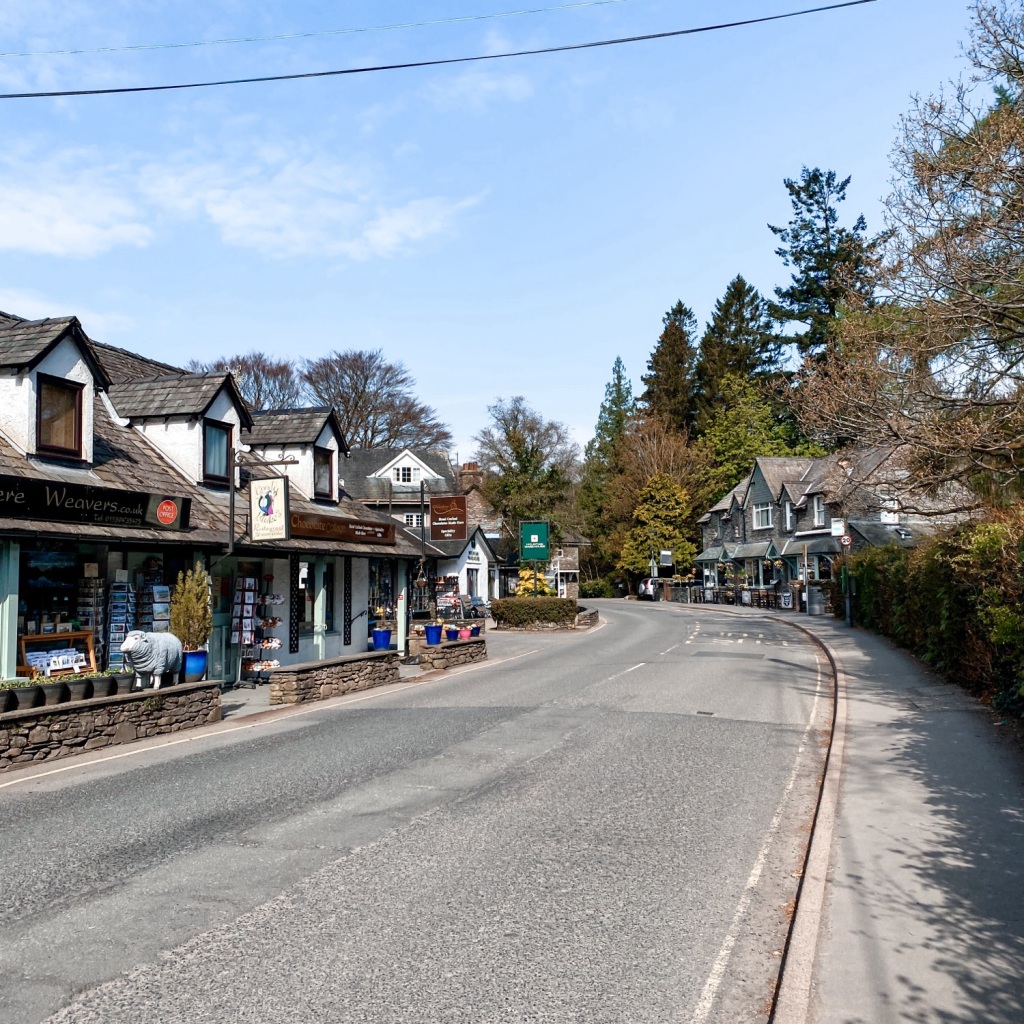
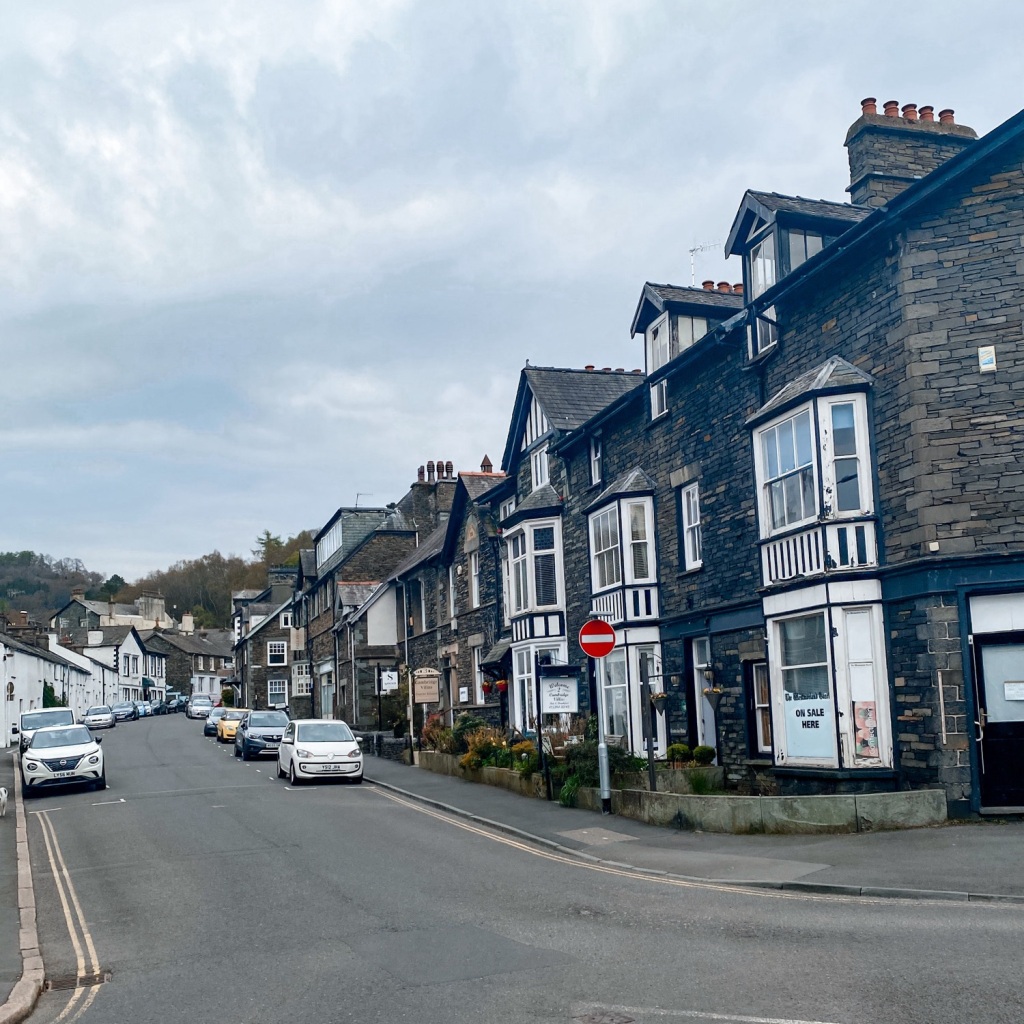
The village centre of Grasmere is aligned with beautiful shops and restaurants, all revealing the typical stone buildings characteristic of the area. One popular shop in the village centre is the Chocolate Cottage, where hand crafted chocolates are made, and The Good Sport tearoom, where Grasmere’s beer and distilled gins are sold and food is served all day. The village centre also counts with a beautiful “wishing well,” which destines all its proceedings to national and local charities.

Stop by the Peter Rabbit and Friends Shop

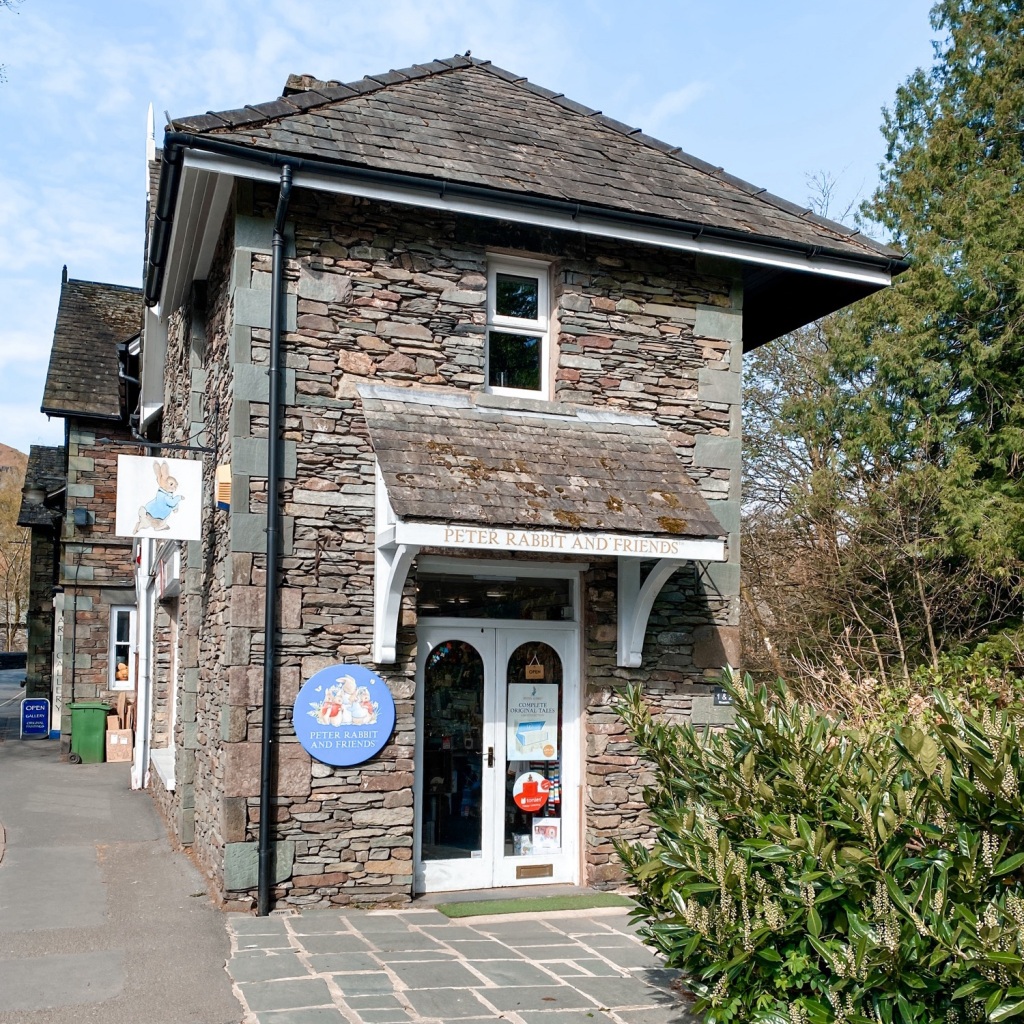
The Peter Rabbit and Friends Shop is another must-see when in Grasmere, especially for those that love Beatrix Potter and the stories she wrote. Here you can find a wide range of products for children and families centered around Peter Rabbit and Friends. The merchandise is focused on families, the great outdoors, education, and fun activities!

Visit the St. Oswald’s Church

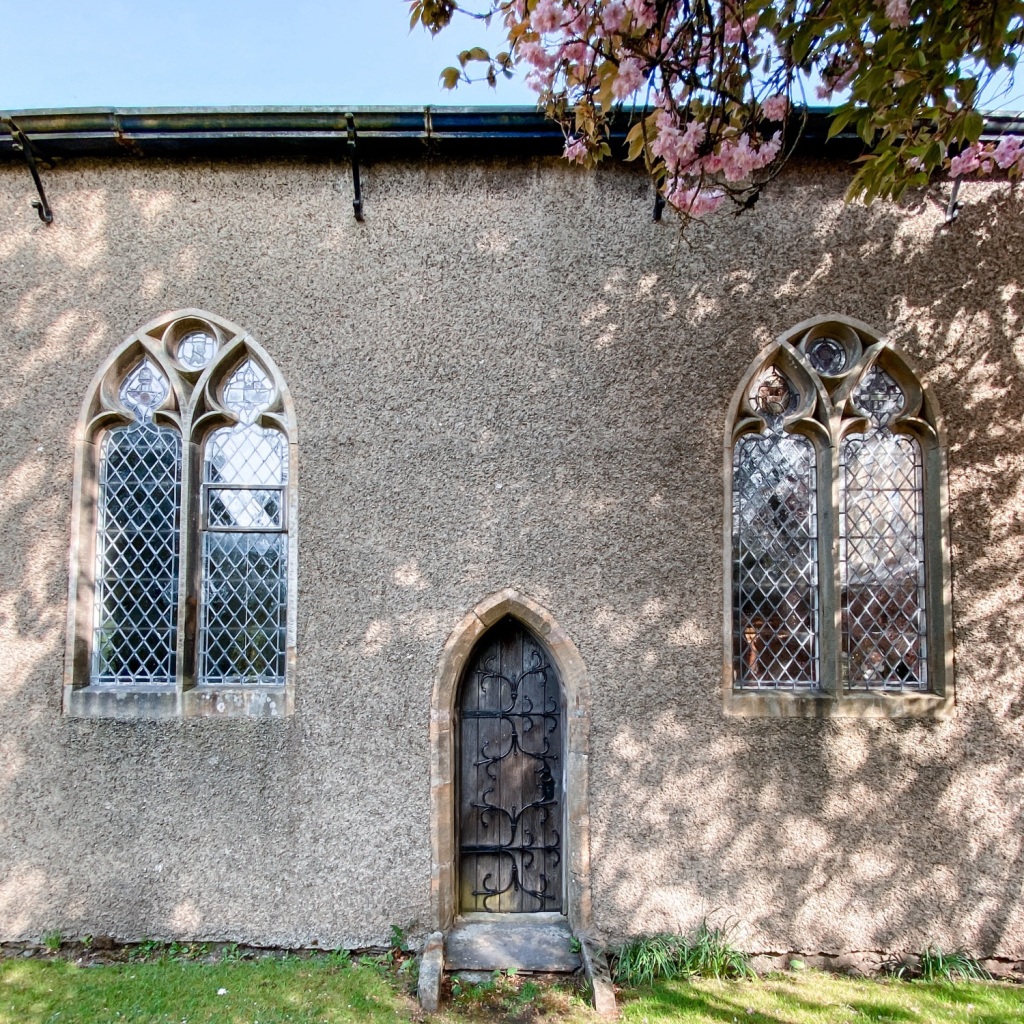
The church earned its name after St Oswald, a 7th century Christian king of Northumberland, who is said to have preached on this site. Today, the St Oswald’s church is mostly known because of its association with poet William Wordsworth, who worshipped frequently in this place and is buried in the churchyard along with his family.

Find the Wordsworth Graves at the St. Oswald’s Churchyard

Upon entering the churchyard from the main street, you will encounter a sign with the inscription “To the Wordsworth Graves.” Follow the arrow and you will be directed to the place where William Wordsworth now rests alongside his wife, children, sister, and others close to them. The graves lie in the shade of a yew tree, one of eight planted by the poet himself.

Visit the Wordsworth Daffodil Garden

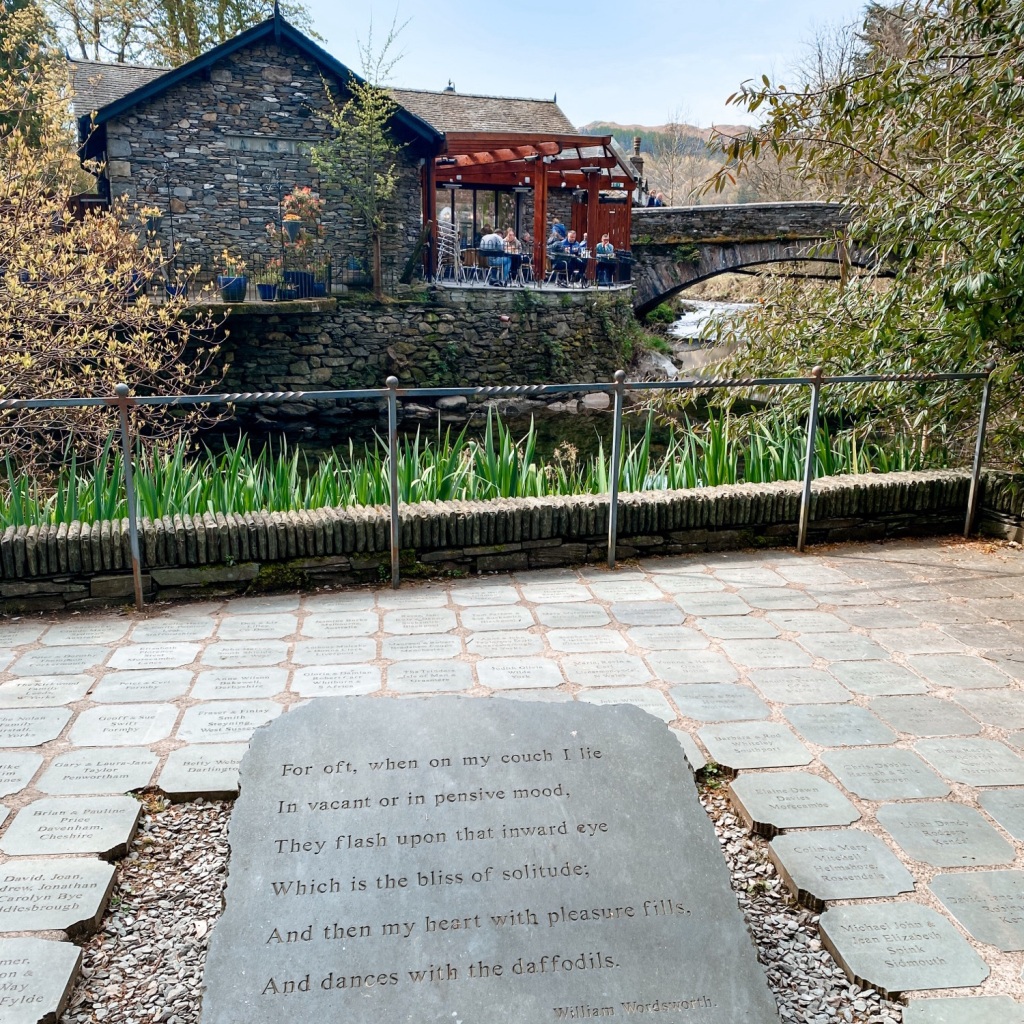
Nestled between  St. Oswald’s churchyard and the River Rothay, lies the Wordsworth Daffodil Garden. The garden opened in 2003 in honor of Wordsworth’s famous poem ‘The Daffodils’. Although entrance to the garden is FREE, its object is to raise funds to promote the heritage of Grasmere and its traditional customs, and visitors may sponsor a personally engraved Lakeland slate paving stone, a shrub, or a wild daffodil.

Stop by the Grasmere Gingerbread Shop

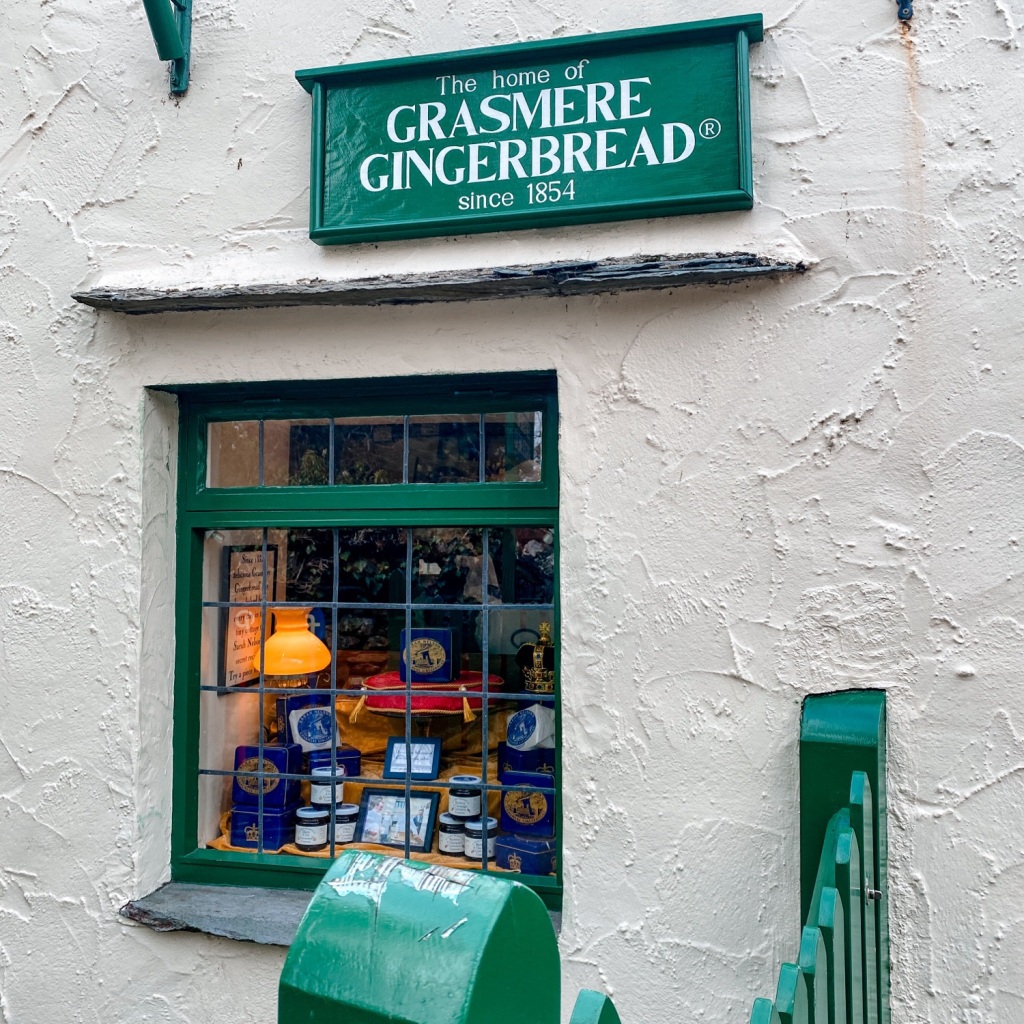
This is the ONLY place in the world where delicious Grasmere Gingerbread is made and sold. Sarah Nelson’s Grasmere Gingerbread has been around since 1854 and its ingredients, methods of mixing, and baking are so unique and special, the original 150-year-old recipe is stored away in a bank vault! For this reason (on top of its delicious taste), trying the wonderful Grasmere Gingerbread is a must-do when in Grasmere!

Go on a Stroll bordering the River Rothay

The river Rothay is a spate river of the Lake District and, in Grasmere, it flows close to the churchyard where the poet Wordsworth is buried. The views from the paths bordering the river are simply stunning, and definitely worth capturing.

Visit Dove Cottage

In 1799, after years of wandering, the poet William Wordsworth returned to his native Lake District to make a home with his sister Dorothy. The Wordsworths chose Dove Cottage, and Wordsworth himself described his new home and the garden surrounding it as “the loveliest spot that man hath ever found”. Here he wrote some of the most famous poetry in the English language, and well-known Romantic poets and artists would come to stay. Today, visitors can enter Dove Cottage and experience for themselves the place that inspired William to write his famous poems.

Walk along Grasmere Town End

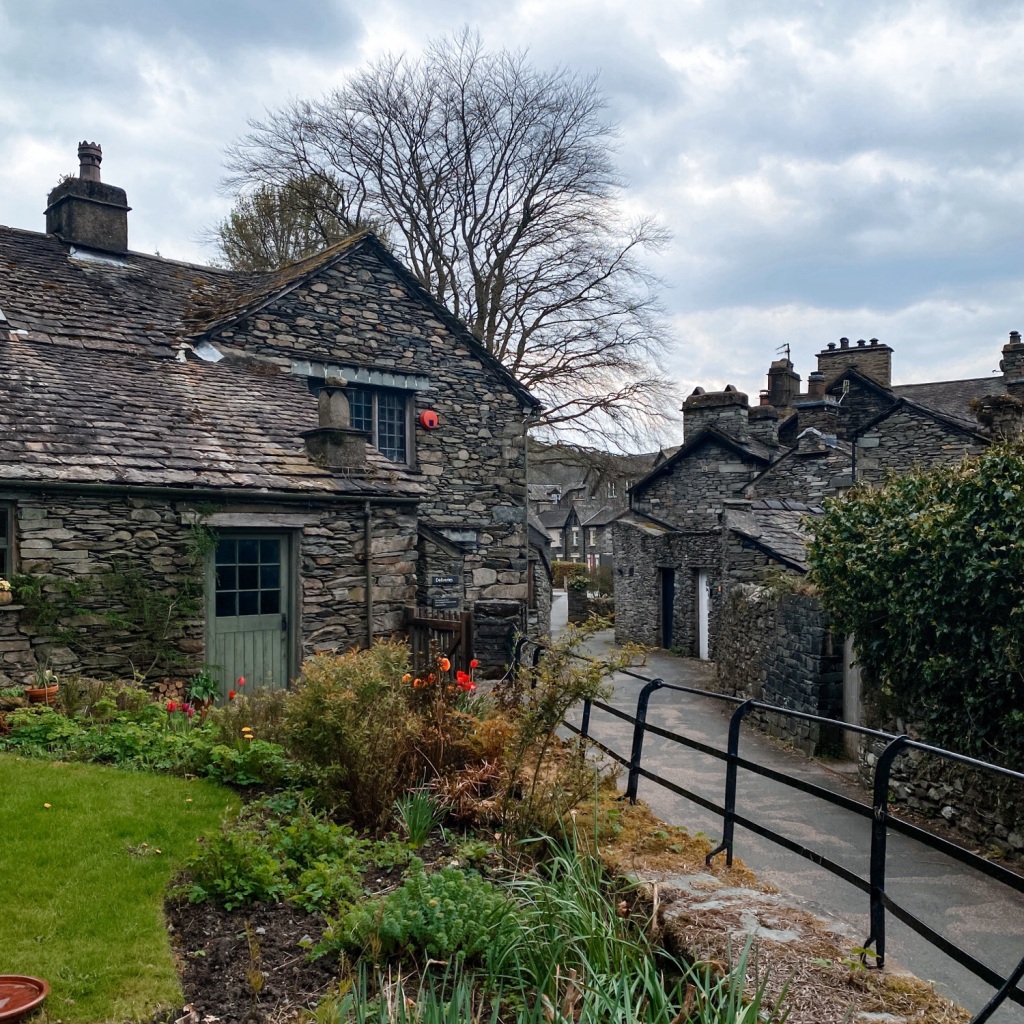
Grasmere Town End is a hamlet that has changed little since Wordsworth’s time filled with architectural and historic character. Marvel at the cobbled streets, cute homes, quaint window displays, and oil lamp posts around this area. You will definitely feel as if you have been taken back in time!

Photograph the Beautiful Landscape

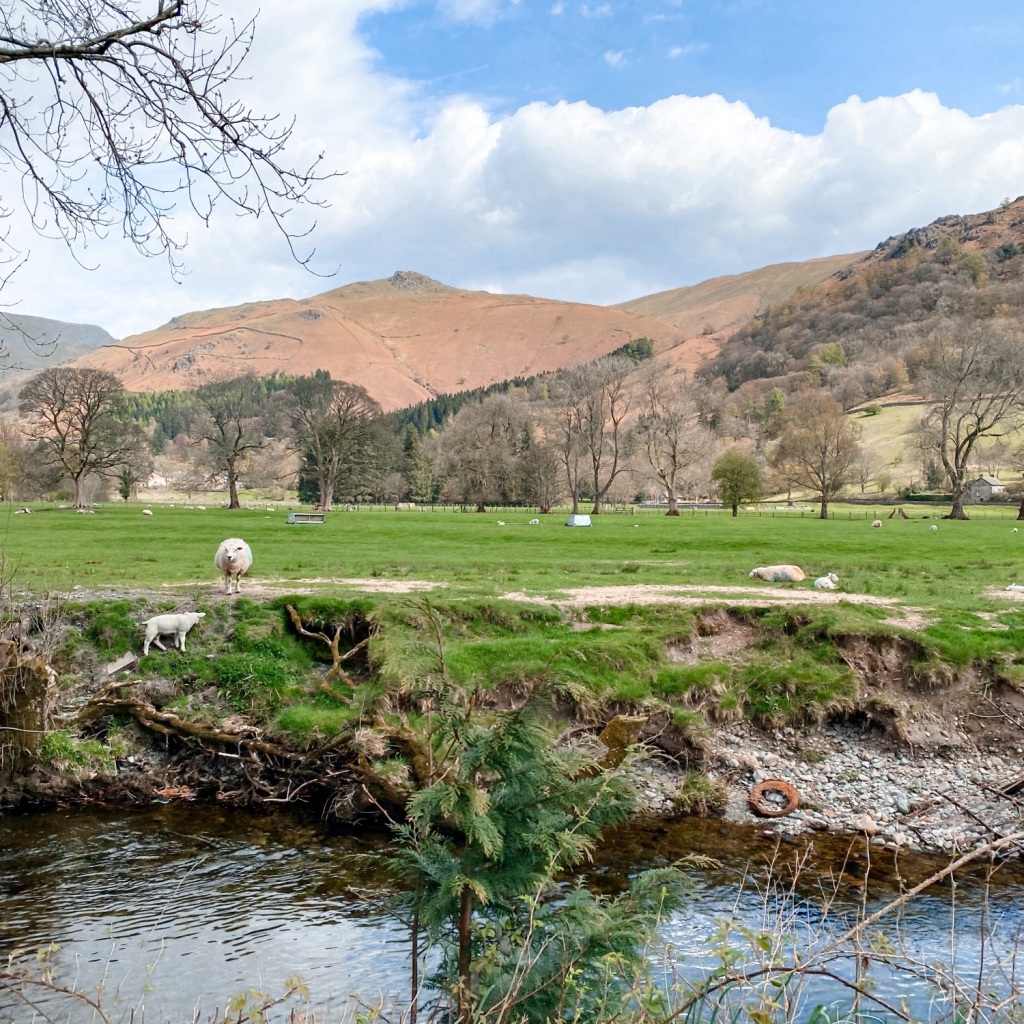
The views of the landscape from Grasmere are simply stunning. Soak in the view of green pastures and grazing sheep, and let the beauty of this place fill your soul. Popular walks around Grasmere include following Red Bank Road, and then the footpath along the west shore of the lake towards Rydal Water.

Accommodation

Transportation

The most convenient way to reach the village of Grasmere is by car.

There is also Bus Service 599, which runs between Bowness, Windermere, Rydal and Grasmere. In summertime, the bus runs up to every 20 minutes with an open top service.

Bus Service 555 is another option, running from Lancaster and Kendal to Keswick via Grasmere and Rydal.

If you are cycling or walking, you can go on the Grasmere Trail which links Ambleside and Grasmere via the shores of Rydal Water and Grasmere.

Last but not least, you can book a tour of the Lake District and visit Grasmere with your tour guide HERE!

6 Pretty Spots in the Village of Ambleside, Cumbria (2024)

Disclaimer: This post contains affiliate links

The small town of Ambleside is located in the Lake District, and is today a major tourist destination filled with unique shops, a good variety of restaurants, places to stay, and even a cinema.

Ambleside is also a very popular town for walkers, cyclists, and climbers, as it provides easy access to the villages of Grasmere, Keswick, and Windermere, and has a direct path leading to the lake Windermere.

6 Pretty Spots in the Village of Ambleside, Cumbria

Although Ambleside encompasses a variety of areas and things to do, I found these six spots to be lovely and worth capturing—especially if you are planning on spending a couple of hours in the town center.

Street sign upon entering the village

This is a wonderful spot to snap a picture, as you are able to appreciate not only the sign signaling the different directions, but all four different streets that join together in this intersection—Rothay Road, Compston Road, Church St, and Kelsick Road.

The Bridge House

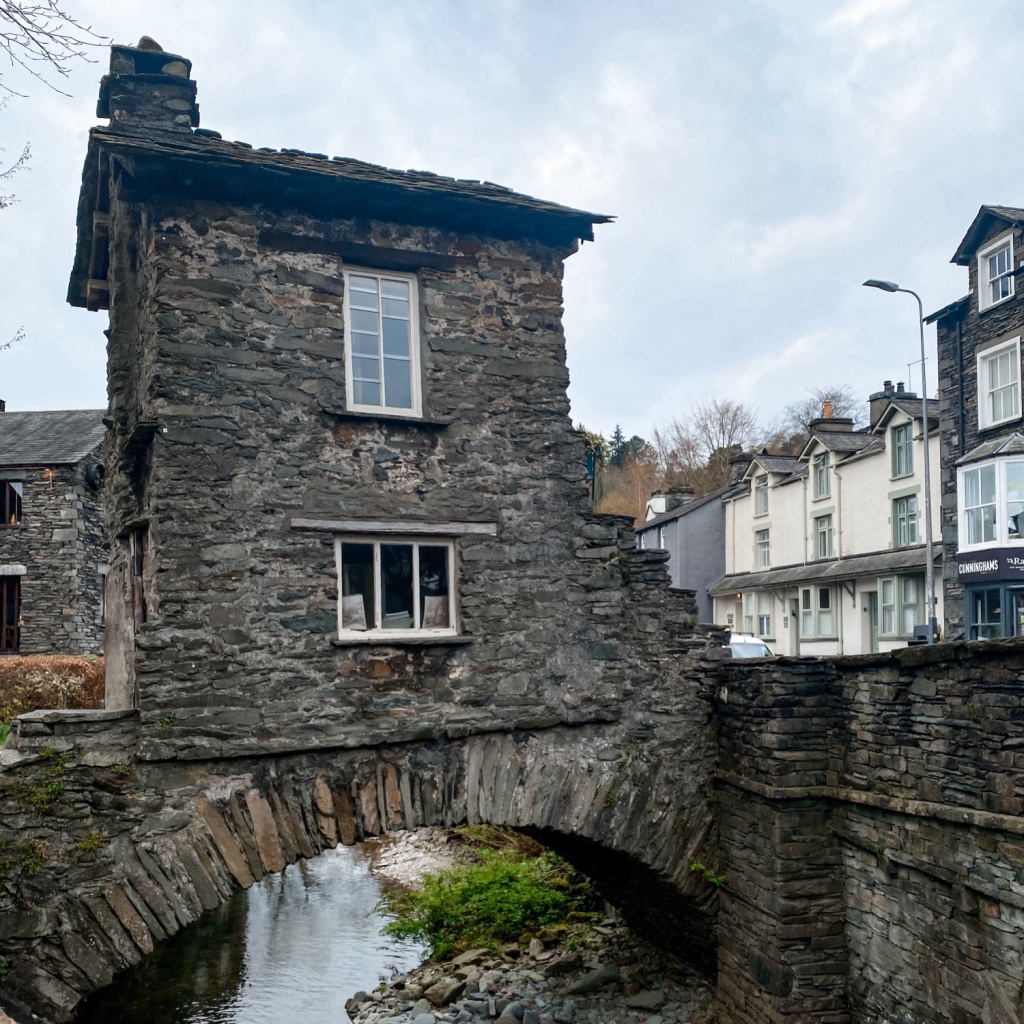
The Bridge House is a popular landmark in the Lake District and is probably the most photographed building in the National Park. This picturesque 17th-Century building was considered a ‘curious relic’ in the Victorian period, and ‘one which every artist sketches as he passes by’. A well known fact about this quirky house is that it was built over the Stock Ghyll stream to avoid land tax!

The Golden Rule Pub

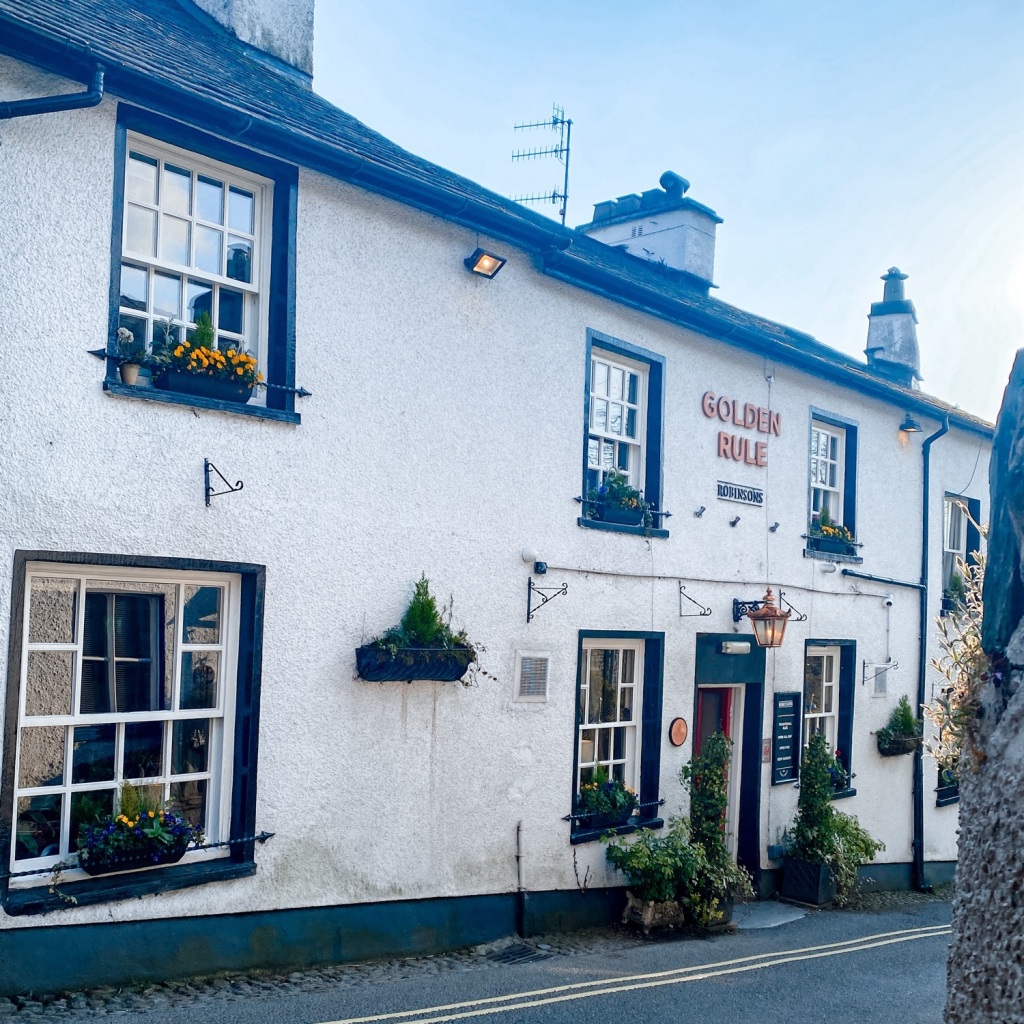
The Golden Rule Pub is a beautiful Grade II building and one of Ambleside’s hidden gems, as it is tucked away off the main road. The plants and flowers adorning the exterior will not only entice you to come in, but to also photograph the lovely facade.

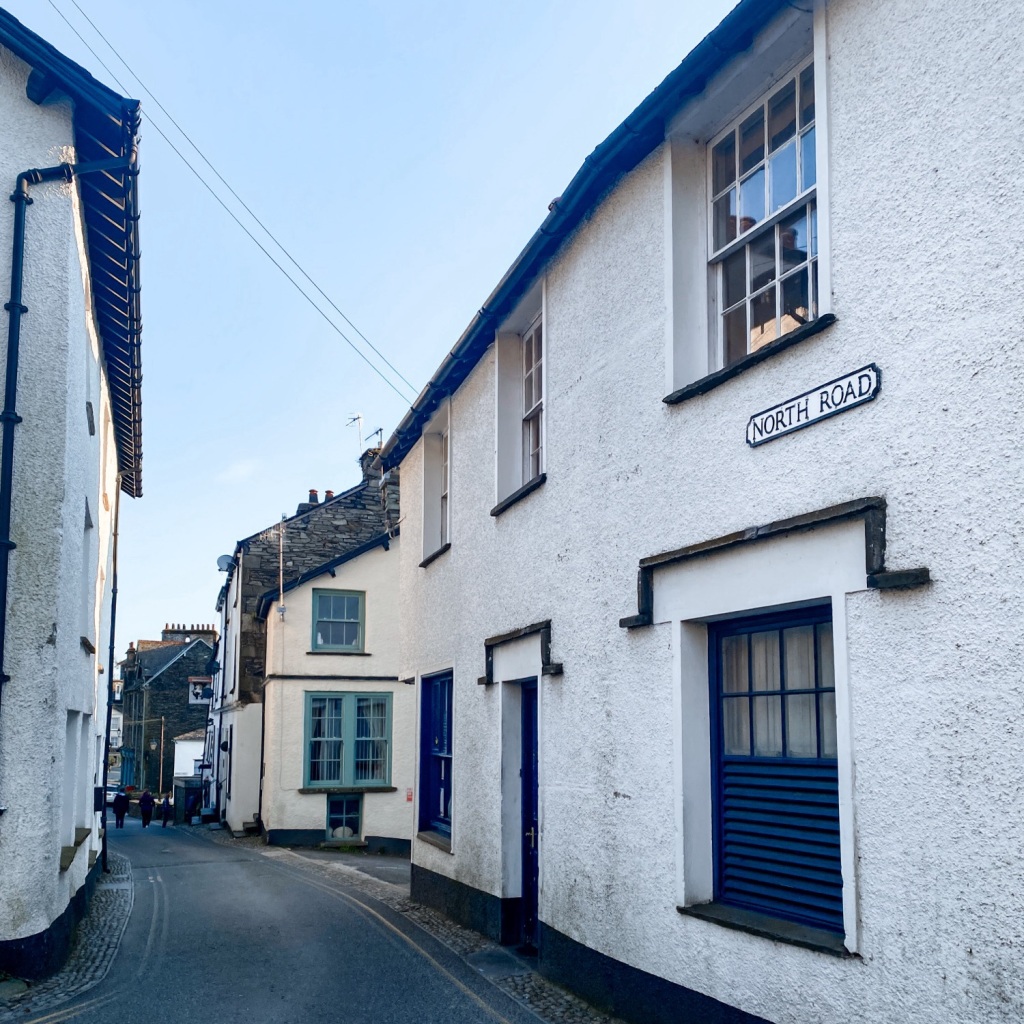
North Road

This beautiful, narrow street, used to be the main road going north out of Ambleside. The white buildings, along with their blue and green doors, make it a fabulous street to walk on and capture the beauty of the area.

The Old Mill

Another lovely and historical spot in the small town of Ambleside is The Old Mill Tea Room at the Giggling Goose, a cafe in a listed mill with working waterwheel which used to produce the power for the mill in the 18th-Century. A simple look at it and one can’t help but traveling back to a now bygone era.

Bridge Street

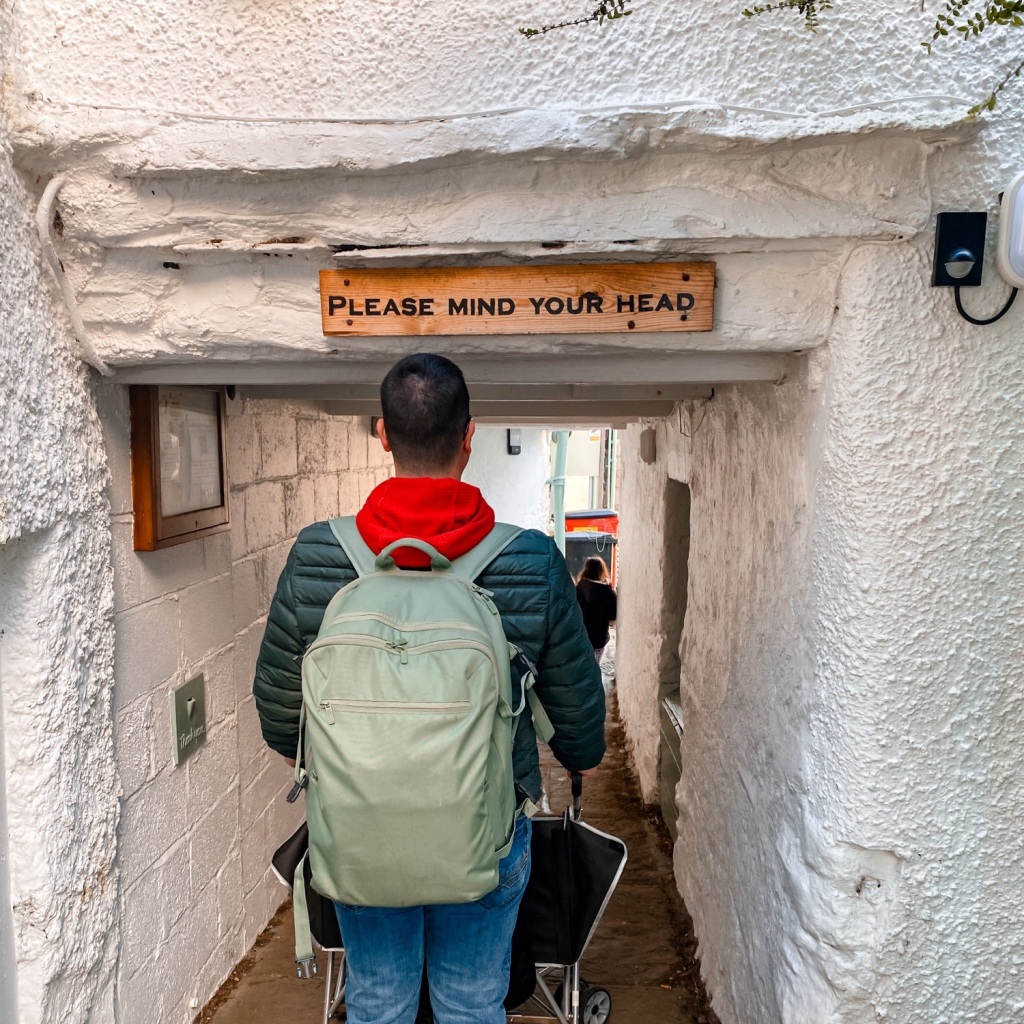
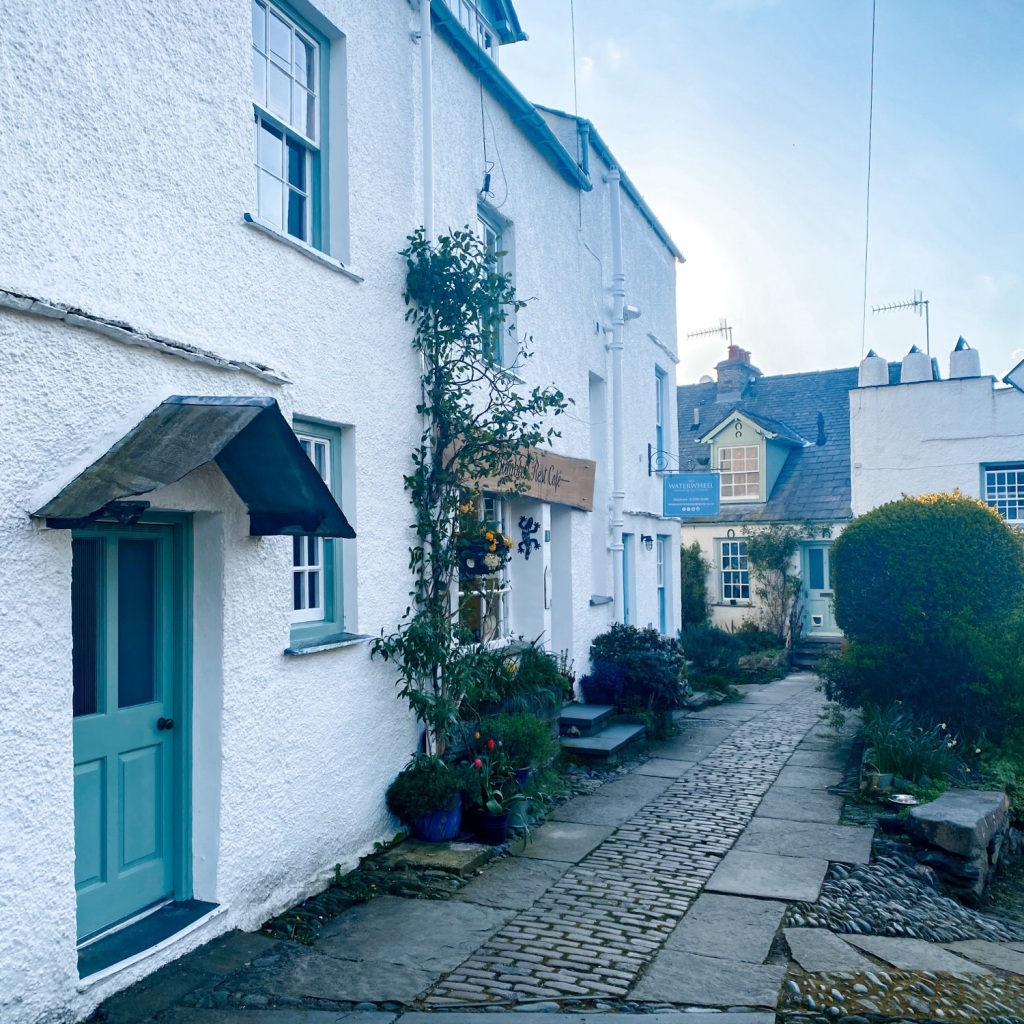
This street was once known as Rattle Ghyll due to the noise produced by the waterwheels. From this beautiful and quaint street, you can appreciate the previously mentioned Old Mill as well as some wonderful shops, cafes, and cottages, all showcasing their lovely white facades and gentle green-painted doors and windows. There is one hidden gem located in this street—a charming little alleyway—but, mind your head, otherwise you’ll end up bumping into the wall!

Conclusion

Whether you choose or not to explore Ambleside more in depth, I hope this small guide to pretty spots in the village will have inspired you to look at this historic Lake District town differently next time you’re passing through. I hope I can return to Ambleside one day and share with you more beautiful views and spots worthwhile visiting.

Have you been to Ambleside recently? What’s your favourite spot to visit here and why? Let me know by leaving a comment below!

Exploring the Villages of Near and Far Sawrey in the Lake District, England (2024)

Disclaimer: This post contains affiliate links

Near Sawrey and Far Sawrey are two neighboring villages in the county of Cumbria, England. The villages date from at least the 14th Century, and are located in the Lake District region.

Exploring the Villages of Near and Far Sawrey in the Lake District, England

Both Near and Far Sawrey lie on the B5285 road, which runs from the village of Hawkshead to the West Bank of the Windermere Ferry, a car ferry. Because these villages are small and the population is reduced, those who visit Near and Far Sawrey have the opportunity to see them in their entirety and enjoy other experiences in the neighboring villages. It is important to note a car is necessary to travel around these villages.

Near Sawrey

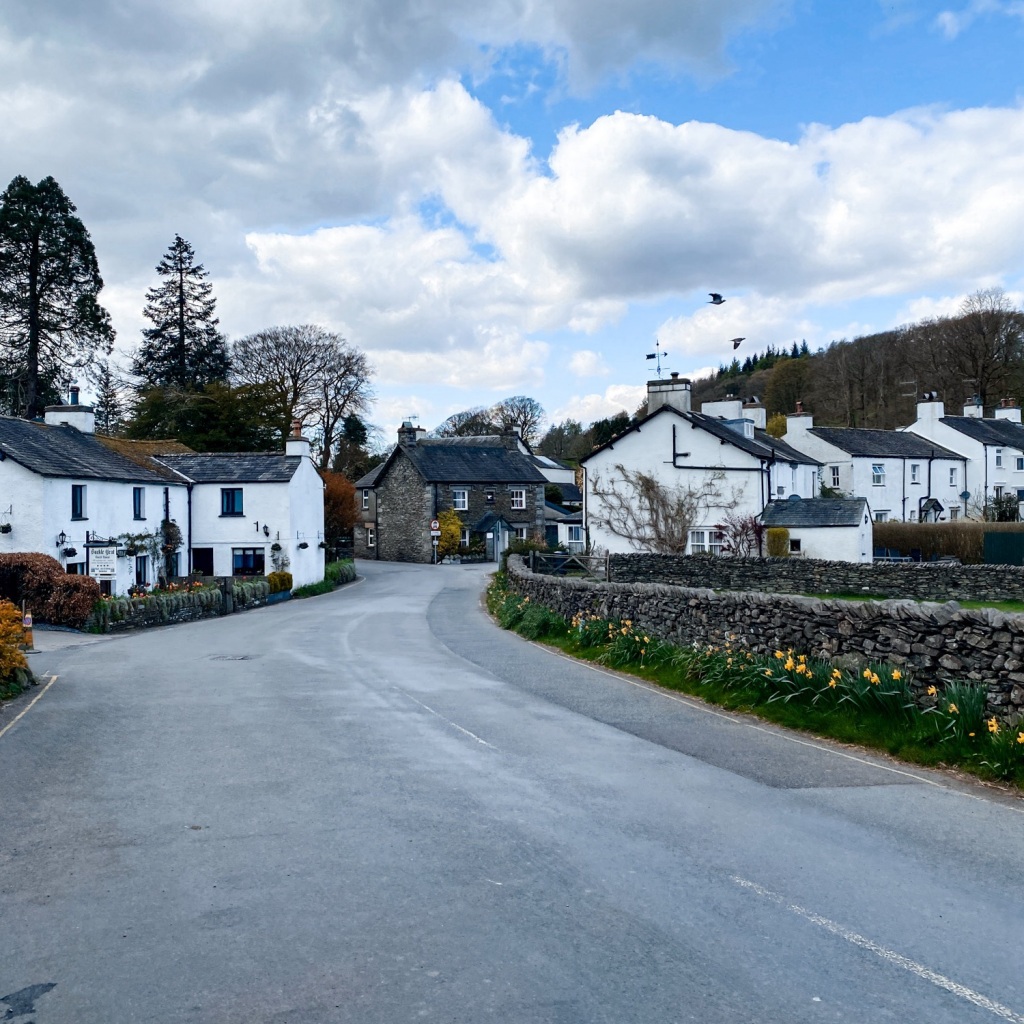
Upon entering the village of Near Sawrey, you will be greeted with the view of green pastures on one side of the road, and pretty white and stone cottages on the other. Some of these cottages are hotels and B&Bs, while others are private residential homes. There is public parking as you get closer to the “Sawrey House Hotel Restaurant,” which I advise you to use if you are just visiting for the day. Otherwise, there is a small parking space in front of Hill Top Farm.

Hill Top Farm

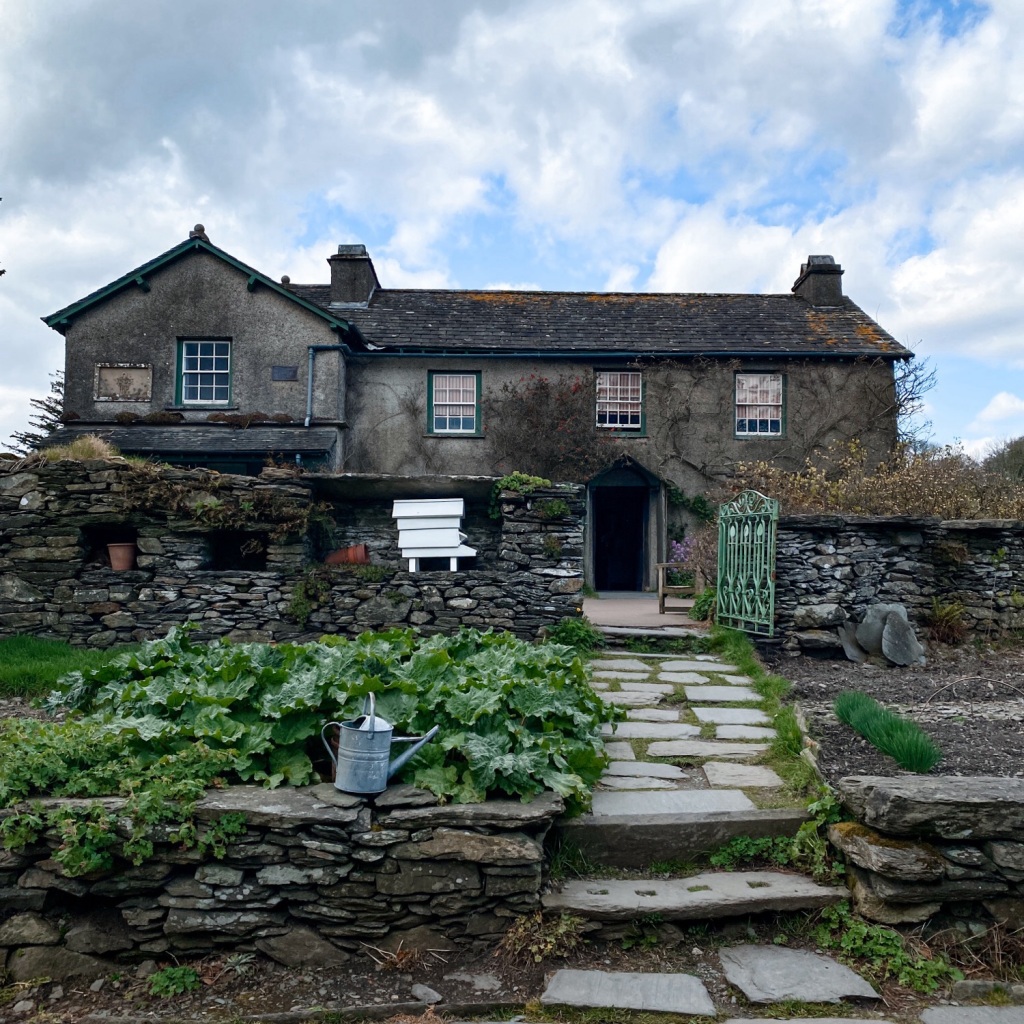
The main reason for visiting Near Sawrey is Hill Top farm—the home of the beloved children’s author and illustrator Beatrix Potter. The cottage is a 17th-century house and an example of Lakeland vernacular architecture. Before Beatrix died, she left the cottage to the National Trust and is today a Grade II listed building.

Hill Top is open to the public as a writer’s house museum, and it is shown as Beatrix Potter herself would have known it.

The house counts with a lovely garden, a shop with unique products, and an independent café serving baked goods, savory snacks, locally roasted coffee, teas, and hot chocolate.

Main Road (B5285)

As you exit Hill Top and walk along the B5285 road, soak in the view that surrounds you—the stone wall bordering the road, the green landscape and resting sheep, the beautiful cottages both near and far in the distance, and, if visiting during spring or summer time, the dancing daffodils and variety of flowers both adorning the road and cottages.

Stones Lane

As you walk up the main road, you will notice a street named Stones Lane. Here you will find a luggage store, a convenience store, and more lovely accommodation options, such as the Belle Green B&B and the Casle Cottage.

I suggest you take time to slow down the pace and soak in the peaceful atmosphere and view, always remembering to be respectful of the properties around you.

Landscape view from Stones Lane

As you continue to make your way up Stones Lane, you will come to a point where you won’t be able to see any more cottages. Follow the path aligned with the old stone walls, and enjoy the breathtaking view of the village and cottages in the distance. Here you can see different animals grazing on the landscape, such as sheep and cows. This is a tranquil dirt road to walk on for as long as you would like to, and it connects to other streets and trails that will lead you outside of the village boundaries.

Back to the Main Road (B5285)

After Stones Lane, you may choose to come back to the main road and head north to explore the rest of the village—you will only find more lovely homes and accommodation options at this point.

Tower Bank Arms

To calm your appetite and enjoy a hearty meal after exploring, you might want to consider eating at the Tower Bank Arms—a charming historic Inn located right next to Hill Top farm. Here you can relax, unwind, and refresh in an atmosphere you won’t soon forget.

Far Sawrey

Far Sawrey is yet another small village with attractive architectural and historic character. The buildings predominantly date from the 17th, 18th, and 19th centuries and are mostly dispersed and surrounded by irregularly shaped fields. The network of public footpaths links the village to the surrounding countryside.

St Peter’s Church

St Peter’s Church was completed in 1869 and was built of local stone in the Early English style. Even though the number of permanent residents in the parish is only about 150, the church is surprisingly large, with seating for about 400!

Services take a variety of different forms and are held every week. Visitors are always welcome to any of the services.
Claife Viewing Station

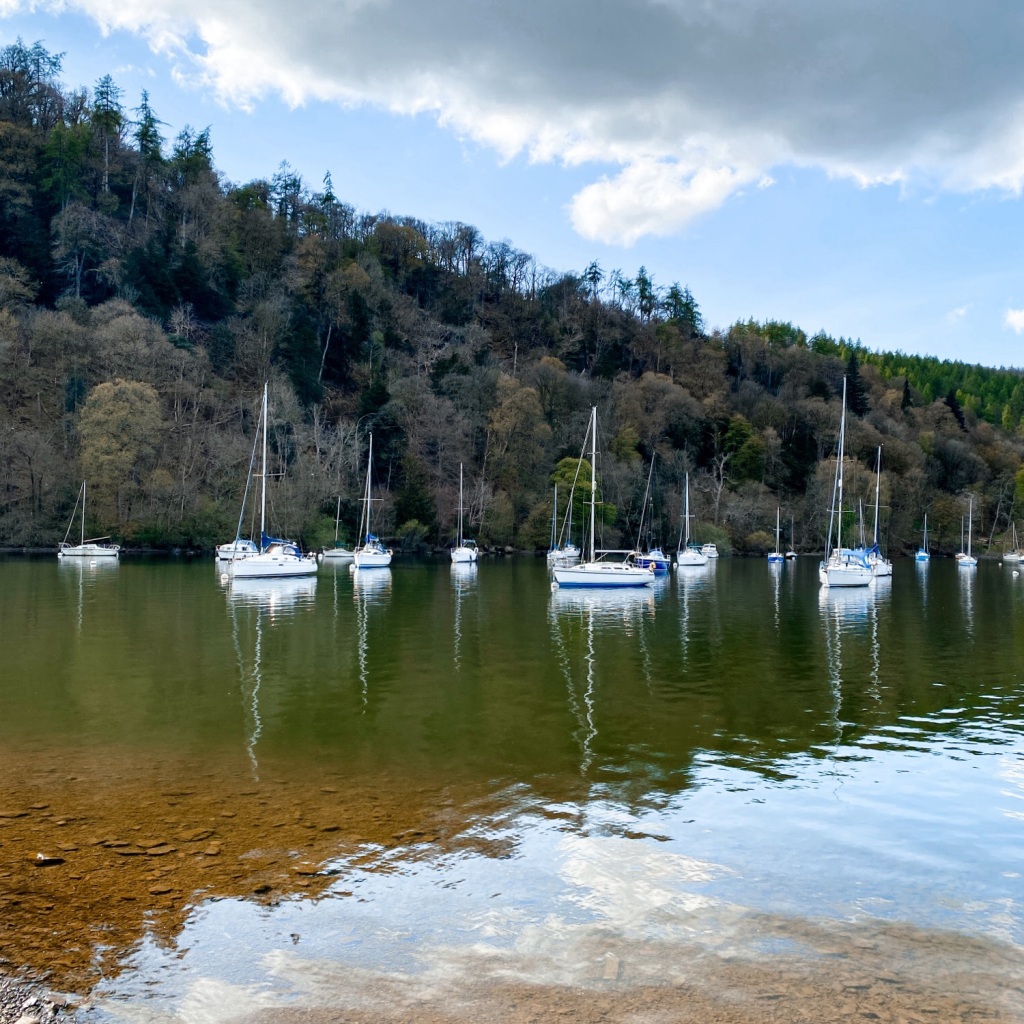
Overlooking the lake Windermere is Claife Viewing Station, the ruins of a residence where each room was glazed in differing colored glass to give the effect of viewing the landscape in the changing seasons.

From here, visitors can go on gentle walks along the west shore of Lake Windermere, with beautiful mountain views and lakeshore access. There is also an independent café serving baked goods, savory snacks, locally roasted coffee, teas, and hot chocolate.
The villages of Near and Far Sawrey are a lovely option for those wanting to escape to the beautiful English countryside and experience the northern part of the country. The peace and tranquility found in these places is unmatched, and will give you an increased desire to come back in the future for more. If you are wanting to explore what the Lake District has to offer, then Near and Far Sawrey are a must on your travel list!

Visiting Goathland Railway Station in the Village of Goathland, England (2024)

Disclaimer: This post contains affiliate links

Goathland railway station serves the village of Goathland in the North York Moors National Park in North Yorkshire, England. The station first opened in 1865 as “Goathland Mill” and was named as such due to its proximity to the watermill on the Murk Esk River adjacent to the station.

With minimal alterations in the last 100 years, the station has managed to survive the changing times and remains this day part of the North Yorkshire Moors Railway. If you are eager to go on a train ride, you can check the timetable to book a ticket or simply explore the station without one. After taking pictures and soaking in the atmosphere, I recommend visiting the Goathland Station Café.

The Goathland Station Café

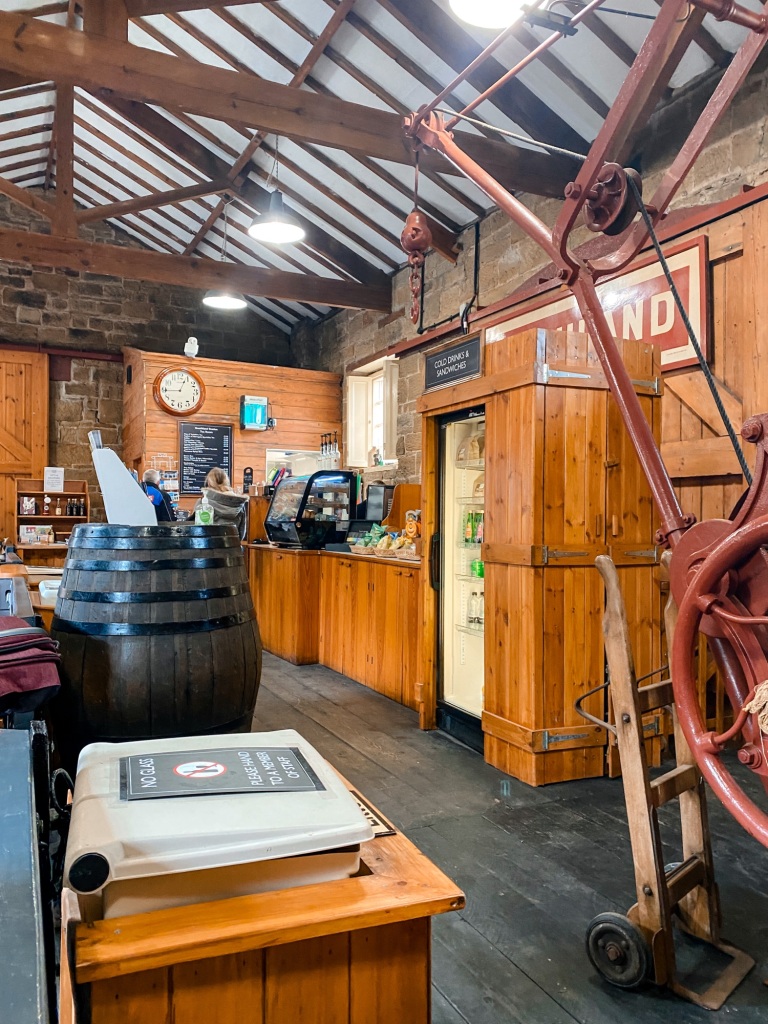
This unique, one-of-a-kind tea room is located inside the station and is a converted 1922-style goods shed. The café is walker and dog-friendly, and guests are welcome to sit inside or outside to watch the trains come and go. Passengers are also welcome to take goods purchased onto the trains.

Goathland Station café serves various drinks, savories, cakes, sweet treats, and ice creams. I recommend trying their sandwiches and scones. They also serve some yummy hot chocolate. Opening times vary according to train schedules and are as follows:

Bronze Timetable Dates: 9.30am to 5.00pm
Silver Timetable Dates (Sundays): 10.00am to 4.45pm
Gold Timetable Dates: 9.30am to 4.45pm

Film and Television Appearances

Apart from bringing in visitors who appreciate its old charm, the station and its environment have appeared in various TV productions, including:

  • The Harry Potter films, as Hogsmeade station
  • Heartbeat, as Aidensfield station
  • All Creatures Great and Small
  • Keeping Mum
  • Carrington

Stay in a Vintage Train Carriage at Goathland Station

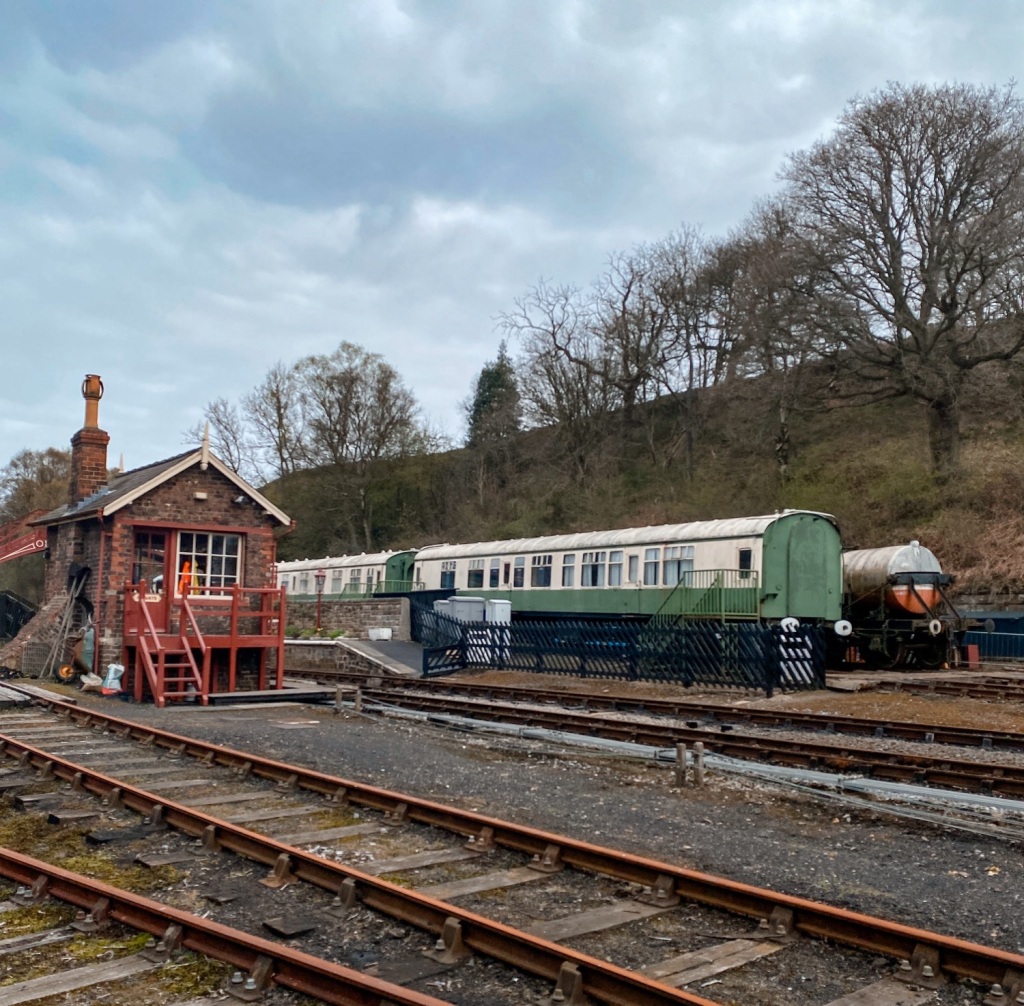
Did you know that holiday accommodation is available at Goathland Station? Sitting behind the platform lies a vintage camping coach. The camping carriage includes a living room, a kitchen, a twin bedroom and double bedroom, and a shower room.

Parking

You will find a car park next to the station that allows all-day parking for a single fee.