8 Amazing Places to See in Oxford, England (2026 Guide)

Disclaimer: This post contains affiliate links. At no extra cost to you, I may earn a small commission if you make a booking through them.

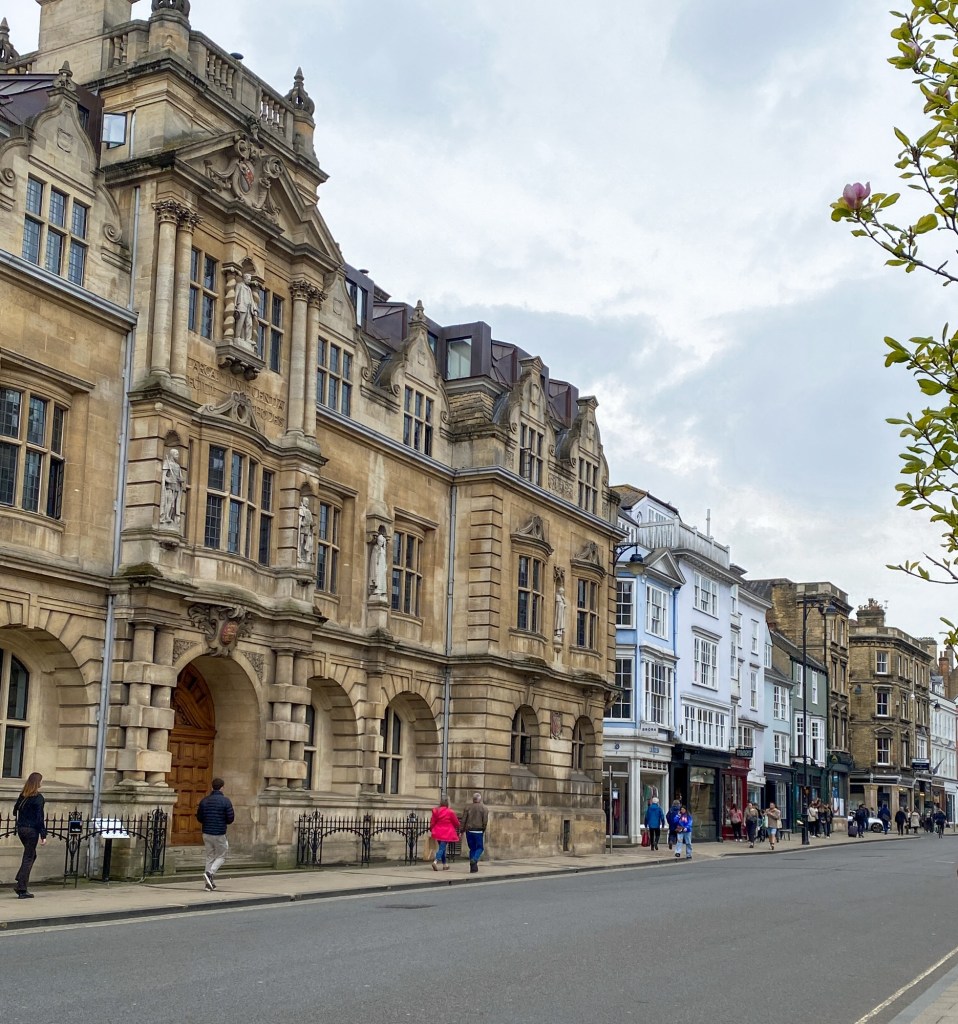
Visiting Oxford, England feels like stepping into a living tapestry of history, literature, and knowledge. With its breathtaking architecture, majestic college buildings, ancient libraries, and ivy-clad stone walls, the city exudes a peaceful yet vibrant atmosphere shaped by centuries of academic tradition and student life.

Whether you’re visiting for a day trip from London or planning a longer stay, Oxford offers a magical blend of culture, beauty, and intellectual charm. In this guide, I’m sharing 8 amazing places you must see in Oxford, along with how to get there, where to stay, and how to plan your trip easily.

Compare cheap flights to Oxford & London airports here
1. The Covered Market

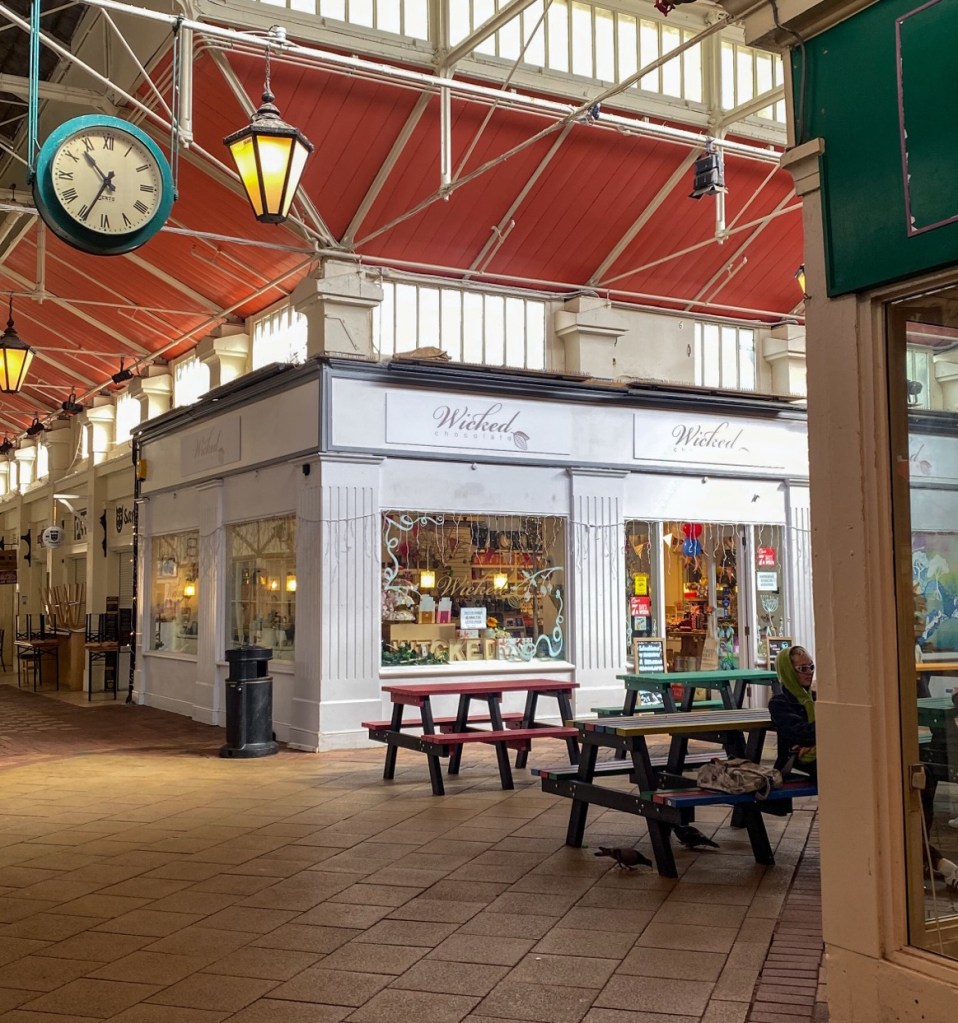
The Covered Market is one of Oxford’s most charming hidden gems. Dating back to the 1770s, this historic indoor market is filled with independent shops, florists, bakeries, boutique clothing stores, and local food stalls.

The scent of fresh pastries and coffee fills the air, and it’s the perfect place to grab lunch, pick up unique souvenirs, or escape the rain while exploring the city center.

Don’t miss: Ben’s Cookies, local craft shops, and the historic cake counters.
2. Turl Street

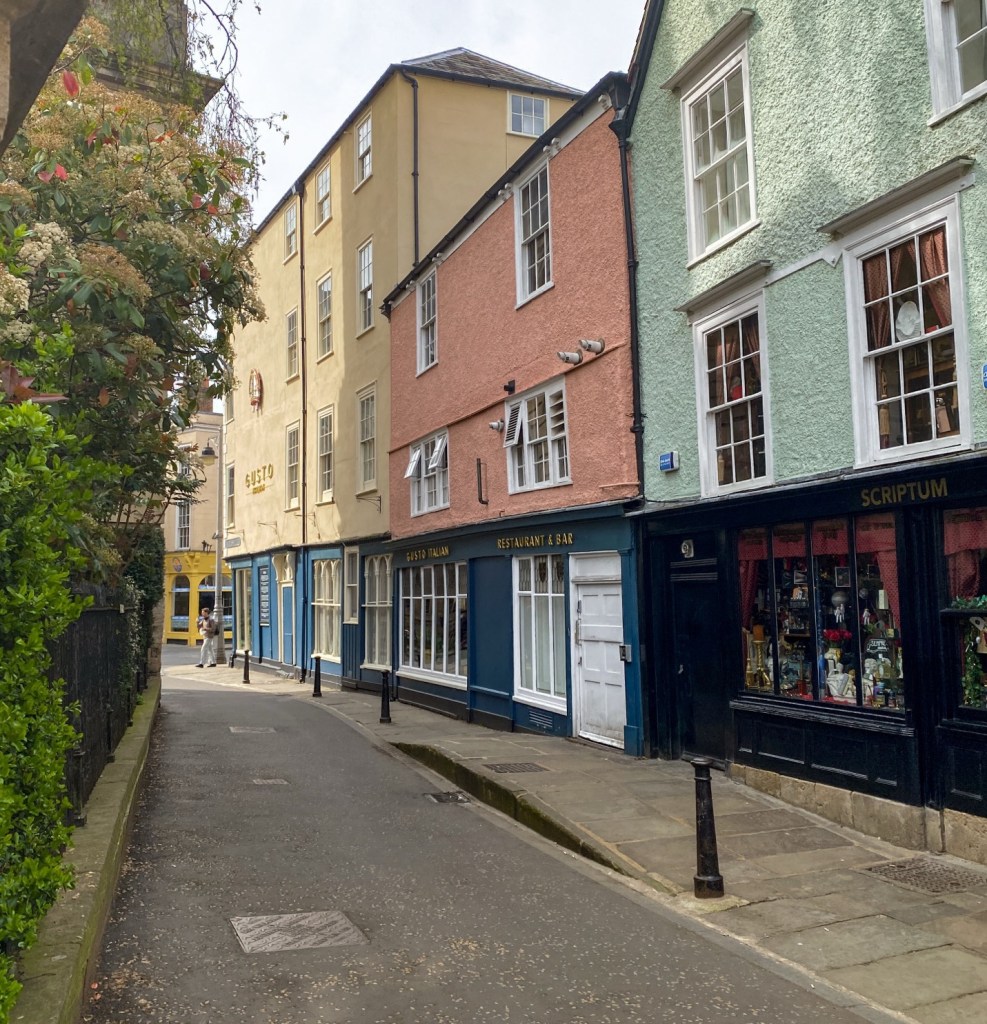
Turl Street is one of Oxford’s most picturesque historic lanes. Lined with beautiful college buildings such as Exeter College, Lincoln College, and Jesus College, it feels wonderfully timeless.

This narrow cobbled street offers a quieter escape from the busy main roads while still placing you right in the academic heart of Oxford. Cozy cafés and centuries-old facades make it an ideal photography spot.

Browse Oxford tours and experiences here
3. St. Mary’s Passage (Narnia Connection)

This narrow, enchanting walkway between the University Church of St Mary the Virgin and the Radcliffe Camera is often overlooked, yet it’s one of Oxford’s most magical corners!

St. Mary’s Passage is famously linked to C.S. Lewis and The Chronicles of Narnia. A carved lion’s head, stone fauns, and a nearby lamppost are all believed to have inspired elements of The Lion, the Witch and the Wardrobe.
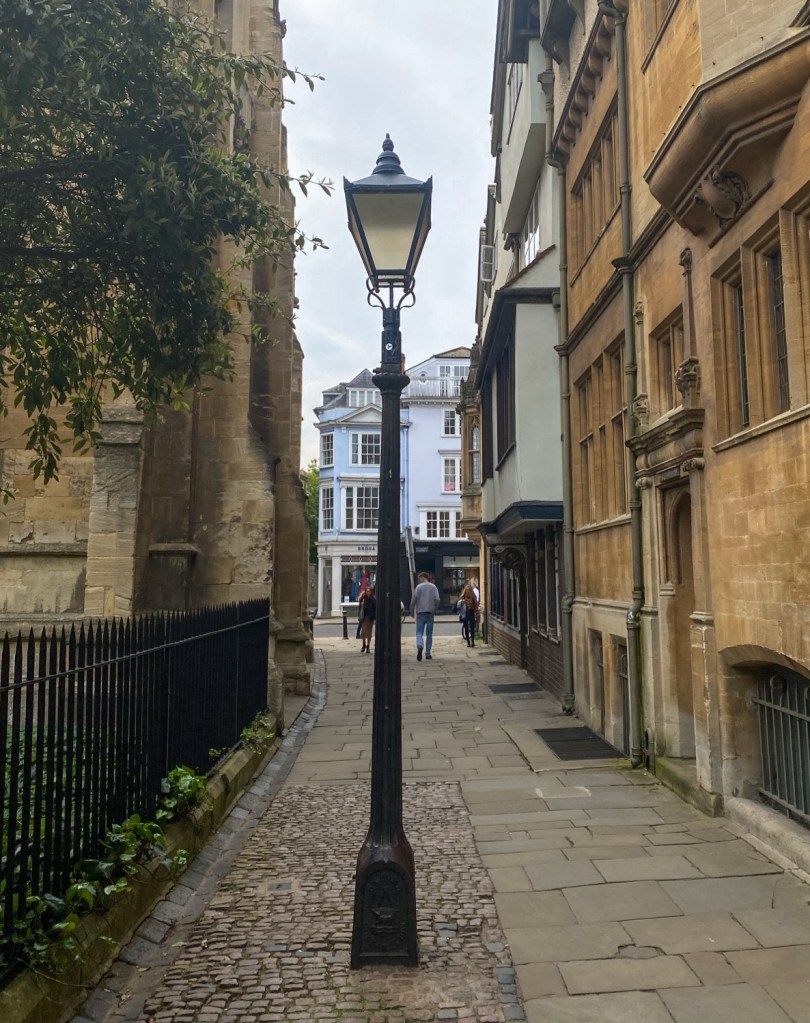
Victorian lamp post which is said to have inspired C.S. Lewis in his book The Lion, the Witch and the Wardrobe

To book a self-guided audio tour about Oxford’s literary legends and landmarks, click here

4. Radcliffe Square

Radcliffe Square is one of the most iconic locations in Oxford. Surrounded by architectural masterpieces, including the Radcliffe Camera, All Souls College, and the University Church, this area feels like the living heart of the university.

Every angle offers postcard-worthy views, making it one of the best places in Oxford for photography.

The Radcliffe Camera, locate at the center of Radcliffe Square

5. The Bridge of Sighs (Hertford Bridge)

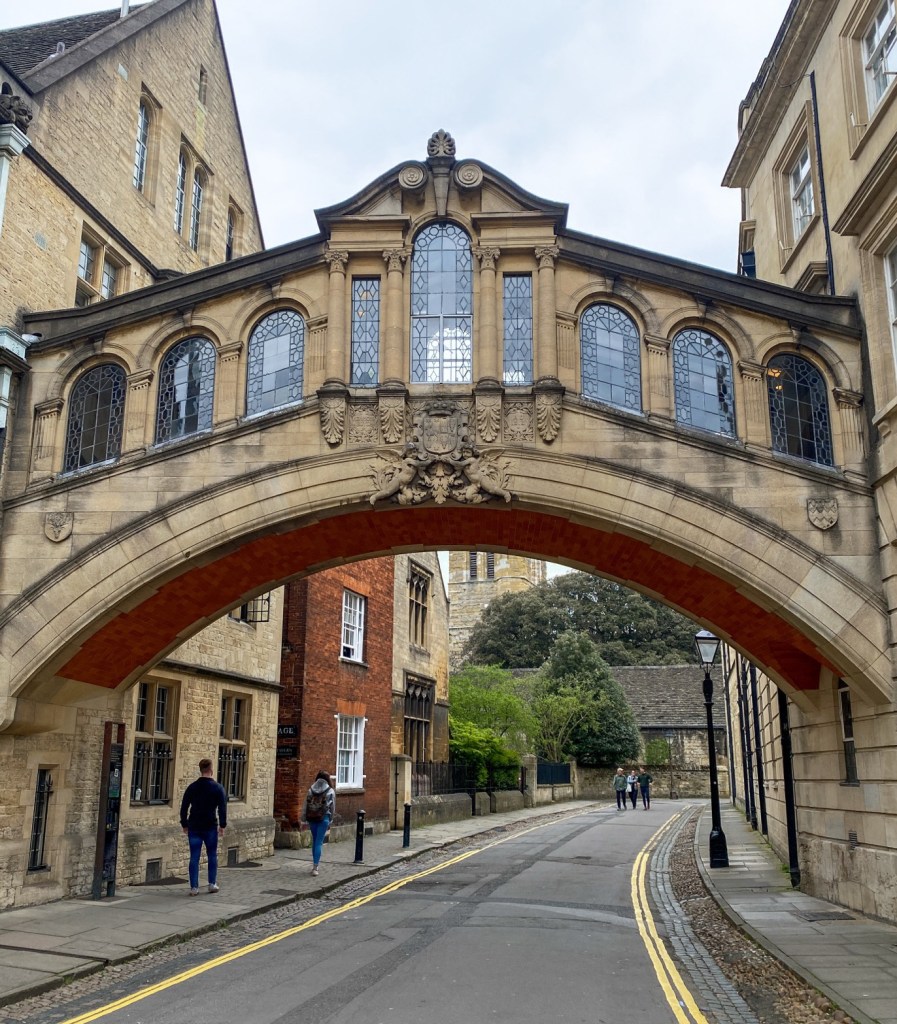
Oxford’s Bridge of Sighs connects two parts of Hertford College over New College Lane. Built in 1914 and inspired by Venice, it is one of the city’s most photographed landmarks!

It adds a romantic, fairy-tale feel to the historic streets and is especially beautiful in early morning light.
6. New College

Founded in 1379, New College is one of Oxford’s most impressive and peaceful colleges. Behind its high stone walls you’ll find:

  • Medieval cloisters
  • A magnificent chapel
  • One of Oxford’s oldest gardens
  • Sections of the original city wall

New College is also a Harry Potter filming location, making it especially popular with fans.
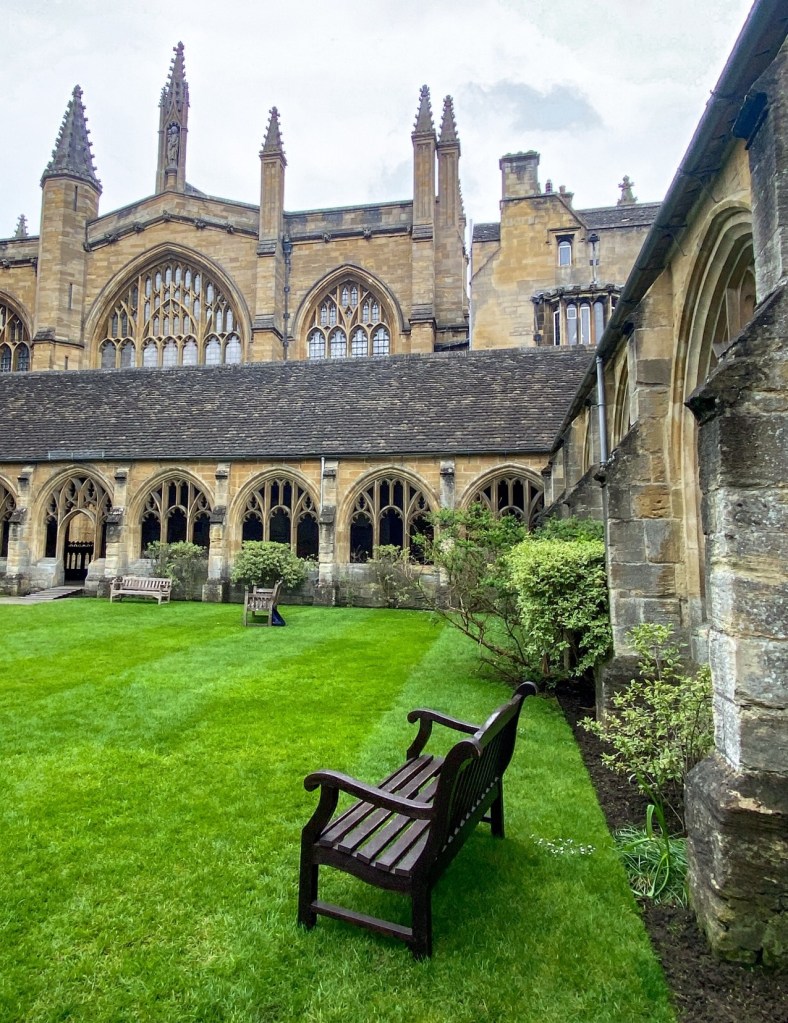
To book a private tour of the college, click here

7. Christ Church College

Christ Church is one of Oxford’s most famous colleges and a highlight of any visit. Founded in 1546, it features:

  • Christ Church Cathedral
  • The iconic Tom Tower
  • Grand meadows and river walks
  • The legendary dining hall that inspired Hogwarts

This college alone can easily fill several hours of exploration.

Book a guided Christ Church & Oxford University tour here

8. St. Edmund Hall

Known affectionately as “Teddy Hall,” St. Edmund Hall dates back to the 13th century and is one of Oxford’s oldest academic institutions.

Smaller and quieter than many colleges, it offers a wonderfully intimate atmosphere, beautiful medieval architecture, and a peaceful garden perfect for slowing down and soaking in Oxford’s academic soul.

How to Get to Oxford, England

Oxford is extremely easy to reach from anywhere in the UK.

By Train

Direct trains run frequently from London Paddington and Marylebone. Journey time is around 1 hour. I usually book my tickets with Trainline.

By Bus

The Oxford Tube and National Express offer frequent, budget-friendly connections from London and Heathrow Airport.

By Car

Oxford is about 1.5 hours from London via the M40. Park-and-ride services are highly recommended.

You can compare car rentals here (click on the “car rental” option)

Where to Stay in Oxford, England

Oxford offers accommodation for every style and budget.

Extra Travel Tips for Oxford

  • Best time to visit: April–June & September (pleasant weather, fewer crowds)
  • Wear comfortable shoes – Oxford is best explored on foot
  • Book popular colleges and tours in advance
  • Consider travel insurance for UK trips

Oxford is a city that rewards slow exploration, every alleyway, courtyard, and college seems to hide another story waiting to be discovered.

Are you planning a trip to Oxford? Let me know in the comments which place you’re most excited to see!

Enjoyed this guide? You can buy me a warm drink here and support my travels & writing!
Discovering the Village of Bibury in the Cotswolds, England | 2026 Travel Guide

Disclaimer: This post contains affiliate links

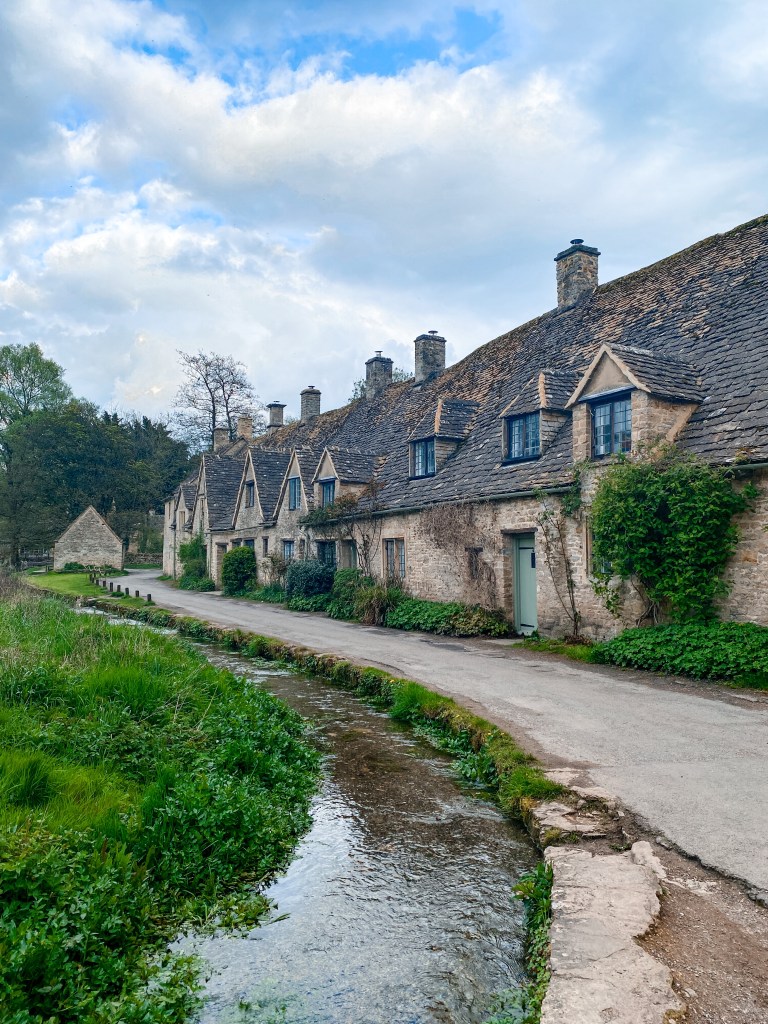
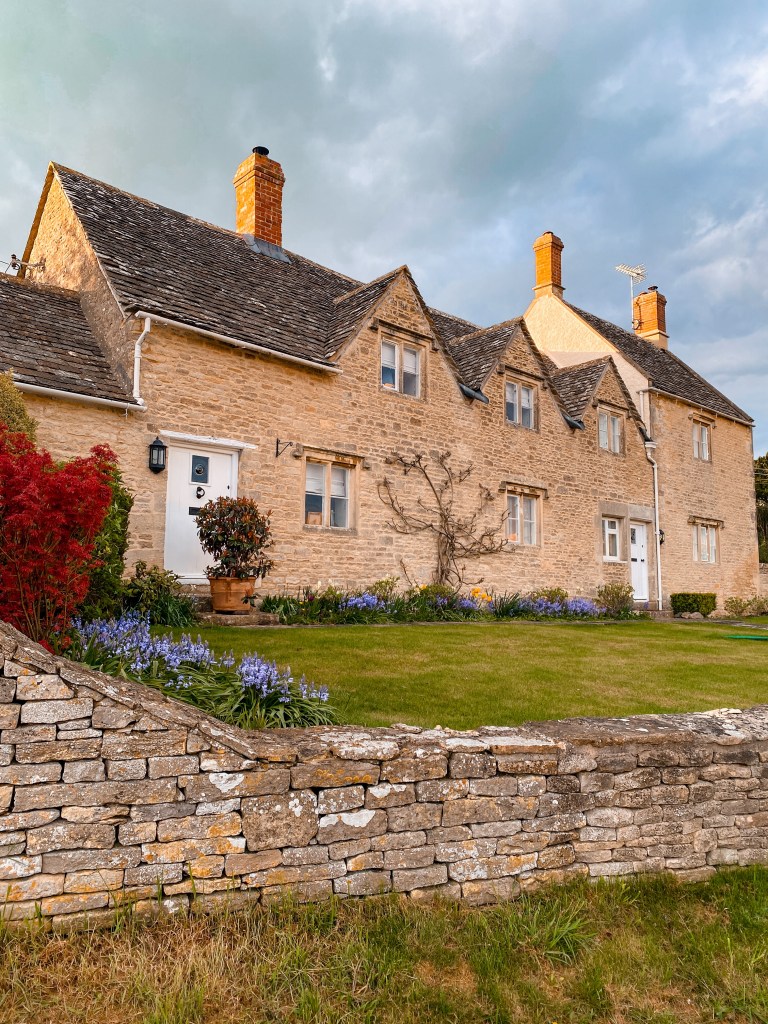
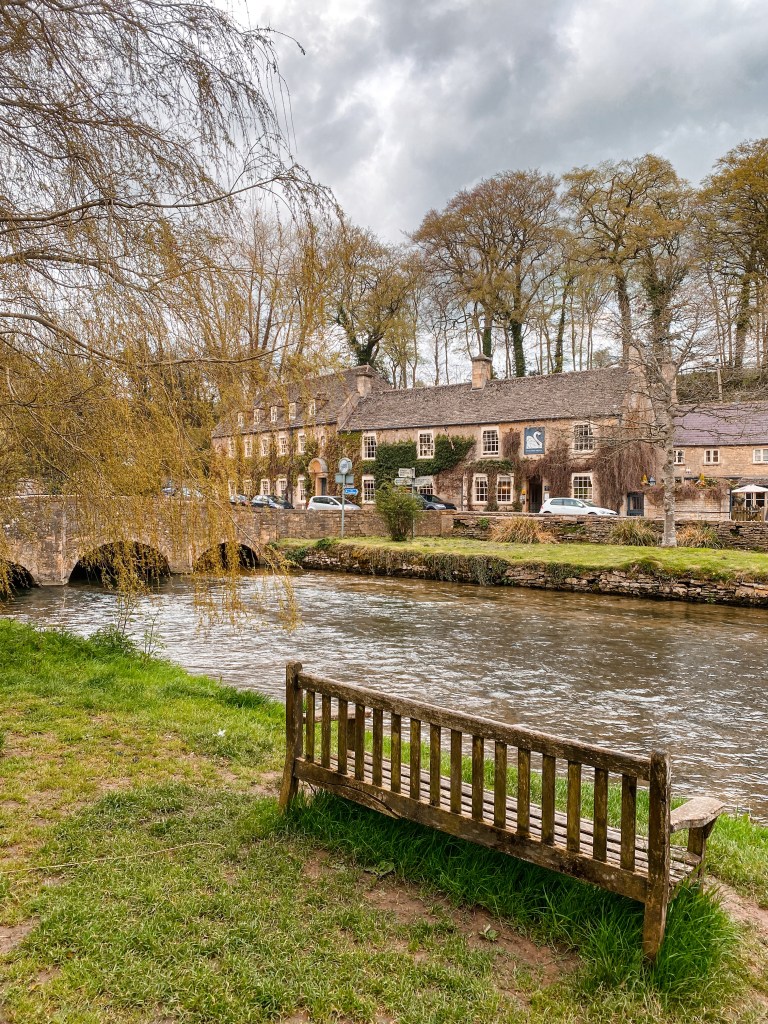
Bibury is one of the most visited and photographed villages in the Cotswolds, England, and it is easy to understand why the moment you arrive. Often described as one of the most beautiful villages in England, Bibury feels like a place frozen in time, where honey colored stone cottages, gentle rivers and rolling countryside create a scene straight out of a painting.

Located in Gloucestershire within the Cotswolds Area of Outstanding Natural Beauty, Bibury attracts visitors year round who are searching for classic English charm, peaceful countryside walks and historic architecture. In this guide, I will take you through the highlights of Bibury, share lesser known experiences, and help you plan a well rounded visit for 2026 and beyond.

Experiencing the Peaceful Atmosphere of Bibury

Stepping into Bibury feels like stepping away from modern life. The village has a calm and unhurried rhythm that encourages visitors to slow down and truly take in their surroundings. Despite its popularity, Bibury still manages to feel serene, especially early in the morning or later in the afternoon.

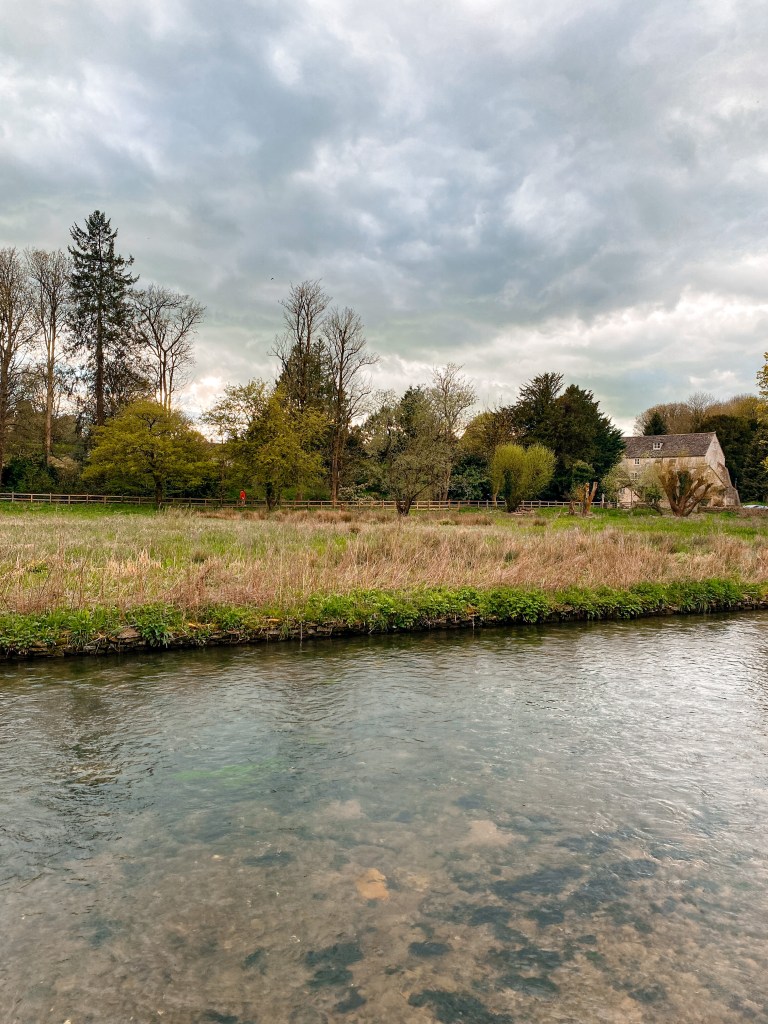
The River Coln gently winds through the village, adding to the sense of tranquility. Walking along the riverbank is one of the simplest and most rewarding things to do in Bibury. Many visitors choose to sit quietly by the water, while others enjoy photographing the reflections of cottages and stone bridges.

Bibury is also a wonderful place to explore on foot. Short countryside walks lead out of the village into open fields and peaceful lanes. If you prefer cycling, the surrounding Cotswolds villages can be reached via scenic back roads. For travelers staying overnight, booking a countryside hotel or traditional inn through Booking.com or Expedia allows you to enjoy Bibury when day trippers leave.

Must See Attractions in Bibury

Bibury is compact, but it is filled with historic landmarks and charming details that make it one of the most rewarding villages to explore in the Cotswolds.

Arlington Row

Arlington Row is without question the most iconic sight in Bibury and one of the most photographed locations in England. This row of stone cottages dates back to the fourteenth century and was originally built as a wool store before being converted into weavers’ cottages in the seventeenth century.

The steep roofs, mullioned windows and ivy covered walls make Arlington Row feel like a storybook scene, especially in spring and summer. It is managed by the National Trust, and visitors can walk freely along the path while respecting the fact that some cottages are still privately owned.

If you want to explore similar villages without the crowds, guided Cotswolds village tours from GetYourGuide or Viator often include Bibury alongside Bourton on the Water and Stow on the Wold.

Church of St. Mary

The Church of St Mary sits quietly near Arlington Row and is one of the oldest buildings in Bibury. Dating back to the twelfth century, the church features beautiful stonework, historic memorials and stained glass windows.

The churchyard is also worth exploring, offering lovely views across the River Coln and surrounding countryside. It is an ideal stop for visitors interested in English history and architecture.

Bibury Court

Bibury Court is a striking Jacobean manor house that now operates as a hotel. Even if you are not staying there, it is worth admiring the exterior and gardens.

For travelers looking for a unique overnight experience, booking a stay at Bibury Court or a nearby countryside retreat through Booking.com or Vrbo adds a special touch to a Cotswolds itinerary.

Bibury Trout Farm and Local Experiences

One of the most popular attractions in Bibury is the Bibury Trout Farm, the oldest working trout farm in England. It offers a mix of hands on experiences and educational insight into traditional fish farming.

Visitors can feed the fish, learn about trout breeding or even catch their own trout, which can be cooked on site. The café is a convenient lunch stop, especially for families. Tickets and experiences like this are often bundled into Cotswolds day tours available through Tripadvisor.

Seasonal events also play a role in Bibury village life. The Bibury Duck Race, held on the River Coln, is a long standing tradition that brings together locals and visitors in a light hearted community celebration.

Exploring the Surrounding Countryside

Bibury is an excellent base for countryside walks and gentle hikes. Footpaths lead into nearby meadows, farmland and woodland, offering views of classic Cotswolds scenery. Popular walking routes connect Bibury with Coln St Aldwyns and Quenington, making it easy to turn a village visit into a half day or full day experience.

Wildlife is abundant in this area. Birdwatchers may spot swallows, buzzards and finches, while quieter paths sometimes reveal deer or rabbits in the early morning. For visitors without a car, guided walking tours like this one and transfers from nearby towns can be arranged through Welcome Pickups or Kiwitaxi.

Suggested Bibury Half Day Itinerary

Arrive early and walk along Arlington Row before crowds build
Visit the Church of St Mary and stroll along the River Coln
Explore Bibury Trout Farm and enjoy lunch at the café
Walk into the surrounding countryside or relax by the river
Finish with a drink or dinner at a traditional Cotswolds pub (I suggest The Catherine Wheel)

For those traveling from London or nearby cities, day trips to Bibury and the Cotswolds are widely available through Viator and GetYourGuide and often include transportation and commentary.