Disclaimer: This post contains affiliate links. At no extra cost to you, I may earn a small commission if you make a booking through them.
Located in the rolling hills of Somerset, Bath, England is one of the most beautiful and historically rich cities in the United Kingdom. Best known for its ancient Roman baths, elegant Georgian architecture, and literary connections to Jane Austen, Bath has been attracting visitors for over 2,000 years.
Designated a UNESCO World Heritage Site, Bath offers far more than just its famous thermal waters. Visitors can expect impressive abbeys, grand crescents, charming streets, independent shops, and a thriving café culture. Whether you are planning a weekend getaway, a spa retreat, or a literary inspired trip, Bath is a destination that rewards slow and meaningful travel. It is also a wonderful day trip option from London by train (I talk more about it in this article)
In this guide, you will discover 13 iconic places you must see in Bath, along with practical travel tips and ideas to help you plan your visit!
1. Jane Austen’s Bath Home at 4 Sydney Place
Jane Austen lived in Bath between 1801 and 1806, and although she resided in several houses, the most famous is 4 Sydney Place, located near Sydney Gardens. While the home is privately owned, many visitors stop to see the exterior and imagine Austen’s life in the city that inspired scenes in Northanger Abbey and Persuasion.
This property is occasionally available as a holiday rental, offering a rare opportunity to stay in a genuine literary landmark.
Click here to book a stay in Jane Austen’s Family Home in Bath from 1801 to 1805
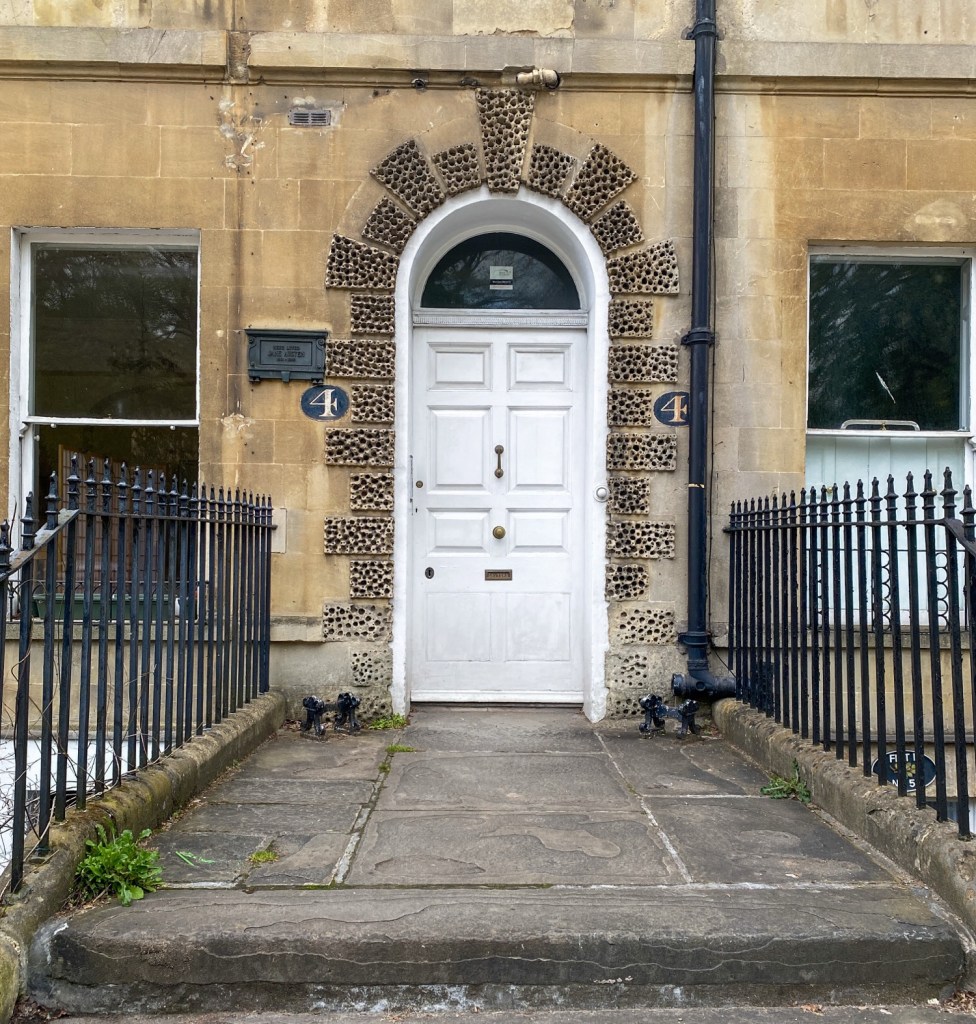
4 Sydney Place
2. The Royal Crescent
The Royal Crescent is Bath’s most iconic architectural landmark. Built in the 18th century, this sweeping curve of 30 Georgian townhouses overlooks a manicured lawn and offers one of the finest examples of Georgian design in Europe.
The Royal Crescent is also home to the No.1 Royal Crescent Museum and the Royal Crescent Hotel and Spa, both worth visiting. You can find several tours in Bath here!
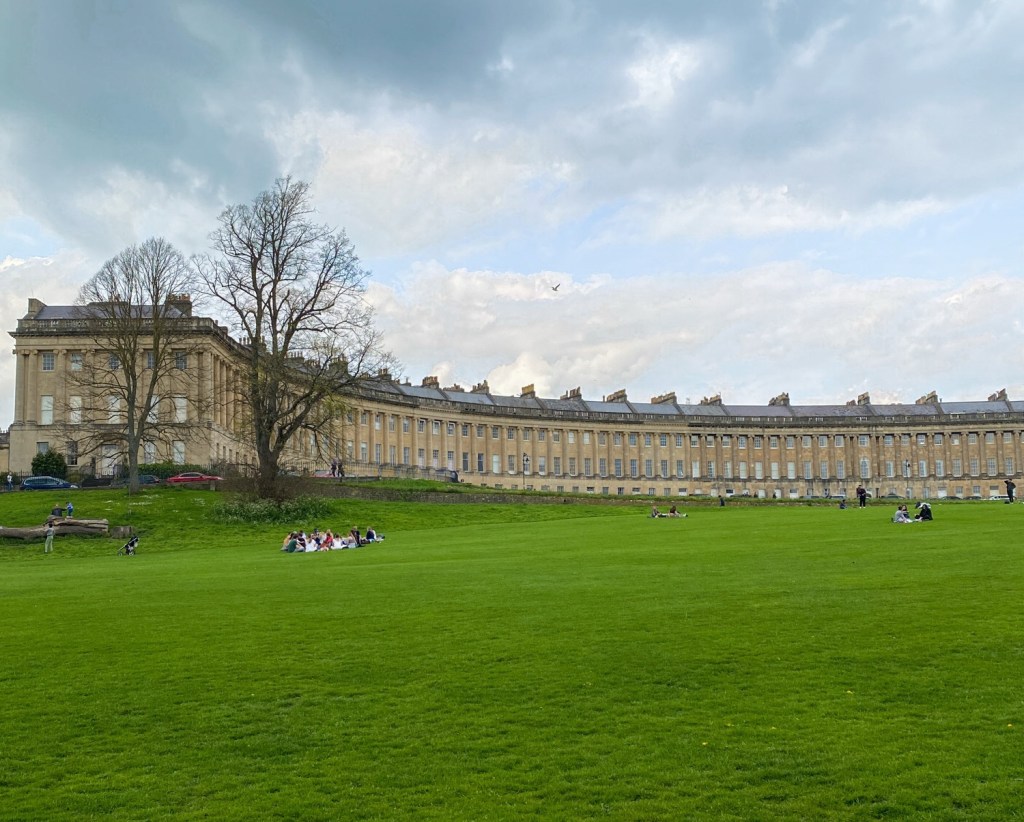
View of the Royal Crescent in Bath, England
3. The Georgian Garden
Hidden behind the Royal Crescent, the Georgian Garden recreates an authentic 18th century pleasure garden. With symmetrical planting beds, herbs, and traditional landscaping, it offers a peaceful retreat and a deeper look into Georgian lifestyle.
It is free to enter and makes a lovely addition to a Royal Crescent visit.
Click here to book a walking tour of Georgian Bath!
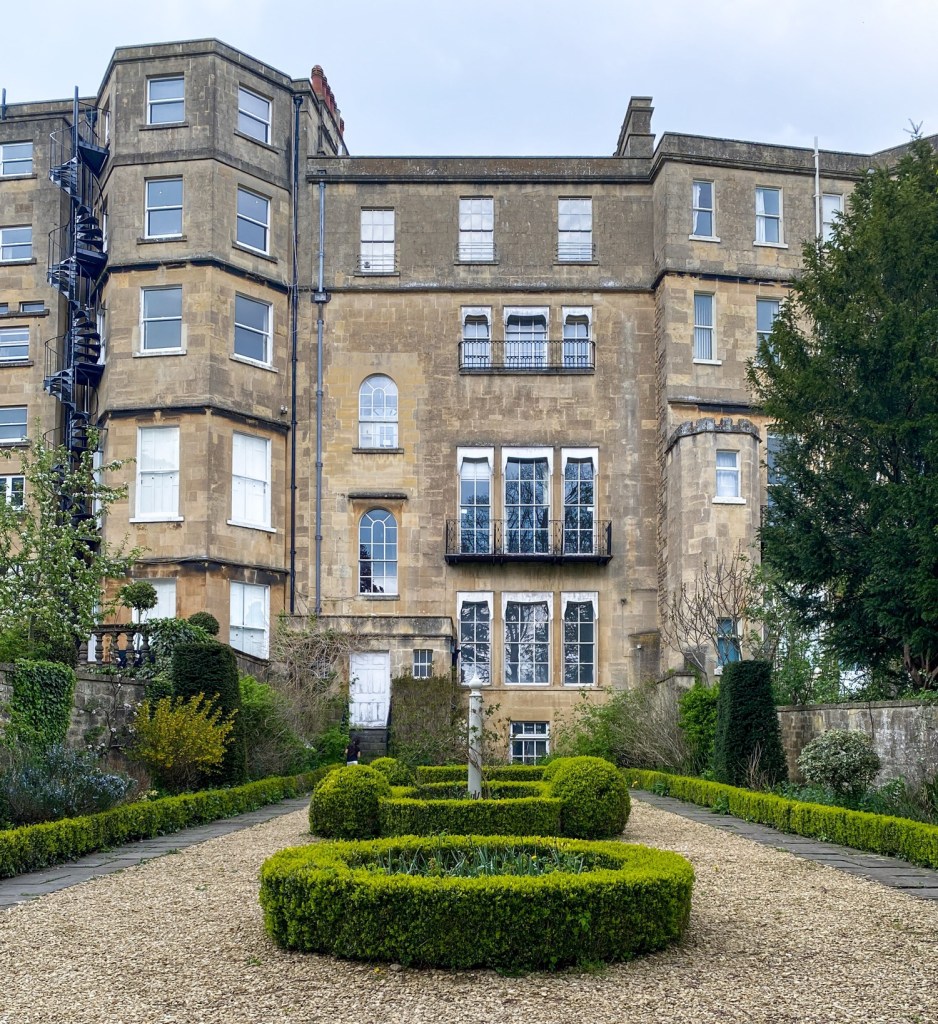
A lovely example of a Georgian Garden in Bath, England
4. The Jane Austen Centre
Located on Gay Street, the Jane Austen Centre explores Austen’s years in Bath through exhibitions, costumed guides, and interactive displays. Upstairs, the Regency Tea Room serves traditional cream teas in period style. This is one of Bath’s most popular attractions for literature lovers!
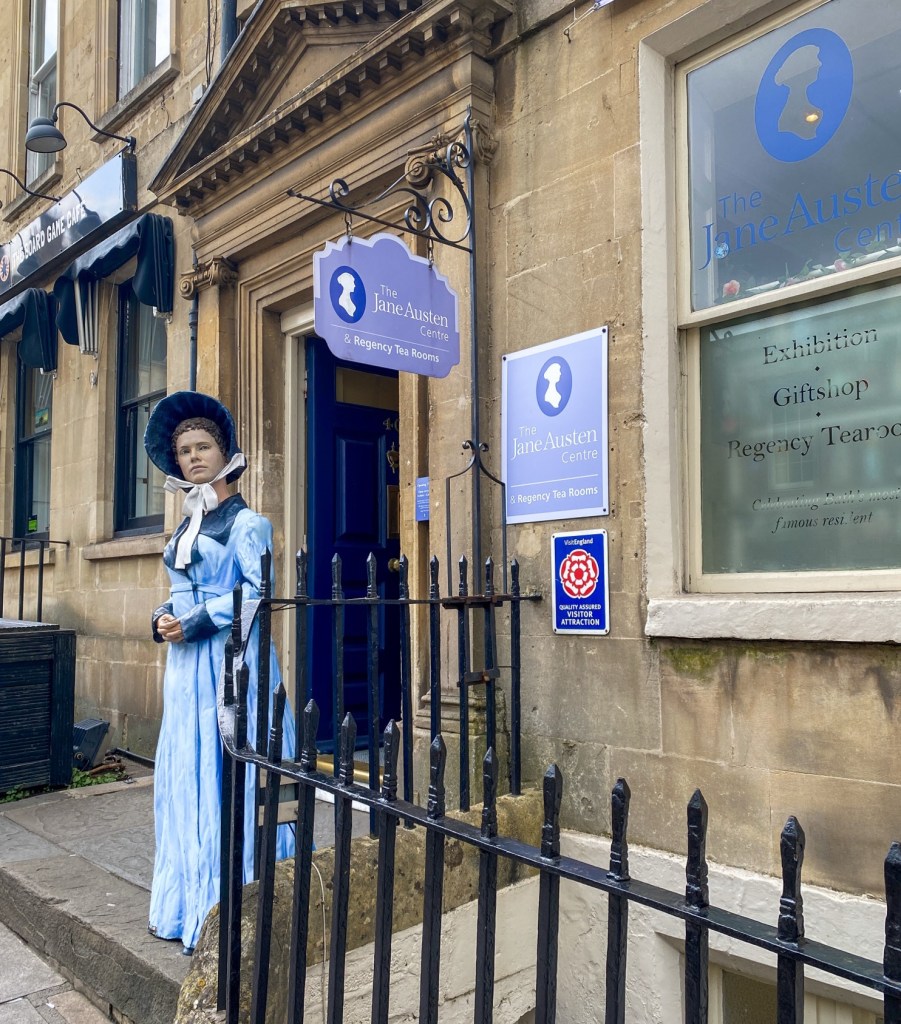
The Jane Austen Centre & Regency Tea Rooms
5. The Circus
The Circus is a perfectly circular terrace designed by John Wood the Elder. Its three curved segments represent classical orders of architecture and are decorated with symbolic carvings.
Famous former residents include painter Thomas Gainsborough, who lived here during the height of his career.
The Circus connects naturally to the Royal Crescent, making it an essential stop on any Bath walking route. For an architecture focused city tour, check this guided tour out here and discover Bath’s most beautiful historic buildings!
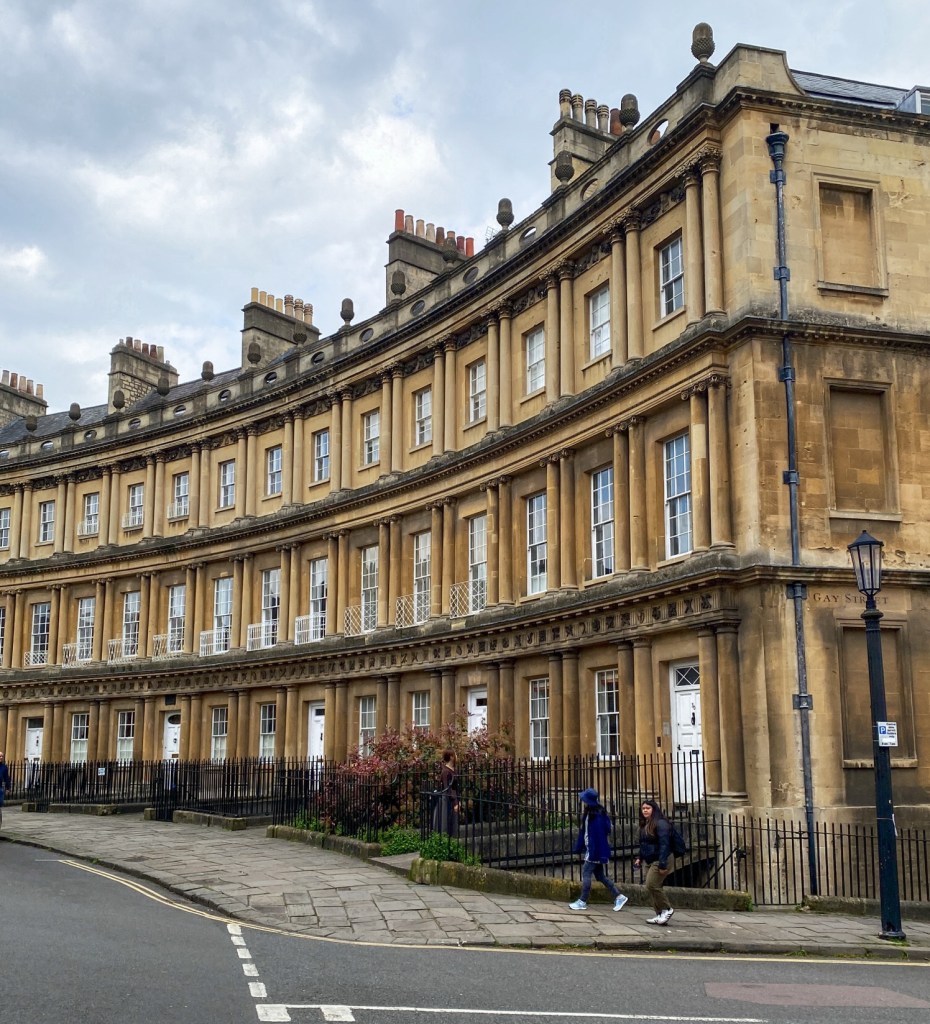
Partial view of The Circus in Bath, England
6. Sally Lunn’s Historic Eating House
Sally Lunn’s is one of the oldest houses in Bath and one of the most famous tea rooms in England. It is known worldwide for the Sally Lunn bun, a light brioche style bread served with sweet or savory toppings.
It is an ideal place to experience traditional Bath food culture.
7. The Pump Room
Once the social heart of Georgian Bath, the Pump Room was where visitors gathered to drink the mineral rich spa water and be seen by society. Today, it operates as a refined tea room offering afternoon tea and live music.
Visitors can still sample the historic spa water from the fountain!
8. Bath Abbey
Bath Abbey dominates the city’s skyline and is one of the most impressive Gothic churches in the country. Its fan vaulted ceiling, stained glass windows, and historic monuments make it a must visit attraction.
The tower tour offers panoramic views over the rooftops of Bath.
Tickets can be purchased online or from the Welcome Desk on arrival at the Abbey.
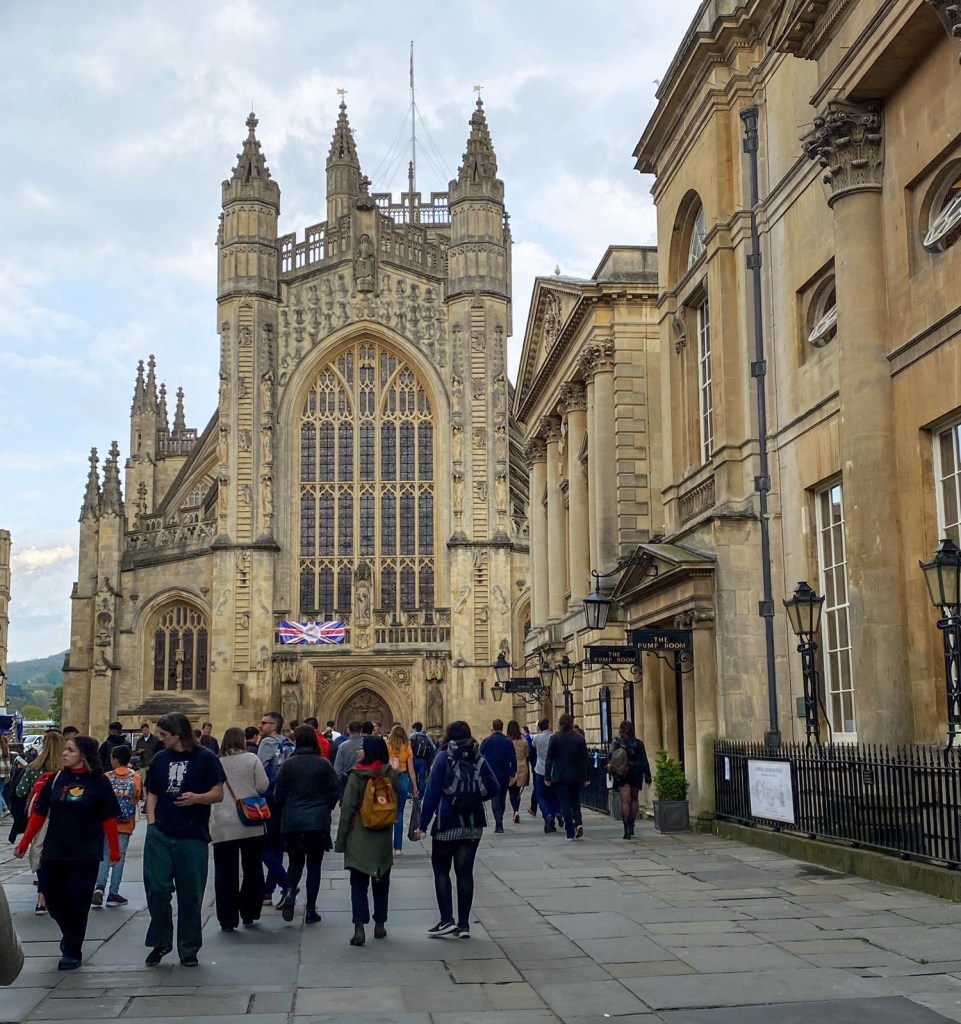
The glorious Bath Abbey
9. The Roman Baths
The Roman Baths are the reason Bath exists. Built around Britain’s only natural hot springs, this ancient bathing complex dates back nearly 2,000 years.
Visitors can explore the Sacred Spring, Great Bath, Roman temple ruins, and museum galleries. The site is especially atmospheric in the evening.
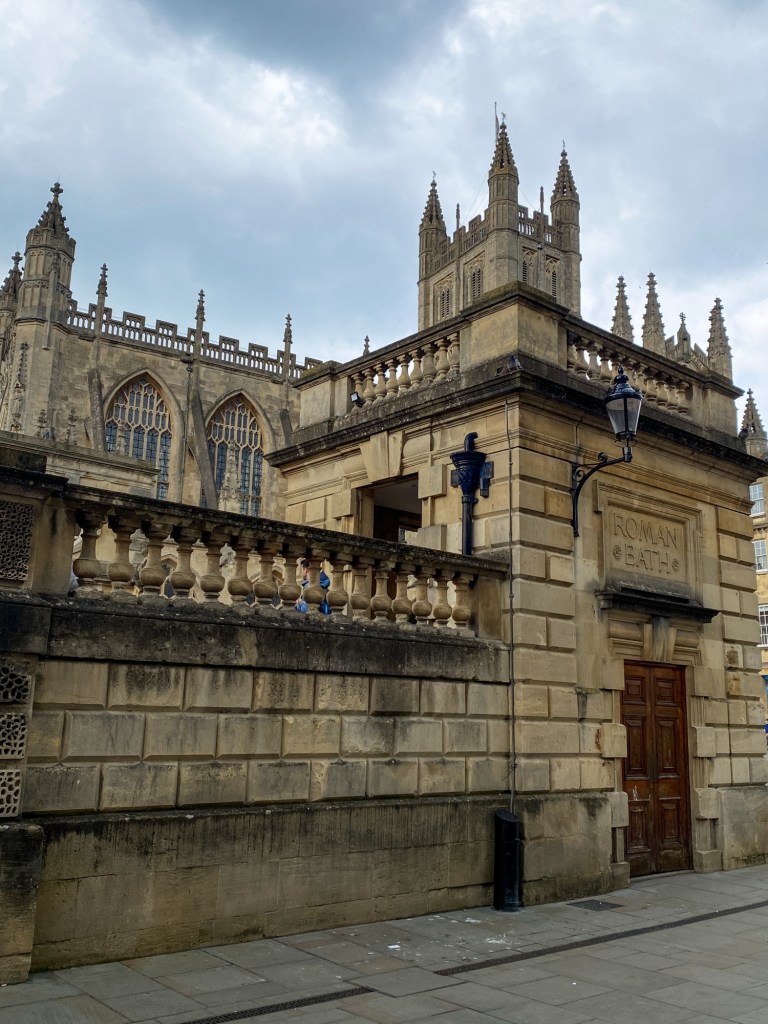
The iconic Roman Bath in the city of Bath, England
10. Bath City Centre
Bath’s city centre is a UNESCO protected area filled with honey coloured stone buildings, independent boutiques, museums, cafés, and historic streets.
Popular areas include Milsom Street, SouthGate, Stall Street, and Walcot Street, known for its artisan shops and vintage stores.
You can book an Afternoon Tea at The Regency Tea Room here

A stroll around Bath city centre
11. Pulteney Bridge
Pulteney Bridge is one of only a few bridges in the world with shops built across its full span. Inspired by the Ponte Vecchio in Florence, it crosses the River Avon and offers beautiful views in both directions.
The nearby riverside walks and boat tours add another dimension to a Bath visit.
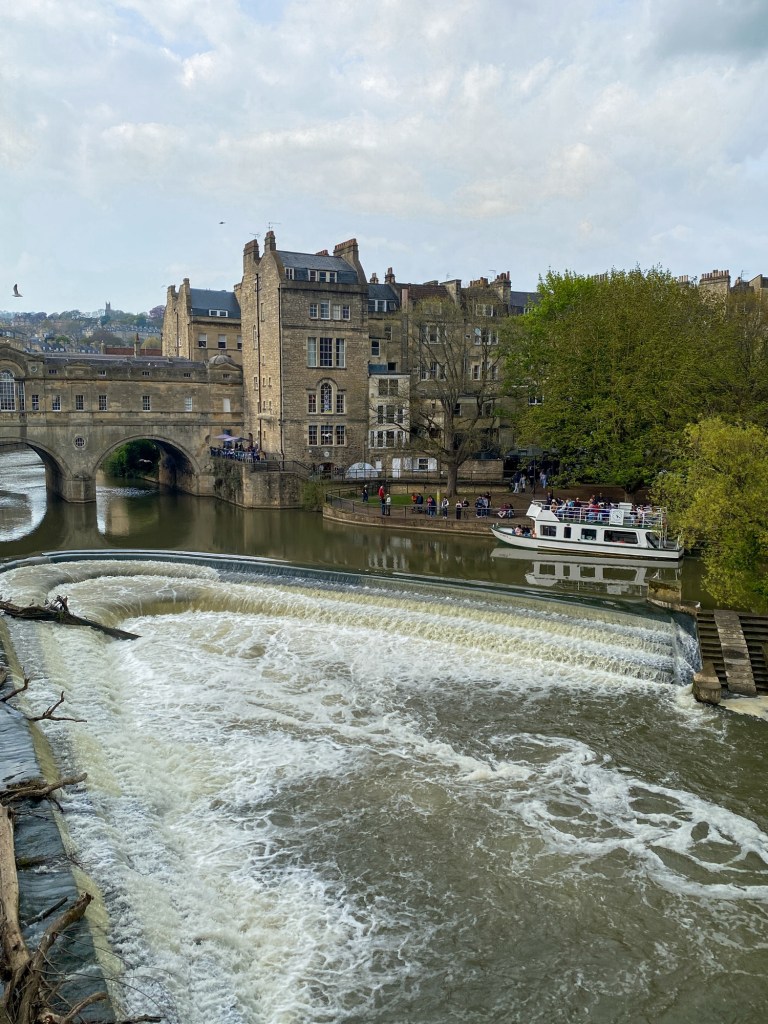
Pulteney Bridge over the River Avon
12. Parade Gardens
Parade Gardens sits along the riverbank and offers landscaped lawns, floral displays, and excellent views back toward the Abbey and Pulteney Bridge.
It is an ideal place to rest after sightseeing or to enjoy a picnic.
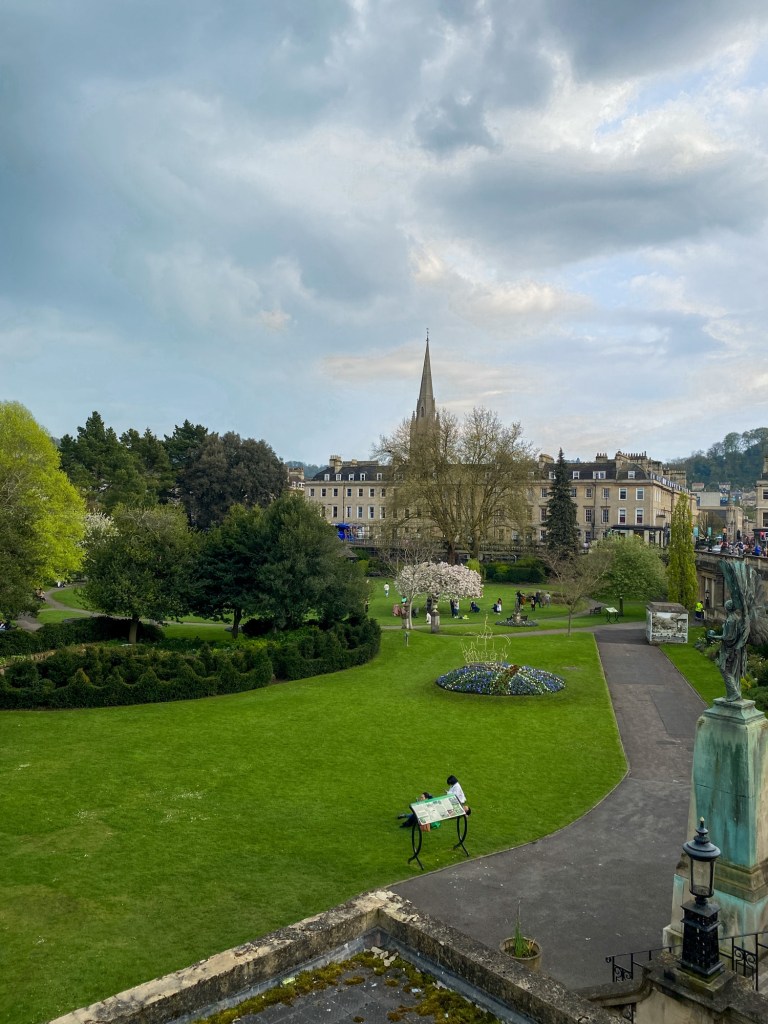
The lovely and relaxing Parade Gardens
13. Sweet Little Things Tea Room
Sweet Little Things on Old Bond Street is a modern favorite for visitors seeking a stylish afternoon tea or brunch. Known for its floral decor, homemade cakes, and bottomless tea experiences, it appeals strongly to social media driven travel audiences.
Best Time to Visit Bath
The best months to visit Bath are April to June and September to October. During these seasons, the weather is mild, gardens are in bloom, and crowds are lighter than in peak summer.
Winter visits are also popular due to Christmas markets, spa experiences, and festive lights.
How to Get to Bath, England
Getting to Bath, England is simple and convenient.
By train
Direct trains run from London Paddington to Bath Spa in about 90 minutes. Bristol, Cardiff, and Birmingham also have excellent connections.
You can also use Welcome Pickups transfers from London or Bristol Airport.
By car
Bath is approximately two hours from London. Park and ride services are strongly recommended.
You can compare car rental options through Expedia or Booking.com. You can also check here for taxi transfers.
By coach or bus
National Express, FlixBus, and Megabus provide regular and affordable services into Bath.
Where to Stay in Bath
Bath offers outstanding accommodation options including:
Luxury spa hotels such as The Gainsborough Bath Spa and The Royal Crescent Hotel
Boutique guesthouses such as The Yard in Bath and Leighton House
Well rated budget stays including Bath YMCA Hostel and YHA Bath
Looking for more Bath accommodation? Explore listings on Booking.com!
Find this guide helpful? You can buy me a drink and support my work here.

 Architect at Heart