Disclaimer: This post contains affiliate links. If you make a booking or purchase through these links, I may earn a small commission at no extra cost to you. This helps support my site and allows me to continue writing detailed travel guides.
The captivating seaside village of Whitby in North Yorkshire, England, is known around the world for its dramatic clifftop abbey, Gothic heritage, connection to Bram Stoker’s Dracula, and maritime history that includes Captain James Cook. But beyond its famous landmarks, one of the best ways to experience Whitby’s charm is by wandering its historic streets.
From steep, cobbled lanes to winding alleys lined with independent shops, Whitby’s streets reveal the soul of this coastal town. In this guide, I share nine of the prettiest streets in Whitby, each offering its own atmosphere, views, and character. You can also see 18 Places to See in Whitby for a full town experience.
Before you start exploring, consider booking your stay in Whitby! There are excellent hotels, guesthouses, and vacation rentals available through Booking.com, Expedia, or Vrbo that put you right in the heart of the village.
Sandgate
Sandgate is one of Whitby’s most atmospheric streets. It is known for its selection of Whitby jet shops where visitors can browse traditional jewelry and handcrafted pieces made from fossilized jet. Toward the end of Sandgate, you will arrive at the Market Place, a trading area since the mid seventeenth century that continues to host local stalls today.
This street is especially lovely in the morning light when the stone buildings glow and fishermen’s cottages cast long shadows across the cobbles.
For walking tours or local craft experiences, check out these options on GetYourGuide and Viator.
Church Street
Originally called Kirkgate, Church Street is one of the oldest thoroughfares in Whitby. Lined with shops, cafés, cozy restaurants, and historic cottages that date back to the fifteenth century, this street feels quintessentially Whitby.
Church Street lies at the base of the famous 199 Steps that lead up to Whitby Abbey and St Mary’s Church. It is a great place to stop for lunch or dinner—Mister Chips is a local favorite for classic fish and chips.
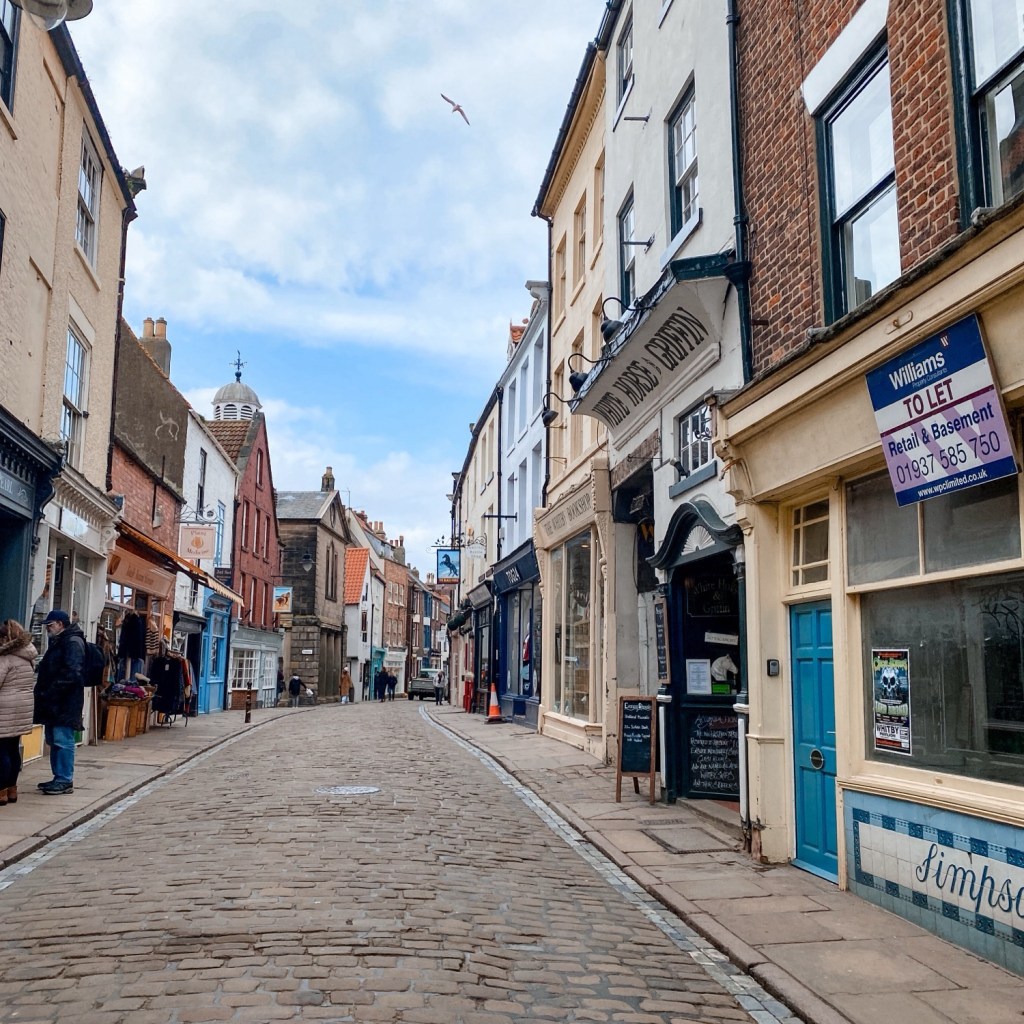
The shops on Church St
Grape Lane
Grape Lane is a charming pedestrianized lane just off Church Street. It is lined with a good variety of independent retailers including a jet shop, coffee shop, gift shops, and the Captain Cook Memorial Museum, which tells the story of the famous explorer’s connection to Whitby.
This street feels especially cozy in the early morning and at dusk, when the shadows from the narrow lane add to its storybook atmosphere.
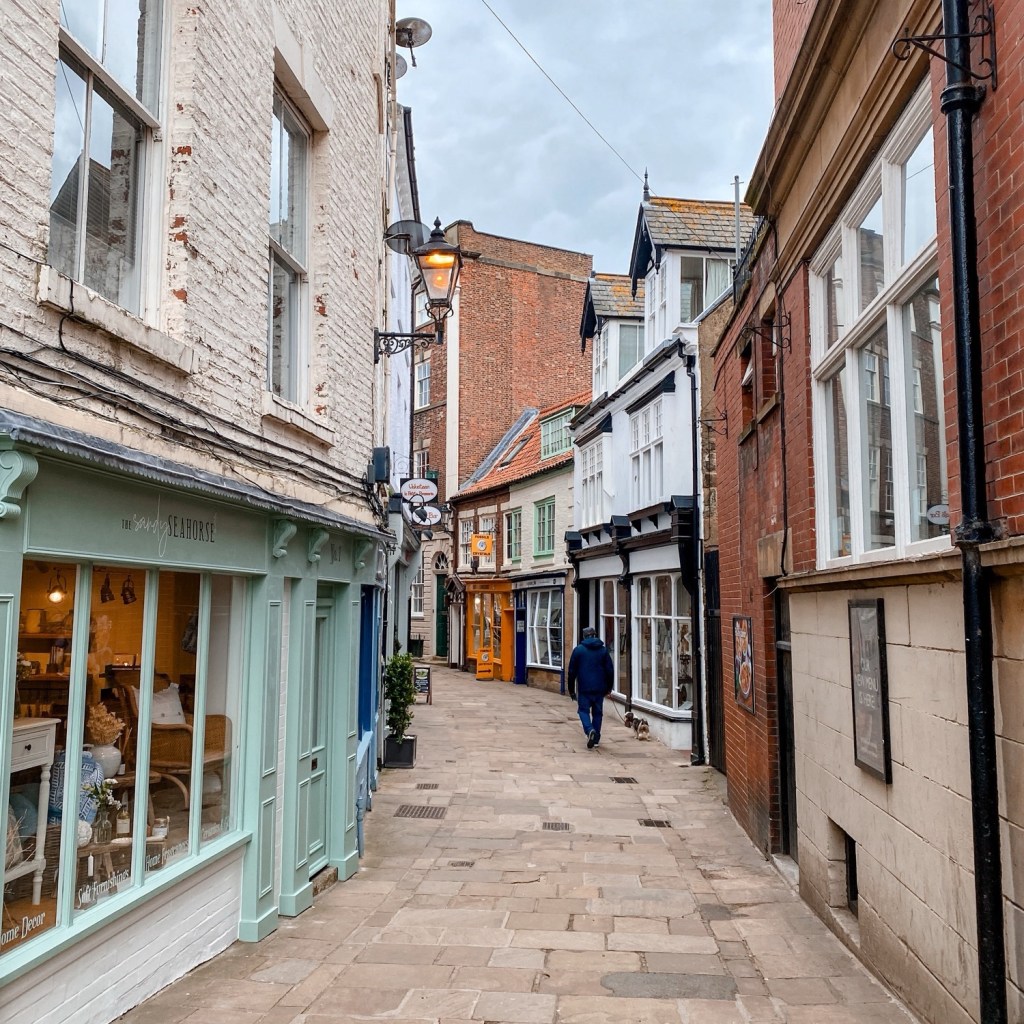
Grape Lane on a quiet evening
Blackburn’s Yard
Tucked behind Church Street, Blackburn’s Yard is one of the most picturesque spots in Whitby. This award winning courtyard has received accolades such as “Perfect Picture Yard” and “Whitby’s Best Kept Garden.” Within the yard is the Wash House Pottery, where you can browse beautiful handcrafted pottery and ceramics—a perfect stop for unique souvenirs.
The yard’s stone cottages, blooming gardens, and narrow walkways make it a favorite for photographers and quiet exploration alike.
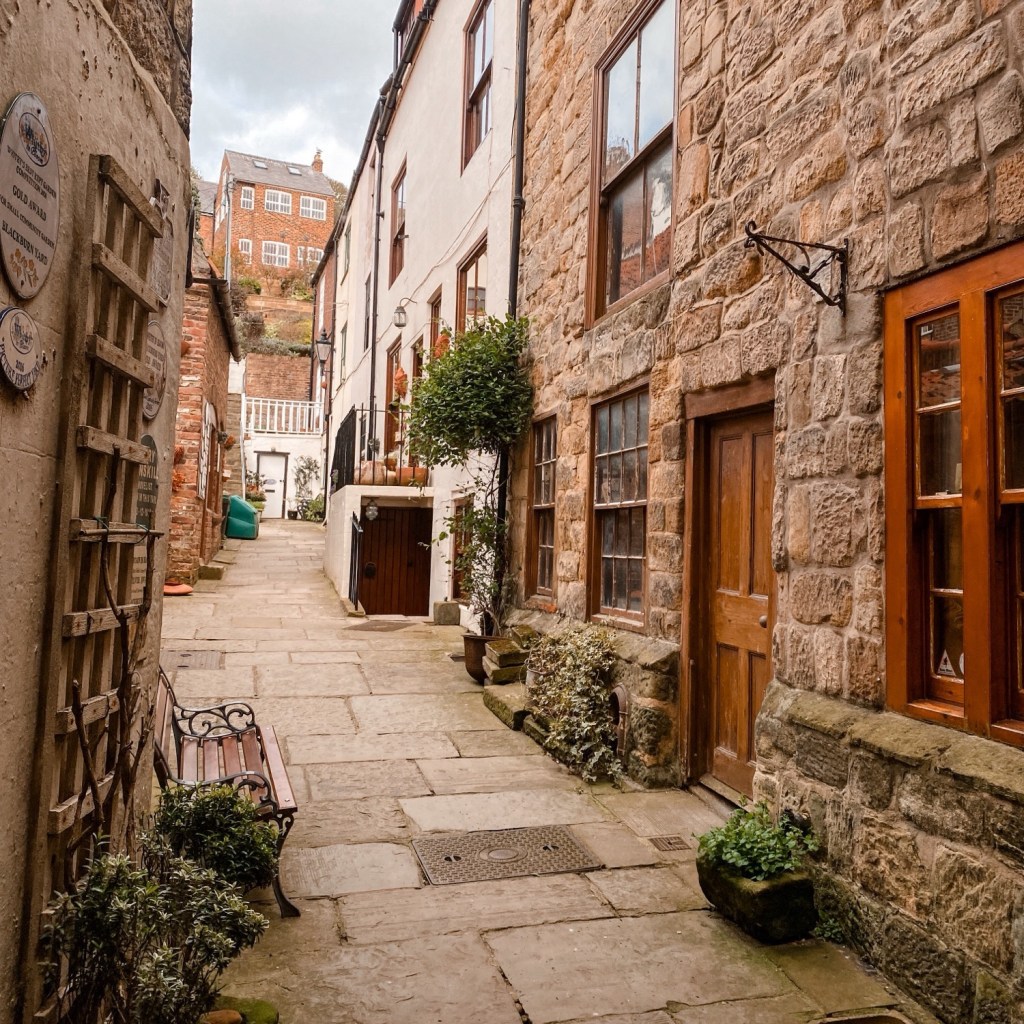
Blackburn’s Yard in early spring
Henrietta Street
Henrietta Street was once known as Haggerlythe in the thirteenth century and was later renamed after Henrietta Cholmley, wife of eighteenth century parliamentarian Nathaniel Cholmley. The street was historically desirable for its easy access to the sea and panoramic views.
Today, Henrietta Street remains one of Whitby’s most scenic spots. From its elevated position, you can enjoy sweeping views of the harbor, the North Sea, and Whitby Abbey perched dramatically on the cliff above.
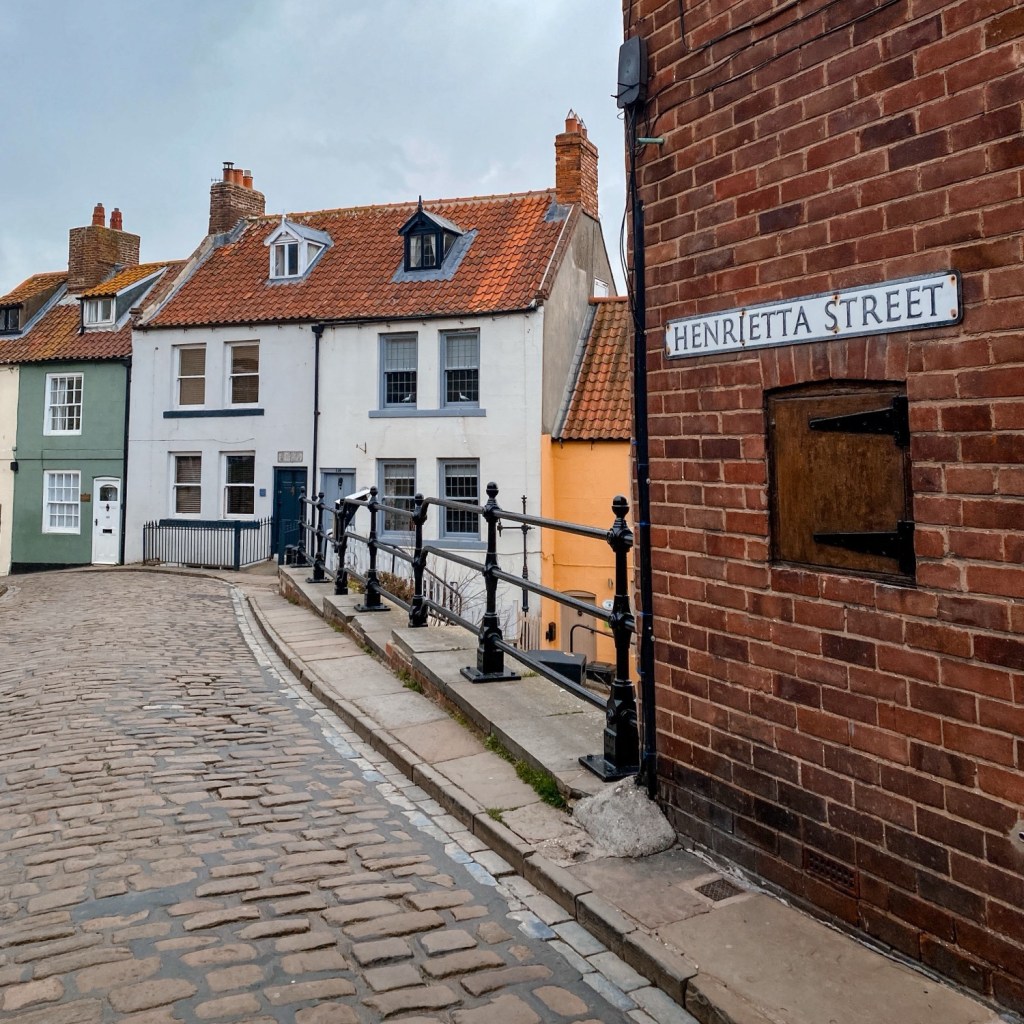
Partial view of Henrietta Street
Tate Hill
Tate Hill is a small but incredibly scenic street that offers one of the prettiest viewpoints in Whitby. From here, you can enjoy beautiful views over the cottage rooftops toward Whitby’s piers and lighthouses, making it a perfect spot for photography. If you are looking for a quiet place to pause and take in the town from above, Tate Hill is well worth adding to your walk.
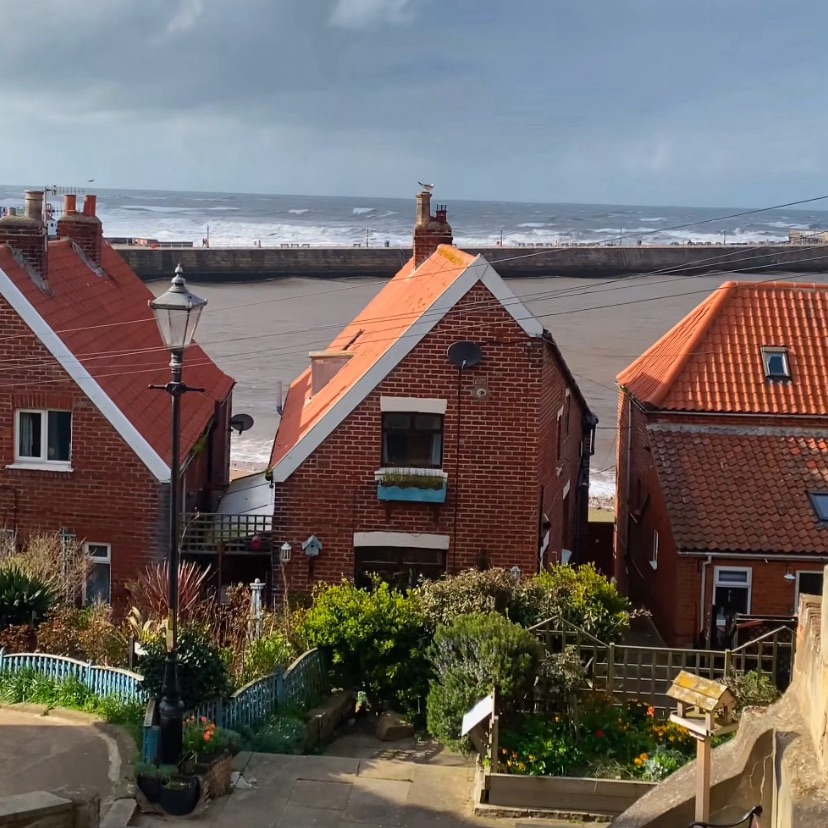
View from Tate Hill
Church Lane and Donkey Road
The steep and cobbled Donkey Road dates back to 1370, although the stonework you see today was laid in 1774. The path runs parallel to the famous 199 Steps and leads up toward the iconic Whitby Abbey.
Donkey Road earned its name from the donkeys that once lived on the abbey plain and made their daily journey down to the beach, where they gave donkey rides to visitors. While the donkeys no longer walk the route themselves, the historic name remains.
As you make your way down Donkey Road, you are treated to a striking view over the rooftops, shops, and the sea beyond. And trust me, the walk down is far easier and just as rewarding as the climb up!
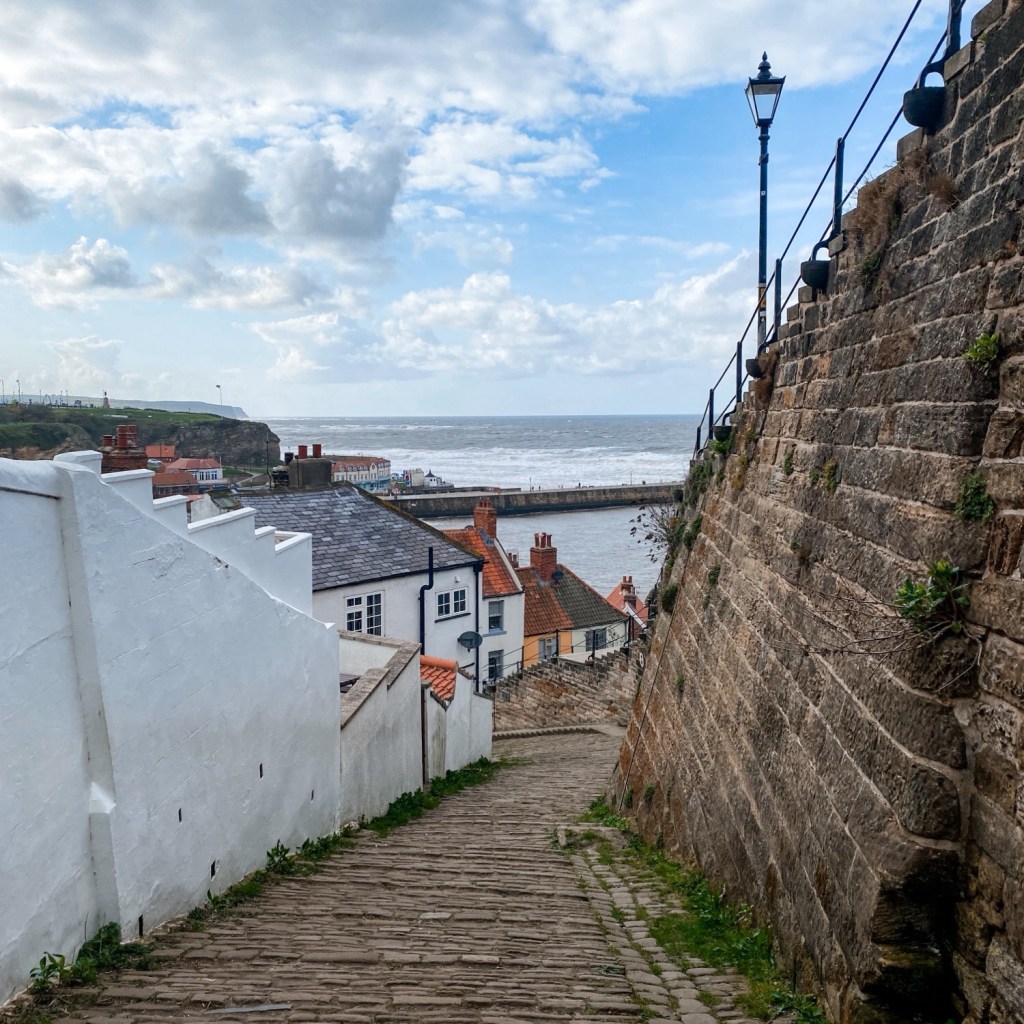
Descending from the steep Donkey Road
Pier Road
Pier Road in West Whitby feels like classic seaside England. This street leads directly to the main beach and is lined with amusement arcades, ice cream stalls, fish and chip shops, and a local fish market. It is one of the liveliest streets in the village and a great place to experience Whitby’s maritime energy.
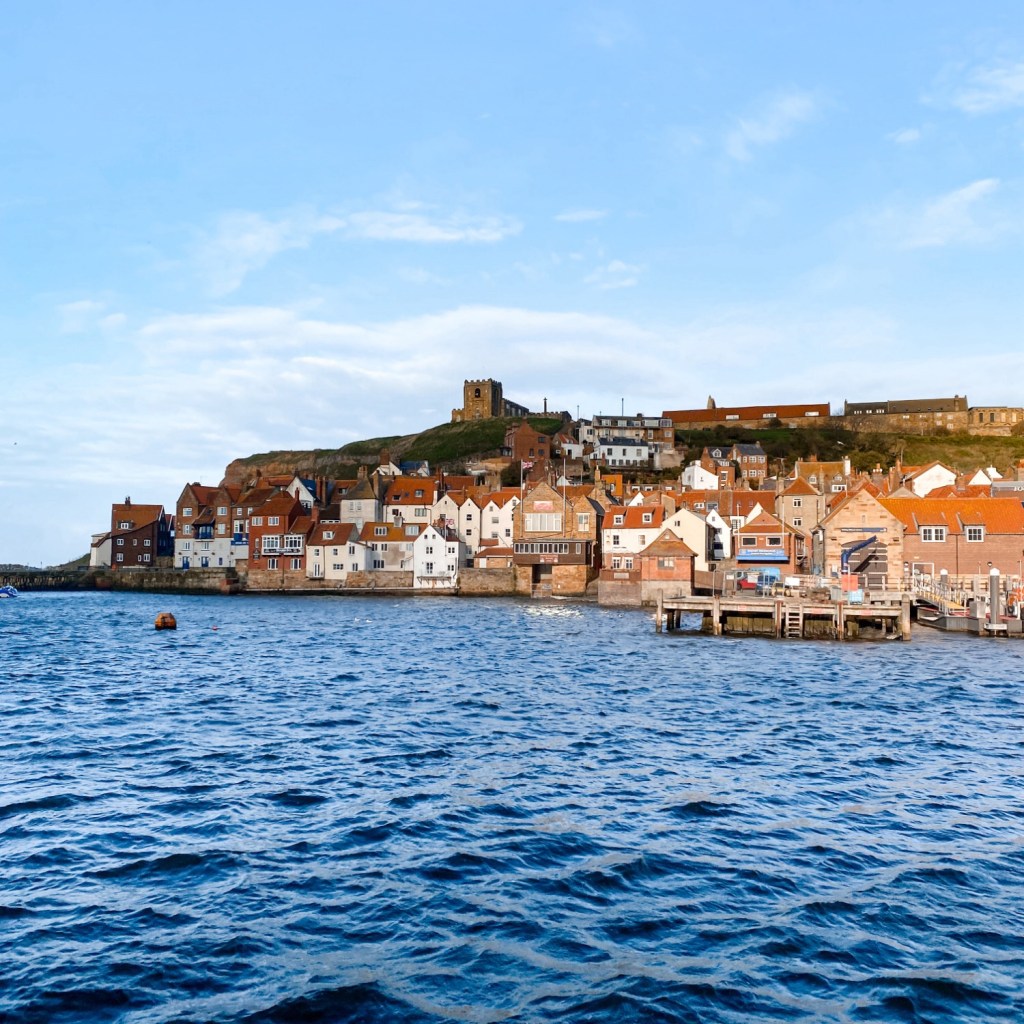
View from Pier Road
Cliff Street
Cliff Street is a lovely street to wander, offering wonderful views over the coastline and the village below. It is lined with charming houses and holiday cottages, making it a peaceful yet central place to stay.
From Cliff Street, you are only minutes from Whitby town centre, the beach, the pier, and many of the village’s main attractions, which makes it a great base if you plan to spend the night in Whitby. You can check for accommodations here and around the area through Booking.com, Expedia, or Vrbo.
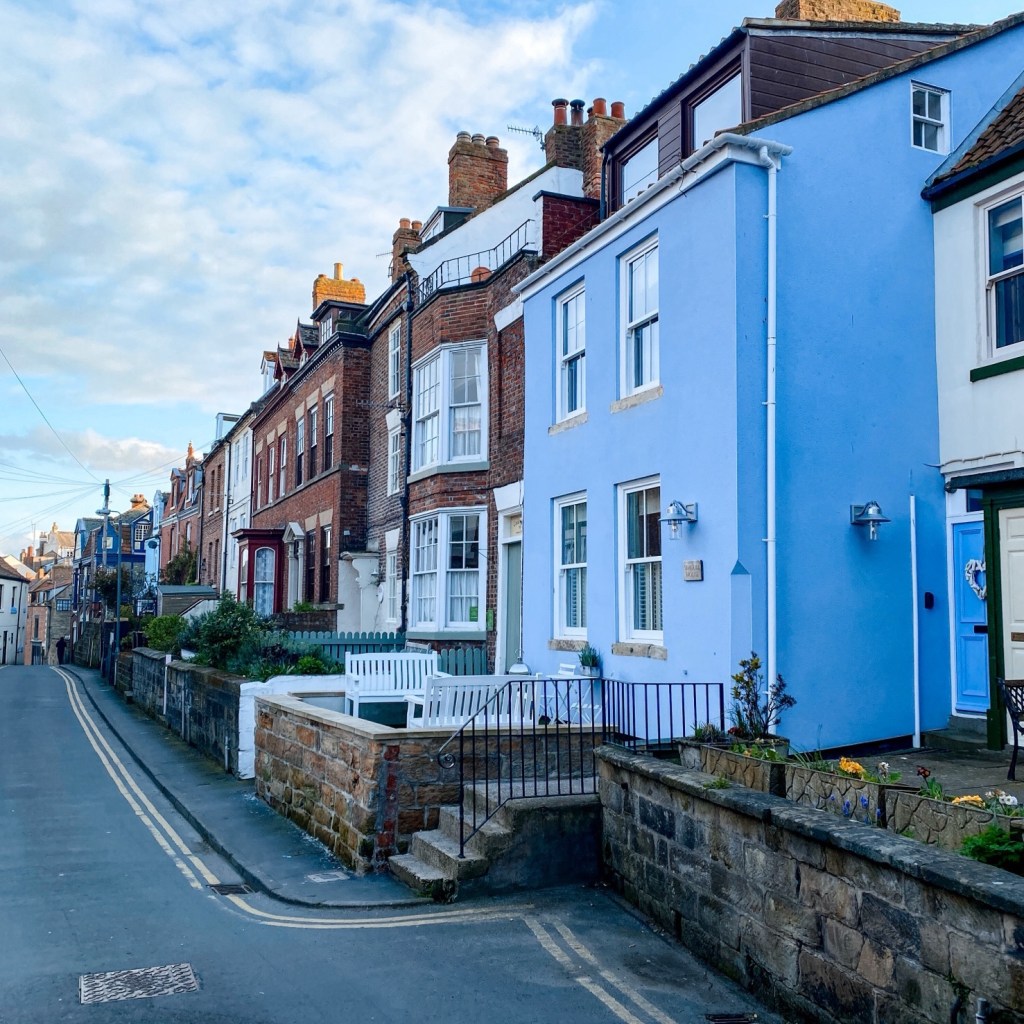
The houses on Cliff St
Getting to Whitby
Whitby is located on the North Yorkshire coast and is accessible by both car and public transport.
• By car: Whitby is around 1.5 hours from York and makes a great stop on a North Yorkshire road trip. You can rent a car through Expedia or Booking.com.
• By train: The Esk Valley Railway connects Whitby to Middlesbrough and passes through stunning countryside.
• By guided tour: If you are based in York or Leeds, many visitors choose to visit Whitby on a day tour of the North York Moors and coast.
How Long to Spend in Whitby
To truly enjoy Whitby, plan to spend at least one full day, although two days is ideal. This allows enough time to explore Whitby’s prettiest streets, climb to Whitby Abbey, walk the harbor, visit museums, enjoy local seafood, and explore the coastline without rushing.
Final Thoughts
I would love to know what you think of these street recommendations. Is there one you are most excited to explore? Let me know in the comments, and do not forget to add these nine prettiest streets in Whitby to your Whitby itinerary!
If you want to discover even more about the town’s history, legends, and hidden corners, you can book a self-guided Whitby walking tour here and explore at your own pace.
Find this post helpful? You can buy me a warm drink and support my work here!

 Architect at Heart