8 Amazing Places to See in Oxford, England

Disclaimer: This post contains affiliate links

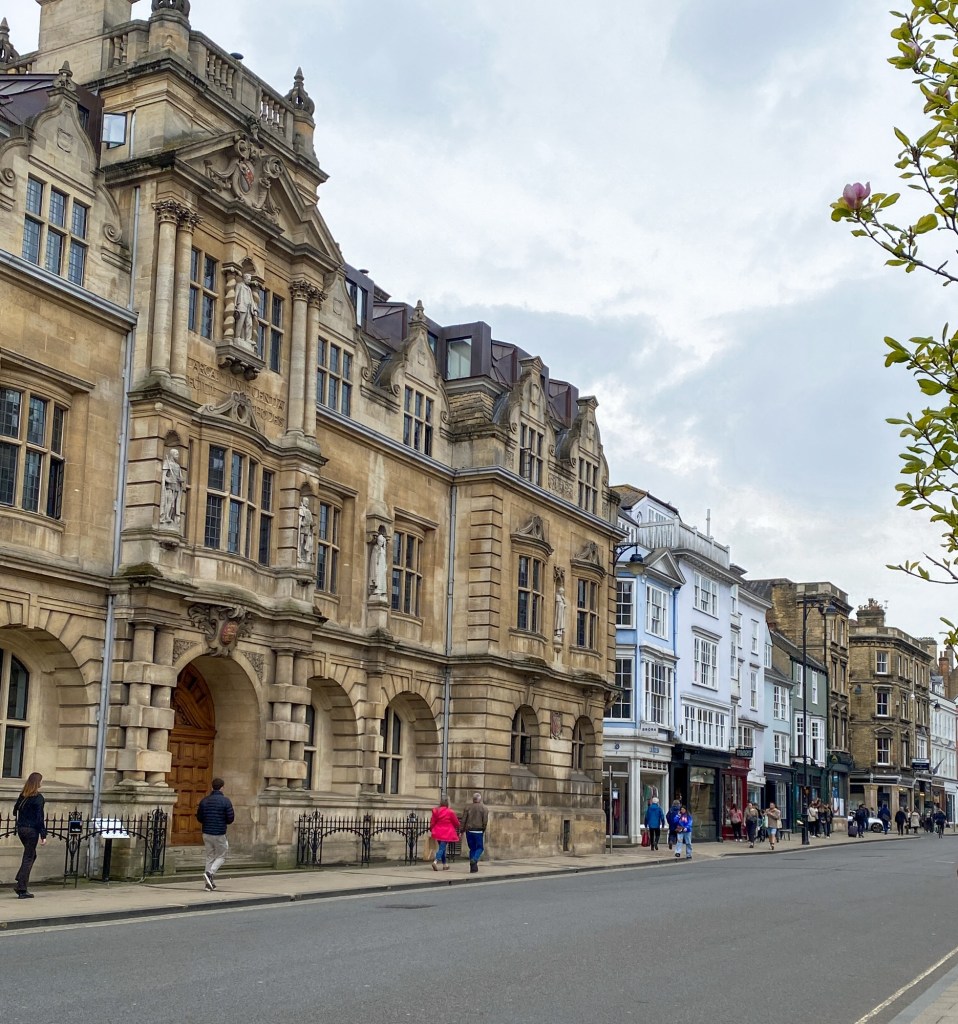
Visiting Oxford, England feels like stepping into a living tapestry of history and knowledge. With its breathtaking architecture, majestic college buildings, ancient libraries, and ivy-clad stone walls at every turn, the city exudes a peaceful yet lively atmosphere shaped by centuries of academic tradition and vibrant student life. Whether you’re stopping by for a short visit or staying a few days, Oxford offers a unique blend of culture, beauty, and intellectual charm that leaves a lasting impression on everyone who walks its storied streets. In this post, I share with you 8 amazing places you should see when in Oxford, England (along with how to get there, and where to stay!):

8 Amazing Places to See in Oxford, England

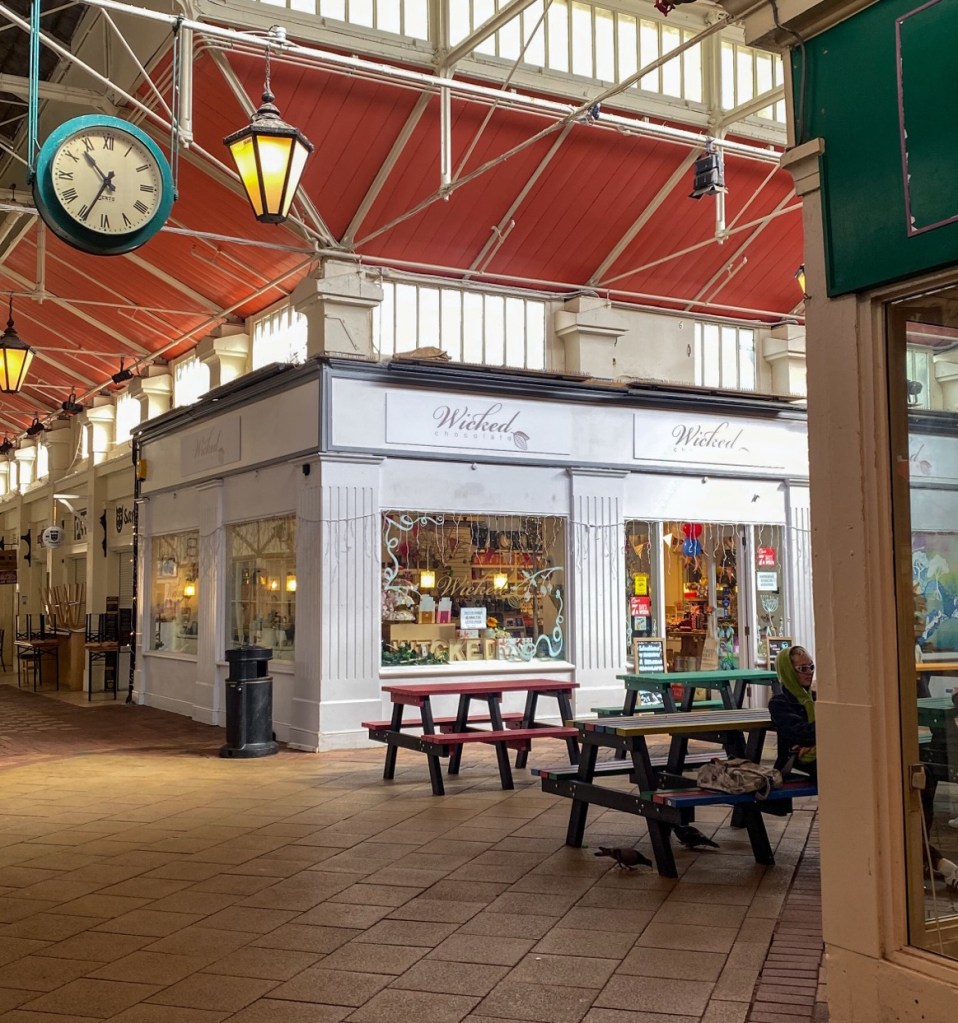
The Covered Market

The Covered Market in Oxford is a hidden gem tucked away in the heart of the city. Dating back to the 18th century, it’s a lively and colorful place filled with independent shops, local food stalls, florists, and quirky boutiques. The atmosphere is warm and inviting, with the scent of fresh pastries and coffee drifting through the air. Whether you’re grabbing a bite to eat, picking up unique souvenirs, or simply exploring, the Covered Market offers a charming glimpse into Oxford’s local life and community spirit.

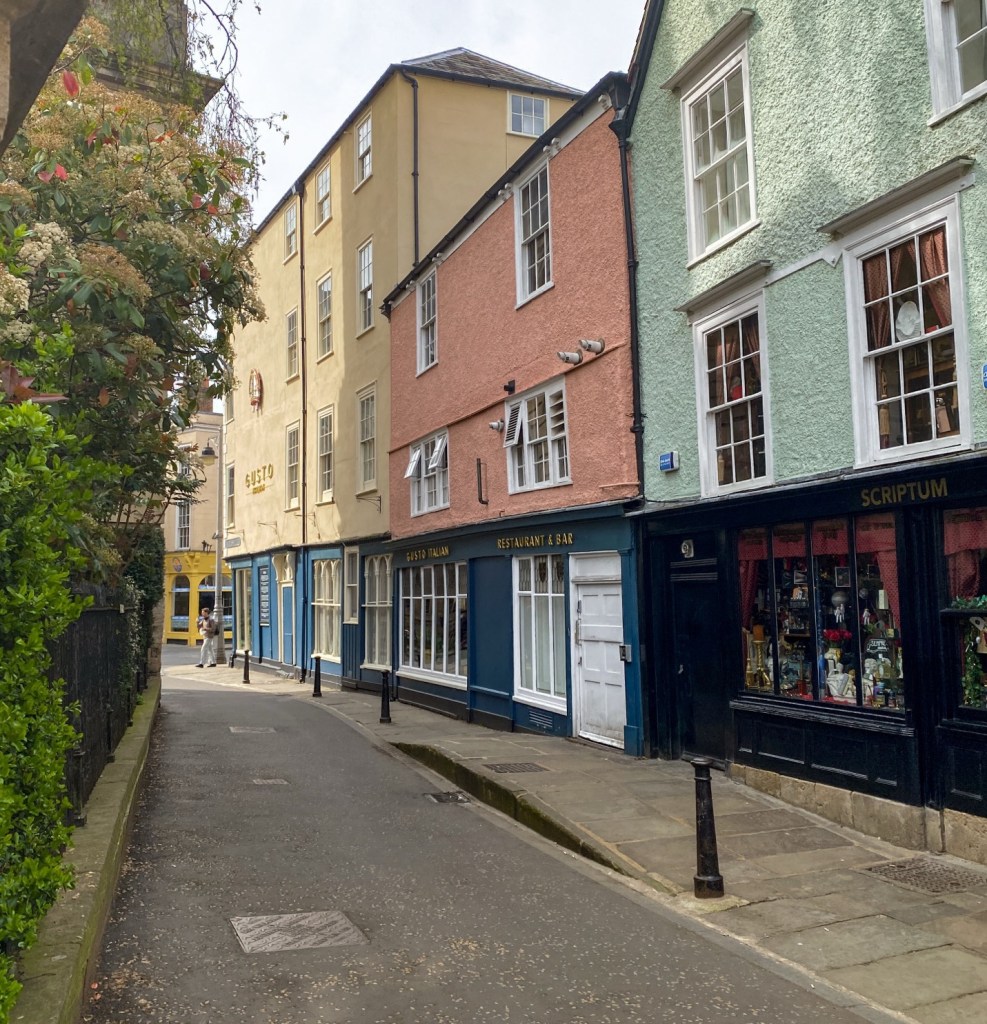
Turl St

Turl Street is one of Oxford’s most picturesque and historic lanes, nestled right in the city center. Lined with beautiful old college buildings like Exeter, Lincoln, and Jesus College, it offers a quiet charm that feels distinctly Oxford. The cobbled street is a peaceful escape from the busier parts of the city, yet it’s just steps away from iconic landmarks. With its blend of academic history and cozy cafés, Turl Street captures the timeless elegance and character of Oxford perfectly.

St. Mary’s Passage

I love this narrow, enchanting walkway in the heart of Oxford! Tucked between the University Church of St Mary the Virgin and the Radcliffe Camera, it’s a lovely spot often overlooked by tourists. What’s more, the Passage is famously linked to The Chronicles of Narnia by C.S. Lewis, who was a fellow at Magdalen College just a short walk away. Legend has it that elements of this quiet, tucked-away passage helped inspire parts of The Lion, the Witch and the Wardrobe. At the entrance of the passage, there’s an old wooden door with a carved lion’s head—said to have sparked the idea for Aslan. Nearby, two stone fauns stand on either side of the doorway, reminiscent of Mr. Tumnus, and a traditional Victorian lamp post sits just a few steps away, echoing the one Lucy sees when she first enters Narnia. Whether coincidence or subconscious inspiration, it’s a magical connection that draws Narnia fans from around the world!
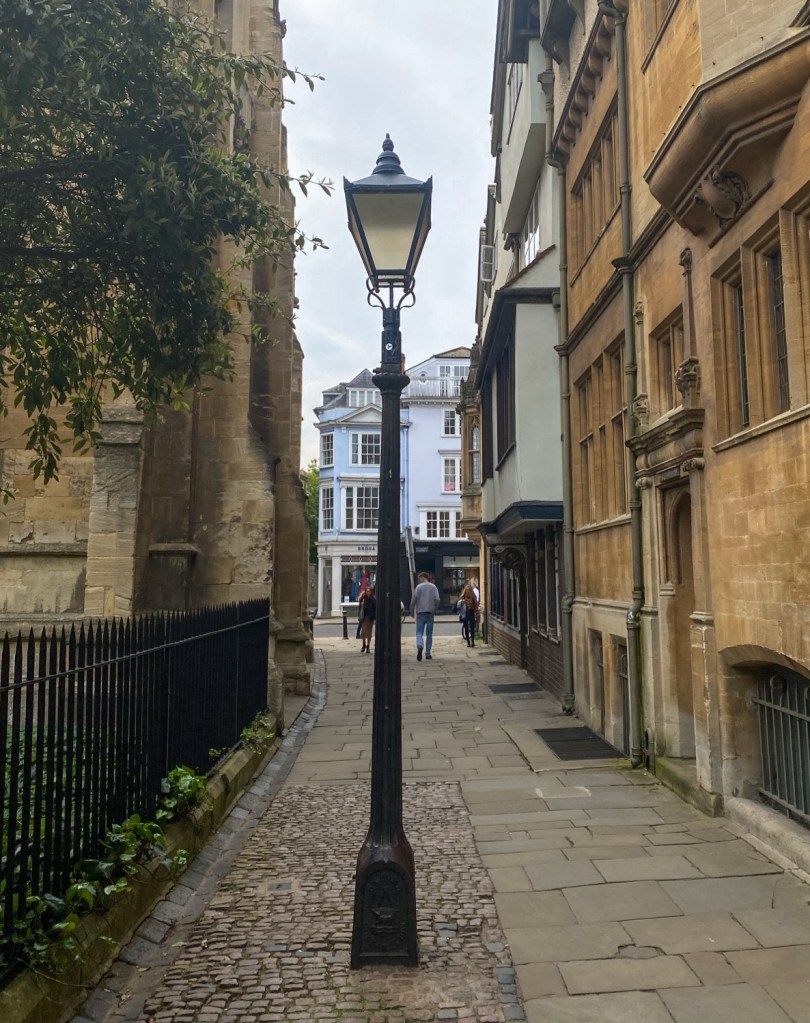
Victorian lamp post which is said to have inspired C.S. Lewis in his book The Lion, the Witch and the Wardrobe

To book a self-guided audio tour about Oxford’s literary legends and landmarks, click HERE

Radcliffe Square

Radcliffe Square is one of the most iconic, loved spots in Oxford. Surrounded by some of the city’s most historic buildings—like the Radcliffe Camera, All Souls College, and the University Church of St Mary the Virgin—it feels like the very heart of the university.

The Radcliffe Camera, locate at the center of Radcliffe Square

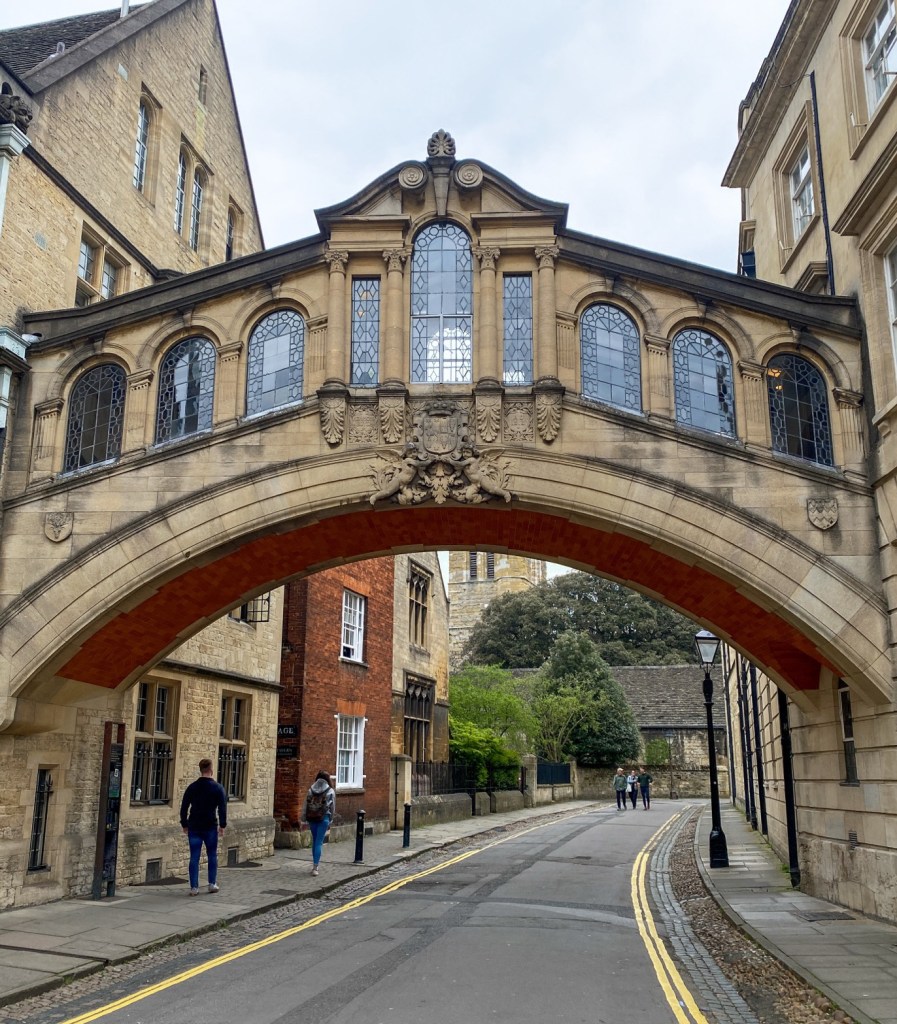
The Bridge of Sighs

The Bridge of Sighs in Oxford, officially known as Hertford Bridge, is one of the city’s most photographed landmarks. Arching gracefully over New College Lane, it connects two parts of Hertford College and resembles the famous bridge in Venice, which inspired its nickname. Built in 1914, it adds a touch of romantic charm to the historic streets of Oxford, and is a perfect spot for photography lovers!

New College

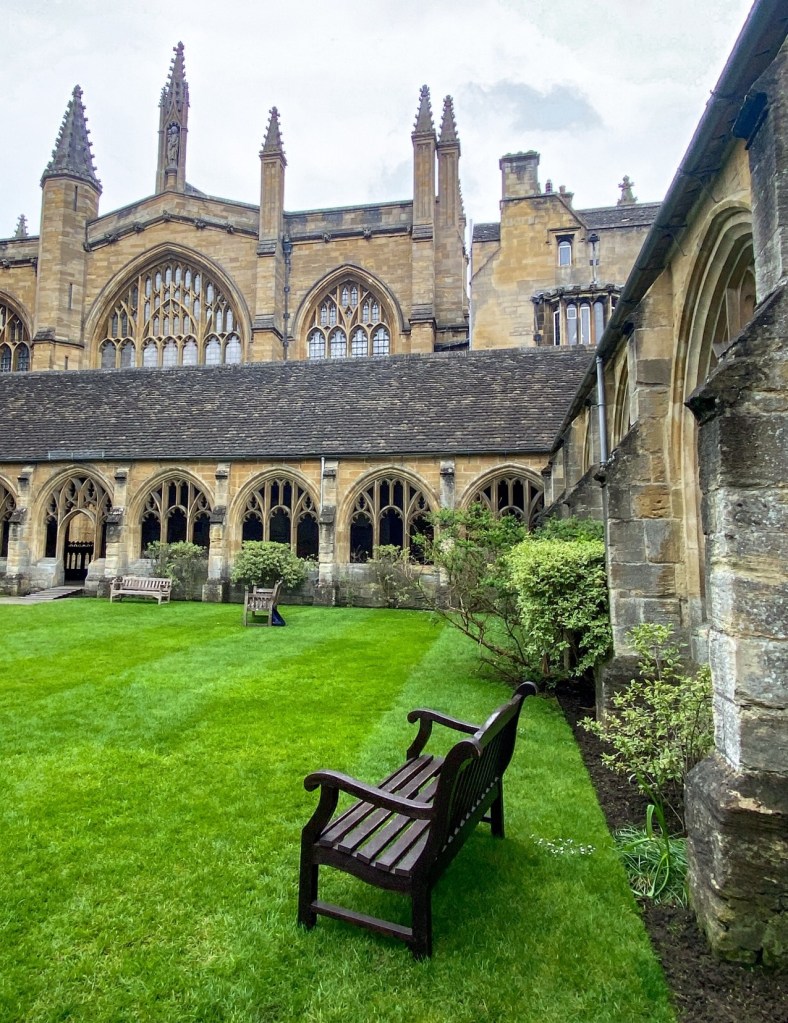
New College, one of the oldest and most beautiful colleges in Oxford, was founded in 1379 and is steeped in history and tradition. The college harbors beautiful high stone walls, stunning architecture all around, timeless cloisters, a magnificent chapel, and one of Oxford’s oldest gardens. The college’s medieval dining hall and impressive city wall, which still stands along the garden, make it a favorite spot for visitors and was one of my favorite parts to admire! New College also gained fame as a filming location for Harry Potter, adding a touch of magic to its already enchanting atmosphere.

To book a private tour of the college, click HERE

Christ Church College

Christ Church College is another one of Oxford’s most renowned and picturesque colleges, known for its grandeur and historical significance. Founded in 1546, it boasts stunning architecture, including the iconic Christ Church Cathedral and the majestic Tom Tower. The college is also famous for its beautiful dining hall, which inspired the Great Hall in the Harry Potter films, as well as its lush lawns and tranquil surroundings.

To book an Oxford University & City Tour With Christ Church, click HERE

St. Edmund Hall

Founded in the 13th century and often referred to simply as “The Hall,” this college is known for its intimate and welcoming atmosphere. Nestled in a quiet corner of the city, the college is rich in history, with its stunning medieval architecture, including the beautiful old dining hall and the impressive chapel. Despite its smaller size, it exudes a unique charm and character, with a connection to Oxford’s long academic heritage. I highly recommend stepping in and taking a look of the cozy garden and architecture!

How to Get to Oxford, England

Getting to Oxford, England is straightforward, whether you’re traveling by car, train, or bus.

By Train: Oxford is well-connected by train, with frequent services running from London, Birmingham, and other major cities. The Oxford train station is just a short walk from the city center. From London, direct trains depart regularly from Paddington Station and take around an hour. If you’re coming from London Heathrow, you can take a direct bus or train for a quick and convenient journey.

By Car: If you’re driving, Oxford is about a 1.5-hour drive from London via the M40 motorway. There are several car parks around the city center, though be mindful of the congestion zone in some areas. Parking can be limited, so it’s recommended to check for available spaces in advance.

By Bus: Oxford is also accessible by long-distance buses from cities like London, Birmingham, and Manchester. The main bus station is located just outside the city center, with good connections to local transport links. Services like National Express and Megabus offer affordable options.

Once you arrive in Oxford, the city center is easy to navigate by foot, and buses or bikes are available for exploring further afield.

Where to Stay in Oxford, England

Oxford offers a variety of accommodation options for all budgets and preferences. For a luxurious stay, the Old Bank Hotel and the Randolph Hotel provide elegant, centrally located rooms with stunning views of the city’s historic architecture.

If you’re looking for a more budget-friendly option, there are numerous guesthouses and charming bed-and-breakfasts around the city, such as The Buttery or The Tower House.

For those who prefer a more unique experience, college rooms can often be rented during the summer months, offering a chance to stay within the heart of the university’s iconic colleges. Additionally, there are modern hotels and cozy boutique options scattered throughout Oxford’s picturesque streets.

For more accommodation options, you can check out booking.com

Are you ready to explore the magic of Oxford? Tell me in the comments which experiences you’re most looking forward to on your visit to this incredible city!

4 Wonderful Things to Do in the Village of Lacock, England (2024)

Disclaimer: This post contains affiliate links

The village of Lacock is a wonderful gem nestled in the English countryside. With its rich history, quaint architecture, charming streets, and local delights, Lacock knows how to captivate the heart of any traveler.

4 Wonderful Things to Do in the Village of Lacock, England

For Lacock tours and tickets, visit here!

From ancient abbey ruins, well-preserved medieval cottages, and being featured in several movies and tv shows, every corner of this charming village tells a story of heritage and tradition. Join me as I show you four wonderful things you can do as you explore the quaint village of Lacock!

Pay a Visit to Lacock Abbey

One of the must-see historic landmarks in Lacock Village is Lacock Abbey, a former monastery turned into a country house dating back to the 13th century. The abbey was once home to William Henry Fox Talbot, inventor of the photographic negative, and, for this matter, is today located next to the Henry Fox Talbot museum.

Spot the Greenhouse

In the 1800s, Henry Fox Talbot (who is credited as the British inventor of photography) built the greenhouses in the botanic garden of the abbey. The greenhouse is filled with many colorful plants and flowers, creating a beautiful atmosphere for all those who visit. Come here and let your soul recharge in this little space!

See the Cloisters and the Harry Potter Filming Locations

Yes, you read that right! Lacock Abbey has been used in the filming of two Harry Potter movies, Harry Potter and the Philosopher’s Stone and Harry Potter and the Chamber of Secrets (and, more recently, the cloisters and some of the rooms were featured in Fantastic Beasts: The Crimes of Grindelwald.) See how many spots you can recognize!

The Cloisters

The Abbey’s cloisters were used as Hogwarts corridors in the first and second Harry Potter movies. Some scenes showcasing the cloisters include when Professor McGonagall takes Harry over to meet Oliver Wood because she is impressed with his broom techniques and wants him to join the Quidditch team, when Harry is meandering the hallways in his invisibility cloak and narrowly escapes being “seen” by Snape, and when Harry and Ron figure out the mystery of the Basilisk just before realizing Ginny was taken.

The Chapter House

The Chapter House was used twice in the Harry Potter movies. Here, Harry discovers the Mirror of Erased and is able to see his parents in Harry Potter and the Philosopher’s Stone, and later, students are seen in this room speculating about whether or not Harry is the heir of Slytherin in Harry Potter and the Chamber of Secrets.

The Warming Room

The Warming Room is used as Professor Quirrel’s classroom for his Defence Against the Dark Arts Class in Harry Potter and the Philosopher’s Stone. The coolest feature in this room is the big cauldron, which has been a part of the Abbey for hundreds of years now!

The Sacristy

The Sacristy was used as Professor Snape’s potions classroom in Harry Potter and the Philosopher’s Stone. For the movie, producers decided to cover the windows up to a certain point to make the room look darker, as if it was underground.

Explore the Interior of the Abbey

It was back in 1232 that Ela, Countess of Salisbury and one of the most powerful women in the Middle Ages, founded Lacock Abbey. The Abbey has seen many transformations since then: from having a cloister and rooms showcasing medieval monastic architecture, to going through Tudor, Gothic, and Victorian alterations. In fact, it was in one of these rooms that the first photographic negative in existence was captured!

Take a Stroll around the Abbey Gardens

The beautiful Lacock Abbey has had its gardens for nearly 900 years now. The garden combines meandering paths through woodland and parkland and features a historic Rose Garden, an orchard, and the William Henry Fox Talbot’s Botanic Garden. After exploring the Abbey’s interior, a walk around the lovely Lacock Abbey gardens will surely fill your heart.

Wander Around the Village

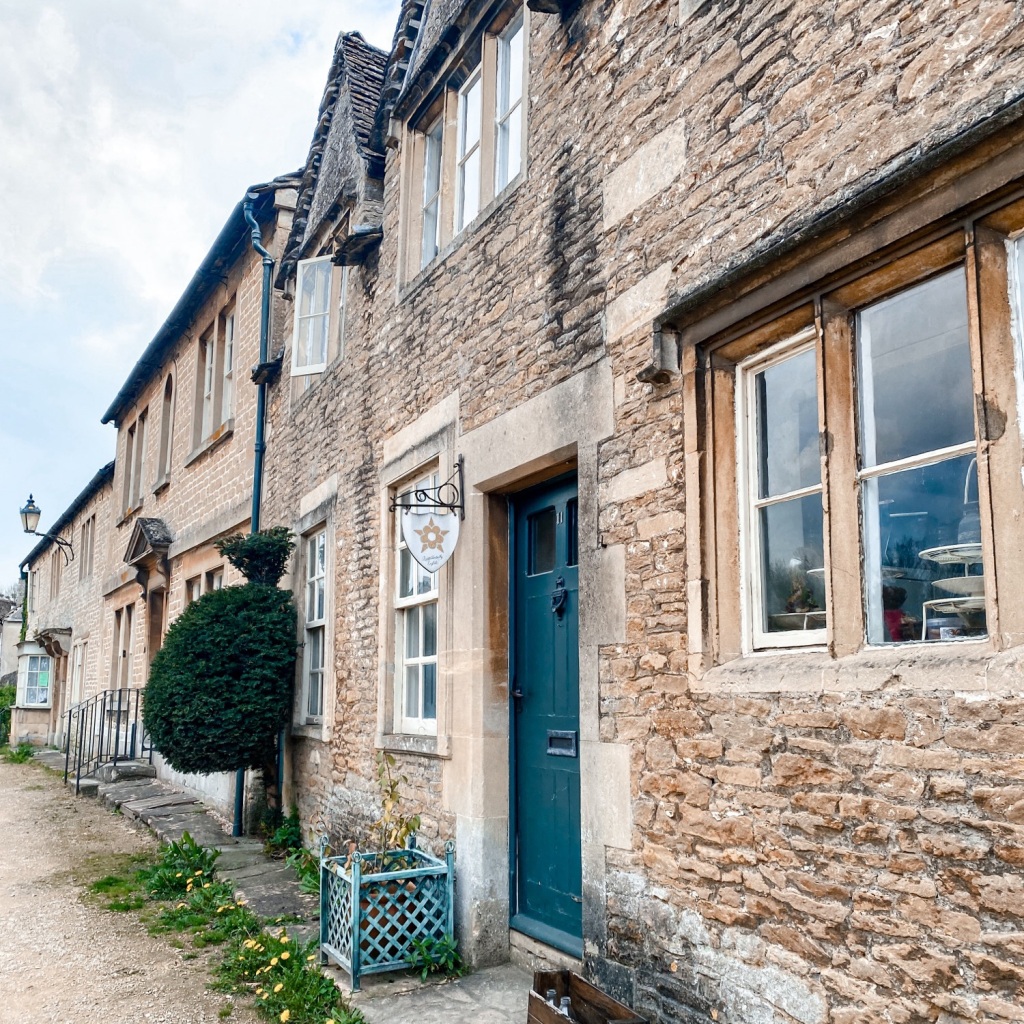
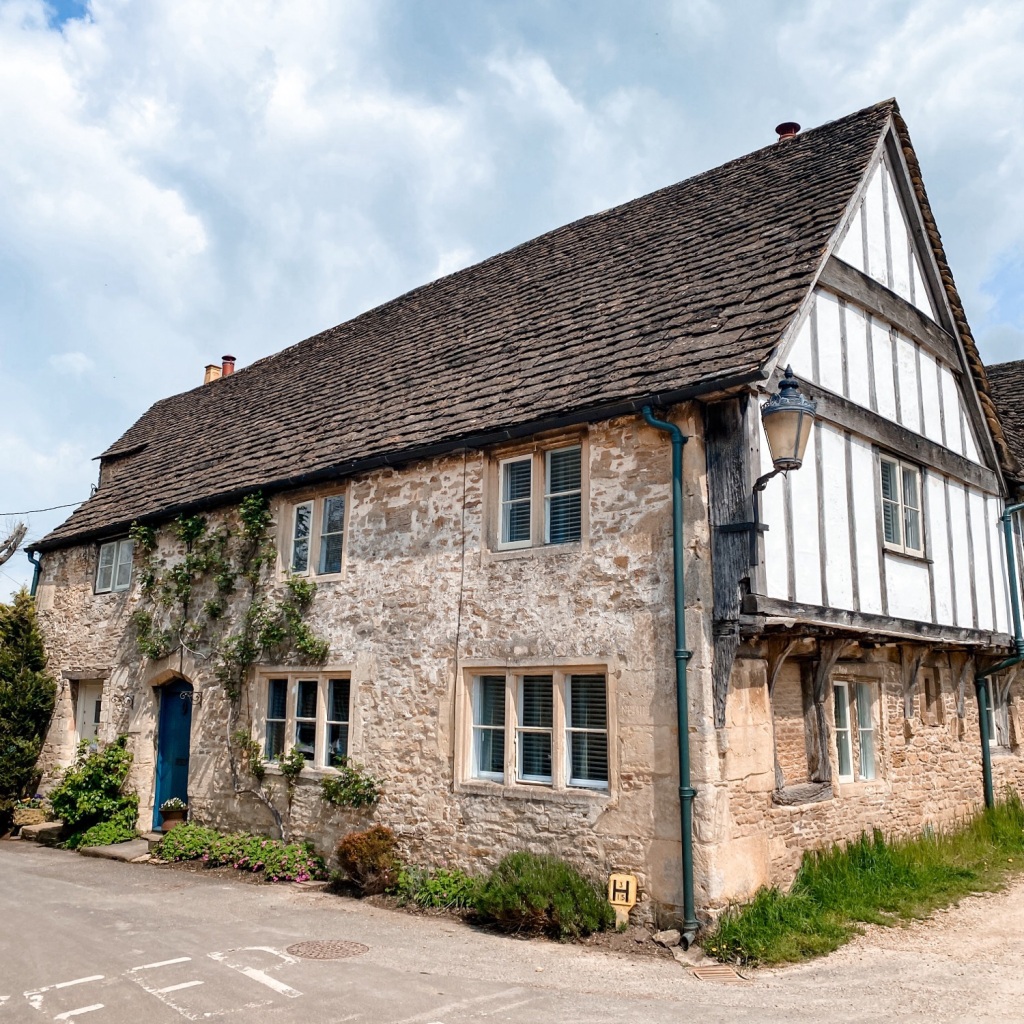
As you wander around the quaint streets and cottages of Lacock, you will notice a sense of nostalgia and charm filling the air. With its timber-framed cottages, shops, and its central grid of four streets, Lacock today looks much as it did 200 years ago.

As you meander through the cobblestone paths lined with picturesque cottages, each with their colorful gardens and unique architecture, it’s easy to imagine yourself stepping back in time to a simpler way of life. The cozy homes with thatched roofs and blooming flowers create a postcard-worthy scene that captures the essence of this historic village.

The winding streets lead you past charming shops selling local crafts and artisan goods, adding to the village’s old-world charm. Take your time to explore each nook and cranny, as you never know what hidden gem you may stumble upon next.

Indulge in a traditional cream tea at a cozy tearoom, or sample handcrafted chocolates made right in the village. For those seeking unique souvenirs, the local shops offer a variety of handmade gifts and locally sourced products. Keep your eyes peeled for the tucked-away art galleries and antique stores that showcase the talent and history of Lacock.

Spot the Harry Potter Filming Locations in the Village

If you like the Harry Potter movies, don’t miss the chance to spot more Harry Potter filming locations as you wander around the village!

The Cottage with the Blue Door

This cottage is quickly shown in Harry Potter and The Half-Blood Prince movie as Harry and Dumbledore walk past it after visiting Horace Slughorn. In real life, the street where this cottage is located is called Church Street.

Sign of the Angel Pub

As Harry and Dumbledore walk though the streets of Budleigh Babberton in the dark in Harry Potter and The Half-Blood Prince movie, you’ll notice a pub called the Babberton Arms which is actually the Sign of the Angel pub in the village.

Harry Potter Parent’s House

This beautiful brick home with a blue door at the end of Church Street was used as James and Lily Potter’s house in Harry Potter and the Philosopher’s Stone. In the movie, flashbacks to Harry’s childhood are shown as Hagrid shares with Harry the story of his parents. The cottage is then shown, only that the door has a different color.

Horace Sluggorn’s Hideaway

This majestic house is found on Church Hill, and is where Horace Slughorn hides from the Death Eaters in Harry Potter and the Half-Blood Prince. Here, he receives a visit from Harry and Dumbledore and is persuaded to come back to Hogwarts as the Professor of Potions.

Visit St Cyriac’s Church & Churchyard

The St Cyriac’s Church is a 14th Century church and a stunning example of medieval architecture with its intricate carvings and stained glass windows. Walk through its doors and step back in time to a period when faith and craftsmanship were intertwined in every stone and beam. In fact, settlement in Lacock began around the church, and visitors can see this reflected in the irregular line of houses situated on Church Street. 

Where to Stay in Lacock

If you are looking forward to spending a night or two in the village, then you should check out availability at the Sign of the Angel Pub.

You can also find places to stay in or around Lacock village through Booking.com, where the options are endless!

4 Wonderful Things to Do in the Village of Lacock, England

I hope you’ve enjoyed this guide to Lacock village and that it has inspired you to visit this wonderful quintessential village in the future! I am sure you will love it just as much as I do.

Find this post helpful? You can buy me a drink!

London on a Budget: How to Experience the Best of the City Without Breaking the Bank (2026)

Disclaimer: This post contains affiliate links

London has a reputation for being expensive, but with the right approach, it can be one of the most rewarding budget friendly cities in Europe. From world class museums and iconic landmarks to beautiful parks and lively neighborhoods, London offers countless experiences that cost very little or nothing at all.

This guide shows you how to explore London on a budget without missing out on what makes the city so special. Whether you are visiting for the first time or returning to see more, these tips and ideas will help you stretch your money while still enjoying the very best of England’s capital.

Free and Affordable Things to Do in London

1. Explore Kensington Gardens and Hyde Park

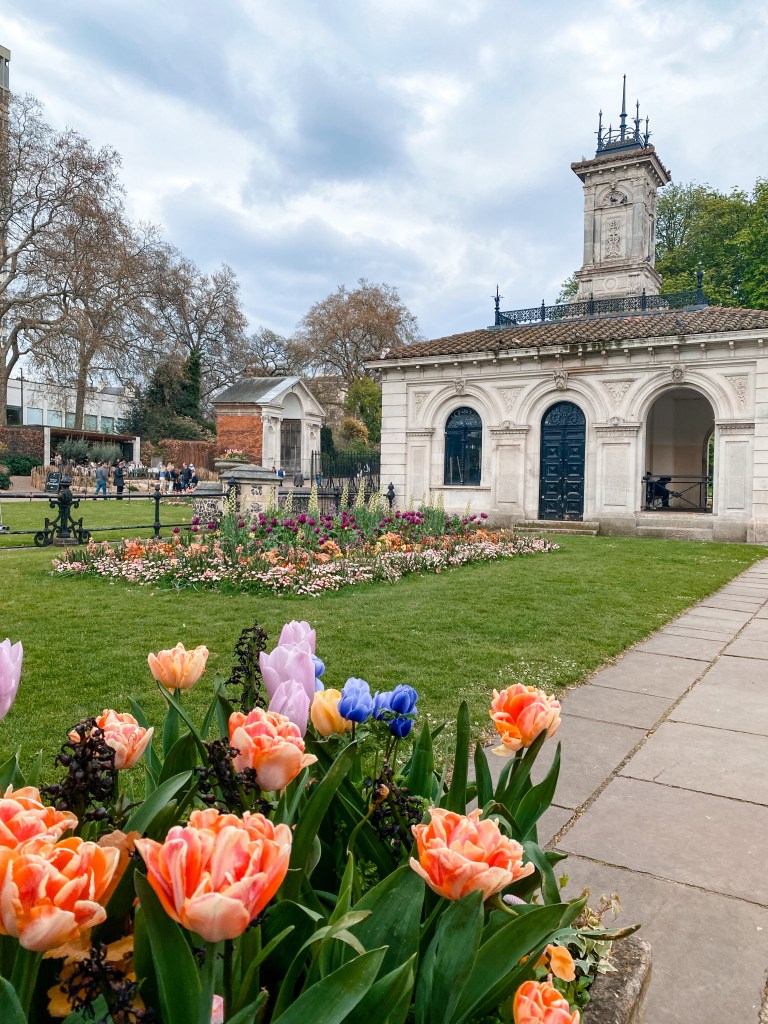
Kensington Gardens is one of London’s Royal Parks and a wonderful place to start your budget friendly adventure. Once reserved for royalty, it is now open to everyone. Here you can admire Kensington Palace from the outside, stroll through the Italian Gardens, visit the Peter Pan statue, and enjoy views of the Albert Memorial.

Right next door is Hyde Park, one of the largest green spaces in the city. Walk along the Serpentine Lake, enjoy a picnic, or simply relax and people watch. Both parks are completely free and offer a peaceful escape from the busy streets.

2. Discover London Mews Streets

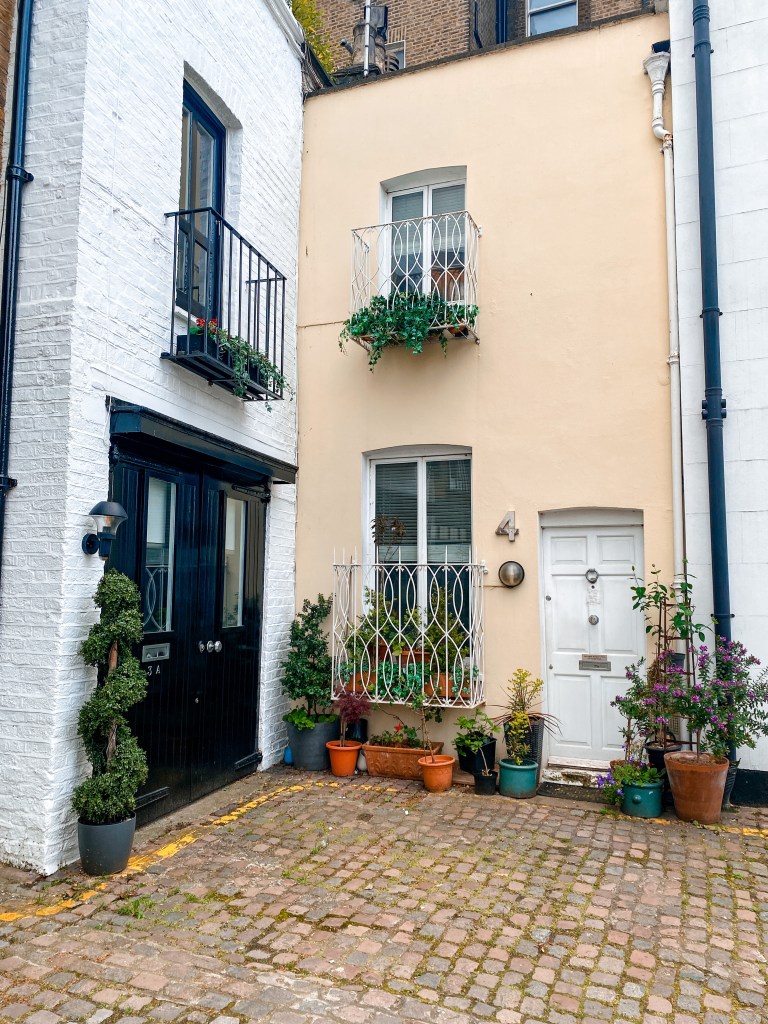
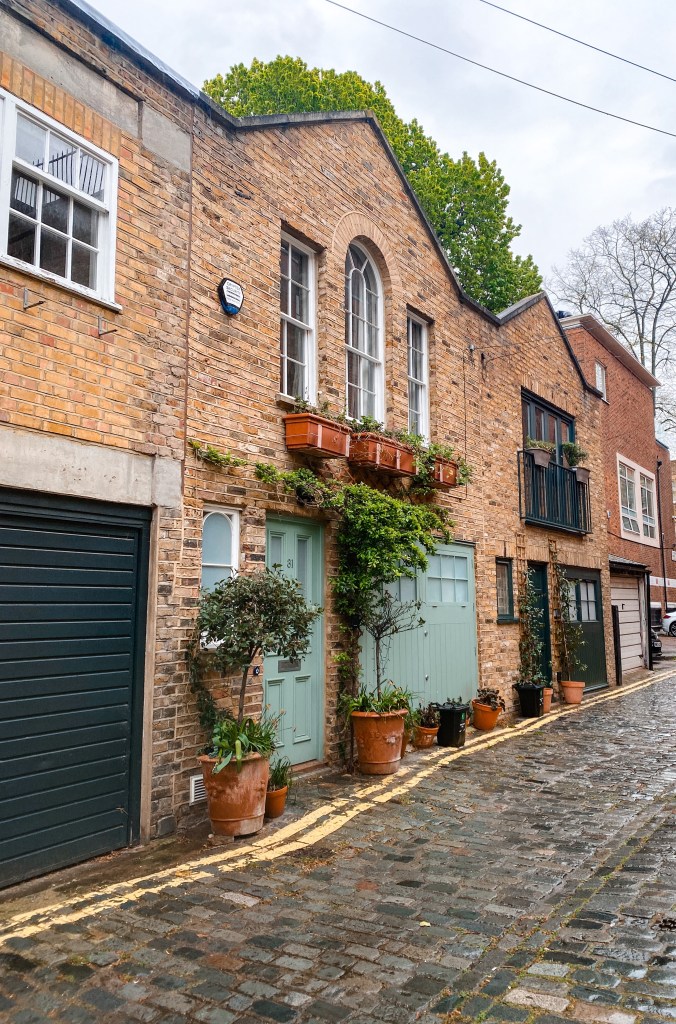
London mews are small residential streets that were once home to stables and carriage houses. Today, they are some of the most charming and photogenic spots in the city.

Some of the prettiest mews to explore include:

  • Kynance Mews in South Kensington, famous for its colorful houses and ivy covered walls
  • St Luke’s Mews in Notting Hill, known for its pastel facades
  • Prince’s Mews near Hyde Park, quiet and full of character
  • Victoria Grove Mews, tucked away and residential
  • St Petersburg Place Mews, elegant and peaceful

Walking through these streets costs nothing and gives you a glimpse into a quieter side of London.

3. Visit London’s Free Museums

London is home to some of the best museums in the world, many of which offer free entry.

The British Museum houses artifacts from across the globe, including the Rosetta Stone and ancient Egyptian mummies.

The Natural History Museum is especially popular for its dinosaur exhibits and stunning architecture.

The Tate Modern showcases modern and contemporary art inside a former power station on the Thames.

The National Gallery in Trafalgar Square features masterpieces by artists such as Van Gogh, Monet, and Turner.

The Science Museum is ideal for families and interactive learning.

Pre booking is recommended for some museums, but general admission remains free.

4. Walk Along the South Bank

A walk along the South Bank of the River Thames offers some of the best views in London. You can see landmarks such as the London Eye, Big Ben, the Palace of Westminster, St Paul’s Cathedral, and Tower Bridge without spending anything.

Street performers, book stalls, and riverside views make this one of the most enjoyable free activities in the city.

5. See Big Ben and the Palace of Westminster

Big Ben and the Palace of Westminster are among the most recognizable landmarks in the world. Completed in the nineteenth century, the Elizabeth Tower and its famous bell remain a symbol of London.

Across the river, you can find quieter spots with benches and green areas where you can sit, enjoy a drink, and admire the view without the crowds.

6. Buckingham Palace and the Changing of the Guard

Buckingham Palace has served as the official residence of the British monarch since the nineteenth century. Watching the Changing of the Guard ceremony is completely free and offers a memorable glimpse into British tradition.

Even outside ceremony times, walking past the palace and nearby St James’s Park is well worth it.

7. St James’s Park and Green Spaces

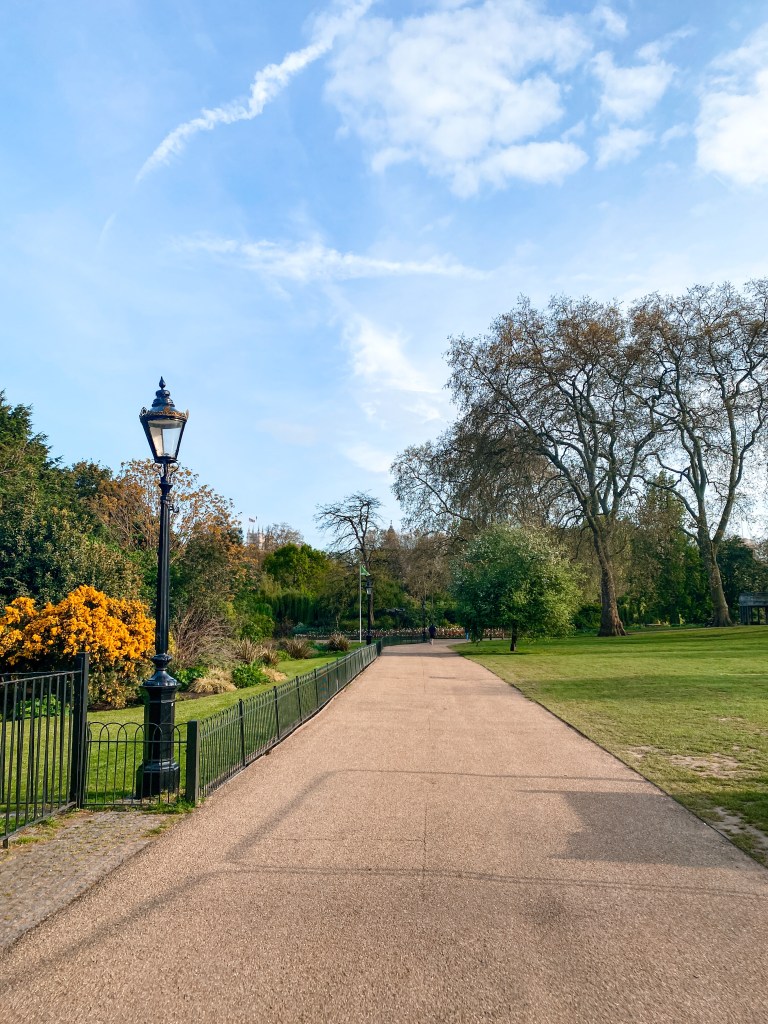
St James’s Park is one of the most beautiful parks in central London. Surrounded by royal buildings, it offers views of Buckingham Palace, pelicans, and carefully landscaped gardens.

Other excellent free green spaces include Regent’s Park, Greenwich Park, and Hampstead Heath, which offers panoramic views over the city.

8. Trafalgar Square and Covent Garden

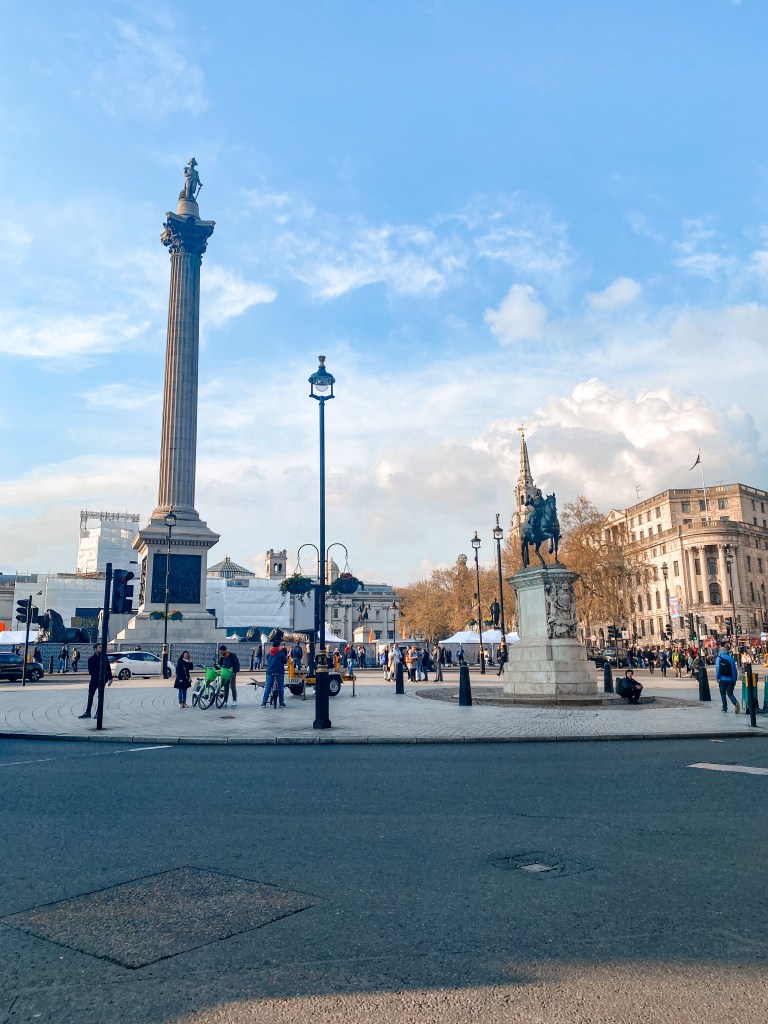
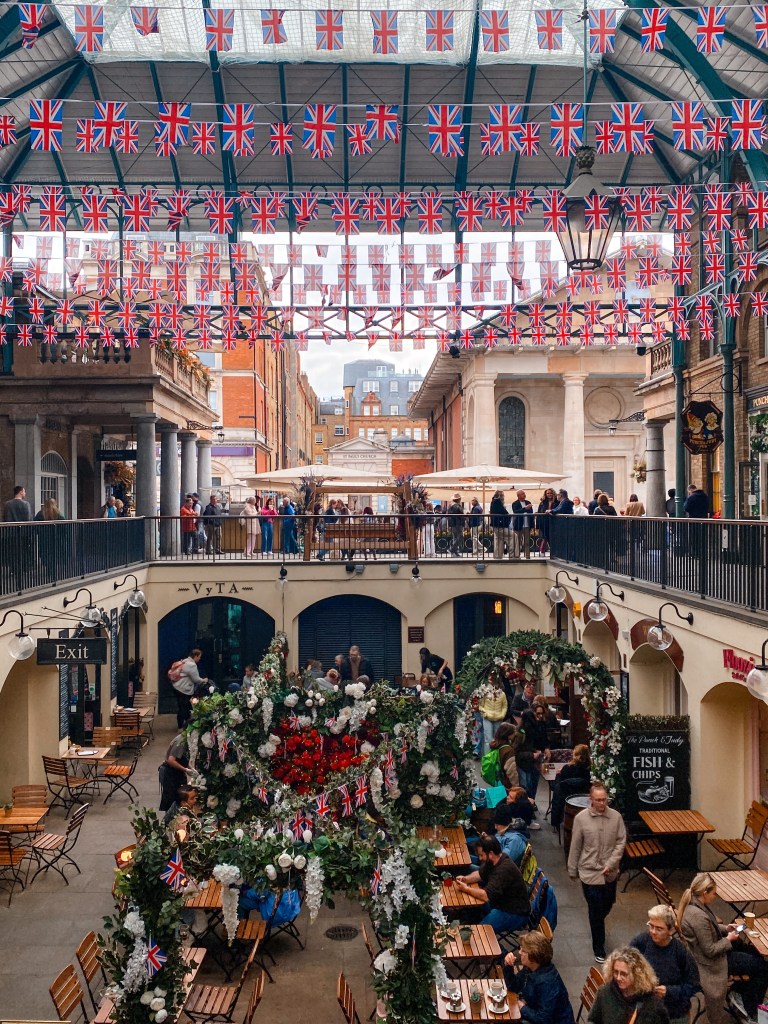
Trafalgar Square is a lively public space known for its fountains, statues, and cultural events. Nearby Covent Garden is famous for street performers, historic market buildings, and a vibrant atmosphere.

You can enjoy both areas without spending anything, simply by wandering and taking in the sights.

9. Tower Bridge and the Tower of London

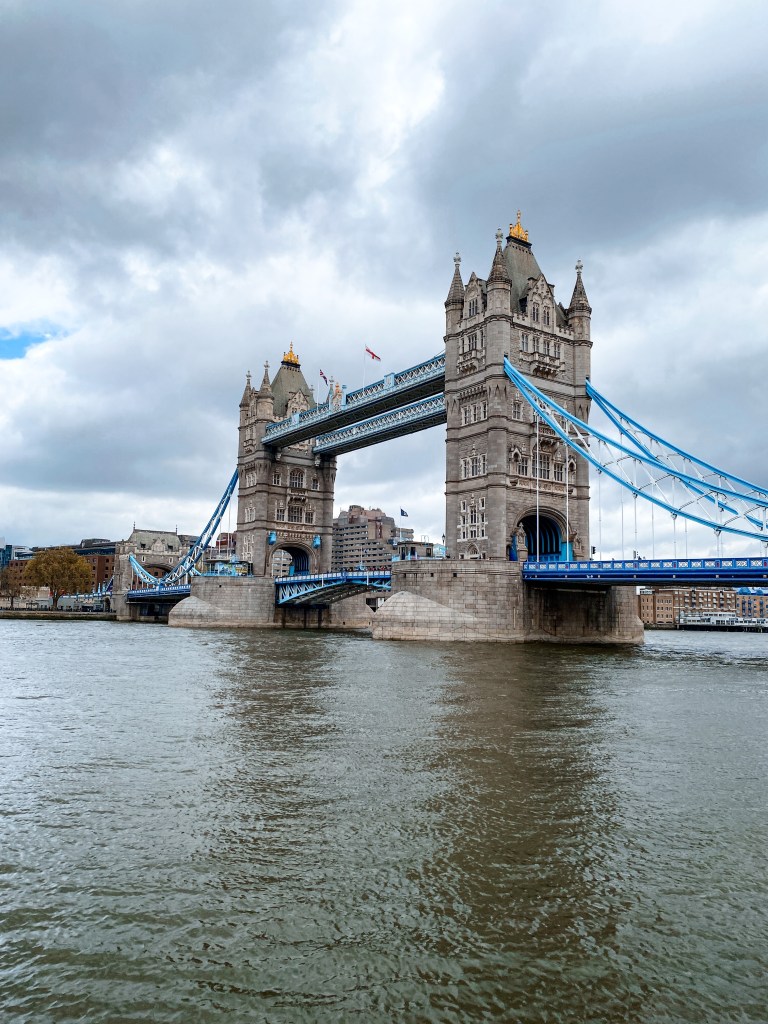
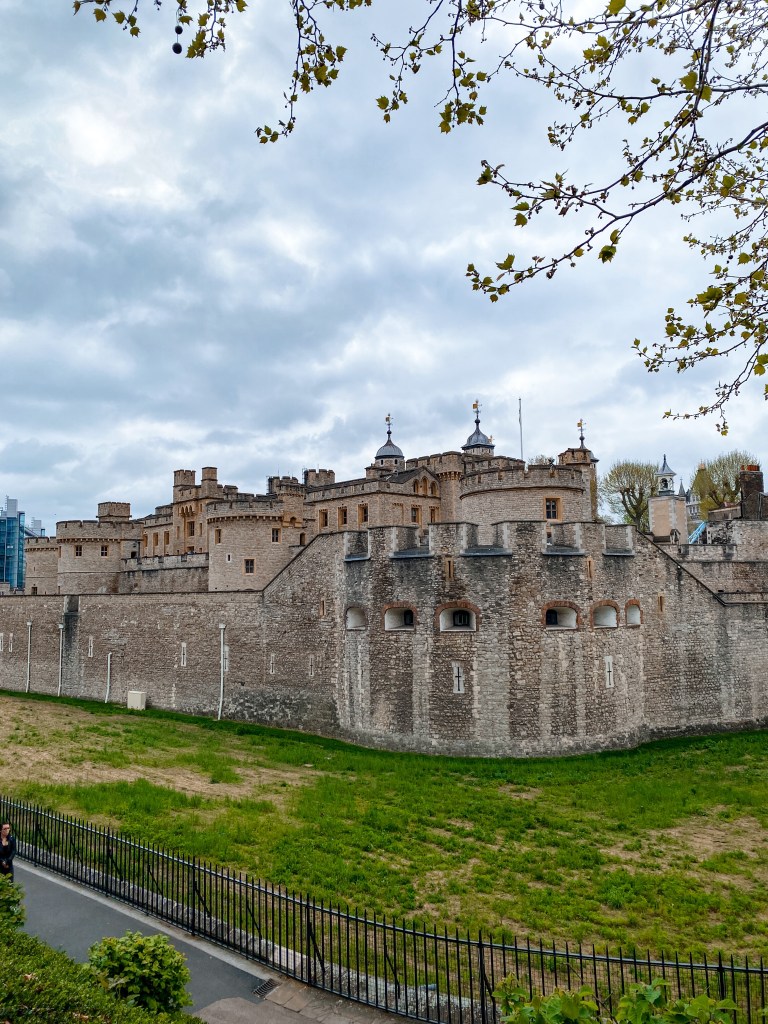
Walking across Tower Bridge is free and offers fantastic views of the Thames. Nearby, you can admire the Tower of London from the outside, learning about its long history as a fortress, palace, and prison.

10. Notting Hill and Portobello Road

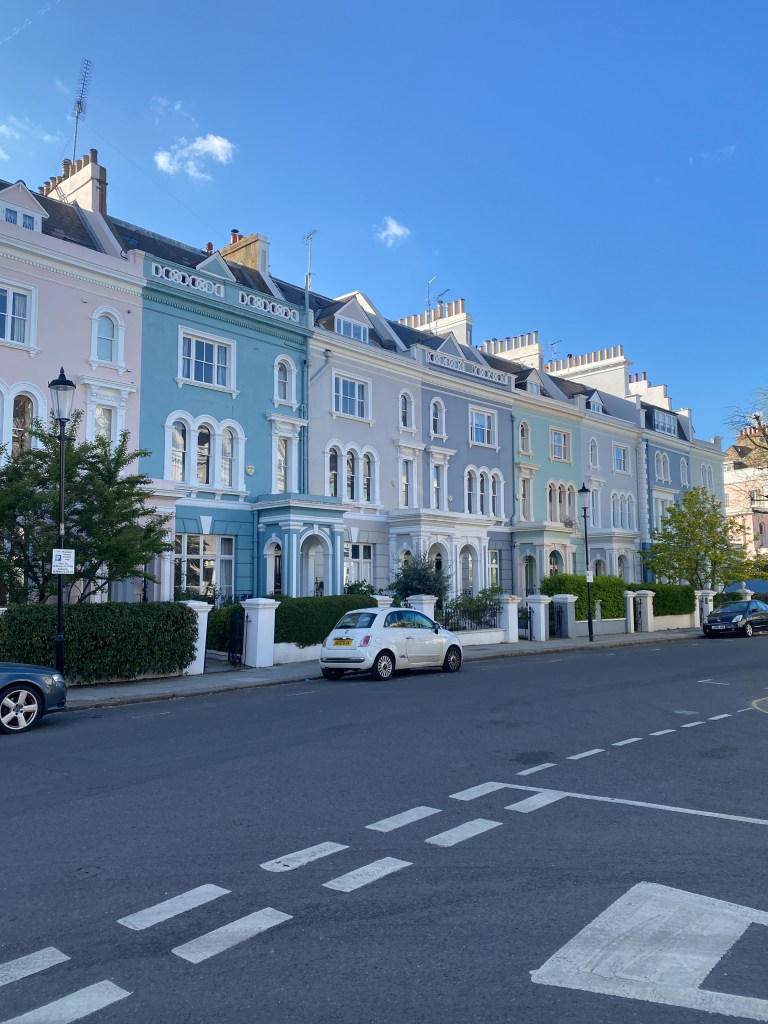
Notting Hill is one of London’s most charming neighborhoods, made famous by the film Notting Hill. Colorful houses, elegant terraces, and Portobello Road Market make it a popular spot for walking and photography.

Visiting the neighborhood is free, and browsing the market does not require spending money.

Hidden Cheap Eats in London

London has no shortage of affordable food options if you know where to look.

Borough Market offers street food from around the world at reasonable prices.

Camden Market is known for its variety of international food stalls and relaxed atmosphere.

Chinatown is packed with budget friendly restaurants serving Asian cuisine.

Supermarkets such as Tesco and Sainsbury’s offer excellent meal deals that include a main item, snack, and drink at low cost.

Getting Around London on a Budget

Using public transportation wisely can save you a lot of money.

An Oyster card or contactless payment is the cheapest way to use buses and the Underground.

London buses are often cheaper than the Tube and offer scenic routes.

Walking is one of the best ways to explore central London and discover hidden neighborhoods.

Santander Cycles offer affordable bike rentals across the city.

Budget Friendly Places to Stay in London

Staying slightly outside the city center often results in better value while still offering easy access via public transport.

Neighborhoods such as Paddington, Bayswater, Greenwich, and Stratford offer more affordable accommodation options.

Booking early or staying midweek can also significantly reduce costs.

Best Time to Visit London on a Budget

January, February, and November tend to have lower accommodation prices and fewer crowds. Flights are also often cheaper during these months.

Spring and autumn offer a good balance between pleasant weather and manageable prices.

Plan Your London Trip on a Budget

To make planning your budget friendly London trip even easier, here are trusted resources you can use to book accommodation, experiences, transportation, and flights while keeping costs under control.

Where to Stay in London

Find budget hotels, affordable apartments, and well located stays that fit every travel style. These platforms are ideal for comparing prices and securing the best deals in London:
Booking.com
Expedia
Vrbo

Tours and Experiences

Enhance your trip with affordable activities, guided experiences, and day trips that help you see more while spending less. Find them on:
Viator
GetYourGuide
Tripadvisor
Klook

Transportation in London

Make getting around easier and stress free with reliable airport transfers and private transportation options:
Welcome Pickups – Airport transfers from Heathrow or Gatwick

Kiwitaxi – Private transfers in London

Attractions and Sightseeing Passes

Save money on top attractions with:
Go City – Best for London attraction passes and discounted sightseeing passes.

Flights to London

Aviasales – Compare flight prices and find affordable routes to London from anywhere in the world.

Final Thoughts

London does not have to be expensive to be unforgettable. With its abundance of free attractions, affordable food options, and efficient public transportation, it is one of the best cities in Europe for budget conscious travelers.

By planning smartly and focusing on experiences rather than expenses, you can enjoy everything from royal parks and historic streets to world class museums and lively neighborhoods without breaking the bank!