Disclosure: This post contains affiliate links. This means I may earn a small commission if you click through and make a purchase, at no extra cost to you. These commissions help support this blog and allow me to continue creating free travel guides and resources. All opinions are my own.
Back in the summer of 2024, on a warm yet drizzly July day, I had the pleasure of stepping back in time with a visit to the magnificent Warwick Castle. Nestled in the heart of Warwickshire, this iconic fortress is one of England’s most impressive and best-preserved medieval castles. Thanks to Shakespeare’s England and their Explorer Pass, booking my visit was seamless and stress-free.
With nearly 1,000 years of history, dramatic towers, immersive attractions, and beautiful countryside views, Warwick Castle is far more than a historic monument. It is a full-day experience that blends education, entertainment, and adventure.
Discovering the Shakespeare’s England Explorer Pass
Before setting off on my trip, I was kindly offered a Shakespeare’s England Explorer Pass as part of a PR visit, and it truly turned out to be a wonderful option for anyone exploring the Warwickshire area.
The pass grants access to several top attractions in the region, including Warwick Castle, Shakespeare’s Birthplace, and other key sites connected to the life and legacy of William Shakespeare. With just one pass, I was able to plan my itinerary in advance, pre-book attractions, and enjoy a smoother travel experience overall.
For travelers, the Explorer Pass is a fantastic way to save both time and money while seeing some of the most important historic sites in central England.
You can check current pricing and inclusions for the Shakespeare’s England Explorer Pass here.
First Impressions of Warwick Castle
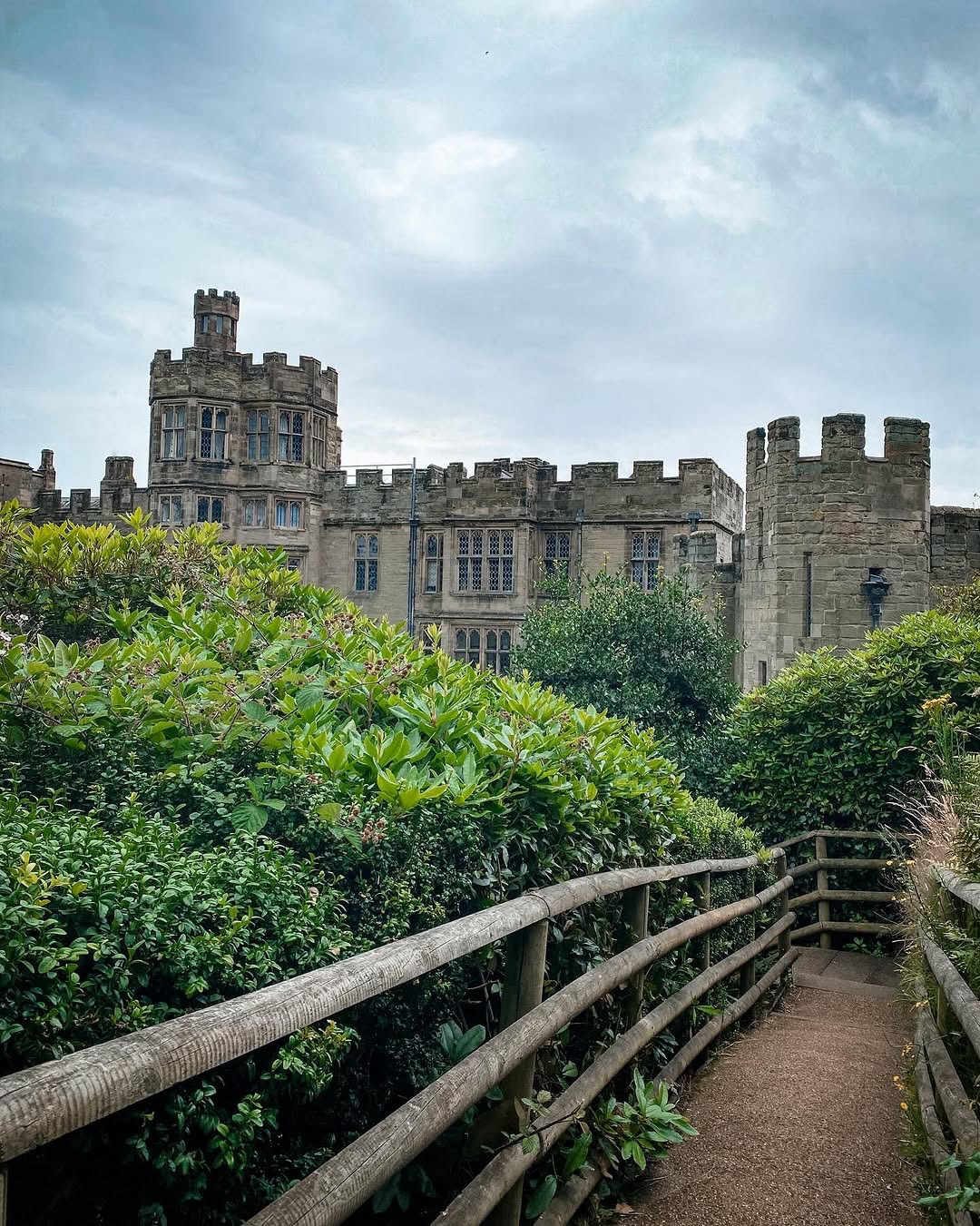
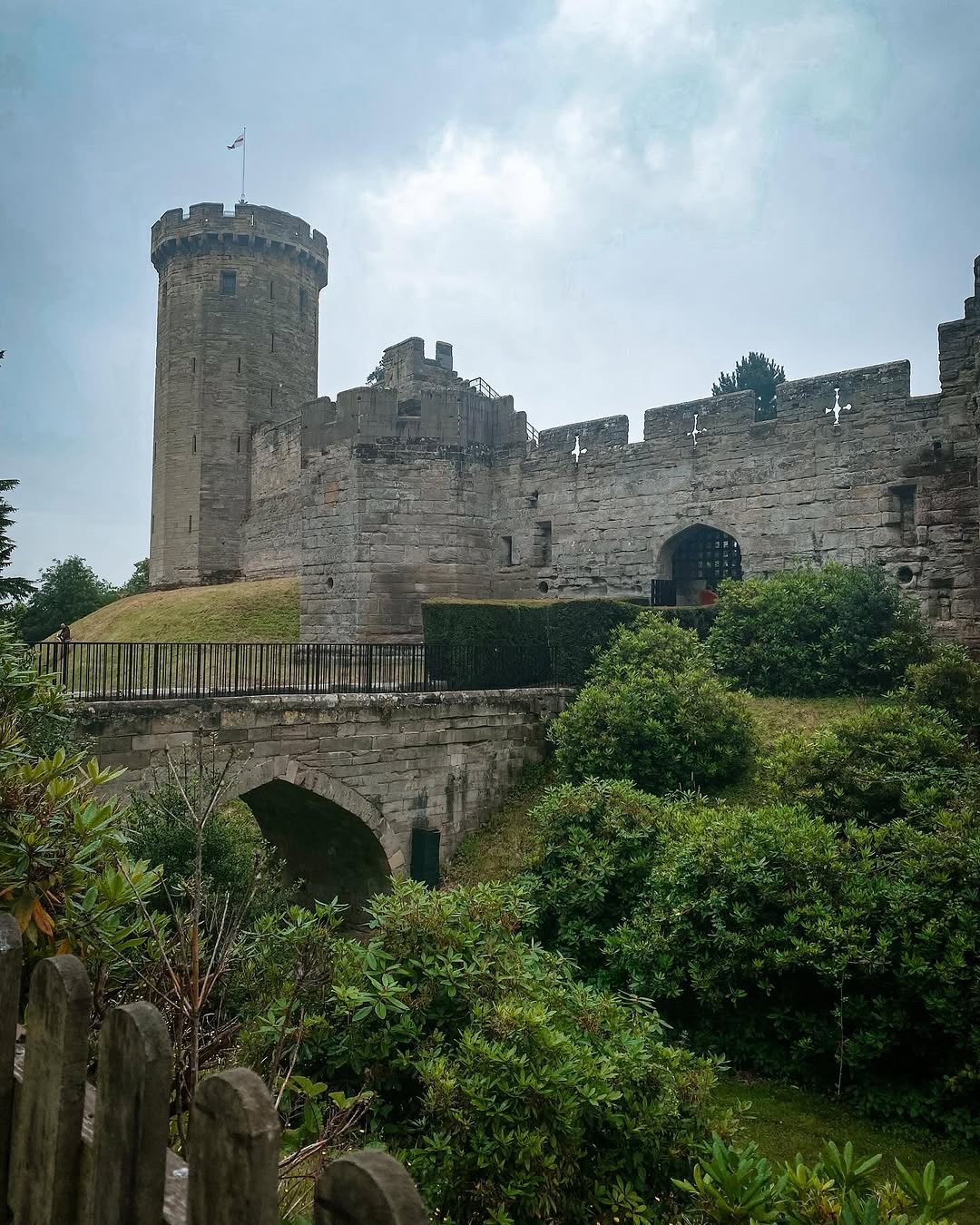
As I approached the castle, its towering stone walls and dramatic crenellated towers immediately transported me back centuries. Originally built by William the Conqueror in 1068, Warwick Castle has witnessed nearly a millennium of battles, sieges, royal visits, and political intrigue.
Even from the outside, the scale of the fortress is impressive. But it is once you step through the gates that the true magic begins.
A Day Packed with Experiences at Warwick Castle
My day at Warwick Castle was far from ordinary. It was a journey through centuries of history, drama, and grandeur.
I began by wandering through the Great Hall and State Rooms, where each space felt more majestic than the last. Suits of armor, antique furnishings, painted ceilings, and rich tapestries tell vivid stories of noble families, lavish banquets, and medieval life behind castle walls.




One of the most memorable experiences was the Castle Dungeon. This theatrical attraction blends live actors, special effects, dark humor, and real historical events to tell some of Warwick’s grislier stories. It is not for the faint-hearted, but it is incredibly engaging and surprisingly informative.
Outside, the Birds of Prey show was equally unforgettable. Watching eagles, owls, and falcons soar above the ancient towers was both dramatic and awe-inspiring, and it offered a beautiful contrast to the heavy stone surroundings.
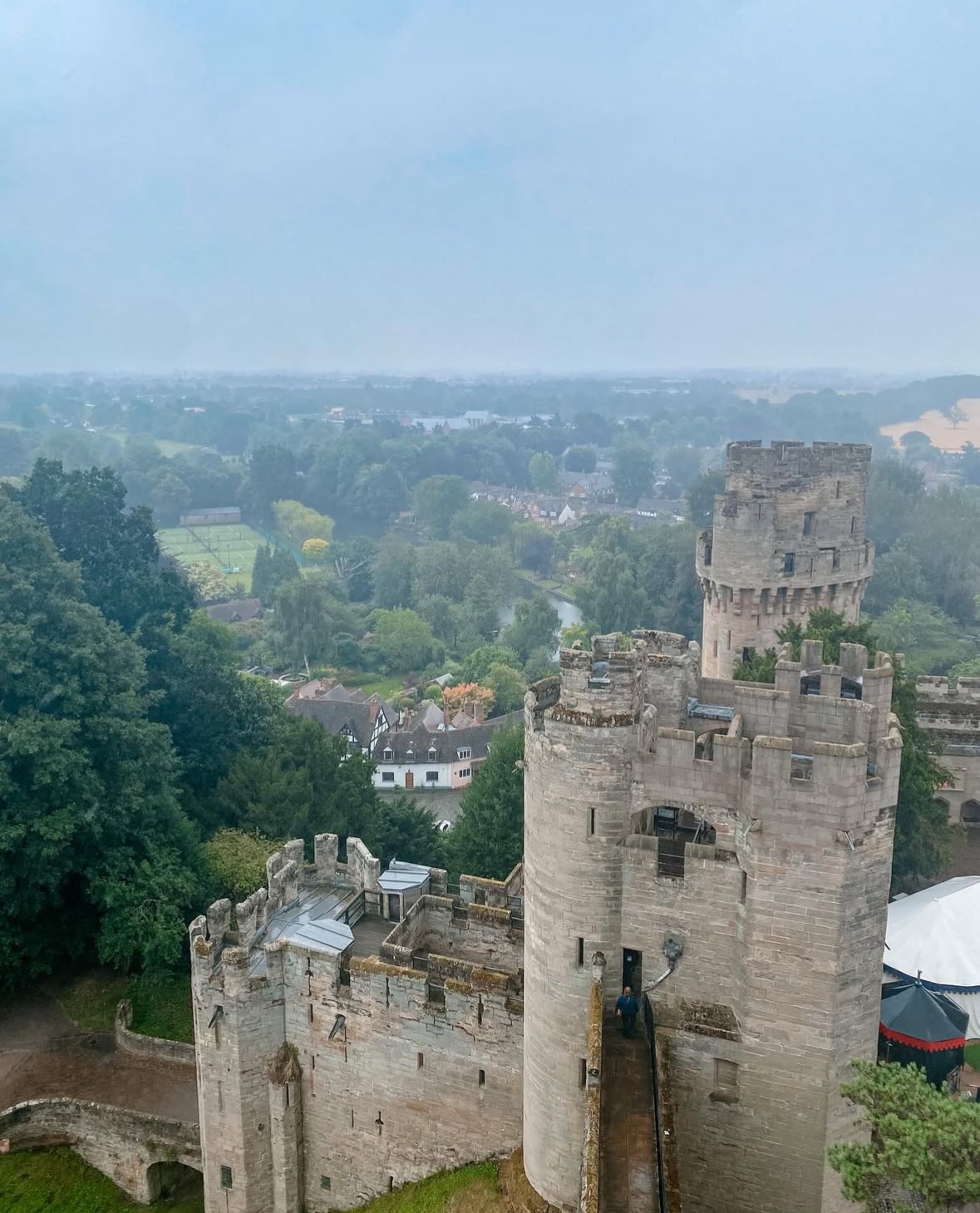
After warming up at one of the on-site cafés, I finished my visit with a climb to the castle’s towers and ramparts. As a light drizzle fell, the views over the River Avon and the rolling Warwickshire countryside were absolutely breathtaking. From above, the full scale of the castle grounds truly comes to life.
Living History and Interactive Shows
One of the things that sets Warwick Castle apart from many historic sites is how alive it feels.
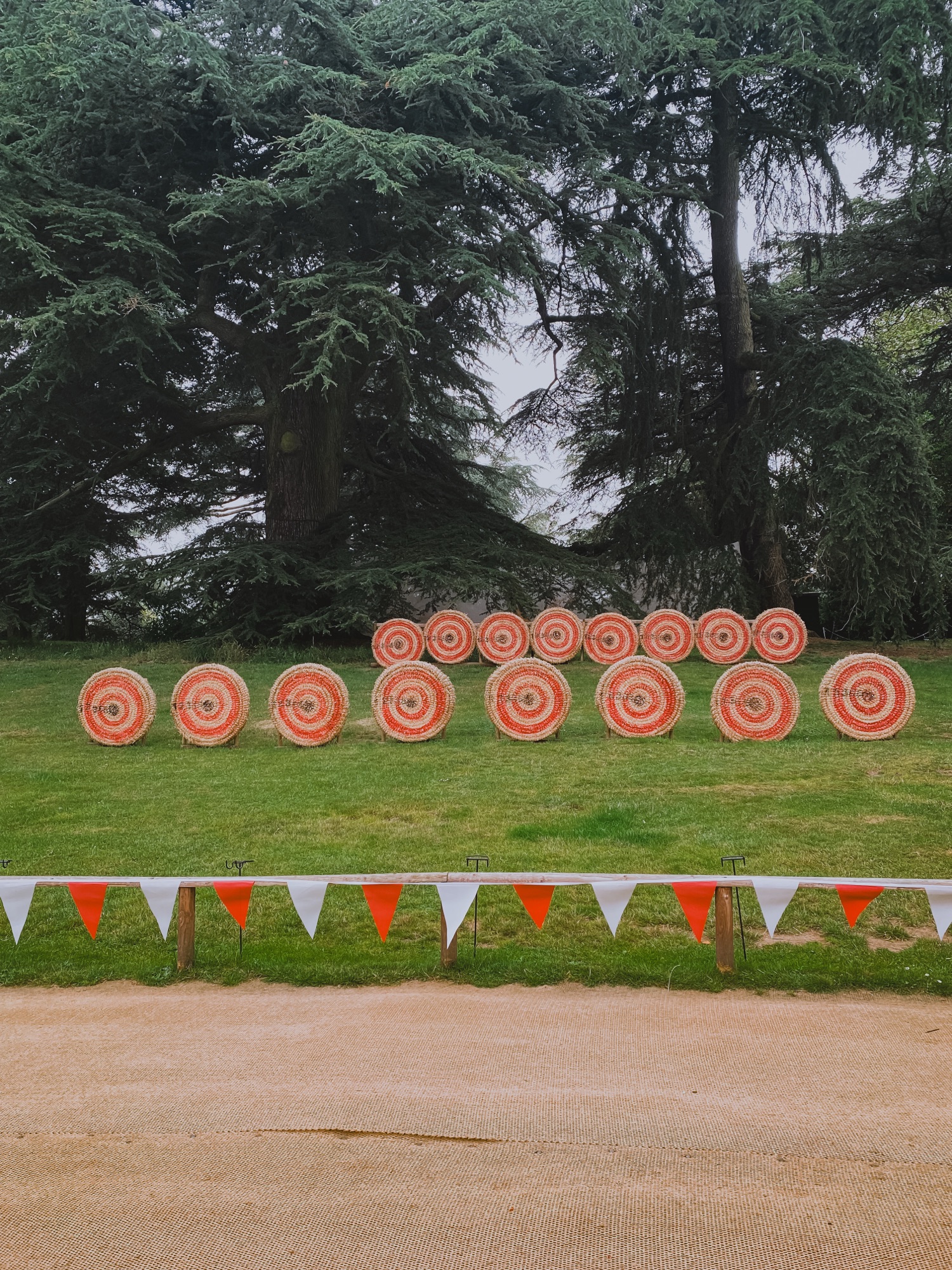
Throughout the day, costumed performers brought the castle’s past to life through reenactments, storytelling, and live demonstrations. From jousting events and sword-fighting displays to medieval crafts and family-friendly activities, these moments transformed the visit from a standard sightseeing stop into a fully immersive experience.
This makes Warwick Castle especially rewarding for families, history lovers, and anyone who enjoys interactive travel experiences.

Helpful Tips for Visiting Warwick Castle
Arrive early
Warwick Castle is a large attraction with a full day’s worth of sights, shows, and interactive experiences. To make the most of your visit, I highly recommend arriving right at opening time. This gives you the best chance to explore the interiors, attend live performances, and climb the towers before the crowds build.
Allow extra time for the walk in
From the main entrance gate, it takes roughly 15 to 20 minutes to walk to the central castle grounds. Be sure to factor this into your arrival plans, especially if you have pre-booked experiences, shows, or dungeon time slots.
Download or print your Explorer Pass in advance
Mobile service around the castle can be unreliable. To avoid delays at the entrance, download your Explorer Pass to your phone before arriving or bring a printed copy with you.
Check the weather forecast
Many of Warwick Castle’s most popular events and activities take place outdoors. If rain is expected, bring a waterproof jacket or umbrella and wear sturdy footwear, as parts of the grounds can become muddy after wet weather.
Explore the on-site shops
There are several gift shops located throughout the castle grounds where you can pick up souvenirs, books, and themed gifts. If you forget to pack rain gear, some shops also sell umbrellas.
Plan a café stop
Warwick Castle has a café with indoor seating offering hot meals, snacks, and drinks. The main restroom facilities are located in this area as well, making it a convenient place to warm up, recharge, and take a short break during your visit.
Final Thoughts
Warwick Castle is not just a historical site. It is an immersive, entertaining destination that truly offers something for every type of traveler.
Having the Shakespeare’s England Explorer Pass certainly enhanced my experience, not only by simplifying entry but by encouraging me to explore more of Warwickshire’s incredible heritage. It is a region I am very much looking forward to returning to.
If you are planning a trip to England and love castles, history, and hands-on experiences, Warwick Castle absolutely deserves a place on your itinerary.
If you found this guide helpful, you can support my work by buying me a drink. Your support helps keep these travel guides coming!




 Architect at Heart