8 Amazing Places to See in Oxford, England (2026 Guide)

Disclaimer: This post contains affiliate links. At no extra cost to you, I may earn a small commission if you make a booking through them.

Visiting Oxford, England feels like stepping into a living tapestry of history, literature, and knowledge. With its breathtaking architecture, majestic college buildings, ancient libraries, and ivy-clad stone walls, the city exudes a peaceful yet vibrant atmosphere shaped by centuries of academic tradition and student life.

Whether you’re visiting for a day trip from London or planning a longer stay, Oxford offers a magical blend of culture, beauty, and intellectual charm. In this guide, I’m sharing 8 amazing places you must see in Oxford, along with how to get there, where to stay, and how to plan your trip easily.

Compare cheap flights to Oxford & London airports here
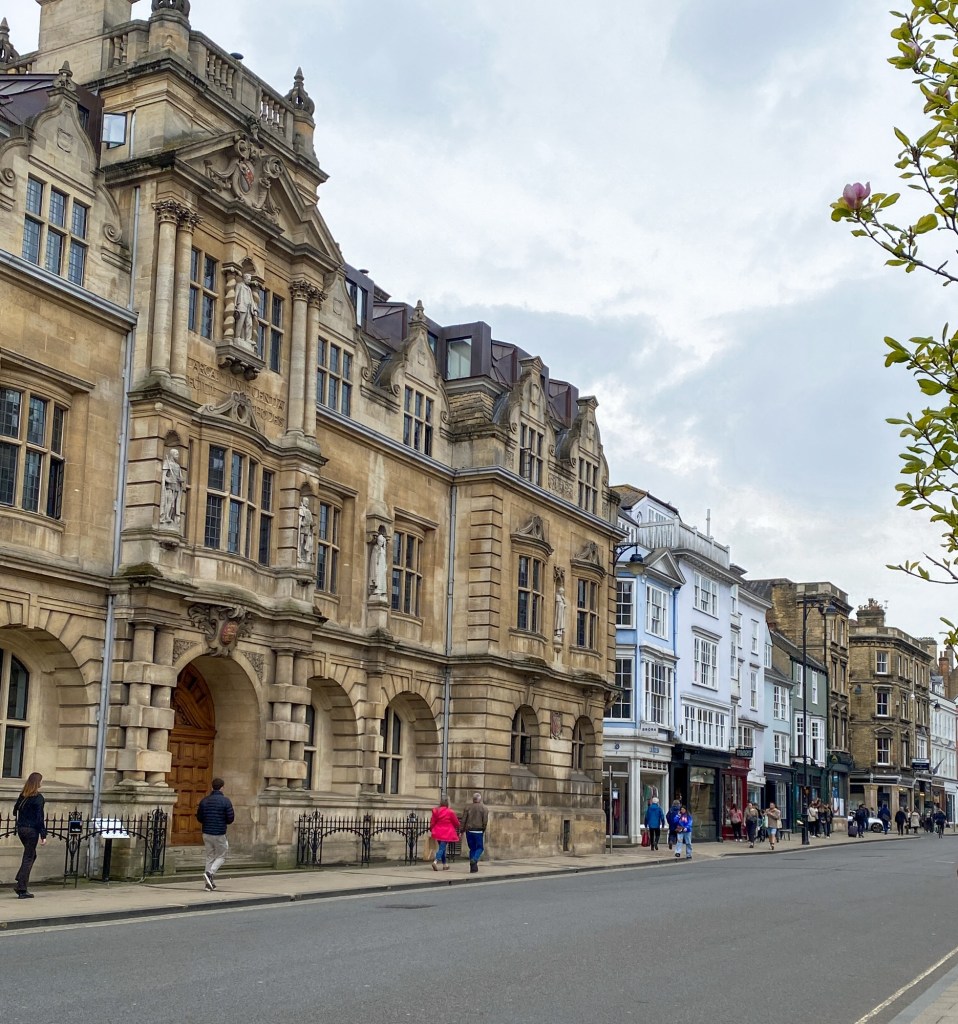
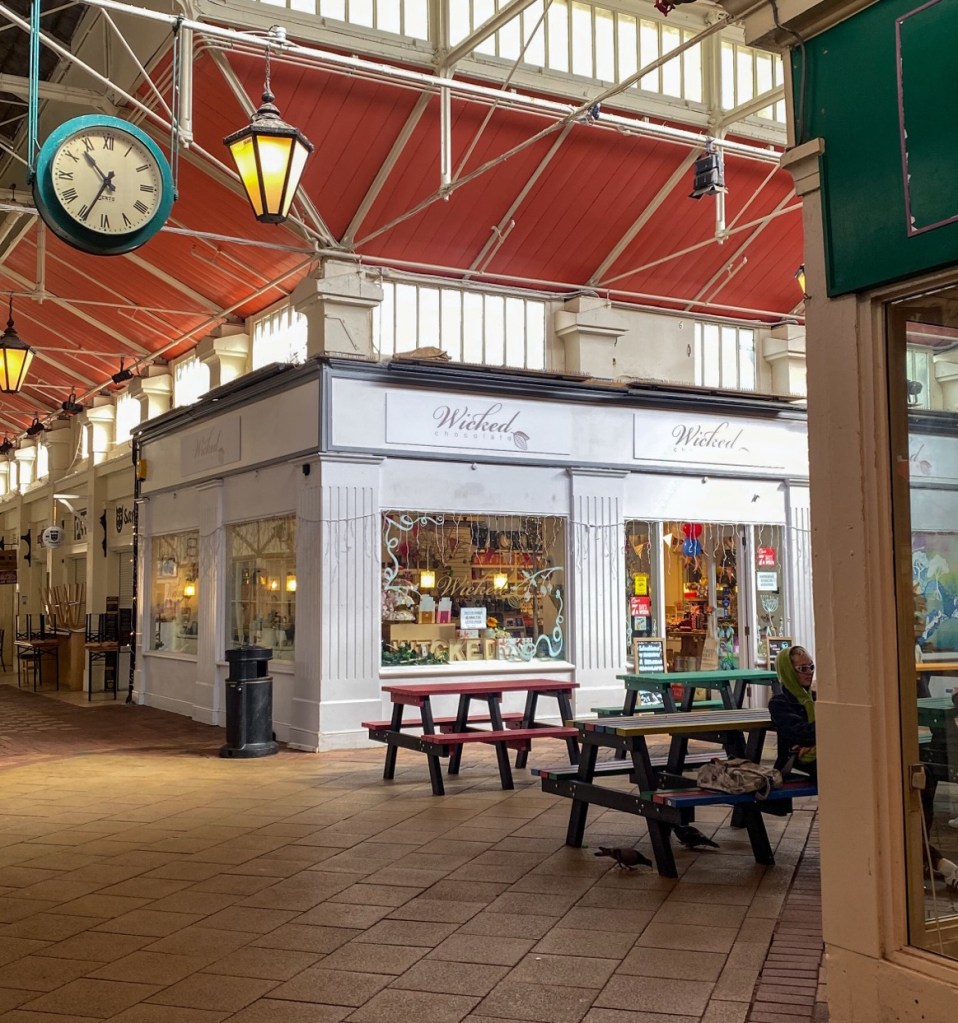
1. The Covered Market

The Covered Market is one of Oxford’s most charming hidden gems. Dating back to the 1770s, this historic indoor market is filled with independent shops, florists, bakeries, boutique clothing stores, and local food stalls.

The scent of fresh pastries and coffee fills the air, and it’s the perfect place to grab lunch, pick up unique souvenirs, or escape the rain while exploring the city center.

Don’t miss: Ben’s Cookies, local craft shops, and the historic cake counters.
2. Turl Street

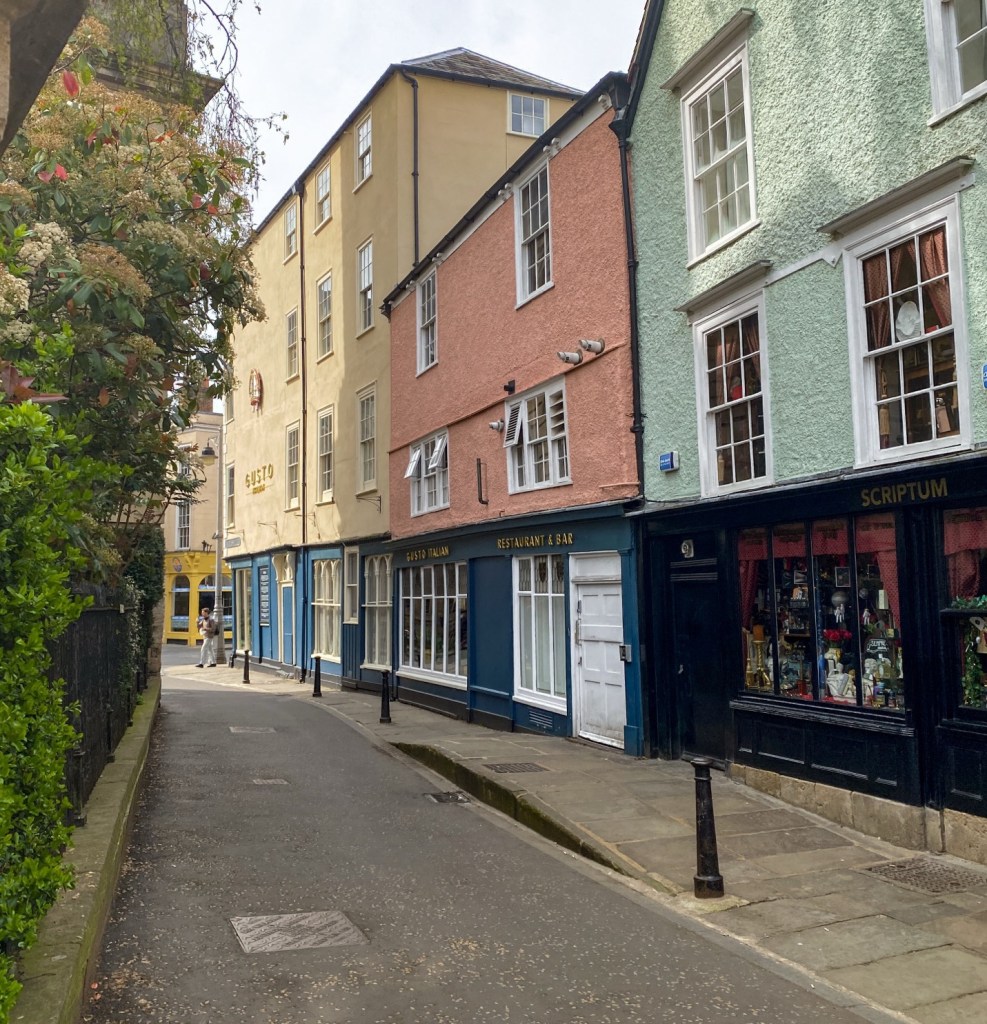
Turl Street is one of Oxford’s most picturesque historic lanes. Lined with beautiful college buildings such as Exeter College, Lincoln College, and Jesus College, it feels wonderfully timeless.

This narrow cobbled street offers a quieter escape from the busy main roads while still placing you right in the academic heart of Oxford. Cozy cafés and centuries-old facades make it an ideal photography spot.

Browse Oxford tours and experiences here
3. St. Mary’s Passage (Narnia Connection)

This narrow, enchanting walkway between the University Church of St Mary the Virgin and the Radcliffe Camera is often overlooked, yet it’s one of Oxford’s most magical corners!

St. Mary’s Passage is famously linked to C.S. Lewis and The Chronicles of Narnia. A carved lion’s head, stone fauns, and a nearby lamppost are all believed to have inspired elements of The Lion, the Witch and the Wardrobe.
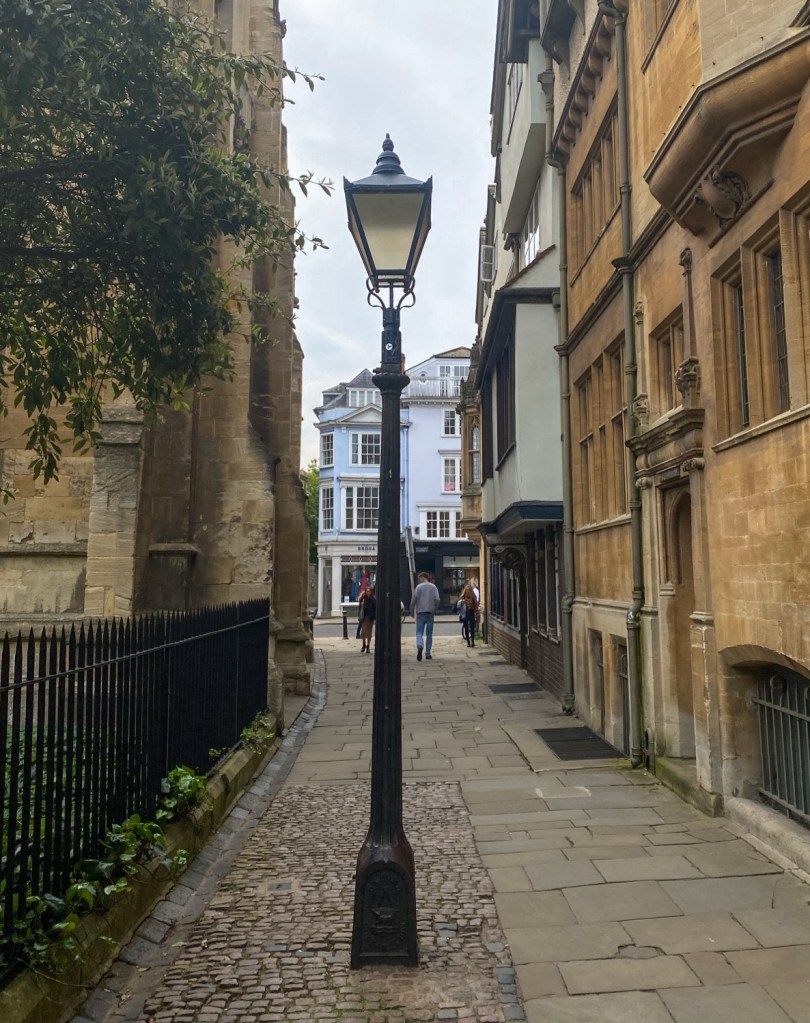
Victorian lamp post which is said to have inspired C.S. Lewis in his book The Lion, the Witch and the Wardrobe

To book a self-guided audio tour about Oxford’s literary legends and landmarks, click here

4. Radcliffe Square

Radcliffe Square is one of the most iconic locations in Oxford. Surrounded by architectural masterpieces, including the Radcliffe Camera, All Souls College, and the University Church, this area feels like the living heart of the university.

Every angle offers postcard-worthy views, making it one of the best places in Oxford for photography.

The Radcliffe Camera, locate at the center of Radcliffe Square

5. The Bridge of Sighs (Hertford Bridge)

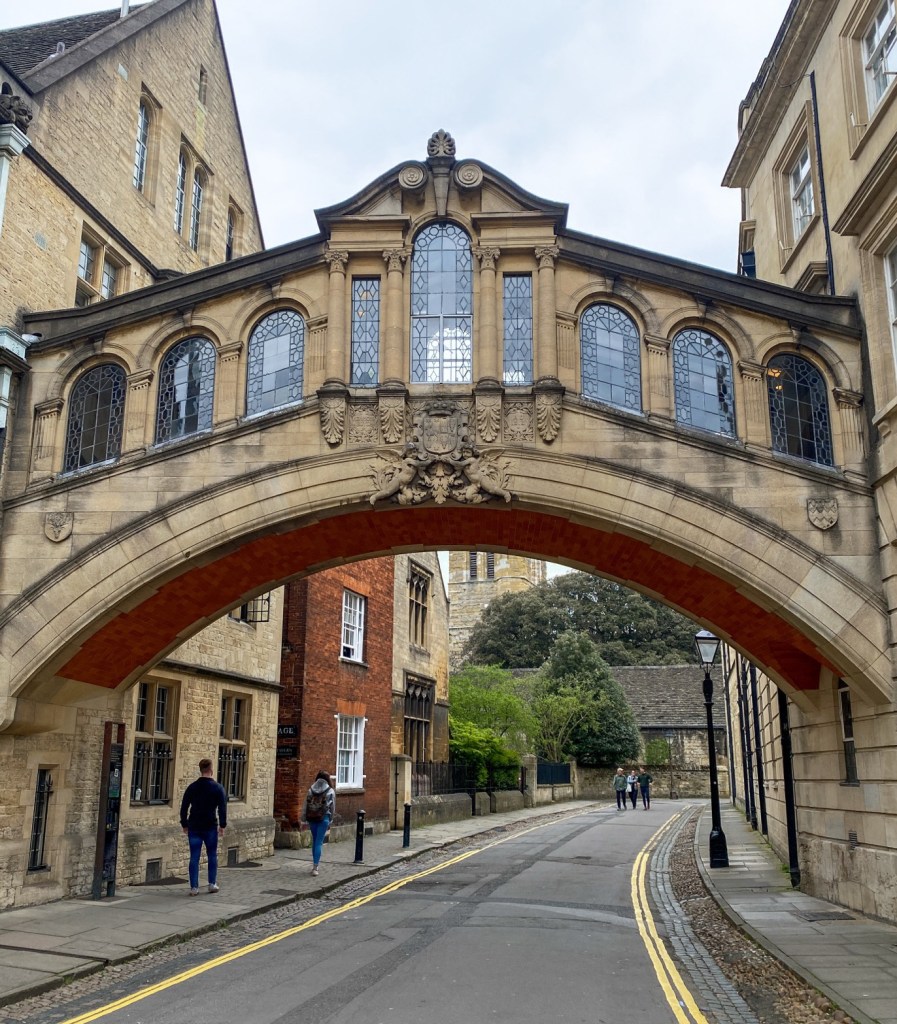
Oxford’s Bridge of Sighs connects two parts of Hertford College over New College Lane. Built in 1914 and inspired by Venice, it is one of the city’s most photographed landmarks!

It adds a romantic, fairy-tale feel to the historic streets and is especially beautiful in early morning light.
6. New College

Founded in 1379, New College is one of Oxford’s most impressive and peaceful colleges. Behind its high stone walls you’ll find:

  • Medieval cloisters
  • A magnificent chapel
  • One of Oxford’s oldest gardens
  • Sections of the original city wall

New College is also a Harry Potter filming location, making it especially popular with fans.
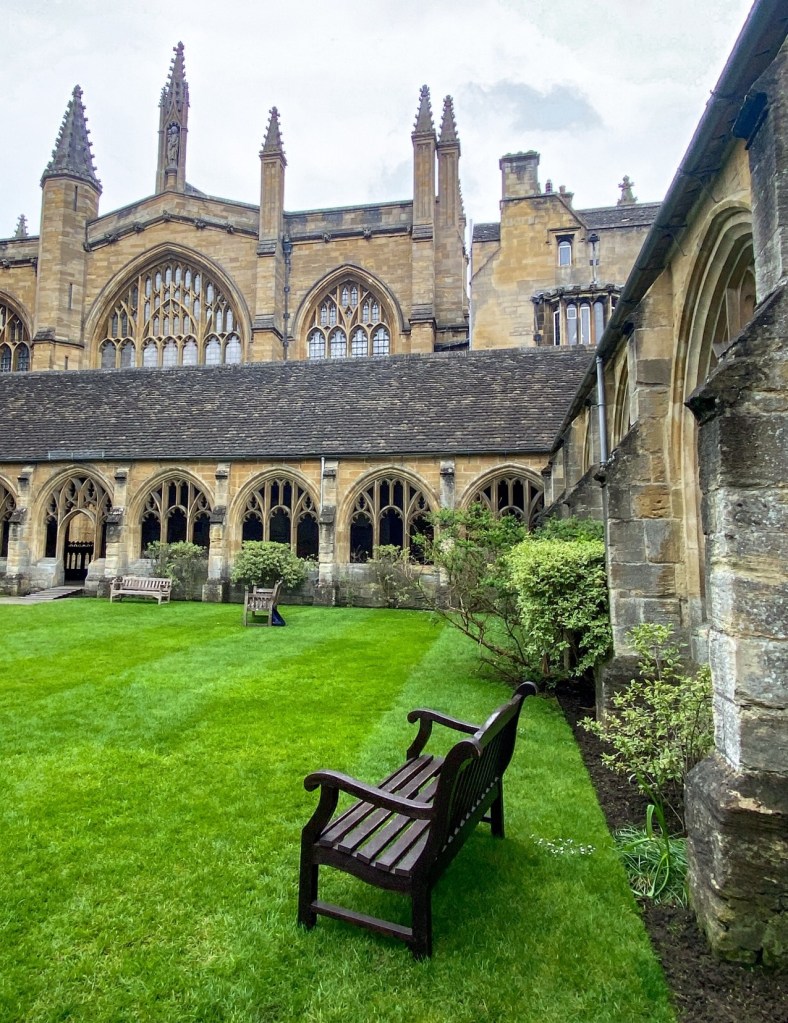
To book a private tour of the college, click here

7. Christ Church College

Christ Church is one of Oxford’s most famous colleges and a highlight of any visit. Founded in 1546, it features:

  • Christ Church Cathedral
  • The iconic Tom Tower
  • Grand meadows and river walks
  • The legendary dining hall that inspired Hogwarts

This college alone can easily fill several hours of exploration.

Book a guided Christ Church & Oxford University tour here

8. St. Edmund Hall

Known affectionately as “Teddy Hall,” St. Edmund Hall dates back to the 13th century and is one of Oxford’s oldest academic institutions.

Smaller and quieter than many colleges, it offers a wonderfully intimate atmosphere, beautiful medieval architecture, and a peaceful garden perfect for slowing down and soaking in Oxford’s academic soul.

How to Get to Oxford, England

Oxford is extremely easy to reach from anywhere in the UK.

By Train

Direct trains run frequently from London Paddington and Marylebone. Journey time is around 1 hour. I usually book my tickets with Trainline.

By Bus

The Oxford Tube and National Express offer frequent, budget-friendly connections from London and Heathrow Airport.

By Car

Oxford is about 1.5 hours from London via the M40. Park-and-ride services are highly recommended.

You can compare car rentals here (click on the “car rental” option)

Where to Stay in Oxford, England

Oxford offers accommodation for every style and budget.

Extra Travel Tips for Oxford

  • Best time to visit: April–June & September (pleasant weather, fewer crowds)
  • Wear comfortable shoes – Oxford is best explored on foot
  • Book popular colleges and tours in advance
  • Consider travel insurance for UK trips

Oxford is a city that rewards slow exploration, every alleyway, courtyard, and college seems to hide another story waiting to be discovered.

Are you planning a trip to Oxford? Let me know in the comments which place you’re most excited to see!

Enjoyed this guide? You can buy me a warm drink here and support my travels & writing!
4 Wonderful Things to Do in Lacock Village, England (2026 Guide)

Disclaimer: This post contains affiliate links. This means I may earn a small commission if you make a purchase through one of my links, at no extra cost to you. These commissions help support my website and allow me to continue creating free travel guides and resources.

Lacock is one of the most beautifully preserved villages in England and a true hidden gem in Wiltshire. From medieval streets and historic abbey ruins to famous film locations and cozy tearooms, Lacock feels like stepping into another century. It is no surprise that this village has been used as a filming location for Harry Potter, Downton Abbey, Pride and Prejudice, and many more productions.

Whether you are planning a day trip from Bath, Bristol, or London, or staying overnight in the Cotswolds area, Lacock is a wonderful place to slow down and explore!

1. Visit Lacock Abbey and the Fox Talbot Museum

One of the most important places to visit in Lacock is Lacock Abbey. Founded in 1232 by Ela, Countess of Salisbury, the abbey began as a nunnery and was later transformed into a country house. Today, it is managed by the National Trust and is open to visitors.

Lacock Abbey is also famous as the former home of William Henry Fox Talbot, the inventor of the photographic negative. The Fox Talbot Museum, located on site, tells the story of early photography and displays some of the oldest surviving photographs in the world.

Inside the abbey, you can explore medieval cloisters, Gothic and Tudor rooms, grand Victorian interiors, and the very space where the first photographic negative was created.

Discover the Harry Potter Filming Locations at Lacock Abbey

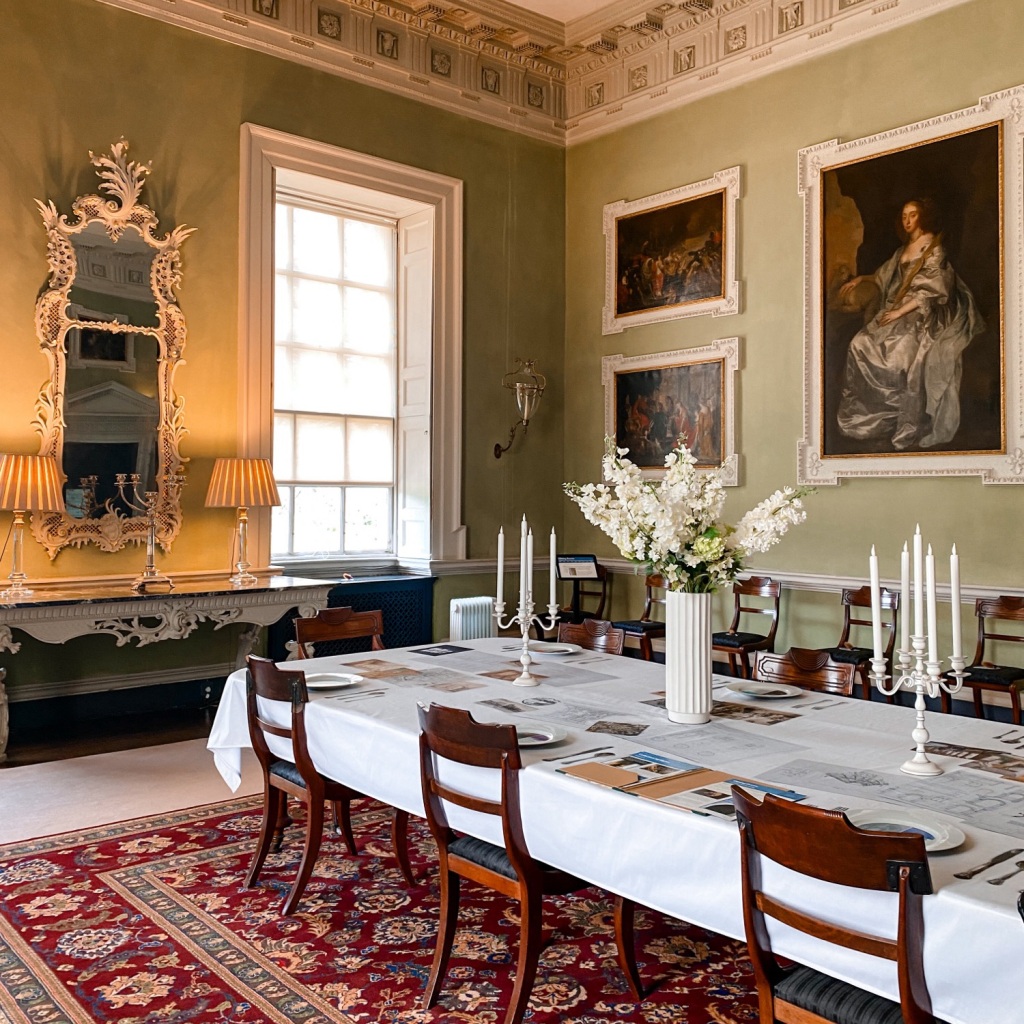
Lacock Abbey is one of the most recognizable Harry Potter filming locations in England. Several rooms and passageways were used to represent Hogwarts interiors. You can explore the abbey on your own, or find Harry Potter themed tours via GetYourGuide, Viator, or Tripadvisor.

The Cloisters

Used as Hogwarts corridors in Harry Potter and the Philosopher’s Stone and Harry Potter and the Chamber of Secrets. Scenes include Harry walking with his invisibility cloak, students moving between classes, and Professor McGonagall recruiting Harry for the Quidditch team.

The Chapter House

Used as the room of the Mirror of Erised and later as a classroom where students discuss the Heir of Slytherin.

The Warming Room

Featured as Professor Quirrell’s Defence Against the Dark Arts classroom, complete with its historic cauldron.

The Sacristy

Transformed into Professor Snape’s Potions classroom.

Explore the Abbey Gardens and Greenhouse

After touring the abbey, take time to wander through its beautiful grounds. The gardens have existed for centuries and blend woodland paths, open parkland, and formal historic spaces.

One of the highlights is the Botanic Garden and greenhouse, created by Henry Fox Talbot in the nineteenth century. The greenhouse is filled with colorful plants and offers a quiet place to pause and enjoy the peaceful surroundings.

The grounds also feature an orchard, rose garden, and riverside walks that are especially beautiful in spring and summer.

2. Wander the Streets of Lacock Village

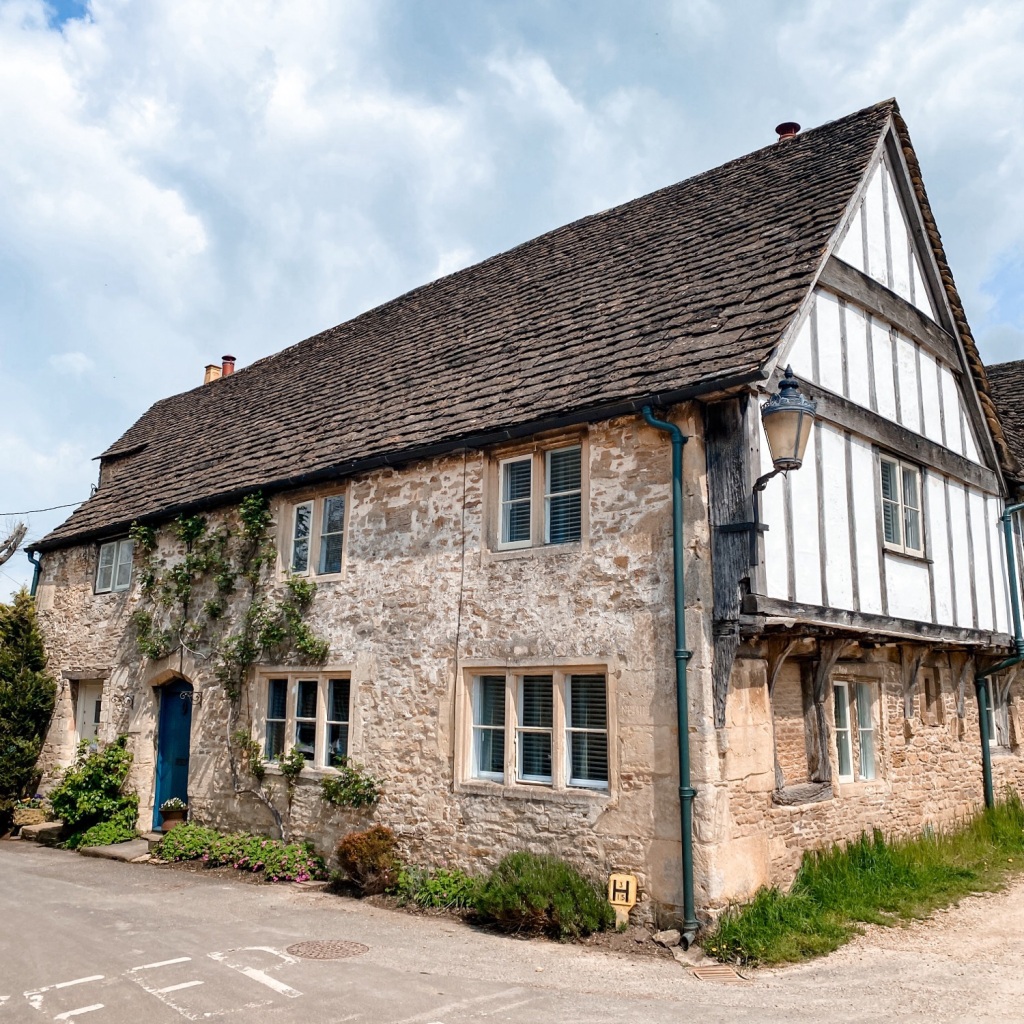
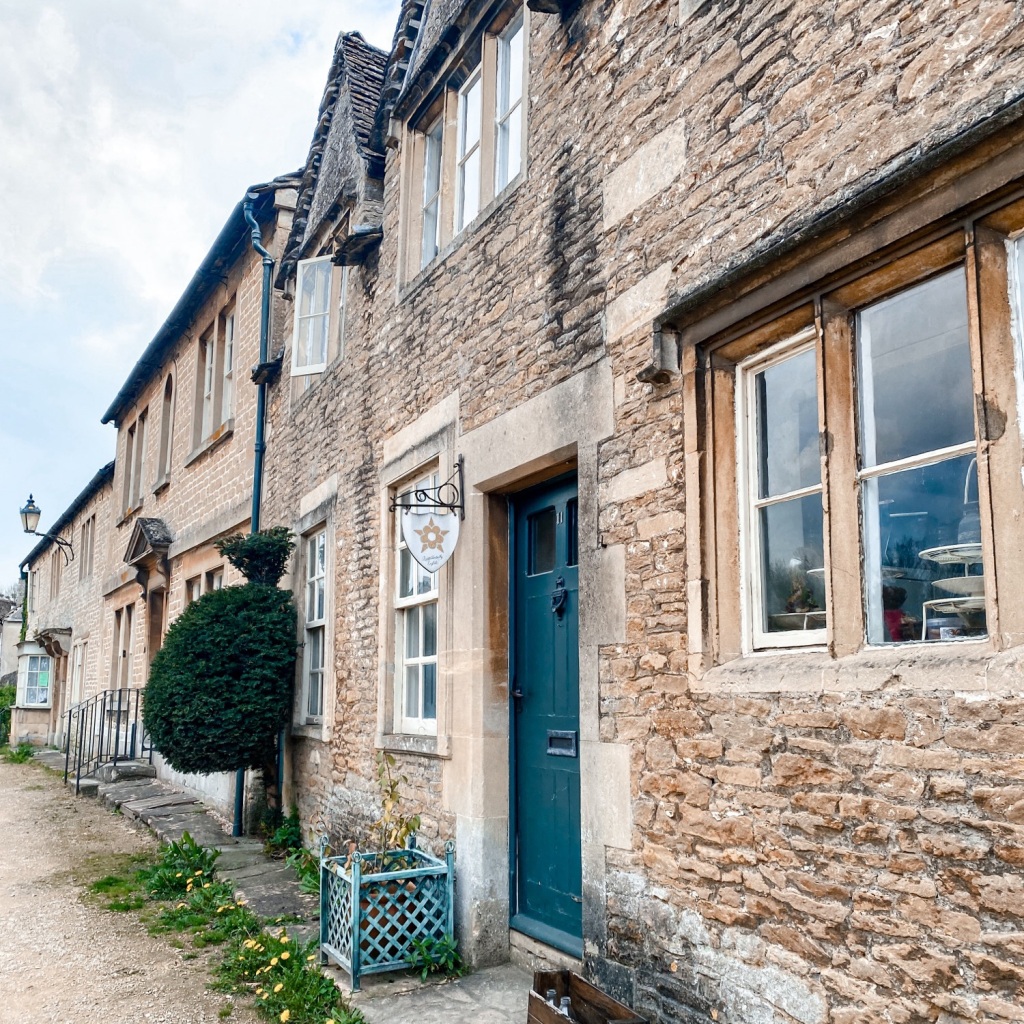
Lacock village itself is just as special as the abbey. The village layout has remained largely unchanged for centuries, with timber framed cottages, stone houses, and historic inns lining four main streets.

As you wander, you will find independent shops, small museums, cozy tearooms, and traditional pubs. Lacock feels wonderfully untouched by modern development, which is why it is so often chosen for period dramas.

Stop for a freshly baked treat at Lacock Bakery or enjoy a coffee and homemade cake at The Stables Cafe. For a sit-down meal, the historic Sign of the Angel and The George Inn are perfect choices for classic English fare, while The Bell Inn offers more refined dining just outside the main thoroughfare. The village also has delightful places to browse local crafts and gifts, including the National Trust Gift ShopBarty’s of LacockQuintessentially English, and Lacock Shop & Deli, making a slow stroll through Lacock feel like a step back in time with plenty of inviting stops along the way.

3. Harry Potter filming locations in the village

The Cottage with the Blue Door

The blue door cottage on Church Street appears briefly in Harry Potter and the Half Blood Prince.

Sign of the Angel Pub

The Sign of the Angel pub was used as the Babberton Arms. You can even book a stay here!

Harry Potter Parent’s House

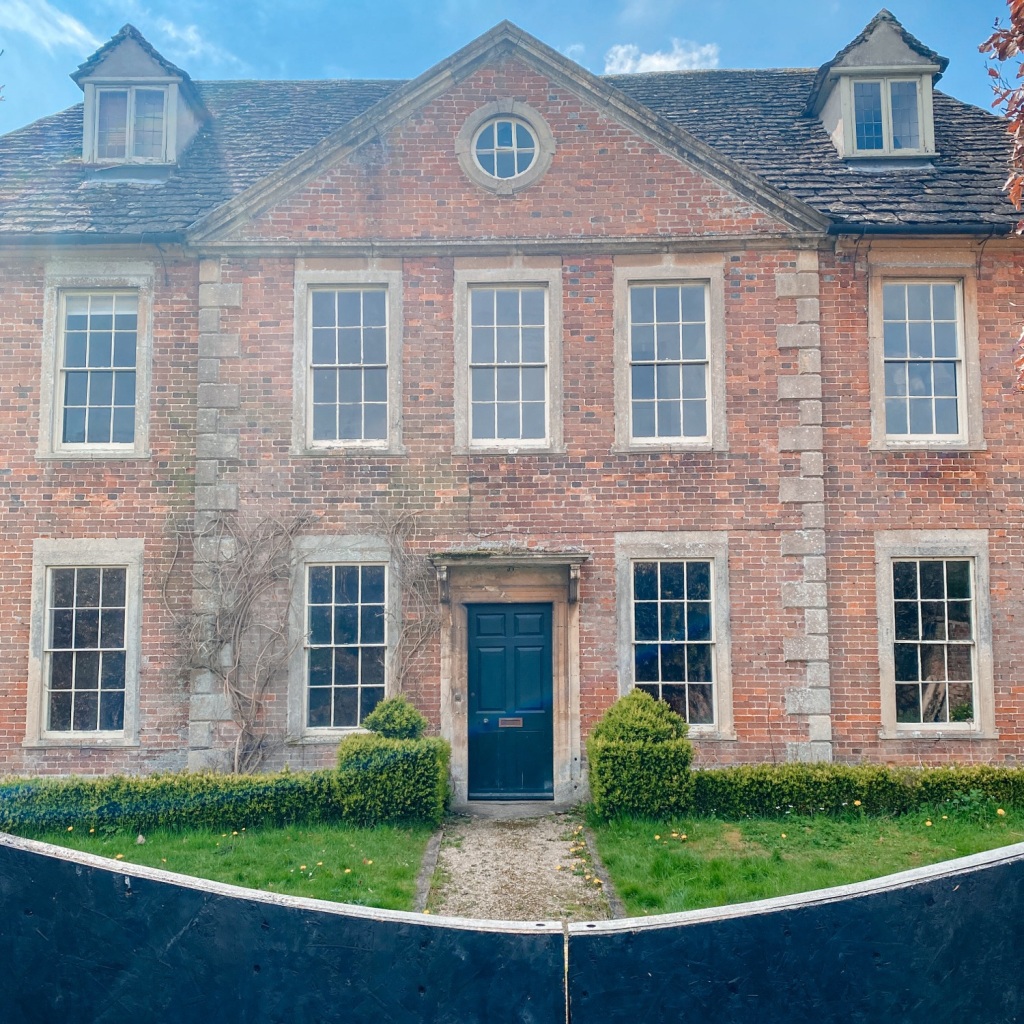
A house at the end of Church Street was used as James and Lily Potter’s home.

Horace Sluggorn’s Hideaway

A large house on Church Hill appears as Horace Slughorn’s hideaway.

4. Visit St Cyriac’s Church and Churchyard

St Cyriac’s Church dates back to the fourteenth century and stands at the heart of Lacock. The church features beautiful stonework, medieval details, and impressive stained glass. Settlement in Lacock originally developed around the church, which is still reflected in the shape of Church Street today.

The peaceful churchyard is a lovely place for a quiet stroll and offers beautiful views of the surrounding village.

Where to Stay in Lacock

If you want to extend your visit, Lacock is a wonderful place to spend the night. One of the most popular options is the Sign of the Angel, a historic inn located right in the village.

You can also find charming cottages, boutique hotels, and countryside stays nearby through Booking.com and Expedia.

Getting to Lacock

Lacock is located in Wiltshire, about thirty minutes from Bath and under two hours from London.

By car: easy access from Bath, Bristol, and the Cotswolds. Click here for car rental options.
By train: Chippenham station is the closest, followed by a short taxi ride. You can check private transfers through Welcome Pickups and Kiwitaxi.

By tour: many small group tours include Lacock with Bath and the southern Cotswold

Final Thoughts

Lacock is one of those rare places that truly feels frozen in time. Whether you are visiting for its history, gardens, photography heritage, or famous filming locations, the village offers a peaceful and unforgettable experience. It is the perfect destination for a slow day of wandering, exploring, and soaking in English village life.

If you are planning a trip to Wiltshire or the Cotswolds, Lacock absolutely deserves a place on your itinerary!

Did you find this guide helpful? Consider buying me a drink.
Your support helps fund future travel research and detailed destination guides.