4 Wonderful Things to Do in Lacock Village, England (2026 Guide)

Disclaimer: This post contains affiliate links. This means I may earn a small commission if you make a purchase through one of my links, at no extra cost to you. These commissions help support my website and allow me to continue creating free travel guides and resources.

Lacock is one of the most beautifully preserved villages in England and a true hidden gem in Wiltshire. From medieval streets and historic abbey ruins to famous film locations and cozy tearooms, Lacock feels like stepping into another century. It is no surprise that this village has been used as a filming location for Harry Potter, Downton Abbey, Pride and Prejudice, and many more productions.

Whether you are planning a day trip from Bath, Bristol, or London, or staying overnight in the Cotswolds area, Lacock is a wonderful place to slow down and explore!
1. Visit Lacock Abbey and the Fox Talbot Museum

One of the most important places to visit in Lacock is Lacock Abbey. Founded in 1232 by Ela, Countess of Salisbury, the abbey began as a nunnery and was later transformed into a country house. Today, it is managed by the National Trust and is open to visitors.

Lacock Abbey is also famous as the former home of William Henry Fox Talbot, the inventor of the photographic negative. The Fox Talbot Museum, located on site, tells the story of early photography and displays some of the oldest surviving photographs in the world.

Inside the abbey, you can explore medieval cloisters, Gothic and Tudor rooms, grand Victorian interiors, and the very space where the first photographic negative was created.
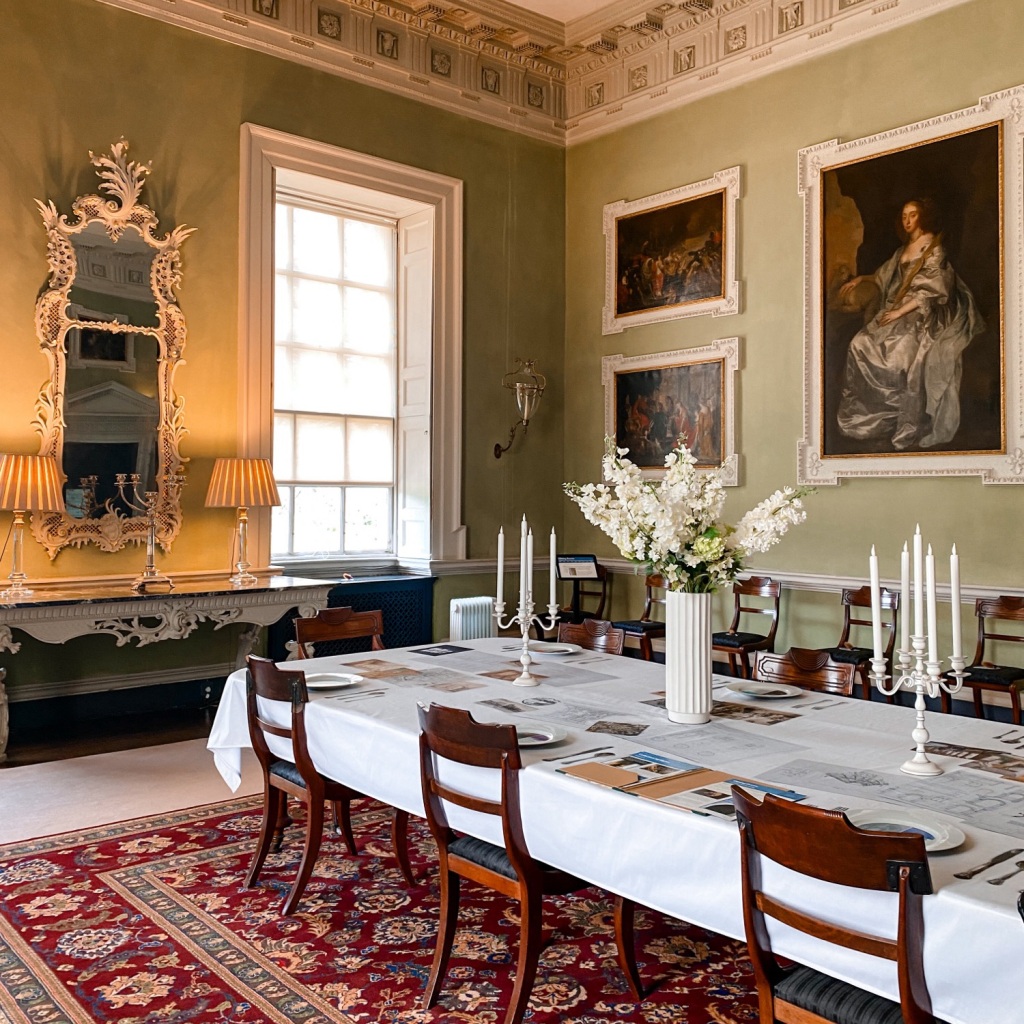
Discover the Harry Potter Filming Locations at Lacock Abbey

Lacock Abbey is one of the most recognizable Harry Potter filming locations in England. Several rooms and passageways were used to represent Hogwarts interiors. You can explore the abbey on your own, or find Harry Potter themed tours via GetYourGuide, Viator, or Tripadvisor.

The Cloisters

Used as Hogwarts corridors in Harry Potter and the Philosopher’s Stone and Harry Potter and the Chamber of Secrets. Scenes include Harry walking with his invisibility cloak, students moving between classes, and Professor McGonagall recruiting Harry for the Quidditch team.

The Chapter House

Used as the room of the Mirror of Erised and later as a classroom where students discuss the Heir of Slytherin.

The Warming Room

Featured as Professor Quirrell’s Defence Against the Dark Arts classroom, complete with its historic cauldron.

The Sacristy

Transformed into Professor Snape’s Potions classroom.

Explore the Abbey Gardens and Greenhouse

After touring the abbey, take time to wander through its beautiful grounds. The gardens have existed for centuries and blend woodland paths, open parkland, and formal historic spaces.

One of the highlights is the Botanic Garden and greenhouse, created by Henry Fox Talbot in the nineteenth century. The greenhouse is filled with colorful plants and offers a quiet place to pause and enjoy the peaceful surroundings.

The grounds also feature an orchard, rose garden, and riverside walks that are especially beautiful in spring and summer.

2. Wander the Streets of Lacock Village

Lacock village itself is just as special as the abbey. The village layout has remained largely unchanged for centuries, with timber framed cottages, stone houses, and historic inns lining four main streets.

As you wander, you will find independent shops, small museums, cozy tearooms, and traditional pubs. Lacock feels wonderfully untouched by modern development, which is why it is so often chosen for period dramas.
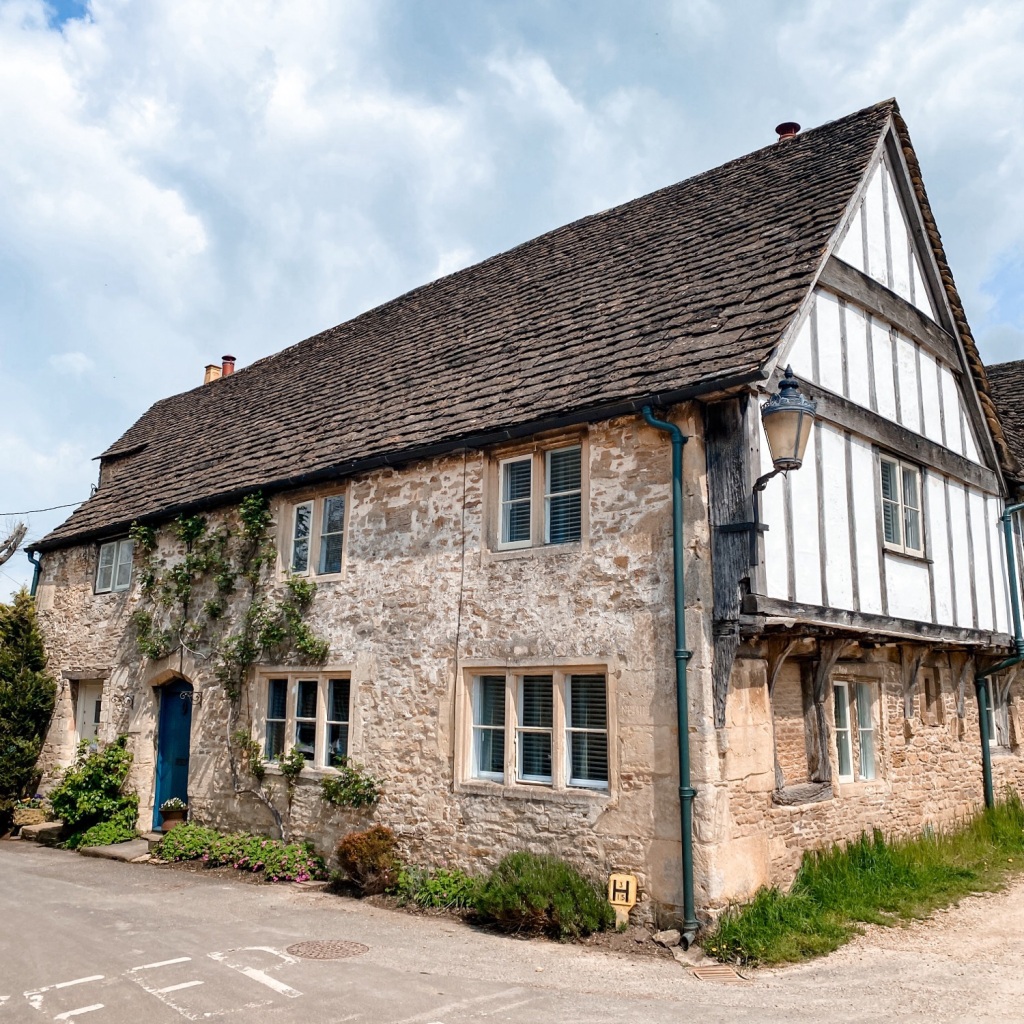
Stop for a freshly baked treat at Lacock Bakery or enjoy a coffee and homemade cake at The Stables Cafe. For a sit-down meal, the historic Sign of the Angel and The George Inn are perfect choices for classic English fare, while The Bell Inn offers more refined dining just outside the main thoroughfare. The village also has delightful places to browse local crafts and gifts, including the National Trust Gift ShopBarty’s of LacockQuintessentially English, and Lacock Shop & Deli, making a slow stroll through Lacock feel like a step back in time with plenty of inviting stops along the way.

3. Harry Potter filming locations in the village

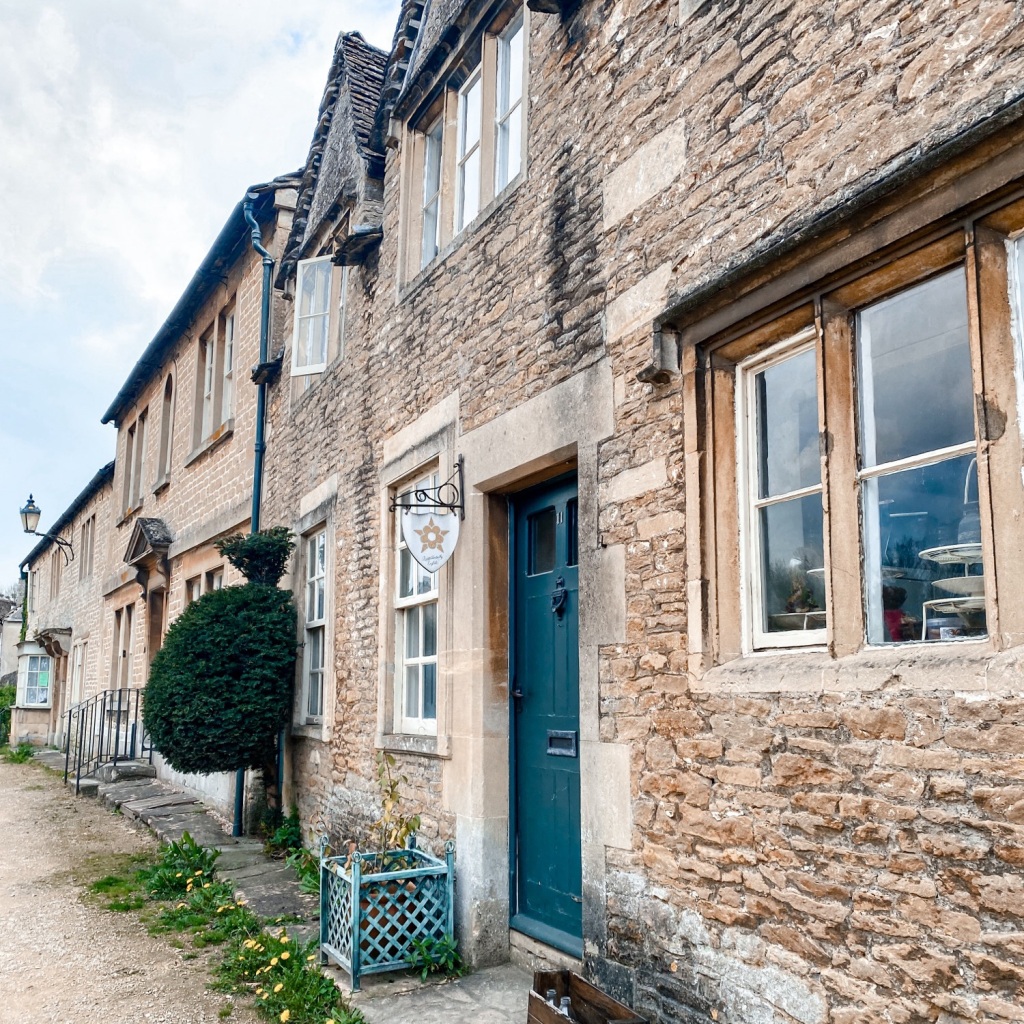
The Cottage with the Blue Door

The blue door cottage on Church Street appears briefly in Harry Potter and the Half Blood Prince.

Sign of the Angel Pub

The Sign of the Angel pub was used as the Babberton Arms. You can even book a stay here!

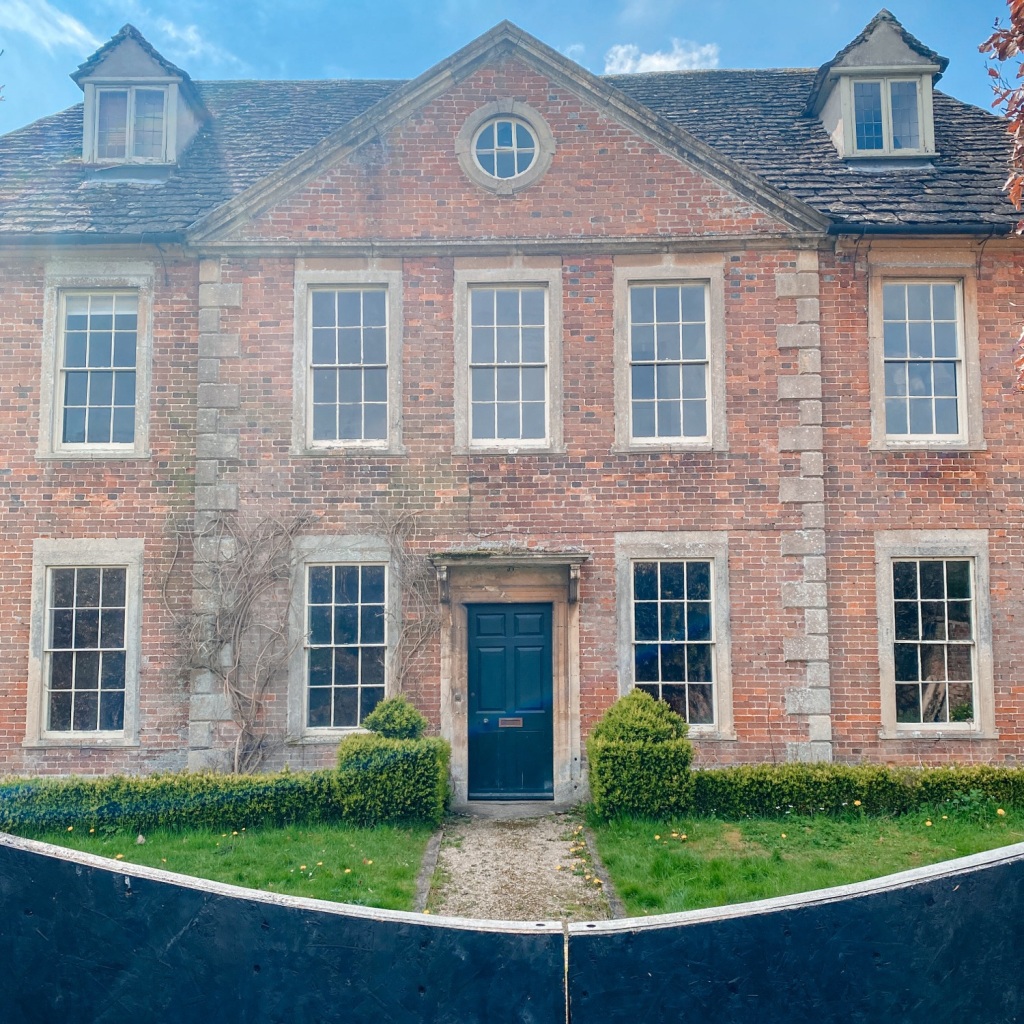
Harry Potter Parent’s House

A house at the end of Church Street was used as James and Lily Potter’s home.

Horace Sluggorn’s Hideaway

A large house on Church Hill appears as Horace Slughorn’s hideaway.
4. Visit St Cyriac’s Church and Churchyard

St Cyriac’s Church dates back to the fourteenth century and stands at the heart of Lacock. The church features beautiful stonework, medieval details, and impressive stained glass. Settlement in Lacock originally developed around the church, which is still reflected in the shape of Church Street today.

The peaceful churchyard is a lovely place for a quiet stroll and offers beautiful views of the surrounding village.

Where to Stay in Lacock

If you want to extend your visit, Lacock is a wonderful place to spend the night. One of the most popular options is the Sign of the Angel, a historic inn located right in the village.

You can also find charming cottages, boutique hotels, and countryside stays nearby through Booking.com and Expedia.

Getting to Lacock

Lacock is located in Wiltshire, about thirty minutes from Bath and under two hours from London.

By car: easy access from Bath, Bristol, and the Cotswolds. Click here for car rental options.
By train: Chippenham station is the closest, followed by a short taxi ride. You can check private transfers through Welcome Pickups and Kiwitaxi.

By tour: many small group tours include Lacock with Bath and the southern Cotswold

Final Thoughts

Lacock is one of those rare places that truly feels frozen in time. Whether you are visiting for its history, gardens, photography heritage, or famous filming locations, the village offers a peaceful and unforgettable experience. It is the perfect destination for a slow day of wandering, exploring, and soaking in English village life.

If you are planning a trip to Wiltshire or the Cotswolds, Lacock absolutely deserves a place on your itinerary!

Did you find this guide helpful? Consider buying me a drink.
Your support helps fund future travel research and detailed destination guides.

10 Lovely Things to Do in Grasmere, Cumbria (2026 Travel Guide)

Disclaimer: This post contains affiliate links. This means I may earn a small commission if you make a booking through my links, at no extra cost to you.

The village of Grasmere is one of the most beloved destinations in Cumbria and the Lake District. It is especially famous as the home of English Romantic poet William Wordsworth, who lived here in the early nineteenth century. Today, Grasmere draws visitors from all over the world thanks to its breathtaking landscapes, historic sites, independent shops, cozy tearooms, and unique places to stay.

Although many of Grasmere’s village buildings date from the nineteenth and early twentieth centuries, the surrounding farms and St Oswald’s Church are much older, giving the village a timeless, storybook feel. From the moment you arrive, you are surrounded by green fields, stone cottages, and sweeping fell views.

Early spring is one of the most beautiful times to visit, when daffodils begin to bloom, the air is crisp, and the crowds are lighter than in peak summer.

10 Lovely Things to Do in Grasmere

Grasmere is full of quiet beauty and gentle experiences. Here are some of the most popular and rewarding things to include in your Grasmere itinerary.

1. Wander Around the Village Centre

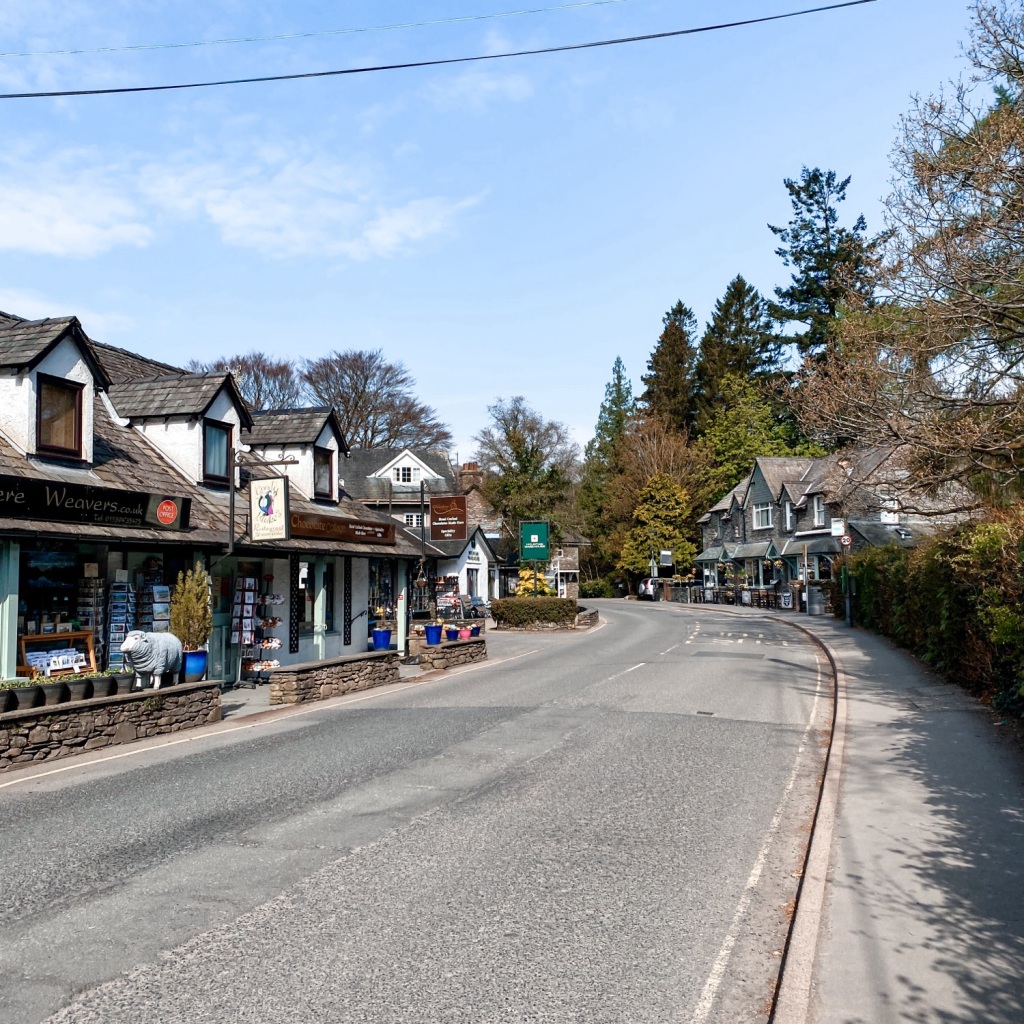
Grasmere’s village centre is lined with charming stone buildings, gift shops, cafés, and traditional inns. It is the perfect place to begin exploring. One popular stop includes the Chocolate Cottage for handmade treats. Near the centre, you will also find a lovely wishing well whose proceeds support local and national charities.

To find accommodation nearby, check these options through Booking.com, Vrbo, and Expedia.

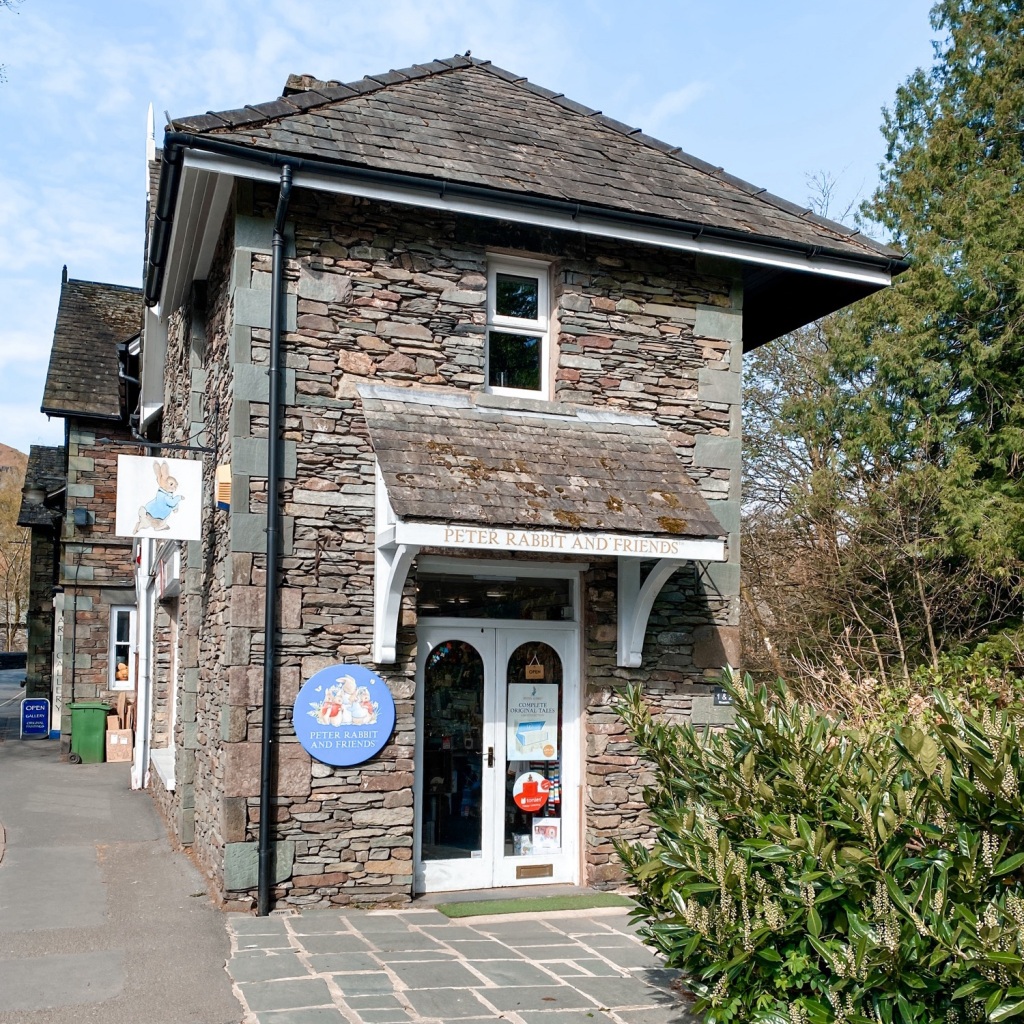
2. Visit the Peter Rabbit and Friends Shop

A visit to Grasmere would not be complete without stopping at the Peter Rabbit and Friends Shop. This is a must for fans of Beatrix Potter and her timeless stories.

Inside, you will find a wide range of gifts, books, toys, and outdoor themed products inspired by Peter Rabbit and his friends. It is especially popular with families, but also lovely for collectors and literary fans.

If you are interested in a Beatrix Potter tour or a Lake District experience, check these ones out on Viator and GetYourGuide. You can also pay a visit to the village and house where Beatrix Potter lived. You can find more information about it in this article I wrote.

3. Explore St Oswald’s Church

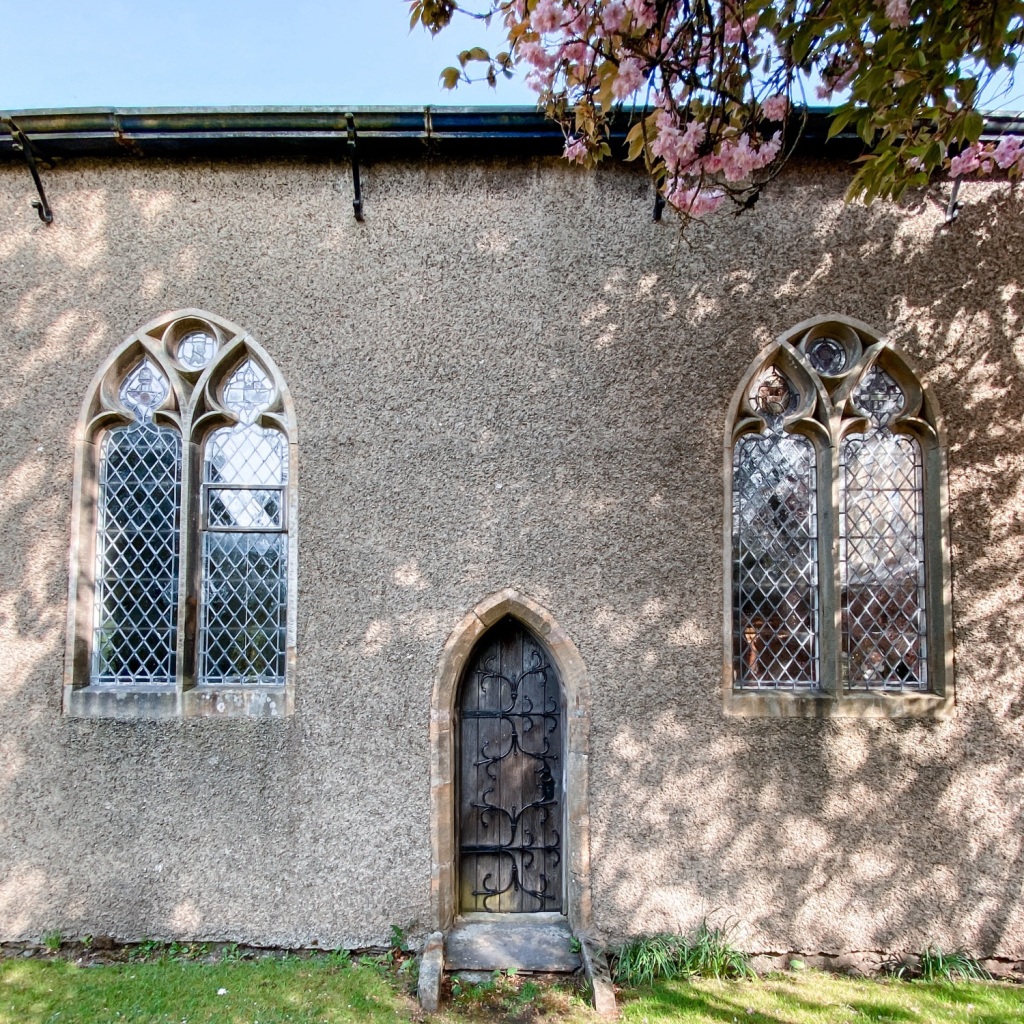
St Oswald’s Church is one of the most historically significant sites in Grasmere. It is named after St Oswald, the seventh century Christian king of Northumbria, who is believed to have preached on this site.

The church is best known today for its strong connection to the poet William Wordsworth, who worshipped here regularly. The interior is peaceful and welcoming, and the surrounding churchyard is one of the most atmospheric spots in the village.

4. Visit the Wordsworth Family Graves

Within St Oswald’s churchyard, follow the small sign pointing “To the Wordsworth Graves.” This leads you to the resting place of William Wordsworth, his wife Mary, his sister Dorothy, and several of their children.

The graves lie beneath the shade of ancient yew trees, some of which were planted by Wordsworth himself. It is a quiet and moving place to reflect on the poet’s life and legacy.

5. Walk Through the Wordsworth Daffodil Garden

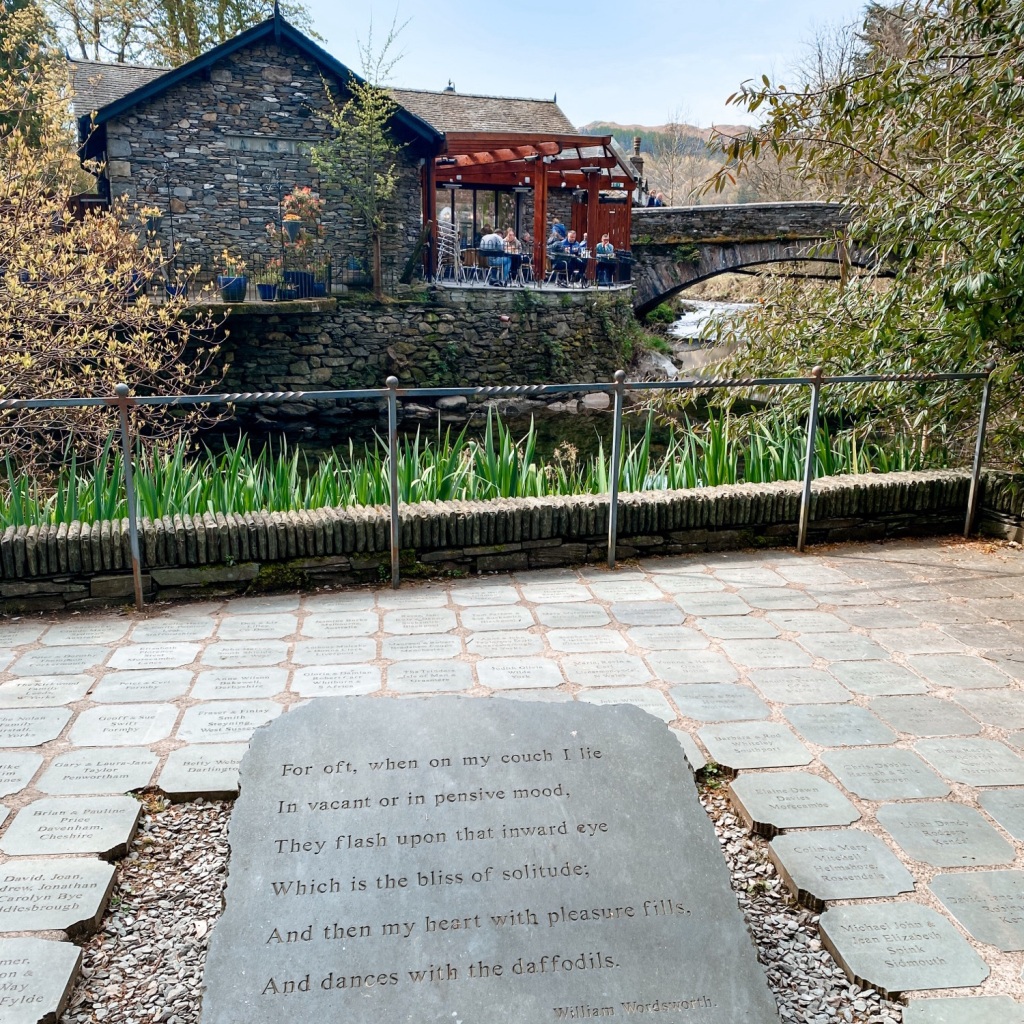
Nestled between St Oswald’s churchyard and the River Rothay is the Wordsworth Daffodil Garden. It was opened in 2003 in honour of Wordsworth’s famous poem “I Wandered Lonely as a Cloud.”

Entrance is free, but the garden raises funds to support Grasmere’s heritage. Visitors can sponsor engraved Lakeland slate stones, shrubs, or wild daffodils. In spring, this is one of the most beautiful spots in the entire village.

6. Stop at the Grasmere Gingerbread Shop

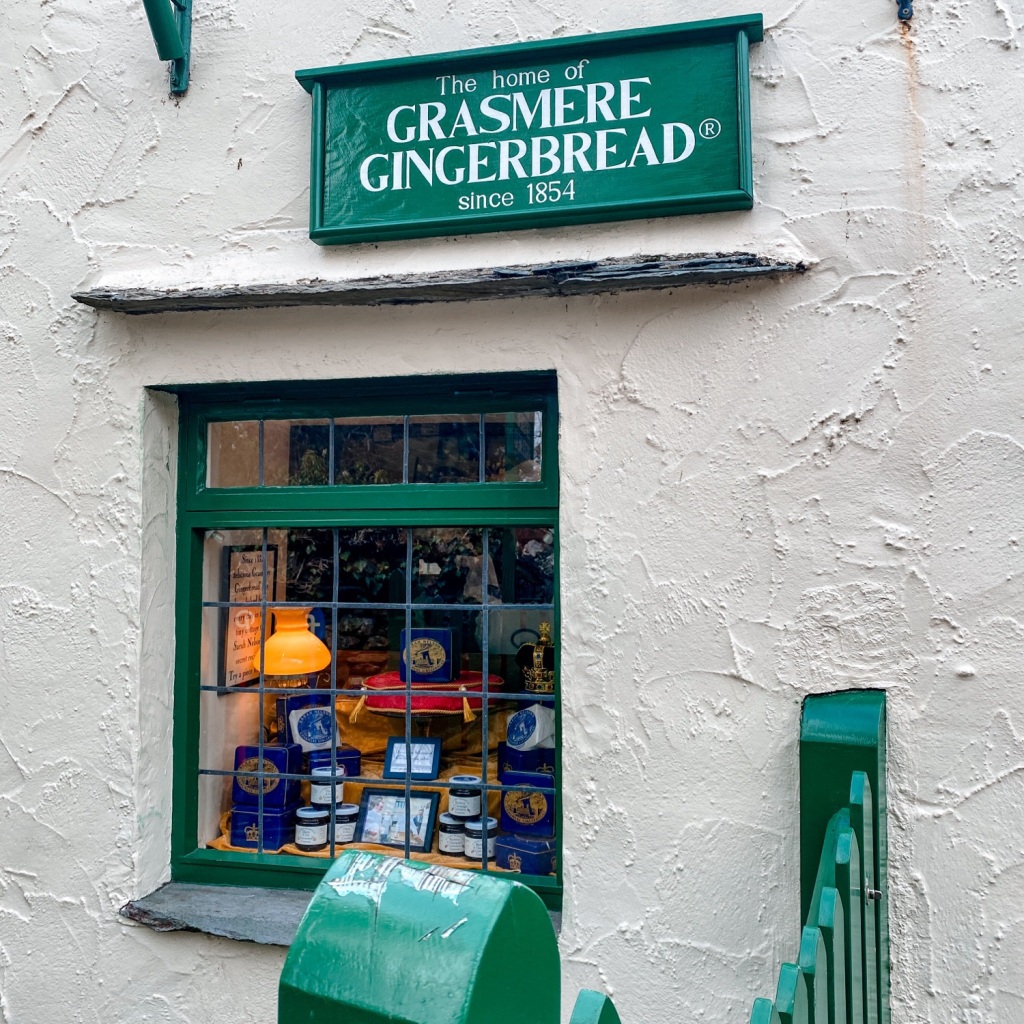
This tiny shop is one of Grasmere’s biggest attractions and the only place in the world where authentic Grasmere Gingerbread is made.

Sarah Nelson’s Grasmere Gingerbread has been baked here since 1854. Its closely guarded recipe is reportedly stored in a bank vault. The gingerbread is somewhere between a biscuit and a cake, and its warm, spicy aroma alone is reason enough to visit.

Expect queues, especially in peak season, but they move quickly and are well worth the wait.

7. Stroll Along the River Rothay

The River Rothay flows gently past the churchyard and through the edge of the village. A walk along its banks offers some of the prettiest views in Grasmere.

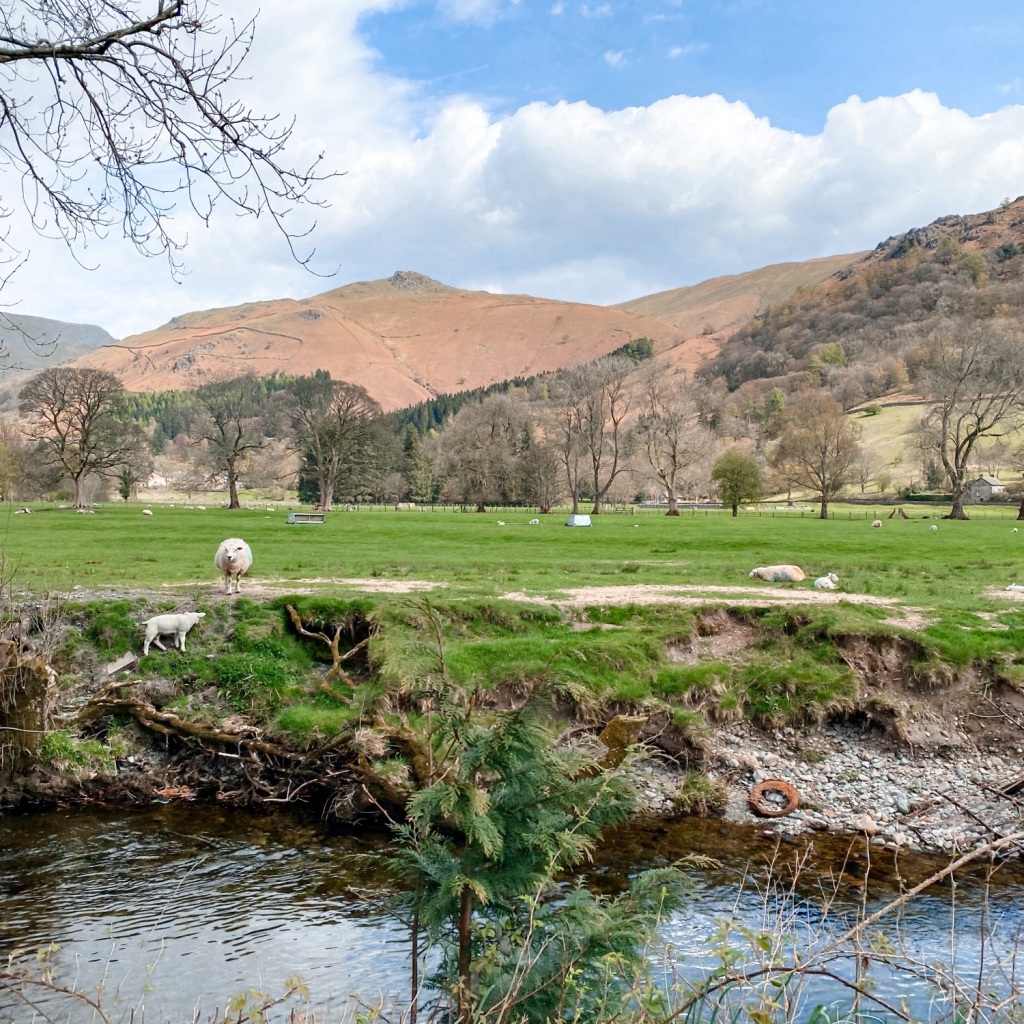
The footpaths here are easy, peaceful, and ideal for photography. You will see stone bridges, grazing sheep, and classic Lakeland scenery that changes beautifully with the seasons.

8. Visit Dove Cottage

In 1799, William Wordsworth and his sister Dorothy settled in Dove Cottage after years of travelling. Wordsworth famously described it as “the loveliest spot that man hath ever found.”

Here he wrote some of the most important poetry in the English language, and many leading Romantic writers and artists visited him.

Today, Dove Cottage is open to the public as a museum. You can explore the rooms, gardens, and exhibitions and gain a deeper insight into Wordsworth’s life and work.

9. Walk Through Grasmere Town End

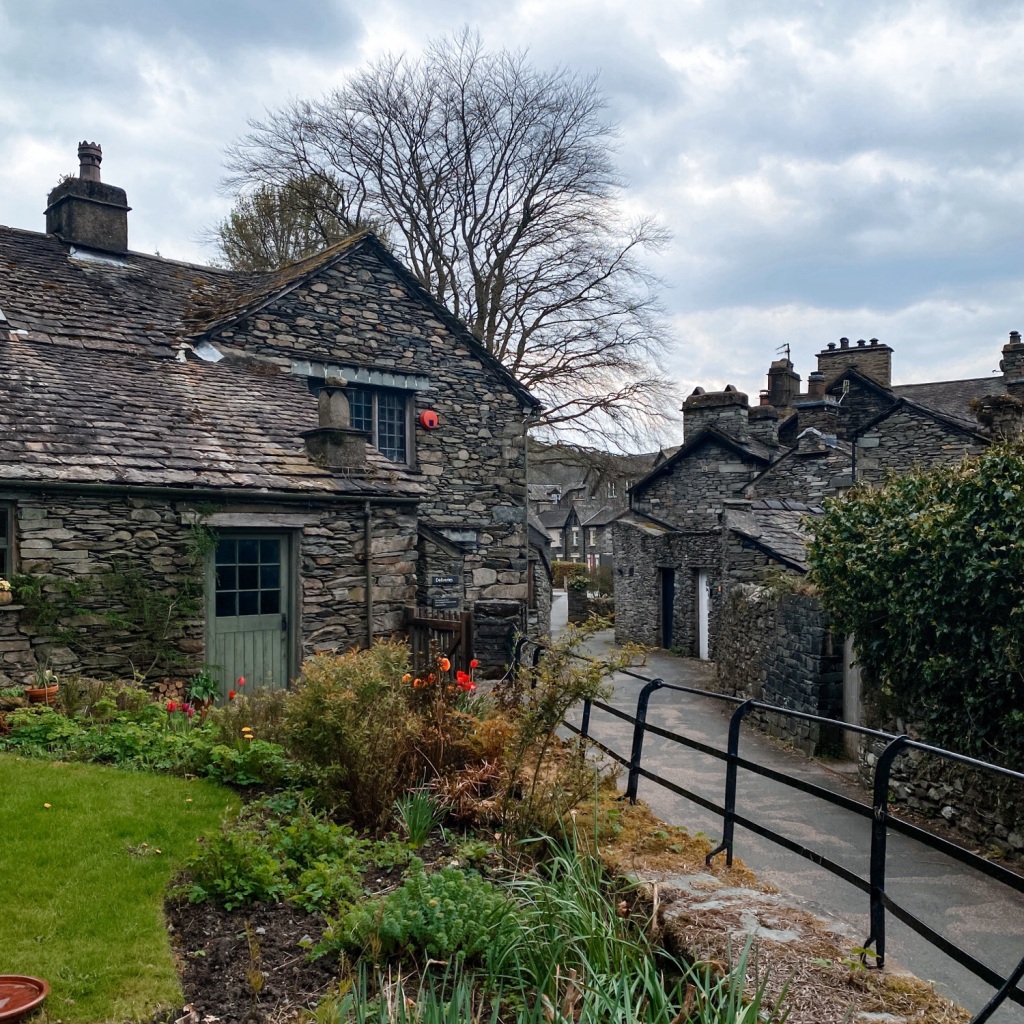
Grasmere Town End is a small hamlet that has changed very little since Wordsworth’s lifetime. Cobblestone paths, stone cottages, and traditional details such as old style lamp posts make this one of the most atmospheric areas of the village.

It is a wonderful place for slow wandering, photography, and imagining what life was like here two centuries ago.

10. Photograph the Surrounding Landscape

The natural setting of Grasmere is just as special as the village itself. Green meadows, dry stone walls, grazing sheep, and dramatic fell backdrops surround the village in every direction.

Popular walks include Red Bank Road and the footpath along the western shore of Grasmere Lake toward Rydal Water. These routes offer stunning scenery and gentle walking suitable for most visitors. If you are looking for guided hikes, scenic tours, and Lake District day trips, click here.

Where to Stay in Grasmere

Grasmere offers a wide range of accommodation options, from historic inns and family run guesthouses to luxury hotels and countryside cottages.

You can find and compare hotels, B and Bs, and holiday rentals in and around Grasmere using Booking.com, Vrbo, or Expedia.

How to Get to Grasmere

By car
Grasmere is easiest to reach by car and sits just off the A591 between Windermere and Keswick. Click here for car rental options.

By bus
Bus 599 runs between Bowness, Windermere, Rydal, and Grasmere, with frequent services in spring and summer, including open top buses.
Bus 555 runs from Lancaster and Kendal to Keswick via Grasmere.

By bike or on foot
The Grasmere Trail links Ambleside and Grasmere via Rydal Water and Grasmere Lake and is a beautiful option for walkers and cyclists.

By guided tour
Many Lake District tours include Grasmere as a stop. This is ideal if you prefer not to drive. You can find a tour that suits you through Viator, GetYourGuide, or Tripadvisor.

Nearby Villages to Visit from Grasmere

One of the best things about staying in Grasmere is its central location in the Lake District. Several beautiful villages and small towns are only a short drive or bus ride away, making Grasmere an excellent base for exploring the region.

Ambleside

Just ten minutes south of Grasmere, Ambleside is one of the Lake District’s most popular villages. It is known for its lively town centre, independent shops, cosy cafés, and historic landmarks such as Bridge House and Stock Ghyll Force waterfall. Ambleside is also a major hub for lake cruises and walking routes.

Rydal and Rydal Water

Only a few minutes from Grasmere, Rydal is a tiny village set beside one of the most peaceful lakes in the district. Rydal Water is perfect for gentle walks, photography, and quiet picnics. Nearby highlights include Rydal Mount, another former home of William Wordsworth, and scenic walking paths linking Grasmere and Ambleside.

Hawkshead

About twenty five minutes away, Hawkshead is a beautifully preserved medieval village with whitewashed cottages, cobbled streets, and a strong literary history. Both William Wordsworth and Beatrix Potter have close connections to Hawkshead, and it is home to the Tabitha Twitchit’s Bookshop and the Old Grammar School where Wordsworth studied.

Bowness on Windermere

Around twenty minutes from Grasmere, Bowness on Windermere sits on the shores of England’s largest lake. It is the best place for lake cruises, boat hire, waterfront walks, and family attractions such as the World of Beatrix Potter. It also offers one of the widest selections of hotels, restaurants, and shops in the Lake District.

Elterwater and Little Langdale

For a quieter village experience, Elterwater and the Little Langdale valley are beautiful options. These small villages are surrounded by dramatic mountain scenery and offer some of the most rewarding short walks in the central Lake District, including routes to waterfalls, tarns, and historic slate workings..

Final Thoughts

Grasmere is one of those villages that invites you to slow down. Whether you are following in the footsteps of William Wordsworth, tasting the famous gingerbread, walking beside the river, or gazing across the surrounding fells, the village offers a peaceful and deeply memorable Lake District experience.

If you are planning a trip to Cumbria, Grasmere deserves a place at the very top of your itinerary!

6 Pretty Spots to Explore in Ambleside, Cumbria (2026 Travel Guide)

Disclaimer: This post contains affiliate links. This means I may earn a small commission if you make a booking through my links, at no extra cost to you.

Ambleside is one of the most charming towns in the Lake District and a major visitor hub in Cumbria. Set at the northern tip of Lake Windermere, Ambleside is known for its stone cottages, independent shops, welcoming cafés, and easy access to some of the region’s most beautiful walking routes.

It is especially popular with walkers, cyclists, and outdoor enthusiasts, thanks to its location near Grasmere, Rydal, Keswick, and Windermere. A scenic walking route also links the town directly to Lake Windermere, making it easy to combine village exploring with lakeside strolls or boat trips.

If you are planning to base yourself here, Ambleside has an excellent range of hotels, guesthouses, and self catering cottages. You can find different accommodation options through Booking.com, Vrbo, and Expedia.

6 Pretty Spots in Ambleside You Should Not Miss

Ambleside may be small, but it is full of photogenic corners, historic buildings, and hidden details. These six spots are some of the prettiest places to explore if you are spending a few hours in the town center.

1. The Village Sign and Four Way Junction

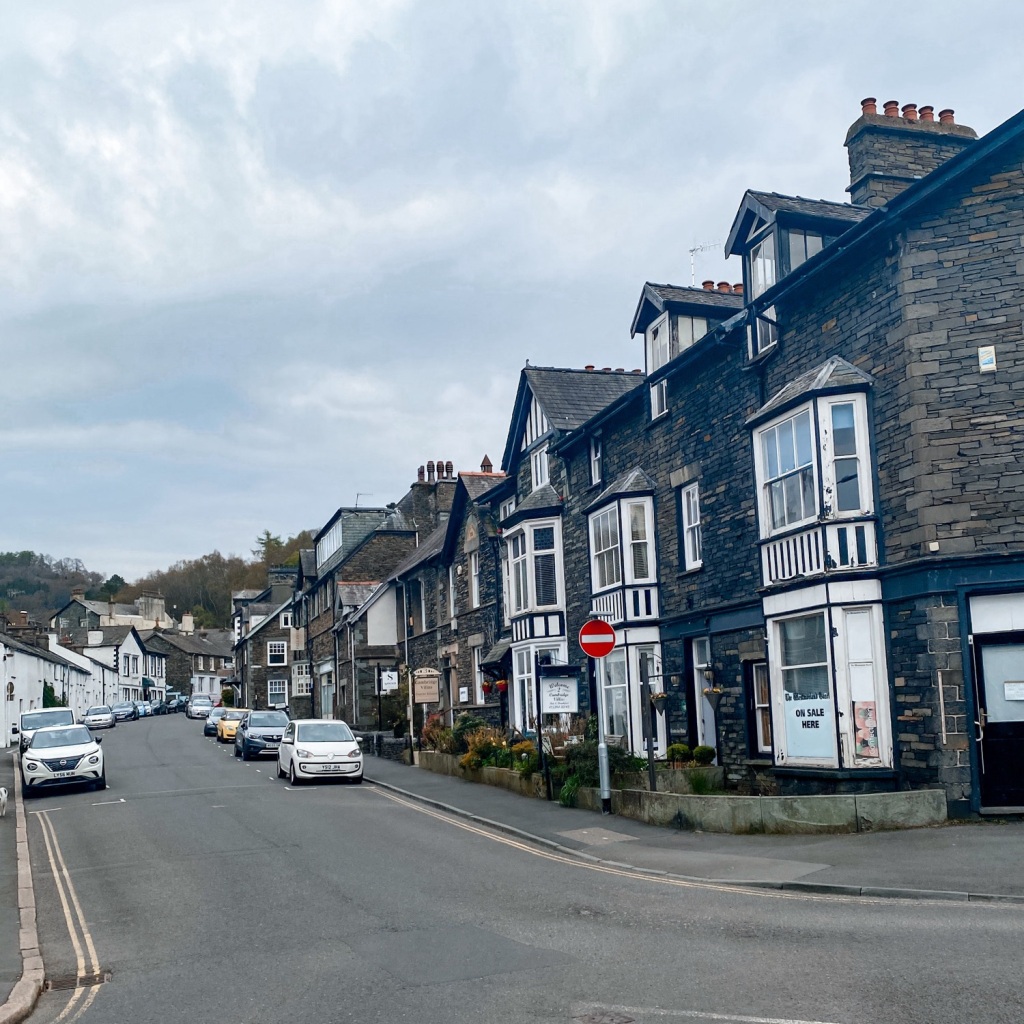
As you enter the heart of Ambleside, you will come across a distinctive street sign at the junction of Rothay Road, Compston Road, Church Street, and Kelsick Road.

This is a wonderful first stop for photos. From here, you can capture the character of the village while seeing four different streets meeting in one lively intersection. It is also a good orientation point before beginning your walk around town.

2. The Bridge House

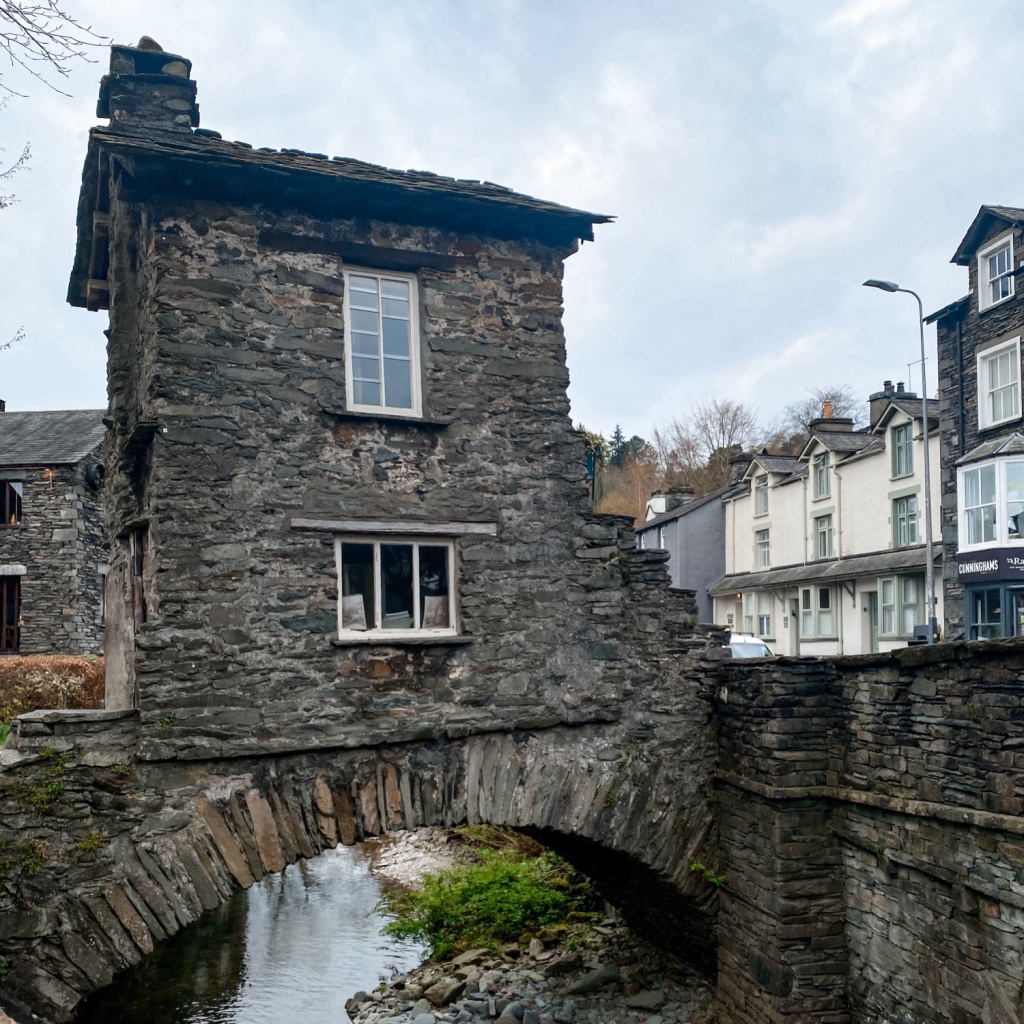
The Bridge House is one of the most famous landmarks in the Lake District and is often described as the most photographed building in the National Park.

This tiny seventeenth century house sits directly over the Stock Ghyll stream. It was once used as an apple store and later as a family home. A long repeated local story says it was built over the water to avoid land tax.

During the Victorian era, it was already considered a curious relic and something every artist should sketch. Today, it remains one of the most charming and unusual sights in Ambleside. This self-guided tour is a great choice to learn more about the house and the area!

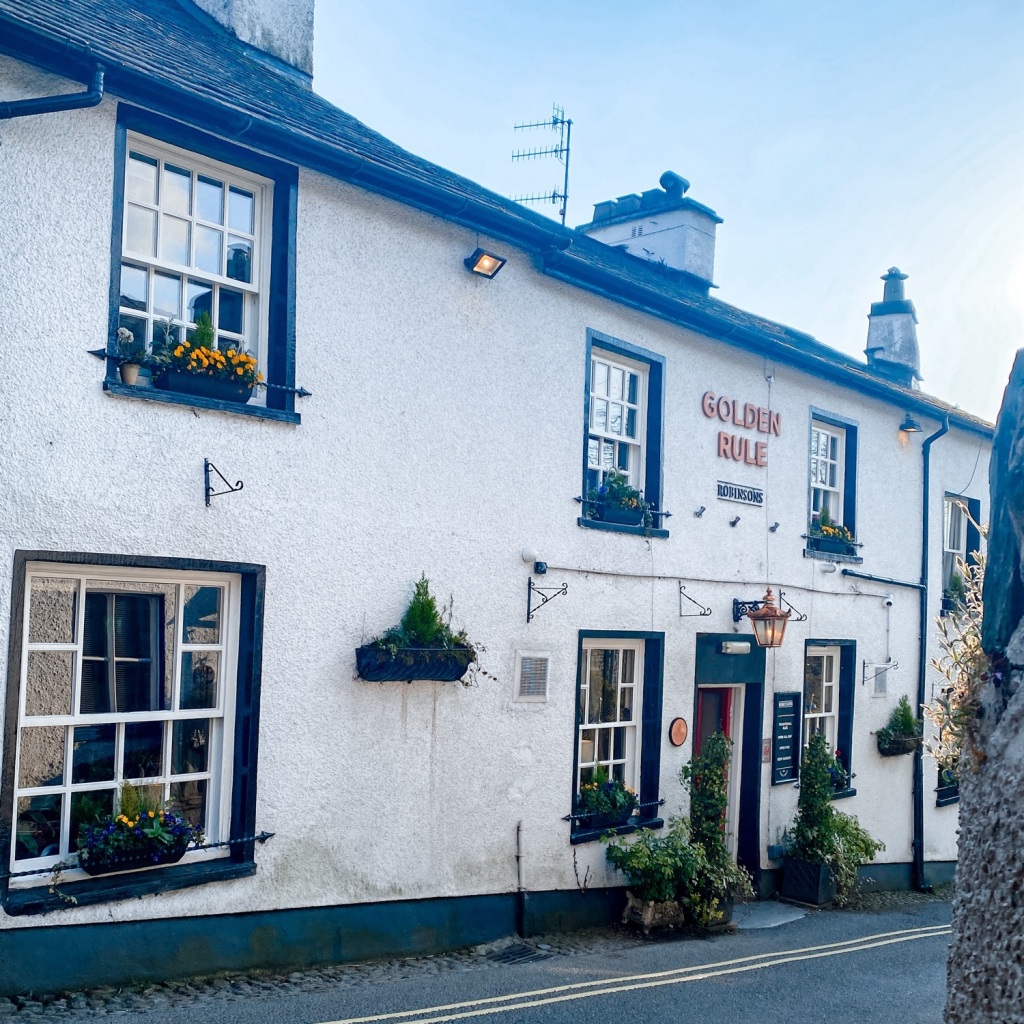
3. The Golden Rule Pub

Tucked just off the main road, the Golden Rule is a Grade II listed building and one of Ambleside’s loveliest hidden gems.

The exterior is often decorated with climbing plants and seasonal flowers, making it especially appealing for photos. Inside, it retains the cozy feel of a traditional Lakeland pub and is a great place to stop for a drink after exploring the town.

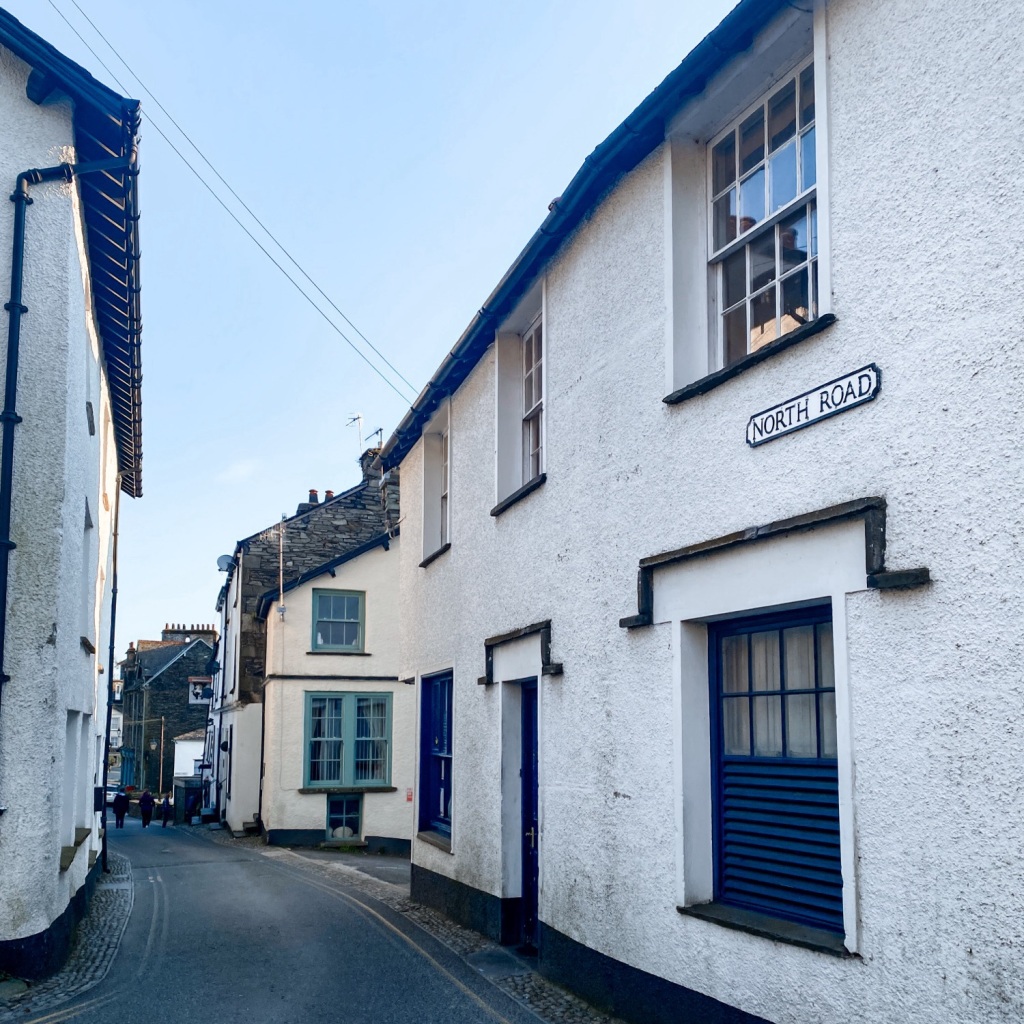
4. North Road

North Road was once the main route heading out of Ambleside toward the north of the Lake District.

Today, it remains one of the prettiest streets in the village. The narrow road is lined with whitewashed buildings and colorful blue and green doors, creating a classic English village scene that feels wonderfully preserved.

It is an ideal street for a slow walk, casual photography, and soaking in the quieter side of Ambleside away from the busiest shops.

5. The Old Mill and Giggling Goose Tea Room

Another lovely historic spot is the Old Mill, now home to the Giggling Goose Tea Room. This listed building still features its original working waterwheel, which once powered the mill in the eighteenth century.

Standing beside it, listening to the water and watching the wheel turn, feels like stepping back into an earlier era of village life. It is also a great place to stop for tea, coffee, and homemade treats.

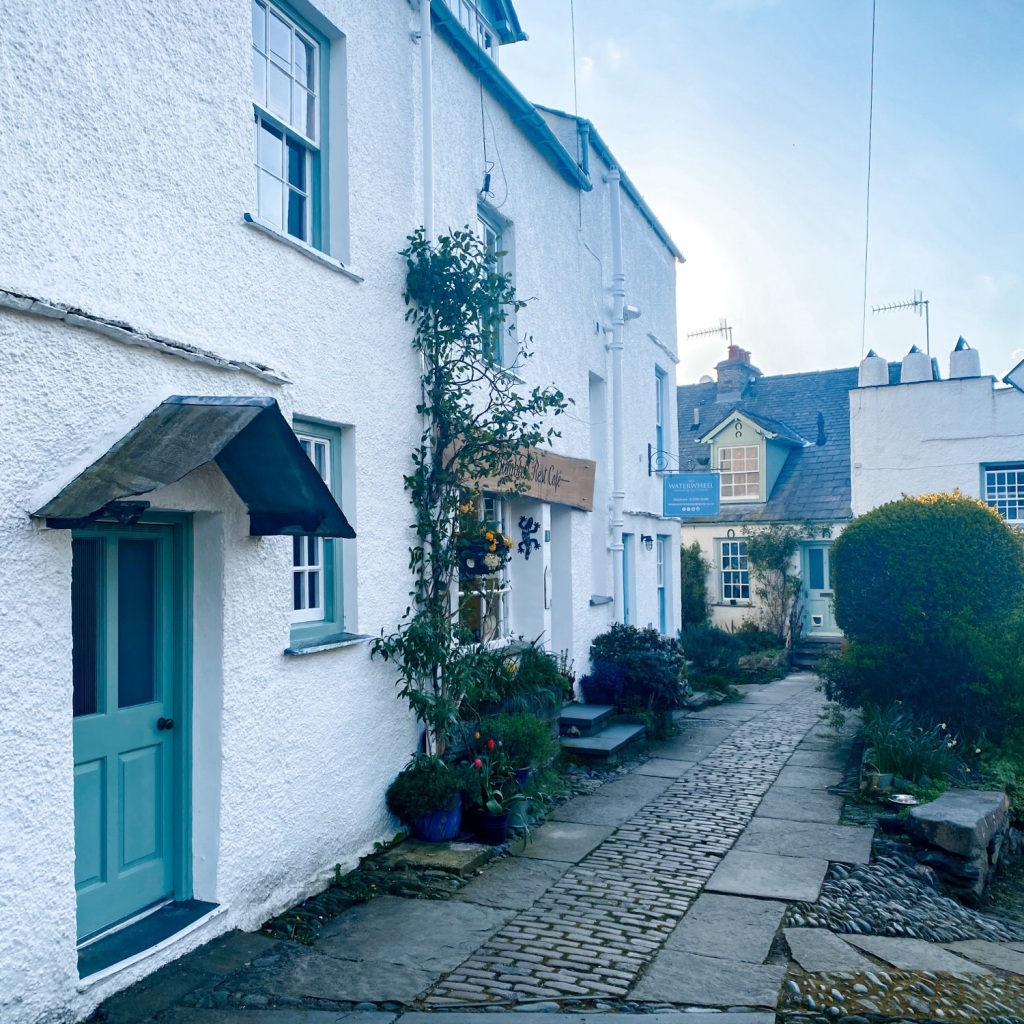
6. Bridge Street

Bridge Street was once known as Rattle Ghyll because of the sound created by waterwheels in the area.

Today, it is one of Ambleside’s prettiest streets. From here, you can admire views of the Old Mill, browse independent shops, and find small cafés and cottages with classic white façades and soft green doors and windows.

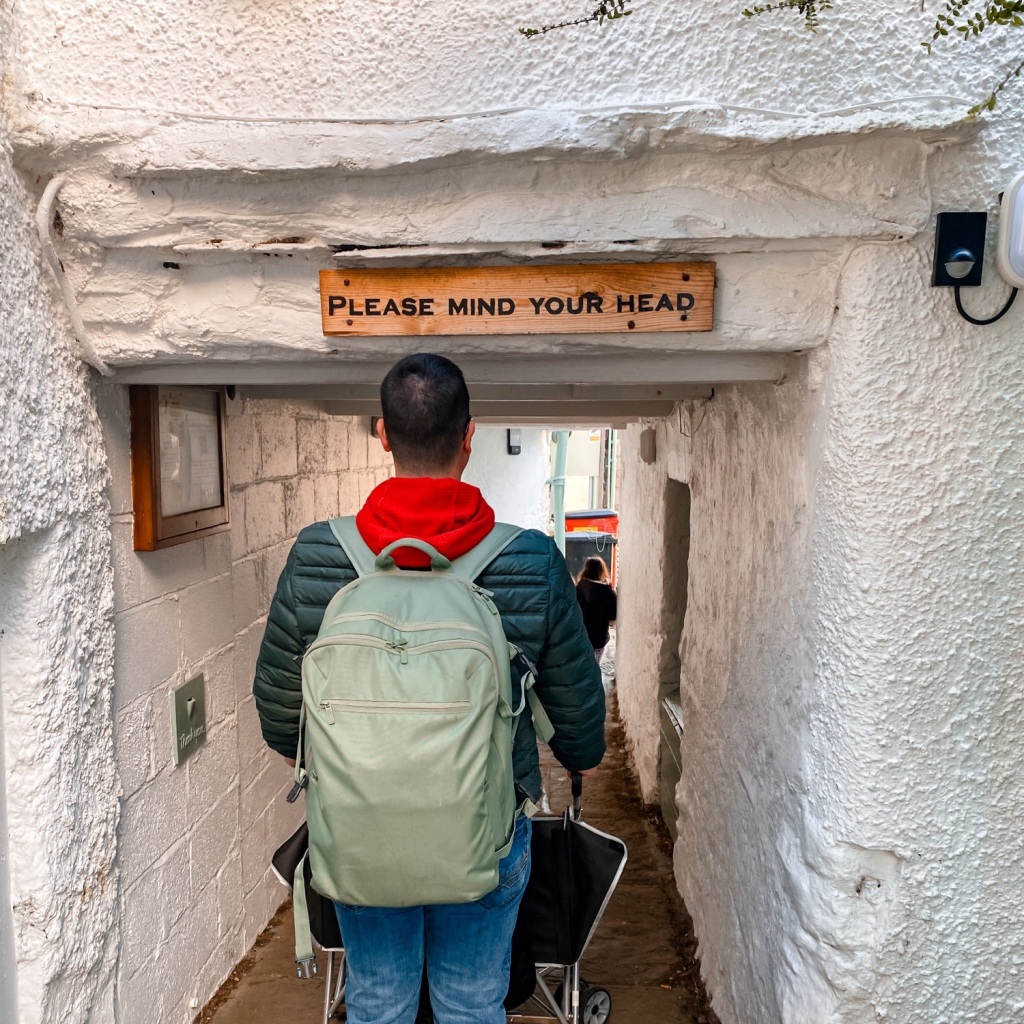
There is also a tiny hidden alleyway along this street that many visitors miss. Just remember to mind your head, as it is famously low!

Extra Things to Do Near Ambleside

• Walking from Ambleside to Waterhead Pier and taking a Lake Windermere cruise
• Visiting Stock Ghyll Force waterfall
• Day trips to Grasmere and Rydal Mount
• Scenic drives and viewpoints across the central Lake District
Guided hiking tours and photography walks

Final Thoughts

Ambleside is much more than a base for hikes. It is a village full of small, beautiful details, historic buildings, and peaceful corners that reward slow exploration.

Whether you are passing through for the day or staying longer in the Lake District, I hope this guide helps you notice some of Ambleside’s prettiest spots and inspires you to look at the village a little differently on your next visit.

If you are planning to stay overnight, you can browse hotels, inns, and cozy cottages in Ambleside through Booking.com, Vrbo, or Expedia to find the perfect base for exploring the Lakes!

Exploring Near and Far Sawrey in the Lake District, England (2026 Travel Guide)

Disclaimer: This post contains affiliate links. If you click through and make a booking, I may earn a small commission at no extra cost to you.

Near Sawrey and Far Sawrey are two small neighboring villages in Cumbria, England, located in the heart of the Lake District National Park. Dating back at least to the fourteenth century, these peaceful villages are best known for their traditional stone cottages, rolling farmland, and strong connection to Beatrix Potter.

Tucked between Hawkshead and the western shore of Lake Windermere, Near and Far Sawrey offer visitors a slower, more authentic Lake District experience. They are perfect for travelers who enjoy literary history, countryside walks, and quiet village exploration.

Both villages sit along the B5285 road, which connects Hawkshead to the Windermere car ferry. Because the villages are small and public transport is limited, having a car is strongly recommended. This also allows you to explore nearby attractions such as Hawkshead, Esthwaite Water, and the western lakeshore.

If you are planning to stay overnight, there are charming guesthouses, inns, and countryside cottages nearby. Booking.com, Vrbo, and Expedia are excellent places to search for accommodation in or near Near Sawrey.

Exploring Near Sawrey

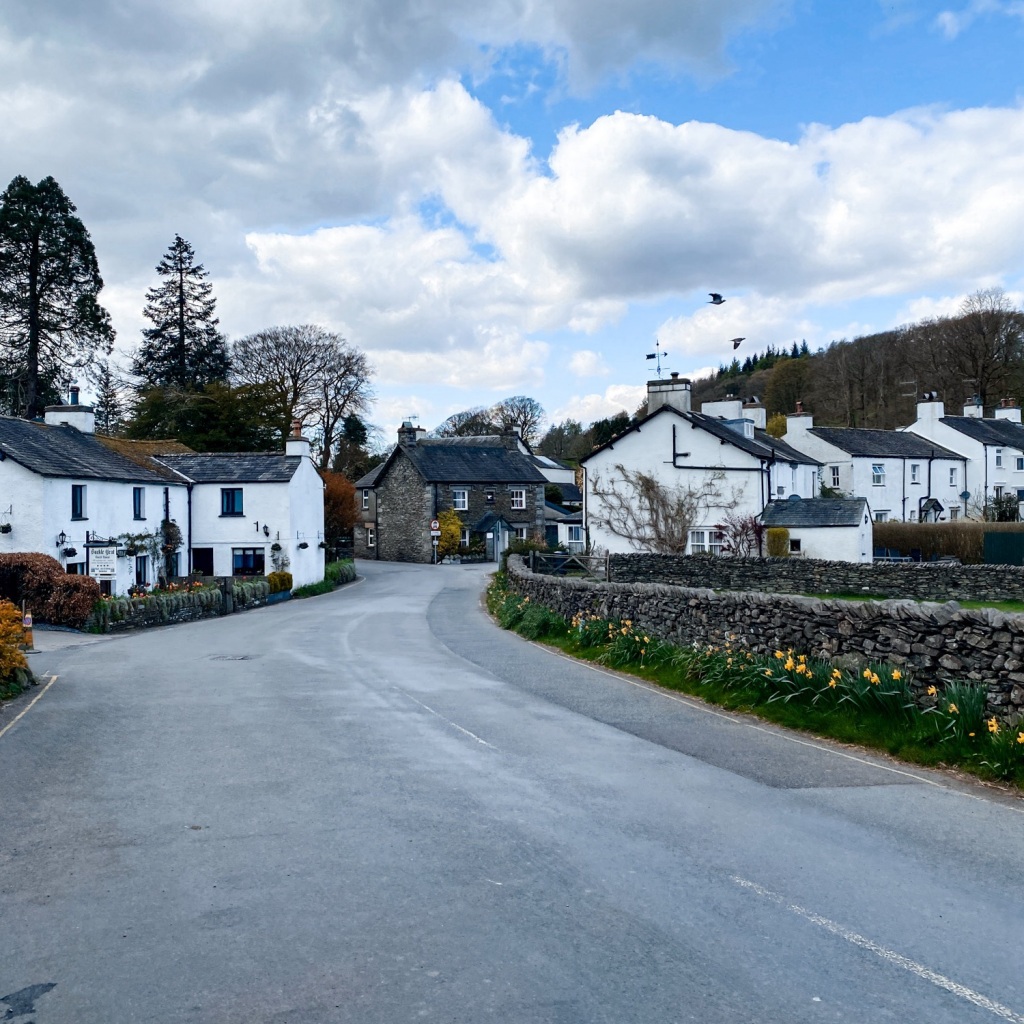
Arriving in Near Sawrey feels like stepping into a classic English countryside scene. On one side of the road you will see open green fields and grazing sheep. On the other, a line of whitewashed and stone cottages, some operating as inns and bed and breakfasts, others still private homes.

There is public parking near the Sawrey House Hotel and Restaurant, which is convenient if you are visiting for the day. There is also very limited parking near Hill Top, but spaces fill quickly, especially in peak season.

Hill Top Farm

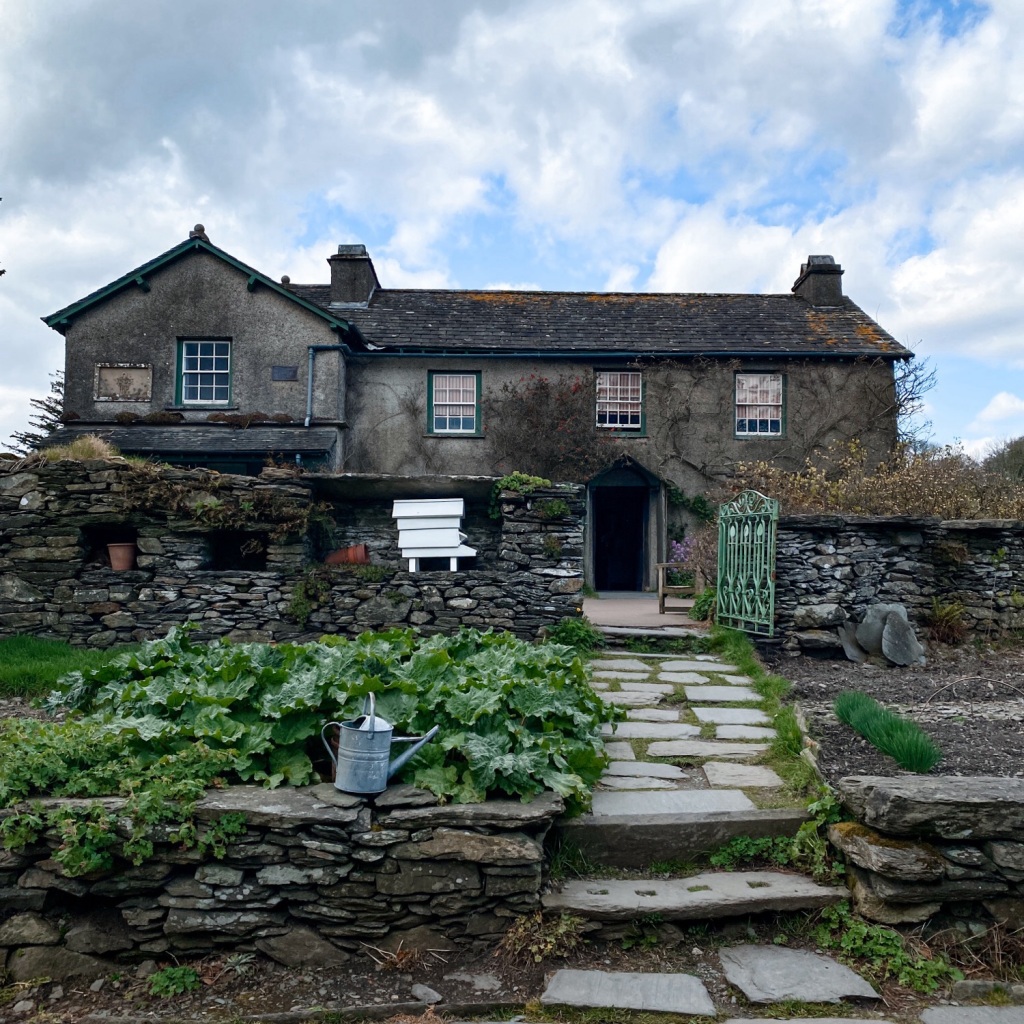
The main reason most visitors come to Near Sawrey is Hill Top, the former home of beloved author and illustrator Beatrix Potter. This seventeenth century farmhouse is a beautiful example of traditional Lakeland architecture.

Beatrix Potter bought Hill Top in 1905, and many rooms were the inspiration for scenes in her books. Before her death, she left the property to the National Trust. Today, it is a Grade II listed building and operates as a writer’s house museum, preserved much as she would have known it.

Inside, you can see original furniture, personal belongings, and rooms that appear almost exactly as they did when she lived there. Outside, the cottage garden is just as charming, filled with flowers, vegetables, and quiet corners to enjoy.

Hill Top also has a gift shop and an independent café serving baked goods, savory snacks, locally roasted coffee, tea, and hot chocolate. If you would like to visit Hill Top as part of a guided tour, you can check these options. Otherwise, you can book your tickets through the original website.

Walking Along the B5285

After visiting Hill Top, take time to walk along the B5285 road. This stretch is one of the most scenic parts of the village. Dry stone walls border the road, cottages dot the landscape, and open fields roll into the distance.

In spring and summer, the area is especially beautiful, with daffodils, wildflowers, and colorful cottage gardens lining the route. This short walk alone makes Near Sawrey worth visiting.

Stones Lane and Countryside Views

As you continue through the village, you will come across Stones Lane. Along this small road you will find a few local services, more accommodation options, and a quieter residential feel.

Walking up Stones Lane leads you away from the cottages and into open countryside. Follow the path bordered by old stone walls, and you will reach a viewpoint where the village fades behind you and farmland stretches out ahead.

This is a peaceful dirt track where you can often see sheep and cows grazing. It connects to additional footpaths that lead beyond the village and into the surrounding Lake District countryside, making it ideal for gentle walks and photography.

Tower Bank Arms

After exploring, the Tower Bank Arms is the perfect place to stop for a meal. Located right next to Hill Top, this historic inn is full of character and offers classic pub dishes alongside local drinks.

Whether you stop for lunch, dinner, or just a warm drink, it is a wonderful place to rest and soak in the atmosphere.

Exploring Far Sawrey

Far Sawrey is even quieter than Near Sawrey and feels more spread out across fields and country lanes. Most buildings date from the seventeenth, eighteenth, and nineteenth centuries and are surrounded by irregularly shaped farmland.

Public footpaths connect the village to the surrounding countryside, making it a lovely base for scenic walks toward Lake Windermere, Esthwaite Water, and the Claife Heights area.

St Peter’s Church

St Peter’s Church was completed in 1869 and built from local stone in the Early English style. Although the parish itself has only around 150 permanent residents, the church is surprisingly large and seats about 400 people.

Visitors are welcome to attend services or simply step inside to admire the architecture and enjoy the peaceful setting.

Claife Viewing Station

One of the highlights near Far Sawrey is Claife Viewing Station. These atmospheric ruins once formed part of a residence where each room had differently colored glass windows, designed to change the appearance of the landscape with the seasons.

From Claife, there are gentle walking paths along the western shore of Lake Windermere, offering beautiful lake and mountain views. The area is ideal for relaxed lakeside walks and photography.

There is also an independent café nearby serving baked goods, light meals, and hot drinks, making this a pleasant place to pause during your walk.

Why Visit Near and Far Sawrey

Near and Far Sawrey are perfect for travelers looking to experience the quieter, more traditional side of the Lake District. With literary history, historic churches, scenic footpaths, and timeless village charm, these villages offer a peaceful contrast to busier towns like Bowness and Ambleside.

They are ideal for Beatrix Potter fans, slow travelers, couples, and anyone who wants to immerse themselves in English countryside life.

Visiting Goathland Railway Station in Goathland Village, North Yorkshire (2026 Guide)

Disclaimer: This post contains affiliate links. If you use these links to make a booking or reservation, I may earn a small commission at no extra cost to you. This helps support my blog and allows me to continue creating detailed travel guides.
Goathland Railway Station serves the picturesque village of Goathland in the heart of the North York Moors National Park in North Yorkshire, England. Surrounded by rolling moorland, stone cottages, and scenic walking trails, Goathland is one of the most charming villages in northern England and a popular stop for visitors exploring Whitby, the Yorkshire coast, and the North York Moors.

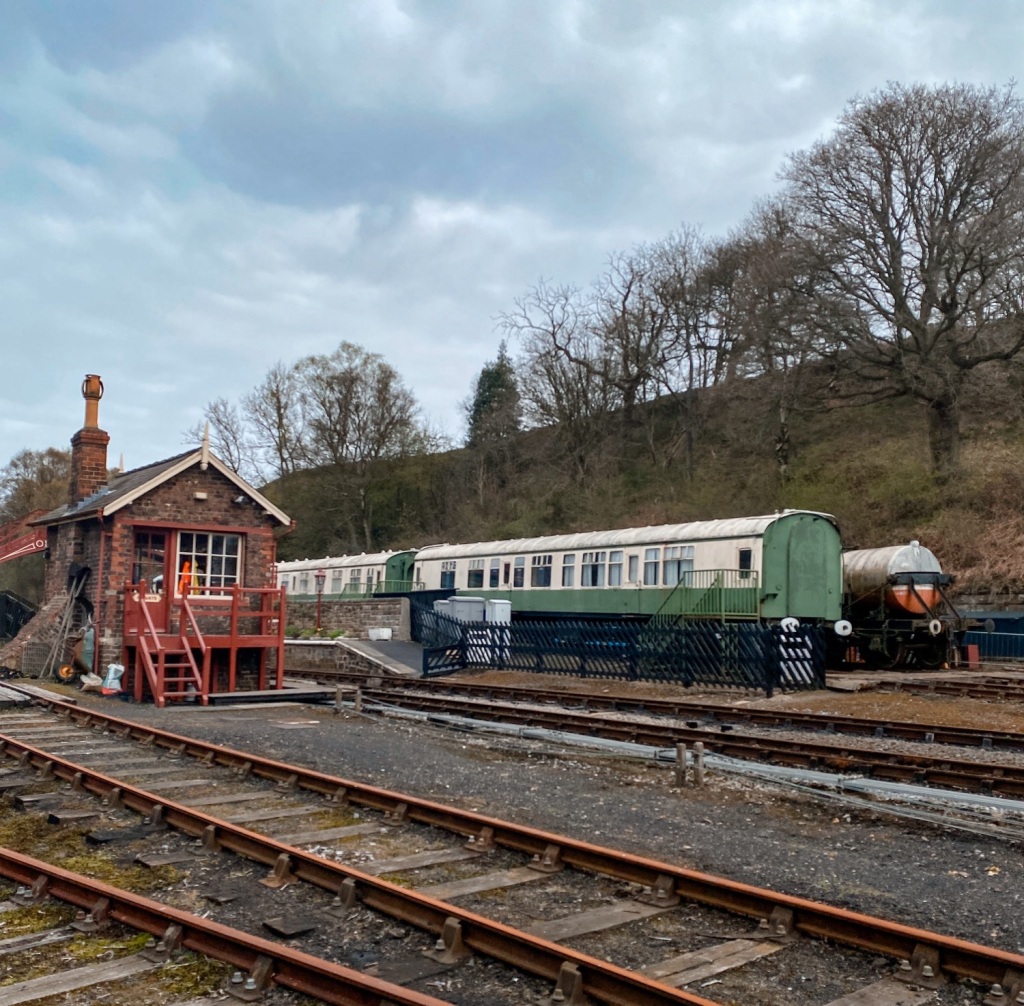
The station first opened in 1865 under the name Goathland Mill, chosen because of its location near a watermill on the Murk Esk River. With very few alterations over the last century, Goathland Railway Station has beautifully preserved its historic character and remains an active stop on the North Yorkshire Moors Railway. Today, it attracts visitors from all over the world who come for its heritage trains, nostalgic atmosphere, and famous television appearances.

Whether you plan to ride a steam train or simply explore the platform and surrounding countryside, Goathland Railway Station is a wonderful place to include in any North Yorkshire itinerary. If you are building a North York Moors road trip, this is also a great place to base yourself.

You can browse charming inns, countryside hotels, and cozy cottages in and around Goathland on Booking.com, Expedia, or Vrbo.

A Ride on the North Yorkshire Moors Railway

Goathland Station is one of the most popular stops along the North Yorkshire Moors Railway, a preserved heritage railway that runs between Pickering and Whitby. The journey takes passengers through some of the most beautiful landscapes in the region, including open moorland, deep valleys, and forested countryside.

You can check the official timetable and pre book tickets here if you would like to ride one of the historic steam or heritage diesel trains. Many visitors choose to travel between Whitby and Goathland, making this station a perfect addition to a Whitby day trip. Guided heritage railway experiences and North York Moors tours that include Goathland are often available through platforms like Viator.

The Goathland Station Café

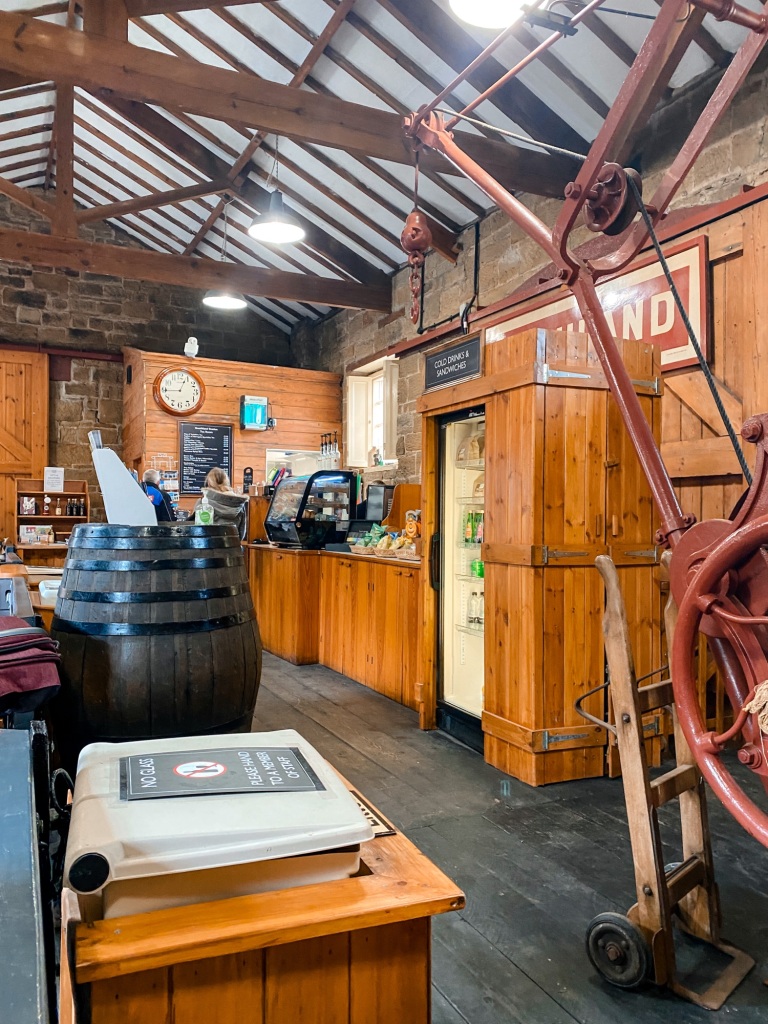
One of the highlights of a visit is the Goathland Station Café, a unique tea room located inside the station within a converted 1920s style goods shed. The café is walker friendly and dog friendly, and guests are welcome to sit indoors or outside on the platform to watch the trains arrive and depart.

The café serves a variety of hot and cold drinks, savory items, homemade cakes, sweet treats, and ice creams. Their sandwiches, classic scones, and hot chocolate are especially popular. It is a perfect stop after a countryside walk or before boarding a train.

Opening times vary according to the railway timetable. Because hours change seasonally, it is always a good idea to check ahead if you are planning a visit around the café. You can check opening times HERE.

Film and Television Appearances

Goathland Railway Station is famous for its on screen roles and has appeared in several major film and television productions.

It was used as Hogsmeade Station in the Harry Potter films, making it a must visit spot for Harry Potter fans. The station is also well known as Aidensfield Station in the long running British series Heartbeat. In addition, it has featured in All Creatures Great and Small, Keeping Mum, and Carrington.

Because of this, Goathland is often included on themed film and television tours of North Yorkshire. A private tour like this one is a great option if you would like deeper insight into the area’s film and television appearances.

Stay in a Vintage Train Carriage at Goathland Station

One of the most unique experiences in Goathland is the opportunity to stay overnight in a vintage camping coach located just behind the station platform. This restored carriage offers a truly memorable way to experience the railway and countryside.

The camping coach includes a living area, a kitchen, a twin bedroom, a double bedroom, and a shower room. Staying here allows you to wake up surrounded by moorland scenery and historic trains, making it a fantastic option for families, couples, and railway enthusiasts.

If you prefer a traditional stay, there are also beautiful guesthouses, inns, and countryside cottages throughout Goathland and the surrounding villages, many of which can be booked through Booking.com and Vrbo.

Parking and Practical Information

There is a car park located next to Goathland Railway Station that allows all day parking for a single fee. This makes the station an easy stop for visitors exploring the North York Moors by car.

Public buses also connect Goathland with Whitby and other nearby villages, making it accessible even if you are not driving. If you are arriving from a nearby airport such as Leeds Bradford or Manchester, Welcome Pickups and Kiwitaxi are convenient options for arranging private transfers.

Things to Do Near Goathland Station

A visit to Goathland Railway Station pairs perfectly with exploring the rest of the village and surrounding countryside. Consider adding these nearby experiences to your itinerary:

• Walk through Goathland village to see traditional stone cottages and local tea rooms
• Visit the famous Goathland Waterfall, also known as Mallyan Spout, located about a mile from the village
• Hike across the North York Moors for sweeping views and peaceful nature trails
• Take a scenic train journey to Whitby and spend the afternoon exploring the harbor, abbey, and historic streets
• Explore Heartbeat filming locations throughout the village

Outdoor tours, walking excursions, and North York Moors day trips are often available through Tripadvisor, Viator, and GetYourGuide.

Final Thoughts

Visiting Goathland Railway Station is like stepping back in time. Between the historic platform, scenic railway, cozy station café, and famous filming history, it offers one of the most atmospheric experiences in North Yorkshire.

Whether you are a Harry Potter fan, a railway enthusiast, or simply looking to explore one of the most beautiful corners of the North York Moors, Goathland is well worth adding to your travel plans.

9 Prettiest Streets in York, England You Must See (2026 Guide)

Disclaimer: This post contains affiliate links. If you use these links to make a booking or reservation, I may earn a small commission at no extra cost to you. This helps support my blog and allows me to continue creating detailed travel guides.
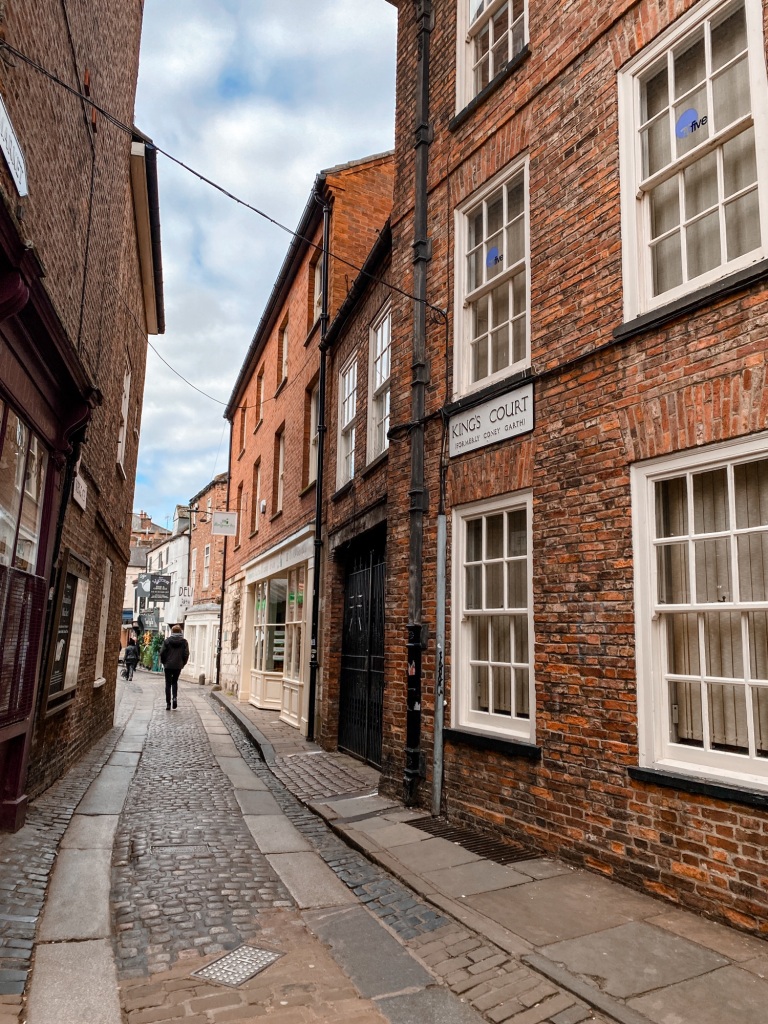
York is one of the most beautiful and historic cities in North Yorkshire, England. Founded in 71 AD by the Romans, York is layered with centuries of history that can be seen in its architecture, medieval streets, Roman walls, Viking heritage, and Georgian townhouses. Today, it is one of the most visited cities in northern England.

York is famous for its cathedral, its city walls, its cozy tea rooms, and its storybook streets. Walking through York often feels like stepping back in time, with hidden snickelways, half timbered houses, and cobbled lanes around every corner.

In this guide, you will discover some of the prettiest streets in York to include in your itinerary, along with tips on what to see nearby and where to experience the city at its best.

9 Prettiest Streets in York, England

1. Museum Street

Museum Street is one of the most beautiful and welcoming entrances into historic York. First recorded in the 1260s as Ffotlesgayle or Footloose Lane, this street crosses the River Ouse and leads directly to the Museum Gardens.

Here you will find sweeping views of the river, the ruins of St Mary’s Abbey, and the Yorkshire Museum. Museum Street is especially lovely in spring and summer when the gardens are in bloom. It is also one of the best places in York for peaceful riverside photos.

Nearby things to do include visiting the Yorkshire Museum (included in this York City Pass), exploring the Museum Gardens, and walking along the River Ouse.

2. High Petergate

High Petergate is one of York’s most historically significant and visually striking streets. It follows the route of the Roman Via Principalis, which once led into the Roman fortress of Eboracum. Today, it runs alongside York Minster and the city walls, making it one of the most atmospheric walks in the city.

This street is lined with charming shops, book stores, traditional pubs, and historic buildings. Walking here feels like moving through multiple time periods at once, from Roman foundations to medieval structures.

High Petergate also offers some of the best close up views of York Minster’s incredible stonework. If you would like to learn more about the cathedral’s history and hidden details, this York Minster guided walking tour is a great way to experience it.


3. Low Petergate

Low Petergate runs parallel to York Minster before continuing into High Petergate. Like its northern counterpart, it is named after Saint Peter and has been an important route through the city for centuries. Today, this charming street is lined with independent shops, inviting cafes, and traditional restaurants. It is also one of the best places in York to enjoy close up views of York Minster’s magnificent exterior.

This area is also ideal if you are looking to stay in the historic heart of the city. You can find a great selection of boutique hotels and apartments near Low Petergate through Booking.com or Vrbo, perfect for waking up steps away from York’s most famous landmarks.

4. Stonegate

Stonegate is one of the most historic streets in York and has been in daily use for nearly 2,000 years. It was originally the Via Praetoria of the Roman fortress of Eboracum and later became the main ceremonial route to York Minster. The name Stonegate comes from the Old Norse word for street and from its original Roman stone paving.

Today, Stonegate is one of the most atmospheric streets in the city, filled with charming shops, historic buildings, and beautifully preserved medieval architecture. Walking along Stonegate is like stepping back in time, especially as the Minster slowly reveals itself at the top of the street.

Stonegate is also a popular route on many York walking tours. If you enjoy learning the stories behind the buildings, this is a great area to include as part of a guided tour of York’s historic center.

5. The Shambles

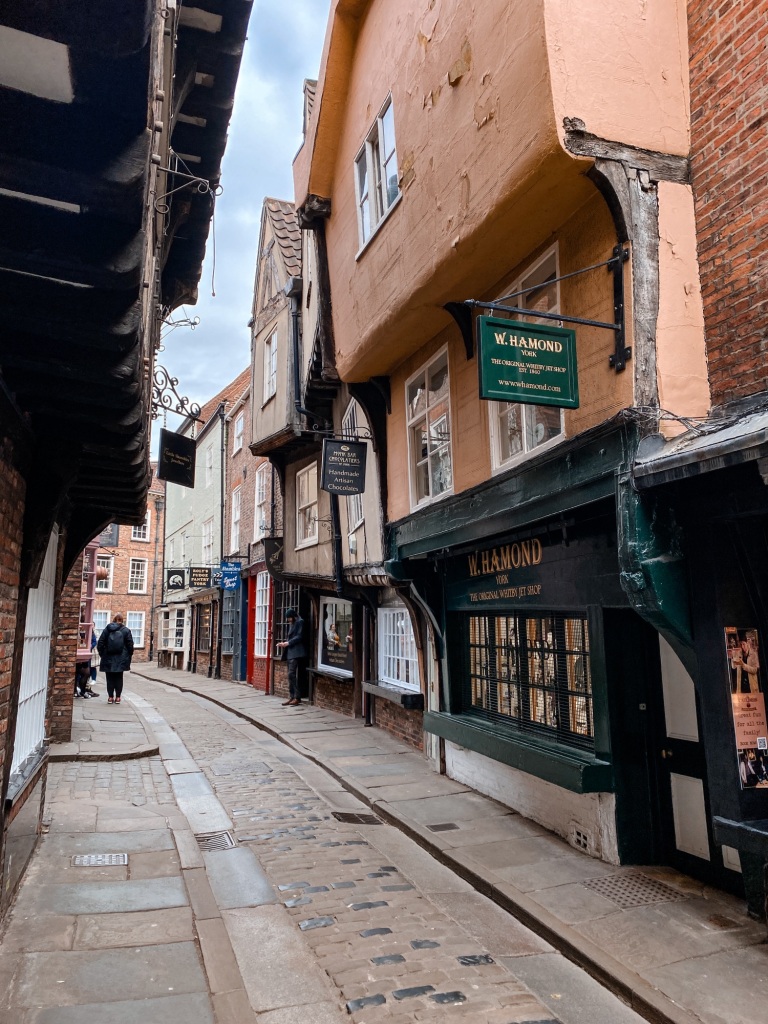
The Shambles is without question one of the most famous streets in York and one of the best preserved medieval streets in England. Dating back to at least the 14th century, it is known for its narrow layout, overhanging timber framed buildings, and charming shopfronts.

Historically, the Shambles was the street of the butchers of York. At one point, there were more than thirty butcher shops here, and the shelves you see along some of the buildings were once used to display meat. Today, the street is filled with sweet shops, souvenir stores, and themed boutiques.

In recent years, the Shambles has become especially popular with Harry Potter fans, as many people believe it inspired Diagon Alley. Whether or not that is true, the magical feel of the street makes it one of the most photographed places in York.

For a quieter experience and better photos, try visiting early in the morning or later in the evening. Many guided ghost walks and photography tours also pass through the Shambles, which you can book in advance here.

6. Newgate

Newgate was first recorded in 1337, but archaeological discoveries suggest the area is much older. Excavations uncovered a tenth century cross shaft, confirming that this part of York has been active since early medieval times.

Today, Newgate is best known for being home to Shambles Market, a lively open air market filled with food stalls, local crafts, and independent vendors. It is a wonderful place to stop for street food, browse handmade goods, and experience the modern side of York set within its historic streets.

This is also a great place to build a break into your walking route, especially if you are exploring York in one day. Food tours and tasting walks like these ones often include Shambles Market.

7. Little Shambles

Little Shambles is a short historic street that branches off from the main Shambles. It also dates back to medieval times, although much of it was sadly demolished in the 1950s. Today, visitors can still admire the remaining historic buildings and enjoy the open space that forms part of Shambles Market.

Despite its small size, Little Shambles is a lovely area to explore, especially if you enjoy wandering quieter corners and photographing historic details. It is also one of the best spots to sample local street food while staying close to York’s most famous street.

8. Finkle Street

Finkle Street is one of York’s oldest and narrowest streets. It was first recorded in the twelfth century and has carried several colorful names over the years, including Mucky Pig Lane due to its proximity to the medieval pig market. In Victorian times, it was renamed Finkle Street in an effort to improve the image of the area.

Today, Finkle Street is home to cozy pubs, independent restaurants, and historic buildings that retain a strong medieval character. It is a great place to stop for lunch or a drink while exploring the city center and offers a quieter alternative to the busier nearby streets.

If you are interested in York’s darker history, many ghost tours like these ones pass through or near Finkle Street, making it a popular stop on evening walking tours.

9. Grape Lane

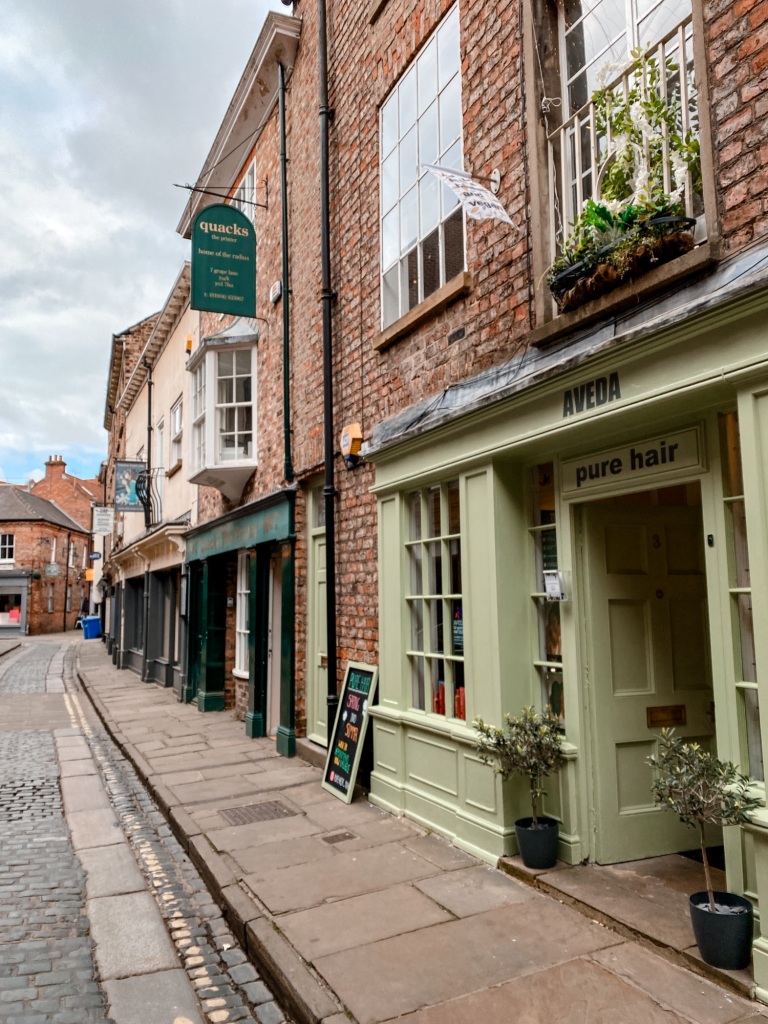
Grape Lane is a small but fascinating street just off Low Petergate. It was first recorded in 1276 under the name Venella Sancti Benedicti and later became known for less respectable activities in medieval York. Archaeological remains found here include medieval structures and Roman artifacts, highlighting the deep history beneath the street.

Today, Grape Lane is a charming lane filled with unique shops and beautiful historic architecture. It is a lovely place to wander if you enjoy discovering lesser known streets and taking photos away from the busiest routes.

Each year, York welcomes millions of visitors from all over the world who come to experience its Roman roots, Viking heritage, medieval streets, and vibrant modern culture. Whether you are planning a short city break or a longer stay, York offers something for every type of traveler.

You can browse hotels, guesthouses, and family friendly apartments throughout York on Booking.com, Expedia, or Vrbo. If you are flying into the UK, Aviasales is helpful for finding flight deals, and Welcome Pickups or Kiwitaxi are convenient options for private transfers from nearby airports.

18 Best Places to See in Whitby England | 2026 Travel Guide

Disclaimer: This post contains affiliate links. This means that if you click on a link and make a purchase or booking, I may earn a small commission at no extra cost to you. This helps support my blog and allows me to continue creating helpful travel guides.
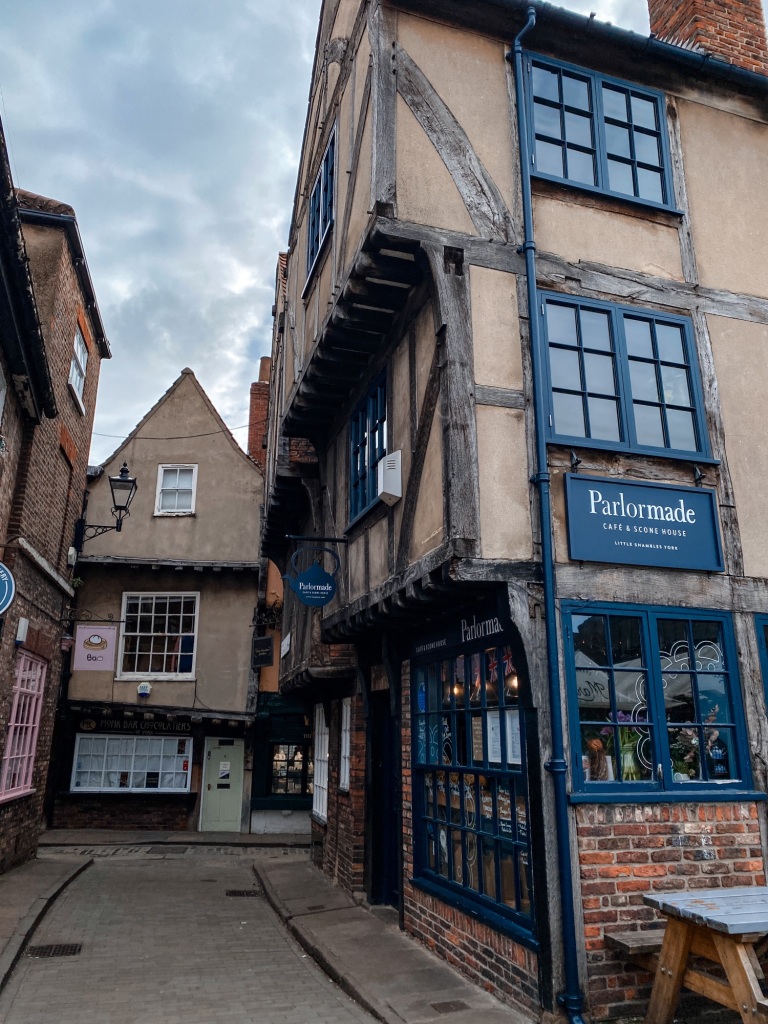
Whitby is a historic seaside town on the east coast of North Yorkshire, England, sitting where the River Esk meets the North Sea. With its working harbour, dramatic clifftop abbey, cobbled streets and literary legends, Whitby is one of the most atmospheric coastal destinations in the UK.

Tourism in Whitby dates back to the Georgian era and grew rapidly with the arrival of the railway in 1839. Today, visitors come for coastal walks, traditional fish and chips, fossil hunting, gothic history and easy access to the North York Moors National Park. Whitby is also forever linked to Bram Stoker’s Dracula and has appeared in popular British television shows such as Heartbeat.

Most of the places below are free to visit, with Whitby Abbey being the main paid attraction.

Visit Whitby Harbour and the Lighthouses

Whitby’s harbour is the heart of the town. Since the early fourteenth century, it has welcomed trading vessels, fishing boats and whaling ships. Today, it remains lively with pleasure boats, seafood stalls and scenic viewpoints.

You can walk along both piers and spot Whitby’s famous lighthouses. West Pier Lighthouse, built in 1831 from local sandstone, stands tall at the harbor entrance. East Pier Lighthouse, built in 1855, sits opposite. Further along the coast is Whitby High Lighthouse, which has guided ships since 1858.

This area is ideal for sunrise photography, harbor walks and boat watching. It is also where many coastal boat tours depart.

Walk Along Sandgate Street and the Market Place

Sandgate Street is one of the best places to experience Whitby’s shopping scene. This street is well known for Whitby jet shops, where visitors can browse traditional jewelry made from fossilized jet.

At the end of Sandgate Street lies the Market Place, which has been a trading area since the mid seventeenth century. Today you will still find local stalls and small shops selling everything from sweets to handmade crafts. You can even find nearby hotels and guesthouses close to the harbor by clicking here in Booking.com.

Wander Through Church Street

Church Street, originally known as Kirkgate, is one of Whitby’s oldest streets. It is lined with shops, cafés, and historic cottages, some dating back to the fifteenth century.

The street sits at the base of the famous 199 Steps and is a lively place to stop for lunch or dinner. (Mister Chips is a popular spot!)

Discover Blackburn’s Yard

Whitby’s historic yards are hidden rows of cottages tucked behind the main streets. Blackburn’s Yard, just off Church Street, is one of the prettiest and best preserved.

This small courtyard has won awards for its gardens and is home to the Wash House Pottery, where you can browse handmade ceramics. It is a peaceful place to pause and soak in the quieter side of Whitby.

Spot the Crooked Cottage

Located near the base of the 199 Steps, the Crooked Cottage is over four hundred years old and instantly recognizable for its sloping lines and bold colors.

The cottage is available as a holiday rental here and offers harbor views from the upper floors.

Wander Along Grape Lane

Grape Lane is a charming pedestrian street packed with small independent shops. Here you will find gift stores, jet shops, cafés and the Captain Cook Memorial Museum, dedicated to the famous explorer who once lived in Whitby.

The museum is one of the town’s most popular attractions and can easily be included in a self guided walking route.

Walk Along Henrietta Street

Henrietta Street was once considered one of the most desirable addresses in Whitby, especially among fishermen, due to its sea access and elevated views.

From here, you get beautiful sightlines across the harbor and up toward Whitby Abbey. It is a fantastic photography stop and a quieter alternative to the busier streets below.

Climb the 199 Steps

The 199 Steps have been part of Whitby since at least 1370. Originally wooden, they were later rebuilt in stone. Climbing them is almost a rite of passage for visitors.

The steps are famously featured in Bram Stoker’s Dracula, when the vampire arrives in Whitby during a storm. Halfway up, you will find benches and viewpoints that offer lovely harbor views.

Relax on Whitby Beach

Whitby has two main beaches, Tate Hill Beach near the harbor and West Cliff Beach stretching north toward Sandsend.

These beaches are popular for fossil hunting, especially after storms. They are also ideal for coastal walks, family outings and sunset photography.

Explore St Mary’s Church

At the top of the 199 Steps stands St Mary’s Church, a beautiful clifftop church dating back to the twelfth century. Its graveyard, leaning headstones and windswept location add to Whitby’s gothic reputation.

This is one of the most atmospheric places in town and pairs perfectly with a visit to Whitby Abbey.

Visit Whitby Abbey

Whitby Abbey is the most iconic landmark in the town. Founded in 657 AD, the abbey played a major role in early English Christianity and later inspired Bram Stoker’s Dracula.

Today, the dramatic ruins overlook the sea and town below. Entry is paid, but the site is well worth visiting for both history lovers and photographers.

Walk Down to the Village via Donkey Road

The steep, cobbled Donkey Road runs parallel to the famous 199 Steps and leads up toward Whitby Abbey. Historically, this was the route used by donkeys as they traveled between the beach and the town to carry out heavy work along the shore. Today, the donkeys are transported by small vehicles to and from their field on the Abbey Plain, but the road still offers a fascinating glimpse into Whitby’s working past.

Walking along Donkey Road is a quieter alternative to the 199 Steps and provides beautiful views over the rooftops and harbor. It is a wonderful route for photographers and anyone wanting to experience a more traditional side of Whitby.

Walk Along Pier Road

Located in West Whitby, Pier Road is one of the liveliest streets in town and leads directly to the main beach. This is where you will find amusement arcades, ice cream stalls, souvenir shops, and some of Whitby’s best known fish and chip restaurants. There is also a small fish market in this area where fresh catches are often sold.

Pier Road is especially popular with families and is a great place to soak in Whitby’s classic seaside atmosphere before heading onto the pier or down to the beach.

Visit the Whitby Whalebone Arch

The original Whalebone Arch was erected on Whitby’s West Cliff in 1853. It was later replaced in 1963 with a replica from Norway, and again in 2003. Today’s arch perfectly frames the distant ruins of Whitby Abbey, making it one of the most photographed viewpoints in town.

The arch is a powerful reminder of Whitby’s whaling history. During the eighteenth and nineteenth centuries, Whitby was a major whaling port. Ships regularly sailed to Greenland in search of whales for their valuable oil. Many never returned. The Whalebone Arch stands as both a landmark and a memorial to that era.

Explore the Whitby Museum and Pannett Park

Whitby Museum, located in Pannett Park, showcases local fossils, jet jewelry, whaling history and rotating exhibitions. Pannett Park itself is a peaceful place to walk, especially in spring and summer.

Walk Along Cliff Street

Cliff Street offers lovely views over the coastline and down toward the harbor. It is a beautiful street to wander, lined with characterful buildings and holiday rentals. Staying here puts you within minutes of the town centre, the pier, the beach, and Whitby’s main attractions.

This area is ideal for travelers who want central accommodation with coastal views. This cottage is a beautiful option!

Spot the Robert Lennard House

The Robert Lennard House stands on narrow Cliff Street and is one of Whitby’s most distinctive buildings. It was built in 1888 by Robert Lennard as the headquarters for his work as an architect, builder, and antique dealer. A blue plaque on the exterior marks the date of construction.

Take a moment to admire the intricate architectural details, especially around the striking corner bay window, which makes this building stand out among its neighbors.

Visit the Alice in Wonderland Garden

Created by the Whitby in Bloom group, this small but charming garden is located on Cliff Street next to the car park. It is a peaceful place to rest, enjoy the sea air, and take in the views.

The Alice themed garden features oversized playing cards engraved with quotes from the novel, a decorative archway, and a giant stopwatch seat. It forms part of the White Rabbit Trail that runs through town, which can be purchased at the Whitby Tourist Information Centre.

This is a lovely stop for families and anyone looking for something a little different from Whitby’s gothic reputation.

Suggested Whitby Day Itinerary

Morning
Harbor walk and lighthouse views
Sandgate Street and Church Street
Climb the 199 Steps and visit St Mary’s Church

Midday
Whitby Abbey
Lunch on Church Street or near the harbor

Afternoon
Grape Lane and Captain Cook Museum
Blackburn’s Yard and West Cliff walk

Where to Stay and How to Get There

Whitby offers everything from boutique guesthouses to sea view hotels and historic cottages. Accommodation can be easily compared through Booking.com, Expedia and Vrbo.

Travelers flying in can search flights to nearby airports through Aviasales and arrange transfers from Leeds, Manchester or Teesside using Welcome Pickups or Kiwitaxi.

Final Thoughts

Whitby is a town where history, legend and coastal beauty come together. Whether you visit for the abbey, the beaches, the literary connections or the seafood, Whitby offers far more than most seaside towns its size.

If you are planning a trip to North Yorkshire in 2026, Whitby deserves a central place in your itinerary!