Exploring Warwick Castle: A Journey Through History and Fun (2026 Guide)

Disclosure: This post contains affiliate links. This means I may earn a small commission if you click through and make a purchase, at no extra cost to you. These commissions help support this blog and allow me to continue creating free travel guides and resources. All opinions are my own.

Back in the summer of 2024, on a warm yet drizzly July day, I had the pleasure of stepping back in time with a visit to the magnificent Warwick Castle. Nestled in the heart of Warwickshire, this iconic fortress is one of England’s most impressive and best-preserved medieval castles. Thanks to Shakespeare’s England and their Explorer Pass, booking my visit was seamless and stress-free.

With nearly 1,000 years of history, dramatic towers, immersive attractions, and beautiful countryside views, Warwick Castle is far more than a historic monument. It is a full-day experience that blends education, entertainment, and adventure.
Discovering the Shakespeare’s England Explorer Pass

Before setting off on my trip, I was kindly offered a Shakespeare’s England Explorer Pass as part of a PR visit, and it truly turned out to be a wonderful option for anyone exploring the Warwickshire area.

The pass grants access to several top attractions in the region, including Warwick Castle, Shakespeare’s Birthplace, and other key sites connected to the life and legacy of William Shakespeare. With just one pass, I was able to plan my itinerary in advance, pre-book attractions, and enjoy a smoother travel experience overall.

For travelers, the Explorer Pass is a fantastic way to save both time and money while seeing some of the most important historic sites in central England.

You can check current pricing and inclusions for the Shakespeare’s England Explorer Pass here.

First Impressions of Warwick Castle

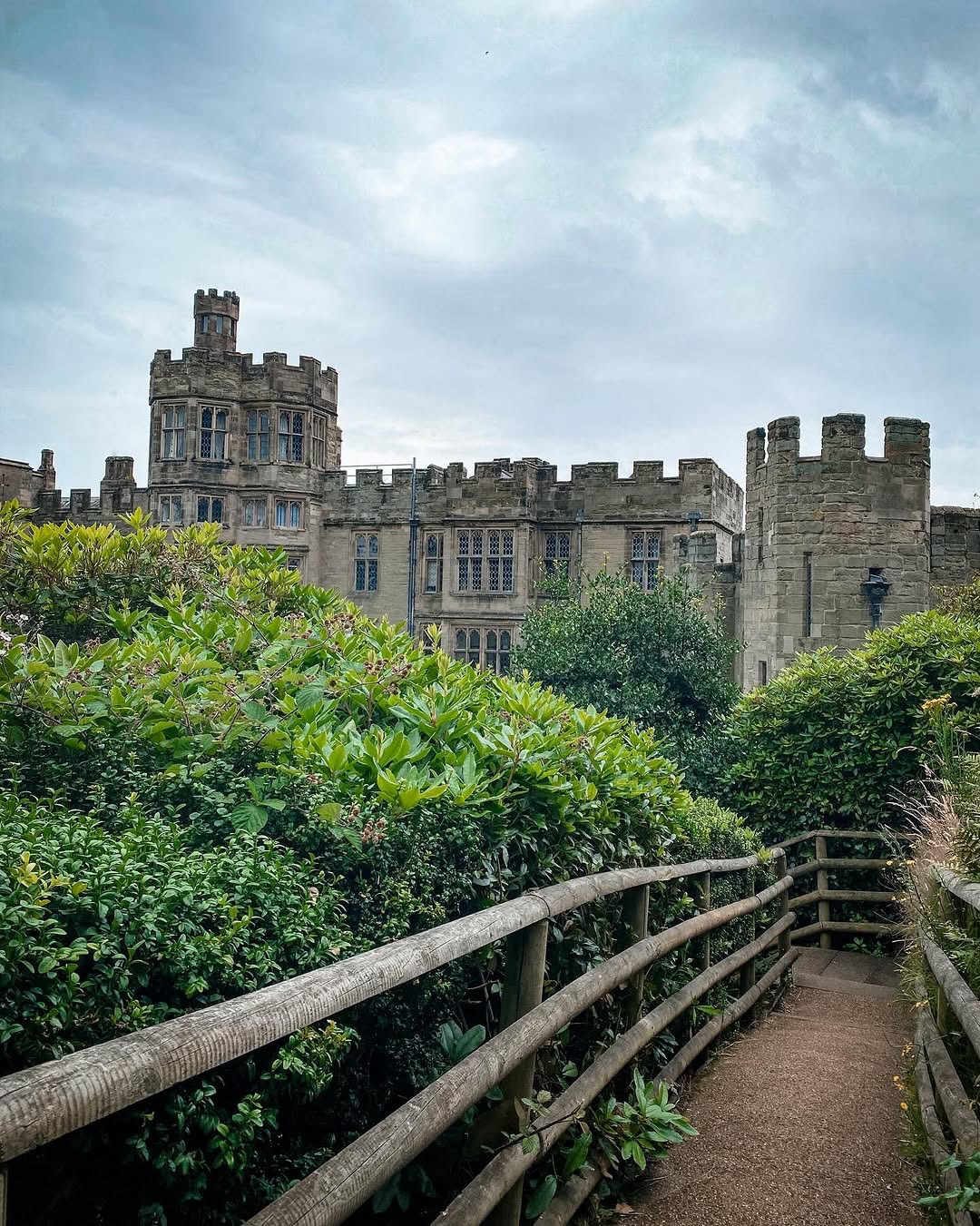
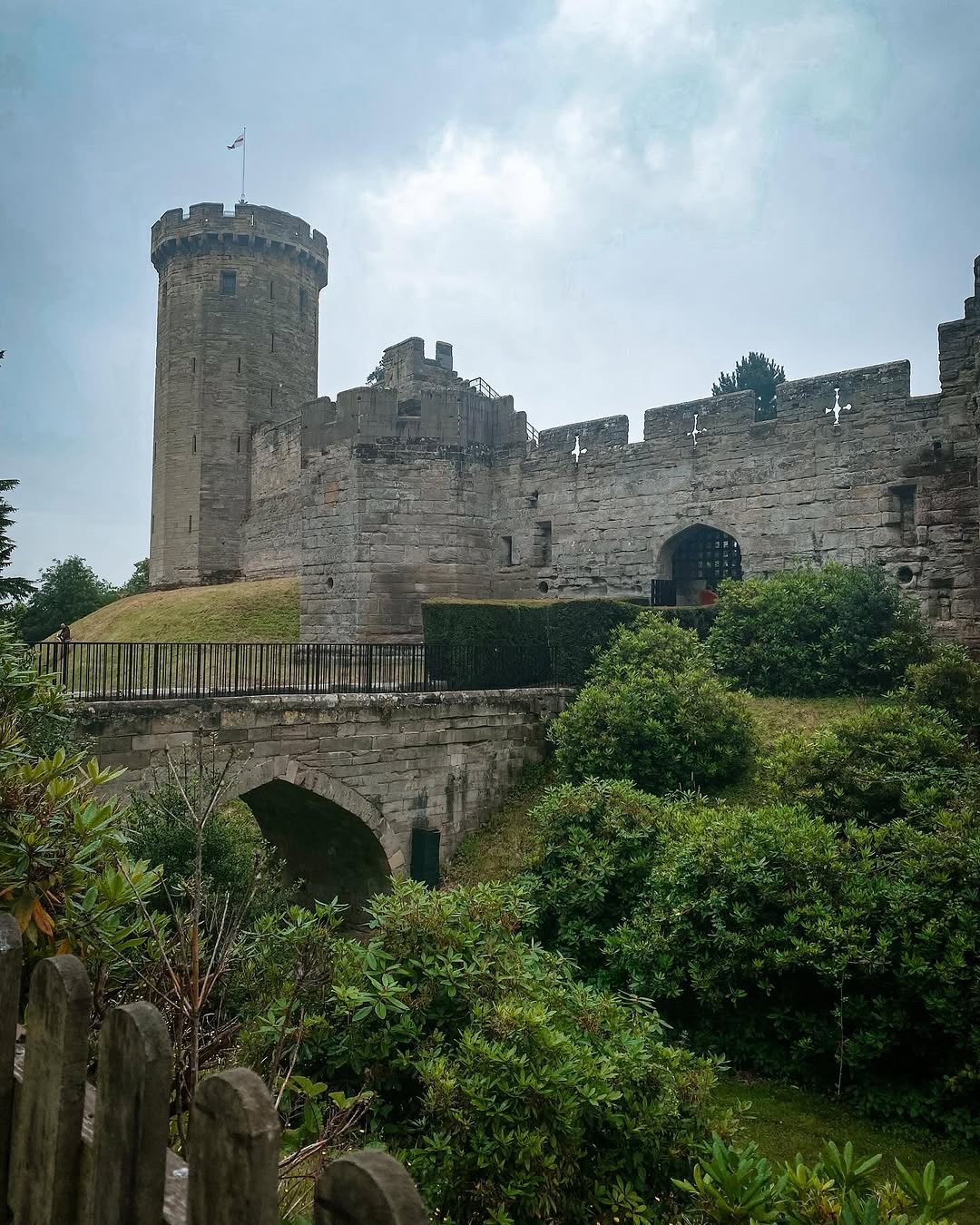
As I approached the castle, its towering stone walls and dramatic crenellated towers immediately transported me back centuries. Originally built by William the Conqueror in 1068, Warwick Castle has witnessed nearly a millennium of battles, sieges, royal visits, and political intrigue.

Even from the outside, the scale of the fortress is impressive. But it is once you step through the gates that the true magic begins.
A Day Packed with Experiences at Warwick Castle

My day at Warwick Castle was far from ordinary. It was a journey through centuries of history, drama, and grandeur.

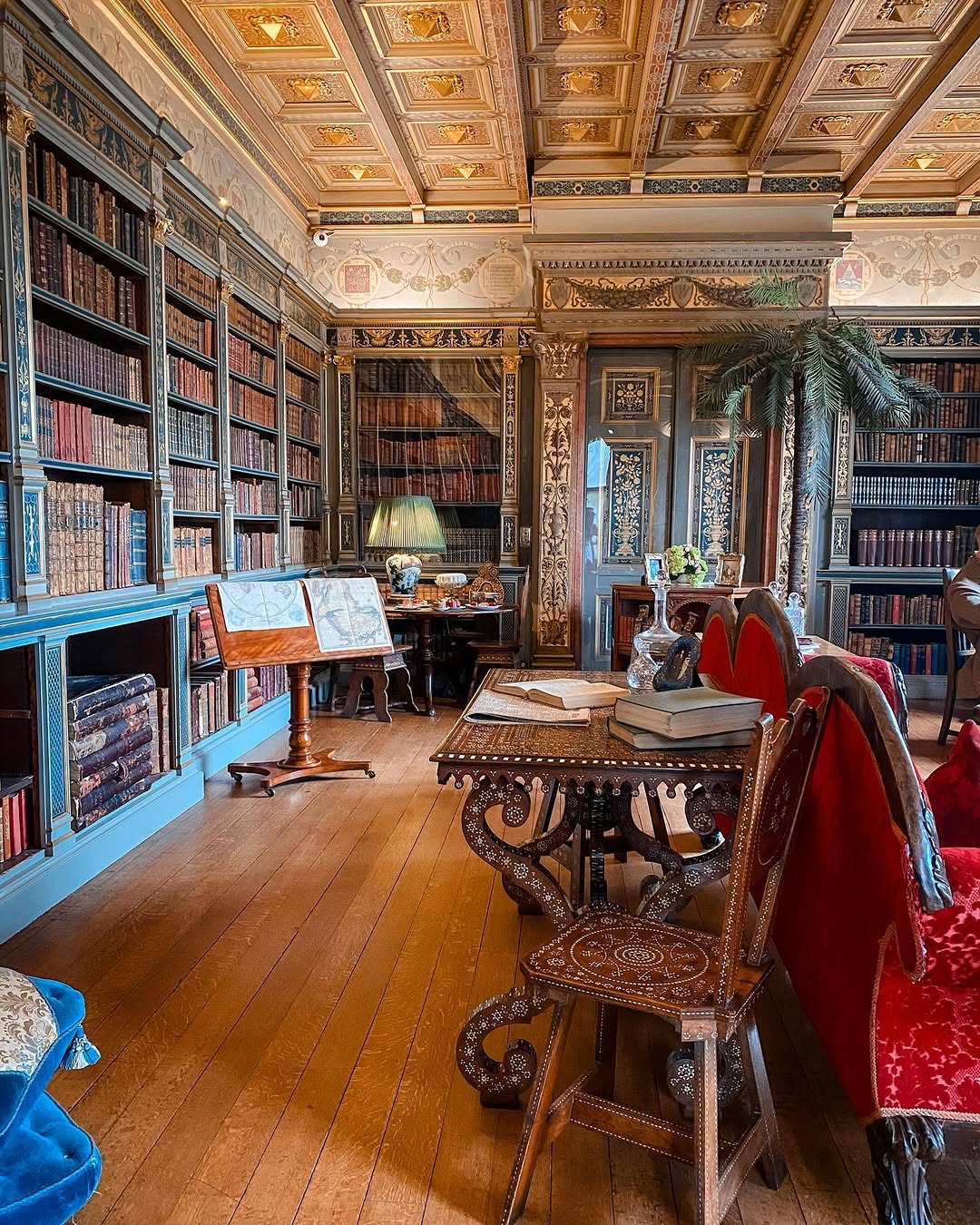
I began by wandering through the Great Hall and State Rooms, where each space felt more majestic than the last. Suits of armor, antique furnishings, painted ceilings, and rich tapestries tell vivid stories of noble families, lavish banquets, and medieval life behind castle walls.


One of the most memorable experiences was the Castle Dungeon. This theatrical attraction blends live actors, special effects, dark humor, and real historical events to tell some of Warwick’s grislier stories. It is not for the faint-hearted, but it is incredibly engaging and surprisingly informative.

Outside, the Birds of Prey show was equally unforgettable. Watching eagles, owls, and falcons soar above the ancient towers was both dramatic and awe-inspiring, and it offered a beautiful contrast to the heavy stone surroundings.

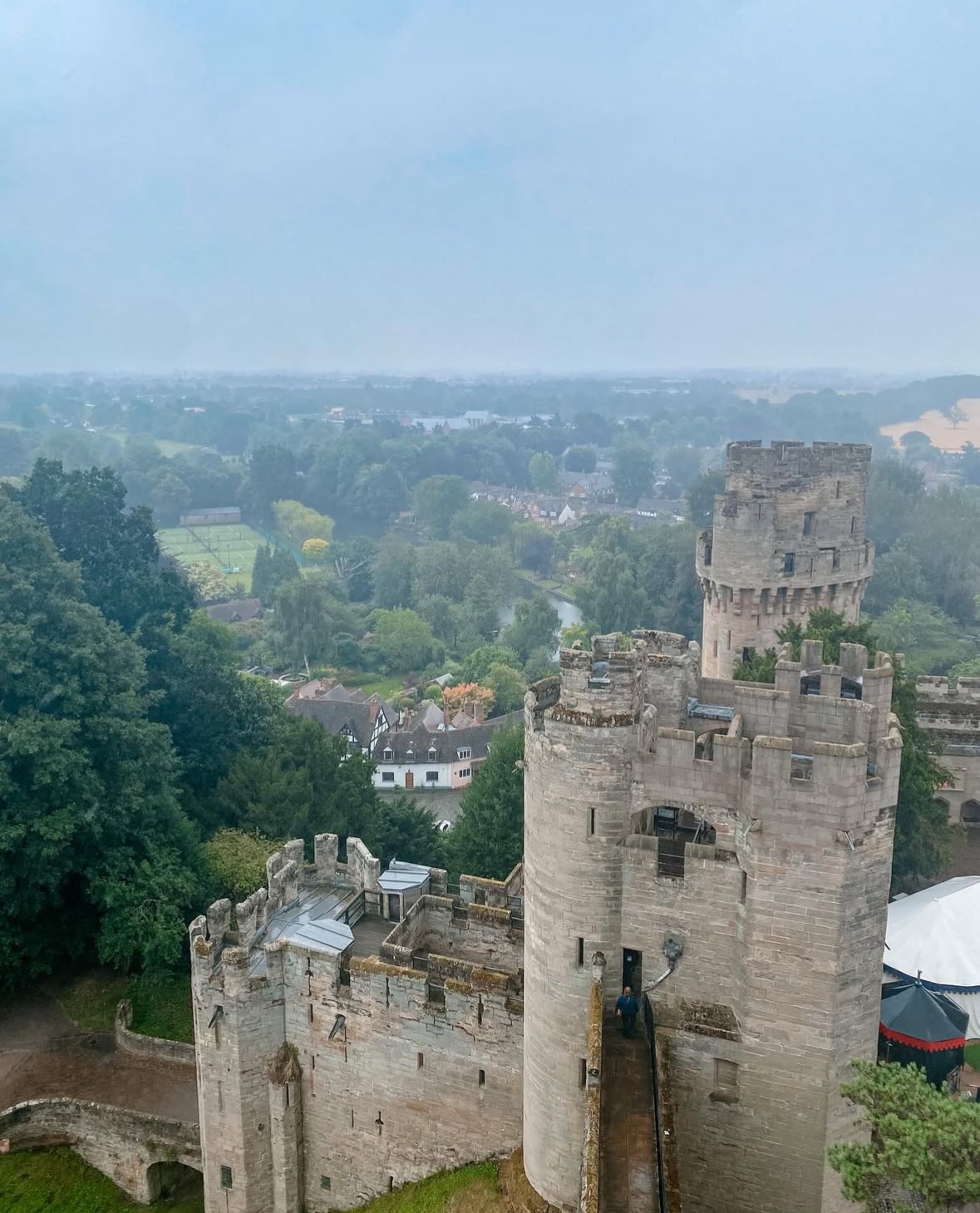
After warming up at one of the on-site cafés, I finished my visit with a climb to the castle’s towers and ramparts. As a light drizzle fell, the views over the River Avon and the rolling Warwickshire countryside were absolutely breathtaking. From above, the full scale of the castle grounds truly comes to life.
Living History and Interactive Shows

One of the things that sets Warwick Castle apart from many historic sites is how alive it feels.

Throughout the day, costumed performers brought the castle’s past to life through reenactments, storytelling, and live demonstrations. From jousting events and sword-fighting displays to medieval crafts and family-friendly activities, these moments transformed the visit from a standard sightseeing stop into a fully immersive experience.

This makes Warwick Castle especially rewarding for families, history lovers, and anyone who enjoys interactive travel experiences.

Helpful Tips for Visiting Warwick Castle

Arrive early
Warwick Castle is a large attraction with a full day’s worth of sights, shows, and interactive experiences. To make the most of your visit, I highly recommend arriving right at opening time. This gives you the best chance to explore the interiors, attend live performances, and climb the towers before the crowds build.

Allow extra time for the walk in
From the main entrance gate, it takes roughly 15 to 20 minutes to walk to the central castle grounds. Be sure to factor this into your arrival plans, especially if you have pre-booked experiences, shows, or dungeon time slots.

Download or print your Explorer Pass in advance
Mobile service around the castle can be unreliable. To avoid delays at the entrance, download your Explorer Pass to your phone before arriving or bring a printed copy with you.

Check the weather forecast
Many of Warwick Castle’s most popular events and activities take place outdoors. If rain is expected, bring a waterproof jacket or umbrella and wear sturdy footwear, as parts of the grounds can become muddy after wet weather.

Explore the on-site shops
There are several gift shops located throughout the castle grounds where you can pick up souvenirs, books, and themed gifts. If you forget to pack rain gear, some shops also sell umbrellas.

Plan a café stop
Warwick Castle has a café with indoor seating offering hot meals, snacks, and drinks. The main restroom facilities are located in this area as well, making it a convenient place to warm up, recharge, and take a short break during your visit.

Final Thoughts

Warwick Castle is not just a historical site. It is an immersive, entertaining destination that truly offers something for every type of traveler.

Having the Shakespeare’s England Explorer Pass certainly enhanced my experience, not only by simplifying entry but by encouraging me to explore more of Warwickshire’s incredible heritage. It is a region I am very much looking forward to returning to.

If you are planning a trip to England and love castles, history, and hands-on experiences, Warwick Castle absolutely deserves a place on your itinerary.
If you found this guide helpful, you can support my work by buying me a drink. Your support helps keep these travel guides coming!

Top 8 Day Trips from London by Train (2026 Guide)

Disclosure: This post contains affiliate links. This means that if you click on a link and make a purchase, I may earn a small commission at no extra cost to you. These commissions help support this blog and allow me to continue creating free travel guides and resources. As always, all opinions are my own, and I only recommend places and experiences I truly love.

London is bursting with energy, culture, and iconic sights—but sometimes, a change of scenery is exactly what you need to recharge. One of the best things about visiting or living in London is how easy it is to escape the city for a day. Thanks to the UK’s excellent rail network, you can reach historic towns, seaside resorts, and countryside gems in under two hours, with no car or overnight stay required.

Whether you are craving rolling countryside views, medieval streets, grand architecture, or fresh coastal air, there are countless unforgettable destinations just a short train ride away.

Below, I am sharing 8 wonderful day trips from London by train that are easy to reach, rich in history and beauty, and absolutely worth adding to your travel plans. I also wrote this article about how to do London on a budget.

1. Moreton-in-Marsh: Gateway to the Cotswolds

🚆 Getting there: Approx. 1 hr 28 min from London Paddington via Great Western Railway

Tucked in the northern Cotswolds, Moreton-in-Marsh is a postcard-perfect market town that feels like stepping into an old English novel. Expect colored stone buildings, independent bookstores, and cozy cafés serving scones with clotted cream.

It’s a fantastic base for exploring the surrounding countryside or joining a guided tour of nearby villages like Stow-on-the-Wold and Bourton-on-the-Water.

Tip: Book a small-group tour with Go Cotswolds for a seamless, story-filled Cotswolds experience.

2. Dover: Coastal Drama & Historic Majesty

🚆 Getting there: Just 1 hour from London St Pancras International via Southeastern High-Speed (Javelin)

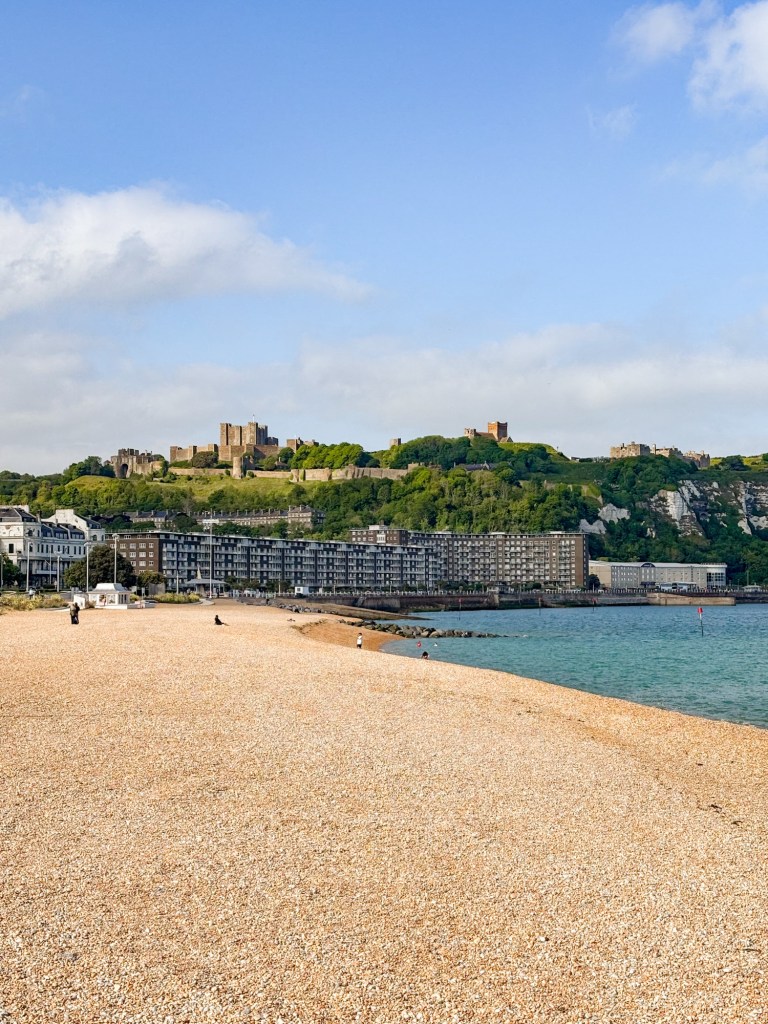
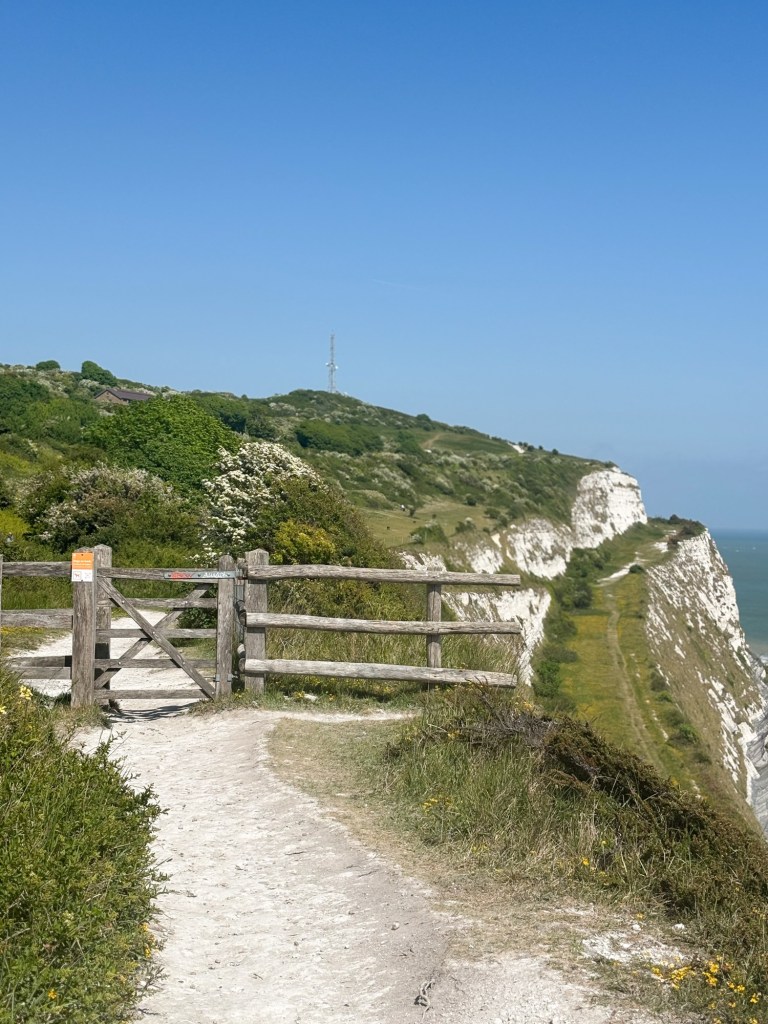
If you’ve ever wanted to stand on cliffs that seem to touch the sky, Dover is your place. Famous for its dazzling white cliffs and wartime tunnels, Dover also boasts the mighty Dover Castle, a medieval fortress offering panoramic views over the English Channel.

On clear days, you might even spot the French coastline across the water. If you are interested in a Guided Day Tour from London, then check this one out!

3. Oxford: The City of Dreaming Spires

🚆 Getting there: About 1 hour from London Paddington via Great Western Railway

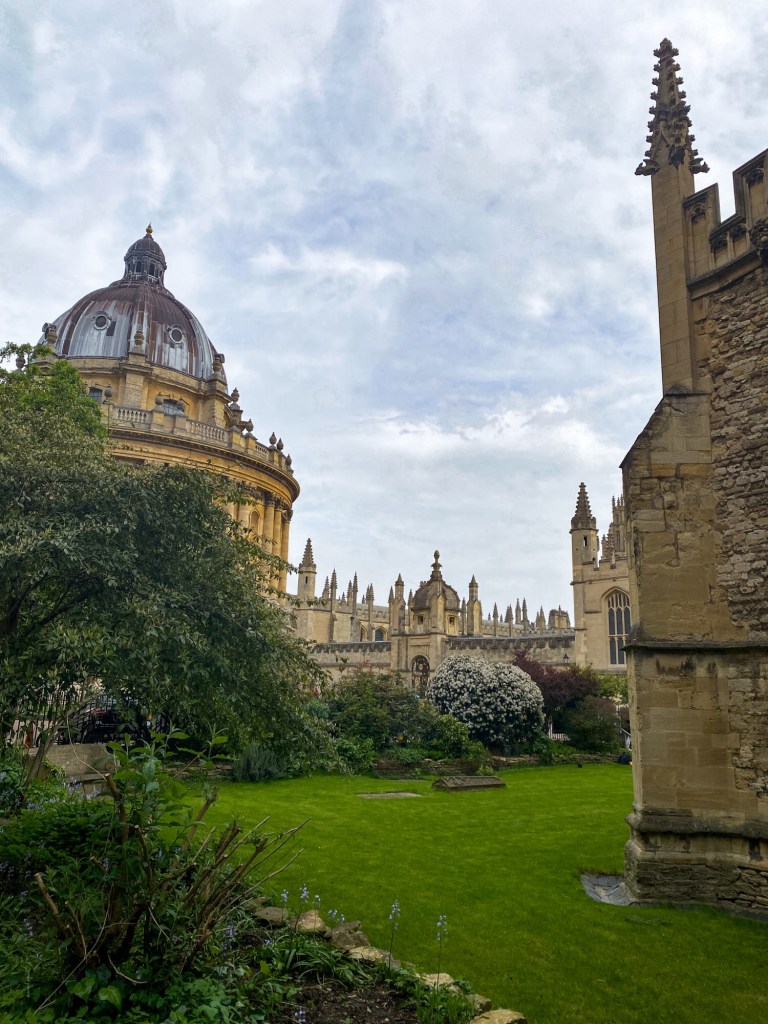
History, academia, and breathtaking architecture combine in Oxford, one of the most iconic university towns in the world. Tour centuries-old colleges, visit the Bodleian Library, and stroll along the River Thames—or spot film locations from Harry Potter and Inspector Morse.

Be sure to pop into the Covered Market for local eats and handmade gifts. This tour of Oxford and its University is a best-selling one, so make sure to check it out!

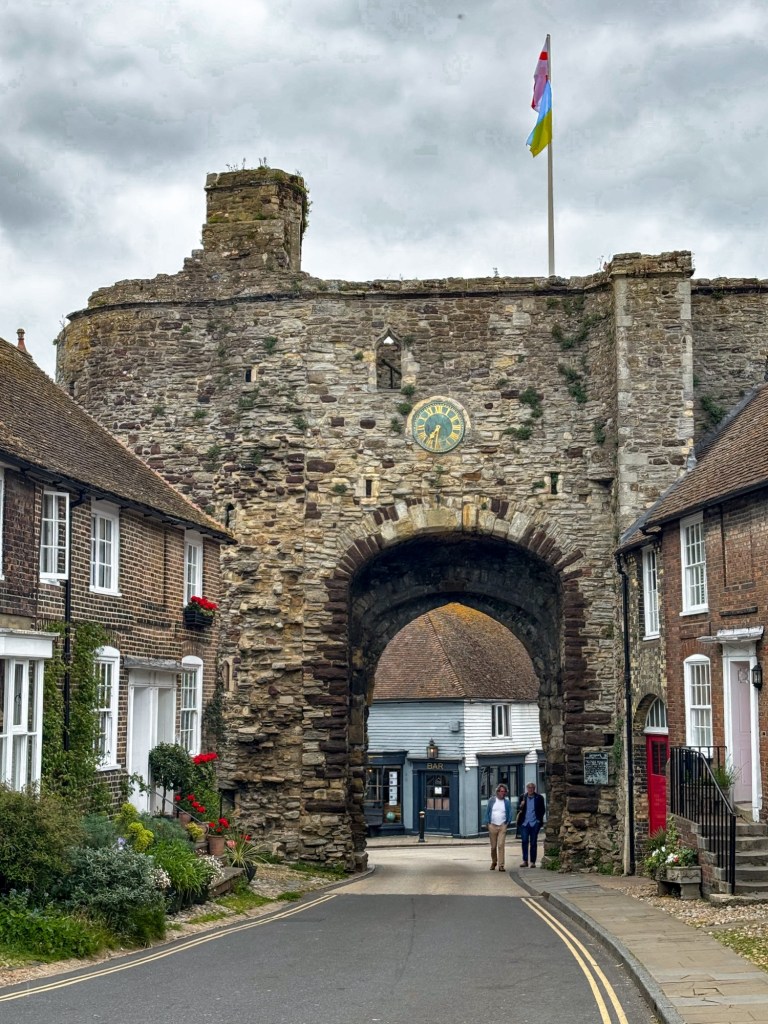
4. Rye: A Real-Life Fairytale

🚆 Getting there: ~1 hr 5 min from London St Pancras via Southeastern High-Speed to Ashford, then transfer to Rye

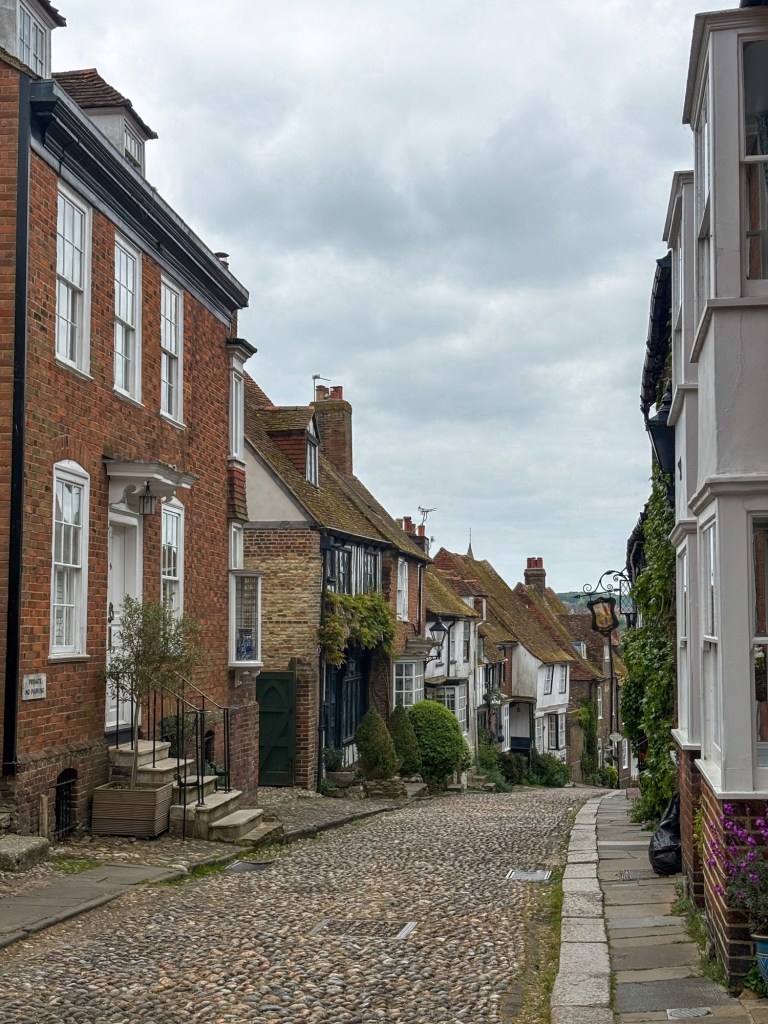
Rye is the kind of place where time slows down. Wander its cobbled lanes (like the famously photogenic Mermaid Street), admire timber-framed houses, and browse antique shops straight out of a Dickens novel.

This charming East Sussex town is rich in literary and smuggling history and just the spot for a slow, scenic day. If you would like to discover the secrets of Rye, then check out this tour!

5. Cambridge: Punting, Parks & Prestige

🚆 Getting there: A speedy 48 min from London King’s Cross via Great Northern Express

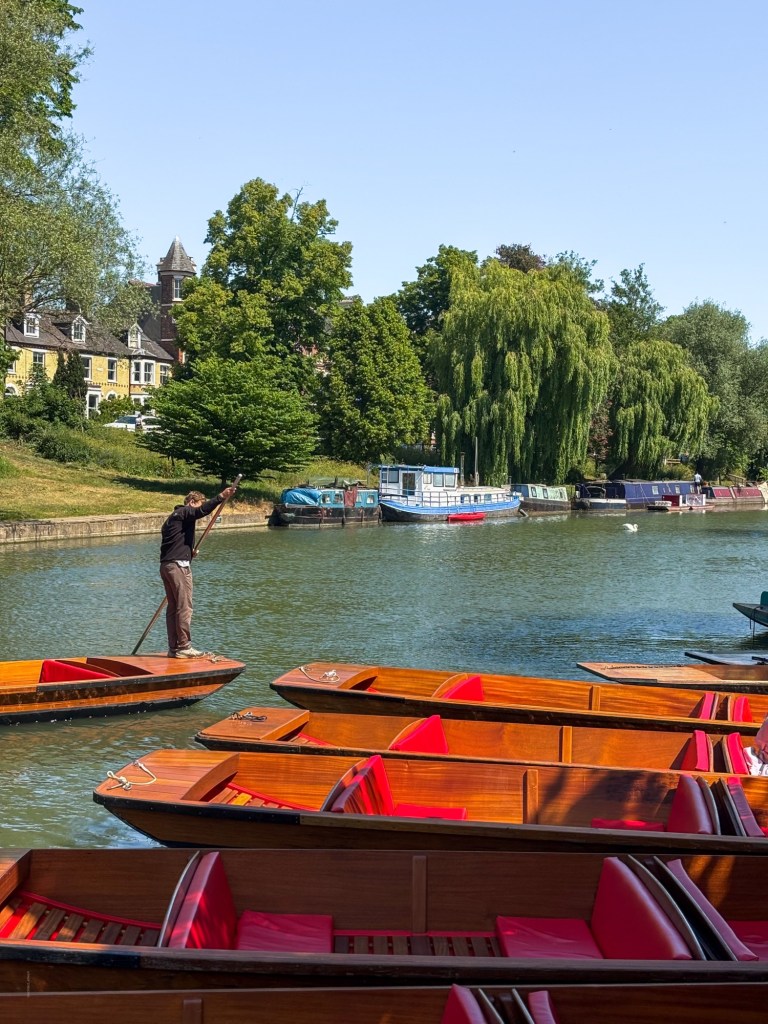
Cambridge exudes intellectual charm, with stunning college courtyards, tranquil riverside paths, and an artsy town centre. Don’t miss a chance to go punting—a flat-bottomed boat ride—on the River Cam under the famous Bridge of Sighs.

Tip: Book with Traditional Punting Company for a guided punting experience through the university’s most scenic stretches.

6. Bath: Ancient Wellness Meets Georgian Elegance

🚆 Getting there: Around 1 hr 15 min from London Paddington via Great Western Railway

Known for its Roman heritage and graceful Georgian architecture, Bath is a feast for the eyes—and the senses. Visit the Roman Baths, take a dip in a modern thermal spa, and marvel at the Royal Crescent. Jane Austen fans will especially love exploring her connections to the city. Here is a Guided City Tour you might be interested in.

7. Canterbury: A Cathedral City with Literary Soul

🚆 Getting there: Just 50 min from London St Pancras International via Southeastern High-Speed to Canterbury West

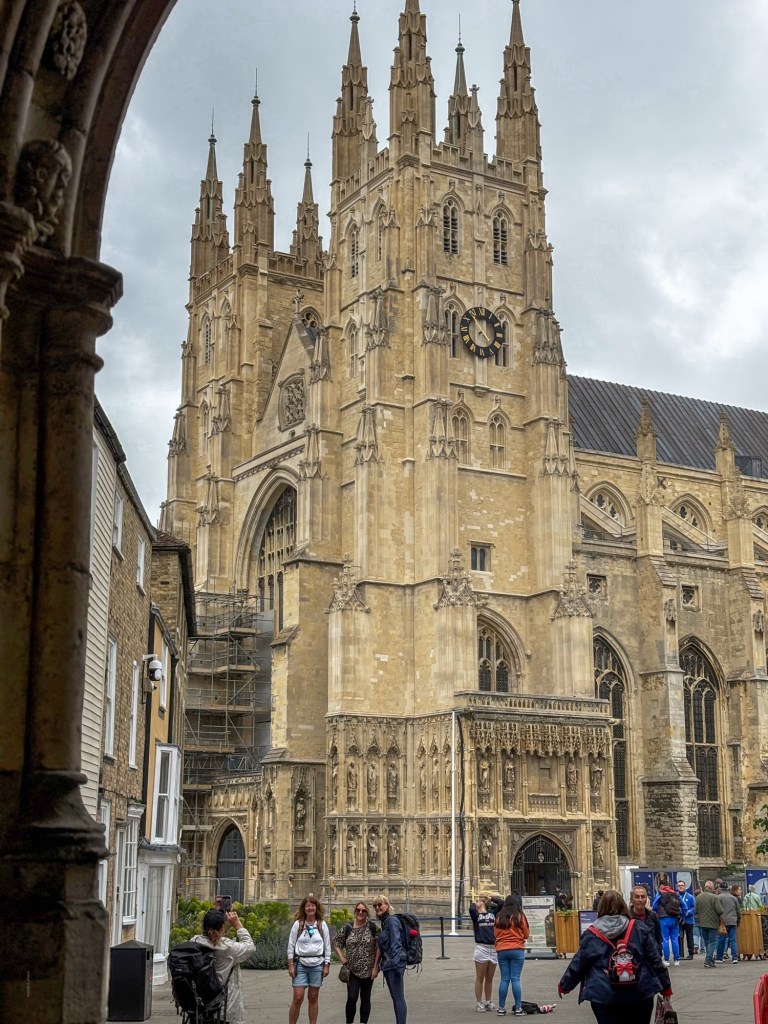
With cobblestone streets and timbered houses, Canterbury is steeped in history. At its heart lies Canterbury Cathedral, a UNESCO World Heritage Site and seat of the Archbishop of Canterbury.

Book lovers and pilgrims alike will enjoy walking in the footsteps of Chaucer’s “Canterbury Tales.” You can also book a walking tour of Canterbury with a Green Badge guide here.

8. Stratford-upon-Avon: Shakespeare’s Timeless Town

🚆 Getting there: About 2 hours from London Marylebone via Chiltern Railways (change at Leamington Spa)

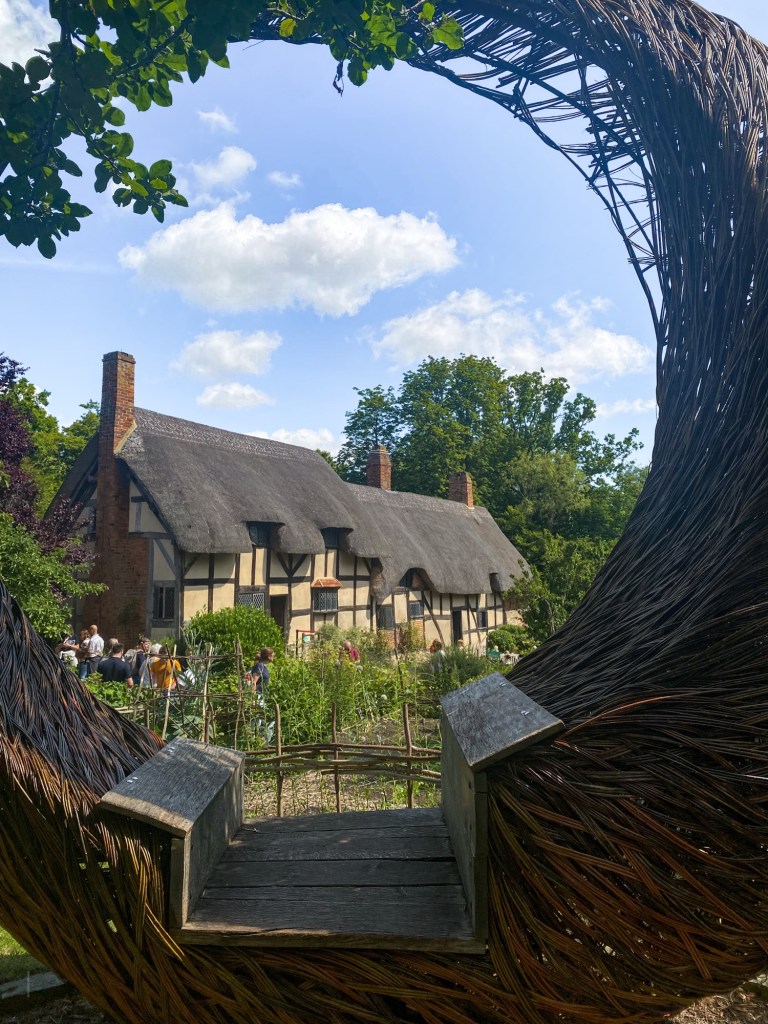
No literary pilgrimage is complete without a trip to Stratford-upon-Avon. This riverside market town is the birthplace of William Shakespeare, and his legacy lives on in the Royal Shakespeare Theatre, Shakespeare’s Birthplace, and Anne Hathaway’s Cottage.

Tip: Save money and time with the Explorer Pass from Shakespeare’s England, which grants access to multiple historic sites.

Final Thoughts

These 8 destinations offer more than just a break from London—they’re immersive, enriching, and effortlessly accessible by train. So whether you’re in the mood for rolling hills, coastal winds, or college towns with centuries of legacy, you don’t have to go far to experience the magic.

Which place are you excited the most to explore next?

Find this guide helpful? You can buy me a drink and support my work here.

Top 13 Must See Places in Bath, England (2026 Guide)

Disclaimer: This post contains affiliate links. At no extra cost to you, I may earn a small commission if you make a booking through them.

Located in the rolling hills of Somerset, Bath, England is one of the most beautiful and historically rich cities in the United Kingdom. Best known for its ancient Roman baths, elegant Georgian architecture, and literary connections to Jane Austen, Bath has been attracting visitors for over 2,000 years.

Designated a UNESCO World Heritage Site, Bath offers far more than just its famous thermal waters. Visitors can expect impressive abbeys, grand crescents, charming streets, independent shops, and a thriving café culture. Whether you are planning a weekend getaway, a spa retreat, or a literary inspired trip, Bath is a destination that rewards slow and meaningful travel. It is also a wonderful day trip option from London by train (I talk more about it in this article)

In this guide, you will discover 13 iconic places you must see in Bath, along with practical travel tips and ideas to help you plan your visit!

1. Jane Austen’s Bath Home at 4 Sydney Place

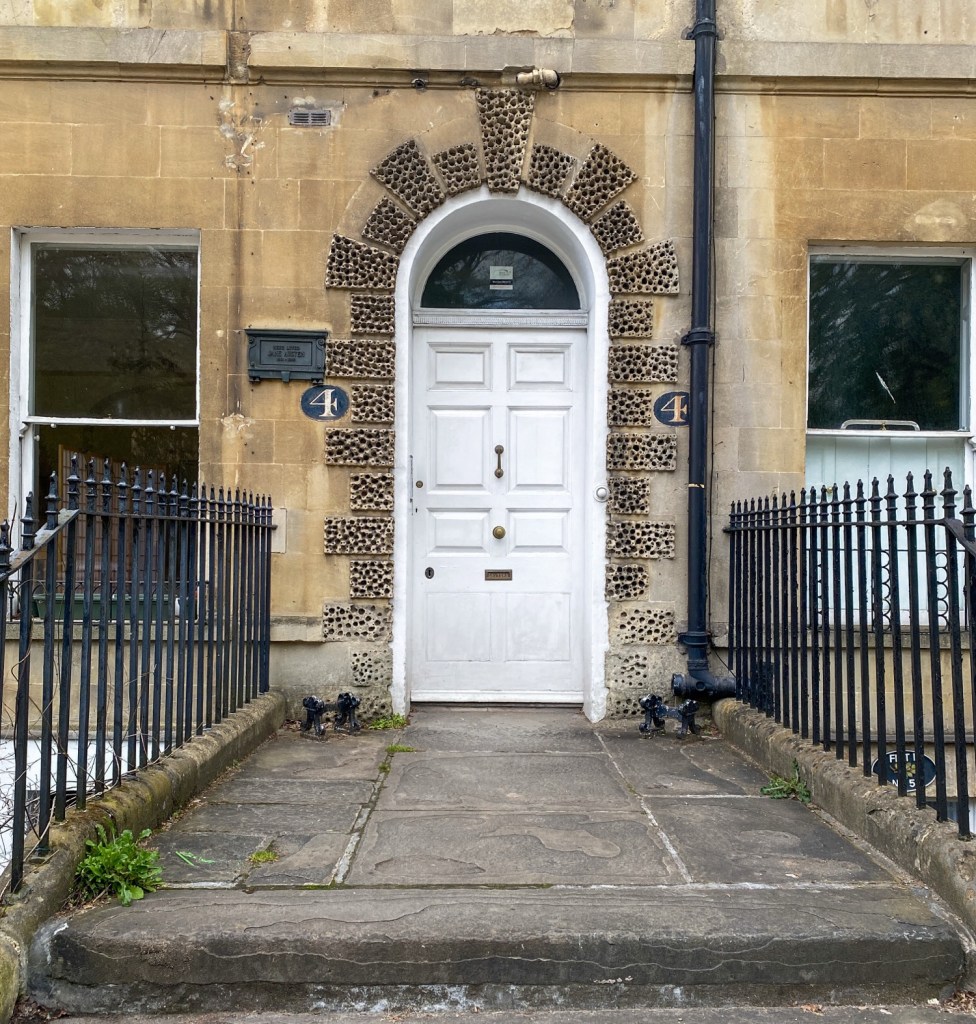
Jane Austen lived in Bath between 1801 and 1806, and although she resided in several houses, the most famous is 4 Sydney Place, located near Sydney Gardens. While the home is privately owned, many visitors stop to see the exterior and imagine Austen’s life in the city that inspired scenes in Northanger Abbey and Persuasion.

This property is occasionally available as a holiday rental, offering a rare opportunity to stay in a genuine literary landmark.

Click here to book a stay in Jane Austen’s Family Home in Bath from 1801 to 1805

2. The Royal Crescent

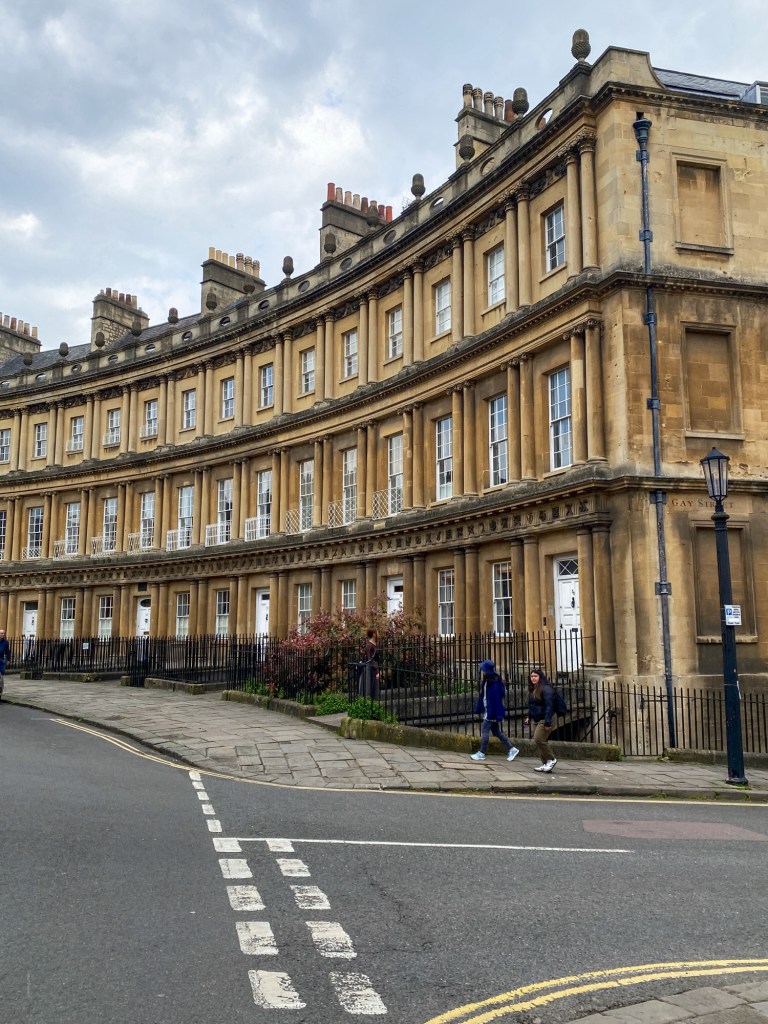
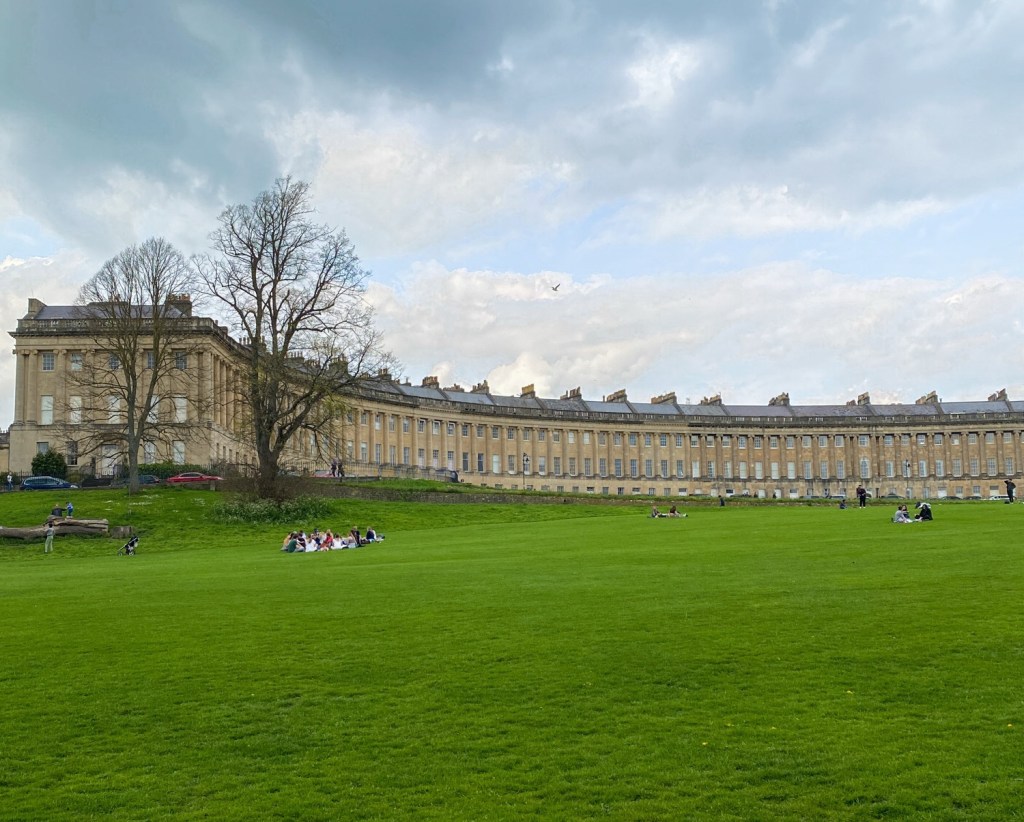
The Royal Crescent is Bath’s most iconic architectural landmark. Built in the 18th century, this sweeping curve of 30 Georgian townhouses overlooks a manicured lawn and offers one of the finest examples of Georgian design in Europe.

The Royal Crescent is also home to the No.1 Royal Crescent Museum and the Royal Crescent Hotel and Spa, both worth visiting. You can find several tours in Bath here!

3. The Georgian Garden

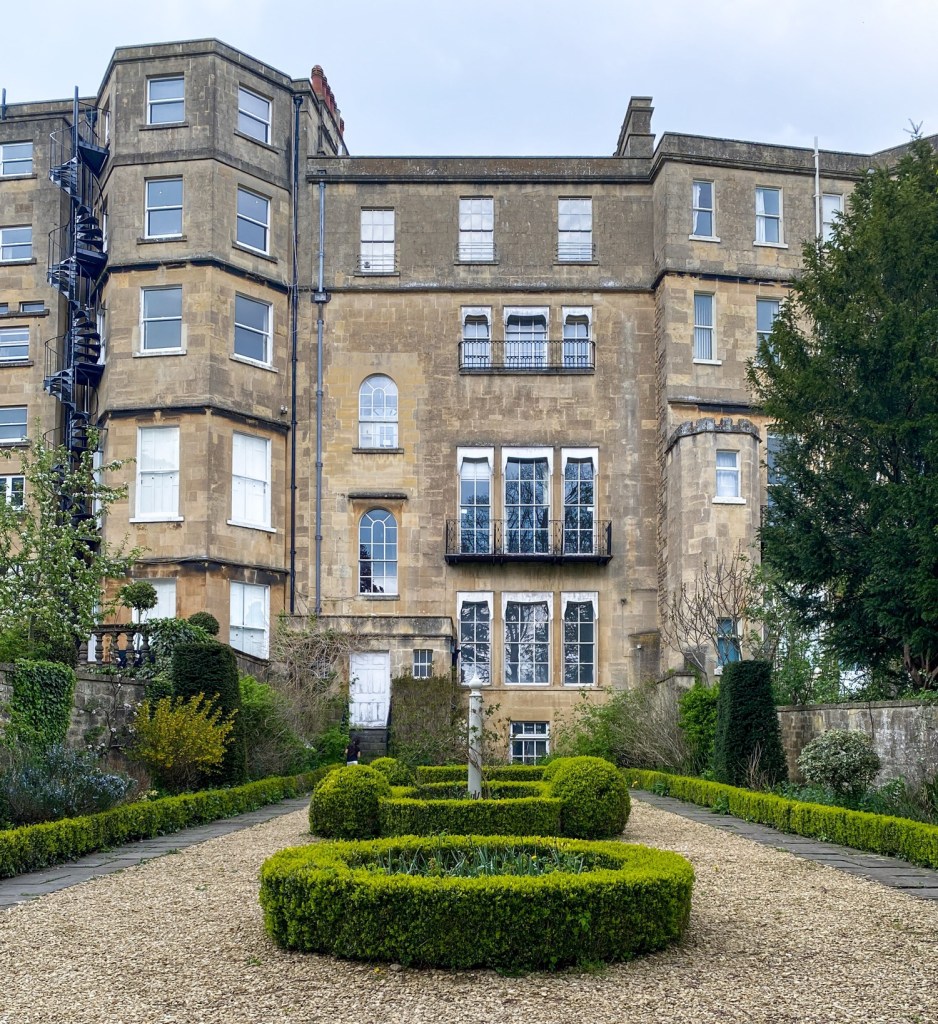
Hidden behind the Royal Crescent, the Georgian Garden recreates an authentic 18th century pleasure garden. With symmetrical planting beds, herbs, and traditional landscaping, it offers a peaceful retreat and a deeper look into Georgian lifestyle.

It is free to enter and makes a lovely addition to a Royal Crescent visit.

Click here to book a walking tour of Georgian Bath!

4. The Jane Austen Centre

Located on Gay Street, the Jane Austen Centre explores Austen’s years in Bath through exhibitions, costumed guides, and interactive displays. Upstairs, the Regency Tea Room serves traditional cream teas in period style. This is one of Bath’s most popular attractions for literature lovers!

Click here to book the “Jane Austen’s Bath And History Trail” tour, which includes FREE entry to the Jane Austen Centre

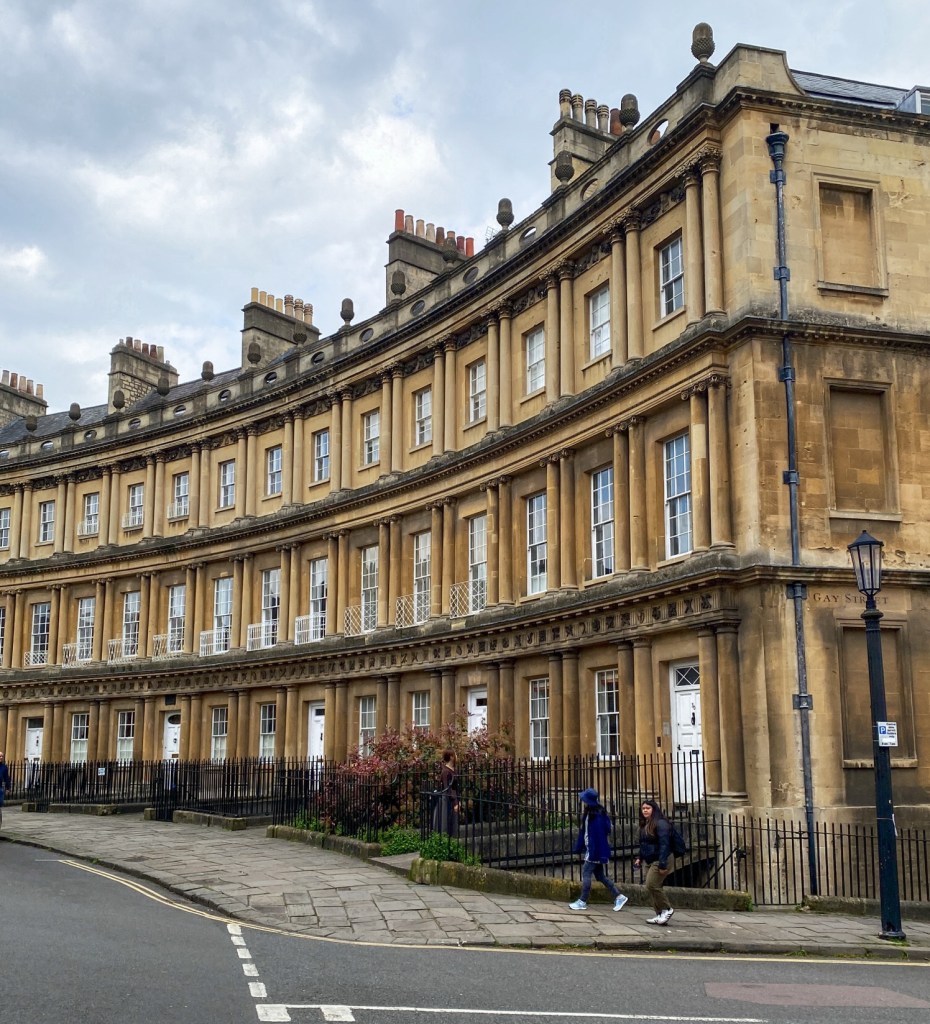
5. The Circus

The Circus is a perfectly circular terrace designed by John Wood the Elder. Its three curved segments represent classical orders of architecture and are decorated with symbolic carvings.

Famous former residents include painter Thomas Gainsborough, who lived here during the height of his career.

The Circus connects naturally to the Royal Crescent, making it an essential stop on any Bath walking route. For an architecture focused city tour, check this guided tour out here and discover Bath’s most beautiful historic buildings!

6. Sally Lunn’s Historic Eating House

Sally Lunn’s is one of the oldest houses in Bath and one of the most famous tea rooms in England. It is known worldwide for the Sally Lunn bun, a light brioche style bread served with sweet or savory toppings.

It is an ideal place to experience traditional Bath food culture.

7. The Pump Room

Once the social heart of Georgian Bath, the Pump Room was where visitors gathered to drink the mineral rich spa water and be seen by society. Today, it operates as a refined tea room offering afternoon tea and live music.

Visitors can still sample the historic spa water from the fountain!

8. Bath Abbey

Bath Abbey dominates the city’s skyline and is one of the most impressive Gothic churches in the country. Its fan vaulted ceiling, stained glass windows, and historic monuments make it a must visit attraction.

The tower tour offers panoramic views over the rooftops of Bath.

Tickets can be purchased online or from the Welcome Desk on arrival at the Abbey.

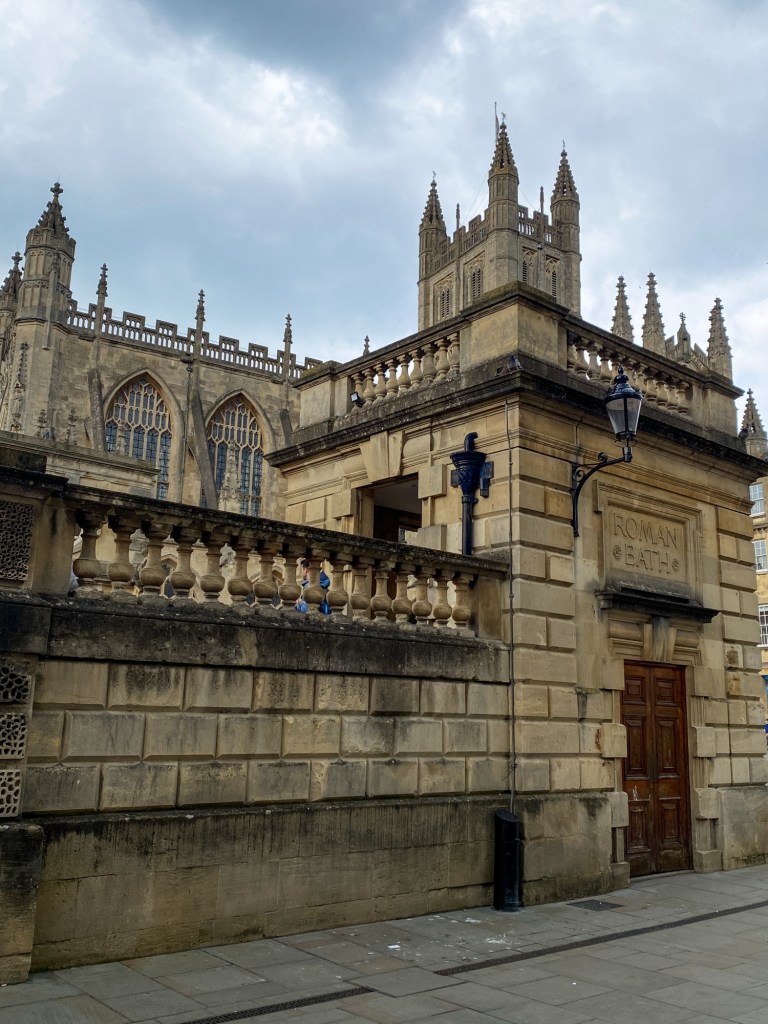
9. The Roman Baths

The Roman Baths are the reason Bath exists. Built around Britain’s only natural hot springs, this ancient bathing complex dates back nearly 2,000 years.

Visitors can explore the Sacred Spring, Great Bath, Roman temple ruins, and museum galleries. The site is especially atmospheric in the evening.

Click here to book a Roman Baths and Bath city walking tour and explore Bath’s top historic sights with a local guide

10. Bath City Centre

Bath’s city centre is a UNESCO protected area filled with honey coloured stone buildings, independent boutiques, museums, cafés, and historic streets.

Popular areas include Milsom Street, SouthGate, Stall Street, and Walcot Street, known for its artisan shops and vintage stores.

You can book an Afternoon Tea at The Regency Tea Room here

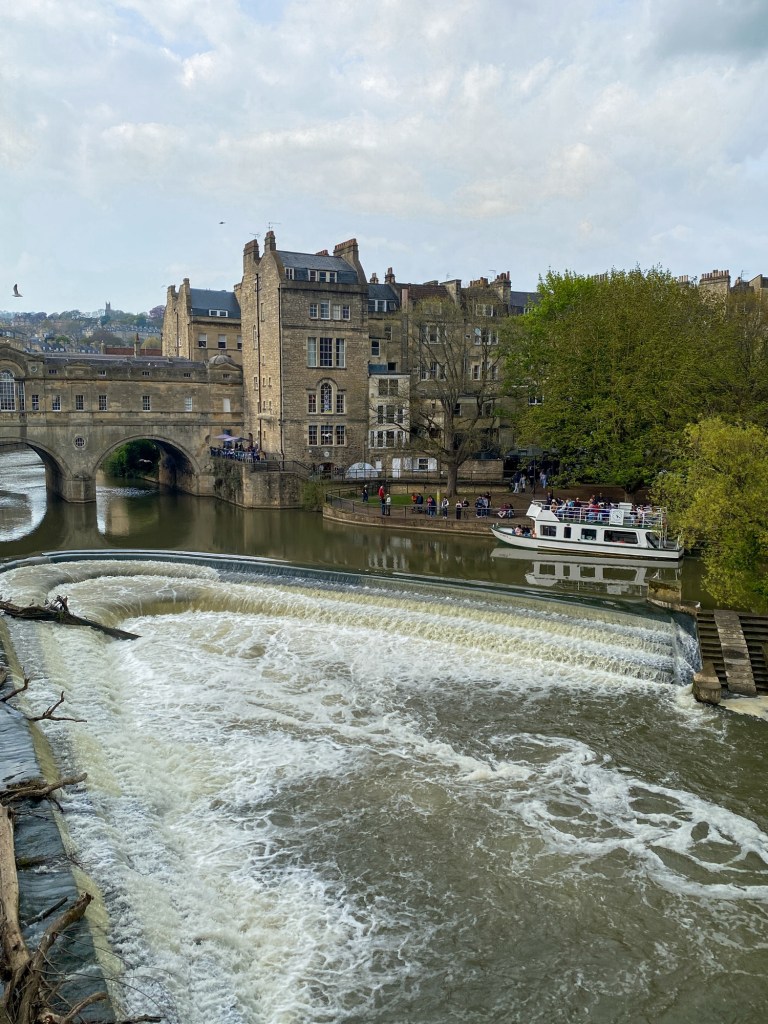
11. Pulteney Bridge

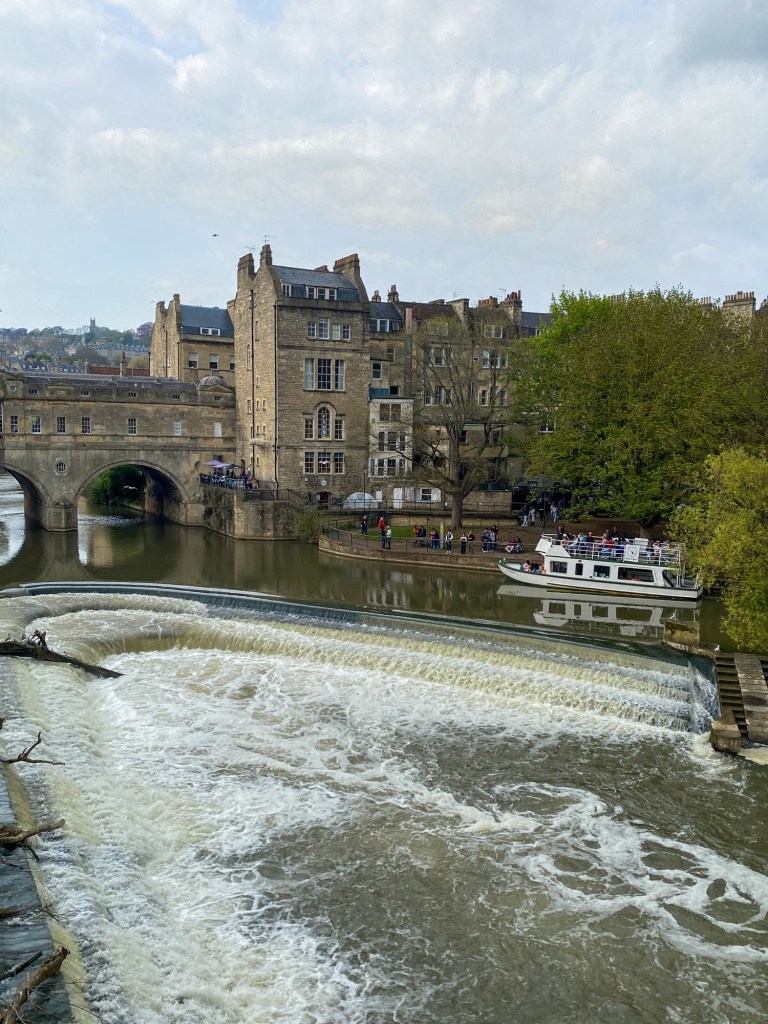
Pulteney Bridge is one of only a few bridges in the world with shops built across its full span. Inspired by the Ponte Vecchio in Florence, it crosses the River Avon and offers beautiful views in both directions.

The nearby riverside walks and boat tours add another dimension to a Bath visit.

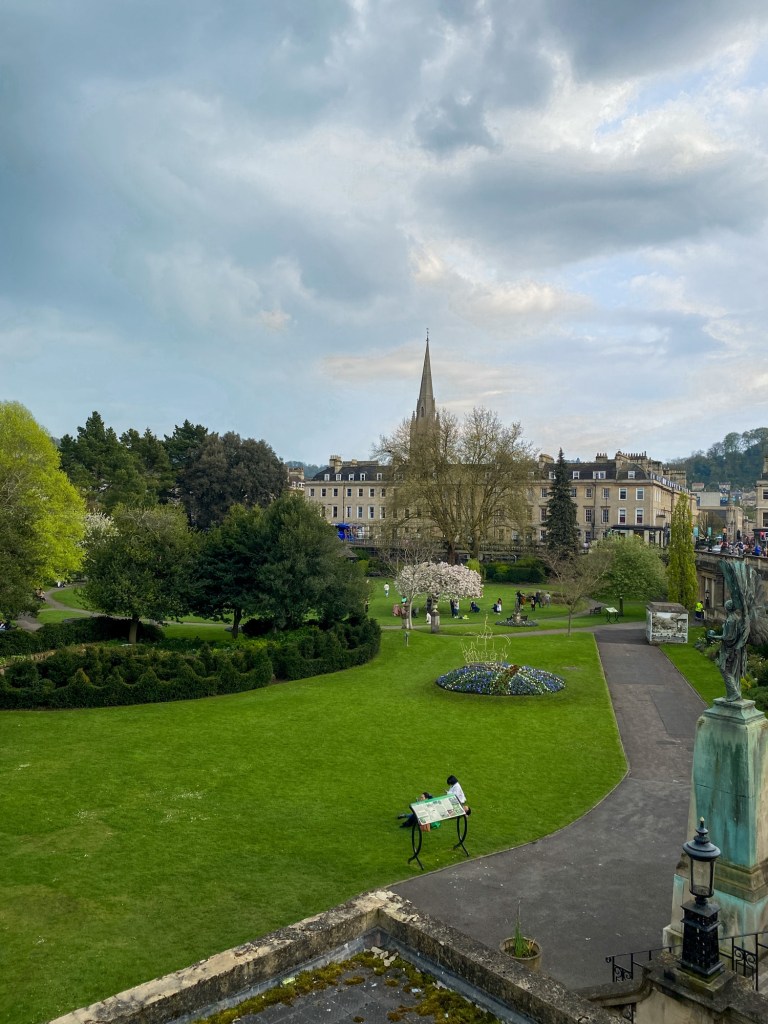
12. Parade Gardens

Parade Gardens sits along the riverbank and offers landscaped lawns, floral displays, and excellent views back toward the Abbey and Pulteney Bridge.

It is an ideal place to rest after sightseeing or to enjoy a picnic.

13. Sweet Little Things Tea Room

Sweet Little Things on Old Bond Street is a modern favorite for visitors seeking a stylish afternoon tea or brunch. Known for its floral decor, homemade cakes, and bottomless tea experiences, it appeals strongly to social media driven travel audiences.

Best Time to Visit Bath

The best months to visit Bath are April to June and September to October. During these seasons, the weather is mild, gardens are in bloom, and crowds are lighter than in peak summer.

Winter visits are also popular due to Christmas markets, spa experiences, and festive lights.

How to Get to Bath, England

Getting to Bath, England is simple and convenient.

By train

Direct trains run from London Paddington to Bath Spa in about 90 minutes. Bristol, Cardiff, and Birmingham also have excellent connections.

You can also use Welcome Pickups transfers from London or Bristol Airport.

By car

Bath is approximately two hours from London. Park and ride services are strongly recommended.

You can compare car rental options through Expedia or Booking.com. You can also check here for taxi transfers.

By coach or bus

National Express, FlixBus, and Megabus provide regular and affordable services into Bath.

Where to Stay in Bath

Bath offers outstanding accommodation options including:

Luxury spa hotels such as The Gainsborough Bath Spa and The Royal Crescent Hotel
Boutique guesthouses such as The Yard in Bath and Leighton House
Well rated budget stays including Bath YMCA Hostel and YHA Bath

Looking for more Bath accommodation? Explore listings on Booking.com!

Find this guide helpful? You can buy me a drink and support my work here.

8 Amazing Places to See in Oxford, England (2026 Guide)

Disclaimer: This post contains affiliate links. At no extra cost to you, I may earn a small commission if you make a booking through them.

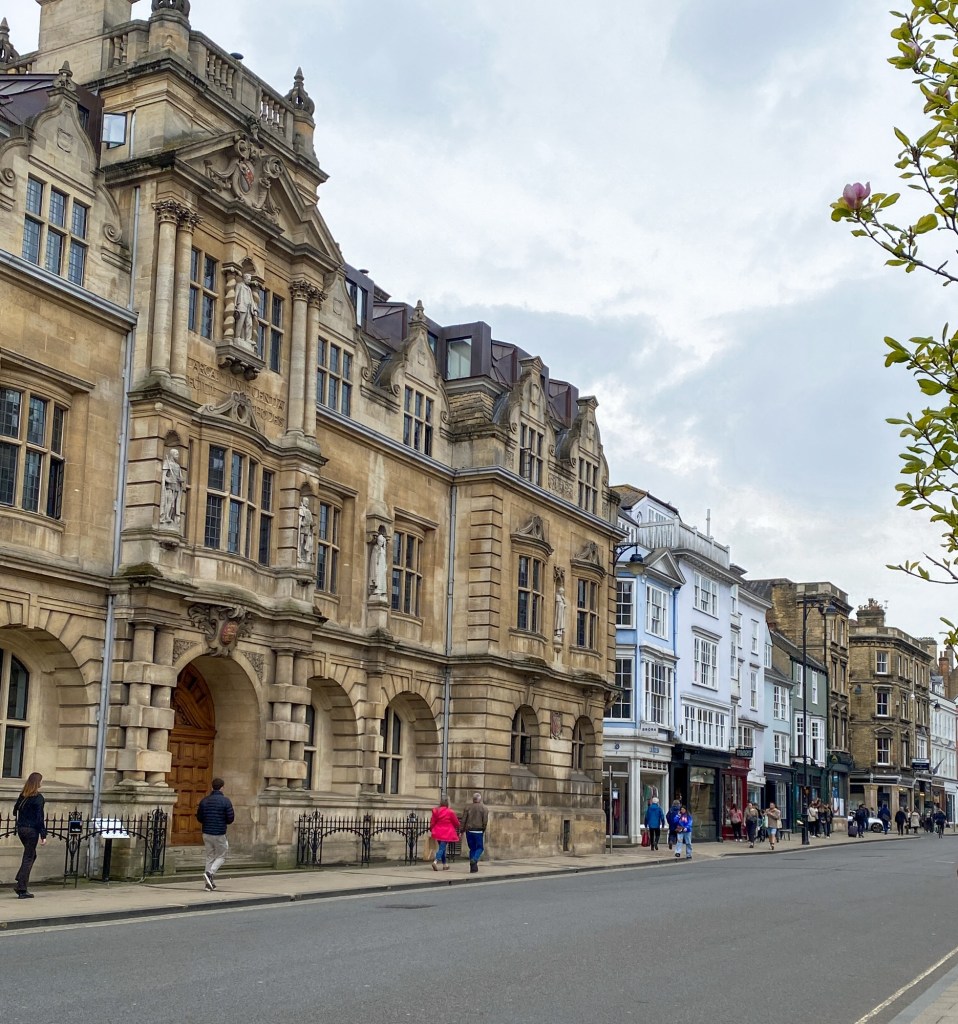
Visiting Oxford, England feels like stepping into a living tapestry of history, literature, and knowledge. With its breathtaking architecture, majestic college buildings, ancient libraries, and ivy-clad stone walls, the city exudes a peaceful yet vibrant atmosphere shaped by centuries of academic tradition and student life.

Whether you’re visiting for a day trip from London or planning a longer stay, Oxford offers a magical blend of culture, beauty, and intellectual charm. In this guide, I’m sharing 8 amazing places you must see in Oxford, along with how to get there, where to stay, and how to plan your trip easily.

Compare cheap flights to Oxford & London airports here

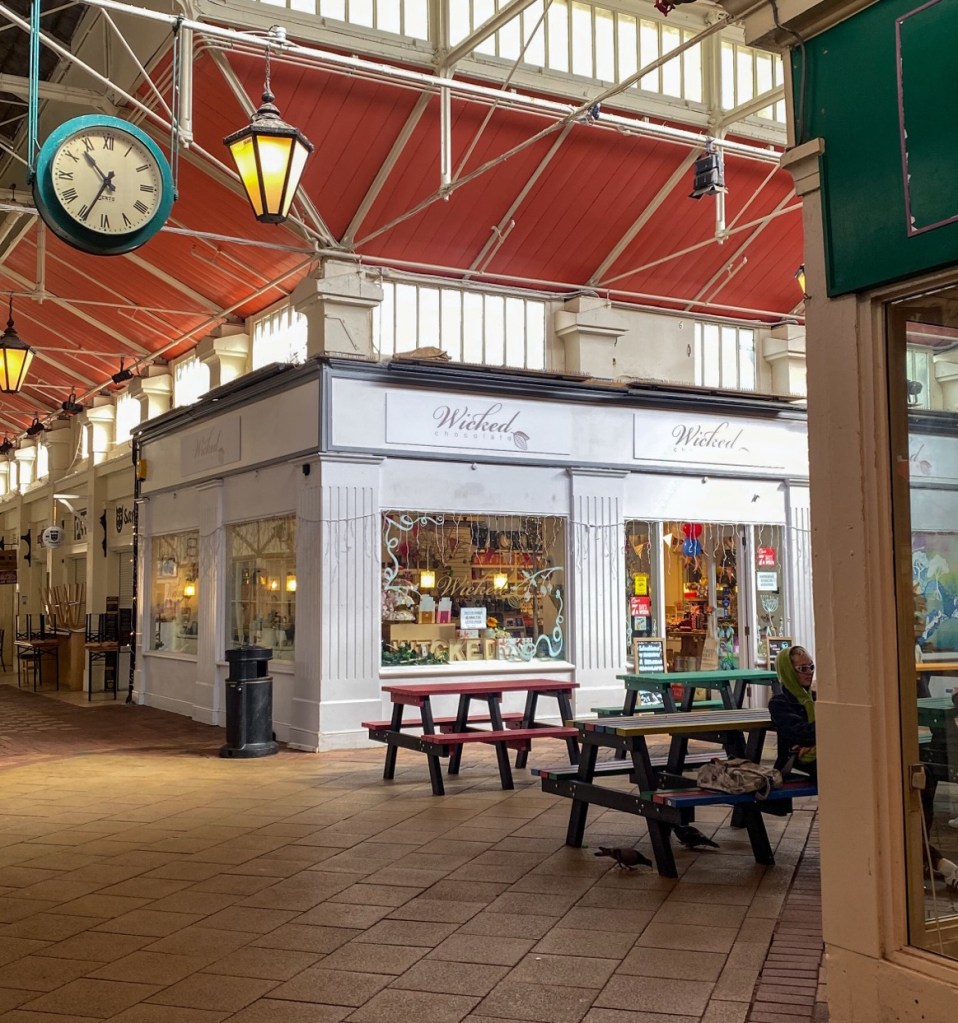
1. The Covered Market

The Covered Market is one of Oxford’s most charming hidden gems. Dating back to the 1770s, this historic indoor market is filled with independent shops, florists, bakeries, boutique clothing stores, and local food stalls.

The scent of fresh pastries and coffee fills the air, and it’s the perfect place to grab lunch, pick up unique souvenirs, or escape the rain while exploring the city center.

Don’t miss: Ben’s Cookies, local craft shops, and the historic cake counters.

2. Turl Street

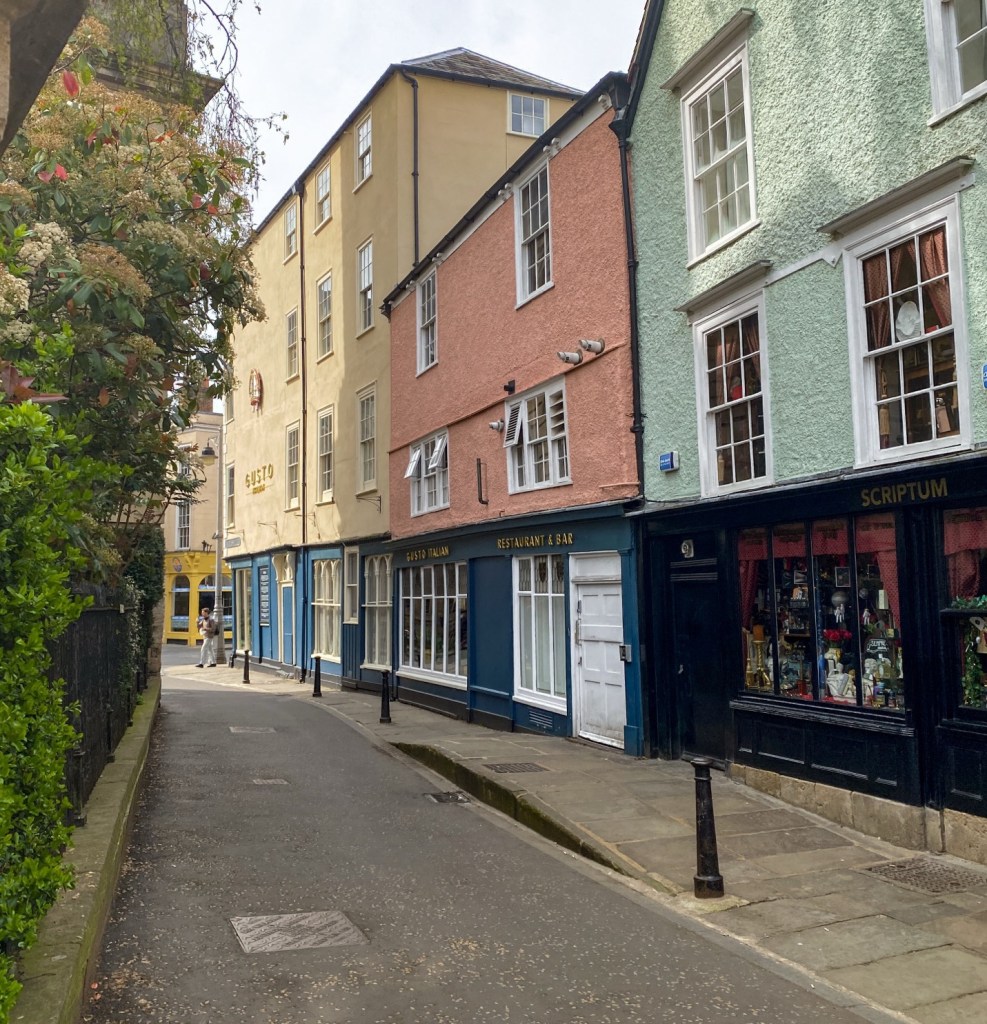
Turl Street is one of Oxford’s most picturesque historic lanes. Lined with beautiful college buildings such as Exeter College, Lincoln College, and Jesus College, it feels wonderfully timeless.

This narrow cobbled street offers a quieter escape from the busy main roads while still placing you right in the academic heart of Oxford. Cozy cafés and centuries-old facades make it an ideal photography spot.

Browse Oxford tours and experiences here

3. St. Mary’s Passage (Narnia Connection)

This narrow, enchanting walkway between the University Church of St Mary the Virgin and the Radcliffe Camera is often overlooked, yet it’s one of Oxford’s most magical corners!

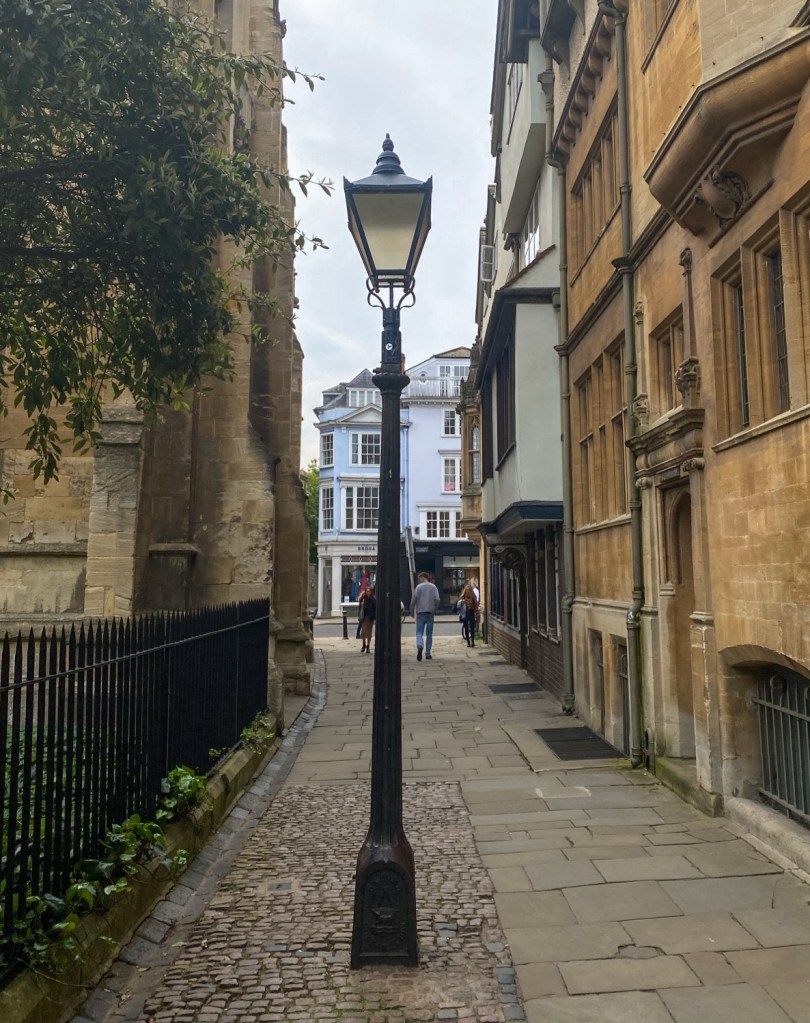
St. Mary’s Passage is famously linked to C.S. Lewis and The Chronicles of Narnia. A carved lion’s head, stone fauns, and a nearby lamppost are all believed to have inspired elements of The Lion, the Witch and the Wardrobe.

Victorian lamp post which is said to have inspired C.S. Lewis in his book The Lion, the Witch and the Wardrobe

To book a self-guided audio tour about Oxford’s literary legends and landmarks, click here

4. Radcliffe Square

Radcliffe Square is one of the most iconic locations in Oxford. Surrounded by architectural masterpieces, including the Radcliffe Camera, All Souls College, and the University Church, this area feels like the living heart of the university.

Every angle offers postcard-worthy views, making it one of the best places in Oxford for photography.

The Radcliffe Camera, locate at the center of Radcliffe Square

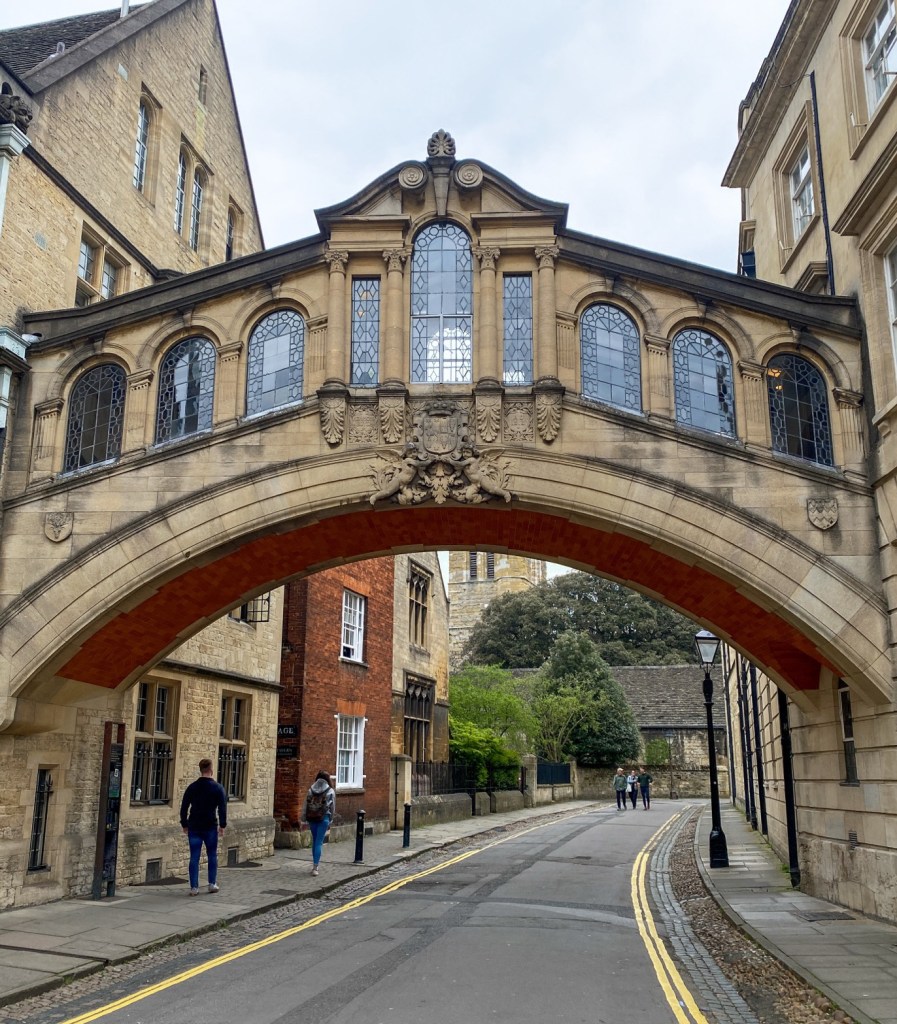
5. The Bridge of Sighs (Hertford Bridge)

Oxford’s Bridge of Sighs connects two parts of Hertford College over New College Lane. Built in 1914 and inspired by Venice, it is one of the city’s most photographed landmarks!

It adds a romantic, fairy-tale feel to the historic streets and is especially beautiful in early morning light.

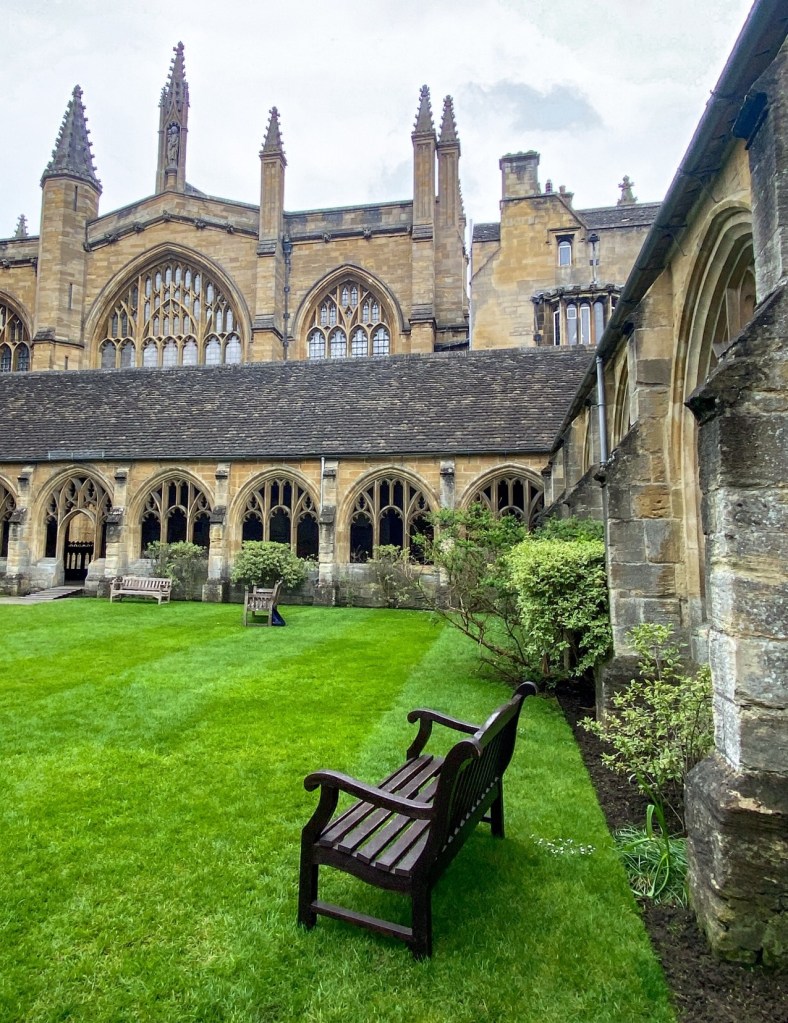
6. New College

Founded in 1379, New College is one of Oxford’s most impressive and peaceful colleges. Behind its high stone walls you’ll find:

  • Medieval cloisters
  • A magnificent chapel
  • One of Oxford’s oldest gardens
  • Sections of the original city wall

New College is also a Harry Potter filming location, making it especially popular with fans.

To book a private tour of the college, click here

7. Christ Church College

Christ Church is one of Oxford’s most famous colleges and a highlight of any visit. Founded in 1546, it features:

  • Christ Church Cathedral
  • The iconic Tom Tower
  • Grand meadows and river walks
  • The legendary dining hall that inspired Hogwarts

This college alone can easily fill several hours of exploration.

Book a guided Christ Church & Oxford University tour here

8. St. Edmund Hall

Known affectionately as “Teddy Hall,” St. Edmund Hall dates back to the 13th century and is one of Oxford’s oldest academic institutions.

Smaller and quieter than many colleges, it offers a wonderfully intimate atmosphere, beautiful medieval architecture, and a peaceful garden perfect for slowing down and soaking in Oxford’s academic soul.

How to Get to Oxford, England

Oxford is extremely easy to reach from anywhere in the UK.

By Train

Direct trains run frequently from London Paddington and Marylebone. Journey time is around 1 hour. I usually book my tickets with Trainline.

By Bus

The Oxford Tube and National Express offer frequent, budget-friendly connections from London and Heathrow Airport.

By Car

Oxford is about 1.5 hours from London via the M40. Park-and-ride services are highly recommended.

You can compare car rentals here (click on the “car rental” option)

Where to Stay in Oxford, England

Oxford offers accommodation for every style and budget.

Extra Travel Tips for Oxford

  • Best time to visit: April–June & September (pleasant weather, fewer crowds)
  • Wear comfortable shoes – Oxford is best explored on foot
  • Book popular colleges and tours in advance
  • Consider travel insurance for UK trips

Oxford is a city that rewards slow exploration, every alleyway, courtyard, and college seems to hide another story waiting to be discovered.

Are you planning a trip to Oxford? Let me know in the comments which place you’re most excited to see!

Enjoyed this guide? You can buy me a warm drink here and support my travels & writing!
4 Wonderful Things to Do in Lacock Village, England (2026 Guide)

Disclaimer: This post contains affiliate links. This means I may earn a small commission if you make a purchase through one of my links, at no extra cost to you. These commissions help support my website and allow me to continue creating free travel guides and resources.

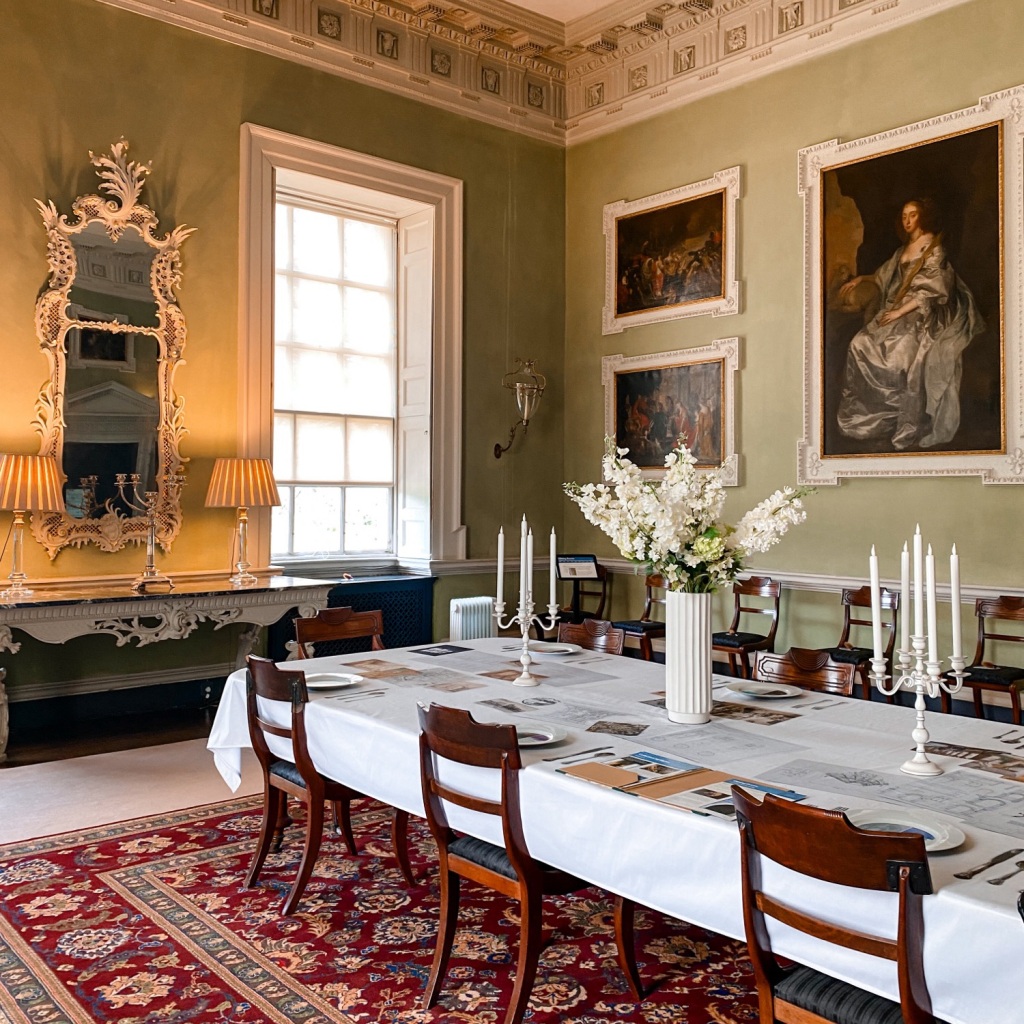
Lacock is one of the most beautifully preserved villages in England and a true hidden gem in Wiltshire. From medieval streets and historic abbey ruins to famous film locations and cozy tearooms, Lacock feels like stepping into another century. It is no surprise that this village has been used as a filming location for Harry Potter, Downton Abbey, Pride and Prejudice, and many more productions.

Whether you are planning a day trip from Bath, Bristol, or London, or staying overnight in the Cotswolds area, Lacock is a wonderful place to slow down and explore!

1. Visit Lacock Abbey and the Fox Talbot Museum

One of the most important places to visit in Lacock is Lacock Abbey. Founded in 1232 by Ela, Countess of Salisbury, the abbey began as a nunnery and was later transformed into a country house. Today, it is managed by the National Trust and is open to visitors.

Lacock Abbey is also famous as the former home of William Henry Fox Talbot, the inventor of the photographic negative. The Fox Talbot Museum, located on site, tells the story of early photography and displays some of the oldest surviving photographs in the world.

Inside the abbey, you can explore medieval cloisters, Gothic and Tudor rooms, grand Victorian interiors, and the very space where the first photographic negative was created.

Discover the Harry Potter Filming Locations at Lacock Abbey

Lacock Abbey is one of the most recognizable Harry Potter filming locations in England. Several rooms and passageways were used to represent Hogwarts interiors. You can explore the abbey on your own, or find Harry Potter themed tours via GetYourGuide, Viator, or Tripadvisor.

The Cloisters

Used as Hogwarts corridors in Harry Potter and the Philosopher’s Stone and Harry Potter and the Chamber of Secrets. Scenes include Harry walking with his invisibility cloak, students moving between classes, and Professor McGonagall recruiting Harry for the Quidditch team.

The Chapter House

Used as the room of the Mirror of Erised and later as a classroom where students discuss the Heir of Slytherin.

The Warming Room

Featured as Professor Quirrell’s Defence Against the Dark Arts classroom, complete with its historic cauldron.

The Sacristy

Transformed into Professor Snape’s Potions classroom.

Explore the Abbey Gardens and Greenhouse

After touring the abbey, take time to wander through its beautiful grounds. The gardens have existed for centuries and blend woodland paths, open parkland, and formal historic spaces.

One of the highlights is the Botanic Garden and greenhouse, created by Henry Fox Talbot in the nineteenth century. The greenhouse is filled with colorful plants and offers a quiet place to pause and enjoy the peaceful surroundings.

The grounds also feature an orchard, rose garden, and riverside walks that are especially beautiful in spring and summer.

2. Wander the Streets of Lacock Village

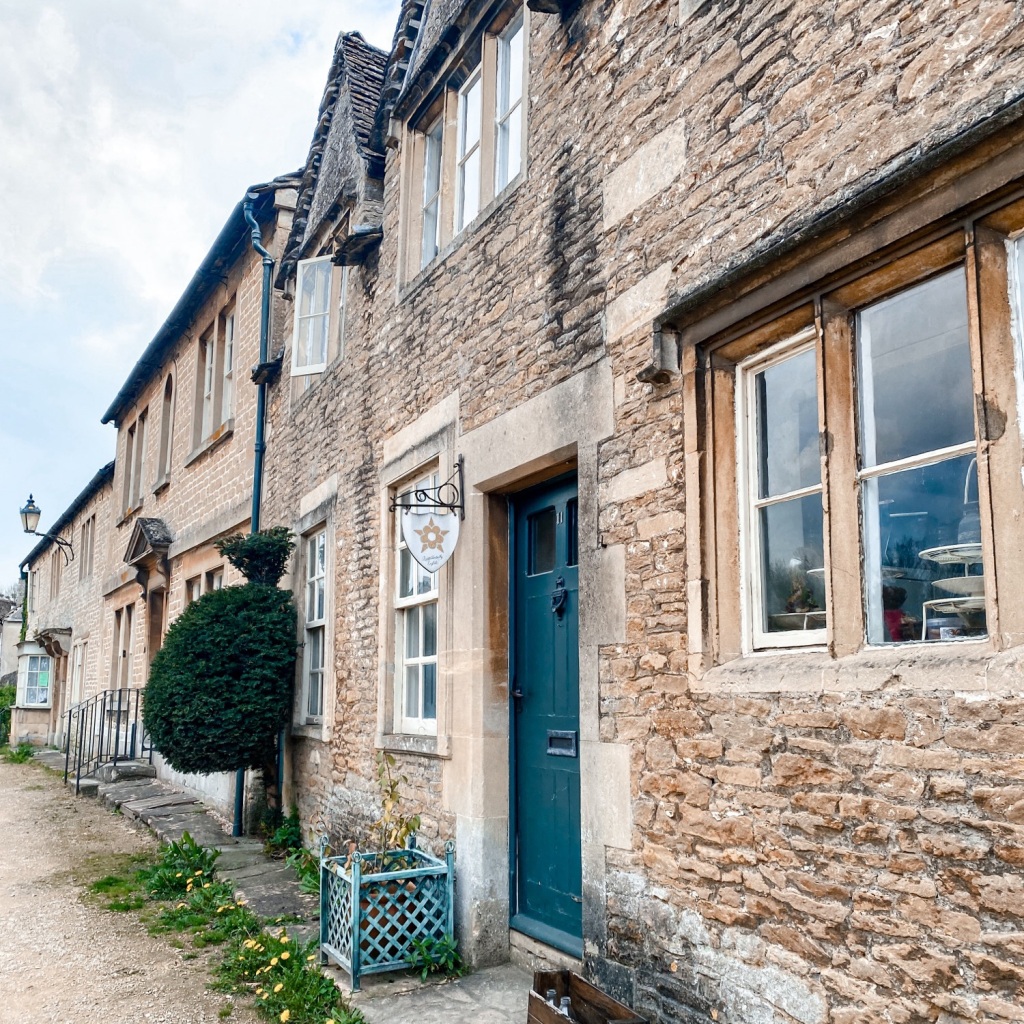
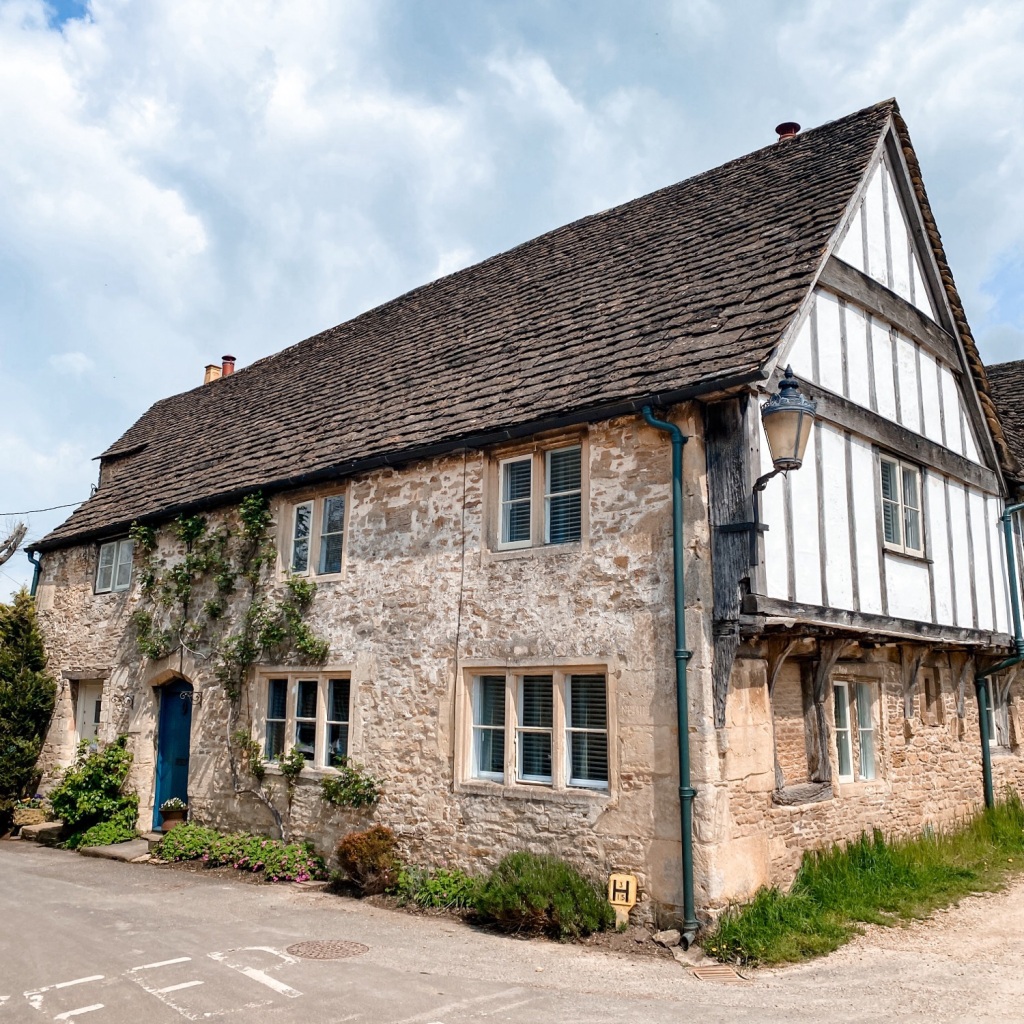
Lacock village itself is just as special as the abbey. The village layout has remained largely unchanged for centuries, with timber framed cottages, stone houses, and historic inns lining four main streets.

As you wander, you will find independent shops, small museums, cozy tearooms, and traditional pubs. Lacock feels wonderfully untouched by modern development, which is why it is so often chosen for period dramas.

Stop for a freshly baked treat at Lacock Bakery or enjoy a coffee and homemade cake at The Stables Cafe. For a sit-down meal, the historic Sign of the Angel and The George Inn are perfect choices for classic English fare, while The Bell Inn offers more refined dining just outside the main thoroughfare. The village also has delightful places to browse local crafts and gifts, including the National Trust Gift ShopBarty’s of LacockQuintessentially English, and Lacock Shop & Deli, making a slow stroll through Lacock feel like a step back in time with plenty of inviting stops along the way.

3. Harry Potter filming locations in the village

The Cottage with the Blue Door

The blue door cottage on Church Street appears briefly in Harry Potter and the Half Blood Prince.

Sign of the Angel Pub

The Sign of the Angel pub was used as the Babberton Arms. You can even book a stay here!

Harry Potter Parent’s House

A house at the end of Church Street was used as James and Lily Potter’s home.

Horace Sluggorn’s Hideaway

A large house on Church Hill appears as Horace Slughorn’s hideaway.

4. Visit St Cyriac’s Church and Churchyard

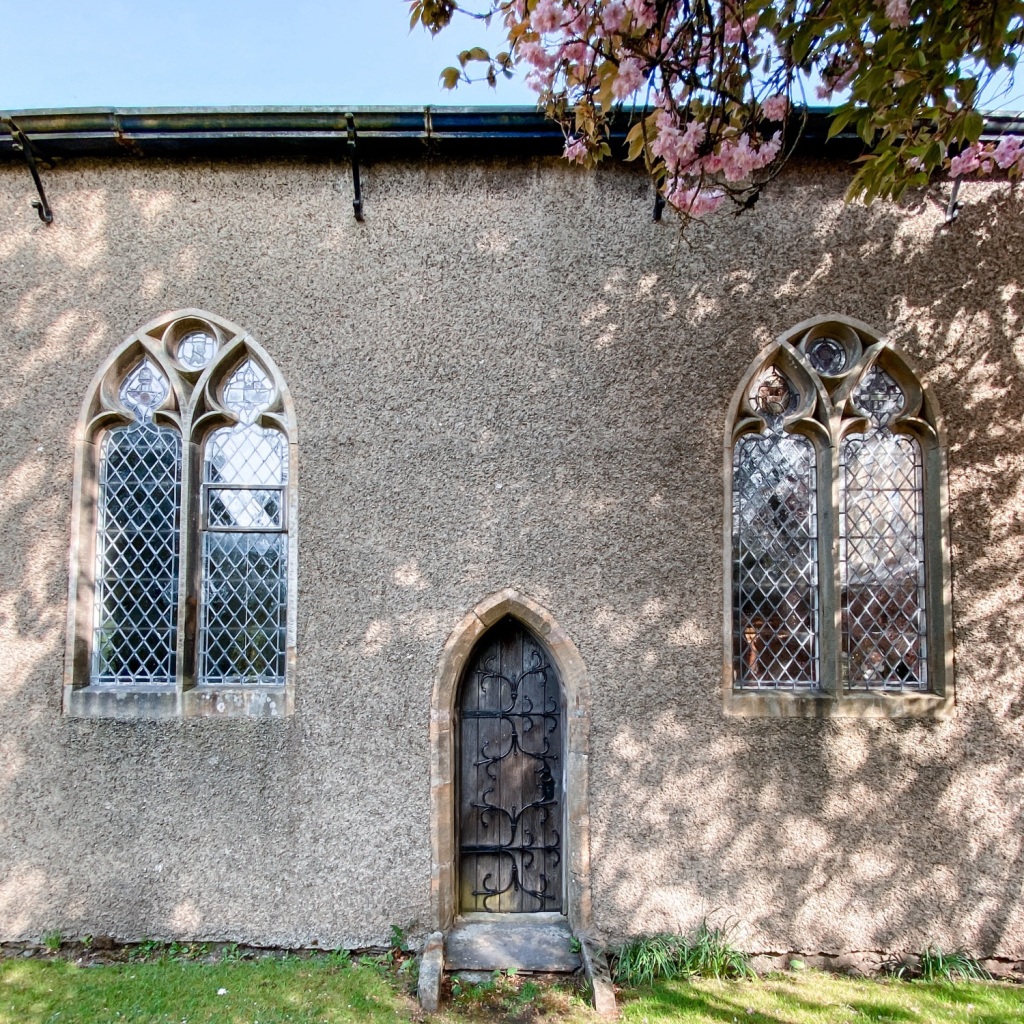
St Cyriac’s Church dates back to the fourteenth century and stands at the heart of Lacock. The church features beautiful stonework, medieval details, and impressive stained glass. Settlement in Lacock originally developed around the church, which is still reflected in the shape of Church Street today.

The peaceful churchyard is a lovely place for a quiet stroll and offers beautiful views of the surrounding village.

Where to Stay in Lacock

If you want to extend your visit, Lacock is a wonderful place to spend the night. One of the most popular options is the Sign of the Angel, a historic inn located right in the village.

You can also find charming cottages, boutique hotels, and countryside stays nearby through Booking.com and Expedia.

Getting to Lacock

Lacock is located in Wiltshire, about thirty minutes from Bath and under two hours from London.

By car: easy access from Bath, Bristol, and the Cotswolds. Click here for car rental options.
By train: Chippenham station is the closest, followed by a short taxi ride. You can check private transfers through Welcome Pickups and Kiwitaxi.

By tour: many small group tours include Lacock with Bath and the southern Cotswold

Final Thoughts

Lacock is one of those rare places that truly feels frozen in time. Whether you are visiting for its history, gardens, photography heritage, or famous filming locations, the village offers a peaceful and unforgettable experience. It is the perfect destination for a slow day of wandering, exploring, and soaking in English village life.

If you are planning a trip to Wiltshire or the Cotswolds, Lacock absolutely deserves a place on your itinerary!

Did you find this guide helpful? Consider buying me a drink.
Your support helps fund future travel research and detailed destination guides.

10 Lovely Things to Do in Grasmere, Cumbria (2026 Travel Guide)

Disclaimer: This post contains affiliate links. This means I may earn a small commission if you make a booking through my links, at no extra cost to you.

The village of Grasmere is one of the most beloved destinations in Cumbria and the Lake District. It is especially famous as the home of English Romantic poet William Wordsworth, who lived here in the early nineteenth century. Today, Grasmere draws visitors from all over the world thanks to its breathtaking landscapes, historic sites, independent shops, cozy tearooms, and unique places to stay.

Although many of Grasmere’s village buildings date from the nineteenth and early twentieth centuries, the surrounding farms and St Oswald’s Church are much older, giving the village a timeless, storybook feel. From the moment you arrive, you are surrounded by green fields, stone cottages, and sweeping fell views.

Early spring is one of the most beautiful times to visit, when daffodils begin to bloom, the air is crisp, and the crowds are lighter than in peak summer.

10 Lovely Things to Do in Grasmere

Grasmere is full of quiet beauty and gentle experiences. Here are some of the most popular and rewarding things to include in your Grasmere itinerary.

1. Wander Around the Village Centre

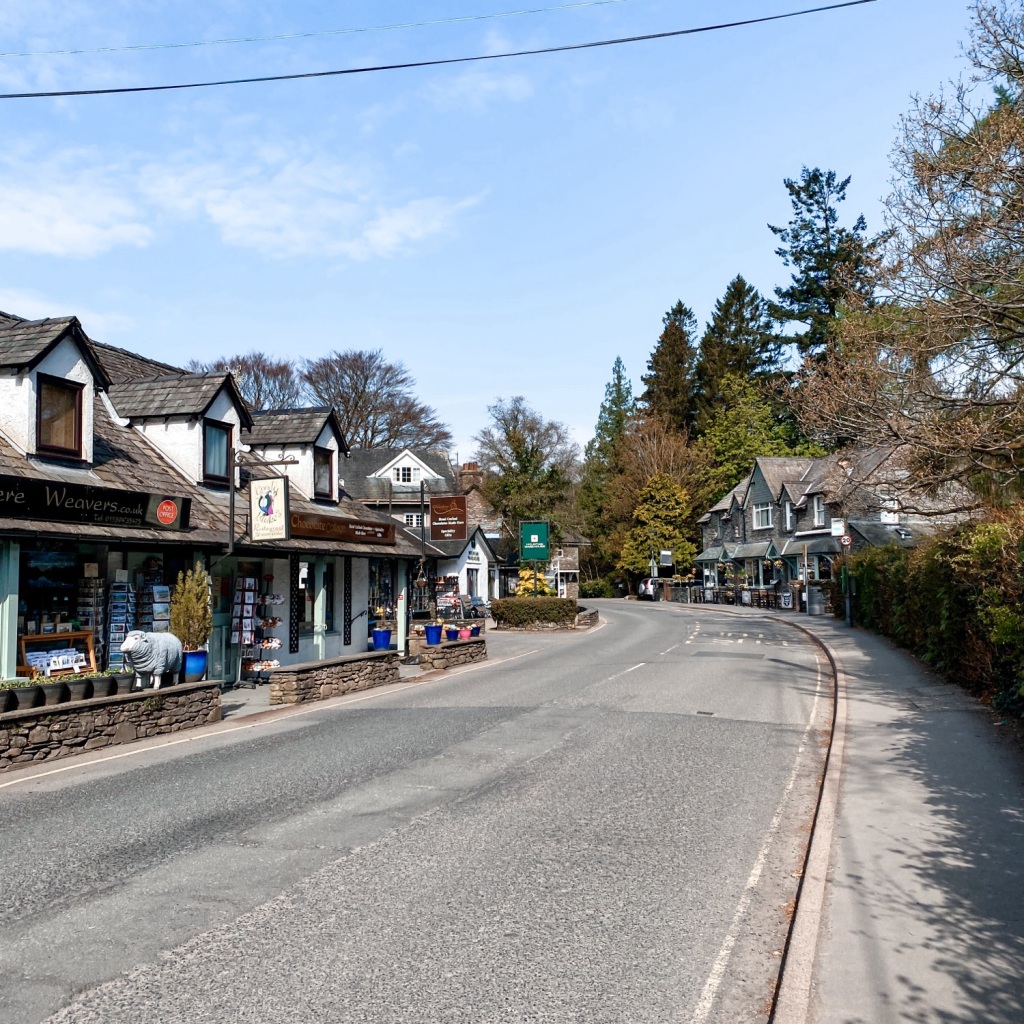
Grasmere’s village centre is lined with charming stone buildings, gift shops, cafés, and traditional inns. It is the perfect place to begin exploring. One popular stop includes the Chocolate Cottage for handmade treats. Near the centre, you will also find a lovely wishing well whose proceeds support local and national charities.

To find accommodation nearby, check these options through Booking.com, Vrbo, and Expedia.

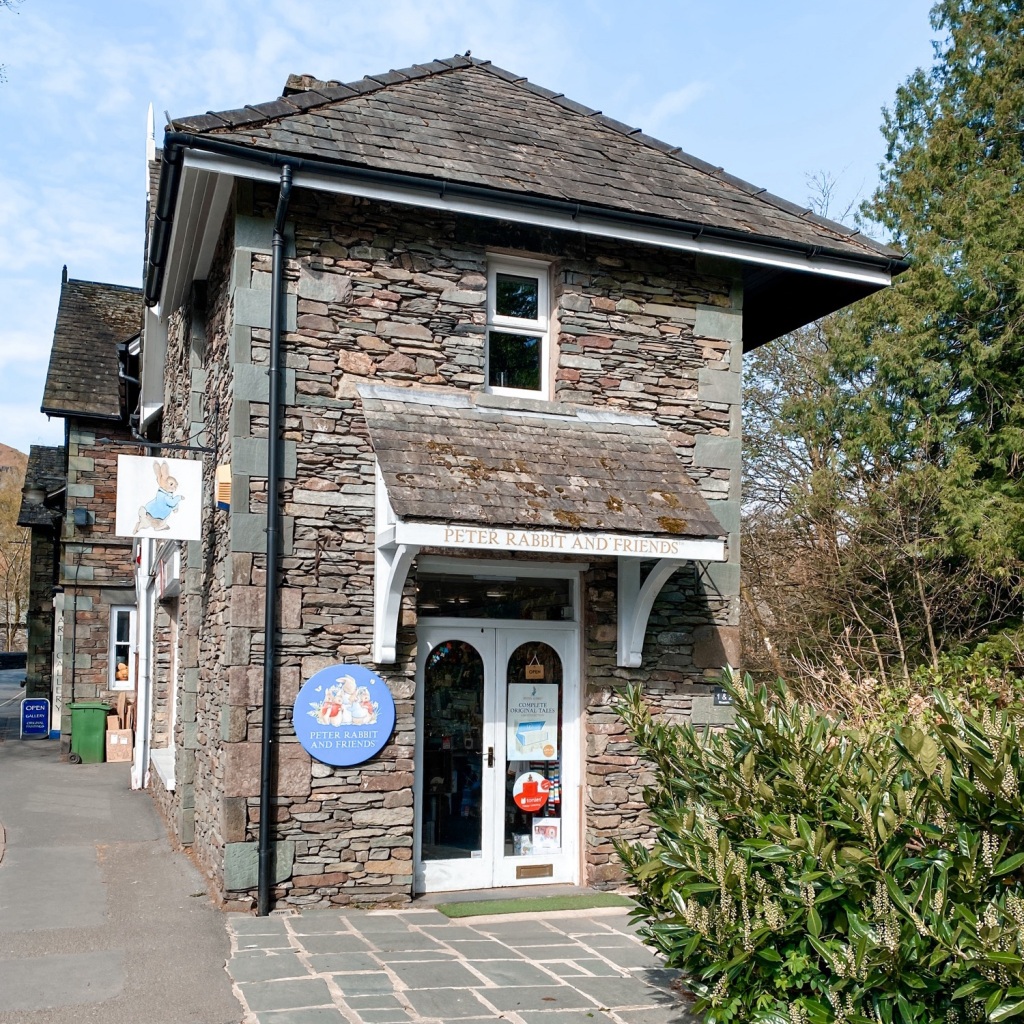
2. Visit the Peter Rabbit and Friends Shop

A visit to Grasmere would not be complete without stopping at the Peter Rabbit and Friends Shop. This is a must for fans of Beatrix Potter and her timeless stories.

Inside, you will find a wide range of gifts, books, toys, and outdoor themed products inspired by Peter Rabbit and his friends. It is especially popular with families, but also lovely for collectors and literary fans.

If you are interested in a Beatrix Potter tour or a Lake District experience, check these ones out on Viator and GetYourGuide. You can also pay a visit to the village and house where Beatrix Potter lived. You can find more information about it in this article I wrote.

3. Explore St Oswald’s Church

St Oswald’s Church is one of the most historically significant sites in Grasmere. It is named after St Oswald, the seventh century Christian king of Northumbria, who is believed to have preached on this site.

The church is best known today for its strong connection to the poet William Wordsworth, who worshipped here regularly. The interior is peaceful and welcoming, and the surrounding churchyard is one of the most atmospheric spots in the village.

4. Visit the Wordsworth Family Graves

Within St Oswald’s churchyard, follow the small sign pointing “To the Wordsworth Graves.” This leads you to the resting place of William Wordsworth, his wife Mary, his sister Dorothy, and several of their children.

The graves lie beneath the shade of ancient yew trees, some of which were planted by Wordsworth himself. It is a quiet and moving place to reflect on the poet’s life and legacy.

5. Walk Through the Wordsworth Daffodil Garden

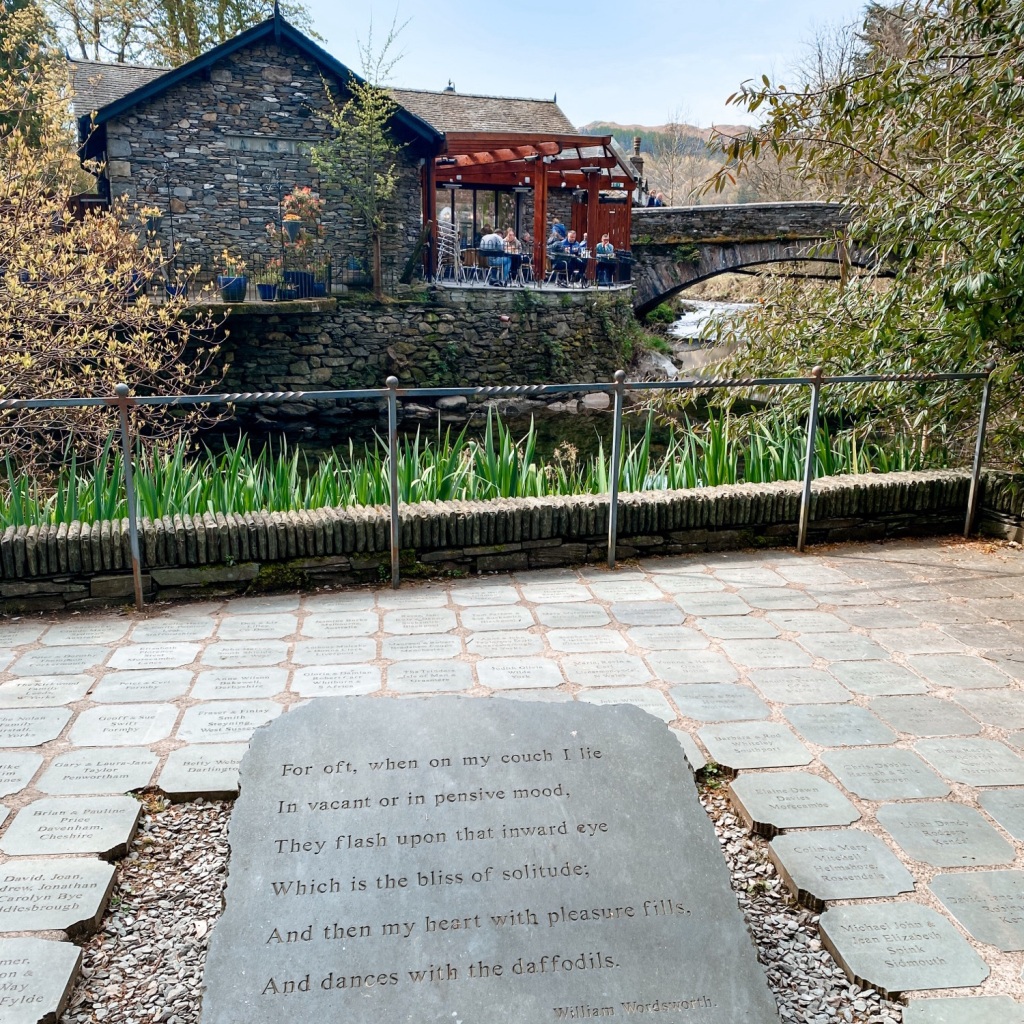
Nestled between St Oswald’s churchyard and the River Rothay is the Wordsworth Daffodil Garden. It was opened in 2003 in honour of Wordsworth’s famous poem “I Wandered Lonely as a Cloud.”

Entrance is free, but the garden raises funds to support Grasmere’s heritage. Visitors can sponsor engraved Lakeland slate stones, shrubs, or wild daffodils. In spring, this is one of the most beautiful spots in the entire village.

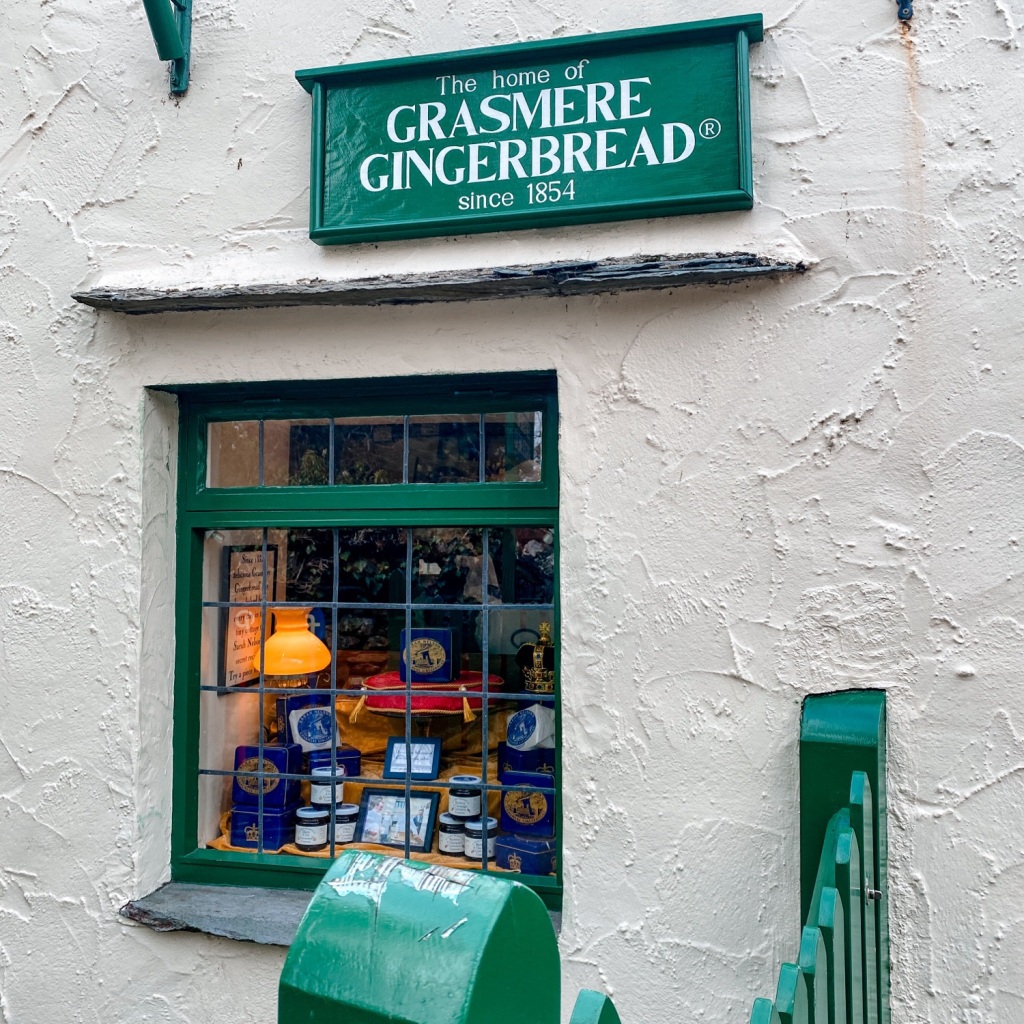
6. Stop at the Grasmere Gingerbread Shop

This tiny shop is one of Grasmere’s biggest attractions and the only place in the world where authentic Grasmere Gingerbread is made.

Sarah Nelson’s Grasmere Gingerbread has been baked here since 1854. Its closely guarded recipe is reportedly stored in a bank vault. The gingerbread is somewhere between a biscuit and a cake, and its warm, spicy aroma alone is reason enough to visit.

Expect queues, especially in peak season, but they move quickly and are well worth the wait.

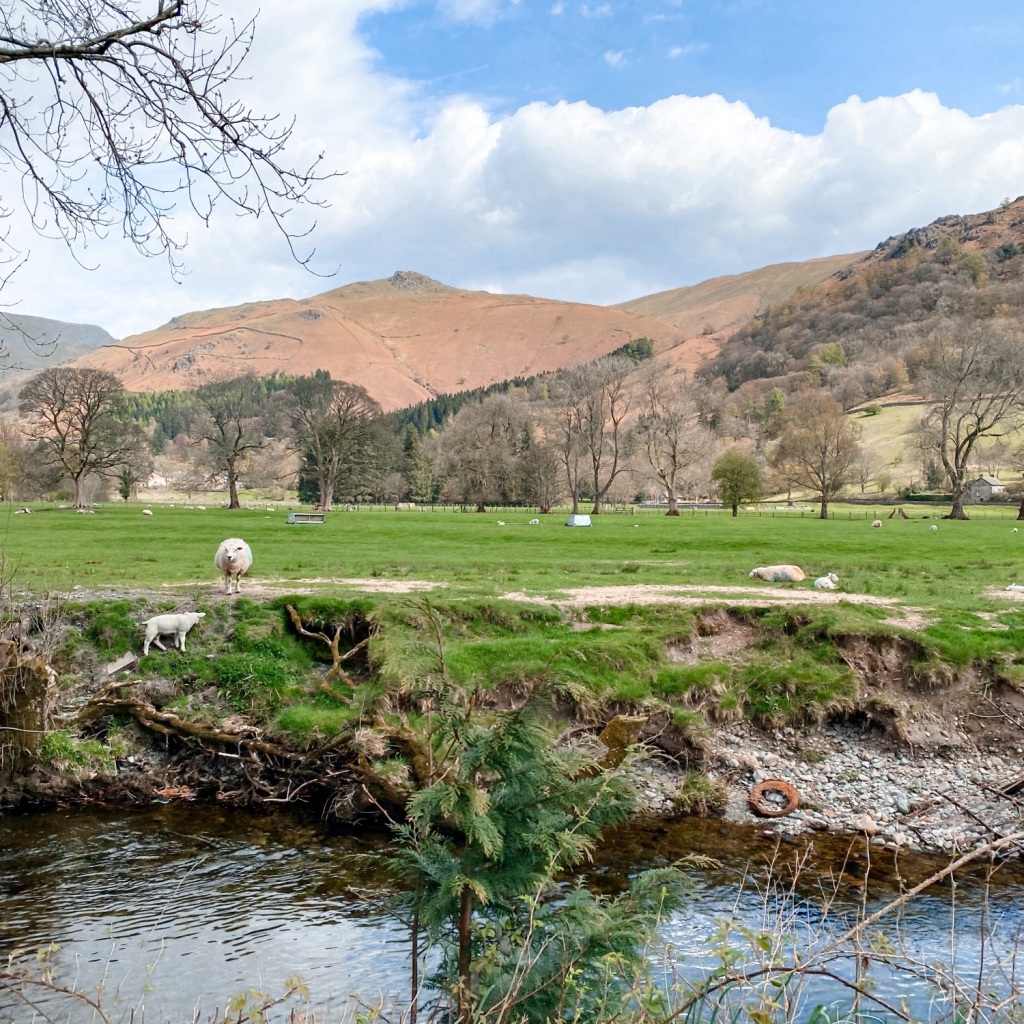
7. Stroll Along the River Rothay

The River Rothay flows gently past the churchyard and through the edge of the village. A walk along its banks offers some of the prettiest views in Grasmere.

The footpaths here are easy, peaceful, and ideal for photography. You will see stone bridges, grazing sheep, and classic Lakeland scenery that changes beautifully with the seasons.

8. Visit Dove Cottage

In 1799, William Wordsworth and his sister Dorothy settled in Dove Cottage after years of travelling. Wordsworth famously described it as “the loveliest spot that man hath ever found.”

Here he wrote some of the most important poetry in the English language, and many leading Romantic writers and artists visited him.

Today, Dove Cottage is open to the public as a museum. You can explore the rooms, gardens, and exhibitions and gain a deeper insight into Wordsworth’s life and work.

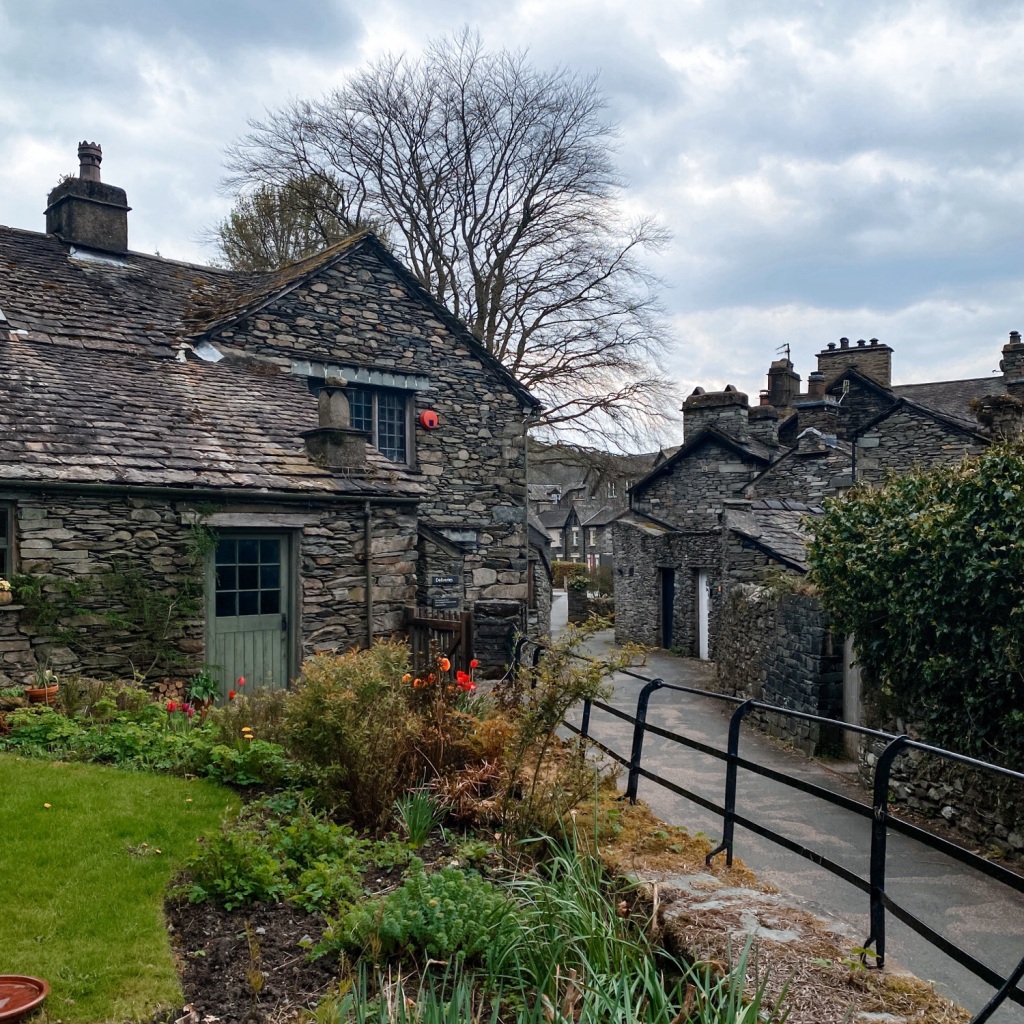
9. Walk Through Grasmere Town End

Grasmere Town End is a small hamlet that has changed very little since Wordsworth’s lifetime. Cobblestone paths, stone cottages, and traditional details such as old style lamp posts make this one of the most atmospheric areas of the village.

It is a wonderful place for slow wandering, photography, and imagining what life was like here two centuries ago.

10. Photograph the Surrounding Landscape

The natural setting of Grasmere is just as special as the village itself. Green meadows, dry stone walls, grazing sheep, and dramatic fell backdrops surround the village in every direction.

Popular walks include Red Bank Road and the footpath along the western shore of Grasmere Lake toward Rydal Water. These routes offer stunning scenery and gentle walking suitable for most visitors. If you are looking for guided hikes, scenic tours, and Lake District day trips, click here.

Where to Stay in Grasmere

Grasmere offers a wide range of accommodation options, from historic inns and family run guesthouses to luxury hotels and countryside cottages.

You can find and compare hotels, B and Bs, and holiday rentals in and around Grasmere using Booking.com, Vrbo, or Expedia.

How to Get to Grasmere

By car
Grasmere is easiest to reach by car and sits just off the A591 between Windermere and Keswick. Click here for car rental options.

By bus
Bus 599 runs between Bowness, Windermere, Rydal, and Grasmere, with frequent services in spring and summer, including open top buses.
Bus 555 runs from Lancaster and Kendal to Keswick via Grasmere.

By bike or on foot
The Grasmere Trail links Ambleside and Grasmere via Rydal Water and Grasmere Lake and is a beautiful option for walkers and cyclists.

By guided tour
Many Lake District tours include Grasmere as a stop. This is ideal if you prefer not to drive. You can find a tour that suits you through Viator, GetYourGuide, or Tripadvisor.

Nearby Villages to Visit from Grasmere

One of the best things about staying in Grasmere is its central location in the Lake District. Several beautiful villages and small towns are only a short drive or bus ride away, making Grasmere an excellent base for exploring the region.

Ambleside

Just ten minutes south of Grasmere, Ambleside is one of the Lake District’s most popular villages. It is known for its lively town centre, independent shops, cosy cafés, and historic landmarks such as Bridge House and Stock Ghyll Force waterfall. Ambleside is also a major hub for lake cruises and walking routes.

Rydal and Rydal Water

Only a few minutes from Grasmere, Rydal is a tiny village set beside one of the most peaceful lakes in the district. Rydal Water is perfect for gentle walks, photography, and quiet picnics. Nearby highlights include Rydal Mount, another former home of William Wordsworth, and scenic walking paths linking Grasmere and Ambleside.

Hawkshead

About twenty five minutes away, Hawkshead is a beautifully preserved medieval village with whitewashed cottages, cobbled streets, and a strong literary history. Both William Wordsworth and Beatrix Potter have close connections to Hawkshead, and it is home to the Tabitha Twitchit’s Bookshop and the Old Grammar School where Wordsworth studied.

Bowness on Windermere

Around twenty minutes from Grasmere, Bowness on Windermere sits on the shores of England’s largest lake. It is the best place for lake cruises, boat hire, waterfront walks, and family attractions such as the World of Beatrix Potter. It also offers one of the widest selections of hotels, restaurants, and shops in the Lake District.

Elterwater and Little Langdale

For a quieter village experience, Elterwater and the Little Langdale valley are beautiful options. These small villages are surrounded by dramatic mountain scenery and offer some of the most rewarding short walks in the central Lake District, including routes to waterfalls, tarns, and historic slate workings..

Final Thoughts

Grasmere is one of those villages that invites you to slow down. Whether you are following in the footsteps of William Wordsworth, tasting the famous gingerbread, walking beside the river, or gazing across the surrounding fells, the village offers a peaceful and deeply memorable Lake District experience.

If you are planning a trip to Cumbria, Grasmere deserves a place at the very top of your itinerary!

6 Pretty Spots to Explore in Ambleside, Cumbria (2026 Travel Guide)

Disclaimer: This post contains affiliate links. This means I may earn a small commission if you make a booking through my links, at no extra cost to you.

Ambleside is one of the most charming towns in the Lake District and a major visitor hub in Cumbria. Set at the northern tip of Lake Windermere, Ambleside is known for its stone cottages, independent shops, welcoming cafés, and easy access to some of the region’s most beautiful walking routes.

It is especially popular with walkers, cyclists, and outdoor enthusiasts, thanks to its location near Grasmere, Rydal, Keswick, and Windermere. A scenic walking route also links the town directly to Lake Windermere, making it easy to combine village exploring with lakeside strolls or boat trips.

If you are planning to base yourself here, Ambleside has an excellent range of hotels, guesthouses, and self catering cottages. You can find different accommodation options through Booking.com, Vrbo, and Expedia.

6 Pretty Spots in Ambleside You Should Not Miss

Ambleside may be small, but it is full of photogenic corners, historic buildings, and hidden details. These six spots are some of the prettiest places to explore if you are spending a few hours in the town center.

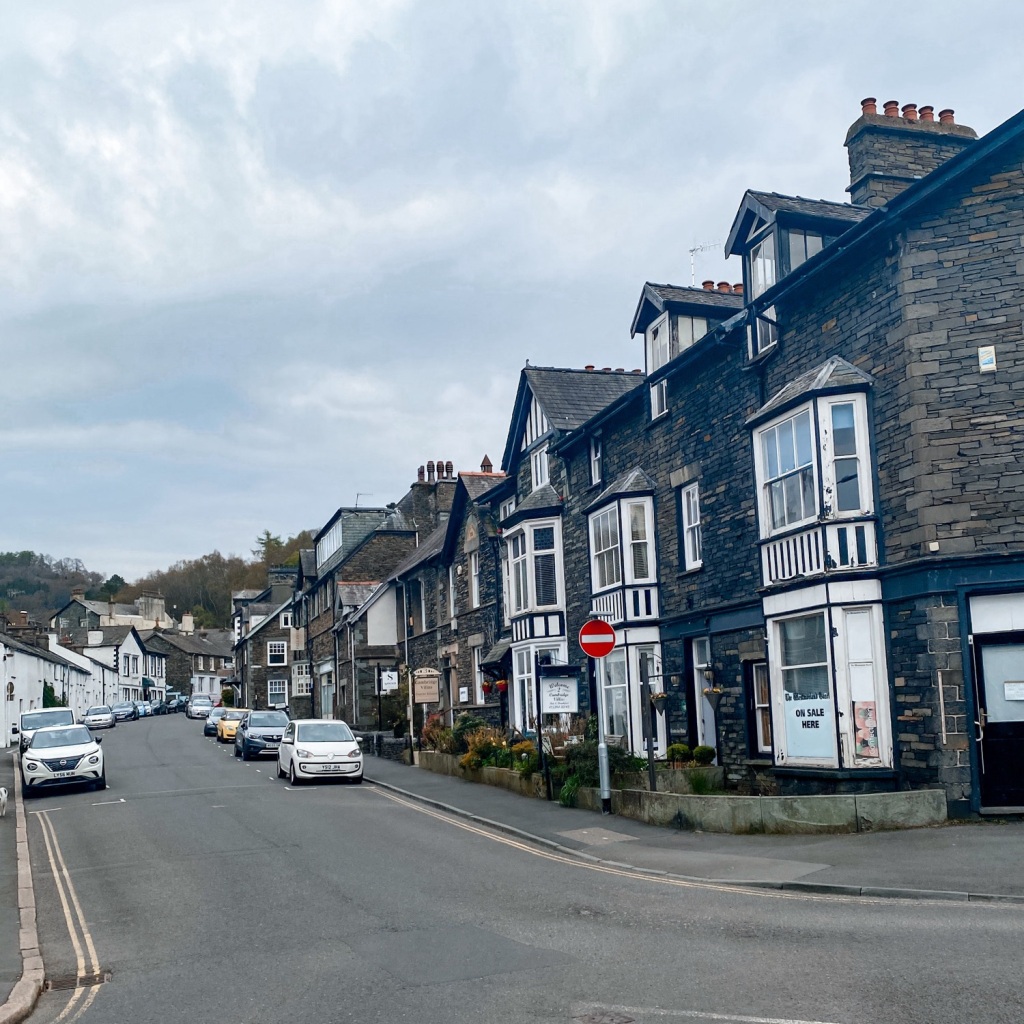
1. The Village Sign and Four Way Junction

As you enter the heart of Ambleside, you will come across a distinctive street sign at the junction of Rothay Road, Compston Road, Church Street, and Kelsick Road.

This is a wonderful first stop for photos. From here, you can capture the character of the village while seeing four different streets meeting in one lively intersection. It is also a good orientation point before beginning your walk around town.

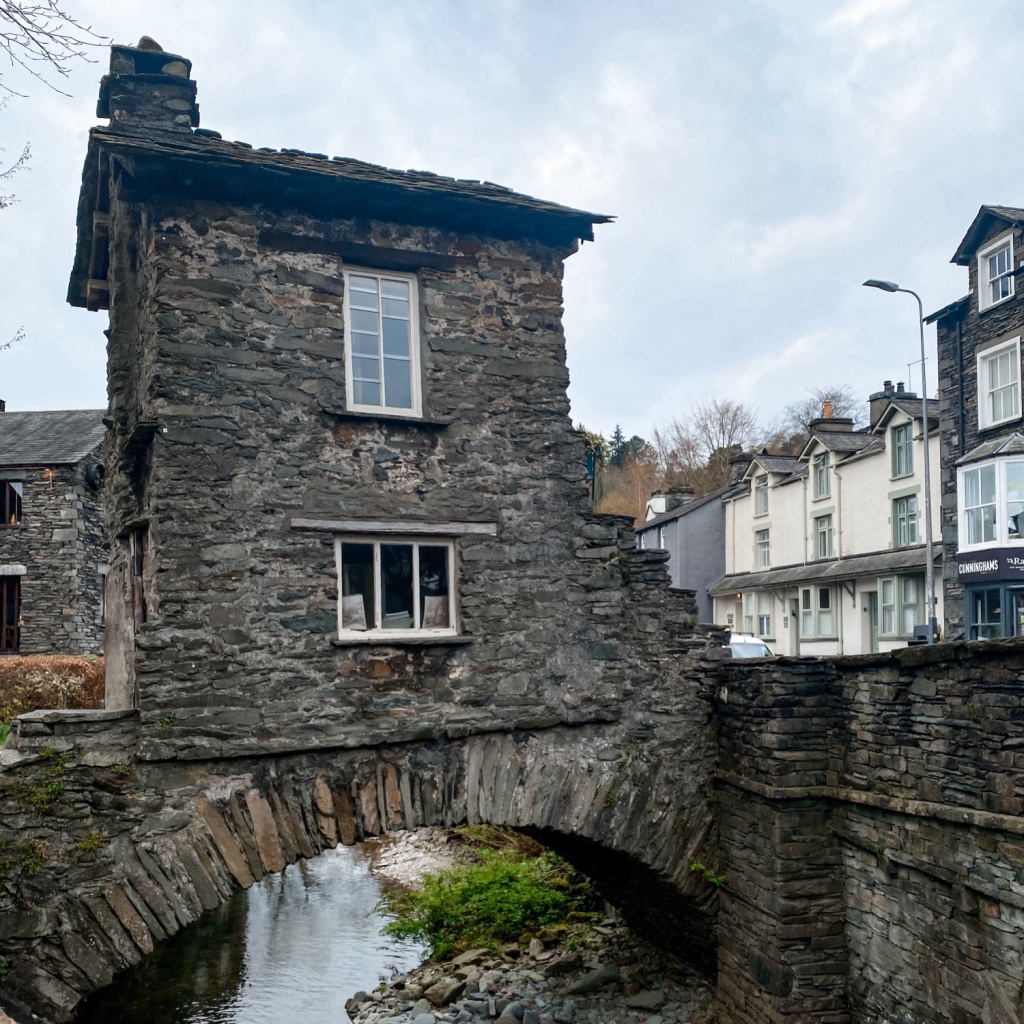
2. The Bridge House

The Bridge House is one of the most famous landmarks in the Lake District and is often described as the most photographed building in the National Park.

This tiny seventeenth century house sits directly over the Stock Ghyll stream. It was once used as an apple store and later as a family home. A long repeated local story says it was built over the water to avoid land tax.

During the Victorian era, it was already considered a curious relic and something every artist should sketch. Today, it remains one of the most charming and unusual sights in Ambleside. This self-guided tour is a great choice to learn more about the house and the area!

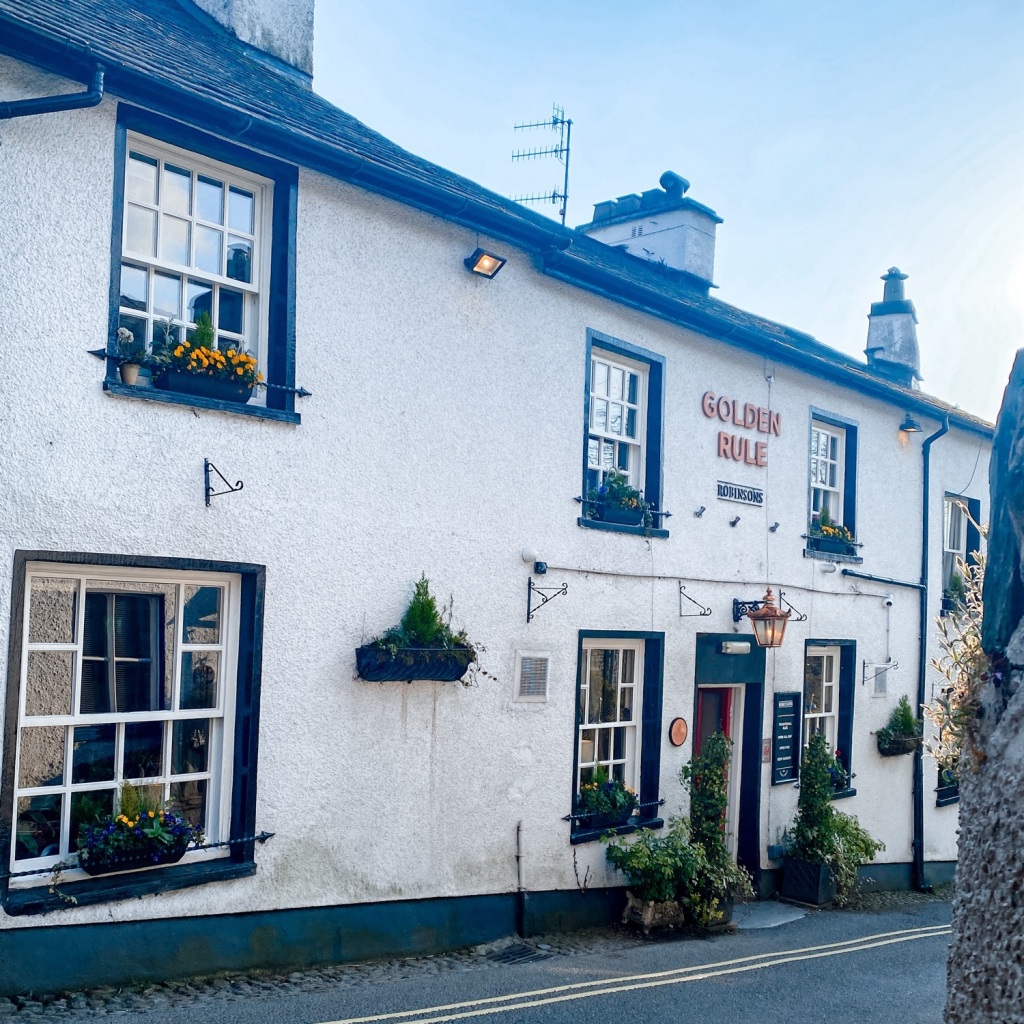
3. The Golden Rule Pub

Tucked just off the main road, the Golden Rule is a Grade II listed building and one of Ambleside’s loveliest hidden gems.

The exterior is often decorated with climbing plants and seasonal flowers, making it especially appealing for photos. Inside, it retains the cozy feel of a traditional Lakeland pub and is a great place to stop for a drink after exploring the town.

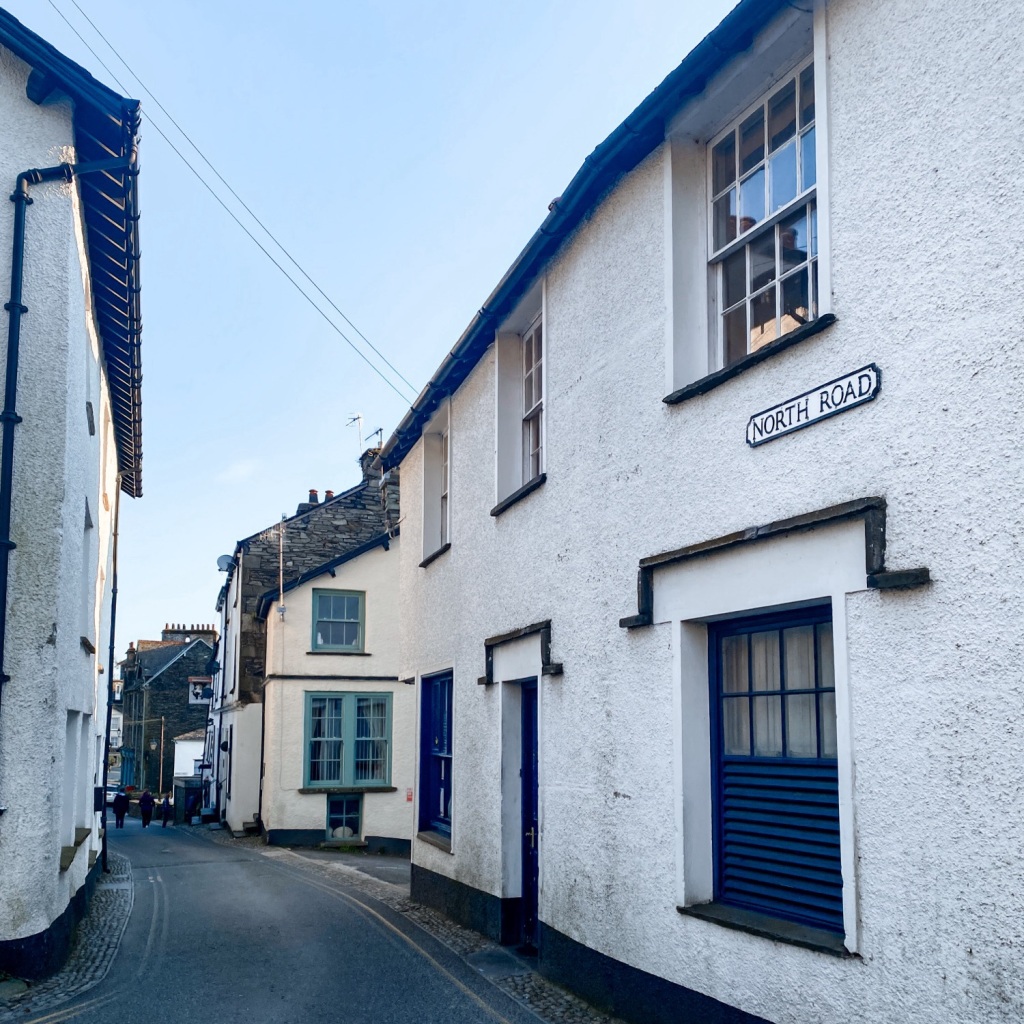
4. North Road

North Road was once the main route heading out of Ambleside toward the north of the Lake District.

Today, it remains one of the prettiest streets in the village. The narrow road is lined with whitewashed buildings and colorful blue and green doors, creating a classic English village scene that feels wonderfully preserved.

It is an ideal street for a slow walk, casual photography, and soaking in the quieter side of Ambleside away from the busiest shops.

5. The Old Mill and Giggling Goose Tea Room

Another lovely historic spot is the Old Mill, now home to the Giggling Goose Tea Room. This listed building still features its original working waterwheel, which once powered the mill in the eighteenth century.

Standing beside it, listening to the water and watching the wheel turn, feels like stepping back into an earlier era of village life. It is also a great place to stop for tea, coffee, and homemade treats.

6. Bridge Street

Bridge Street was once known as Rattle Ghyll because of the sound created by waterwheels in the area.

Today, it is one of Ambleside’s prettiest streets. From here, you can admire views of the Old Mill, browse independent shops, and find small cafés and cottages with classic white façades and soft green doors and windows.

There is also a tiny hidden alleyway along this street that many visitors miss. Just remember to mind your head, as it is famously low!

Extra Things to Do Near Ambleside

• Walking from Ambleside to Waterhead Pier and taking a Lake Windermere cruise
• Visiting Stock Ghyll Force waterfall
• Day trips to Grasmere and Rydal Mount
• Scenic drives and viewpoints across the central Lake District
Guided hiking tours and photography walks

Final Thoughts

Ambleside is much more than a base for hikes. It is a village full of small, beautiful details, historic buildings, and peaceful corners that reward slow exploration.

Whether you are passing through for the day or staying longer in the Lake District, I hope this guide helps you notice some of Ambleside’s prettiest spots and inspires you to look at the village a little differently on your next visit.

If you are planning to stay overnight, you can browse hotels, inns, and cozy cottages in Ambleside through Booking.com, Vrbo, or Expedia to find the perfect base for exploring the Lakes!