8 Bronte Places in the Village of Haworth, West Yorkshire

Disclaimer: This post contains affiliate links

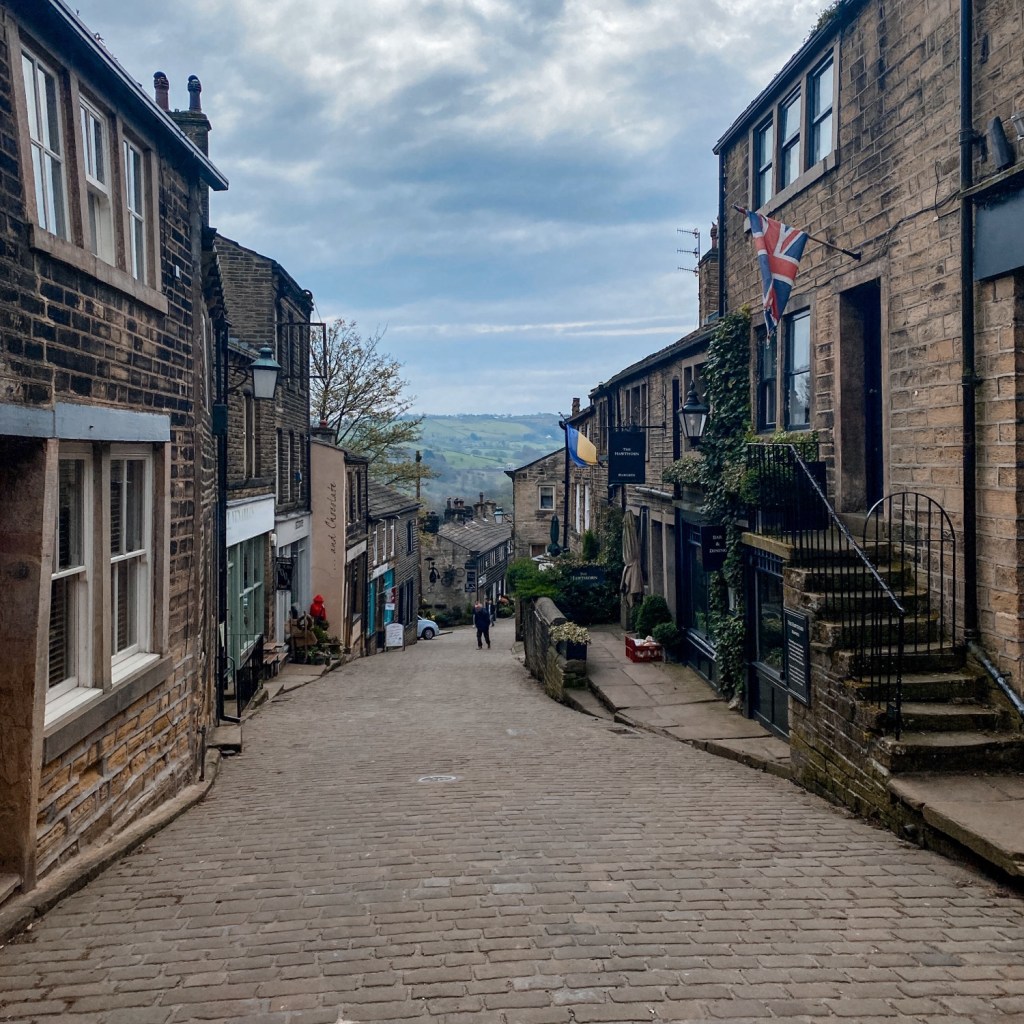
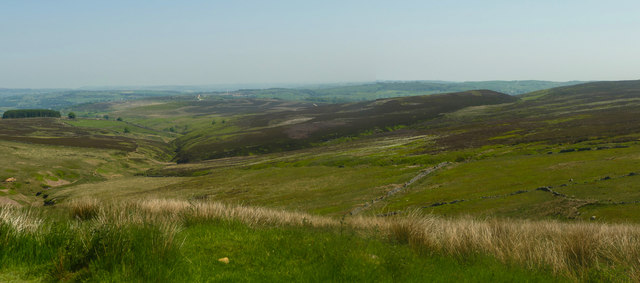
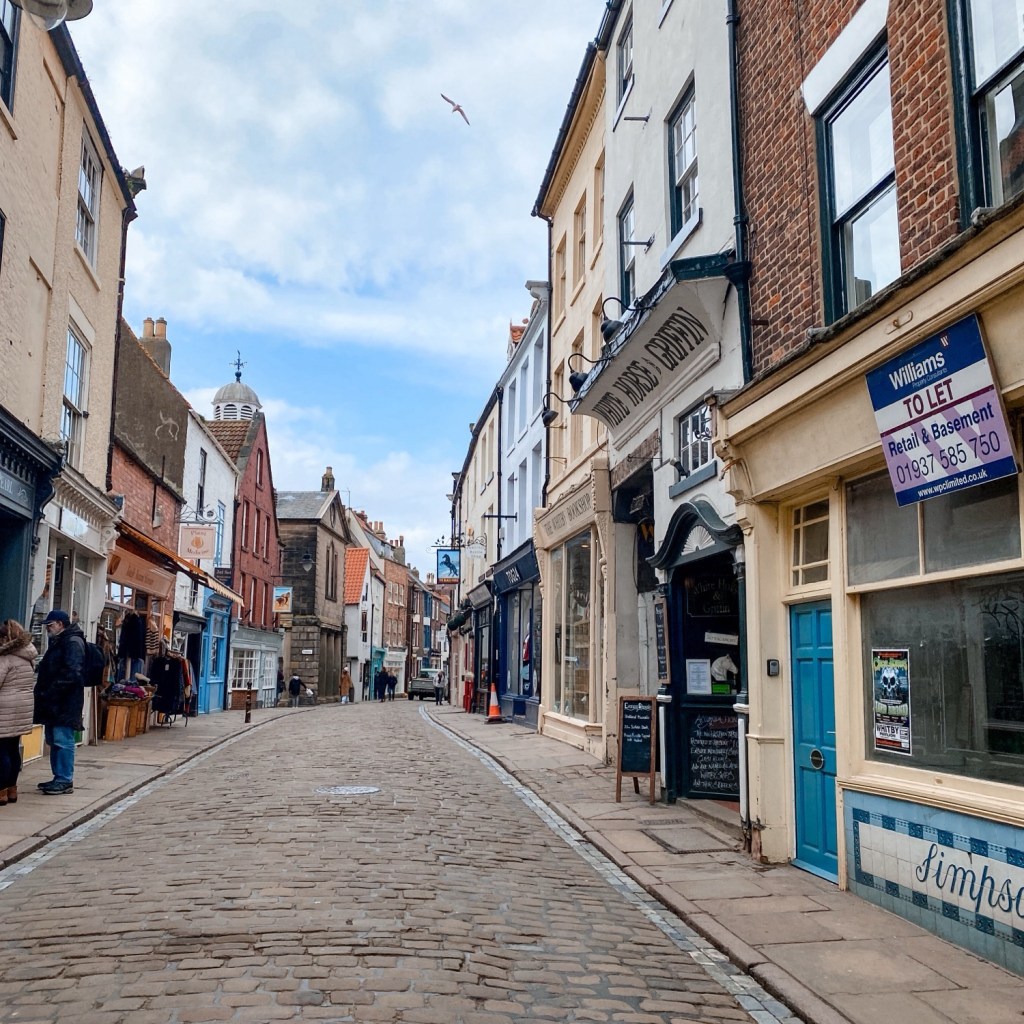
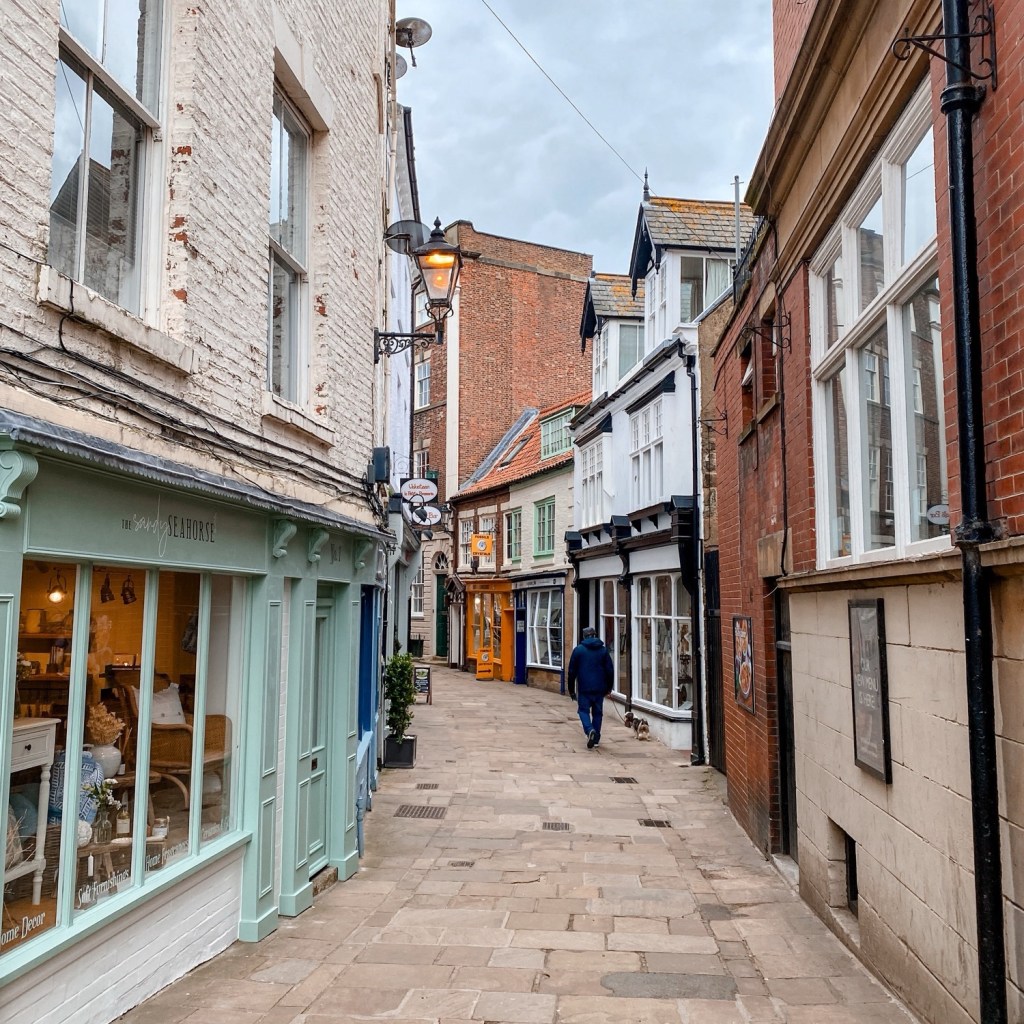
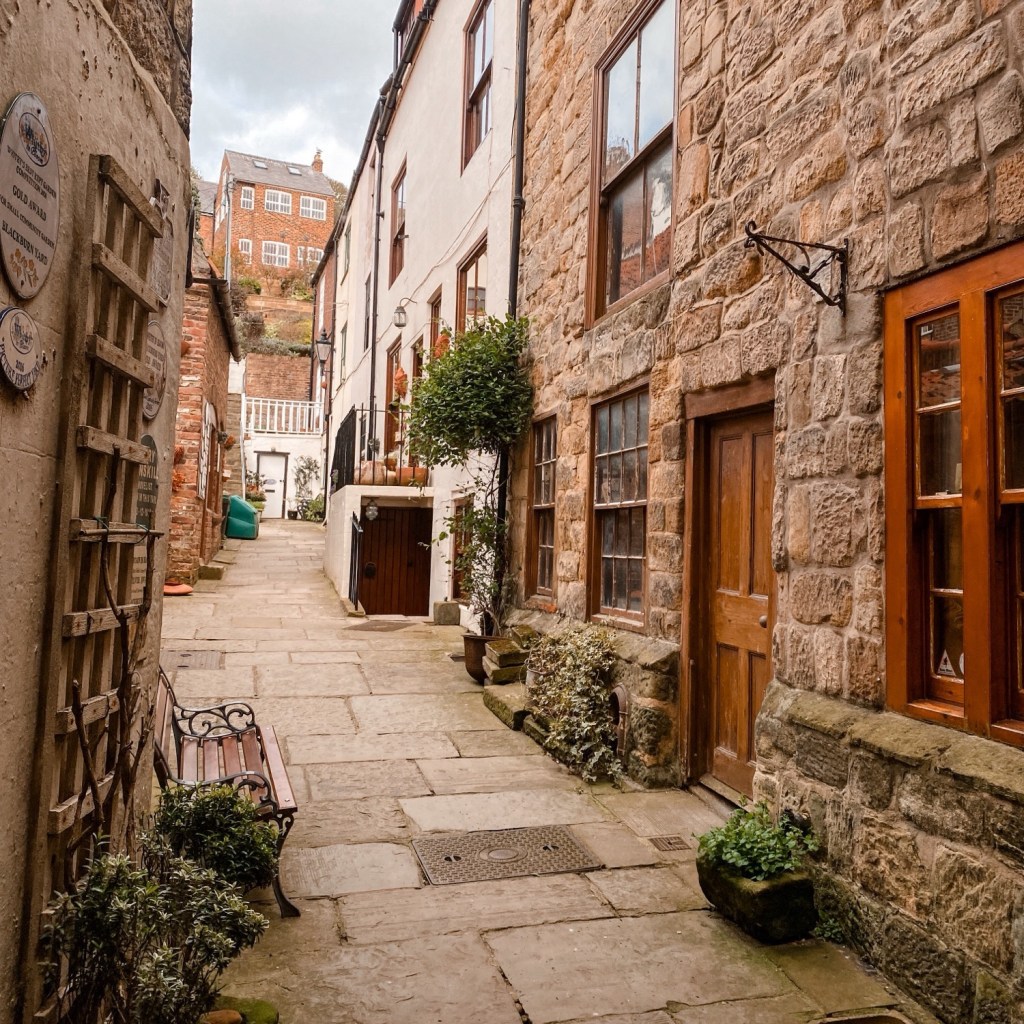
Home of the Bronte Sisters, Haworth attracts visitors and literary lovers from all around the world every year. With its historic cobbled Main Street, the iconic Bronte Parsonage and the rolling moors, Haworth is the perfect place to transport yourself to an earlier era. In this article, I show you 8 Bronte places you cannot miss when in the village of Haworth in West Yorkshire, England.

8 Bronte Places in the Village of Haworth, West Yorkshire

Bronte Parsonage Museum

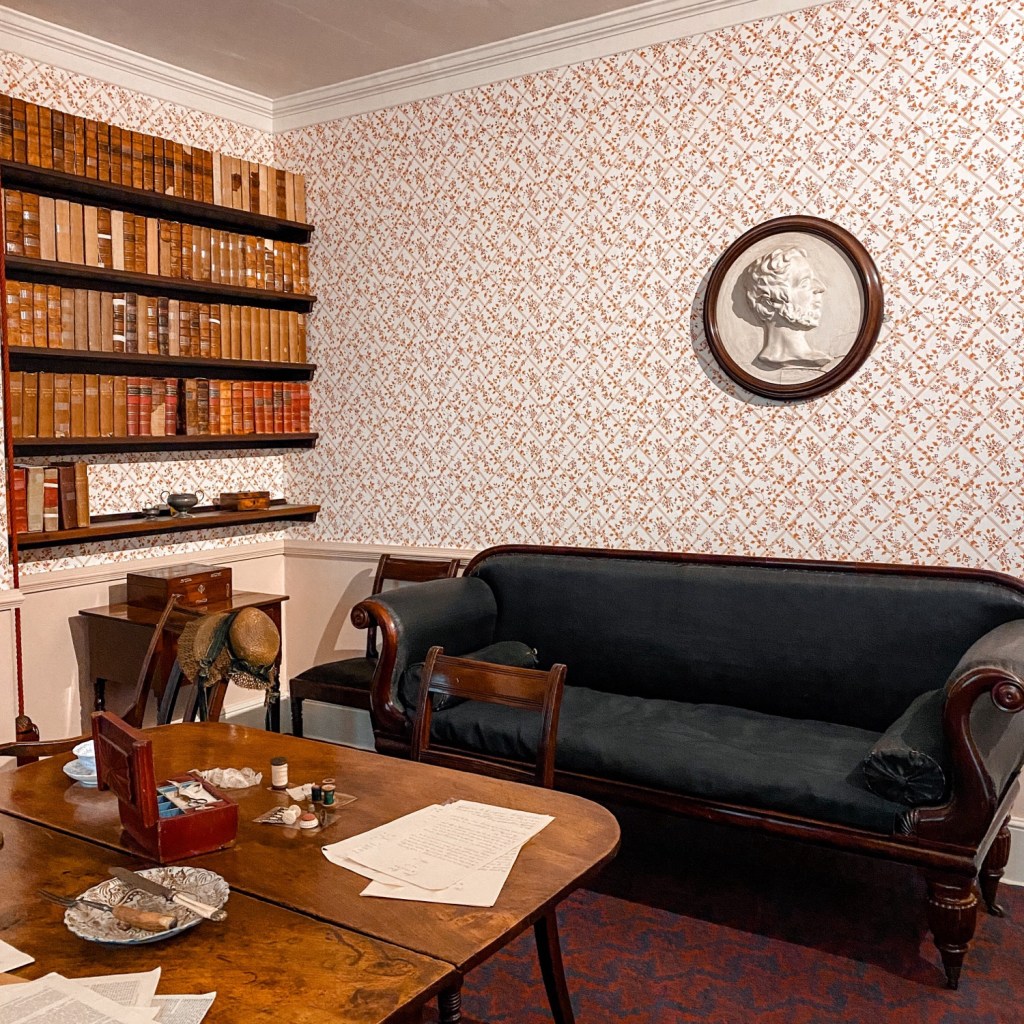
The Bronte Parsonage, the house where the Bronte family lived and where Anne, Emily and Charlotte wrote their famous novels, is located at the top of Haworth’s Main Street and is now a museum run by the Bronte Society.  In 1820 Patrick Bronte, the father, was appointed incumbent of St Michael and All Angels’ Church and arrived at the parsonage with his wife Maria and six children. This was the family’s home for the rest of their lives, and where Patrick got to outlive all of his family.

St Michael and All Angel’s Church

St Michael and All Angel’s Church is right next to the Parsonage and it is where the Brontes are buried (except Anne). Rebuilt in 1879, the church hardly looks the same as it did during the Brontes’ time in the village, but the tower dates back to 1480 and the church itself goes back much further. Here, Patrick Bronte, father of the Bronte Sisters, served as minister of the parish between 1820 and 1861.

The Old School Room

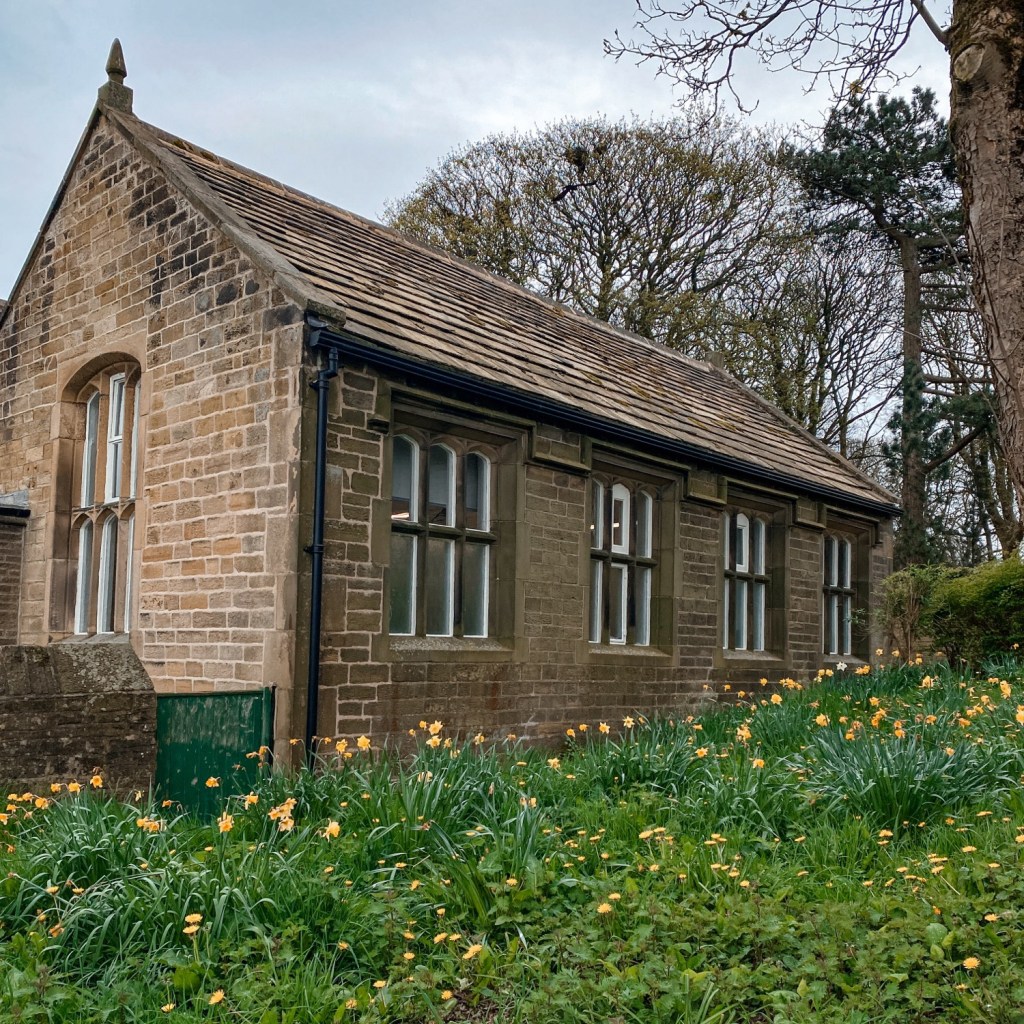
Built by Patrick Brontë in 1832 and taught at by all his famous children, the Old School Room is one of the most important historical buildings in the area. The school came to be as Patrick evaluated the need for a place where education for the poor, and in particular poor children, could be provided. Since 2011, the Old School Room has been managed by a small charity and is now available to hire for events.

Top Withens

Top Withens is a ruined farmhouse which is said to have been the inspiration for Wuthering Heights, the famous novel by Emily Brontë. The ruin lies on the Pennine Way and is a popular walking destination to take from the village of Haworth.

Bronte Waterfall

It takes approximately 45 minutes to get to the Bronte waterfall from Haworth’s Main Street, or 25 minutes from the Penistone Hill Country Park, which has free parking. The walk has some larger stones and rough terrain the closer you get to the waterfall, therefore, this walk is not suitable for people with wheelchairs or strollers.

Haworth Main Street

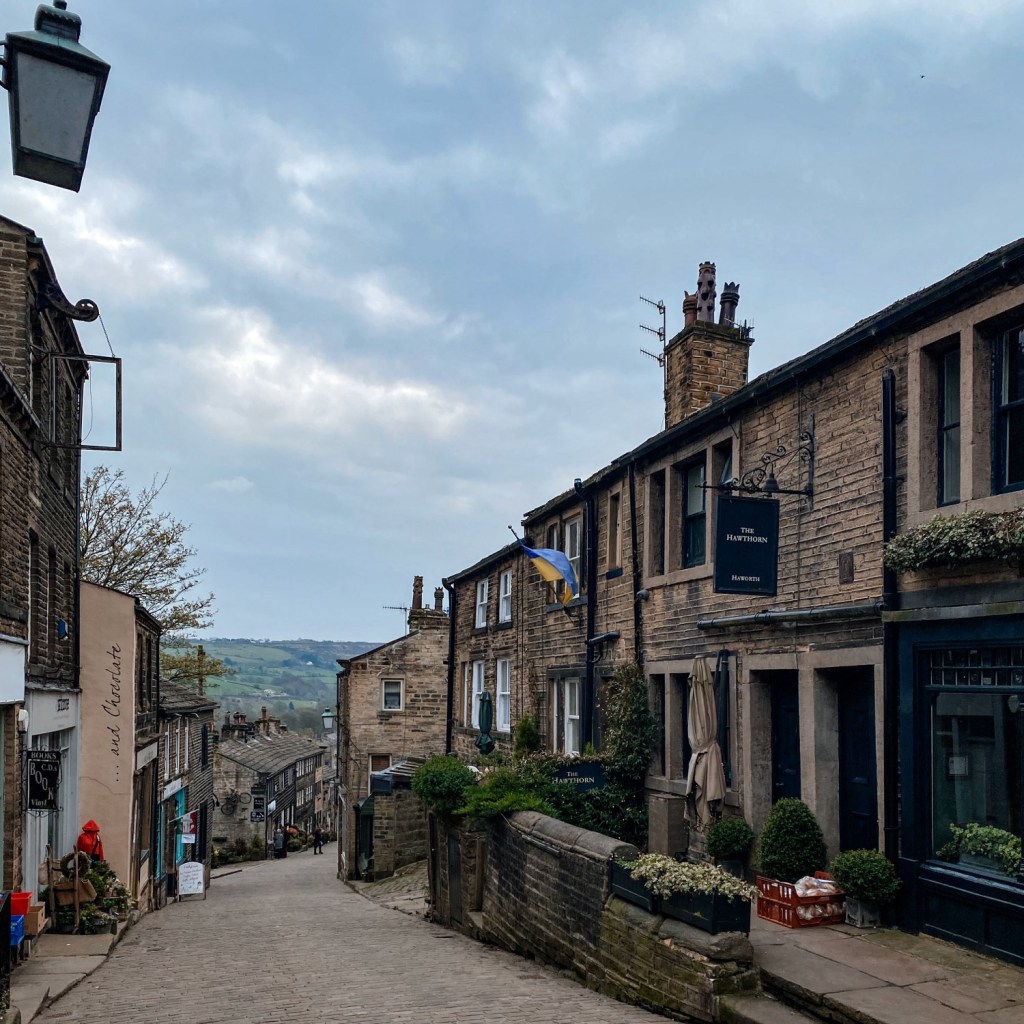
Haworth’s Main Street was established in 1851 and is home to an excellent selection of independent shops and pubs for you to discover and explore. The Black Bull is situated at the top of Main Street and is one of Haworth’s oldest drinking establishments. The pub was frequented by Branwell Bronte, and the original masonic seat used by him still resides on the staircase of the Black Bull. The pub was also featured in the 2006 BBC drama “To Walk Invisible” where Patrick’s relationship with his famous sisters is depicted in great part during the film.

The Apothecary Guest House

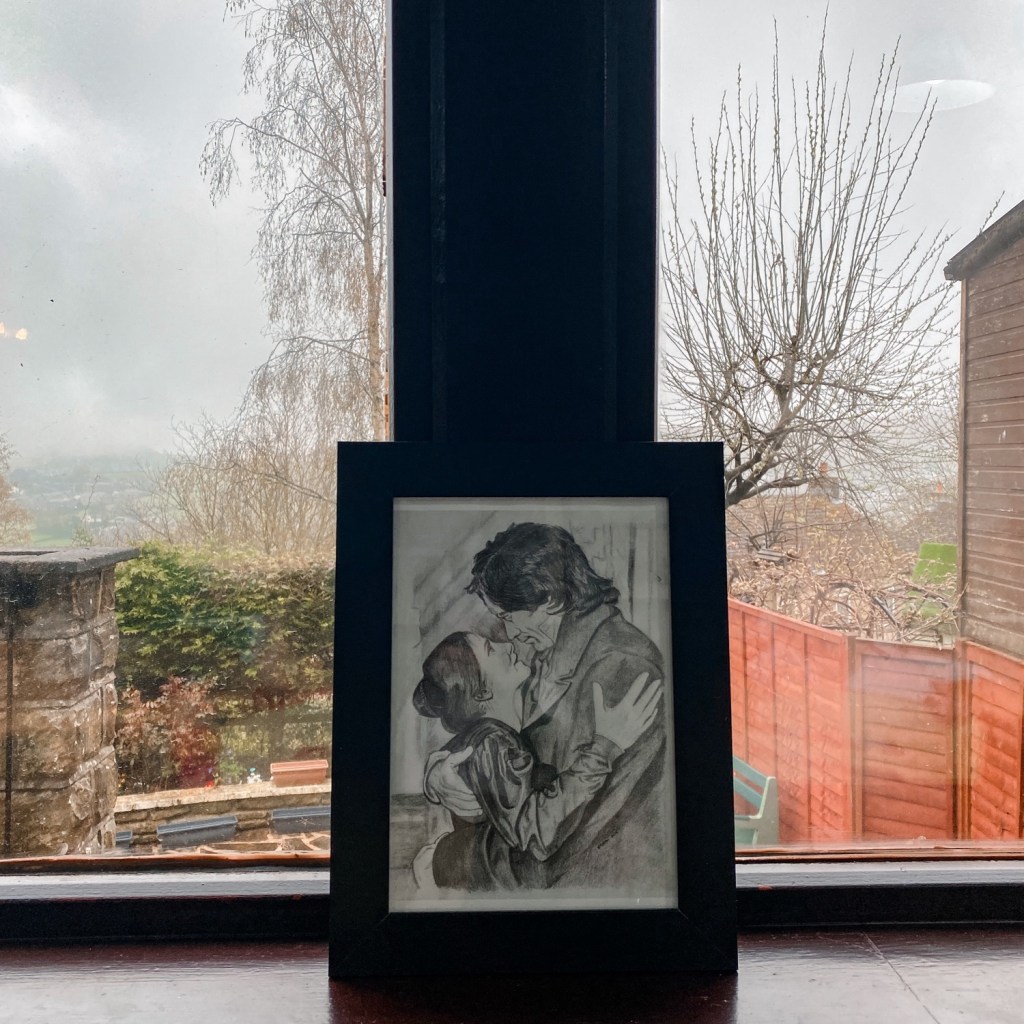
During my visit to Haworth, I stayed at The Apothecary Guest House and let me tell you, it didn’t disappoint! The Guest House is conveniently located on Main Street and only a few steps away from the Bronte Parsonage. Pictures of the Bronte sisters and their works are placed all around the guest house, and the breakfast room has lovely garden views. A full English/Irish, vegetarian, or vegan breakfast is available each morning at the property, as well as free-parking (please note that during the daytime the guesthouse opens as a tea room, and for the time being you will have to find parking elsewhere until it closes for the day). This is a great place to stay during your visit to Haworth and experience some lovely Bronte vibes!

The Birthplace

A few minutes away from Haworth you will find the Bronte birthplace, a house located in Thornton, Bradford, where Charlotte, Emily and Anne Brontë were born in front of the parlor fireplace. The house has been recently saved, and it is officially in public ownership for the first time in its 200 year history!

The building is currently under restoration work and it is expected it will open in time for Bradford City of Culture 2025, when visitors will be invited to walk in the footsteps of its most famous residents and sit in the community cafe beside the original fireplace, or even stay in the bedrooms where the young girls slept.

In the meantime, a look of the birthplace’s facade and pictures of the exterior will have to suffice!

What did you think of this Bronte guide in Haworth? Is there an area or place you are excited to see the most? You can let me know in the comments section!

7 Lovely Walks to Take in the Village of Haworth, England

Disclaimer: This post contains affiliate links

Home to the famous Bronte Sisters, Haworth attracts visitors from all over the world every year. Located in West Yorkshire, the village is surrounded by moorland and situated atop the Pennine moors. Known for the Bronte Parsonage, its historic cobbled Main Street and its steam railway, Haworth is surely to captivate your heart from the first moment you set foot in it.

7 Lovely Walks to Take in the Village of Haworth, England

Although the Parsonage and steam railway are a huge reason why people come to Haworth, I believe there is so much more one can take from this lovely village. With its historic cobbled streets and charming facades, the picturesque village of Haworth will make you feel as if you have stepped into another era in time. To fully soak in Haworth’s history and charm, there is nothing like a walk around the village’s paths and streets for contemplation. That is why I am sharing these 7 lovely walks you can take in the village of Haworth, England. I am confident you will enjoy these recommendations!

Haworth Main Street

The beautiful Main Street in Haworth was established in 1851, and was recorded as the home to 130 people all involved in the textile industry. Today, the cobbled Main Street has an excellent selection of independent shops and restaurants for you to discover and explore. Some famous stores and pubs include Mrs Beighton’s Sweet Shop, The Cabinet of Curiosities, Hunters of Haworth, and The Black Bull.

Church St

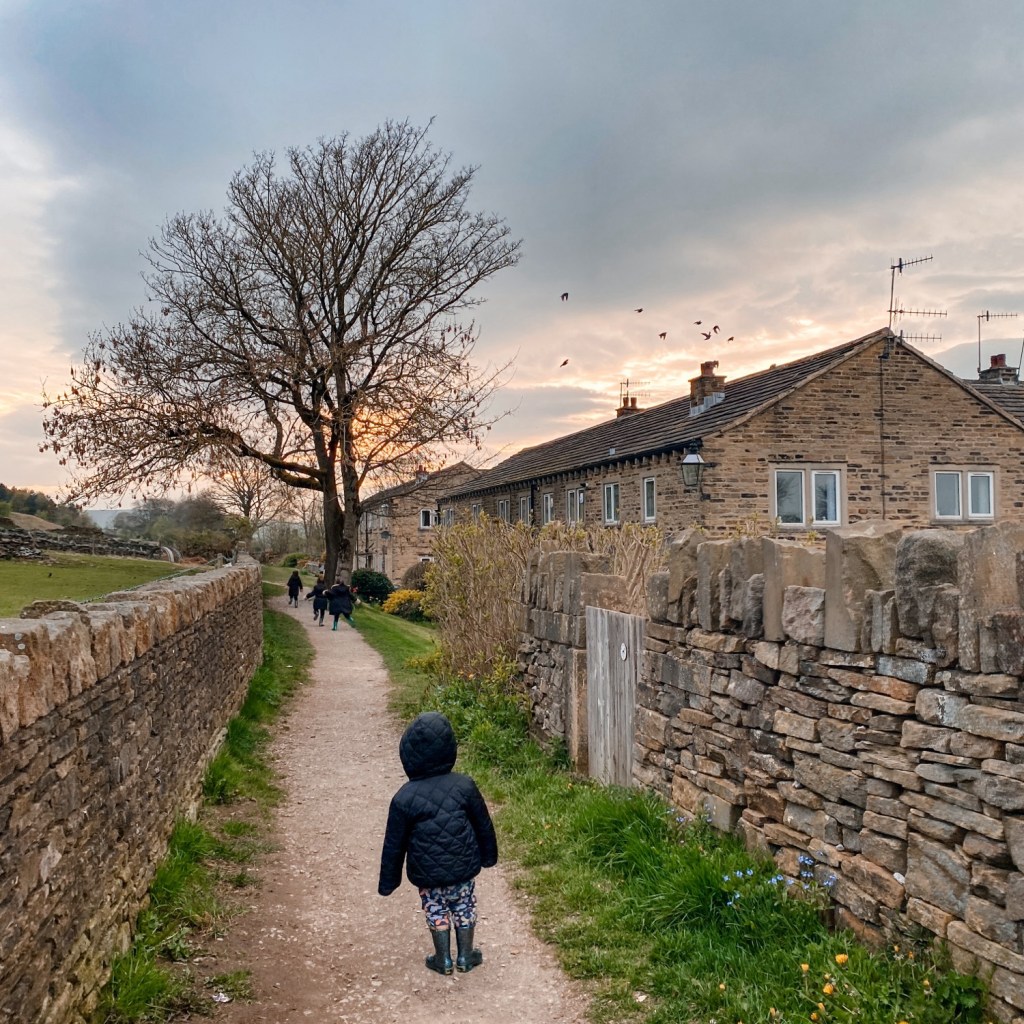
Church St is one of the lanes that connects to Main Street from the west side and is home to several landmarks in the village, including St. Michael and All Angels Churchyard, the Old School, and the Bronte Parsonage. Church St then continues its course towards open fields, where one can contemplate some lovely cottages on one side of the street, and the green and lush horizon on the other.

Butt Lane

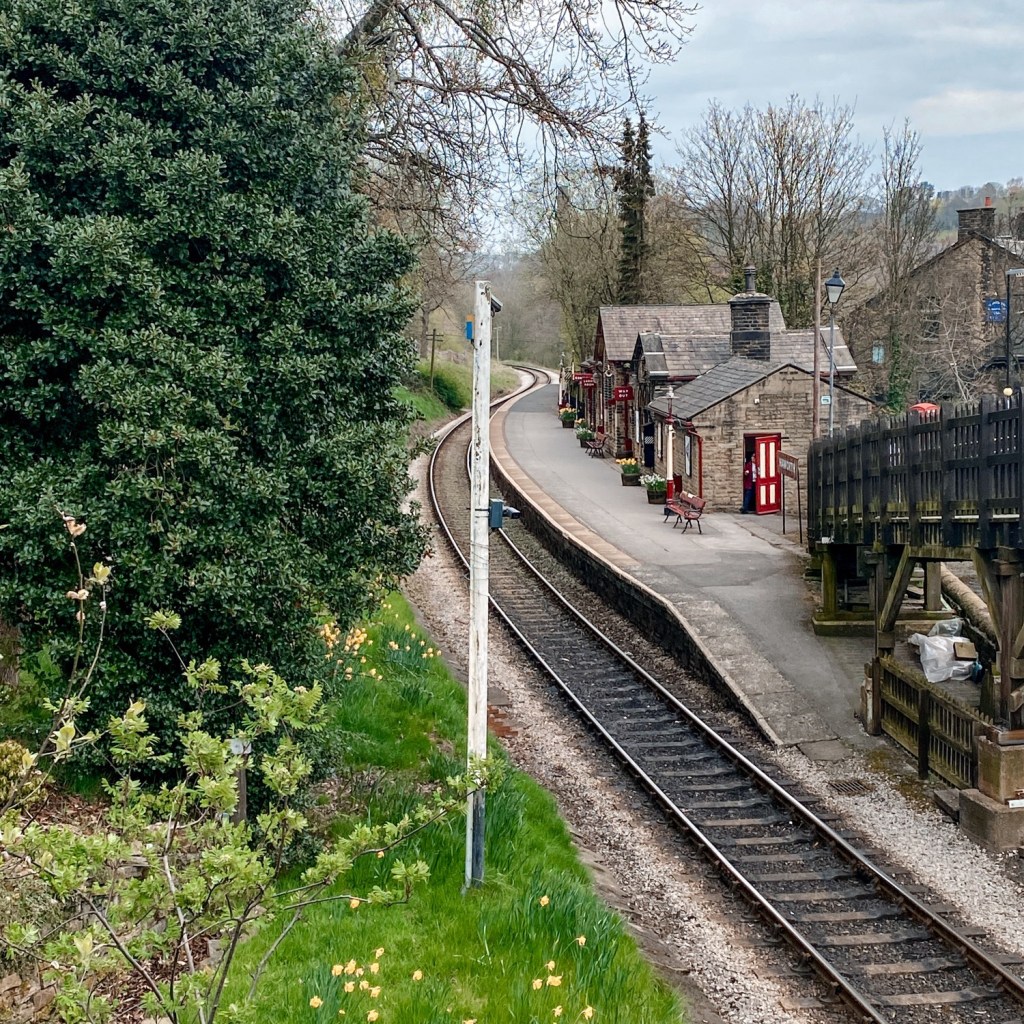
The name of this street will make you giggle, but I am pleased to inform it looks nothing like its name suggests :D. In fact, it is a very charming cobbled street connecting to the Main Street from the east side with views to Central Park and some more lovely stone and brick cottages. You will find the Bronte Bridge Cafe at the end of Butt Lane, and, when turning left, you will see the Haworth Train Station!

Central Park

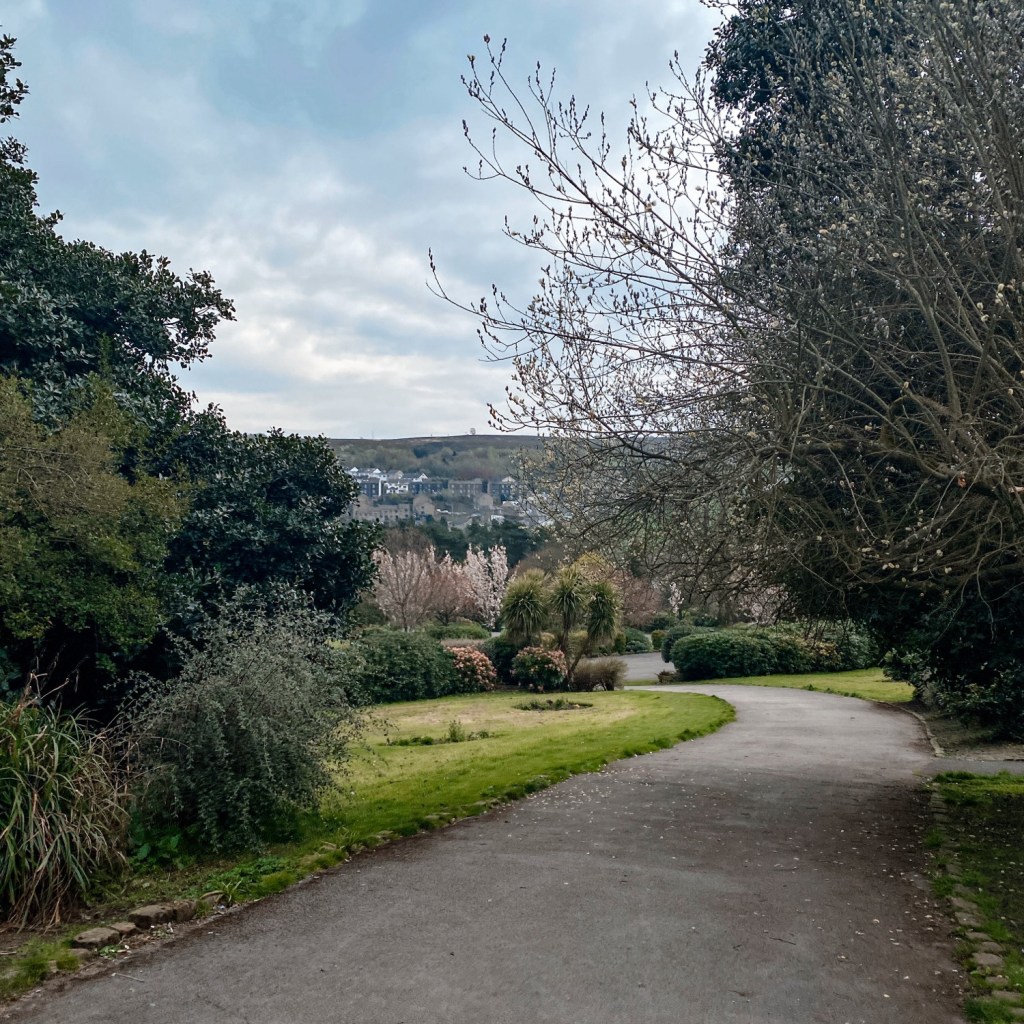
This is not the name of a street but rather a park in the centre of the village. I am including this in the list because the park has some lovely paths that cut right in the middle and provide a wonderful atmosphere when taking a walk. I very much enjoyed taking in the views far in the distance from here, as well as the beautiful flower arrangements all around.

Penistone Hill Country Park

Penistone Hill Country Park is located between the village of Haworth and the moor, and is a site of three dis-used quarries. To shed a little bit of light, according to the dictionary, a quarry is a “place, typically a large, deep pit, from which stone or other materials are or have been extracted.” As such, the site was previously used as a source of sandstone rock and coal, supplying materials for local houses, roads, reservoir networks, and local mills.

Top Withens

Top Withens is a ruined farmhouse which is said to have been the inspiration for Wuthering Heights, the famous novel by Emily Brontë. The ruin lies on the Pennine Way and is a popular walking destination to take from the village of Haworth. A fun fact about this landmark is that it is such a popular tourist attraction for the Japanese, some of the footpath signs in the area include directions in Japanese!

Bronte Waterfall

If you are planning to walk to the Bronte Waterfall from the village, it takes approximately 45 minutes to get here from the Main Street. Otherwise, it takes 25 minutes from the Penistone Hill Country Park, which has free parking. The walk has some larger stones and rough terrain the closer you get to the waterfall, therefore, this walk is not suitable for people with wheelchairs or strollers.

Now that I shared with you these recommendations, I would love to know what you think about these 7 lovely walks to take in the village of Haworth, England! Is there one you are excited the most to try? Let me know in the comments!

9 Prettiest Streets in the Village of Whitby, England

Disclaimer: This post contains affiliate links

The captivating seaside town of Whitby in North Yorkshire, England, has long been recognized because of its association with Dracula and Captain Cook—but, truly, there is more to Whitby that meets the eye. After paying a visit to this fishing town, it became clear to me one of the best ways to experience Whitby’s charm is through its beautiful streets!

9 Prettiest Streets in the Village of Whitby, England

The beauty of Whitby streets is one of the first things you will notice as you arrive in the village. Here you will find from cobblestone to steep and quirky streets, and also unique shops, all providing gorgeous views to the ocean and some of Whitby’s iconic landmarks, like the wonderful Whitby Abbey. In this post, I share with you 9 of the prettiest streets in the village of Whitby, England to add to your itinerary (you can also check 16 places to see in Whitby here.)

Sandgate

Sandgate Street is the perfect place to find a choice of Whitby Jet Shops. Furthermore, the Market Place located at the end of the street has been a trading area since the mid 17th Century and you will find stalls are still there today.

Church St

Originally known as Kirkgate, Church Street is home to several shops and restaurants. You will also find cottages and tiny houses dating back to the 15th Century here—although it is thought the Street first had buildings in the late 14th Century. You will find Church Street below the 199 steps leading up to Whitby Abbey. If you are hungry, I recommend having dinner at Mister Chips!

Grape Lane

Grape Lane is a quaint pedestrianized lane where you’ll find a good choice of retailers including a jet shop, a coffee shop, a gift shop, and the ever popular Captain Cook’s Memorial Museum.

Blackburns Yard

You will find the lovely Blackburn’s Yard off Church Street. This yard has been granted several awards including “Perfect Picture Yard” and “Whitby’s Best Kept Garden” throughout the years. Here, you can visit the Wash House Pottery where they sell beautiful pottery and ceramics.

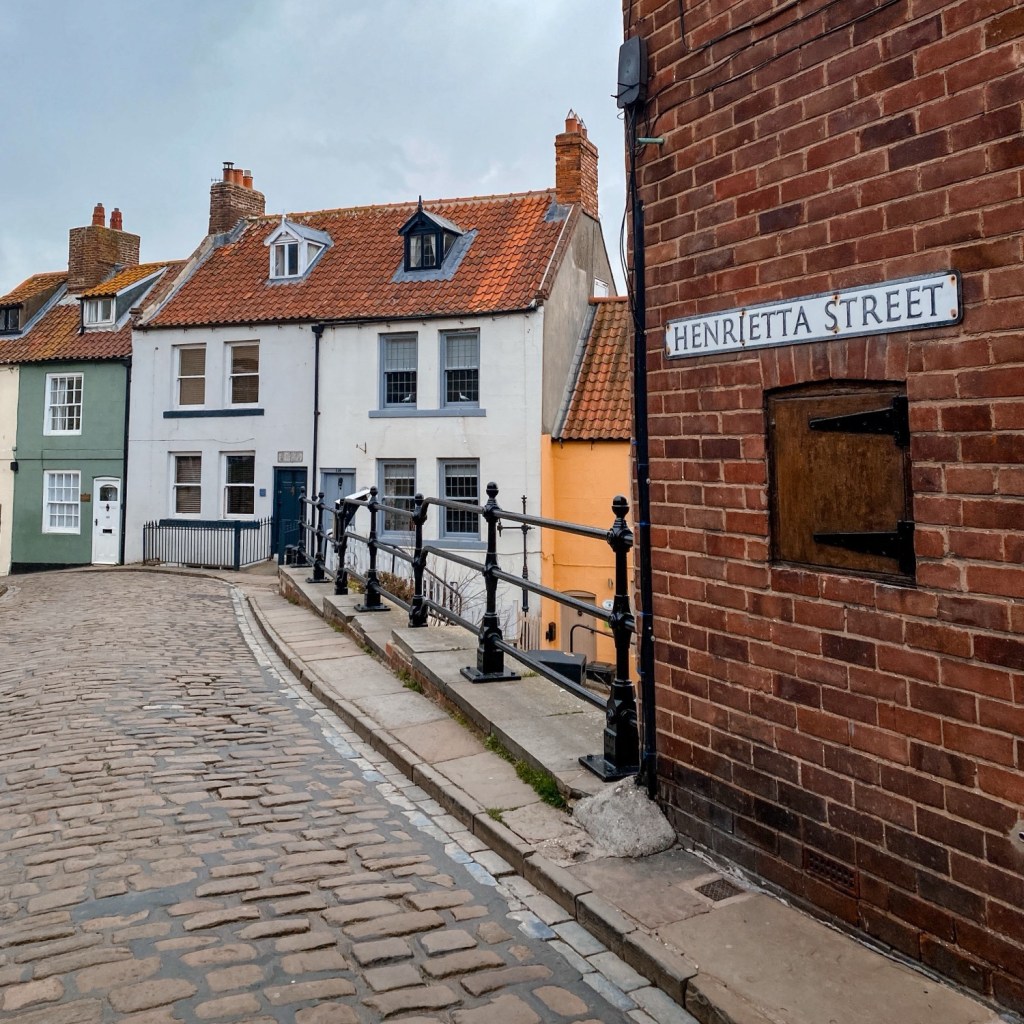
Henrietta St

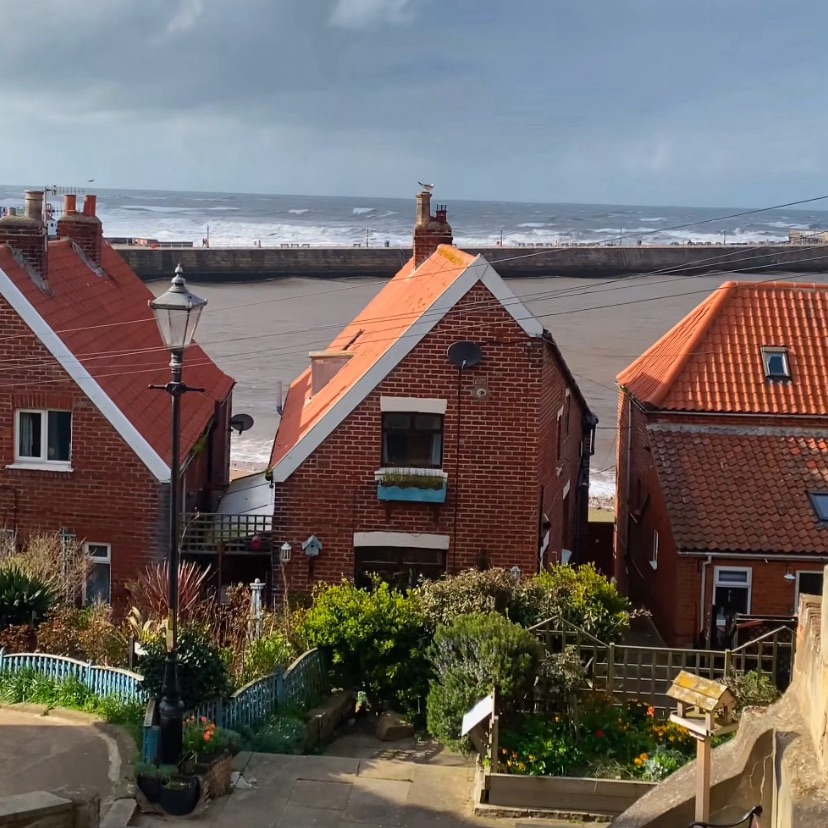
This popular street was once known as ‘Haggerlythe’ (1270) but was later renamed after the wife of Nathaniel Cholmley, Henrietta Cholmley. Nathaniel was a member of the British parliament in the late 1700s. Back in the day, Henrietta Street was considered a desirable place to live (especially by fishermen) because it provided easy access to the sea and offered some of the best views in the village. Today, things are not much different. The view of the harbor and the abbey are simply amazing from this viewpoint!

Tate Hill

Tate Hill provides such a wonderful view point of Whitby’s piers and lighthouses over the cottages roof tops. This little street definitely makes for a lovely picture spot!

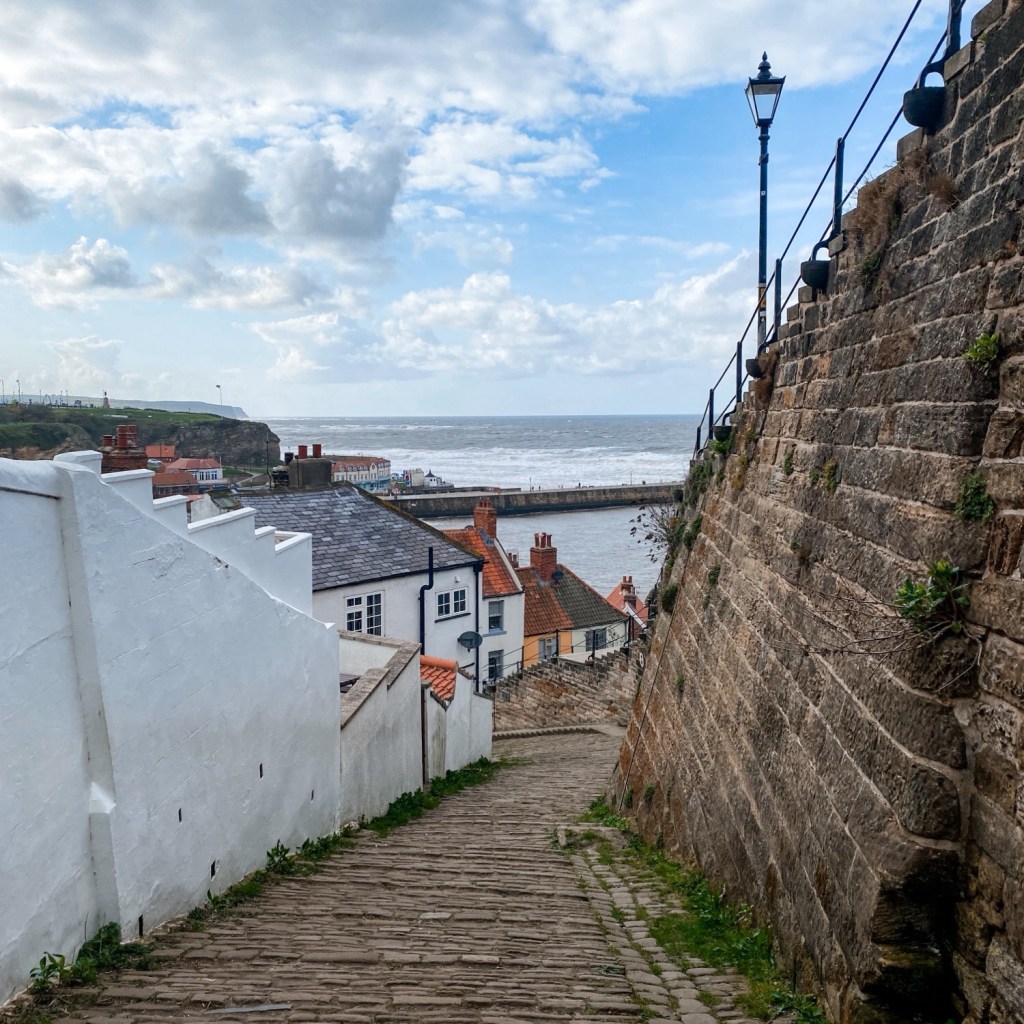
Church Lane/Donkey Road

The steep and cobbled Donkey Road dates to 1370, but the current stone work was laid in 1774. The path parallels the famous 199 steps and leads up to the iconic Whitby Abbey.

The name of this street comes from the donkeys who have historically lived on the abbey plain and had to travel down this path each day on their way to the beach, where they would give donkey rides. Nowadays this is not so anymore, as the donkeys are carried to and from their field by small trucks.
As you make your way down Donkey Road, you are able to witness a unique and stunning view of the ocean and shops down below—and, trust me, the way down is surely much easier than the climb up!

Pier Road

Located in West Whitby, Pier Road leads to the main beach. The road is filled with amusement arcades, ice cream stalls, and fish and chip shops. There is also a fish market here!
Cliff Street

Cliff Street offers some lovely views of the coast and village down below. It is a beautiful street to wander around with many places to rent for the night, such as this cottage. From Cliff Street, you are literally minutes away from the town center, the pier, the beach, and all the other amenities Whitby has to offer.

I would love to know what you think of these street recommendations! Is there one you are excited to visit the most? Let me know in the comments, and don’t forget to add these 9 prettiest streets in the village of Whitby to your Whitby itinerary!

Visiting Goathland Railway Station in the Village of Goathland, England (2024)

Disclaimer: This post contains affiliate links

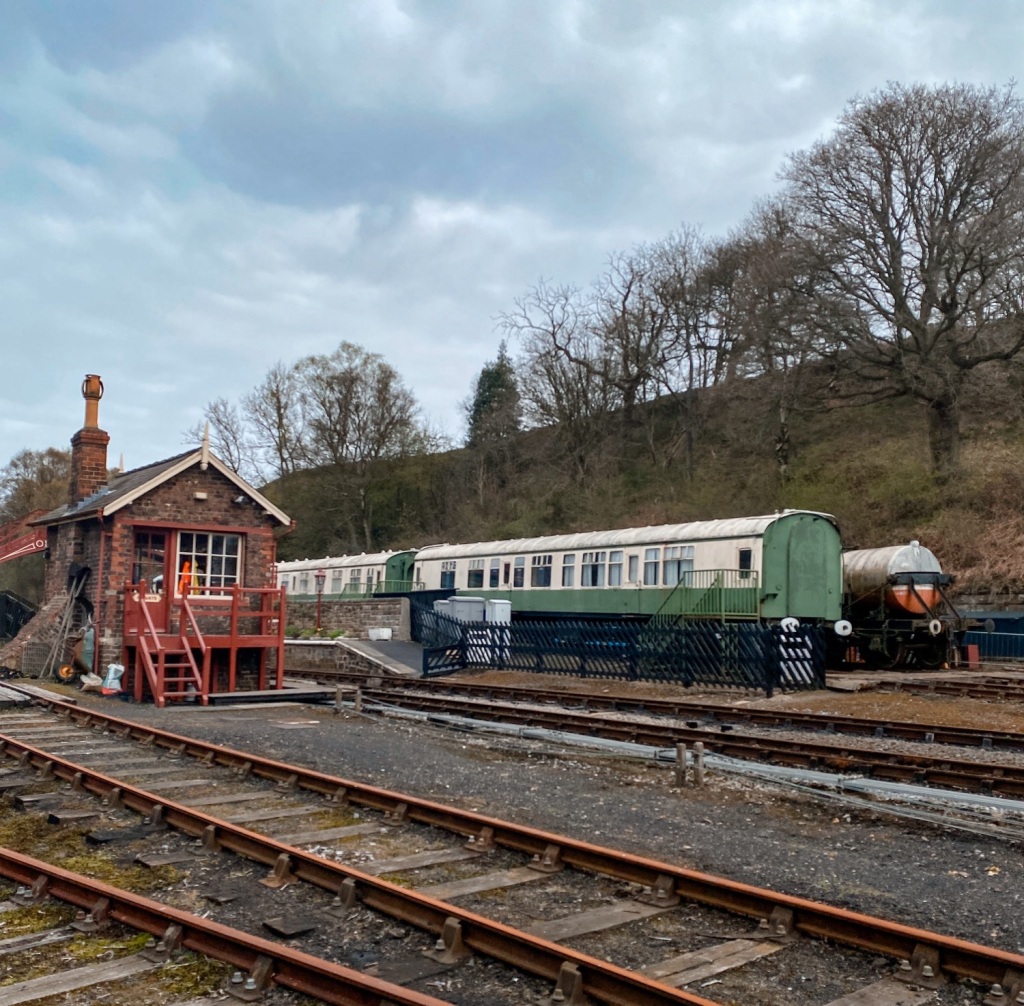
Goathland railway station serves the village of Goathland in the North York Moors National Park in North Yorkshire, England. The station first opened in 1865 as “Goathland Mill” and was named as such due to its proximity to the watermill on the Murk Esk River adjacent to the station.

With minimal alterations in the last 100 years, the station has managed to survive the changing times and remains this day part of the North Yorkshire Moors Railway. If you are eager to go on a train ride, you can check the timetable to book a ticket or simply explore the station without one. After taking pictures and soaking in the atmosphere, I recommend visiting the Goathland Station Café.

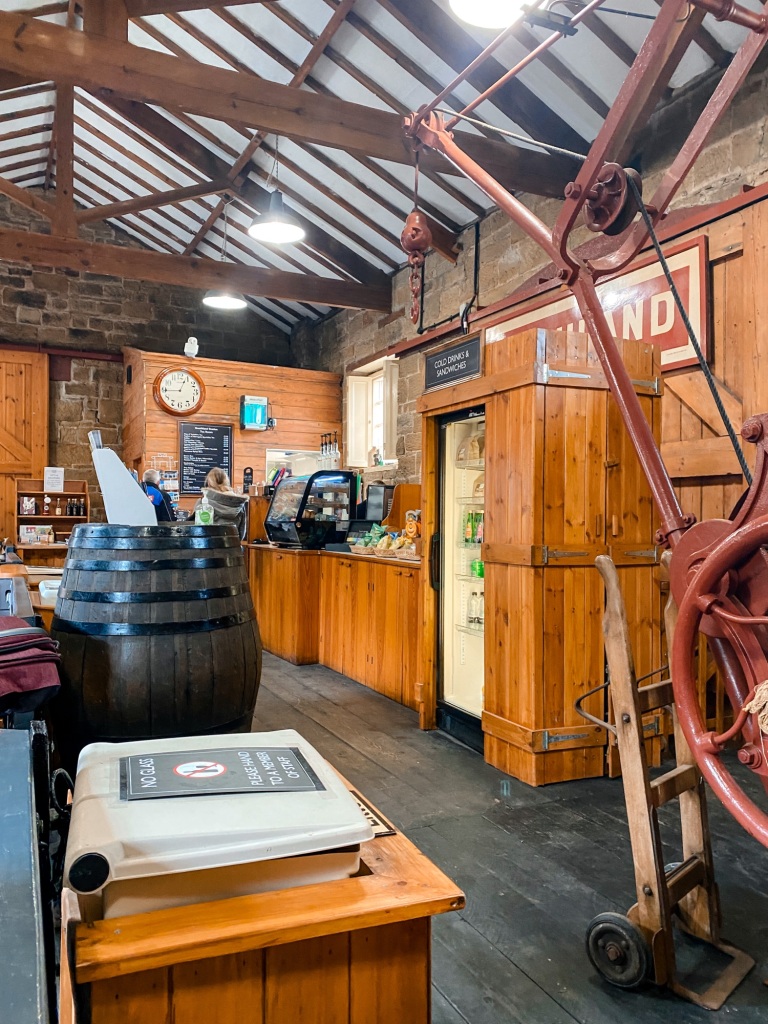
The Goathland Station Café

This unique, one-of-a-kind tea room is located inside the station and is a converted 1922-style goods shed. The café is walker and dog-friendly, and guests are welcome to sit inside or outside to watch the trains come and go. Passengers are also welcome to take goods purchased onto the trains.

Goathland Station café serves various drinks, savories, cakes, sweet treats, and ice creams. I recommend trying their sandwiches and scones. They also serve some yummy hot chocolate. Opening times vary according to train schedules and are as follows:

Bronze Timetable Dates: 9.30am to 5.00pm
Silver Timetable Dates (Sundays): 10.00am to 4.45pm
Gold Timetable Dates: 9.30am to 4.45pm

Film and Television Appearances

Apart from bringing in visitors who appreciate its old charm, the station and its environment have appeared in various TV productions, including:

  • The Harry Potter films, as Hogsmeade station
  • Heartbeat, as Aidensfield station
  • All Creatures Great and Small
  • Keeping Mum
  • Carrington

Stay in a Vintage Train Carriage at Goathland Station

Did you know that holiday accommodation is available at Goathland Station? Sitting behind the platform lies a vintage camping coach. The camping carriage includes a living room, a kitchen, a twin bedroom and double bedroom, and a shower room.

Parking

You will find a car park next to the station that allows all-day parking for a single fee.

9 Prettiest Streets in York, England (2024)

Disclaimer: This post contains affiliate links.

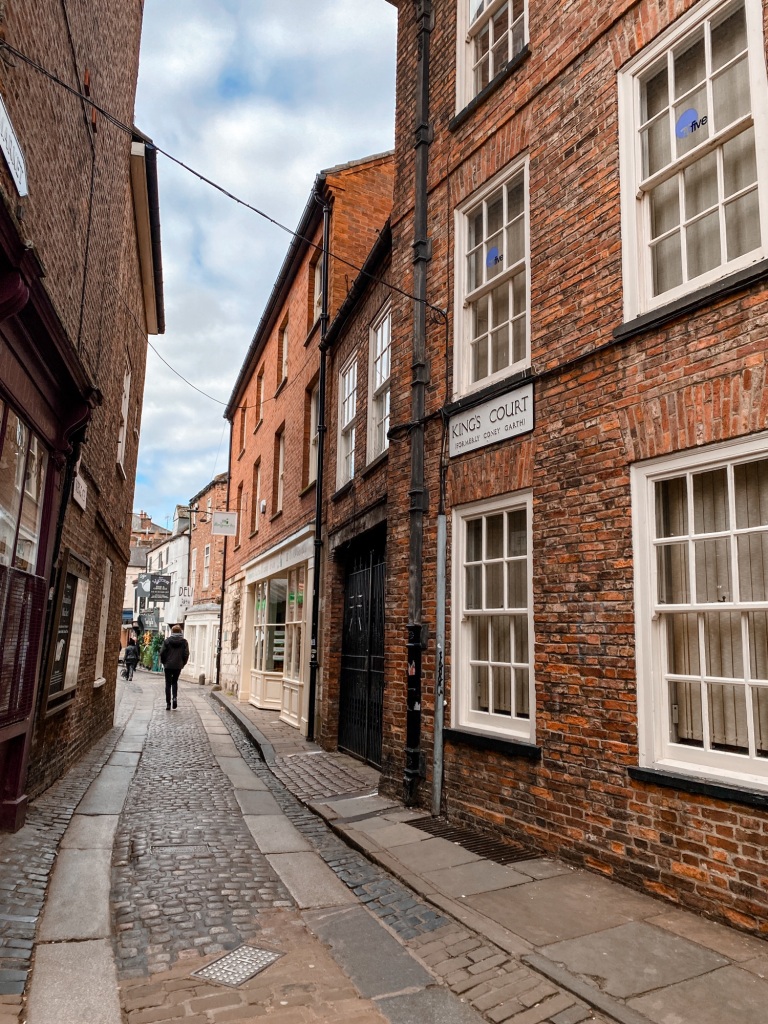
The city of York, situated in North Yorkshire, England, is a cathedral city with many historic buildings and structures. Because it was founded in 71 AD, it has been influenced by many centuries of history, and, as such, it is full of quirks, cobblestoned streets, and different architectural styles.

In this article, I will tell you about some of the prettiest and most influential streets in York to add to your itinerary!

9 Prettiest Streets in York, England

Museum Street

Museum Street was first recorded in the 1260s as Ffotlesgayle, or “Footloose Lane.” This street runs across the River Ouse and provides access to the well-known Museum Gardens. From my perspective, this is a good way to enter the city and start exploring the historical surroundings.

High Petergate

High Petergate is one of the most beautiful and famous streets in York. It is the historic route the Romans took to Eberacum (York) from the North and was known as the Via Principalis of the Roman fortress. The street has an eclectic mix of shops, pubs, eateries, and offices.

Low Petergate

Low Petergate runs parallel to the Minster and then turns into High Petergate. Just as High Petergate, it was named after Saint Peter. Here you can enjoy some wonderful cafes and restaurants, and you can get an excellent view of the Minster!

Stonegate

Stonegate was the Via Praetoria of the Roman fortress of Eboracum (York) in daily use for about 1900 years. Its name derives from the fact that it was a Roman stone-paved street. Today, the street is home to wonderful shops and beautiful quirky architecture.

Shambles

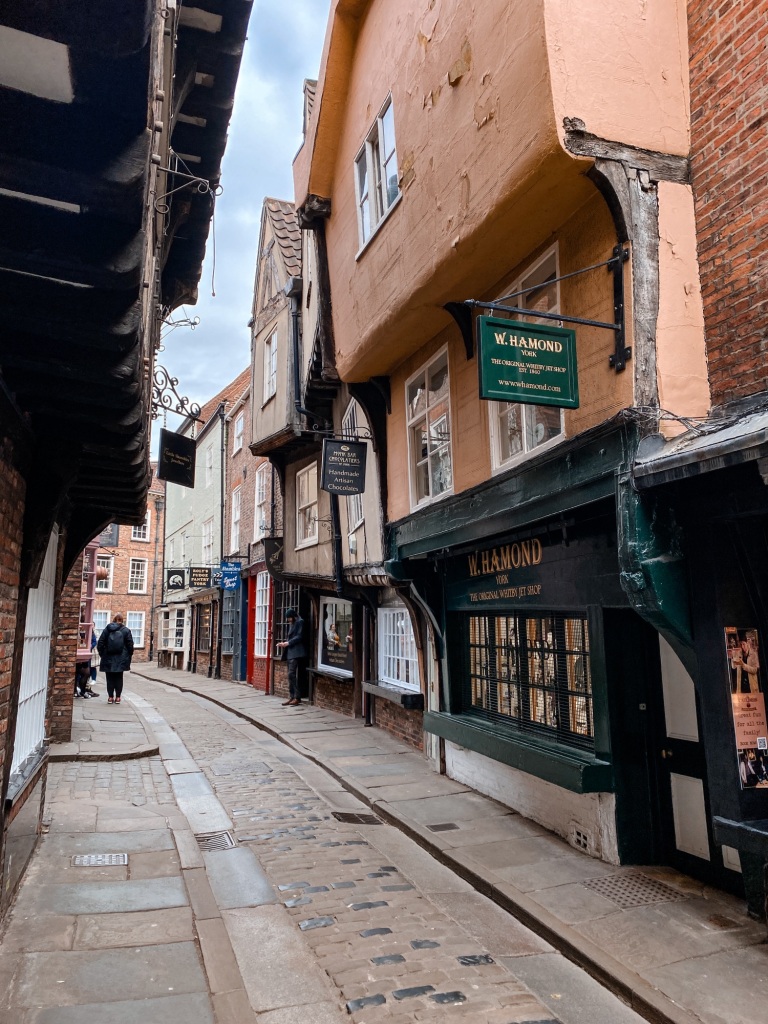
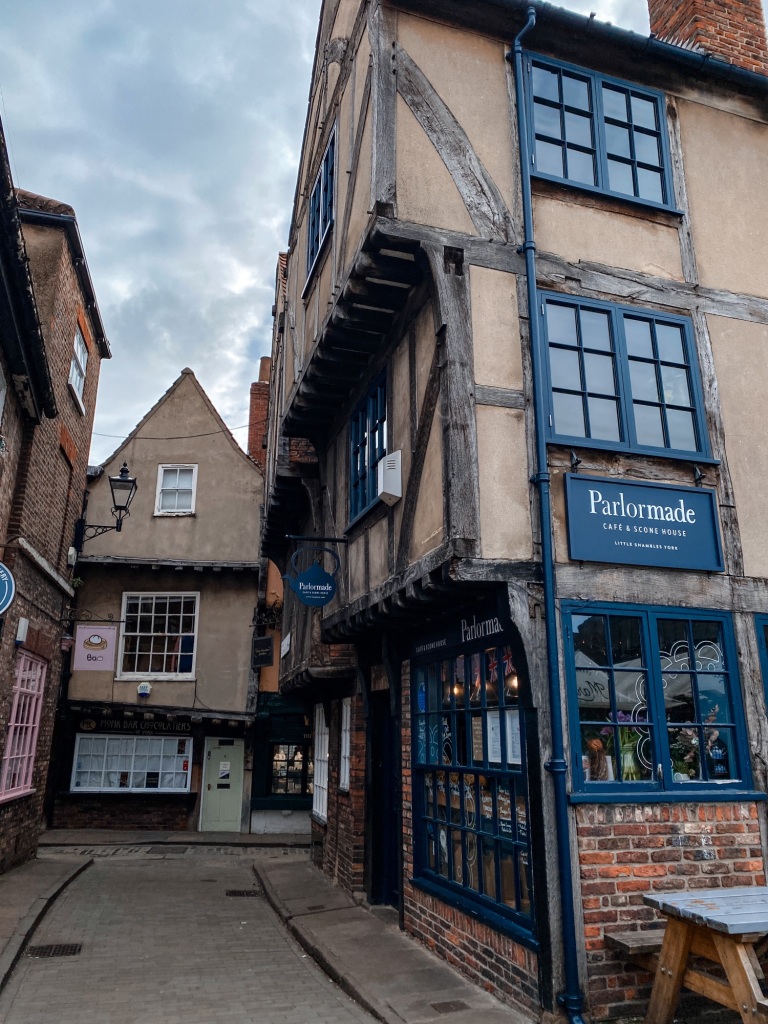
The Shambles is a historic street in York dating back as far as the 14th Century. The street was rebuilt around 1400 when it assumed its present character and features preserved medieval buildings, many of which are timber-framed.

Shambles used to be the ancient street of the Butchers of York—in fact, there were thirty-one butchers’ shops located along the street, but none remain today.

Visitors also visit this street because of its shops associated with the Harry Potter movies, and many believe this was one of the streets that served as inspiration for ‘Diagon Alley.’

Newgate

Although Newgate was first recorded in 1337, it is believed the street is much older than that as excavations performed in 1963 found a 10th Century cross shaft. In 1952 a new marketplace for the city was created and was originally named “Newgate Market,” but today you will find it is known as “Shambles Market.”

Little Shambles

This short historic street also dates back to medieval times and is a small branch off from the main street Shambles. Sadly, Little Shambles was largely demolished in the 1950s. Today, visitors can appreciate some of the beautiful remaining architecture and the open space with market stalls known as “Shambles Market.”

Finkle Street

Finkle Street was first known as Finclegayle or Fynkullstrete in the 12th Century but became then Mucky Pig Lane due to its close proximity to the pig market. The medieval name it carries today was assigned in Victorian times in an attempt to improve the image of the area. In this narrow street, you will find cozy pubs and restaurants.

Grape Lane

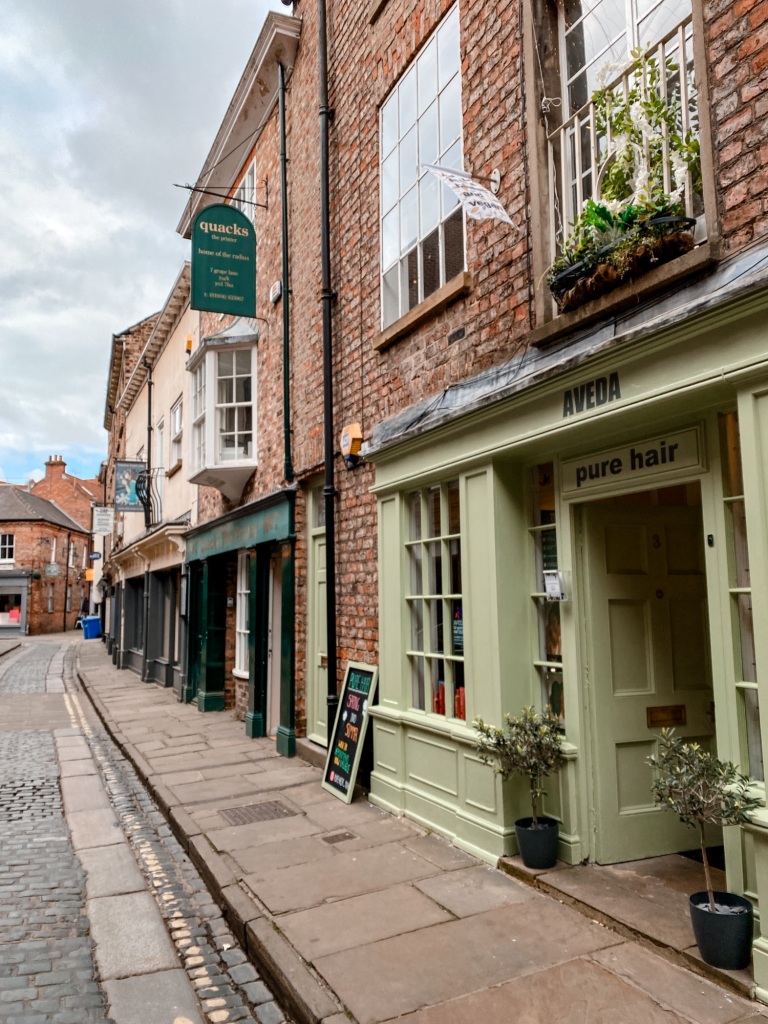
You will find Grape Lane just off Low Petergate. The street was first recorded in 1276 as “Venella Sancti Benedicti” and was known because of prostitution. Later on, remains of Medieval buildings and some Roman items were found under the soil. Today, visitors can appreciate the beautiful architecture and explore the picturesque shops along this street.

16 Places to See in Whitby, England (2024)

Disclaimer: This post contains affiliate links.

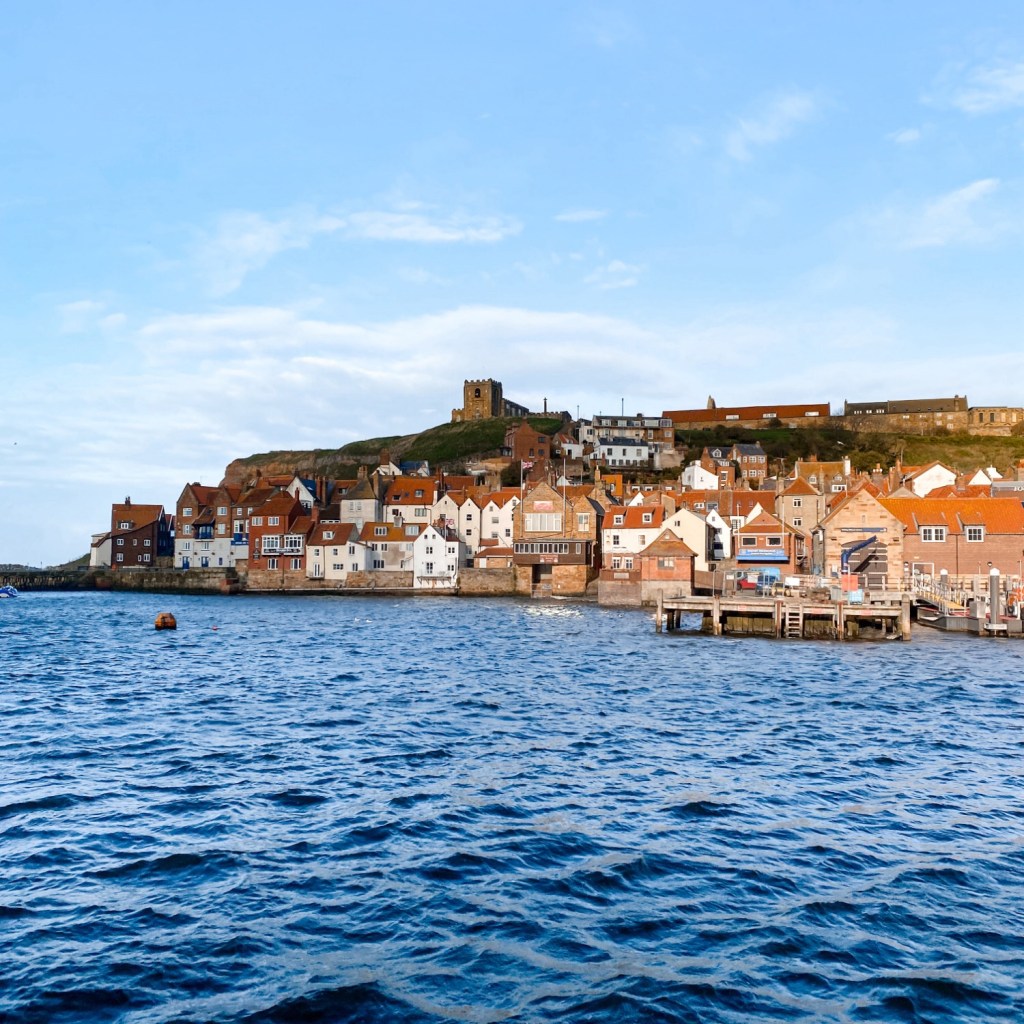
The wonderful seaside town of Whitby is situated on the east coast of North Yorkshire, England. Located at the mouth of the River Esk, Whitby has been a bridging point since medieval times as several bridges have spanned the river.

Whitby has been known to be a tourist destination for some time now. The first traces of tourism date to the Georgian period, which developed with the arrival of the railway in 1839. People opt to visit Whitby mainly because of its proximity to the North York Moors National Park and its association with the horror novel “Dracula.” The village has also been featured on British TV shows such as “Heartbeat.”

16 Places to See in Whitby, England

When it comes to walks around Whitby, you are totally spoilt for choice—you needn’t worry about ability or experience—with so many options, there is sure to be a walk around that is perfect for you.

The following places are all FREE to visit, except for Whitby Abbey!

Visit the Harbor and Spot the Lighthouses

While many towns center on a market square, Whitby’s heart is its harbor. It all began by the early 1300s, when merchants from all over Northern Europe sailed to Whitby to trade with the wealthy Abbey. The harbor is home to two lighthouses. The taller lighthouse is West Pier Lighthouse, made from local sandstone and built in 1831. The shorter lighthouse is the East Pier Lighthouse, and it was built in 1855. There is also a third lighthouse lying Southwest of Whitby—the Whitby High Lighthouse, which has been in function since 1858.

Walk Around Sandgate Street

Sandgate Street is the perfect place to find a selection of Whitby Jet Shops. Furthermore, the Market Place located at the end of the street has been a trading area since the mid 17th Century and you will still find stalls today.

Wander around Church St

Originally known as Kirkgate, Church Street is home to several shops and restaurants. You will also find cottages and tiny houses dating back to the 15th Century here—although it is thought the Street first had buildings in the late 14th Century. You will find Church Street below the 199 steps leading up to Whitby Abbey. If you are hungry, I recommend stopping by and having dinner at Mister Chips!

Discover Blackburn’s Yard

Whitby’s yards are rows of 17th and 18th Century cottages tucked behind main streets. You will find the lovely Blackburn’s Yard off Church Street. This yard has been granted several awards such as “Perfect Picture Yard” and “Whitby’s Best Kept Garden” throughout the years. Here, you can visit the Wash House Pottery where they sell beautiful pottery and ceramics.

Spot the Crooked Cottage

This 400-year-old cottage is situated next to the 199 steps leading up to Whitby Abbey and St Mary’s Church. People can actually book the cottage and stay here. The building sleeps up to five people and it offers gorgeous views of the harbor from the upstairs rooms. What makes this building fascinating is its colors and quirkiness!

Wander around Grape Lane

Grape Lane is a quaint pedestrianized lane where you’ll find a surprising selection of retailers including a jet shop, a coffee shop, a gift shop, and the ever popular Captain Cook’s Memorial Museum, in between others.

Walk on Henrietta St

This popular street was once known as ‘Haggerlythe’ (1270) but was later renamed after the wife of Nathaniel Cholmley, Henrietta Cholmley. Nathaniel was a member of the British parliament in the late 1700s. Back in the day, Henrietta Street was considered a desirable place to live (especially by fishermen) because it provided easy access to the sea and offered some of the best views in the village. Today, things are not much different. The view of the harbor and the abbey are simply amazing from this viewpoint!

Go Up the 199 Steps

Whitby’s 199 steps have been recorded since at least 1370 and, up until the 1770s, they were made of wood. Today you will find they are made of stone. The 199 steps are an iconic landmark leading all the way up to Whitby Abbey widely known because of their appearance in the book ‘Dracula’ by Bram Stoker!

Visit the St Mary’s Church and Churchyard

St Mary’s stands atop Whitby’s East Cliff, between the village and the ruins of Whitby Abbey. You can reach it by climbing the famous 199 steps or taking the Donkey Road. Founded around 1100 AD, St Mary’s is famous for its association with Captain Cook, who worshipped here, and with Bram Stoker’s vampire novel, Dracula. The Churchyard offers a peaceful space to wander around and, from there, you can soak in a one-of-a-kind view of the Abbey.

Visit Whitby Abbey

The ruins of Whitby Abbey are among the most celebrated sights of North Yorkshire. The first monastery to take place in the abbey was founded in about 657. The Abbey has been inspiring visitors for nearly 1500 years with its stories of saints, poets, and Dracula. The site also offers fantastic views of the coast, a fascinating museum, and wide open grounds to roam.

Walk Down to the Village through The Donkey Road

The steep and cobbled Donkey Road parallels the famous 199 steps and leads up to the previously mentioned Whitby Abbey. Historically, it was on this track the beach donkeys walked on their way to perform their arduous beach chores. Nowadays this is not so, as the donkeys are carried to and from their field on the Abbey Plain by small trucks.

Walk Along Pier Road

Located in West Whitby, Pier Road leads to the main beach. The road is filled with amusement arcades, ice cream stalls, and fish and chip shops. There is also a fish market here!

Visit the Whitby Whalebone Arch

The original Whalebone Arch was placed on Whitby’s West Cliff in 1853, but was replaced in 1963 with a replica from Norway and then again in 2003. The arch perfectly frames the ruins of Whitby Abbey and makes for a great picture spot. The story of the Whalebone Arch is an exciting one. In the 18th and 19th Centuries, the whaling industry was thriving in Whitby. Many ships sailed to Greenland to hunt these leviathans and then sell their lucrative whale oil. Many of those ships never came back. The Arch stands in place as a reminder of Whitby’s past.

Walk on Cliff St

Cliff Street offers some lovely views of the coast and village down below. It is a beautiful street to wander around with many places to rent for the night, such as this cottage. From Cliff Street, you are literally minutes away from the town center, the pier, the beach, and all the other amenities Whitby has to offer.

Spot the Robert Lennard House

The Robert Lennard House stands on the narrow Cliff Street. It was apparently built by Robert as the headquarters of his businesses of architect, builder, and antique dealer. Outside of the building, you will find a blue plaque with the date of construction (1888). Stop by and admire the beautiful architecture, especially the details surrounding the bay window across the corner!

Visit the Alice in Wonderland Garden

Created by the Whitby in Bloom Group, this small but charming garden is located on Cliff Street (next to the car park) and is the perfect spot for both visitors and residents to take a rest and enjoy the view. The Alice-themed garden includes large playing cards inscribed with quotes from the novel, an elegant archway, and a giant ‘stopwatch’ seat. The garden forms part of the White Rabbit Trail in town, which you can purchase in the Tourism Information Center.

9 Prettiest Streets in Robin Hood’s Bay, England | 2026 Travel Guide

Disclaimer: This post may contain affiliate links. If you book through them, I may earn a small commission at no extra cost to you.

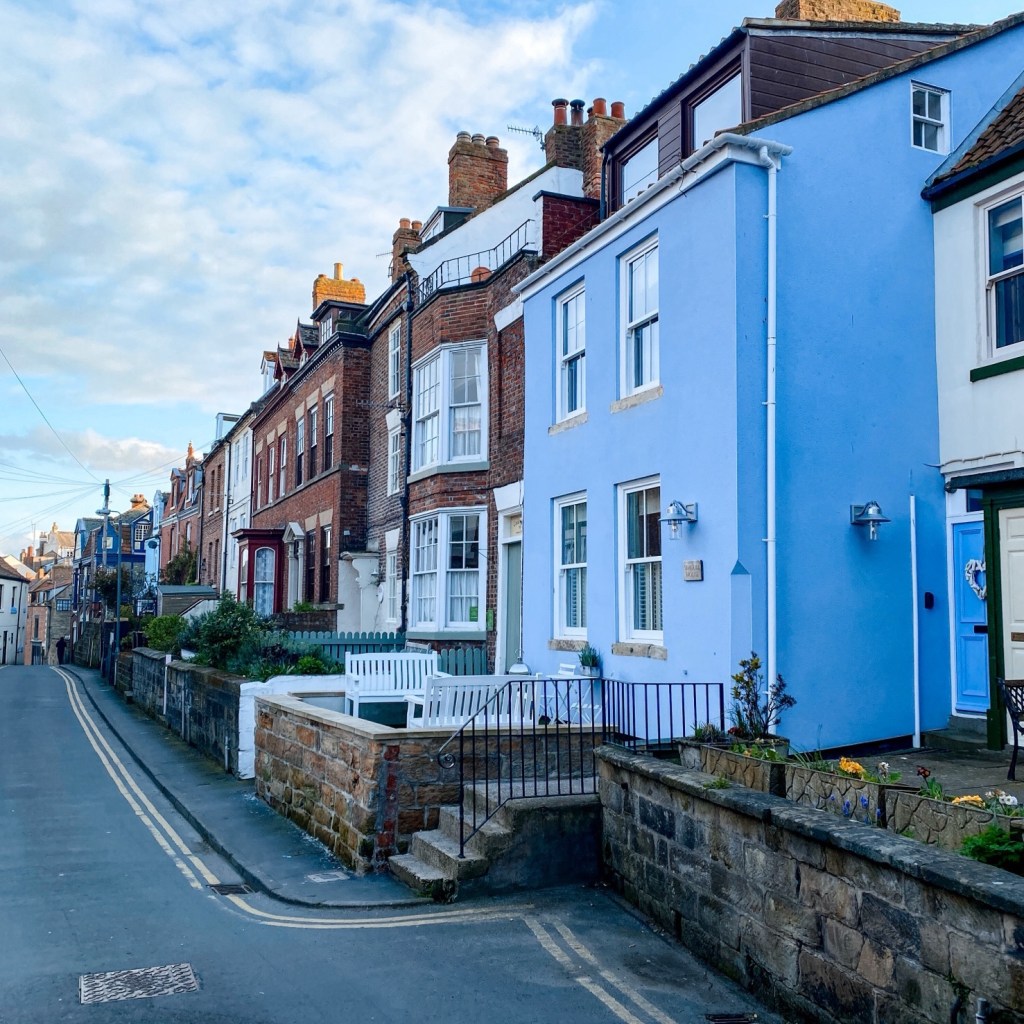
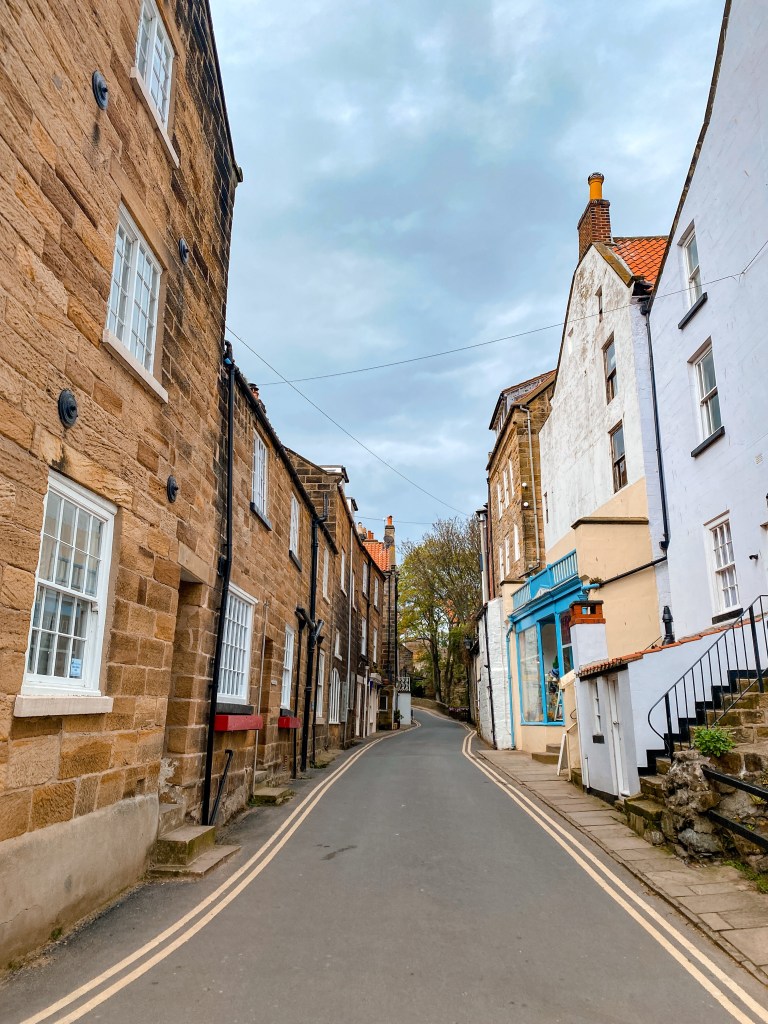
Robin Hood’s Bay is widely considered one of the most charming fishing villages in England. Tucked along the North Yorkshire coast, this historic village is famous for its steep streets, winding alleys and tightly packed cottages that tumble toward the sea. Every corner feels photogenic, atmospheric and full of history.

A few years ago, my family and I had the chance to explore Robin Hood’s Bay together, and it truly was love at first sight. We fell in love with the coastal views, the beach, the cliffs, the quaint shops and above all the beautiful streets. What makes Robin Hood’s Bay especially memorable is how its streets appeal to all ages. Even our young girls loved wandering the narrow lanes, admiring colorful doors, flowers and hidden corners while getting happily lost in the village.

This guide highlights the prettiest streets in Robin Hood’s Bay and is perfect for photographers, history lovers and anyone planning a visit in 2026 or beyond. For a complete experience, be sure to also read my article titled 11 Beautiful Spots in Robin Hood’s Bay, which pairs perfectly with this street focused guide.

The Streets of Robin Hood’s Bay and Their Smuggling History

Robin Hood’s Bay is a historic fishing village in North Yorkshire, England, with a past closely linked to smuggling. During the late eighteenth century, smuggling was common along the Yorkshire coast as traders attempted to avoid heavy taxes on goods like tea, silk and spirits.

Local tradition says that many of the village streets and cottages were used to transport smuggled goods through hidden tunnels and passageways. Boats would arrive under cover of darkness and goods were passed from house to house until they reached the top of the village. While much of this history is wrapped in legend, it adds a fascinating layer to every alley and stairway you explore today!

1. New Road

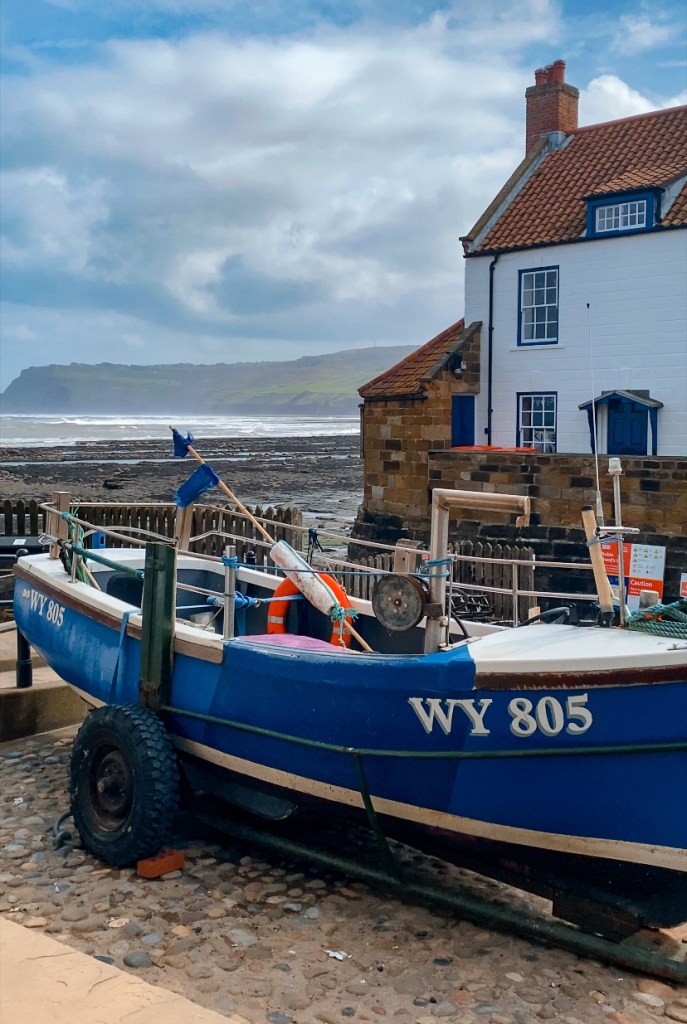
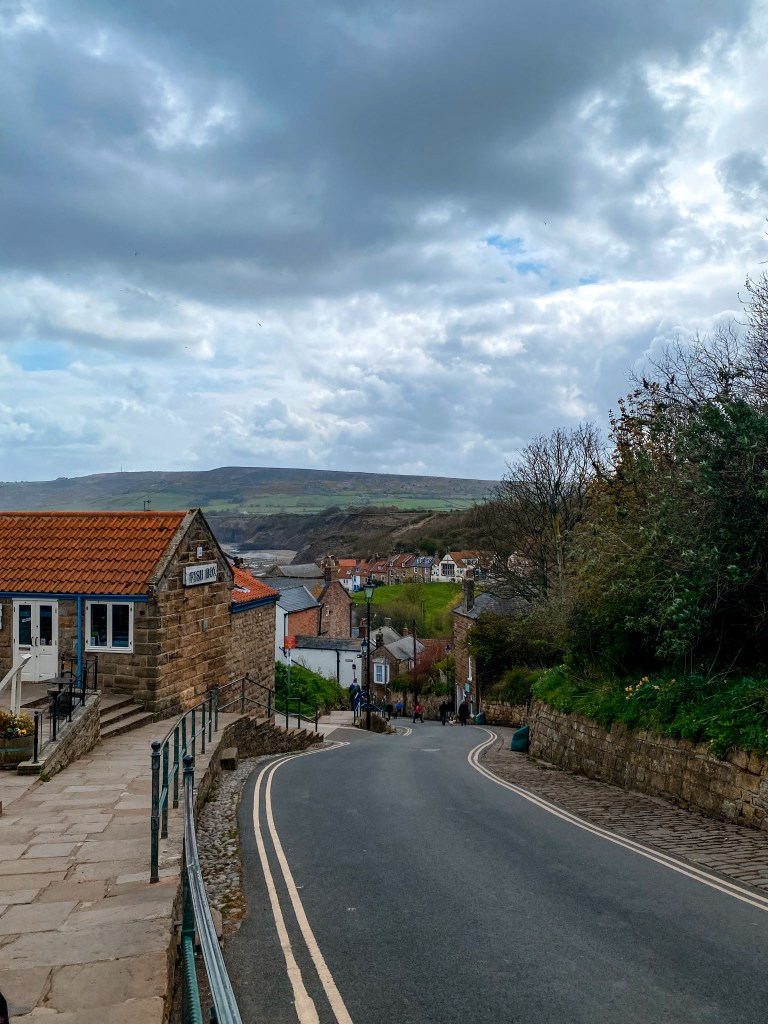
New Road is the main street of Robin Hood’s Bay and one of the busiest areas in the village. It winds its way downhill and leads to the beach via a cobbled slipway known as Wayfoot.

As you walk along New Road, you will pass cottages, independent shops, inns and restaurants. One of the most iconic views of Robin Hood’s Bay can be seen near Fish Box, where the village opens up toward the sea. While it is a great street to explore on foot, be mindful of occasional vehicles!

2. Chapel Street

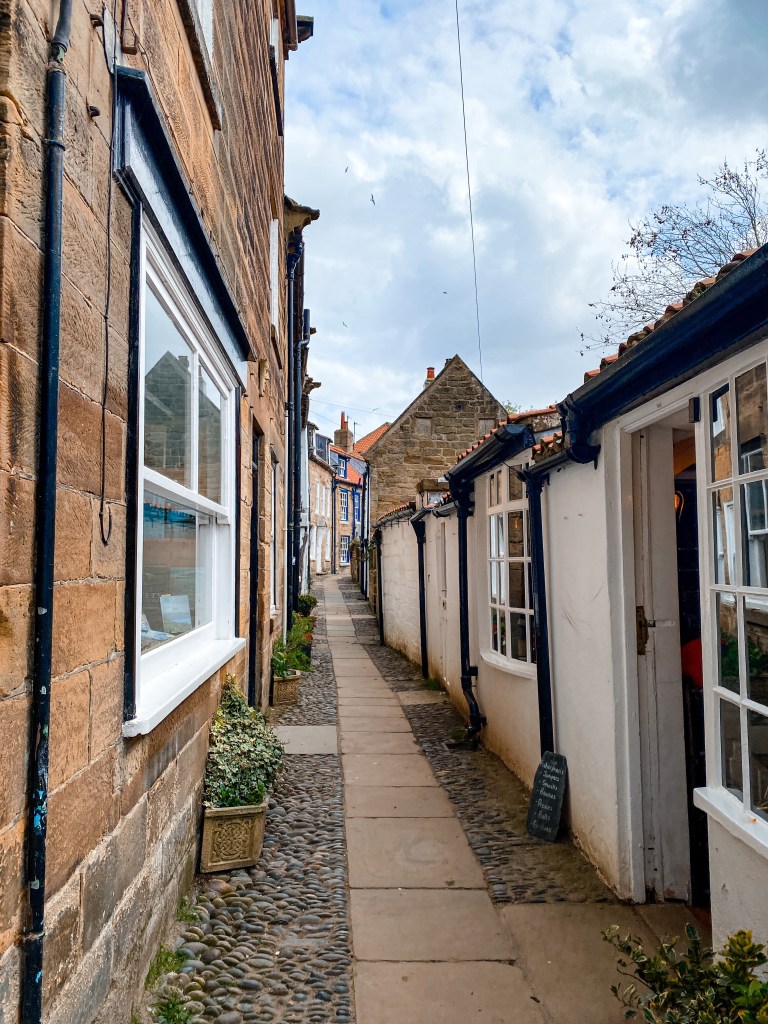
Chapel Street is one of the quieter and more atmospheric streets in Robin Hood’s Bay. This narrow lane feels wonderfully tucked away from the busier areas and is ideal for slow wandering.

It is home to the well known Robin Hood’s Bay Bookshop as well as several traditional cottages and small shops. The peaceful feel of this street makes it perfect for photography and relaxed exploration.

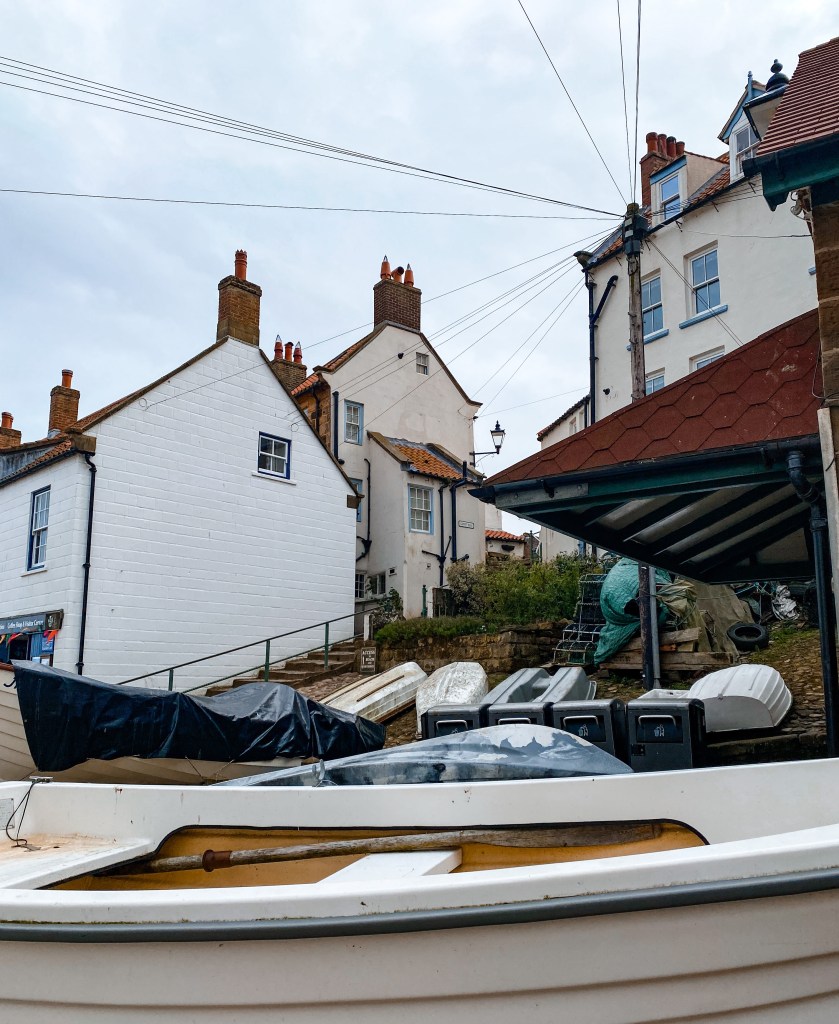
3. Bloomswell

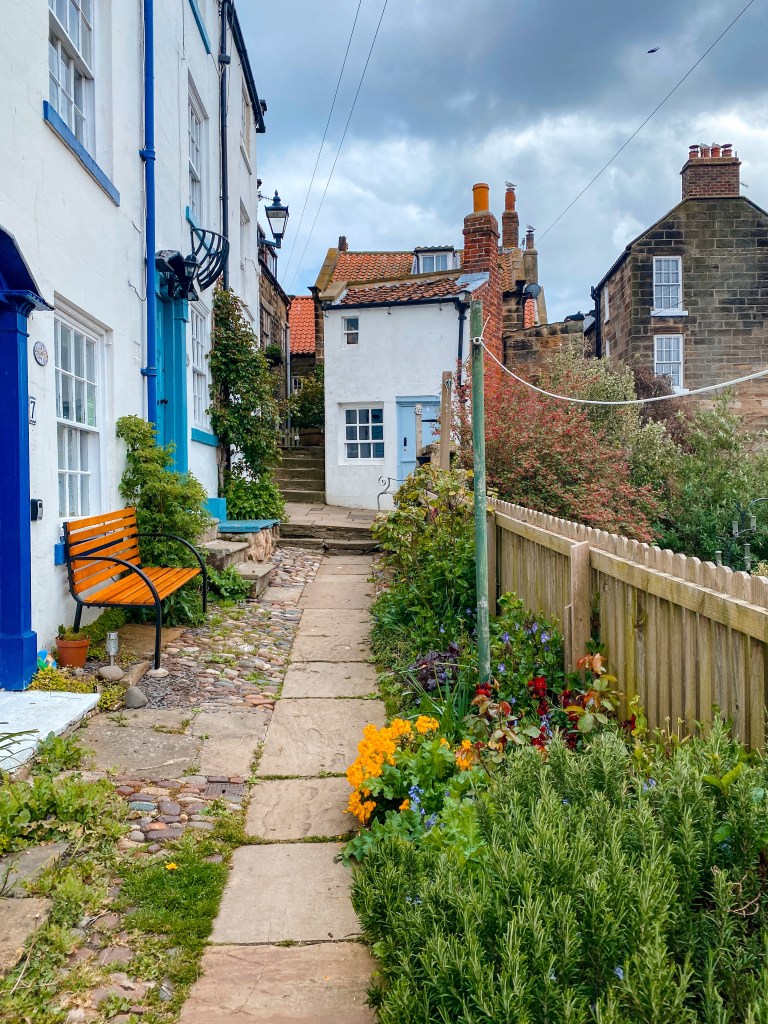
Bloomswell is famous for its postcard worthy cottages and unique layout. It is one of the most photographed streets in Robin Hood’s Bay and for good reason.

Many visitors mistake the tiny white building at the back of the lane for a cottage, but it is actually an old outhouse that once served one of the nearby homes. This quirky detail adds to the charm and curiosity of the street.

4. Peacock Row

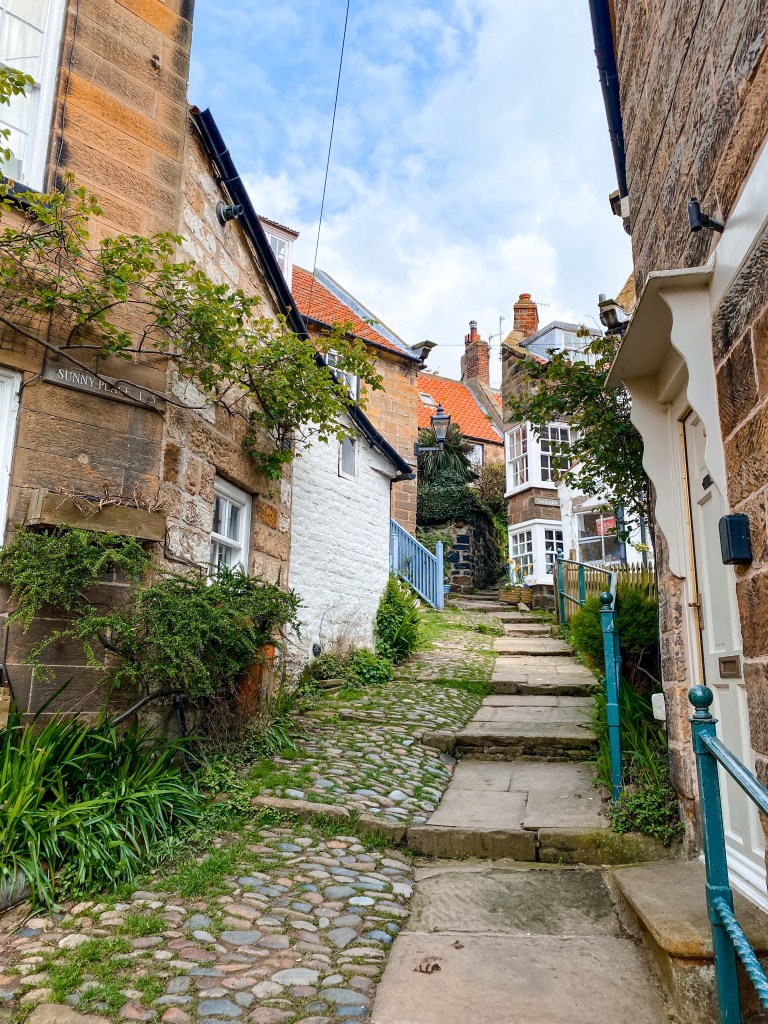
Peacock Row is often considered the most photogenic street in Robin Hood’s Bay. Its steep cobbled path and tightly clustered cottages create a classic Yorkshire village scene.

This area is especially popular with photographers and social media users due to its winding shape and layered views of rooftops and doorways.

5. King Street

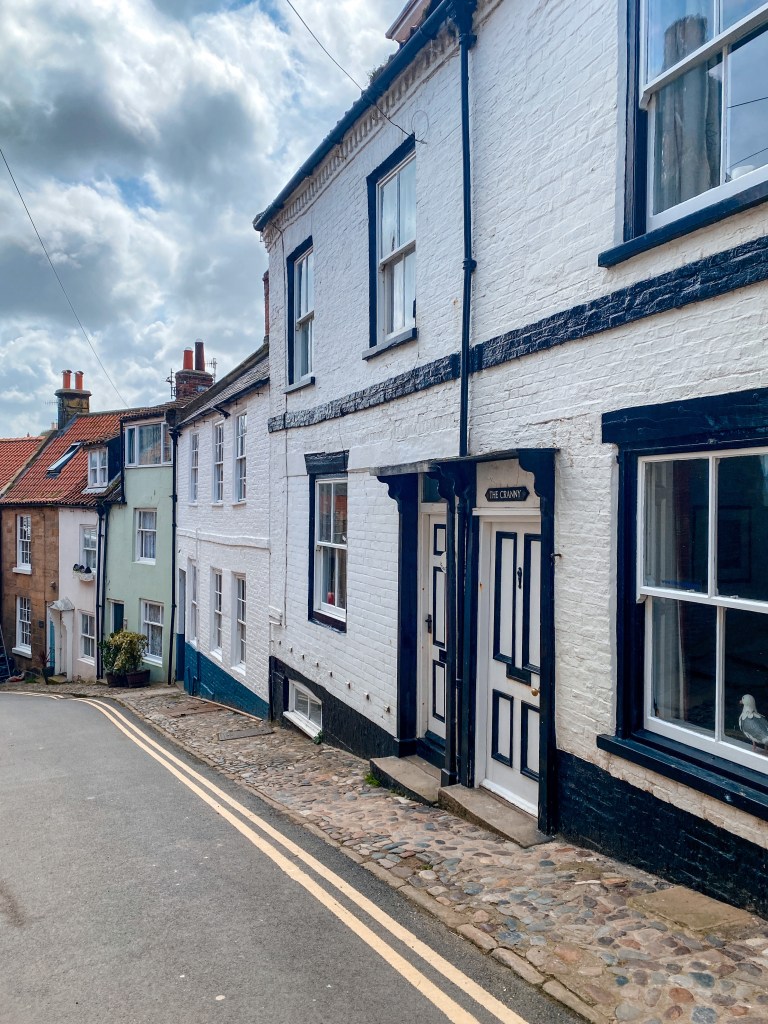
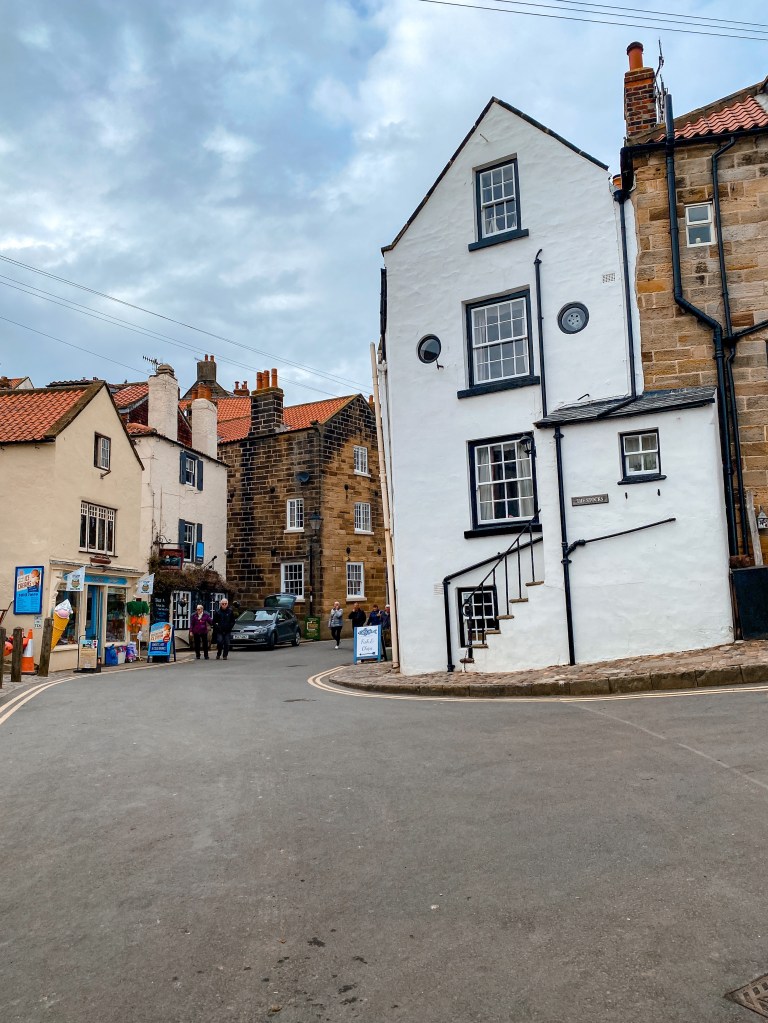
King Street was once the main thoroughfare of the village before coastal erosion in the late eighteenth century claimed large portions of the road. As a result, New Road replaced it as the primary route through the village.

What remains of King Street is home to some of the oldest houses in Robin Hood’s Bay, with several properties dating back to the early seventeenth century. Walking here feels deeply historic and atmospheric.

6. Intersection of King Street and New Road

The intersection where King Street meets New Road offers one of the best viewpoints in the village. From here, you can look down toward the beach while taking in both streets at once.

The cliffs appear particularly dramatic from this spot and it provides a wonderful sense of the village’s layout and relationship with the sea.

7. Covet Hill

Covet Hill is a charming and slightly hidden passage that many visitors miss. It is well worth seeking out, as it offers another picturesque route through the village.

One of the best features of Covet Hill is that it provides direct access to the beach, making it both scenic and practical.

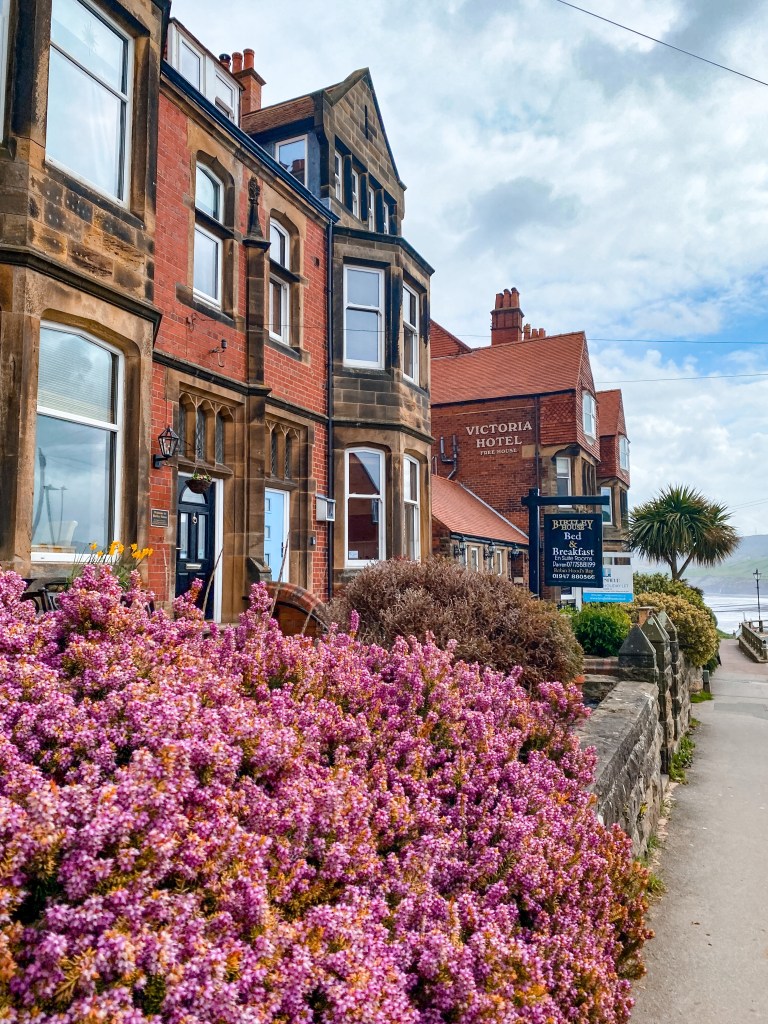
8. Station Road

Station Road sits higher up in the village and is home to several hotels and bed and breakfasts. You will also find convenience shops here, making it a useful area for visitors staying overnight.

As you walk downhill toward New Road, beautiful views of the cliffs and the North Sea begin to open up, offering a striking contrast between village life and coastal scenery!

9. Thorpe Lane

Thorpe Lane is located at the top of Robin Hood’s Bay and offers a quieter alternative to the streets below. It is home to residential cottages, a bus stop and St Stephen’s Church.

This street is less crowded and ideal for visitors who want a peaceful walk while still enjoying lovely views and historic surroundings.