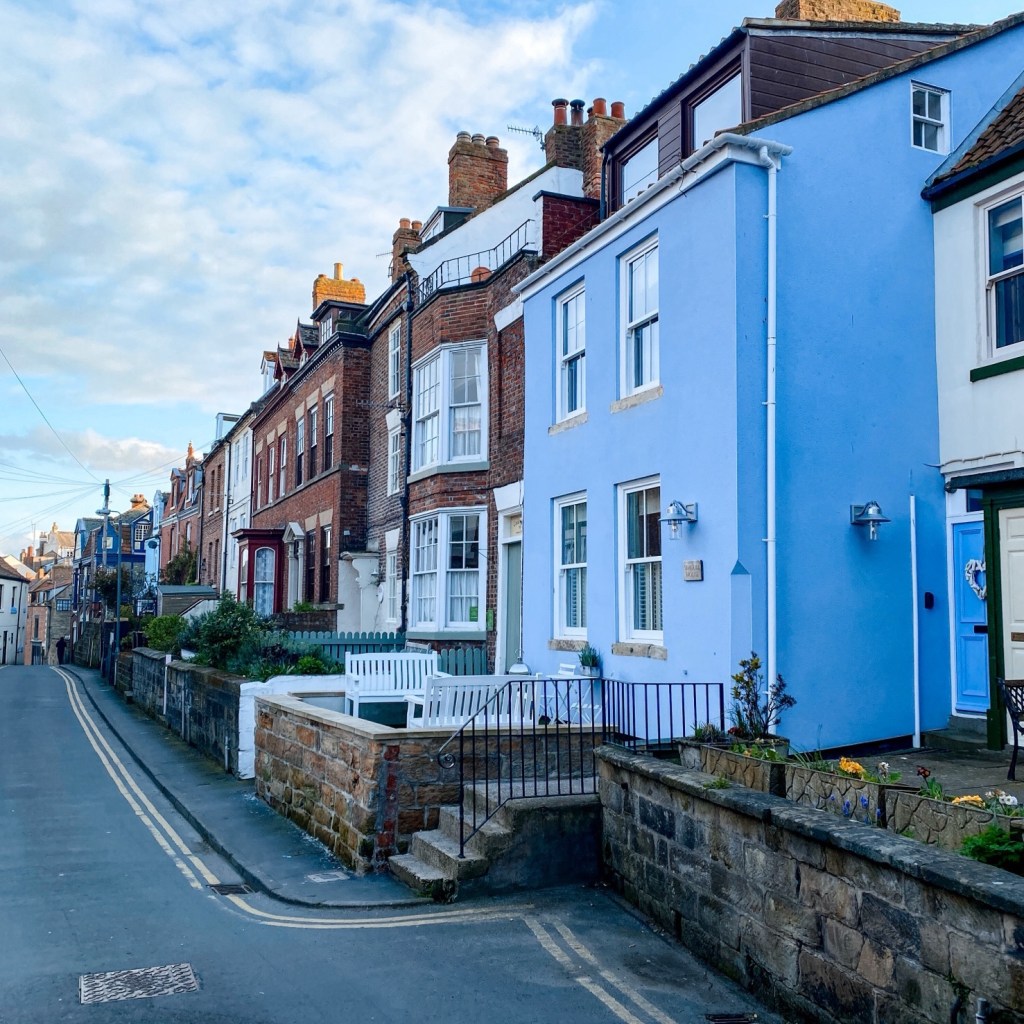
Exploring Warwick Castle: A Journey Through History and Fun (2026 Guide)

Disclosure: This post contains affiliate links. This means I may earn a small commission if you click through and make a purchase, at no extra cost to you. These commissions help support this blog and allow me to continue creating free travel guides and resources. All opinions are my own.

Back in the summer of 2024, on a warm yet drizzly July day, I had the pleasure of stepping back in time with a visit to the magnificent Warwick Castle. Nestled in the heart of Warwickshire, this iconic fortress is one of England’s most impressive and best-preserved medieval castles. Thanks to Shakespeare’s England and their Explorer Pass, booking my visit was seamless and stress-free.

With nearly 1,000 years of history, dramatic towers, immersive attractions, and beautiful countryside views, Warwick Castle is far more than a historic monument. It is a full-day experience that blends education, entertainment, and adventure.
Discovering the Shakespeare’s England Explorer Pass

Before setting off on my trip, I was kindly offered a Shakespeare’s England Explorer Pass as part of a PR visit, and it truly turned out to be a wonderful option for anyone exploring the Warwickshire area.

The pass grants access to several top attractions in the region, including Warwick Castle, Shakespeare’s Birthplace, and other key sites connected to the life and legacy of William Shakespeare. With just one pass, I was able to plan my itinerary in advance, pre-book attractions, and enjoy a smoother travel experience overall.

For travelers, the Explorer Pass is a fantastic way to save both time and money while seeing some of the most important historic sites in central England.

You can check current pricing and inclusions for the Shakespeare’s England Explorer Pass here.

First Impressions of Warwick Castle

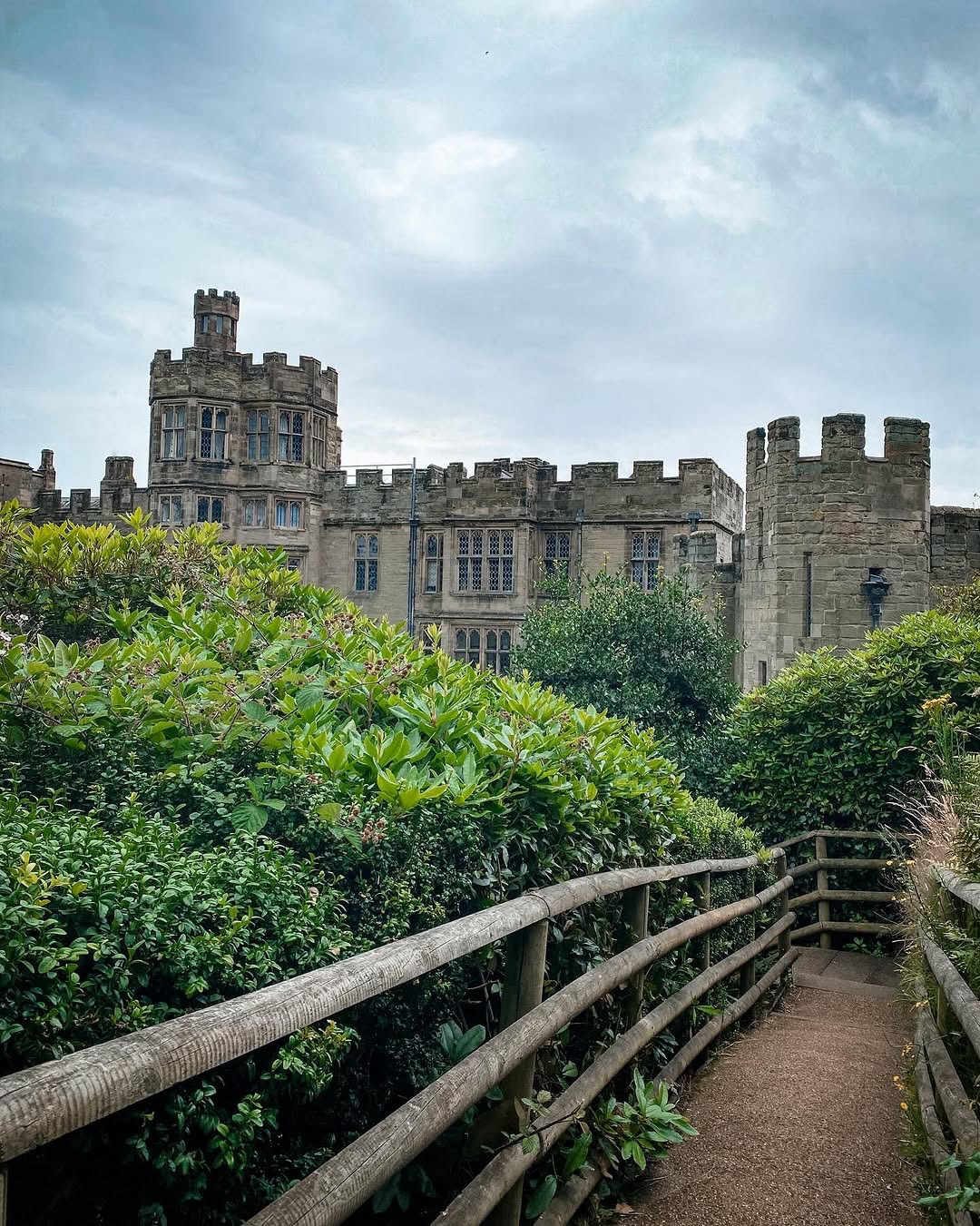
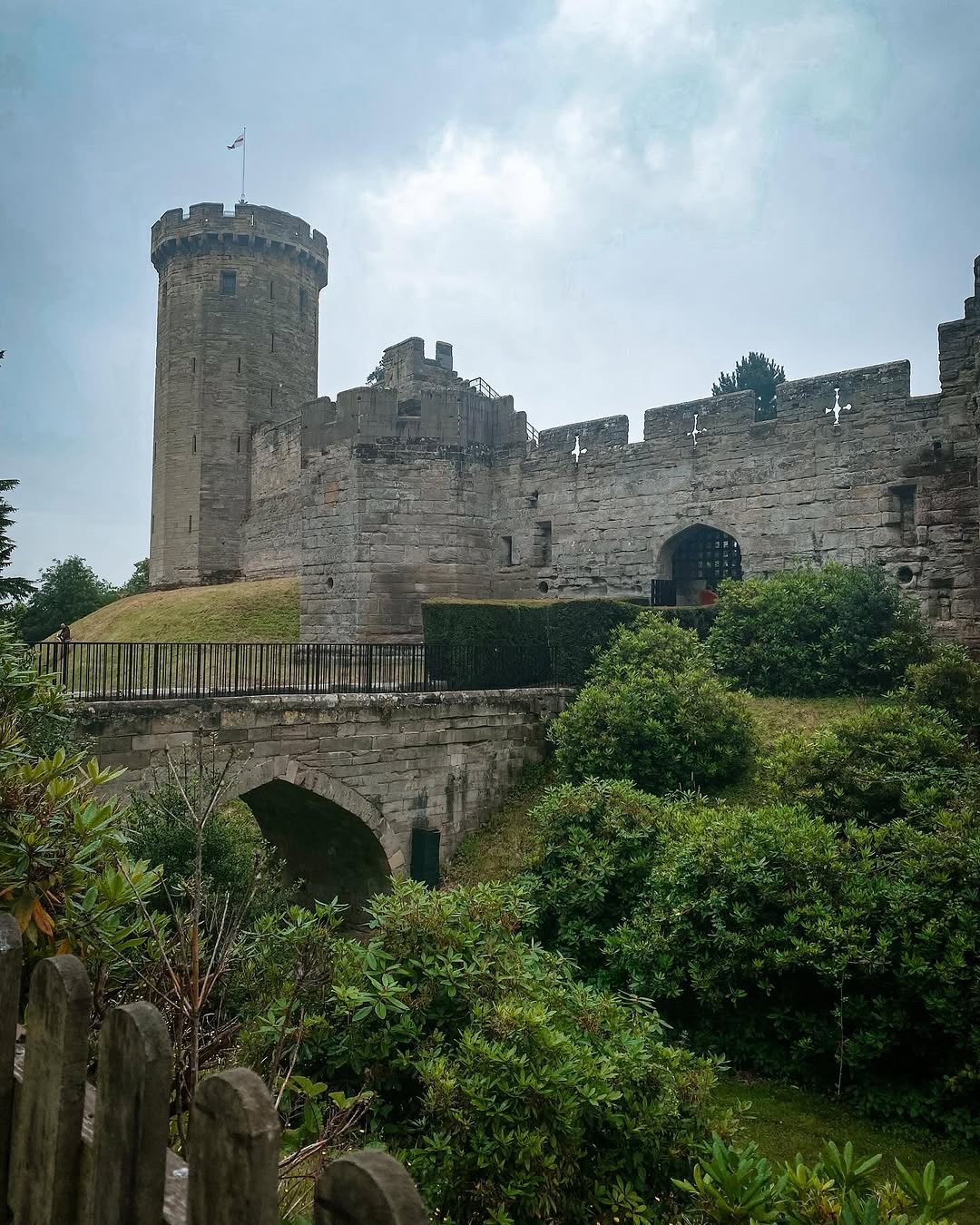
As I approached the castle, its towering stone walls and dramatic crenellated towers immediately transported me back centuries. Originally built by William the Conqueror in 1068, Warwick Castle has witnessed nearly a millennium of battles, sieges, royal visits, and political intrigue.

Even from the outside, the scale of the fortress is impressive. But it is once you step through the gates that the true magic begins.
A Day Packed with Experiences at Warwick Castle

My day at Warwick Castle was far from ordinary. It was a journey through centuries of history, drama, and grandeur.

I began by wandering through the Great Hall and State Rooms, where each space felt more majestic than the last. Suits of armor, antique furnishings, painted ceilings, and rich tapestries tell vivid stories of noble families, lavish banquets, and medieval life behind castle walls.


One of the most memorable experiences was the Castle Dungeon. This theatrical attraction blends live actors, special effects, dark humor, and real historical events to tell some of Warwick’s grislier stories. It is not for the faint-hearted, but it is incredibly engaging and surprisingly informative.

Outside, the Birds of Prey show was equally unforgettable. Watching eagles, owls, and falcons soar above the ancient towers was both dramatic and awe-inspiring, and it offered a beautiful contrast to the heavy stone surroundings.

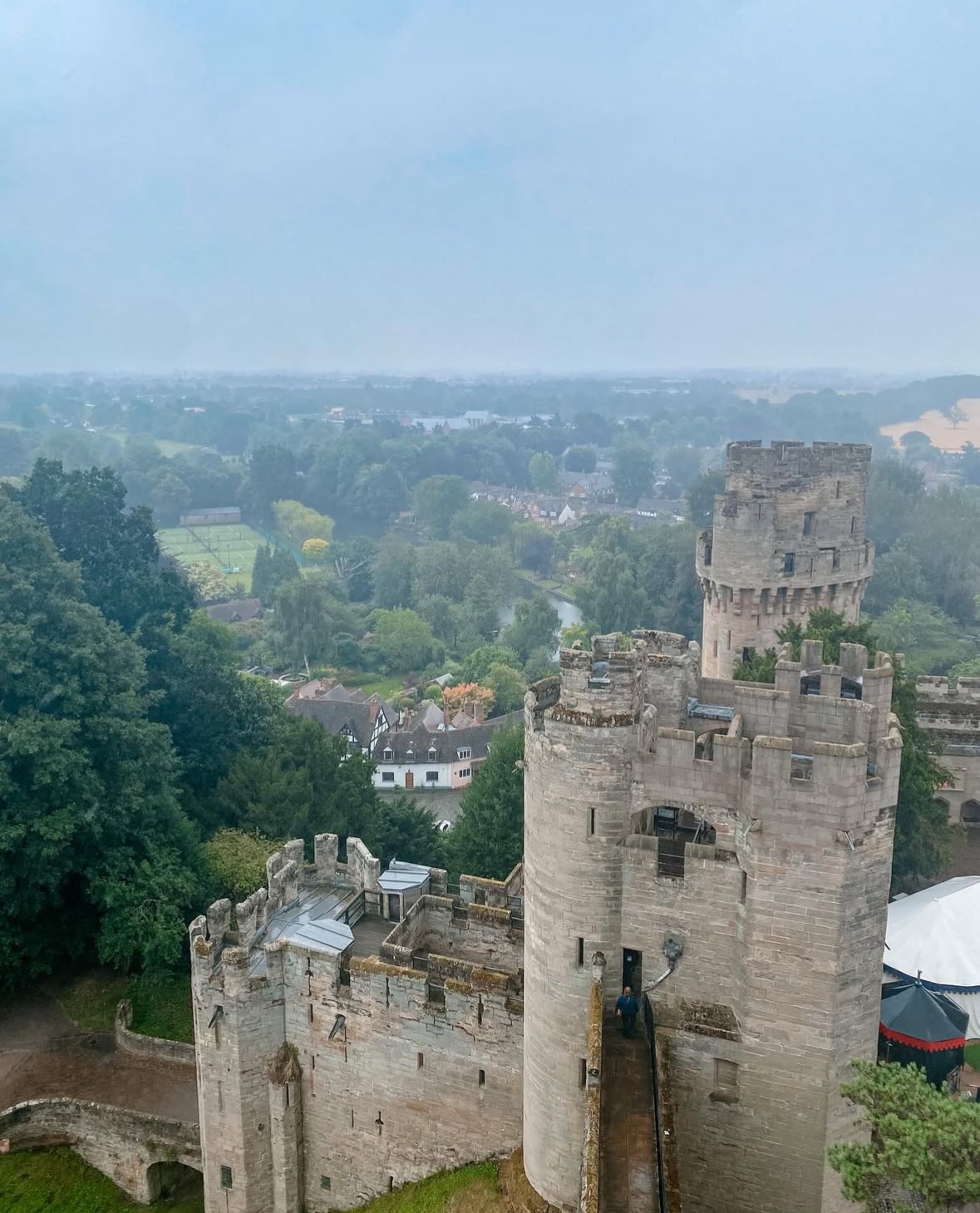
After warming up at one of the on-site cafés, I finished my visit with a climb to the castle’s towers and ramparts. As a light drizzle fell, the views over the River Avon and the rolling Warwickshire countryside were absolutely breathtaking. From above, the full scale of the castle grounds truly comes to life.
Living History and Interactive Shows

One of the things that sets Warwick Castle apart from many historic sites is how alive it feels.

Throughout the day, costumed performers brought the castle’s past to life through reenactments, storytelling, and live demonstrations. From jousting events and sword-fighting displays to medieval crafts and family-friendly activities, these moments transformed the visit from a standard sightseeing stop into a fully immersive experience.

This makes Warwick Castle especially rewarding for families, history lovers, and anyone who enjoys interactive travel experiences.

Helpful Tips for Visiting Warwick Castle

Arrive early
Warwick Castle is a large attraction with a full day’s worth of sights, shows, and interactive experiences. To make the most of your visit, I highly recommend arriving right at opening time. This gives you the best chance to explore the interiors, attend live performances, and climb the towers before the crowds build.

Allow extra time for the walk in
From the main entrance gate, it takes roughly 15 to 20 minutes to walk to the central castle grounds. Be sure to factor this into your arrival plans, especially if you have pre-booked experiences, shows, or dungeon time slots.

Download or print your Explorer Pass in advance
Mobile service around the castle can be unreliable. To avoid delays at the entrance, download your Explorer Pass to your phone before arriving or bring a printed copy with you.

Check the weather forecast
Many of Warwick Castle’s most popular events and activities take place outdoors. If rain is expected, bring a waterproof jacket or umbrella and wear sturdy footwear, as parts of the grounds can become muddy after wet weather.

Explore the on-site shops
There are several gift shops located throughout the castle grounds where you can pick up souvenirs, books, and themed gifts. If you forget to pack rain gear, some shops also sell umbrellas.

Plan a café stop
Warwick Castle has a café with indoor seating offering hot meals, snacks, and drinks. The main restroom facilities are located in this area as well, making it a convenient place to warm up, recharge, and take a short break during your visit.

Final Thoughts

Warwick Castle is not just a historical site. It is an immersive, entertaining destination that truly offers something for every type of traveler.

Having the Shakespeare’s England Explorer Pass certainly enhanced my experience, not only by simplifying entry but by encouraging me to explore more of Warwickshire’s incredible heritage. It is a region I am very much looking forward to returning to.

If you are planning a trip to England and love castles, history, and hands-on experiences, Warwick Castle absolutely deserves a place on your itinerary.
If you found this guide helpful, you can support my work by buying me a drink. Your support helps keep these travel guides coming!

Top 8 Day Trips from London by Train (2026 Guide)

Disclosure: This post contains affiliate links. This means that if you click on a link and make a purchase, I may earn a small commission at no extra cost to you. These commissions help support this blog and allow me to continue creating free travel guides and resources. As always, all opinions are my own, and I only recommend places and experiences I truly love.

London is bursting with energy, culture, and iconic sights—but sometimes, a change of scenery is exactly what you need to recharge. One of the best things about visiting or living in London is how easy it is to escape the city for a day. Thanks to the UK’s excellent rail network, you can reach historic towns, seaside resorts, and countryside gems in under two hours, with no car or overnight stay required.

Whether you are craving rolling countryside views, medieval streets, grand architecture, or fresh coastal air, there are countless unforgettable destinations just a short train ride away.

Below, I am sharing 8 wonderful day trips from London by train that are easy to reach, rich in history and beauty, and absolutely worth adding to your travel plans. I also wrote this article about how to do London on a budget.

1. Moreton-in-Marsh: Gateway to the Cotswolds

🚆 Getting there: Approx. 1 hr 28 min from London Paddington via Great Western Railway

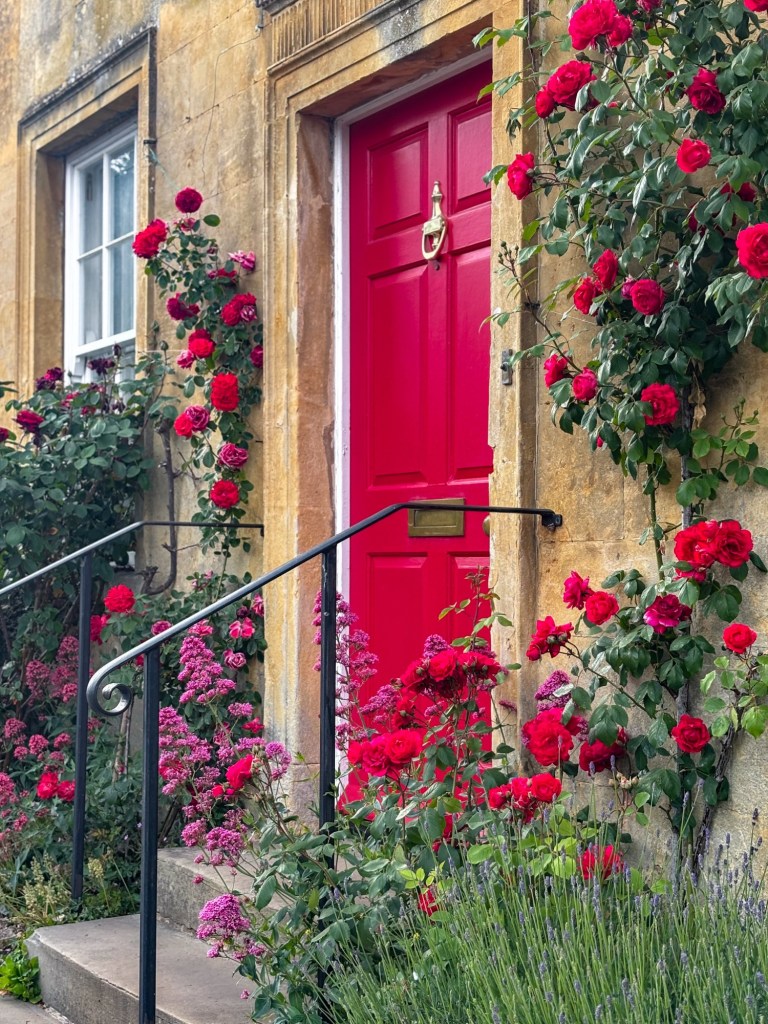
Tucked in the northern Cotswolds, Moreton-in-Marsh is a postcard-perfect market town that feels like stepping into an old English novel. Expect colored stone buildings, independent bookstores, and cozy cafés serving scones with clotted cream.

It’s a fantastic base for exploring the surrounding countryside or joining a guided tour of nearby villages like Stow-on-the-Wold and Bourton-on-the-Water.

Tip: Book a small-group tour with Go Cotswolds for a seamless, story-filled Cotswolds experience.

2. Dover: Coastal Drama & Historic Majesty

🚆 Getting there: Just 1 hour from London St Pancras International via Southeastern High-Speed (Javelin)

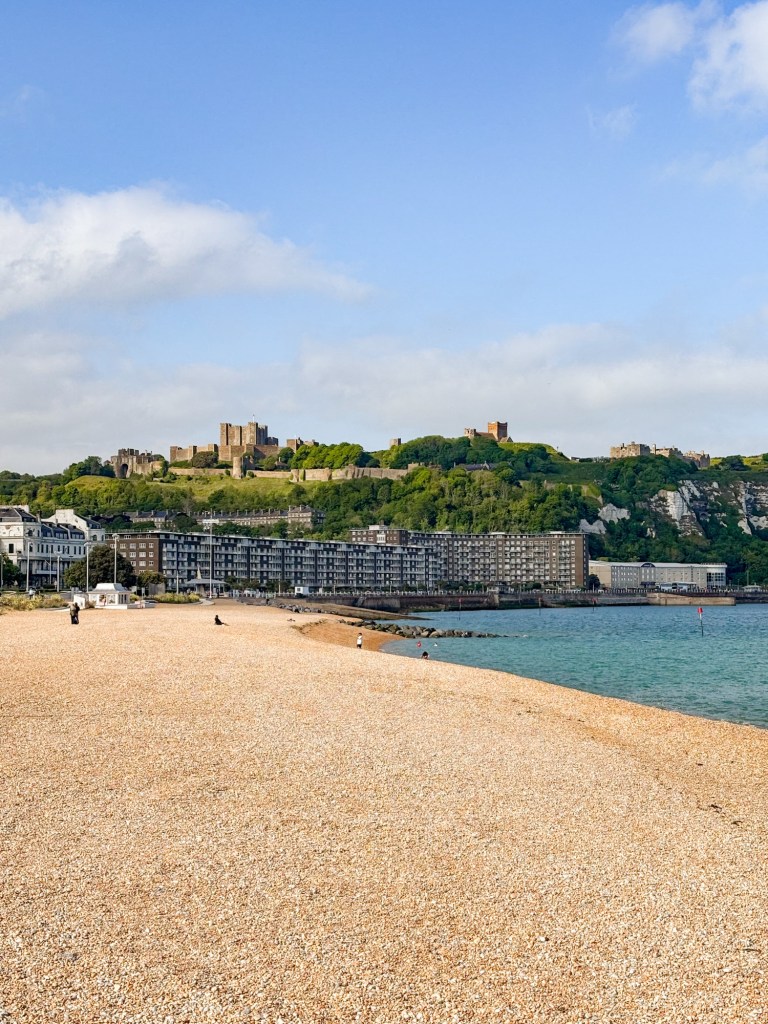
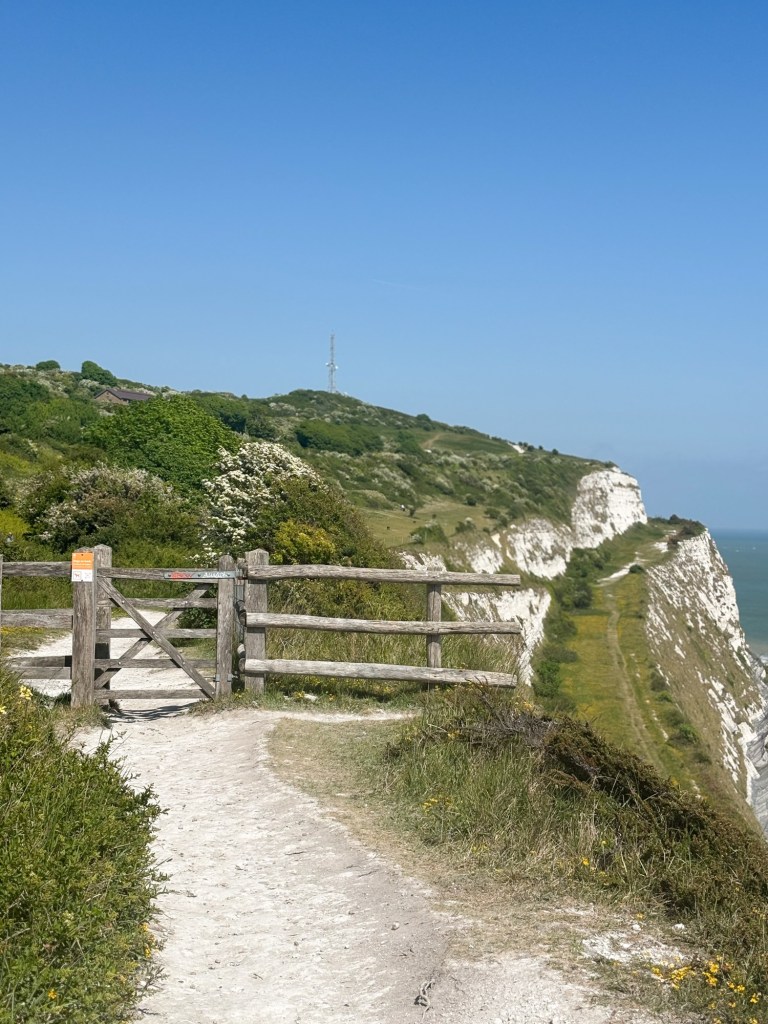
If you’ve ever wanted to stand on cliffs that seem to touch the sky, Dover is your place. Famous for its dazzling white cliffs and wartime tunnels, Dover also boasts the mighty Dover Castle, a medieval fortress offering panoramic views over the English Channel.

On clear days, you might even spot the French coastline across the water. If you are interested in a Guided Day Tour from London, then check this one out!

3. Oxford: The City of Dreaming Spires

🚆 Getting there: About 1 hour from London Paddington via Great Western Railway

History, academia, and breathtaking architecture combine in Oxford, one of the most iconic university towns in the world. Tour centuries-old colleges, visit the Bodleian Library, and stroll along the River Thames—or spot film locations from Harry Potter and Inspector Morse.

Be sure to pop into the Covered Market for local eats and handmade gifts. This tour of Oxford and its University is a best-selling one, so make sure to check it out!

4. Rye: A Real-Life Fairytale

🚆 Getting there: ~1 hr 5 min from London St Pancras via Southeastern High-Speed to Ashford, then transfer to Rye

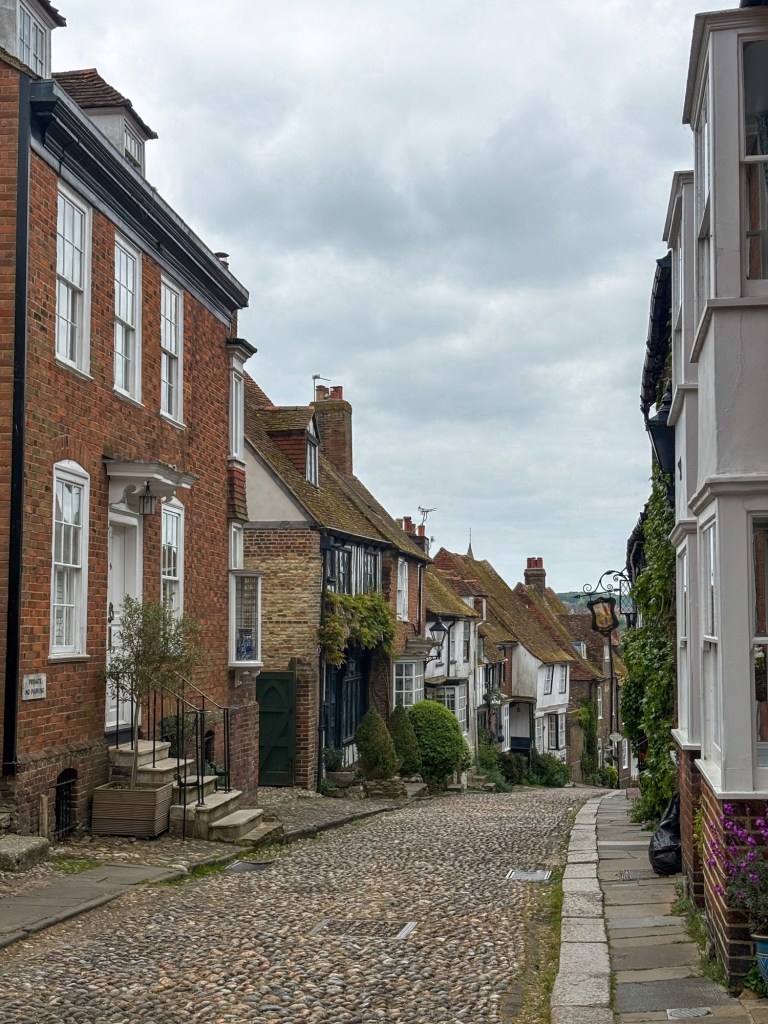
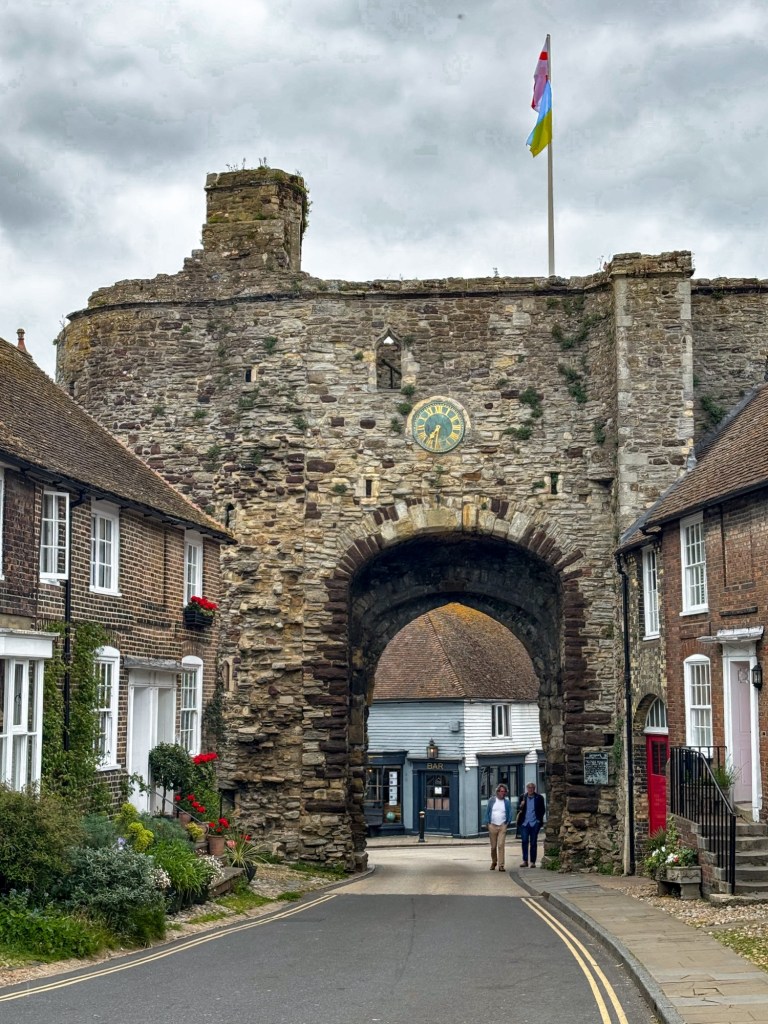
Rye is the kind of place where time slows down. Wander its cobbled lanes (like the famously photogenic Mermaid Street), admire timber-framed houses, and browse antique shops straight out of a Dickens novel.

This charming East Sussex town is rich in literary and smuggling history and just the spot for a slow, scenic day. If you would like to discover the secrets of Rye, then check out this tour!

5. Cambridge: Punting, Parks & Prestige

🚆 Getting there: A speedy 48 min from London King’s Cross via Great Northern Express

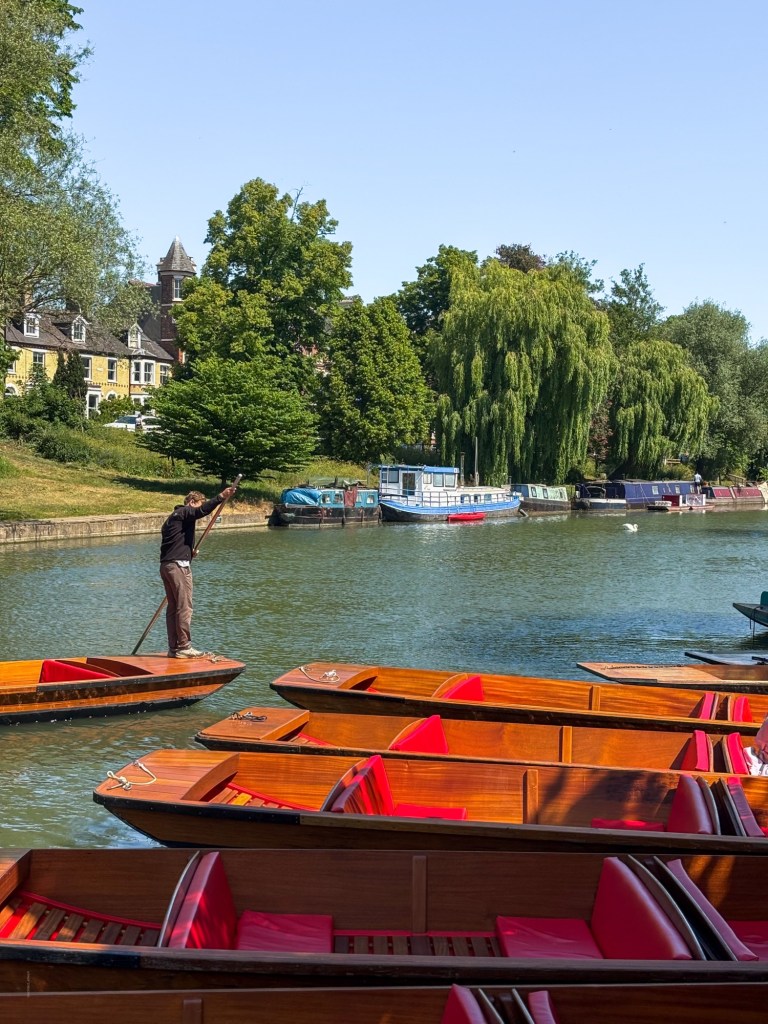
Cambridge exudes intellectual charm, with stunning college courtyards, tranquil riverside paths, and an artsy town centre. Don’t miss a chance to go punting—a flat-bottomed boat ride—on the River Cam under the famous Bridge of Sighs.

Tip: Book with Traditional Punting Company for a guided punting experience through the university’s most scenic stretches.

6. Bath: Ancient Wellness Meets Georgian Elegance

🚆 Getting there: Around 1 hr 15 min from London Paddington via Great Western Railway

Known for its Roman heritage and graceful Georgian architecture, Bath is a feast for the eyes—and the senses. Visit the Roman Baths, take a dip in a modern thermal spa, and marvel at the Royal Crescent. Jane Austen fans will especially love exploring her connections to the city. Here is a Guided City Tour you might be interested in.

7. Canterbury: A Cathedral City with Literary Soul

🚆 Getting there: Just 50 min from London St Pancras International via Southeastern High-Speed to Canterbury West

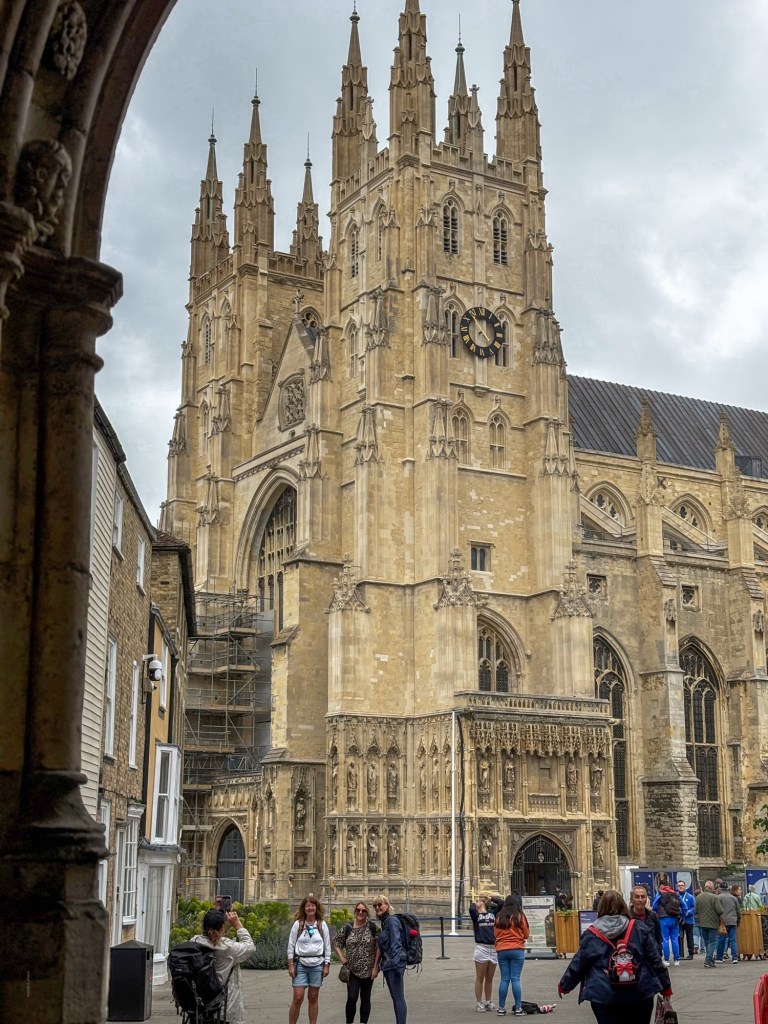
With cobblestone streets and timbered houses, Canterbury is steeped in history. At its heart lies Canterbury Cathedral, a UNESCO World Heritage Site and seat of the Archbishop of Canterbury.

Book lovers and pilgrims alike will enjoy walking in the footsteps of Chaucer’s “Canterbury Tales.” You can also book a walking tour of Canterbury with a Green Badge guide here.

8. Stratford-upon-Avon: Shakespeare’s Timeless Town

🚆 Getting there: About 2 hours from London Marylebone via Chiltern Railways (change at Leamington Spa)

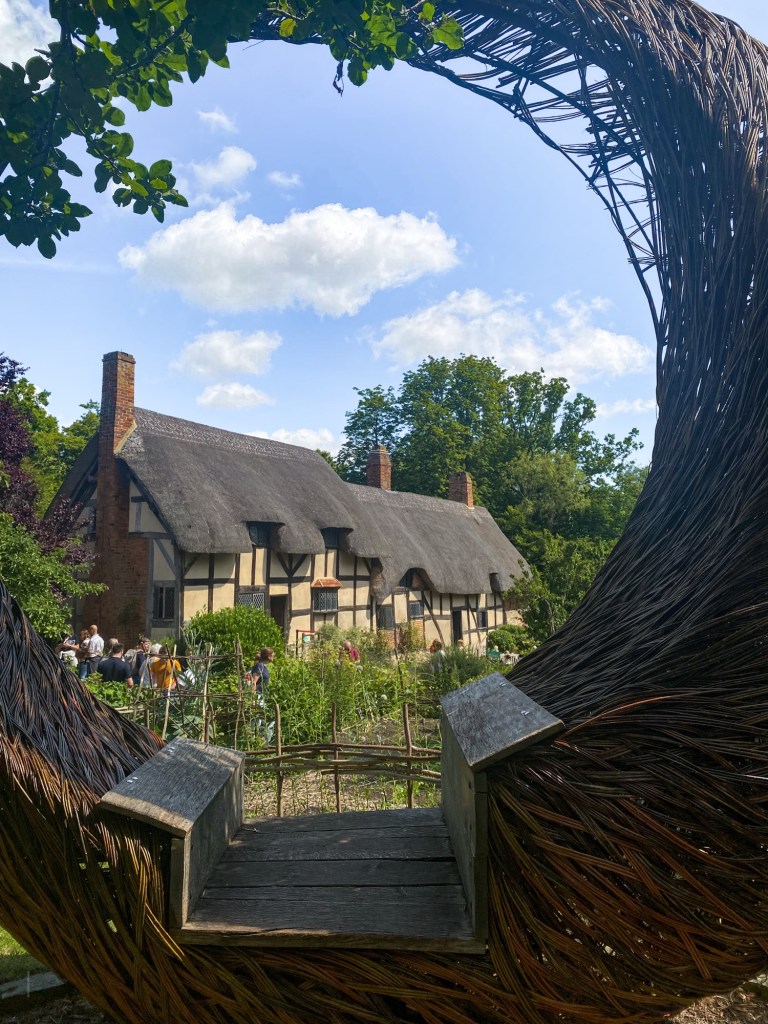
No literary pilgrimage is complete without a trip to Stratford-upon-Avon. This riverside market town is the birthplace of William Shakespeare, and his legacy lives on in the Royal Shakespeare Theatre, Shakespeare’s Birthplace, and Anne Hathaway’s Cottage.

Tip: Save money and time with the Explorer Pass from Shakespeare’s England, which grants access to multiple historic sites.

Final Thoughts

These 8 destinations offer more than just a break from London—they’re immersive, enriching, and effortlessly accessible by train. So whether you’re in the mood for rolling hills, coastal winds, or college towns with centuries of legacy, you don’t have to go far to experience the magic.

Which place are you excited the most to explore next?

Find this guide helpful? You can buy me a drink and support my work here.

Top 13 Must See Places in Bath, England (2026 Guide)

Disclaimer: This post contains affiliate links. At no extra cost to you, I may earn a small commission if you make a booking through them.

Located in the rolling hills of Somerset, Bath, England is one of the most beautiful and historically rich cities in the United Kingdom. Best known for its ancient Roman baths, elegant Georgian architecture, and literary connections to Jane Austen, Bath has been attracting visitors for over 2,000 years.

Designated a UNESCO World Heritage Site, Bath offers far more than just its famous thermal waters. Visitors can expect impressive abbeys, grand crescents, charming streets, independent shops, and a thriving café culture. Whether you are planning a weekend getaway, a spa retreat, or a literary inspired trip, Bath is a destination that rewards slow and meaningful travel. It is also a wonderful day trip option from London by train (I talk more about it in this article)

In this guide, you will discover 13 iconic places you must see in Bath, along with practical travel tips and ideas to help you plan your visit!

1. Jane Austen’s Bath Home at 4 Sydney Place

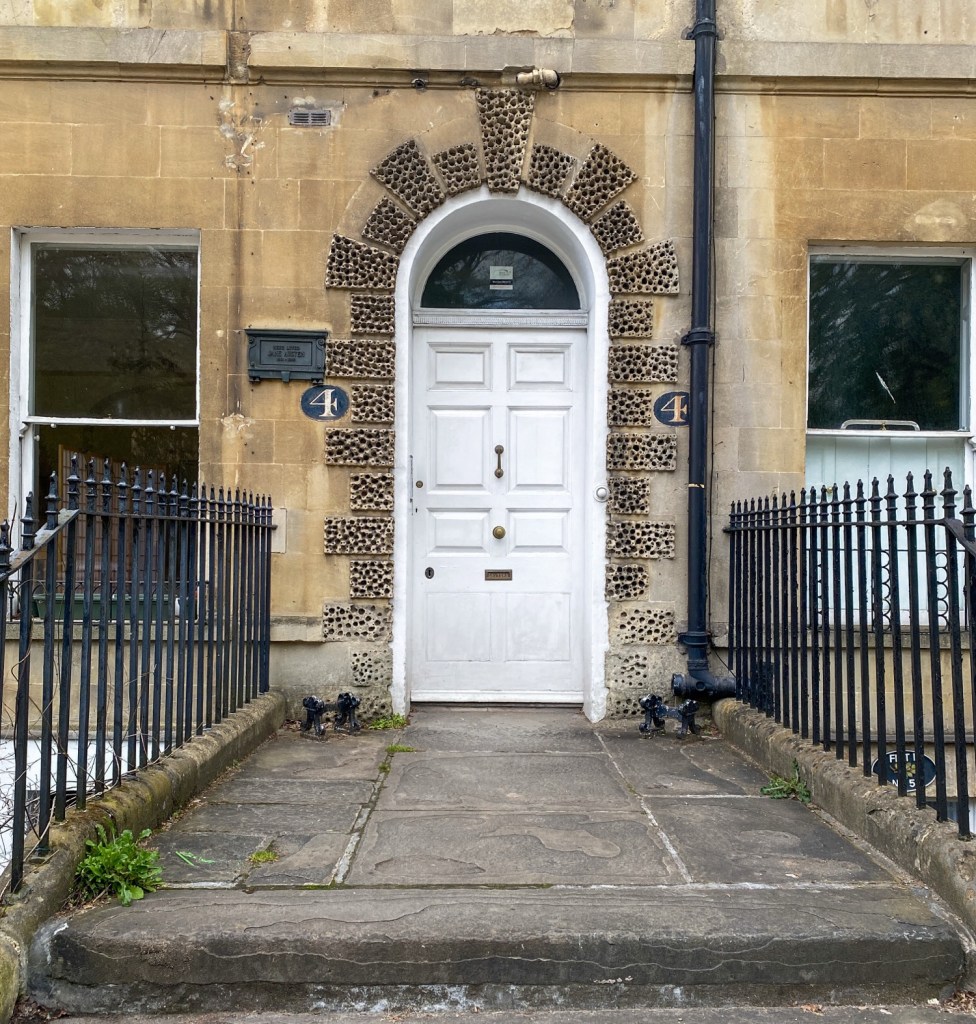
Jane Austen lived in Bath between 1801 and 1806, and although she resided in several houses, the most famous is 4 Sydney Place, located near Sydney Gardens. While the home is privately owned, many visitors stop to see the exterior and imagine Austen’s life in the city that inspired scenes in Northanger Abbey and Persuasion.

This property is occasionally available as a holiday rental, offering a rare opportunity to stay in a genuine literary landmark.

Click here to book a stay in Jane Austen’s Family Home in Bath from 1801 to 1805

2. The Royal Crescent

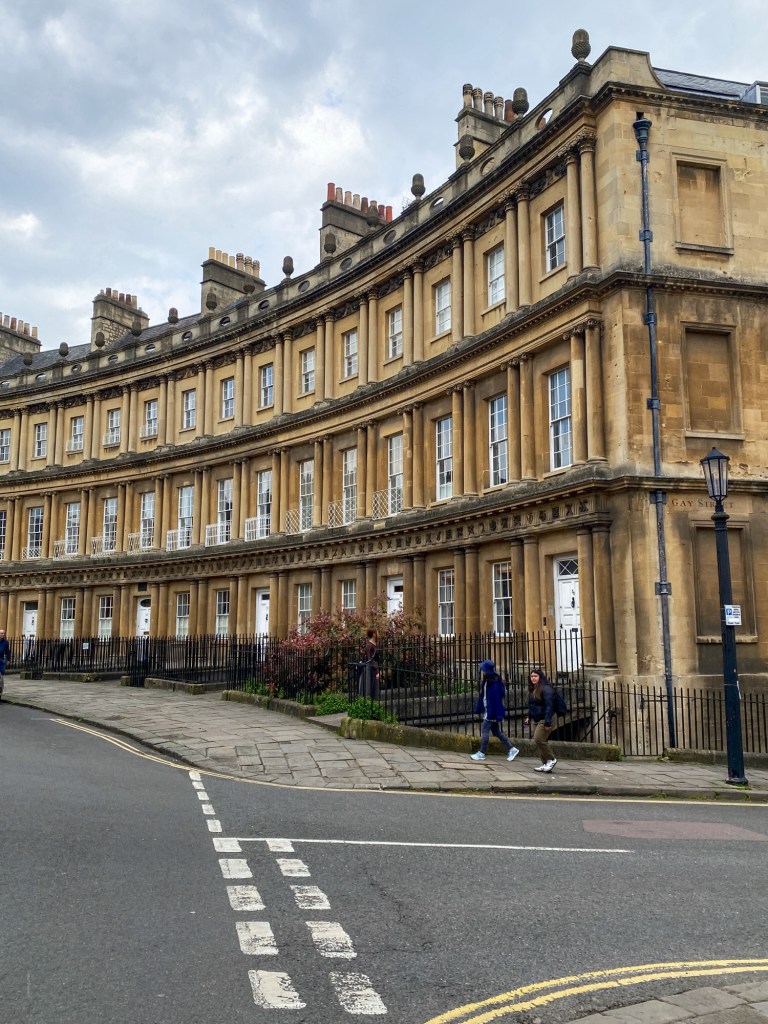
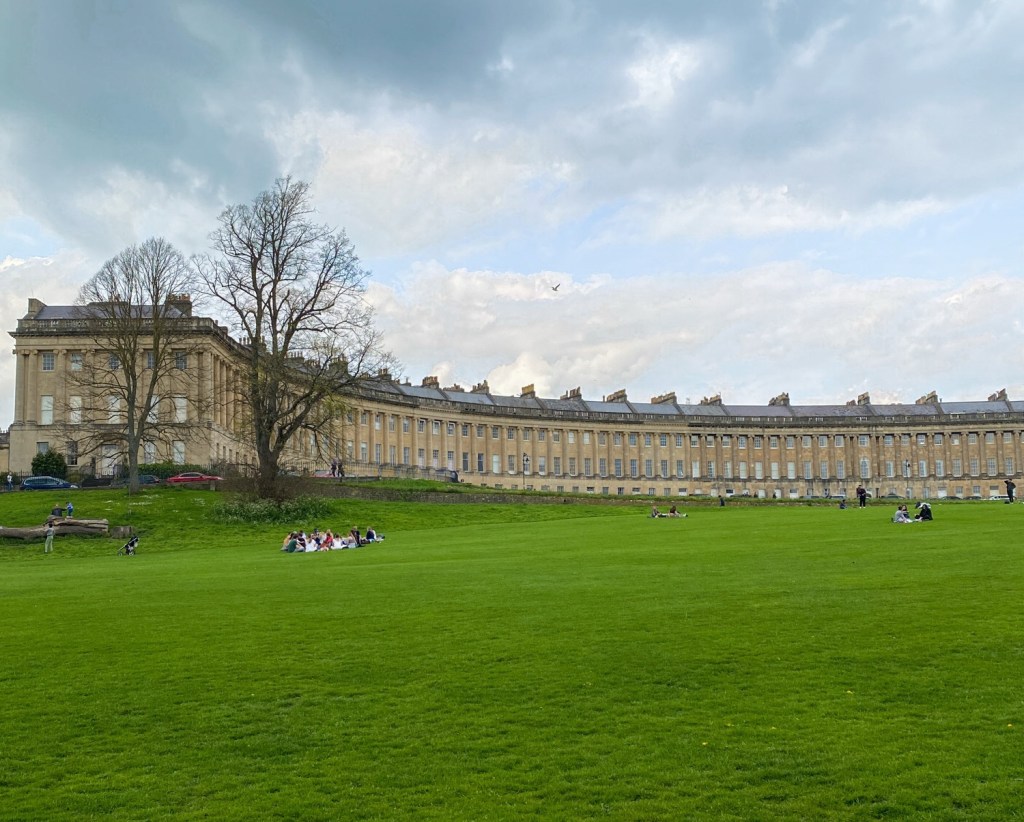
The Royal Crescent is Bath’s most iconic architectural landmark. Built in the 18th century, this sweeping curve of 30 Georgian townhouses overlooks a manicured lawn and offers one of the finest examples of Georgian design in Europe.

The Royal Crescent is also home to the No.1 Royal Crescent Museum and the Royal Crescent Hotel and Spa, both worth visiting. You can find several tours in Bath here!

3. The Georgian Garden

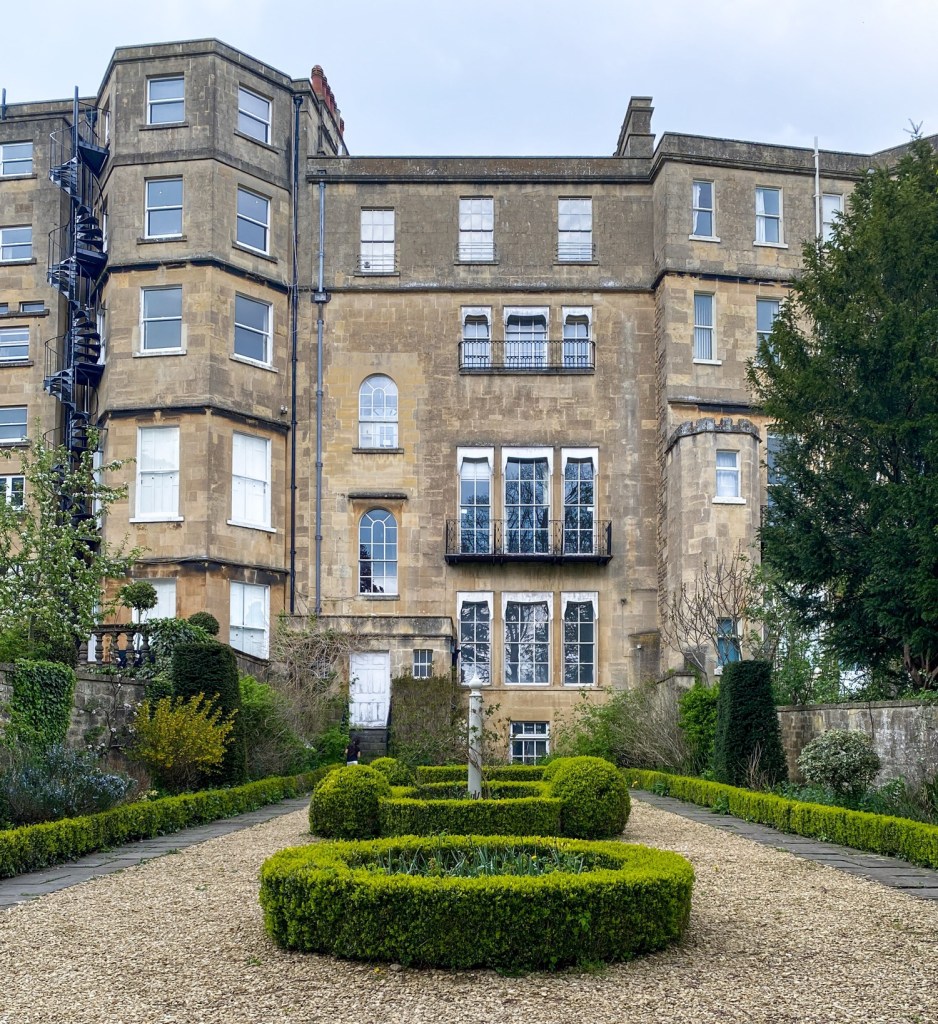
Hidden behind the Royal Crescent, the Georgian Garden recreates an authentic 18th century pleasure garden. With symmetrical planting beds, herbs, and traditional landscaping, it offers a peaceful retreat and a deeper look into Georgian lifestyle.

It is free to enter and makes a lovely addition to a Royal Crescent visit.

Click here to book a walking tour of Georgian Bath!

4. The Jane Austen Centre

Located on Gay Street, the Jane Austen Centre explores Austen’s years in Bath through exhibitions, costumed guides, and interactive displays. Upstairs, the Regency Tea Room serves traditional cream teas in period style. This is one of Bath’s most popular attractions for literature lovers!

Click here to book the “Jane Austen’s Bath And History Trail” tour, which includes FREE entry to the Jane Austen Centre

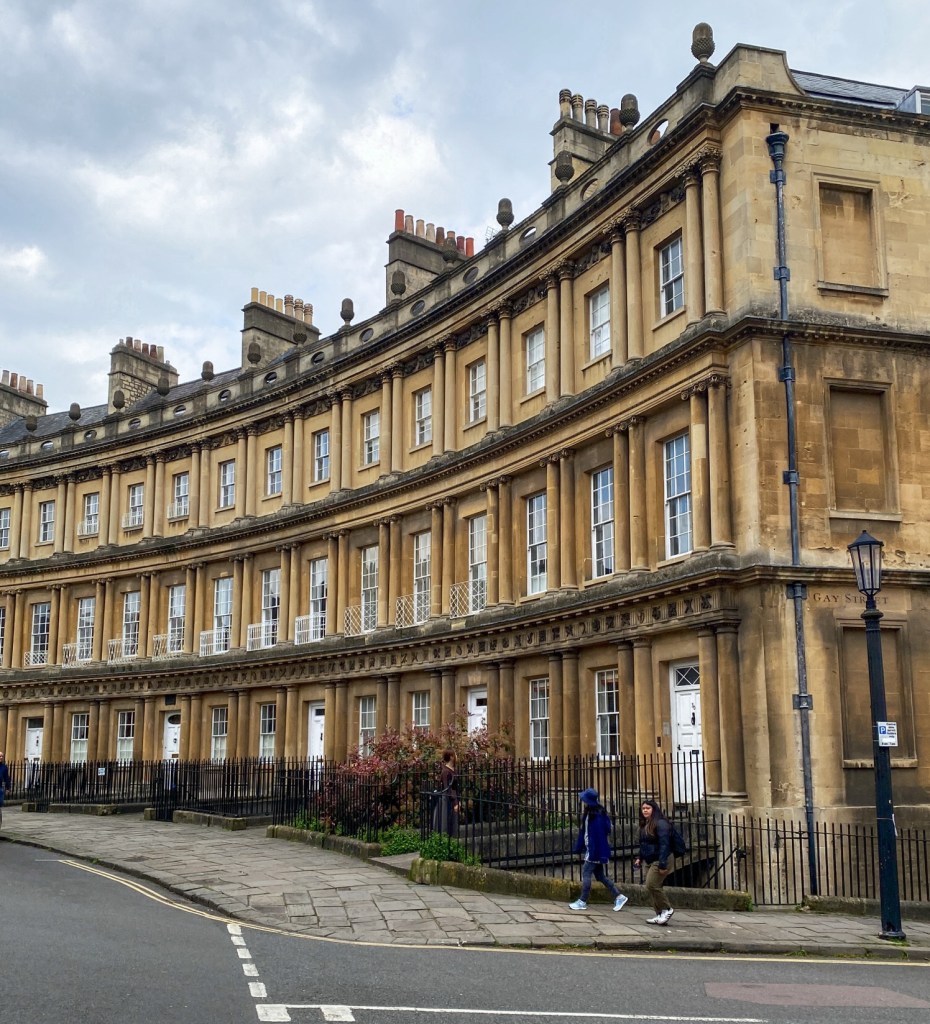
5. The Circus

The Circus is a perfectly circular terrace designed by John Wood the Elder. Its three curved segments represent classical orders of architecture and are decorated with symbolic carvings.

Famous former residents include painter Thomas Gainsborough, who lived here during the height of his career.

The Circus connects naturally to the Royal Crescent, making it an essential stop on any Bath walking route. For an architecture focused city tour, check this guided tour out here and discover Bath’s most beautiful historic buildings!

6. Sally Lunn’s Historic Eating House

Sally Lunn’s is one of the oldest houses in Bath and one of the most famous tea rooms in England. It is known worldwide for the Sally Lunn bun, a light brioche style bread served with sweet or savory toppings.

It is an ideal place to experience traditional Bath food culture.

7. The Pump Room

Once the social heart of Georgian Bath, the Pump Room was where visitors gathered to drink the mineral rich spa water and be seen by society. Today, it operates as a refined tea room offering afternoon tea and live music.

Visitors can still sample the historic spa water from the fountain!

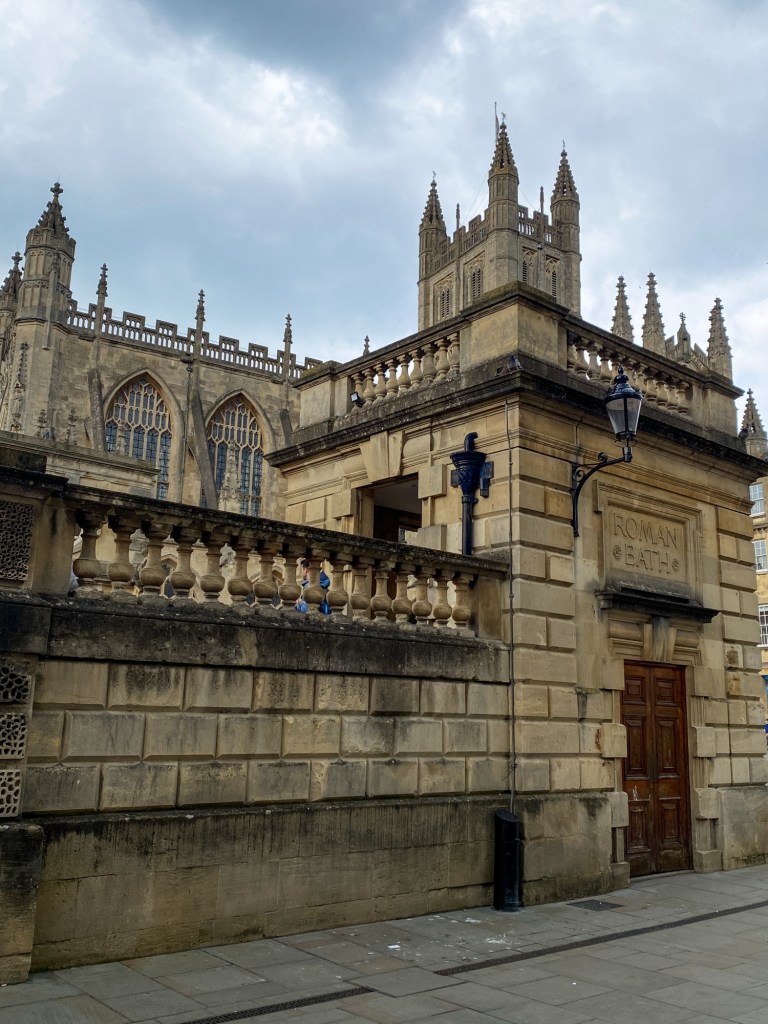
8. Bath Abbey

Bath Abbey dominates the city’s skyline and is one of the most impressive Gothic churches in the country. Its fan vaulted ceiling, stained glass windows, and historic monuments make it a must visit attraction.

The tower tour offers panoramic views over the rooftops of Bath.

Tickets can be purchased online or from the Welcome Desk on arrival at the Abbey.

9. The Roman Baths

The Roman Baths are the reason Bath exists. Built around Britain’s only natural hot springs, this ancient bathing complex dates back nearly 2,000 years.

Visitors can explore the Sacred Spring, Great Bath, Roman temple ruins, and museum galleries. The site is especially atmospheric in the evening.

Click here to book a Roman Baths and Bath city walking tour and explore Bath’s top historic sights with a local guide

10. Bath City Centre

Bath’s city centre is a UNESCO protected area filled with honey coloured stone buildings, independent boutiques, museums, cafés, and historic streets.

Popular areas include Milsom Street, SouthGate, Stall Street, and Walcot Street, known for its artisan shops and vintage stores.

You can book an Afternoon Tea at The Regency Tea Room here

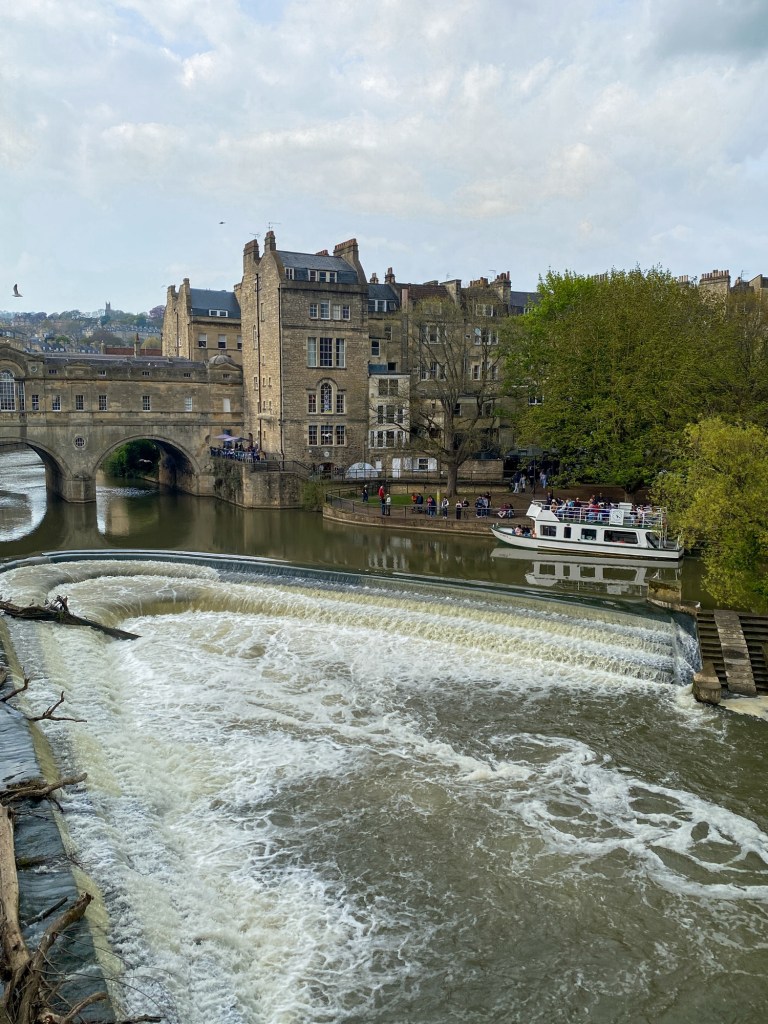
11. Pulteney Bridge

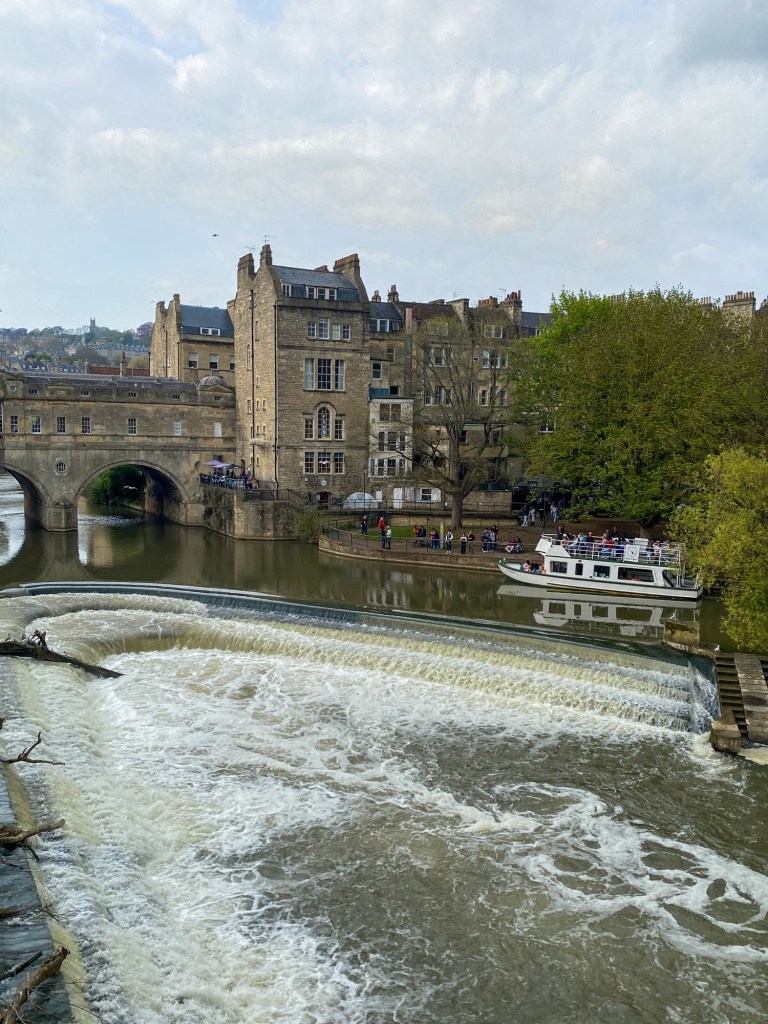
Pulteney Bridge is one of only a few bridges in the world with shops built across its full span. Inspired by the Ponte Vecchio in Florence, it crosses the River Avon and offers beautiful views in both directions.

The nearby riverside walks and boat tours add another dimension to a Bath visit.

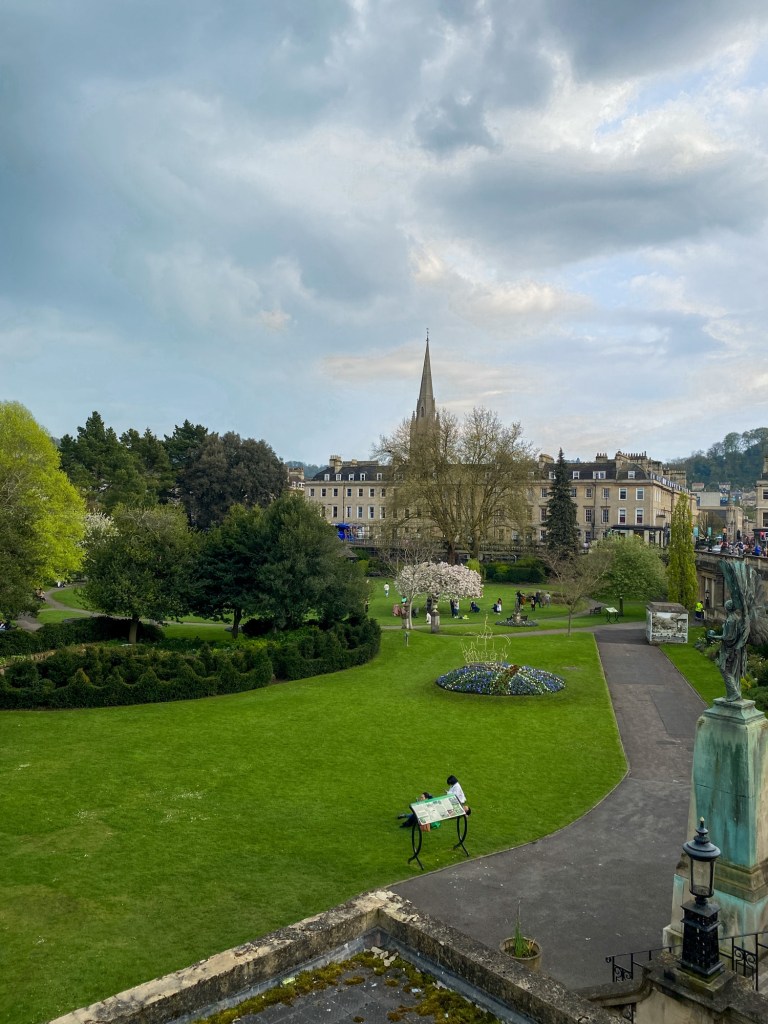
12. Parade Gardens

Parade Gardens sits along the riverbank and offers landscaped lawns, floral displays, and excellent views back toward the Abbey and Pulteney Bridge.

It is an ideal place to rest after sightseeing or to enjoy a picnic.

13. Sweet Little Things Tea Room

Sweet Little Things on Old Bond Street is a modern favorite for visitors seeking a stylish afternoon tea or brunch. Known for its floral decor, homemade cakes, and bottomless tea experiences, it appeals strongly to social media driven travel audiences.

Best Time to Visit Bath

The best months to visit Bath are April to June and September to October. During these seasons, the weather is mild, gardens are in bloom, and crowds are lighter than in peak summer.

Winter visits are also popular due to Christmas markets, spa experiences, and festive lights.

How to Get to Bath, England

Getting to Bath, England is simple and convenient.

By train

Direct trains run from London Paddington to Bath Spa in about 90 minutes. Bristol, Cardiff, and Birmingham also have excellent connections.

You can also use Welcome Pickups transfers from London or Bristol Airport.

By car

Bath is approximately two hours from London. Park and ride services are strongly recommended.

You can compare car rental options through Expedia or Booking.com. You can also check here for taxi transfers.

By coach or bus

National Express, FlixBus, and Megabus provide regular and affordable services into Bath.

Where to Stay in Bath

Bath offers outstanding accommodation options including:

Luxury spa hotels such as The Gainsborough Bath Spa and The Royal Crescent Hotel
Boutique guesthouses such as The Yard in Bath and Leighton House
Well rated budget stays including Bath YMCA Hostel and YHA Bath

Looking for more Bath accommodation? Explore listings on Booking.com!

Find this guide helpful? You can buy me a drink and support my work here.

8 Amazing Places to See in Oxford, England (2026 Guide)

Disclaimer: This post contains affiliate links. At no extra cost to you, I may earn a small commission if you make a booking through them.

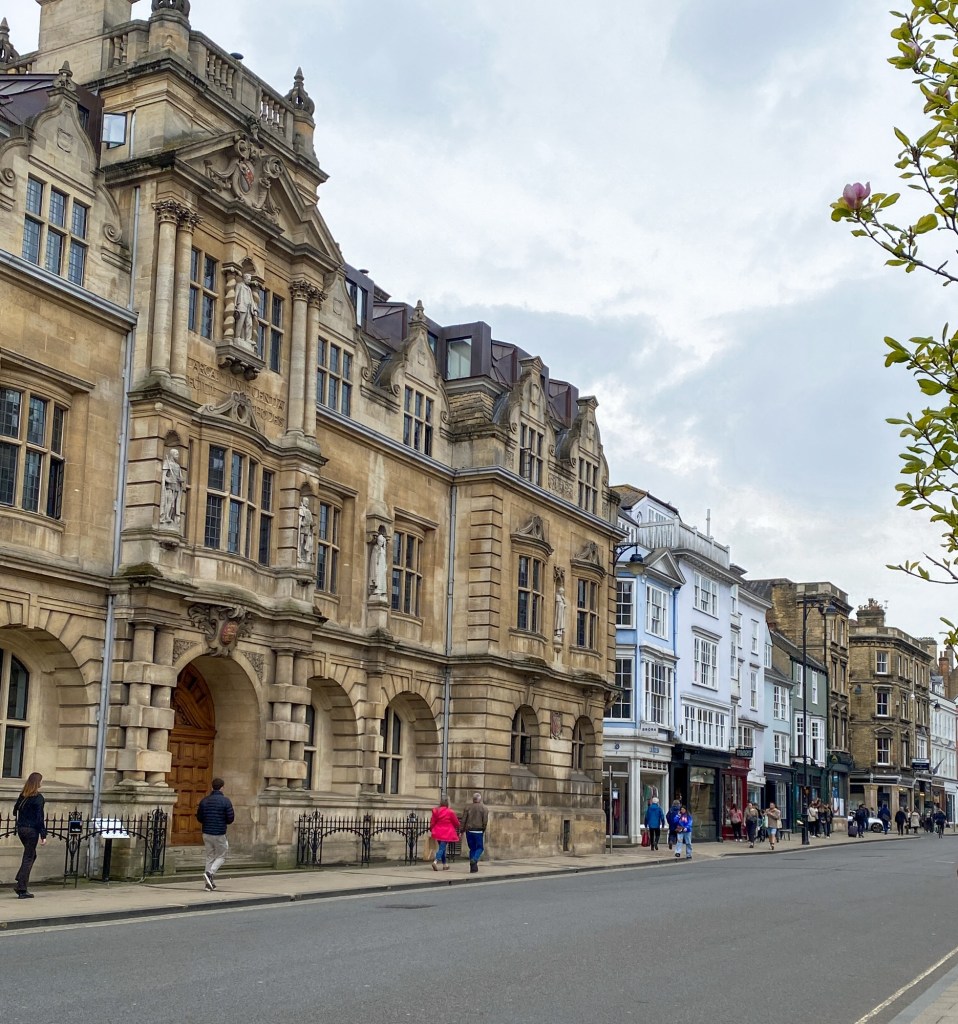
Visiting Oxford, England feels like stepping into a living tapestry of history, literature, and knowledge. With its breathtaking architecture, majestic college buildings, ancient libraries, and ivy-clad stone walls, the city exudes a peaceful yet vibrant atmosphere shaped by centuries of academic tradition and student life.

Whether you’re visiting for a day trip from London or planning a longer stay, Oxford offers a magical blend of culture, beauty, and intellectual charm. In this guide, I’m sharing 8 amazing places you must see in Oxford, along with how to get there, where to stay, and how to plan your trip easily.

Compare cheap flights to Oxford & London airports here

1. The Covered Market

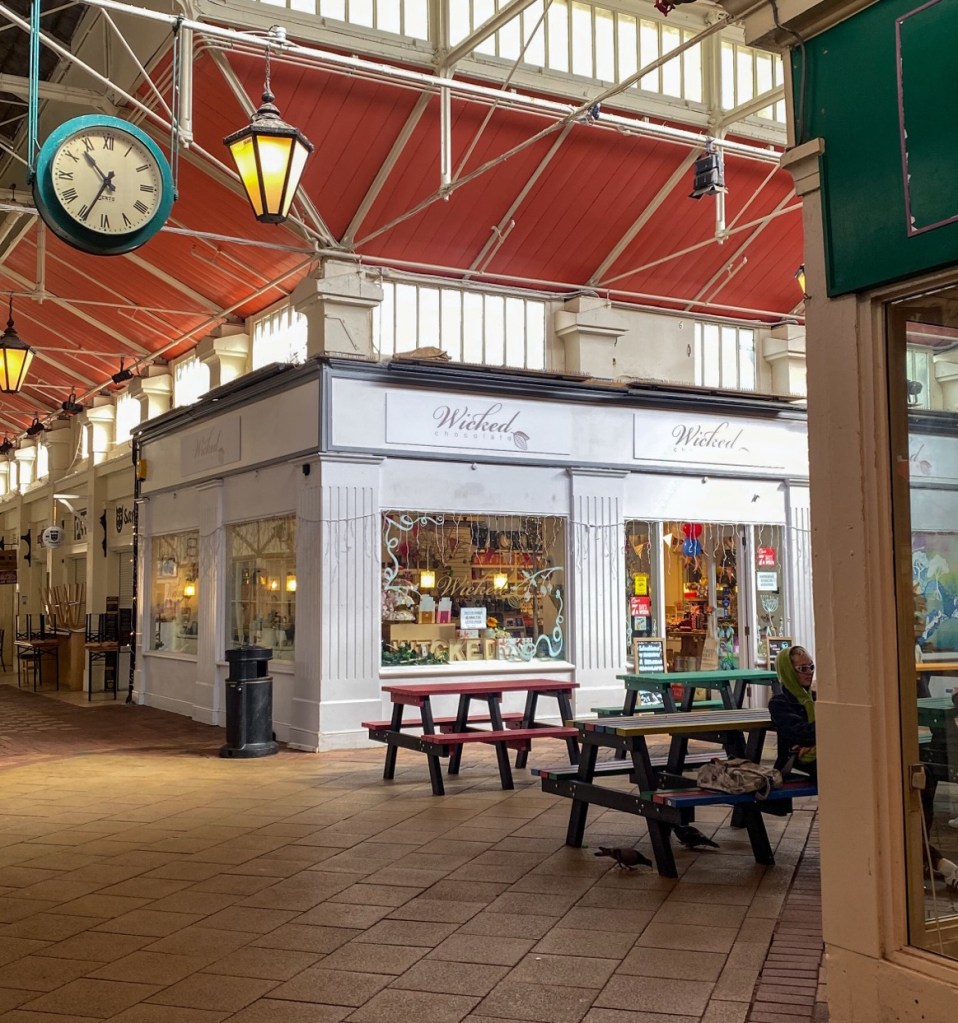
The Covered Market is one of Oxford’s most charming hidden gems. Dating back to the 1770s, this historic indoor market is filled with independent shops, florists, bakeries, boutique clothing stores, and local food stalls.

The scent of fresh pastries and coffee fills the air, and it’s the perfect place to grab lunch, pick up unique souvenirs, or escape the rain while exploring the city center.

Don’t miss: Ben’s Cookies, local craft shops, and the historic cake counters.

2. Turl Street

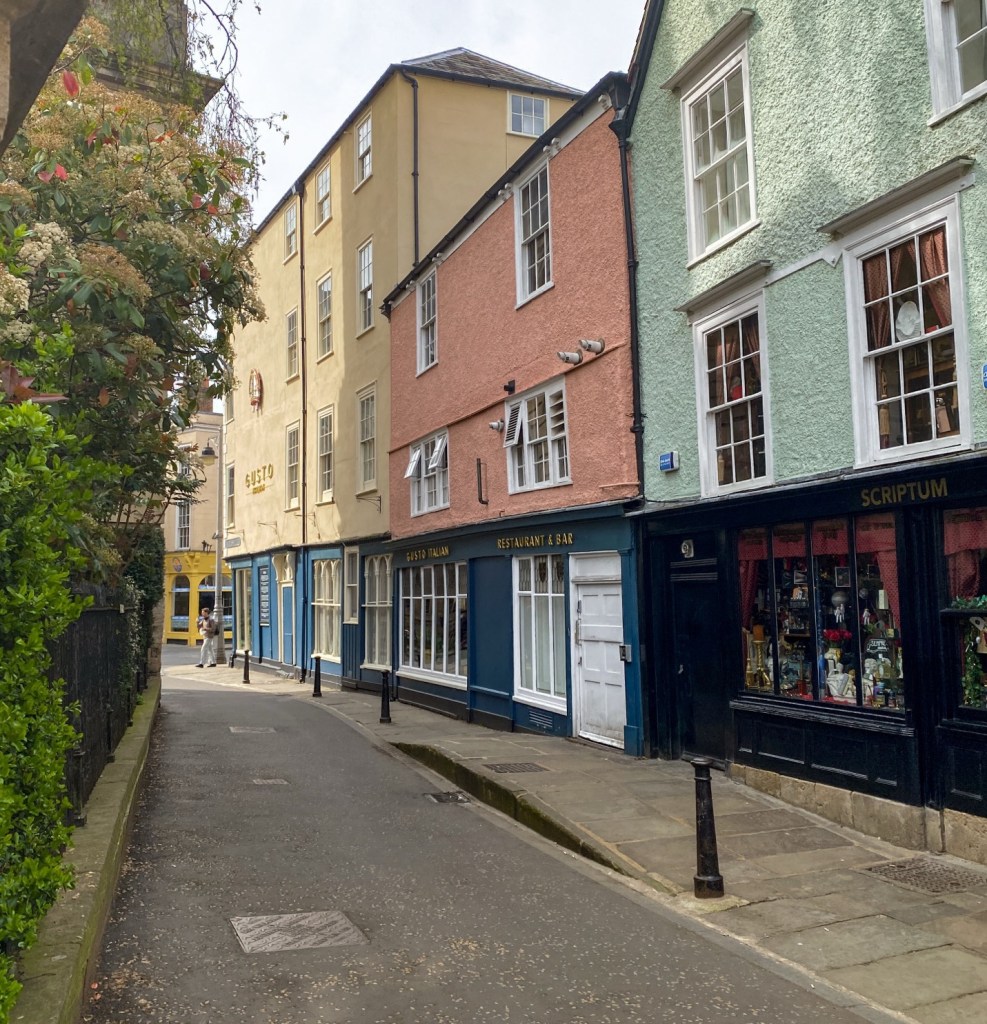
Turl Street is one of Oxford’s most picturesque historic lanes. Lined with beautiful college buildings such as Exeter College, Lincoln College, and Jesus College, it feels wonderfully timeless.

This narrow cobbled street offers a quieter escape from the busy main roads while still placing you right in the academic heart of Oxford. Cozy cafés and centuries-old facades make it an ideal photography spot.

Browse Oxford tours and experiences here

3. St. Mary’s Passage (Narnia Connection)

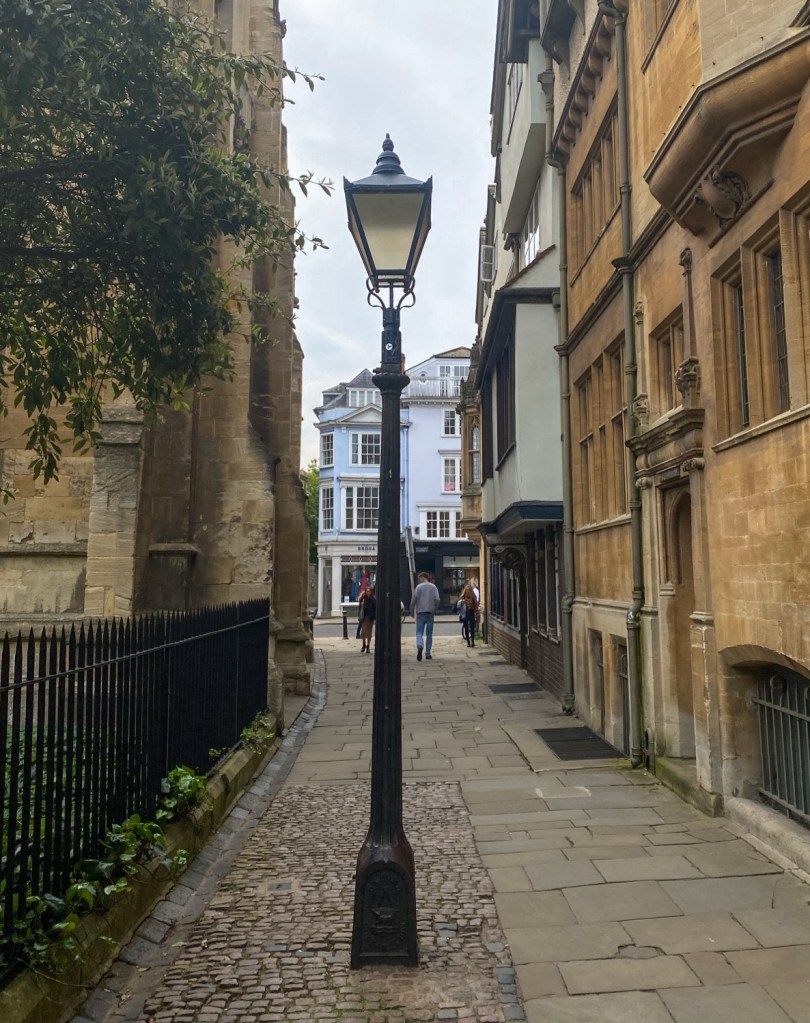
This narrow, enchanting walkway between the University Church of St Mary the Virgin and the Radcliffe Camera is often overlooked, yet it’s one of Oxford’s most magical corners!

St. Mary’s Passage is famously linked to C.S. Lewis and The Chronicles of Narnia. A carved lion’s head, stone fauns, and a nearby lamppost are all believed to have inspired elements of The Lion, the Witch and the Wardrobe.

Victorian lamp post which is said to have inspired C.S. Lewis in his book The Lion, the Witch and the Wardrobe

To book a self-guided audio tour about Oxford’s literary legends and landmarks, click here

4. Radcliffe Square

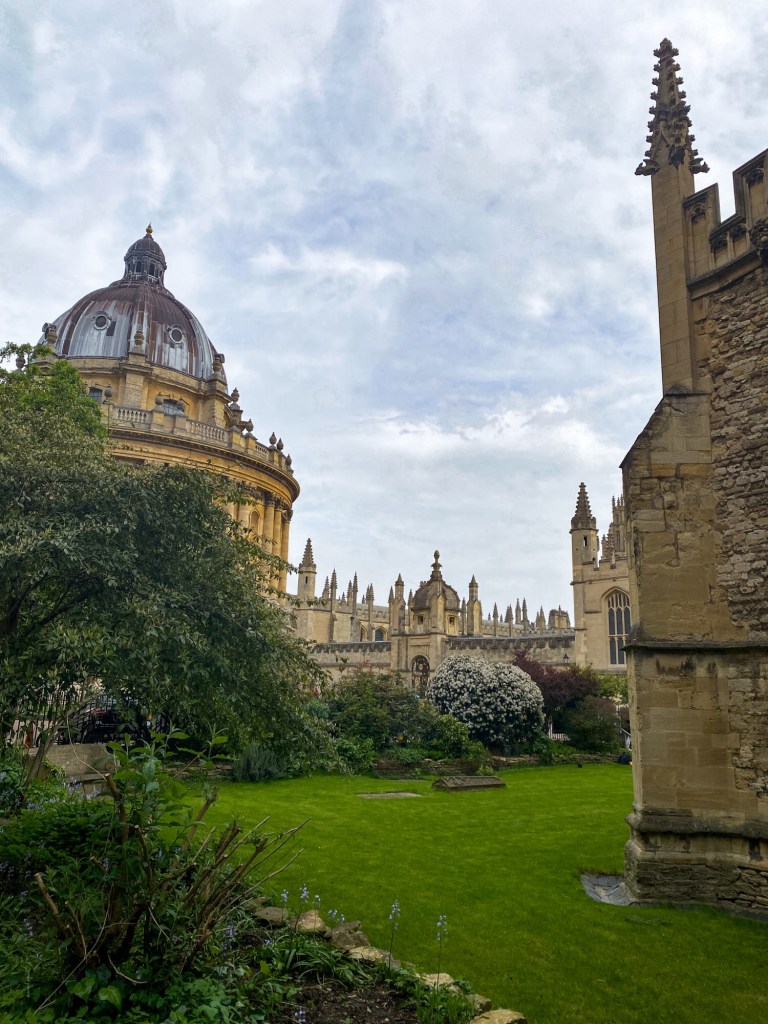
Radcliffe Square is one of the most iconic locations in Oxford. Surrounded by architectural masterpieces, including the Radcliffe Camera, All Souls College, and the University Church, this area feels like the living heart of the university.

Every angle offers postcard-worthy views, making it one of the best places in Oxford for photography.

The Radcliffe Camera, locate at the center of Radcliffe Square

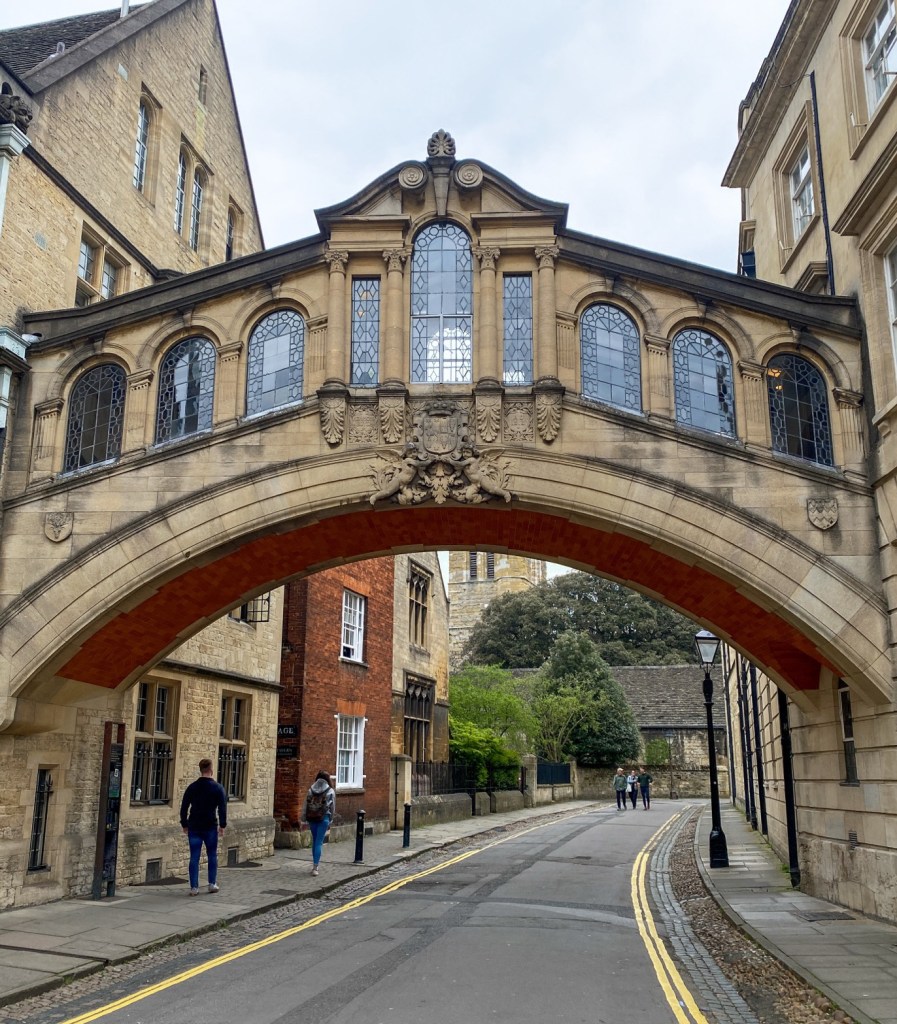
5. The Bridge of Sighs (Hertford Bridge)

Oxford’s Bridge of Sighs connects two parts of Hertford College over New College Lane. Built in 1914 and inspired by Venice, it is one of the city’s most photographed landmarks!

It adds a romantic, fairy-tale feel to the historic streets and is especially beautiful in early morning light.

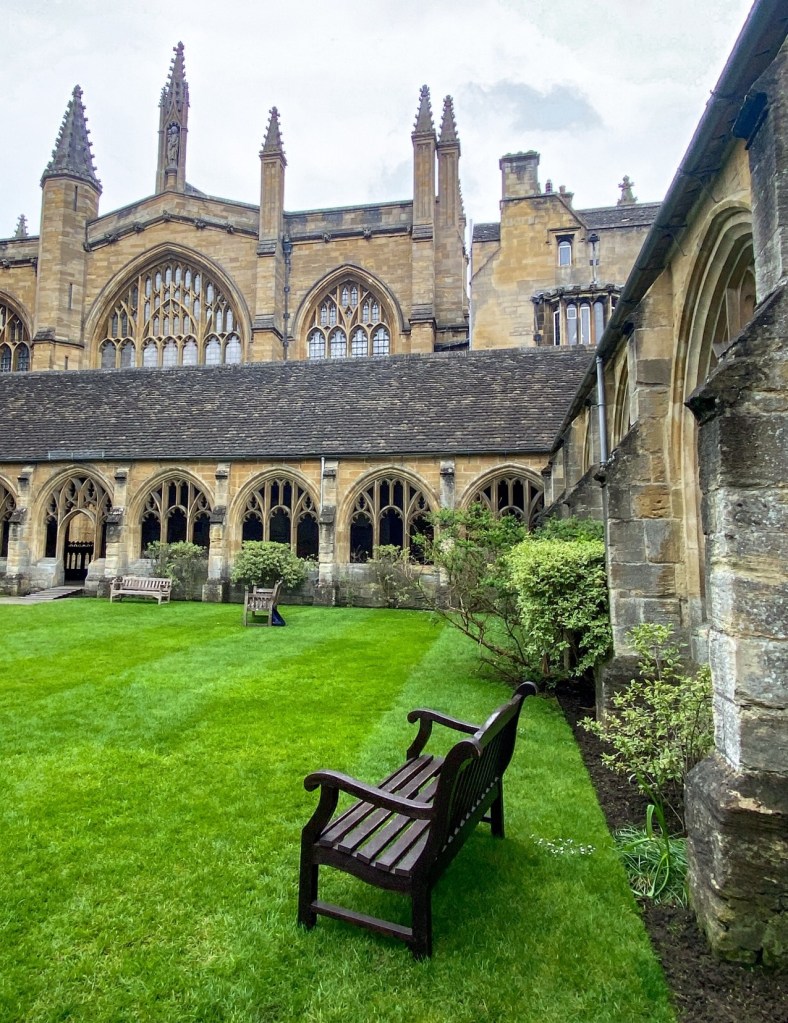
6. New College

Founded in 1379, New College is one of Oxford’s most impressive and peaceful colleges. Behind its high stone walls you’ll find:

  • Medieval cloisters
  • A magnificent chapel
  • One of Oxford’s oldest gardens
  • Sections of the original city wall

New College is also a Harry Potter filming location, making it especially popular with fans.

To book a private tour of the college, click here

7. Christ Church College

Christ Church is one of Oxford’s most famous colleges and a highlight of any visit. Founded in 1546, it features:

  • Christ Church Cathedral
  • The iconic Tom Tower
  • Grand meadows and river walks
  • The legendary dining hall that inspired Hogwarts

This college alone can easily fill several hours of exploration.

Book a guided Christ Church & Oxford University tour here

8. St. Edmund Hall

Known affectionately as “Teddy Hall,” St. Edmund Hall dates back to the 13th century and is one of Oxford’s oldest academic institutions.

Smaller and quieter than many colleges, it offers a wonderfully intimate atmosphere, beautiful medieval architecture, and a peaceful garden perfect for slowing down and soaking in Oxford’s academic soul.

How to Get to Oxford, England

Oxford is extremely easy to reach from anywhere in the UK.

By Train

Direct trains run frequently from London Paddington and Marylebone. Journey time is around 1 hour. I usually book my tickets with Trainline.

By Bus

The Oxford Tube and National Express offer frequent, budget-friendly connections from London and Heathrow Airport.

By Car

Oxford is about 1.5 hours from London via the M40. Park-and-ride services are highly recommended.

You can compare car rentals here (click on the “car rental” option)

Where to Stay in Oxford, England

Oxford offers accommodation for every style and budget.

Extra Travel Tips for Oxford

  • Best time to visit: April–June & September (pleasant weather, fewer crowds)
  • Wear comfortable shoes – Oxford is best explored on foot
  • Book popular colleges and tours in advance
  • Consider travel insurance for UK trips

Oxford is a city that rewards slow exploration, every alleyway, courtyard, and college seems to hide another story waiting to be discovered.

Are you planning a trip to Oxford? Let me know in the comments which place you’re most excited to see!

Enjoyed this guide? You can buy me a warm drink here and support my travels & writing!

8 Brontë Places to Visit in Haworth, West Yorkshire (2026)

Disclaimer: This post contains affiliate links. This means I may earn a small commission at no extra cost to you if you make a purchase through my links.

Home to the famous Brontë sisters, Haworth attracts literary lovers from all over the world each year. With its historic cobbled Main Street, the iconic Brontë Parsonage, and the sweeping Yorkshire moors, Haworth is the perfect place to step back into the world that inspired Jane EyreWuthering Heights, and Agnes Grey.

In this guide, I am sharing eight essential Brontë related places you cannot miss when visiting the village of Haworth in West Yorkshire, England. You can also check out my article titled “7 Lovely Walks to Take in the Village of Haworth, England” to expand this guide and discover scenic village strolls, moorland paths, and Brontë-inspired walking routes.

Click here to find your next accommodation in Haworth.

1. Brontë Parsonage Museum

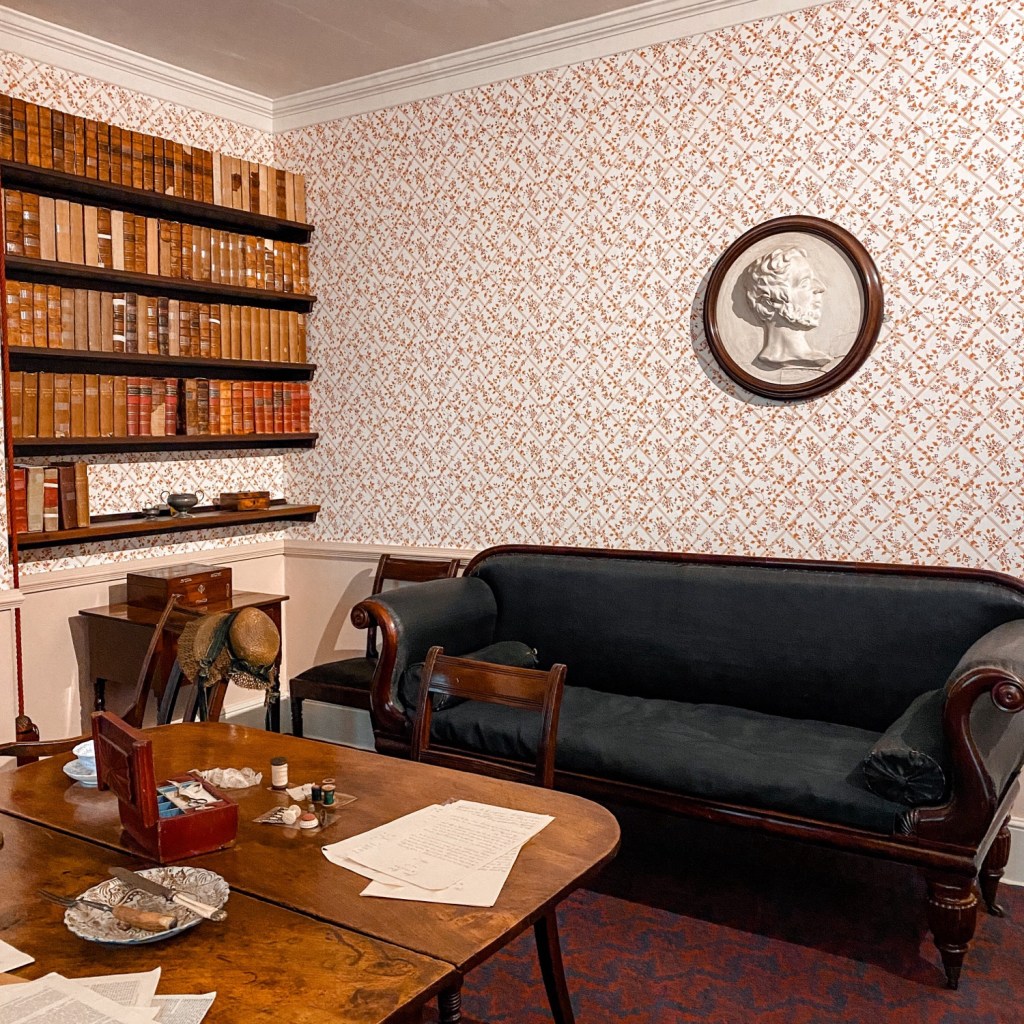
The Brontë Parsonage, where Charlotte, Emily, and Anne Brontë lived and wrote their famous novels, sits at the top of Haworth’s Main Street. It is now a museum run by the Brontë Society.

In 1820, Patrick Brontë arrived here with his wife Maria and their six children after being appointed minister of St Michael and All Angels’ Church. This became the family home for the rest of their lives and the place where some of the most important works of English literature were written.

Today, visitors can explore the preserved rooms, personal belongings, manuscripts, and furniture that bring the Brontës’ world to life. You can book your tickets to visit the Parsonage here or, if you would rather visit on a private tour, book this one right here.

2. St Michael and All Angels Church

Located right next to the Parsonage, St Michael and All Angels Church is where most of the Brontë family are buried, with the exception of Anne.

Although the church was largely rebuilt in 1879, the tower dates back to the 15th century, and the site itself is much older. Patrick Brontë served as minister here from 1820 until 1861. Inside, you can find memorials to the family, and outside, the churchyard offers a peaceful place for reflection.

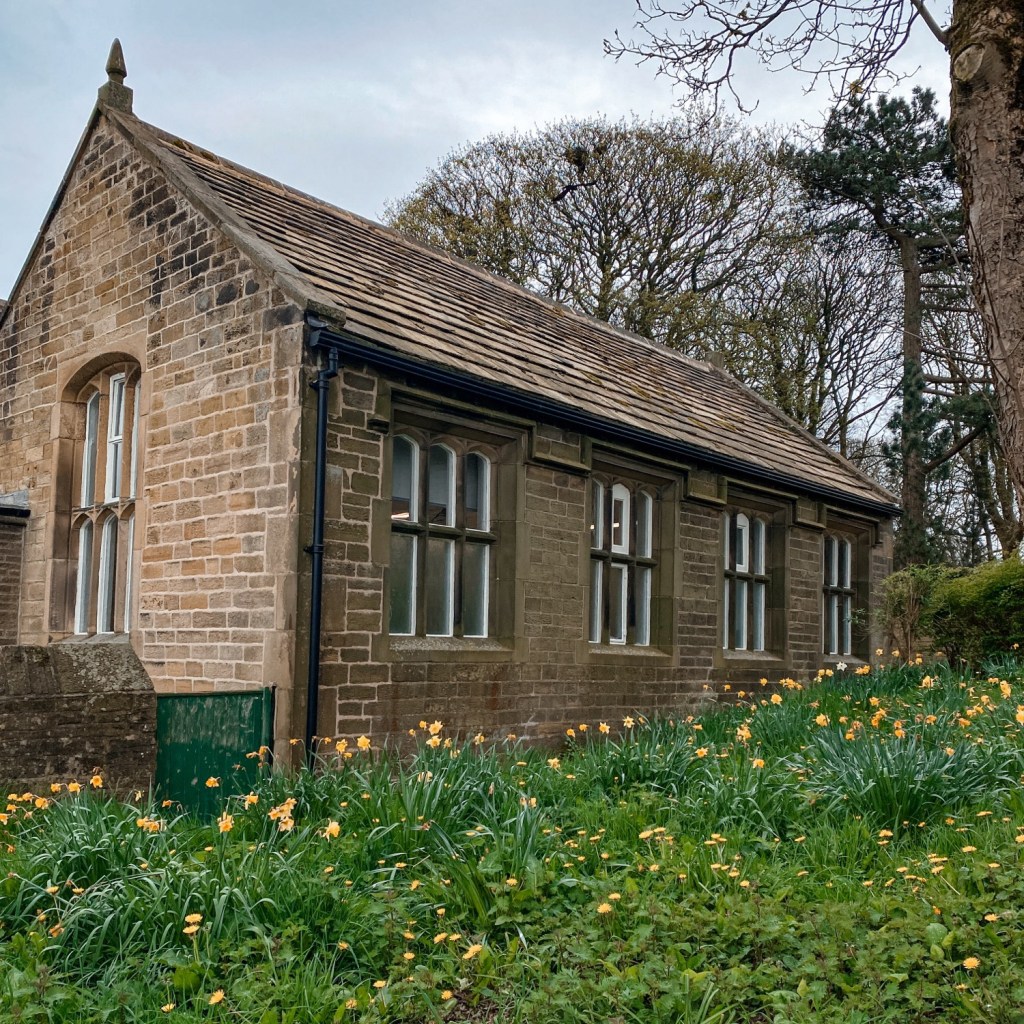
3. The Old School Room

Built by Patrick Brontë in 1832, the Old School Room was taught in by Charlotte, Emily, Anne, and Branwell. Patrick founded the school to provide education for poorer children in the parish.

Today, it stands as one of Haworth’s most important historic buildings and has been managed by a small charity since 2011. It is sometimes open to visitors and also available to hire for events.

4. Top Withens

Top Withens is a ruined farmhouse on the Pennine Way, widely believed to have inspired the setting of Wuthering Heights. It is one of the most popular walks from Haworth and takes you deep into the dramatic moorland landscape that influenced Emily Brontë’s writing.

The walk is just as memorable as the destination, with incredible views and a strong sense of solitude that truly connects you to the Brontë world.

5. Brontë Waterfall

The Brontë Waterfall is another beautiful and atmospheric place to visit. It takes around 45 minutes to walk here from Haworth Main Street, or about 25 minutes from Penistone Hill Country Park, where free parking is available.

The terrain becomes rocky near the waterfall, so good footwear is recommended. While not suitable for wheelchairs or strollers, it is a rewarding walk for those who enjoy countryside paths.

6. Haworth Main Street

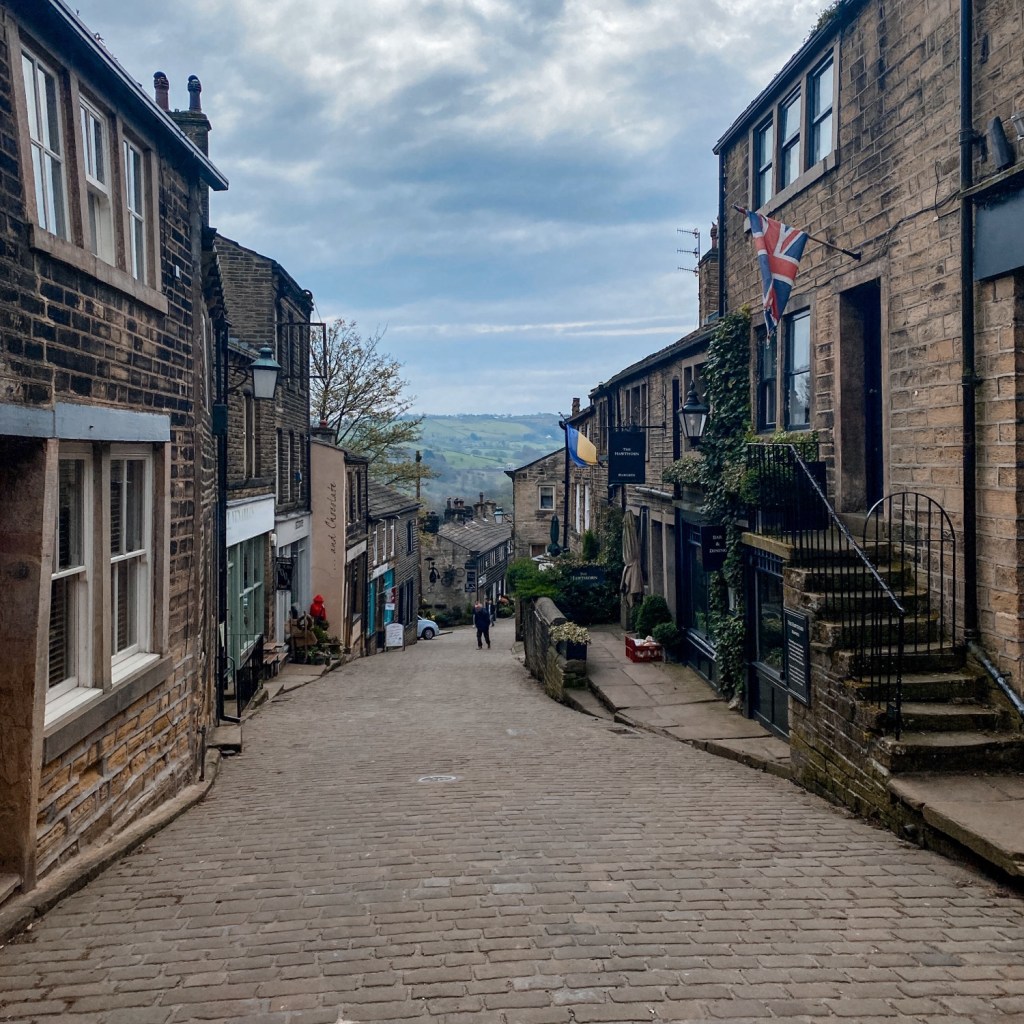
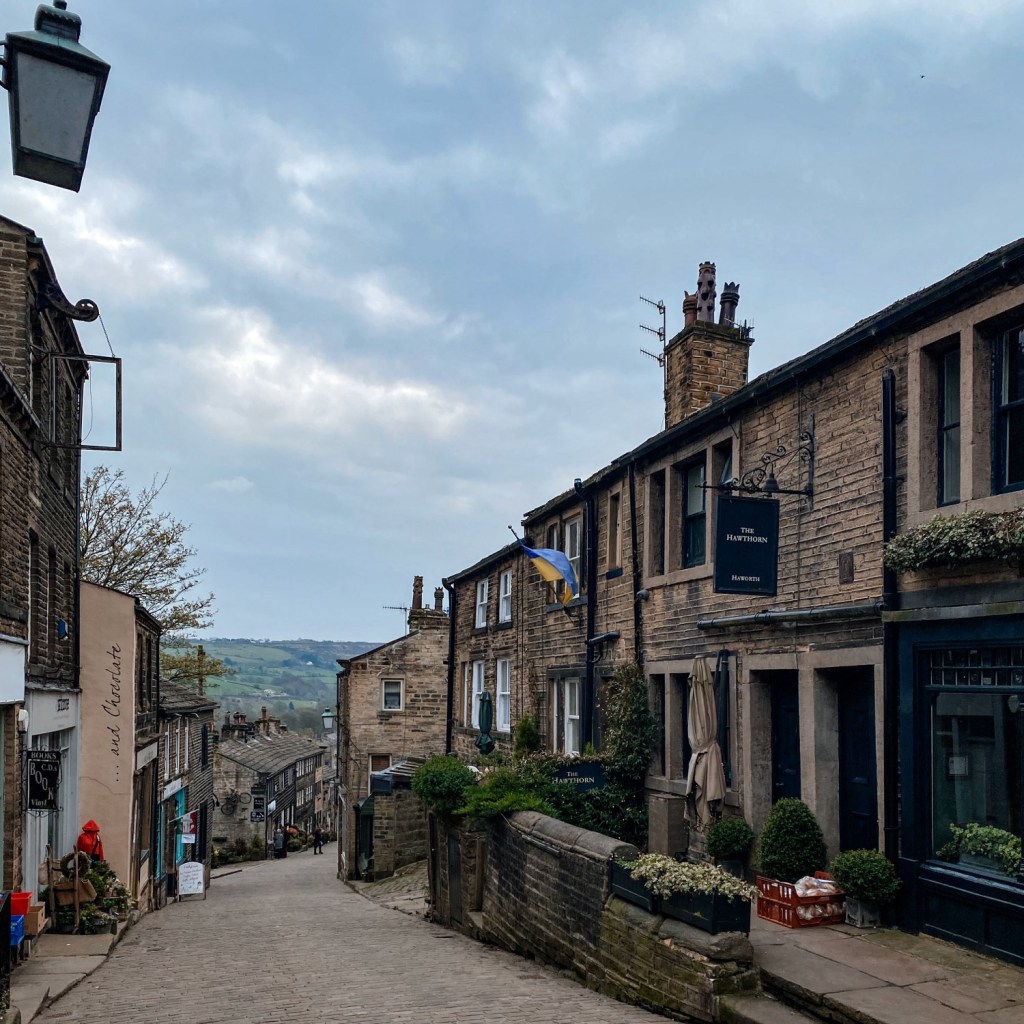
Haworth’s steep cobbled Main Street is one of the most iconic streets in Yorkshire. Established in 1851, it is lined with independent shops, tearooms, bookshops, and traditional pubs.

At the top of the street stands the Black Bull pub, one of Haworth’s oldest drinking establishments. Branwell Brontë was a frequent visitor, and the original Masonic chair he used is still displayed on the staircase. The pub also appeared in the BBC drama To Walk Invisible, which explores the lives of the Brontë siblings.

7. The Apothecary Guest House

During my visit to Haworth, I stayed at The Apothecary Guest House, and it was a wonderful experience. Located directly on Main Street and just steps from the Parsonage, it is perfect for a Brontë themed stay.

The rooms are decorated with Brontë inspired artwork, and the breakfast room overlooks a lovely garden. Guests can enjoy a full English or Irish breakfast, as well as vegetarian and vegan options. Free parking is included, though during the day the building operates as a tea room, so parking is temporarily unavailable until it closes.

You can book the Apothecary Guest House here

8. The Brontë Birthplace in Thornton

A short drive from Haworth lies the Brontë birthplace in Thornton, near Bradford. Charlotte, Emily, and Anne were born here in front of the parlor fireplace.

The house has recently been saved and is now in public ownership for the first time in its 200 year history. Restoration work was completed in 2025, and it includes a community cafe and restored rooms where visitors can walk in the footsteps of the Brontë children. You can learn more about the Birthplace and opening times here.

You can also book a Bronte, Wuthering Heights & Jane Eyre Tour with GetYourGuide here! (Departs from Windermere or Oxenholme)
If you found this Brontë guide to Haworth helpful or inspiring, you can support my work by buying me a warm drink. Your support helps me continue creating detailed travel guides and literary inspired itineraries.

7 Lovely Walks to Take in the Village of Haworth, England (2026)

Disclaimer: This post contains affiliate links

Home to the famous Bronte Sisters, Haworth attracts visitors from all over the world every year. Located in West Yorkshire, the village is surrounded by moorland and situated atop the Pennine moors. Known for the Bronte Parsonage, its historic cobbled Main Street and its steam railway, Haworth is surely to captivate your heart from the first moment you set foot in it.

7 Lovely Walks to Take in the Village of Haworth, England

Although the Parsonage and steam railway are a huge reason why people come to Haworth, I believe there is so much more one can take from this lovely village. With its historic cobbled streets and charming facades, the picturesque village of Haworth will make you feel as if you have stepped into another era in time. To fully soak in Haworth’s history and charm, there is nothing like a walk around the village’s paths and streets for contemplation. That is why I am sharing these 7 lovely walks you can take in the village of Haworth, England. I am confident you will enjoy these recommendations!

Haworth Main Street

The beautiful Main Street in Haworth was established in 1851, and was recorded as the home to 130 people all involved in the textile industry. Today, the cobbled Main Street has an excellent selection of independent shops and restaurants for you to discover and explore. Some famous stores and pubs include Mrs Beighton’s Sweet Shop, The Cabinet of Curiosities, Hunters of Haworth, and The Black Bull.

Church St

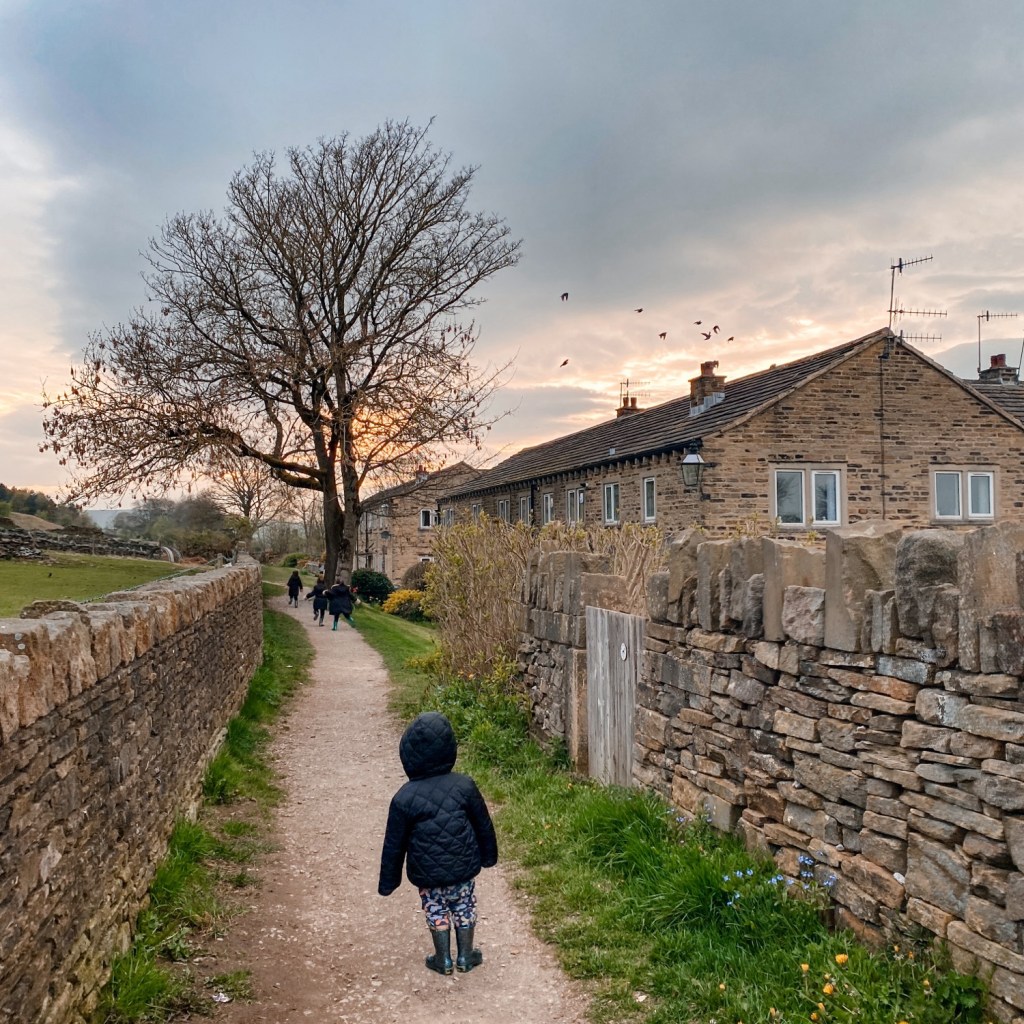
Church St is one of the lanes that connects to Main Street from the west side and is home to several landmarks in the village, including St. Michael and All Angels Churchyard, the Old School, and the Bronte Parsonage. Church St then continues its course towards open fields, where one can contemplate some lovely cottages on one side of the street, and the green and lush horizon on the other.

Butt Lane

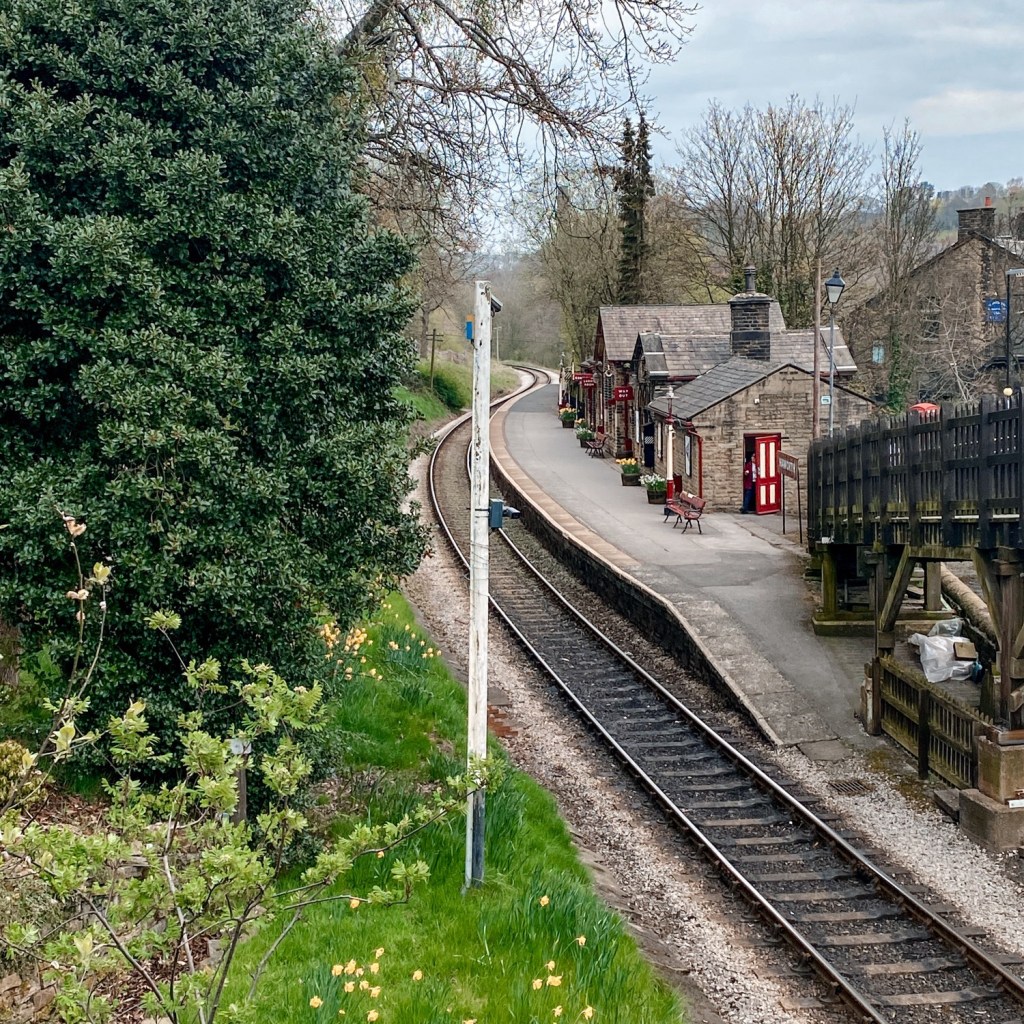
The name of this street will make you giggle, but I am pleased to inform it looks nothing like its name suggests :D. In fact, it is a very charming cobbled street connecting to the Main Street from the east side with views to Central Park and some more lovely stone and brick cottages. You will find the Bronte Bridge Cafe at the end of Butt Lane, and, when turning left, you will see the Haworth Train Station!

Central Park

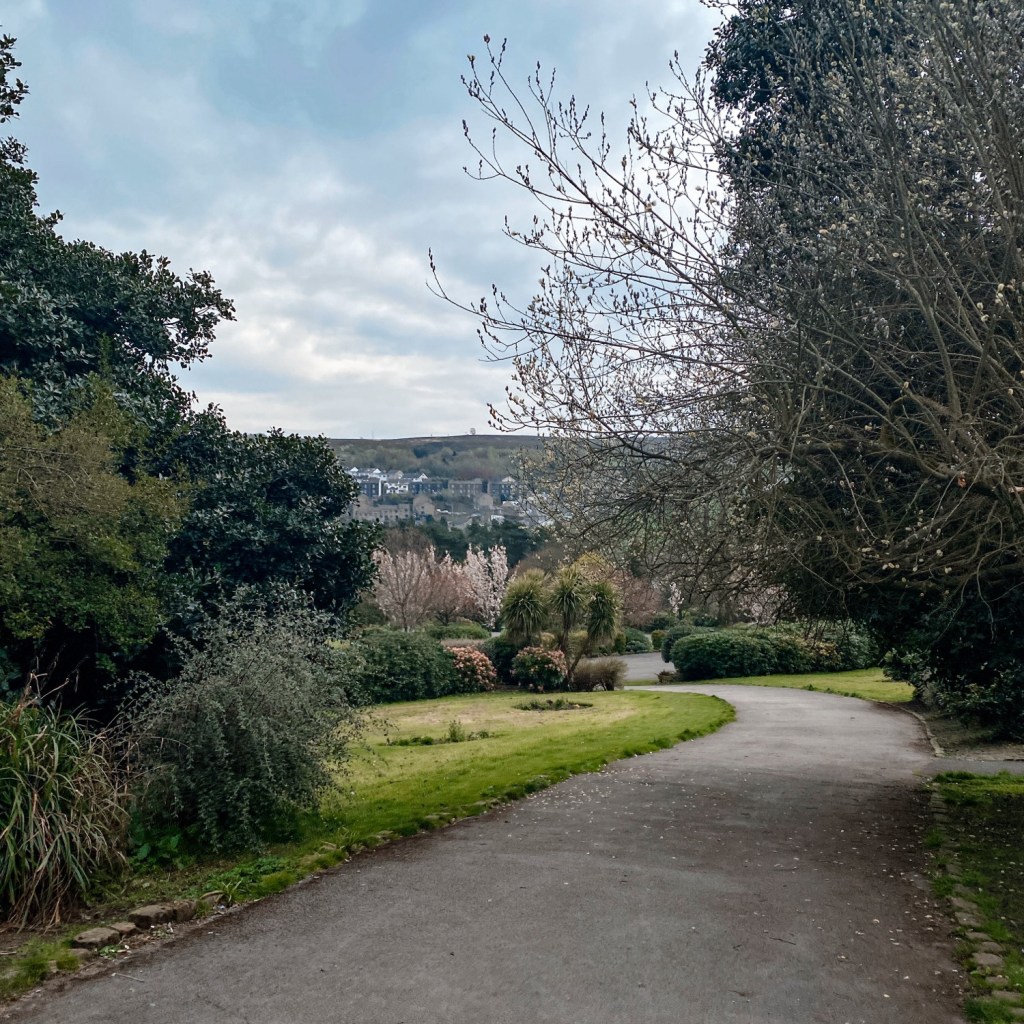
This is not the name of a street but rather a park in the centre of the village. I am including this in the list because the park has some lovely paths that cut right in the middle and provide a wonderful atmosphere when taking a walk. I very much enjoyed taking in the views far in the distance from here, as well as the beautiful flower arrangements all around.

Penistone Hill Country Park

Penistone Hill Country Park is located between the village of Haworth and the moor, and is a site of three dis-used quarries. To shed a little bit of light, according to the dictionary, a quarry is a “place, typically a large, deep pit, from which stone or other materials are or have been extracted.” As such, the site was previously used as a source of sandstone rock and coal, supplying materials for local houses, roads, reservoir networks, and local mills.

Top Withens Walk

Top Withens is a ruined farmhouse believed to have inspired Wuthering Heights, the famous novel by Emily Brontë. The atmospheric ruin lies along the Pennine Way and is one of the most popular walking destinations from the village of Haworth. This walk takes you deep onto the open moorland, where sweeping views and dramatic landscapes make the journey just as special as the destination.

A fun fact about Top Withens is that it is especially popular with Japanese visitors, and some of the footpath signs in the area even include directions in Japanese.

Brontë Waterfall Walk

The Brontë Waterfall is another much loved walking destination near Haworth. If you start from Haworth Main Street, the walk takes about 45 minutes. If you prefer a shorter route, you can begin from Penistone Hill Country Park, where free parking is available, and reach the waterfall in around 25 minutes.

The path becomes rockier and more uneven as you approach the waterfall, so sturdy footwear is recommended. Due to the rough terrain, this walk is not suitable for wheelchairs or strollers, but it is a rewarding route for those comfortable with countryside paths.

Best Time to Visit Haworth for Walks

The best time to visit Haworth for walking is from late April to early October. Spring brings wildflowers and fresh green hillsides. Summer offers the safest moorland conditions and longer daylight hours. Early autumn is especially beautiful, with golden heather and fewer crowds. Winter walks can be magical but the moors are often windy, wet, and foggy, so proper footwear and weather checks are essential.

Practical Walking Tips for Haworth

  • Wear waterproof walking shoes, as cobbles and moorland paths can be slippery.
  • Bring layers. Weather changes quickly on the Pennines.
  • Download offline maps before heading onto the moors.
  • Start longer walks earlier in the day.
  • Always respect farmland, wildlife, and local residents.

Where to Stay in Haworth

Haworth is a wonderful village to stay overnight, especially if you plan to explore the moors or take multiple walks. There are charming inns, historic guesthouses, and countryside cottages both in the village and nearby. To see available options, check booking.com or Expedia.

How to Get to Haworth

Haworth is located in West Yorkshire and is easily reached by car, train, and guided tours. The nearest mainline stations are Keighley and Leeds. From Keighley, visitors can take the heritage steam train to Haworth or a short bus or taxi ride.

Now that I have shared these recommendations, I would love to know what you think about these seven lovely walks to take in the village of Haworth, England. Is there one you are most excited to try? Let me know in the comments!

9 Prettiest Streets in the Village of Whitby, England (2026)

Disclaimer: This post contains affiliate links. If you make a booking or purchase through these links, I may earn a small commission at no extra cost to you. This helps support my site and allows me to continue writing detailed travel guides.

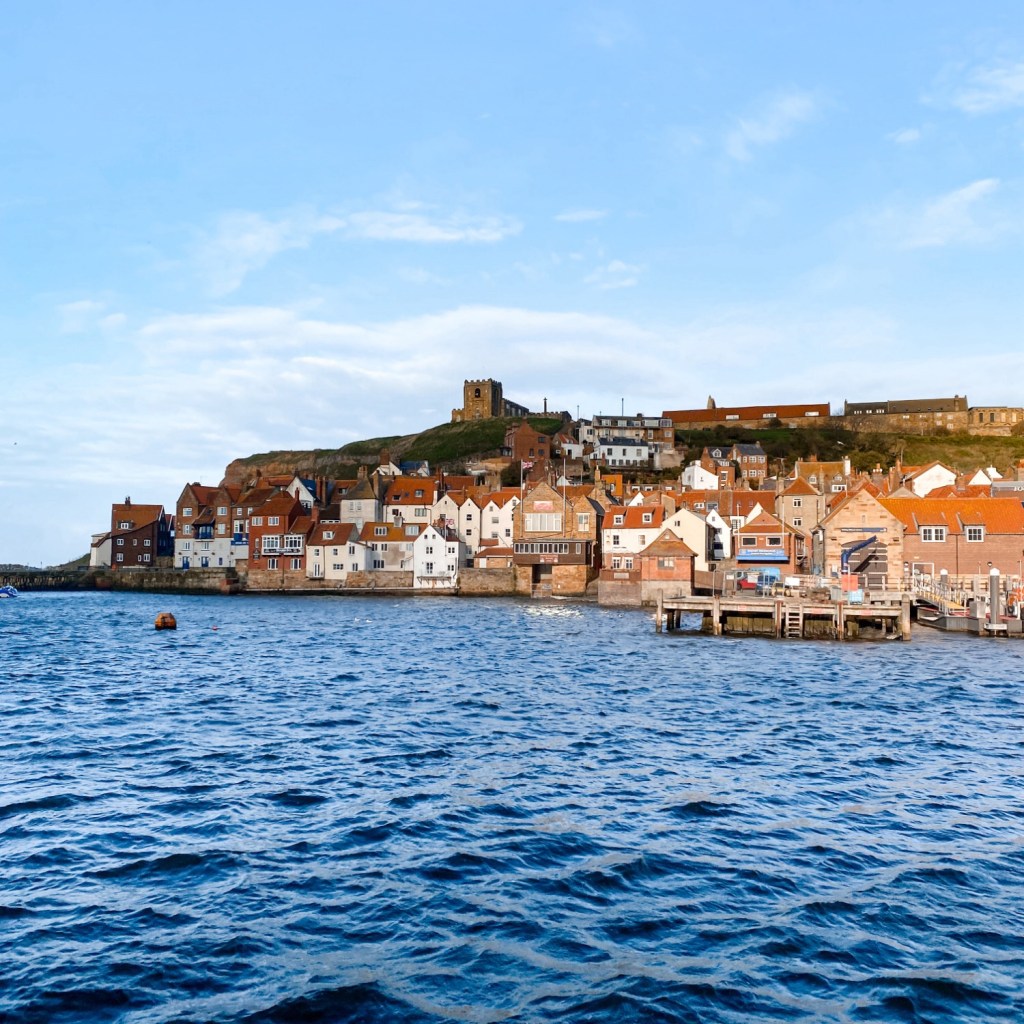
The captivating seaside village of Whitby in North Yorkshire, England, is known around the world for its dramatic clifftop abbey, Gothic heritage, connection to Bram Stoker’s Dracula, and maritime history that includes Captain James Cook. But beyond its famous landmarks, one of the best ways to experience Whitby’s charm is by wandering its historic streets.

From steep, cobbled lanes to winding alleys lined with independent shops, Whitby’s streets reveal the soul of this coastal town. In this guide, I share nine of the prettiest streets in Whitby, each offering its own atmosphere, views, and character. You can also see 18 Places to See in Whitby for a full town experience.

Before you start exploring, consider booking your stay in Whitby! There are excellent hotels, guesthouses, and vacation rentals available through Booking.comExpedia, or Vrbo that put you right in the heart of the village.

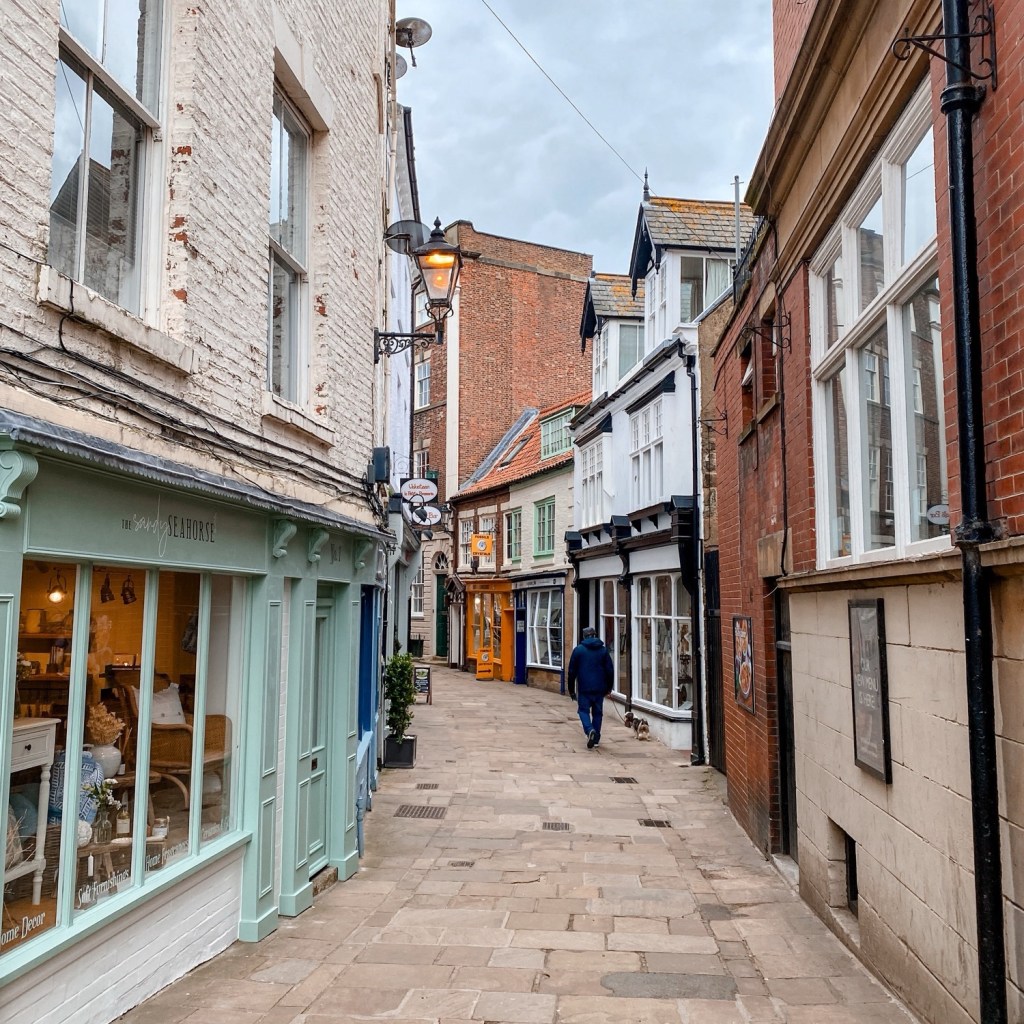
Sandgate

Sandgate is one of Whitby’s most atmospheric streets. It is known for its selection of Whitby jet shops where visitors can browse traditional jewelry and handcrafted pieces made from fossilized jet. Toward the end of Sandgate, you will arrive at the Market Place, a trading area since the mid seventeenth century that continues to host local stalls today.

This street is especially lovely in the morning light when the stone buildings glow and fishermen’s cottages cast long shadows across the cobbles.

For walking tours or local craft experiences, check out these options on GetYourGuide and Viator.

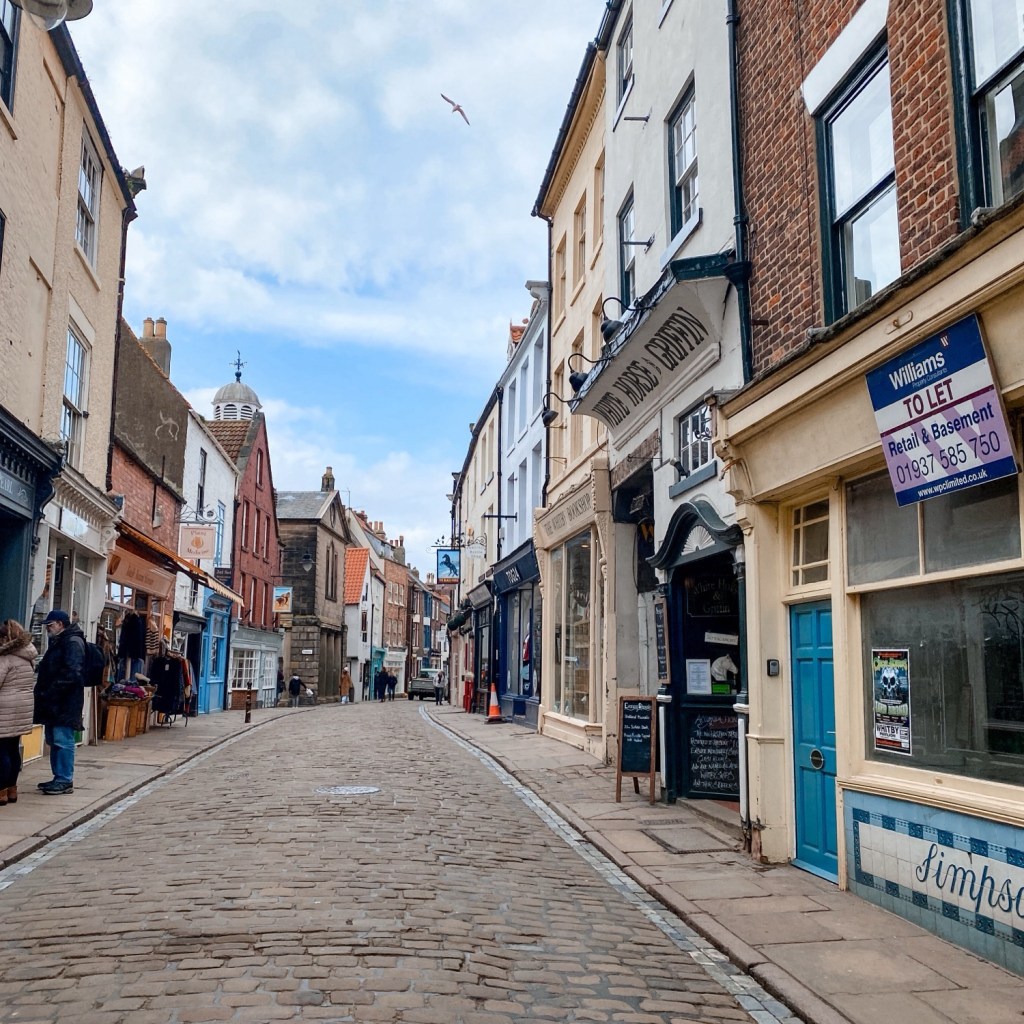
Church Street

Originally called Kirkgate, Church Street is one of the oldest thoroughfares in Whitby. Lined with shops, cafés, cozy restaurants, and historic cottages that date back to the fifteenth century, this street feels quintessentially Whitby.

Church Street lies at the base of the famous 199 Steps that lead up to Whitby Abbey and St Mary’s Church. It is a great place to stop for lunch or dinner—Mister Chips is a local favorite for classic fish and chips.

Grape Lane

Grape Lane is a charming pedestrianized lane just off Church Street. It is lined with a good variety of independent retailers including a jet shop, coffee shop, gift shops, and the Captain Cook Memorial Museum, which tells the story of the famous explorer’s connection to Whitby.

This street feels especially cozy in the early morning and at dusk, when the shadows from the narrow lane add to its storybook atmosphere.

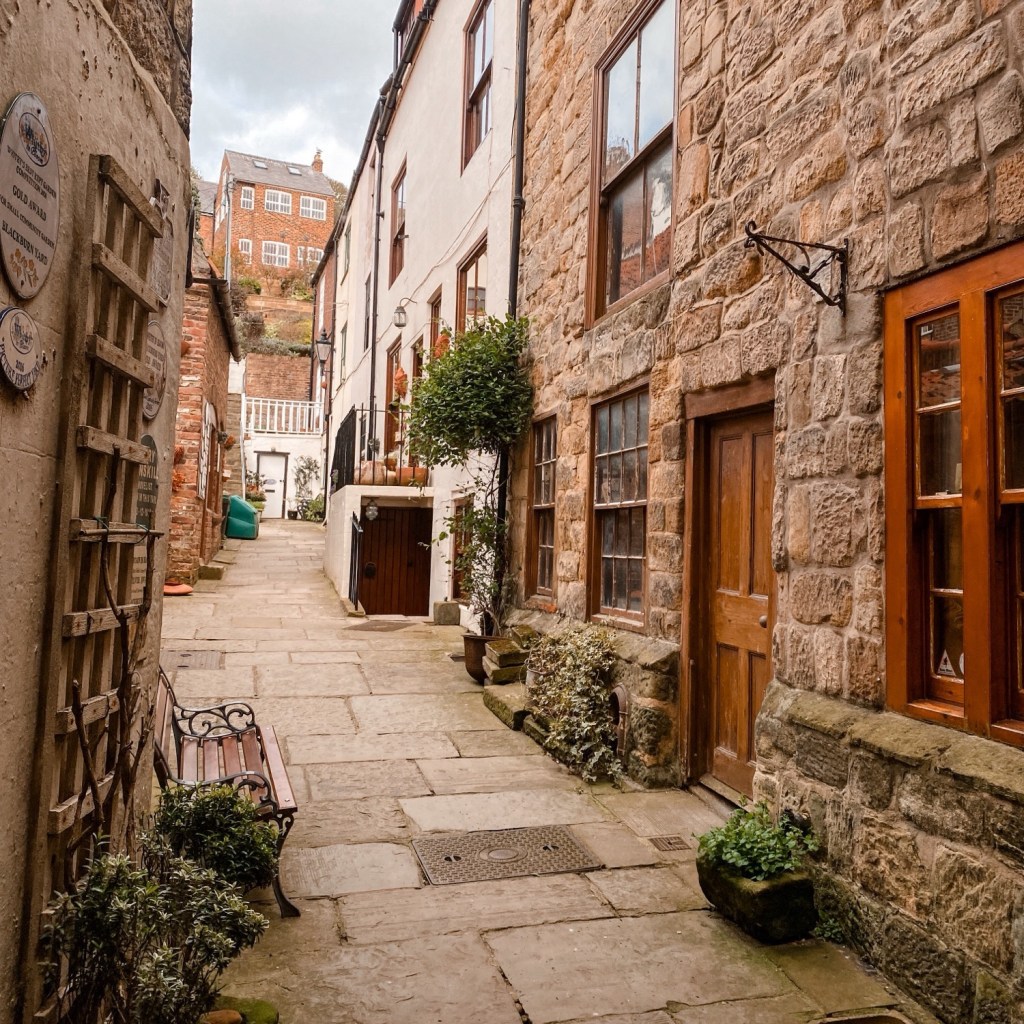
Blackburn’s Yard

Tucked behind Church Street, Blackburn’s Yard is one of the most picturesque spots in Whitby. This award winning courtyard has received accolades such as “Perfect Picture Yard” and “Whitby’s Best Kept Garden.” Within the yard is the Wash House Pottery, where you can browse beautiful handcrafted pottery and ceramics—a perfect stop for unique souvenirs.

The yard’s stone cottages, blooming gardens, and narrow walkways make it a favorite for photographers and quiet exploration alike.

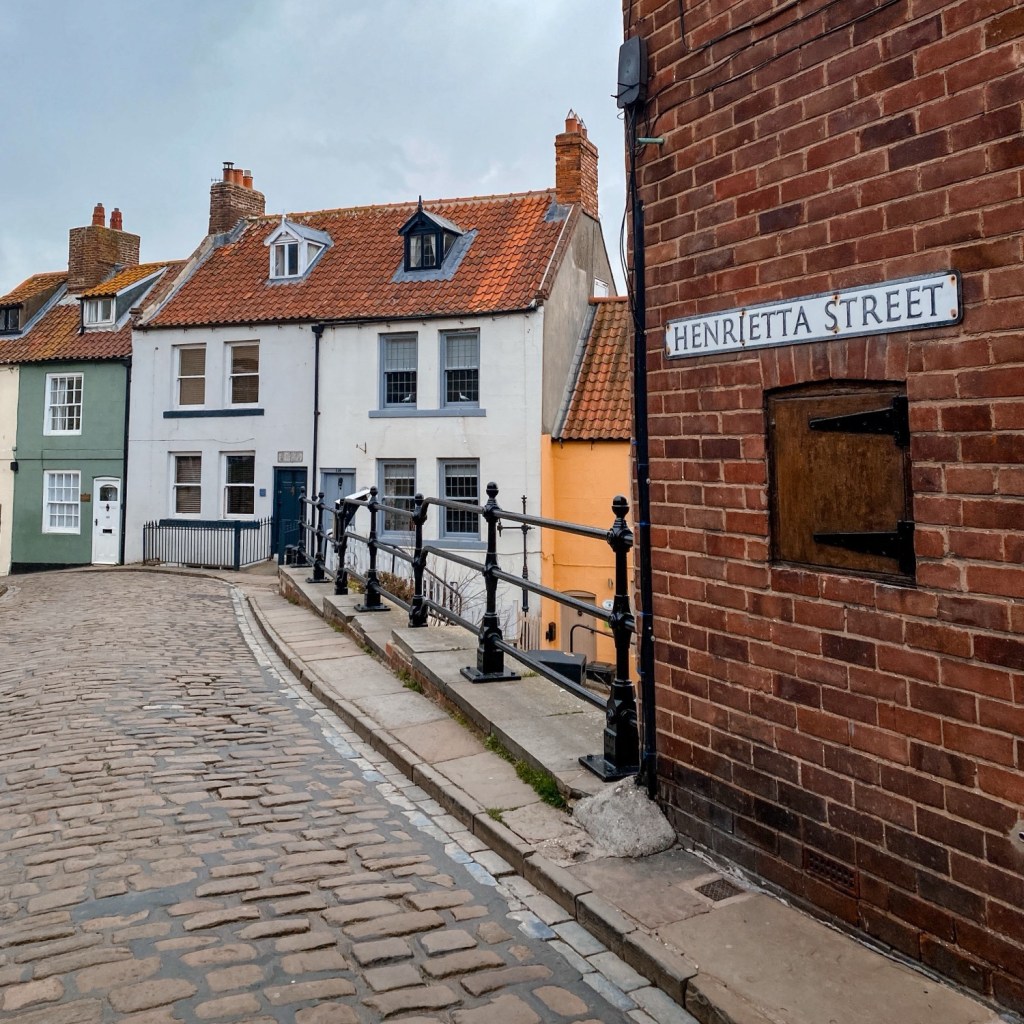
Henrietta Street

Henrietta Street was once known as Haggerlythe in the thirteenth century and was later renamed after Henrietta Cholmley, wife of eighteenth century parliamentarian Nathaniel Cholmley. The street was historically desirable for its easy access to the sea and panoramic views.

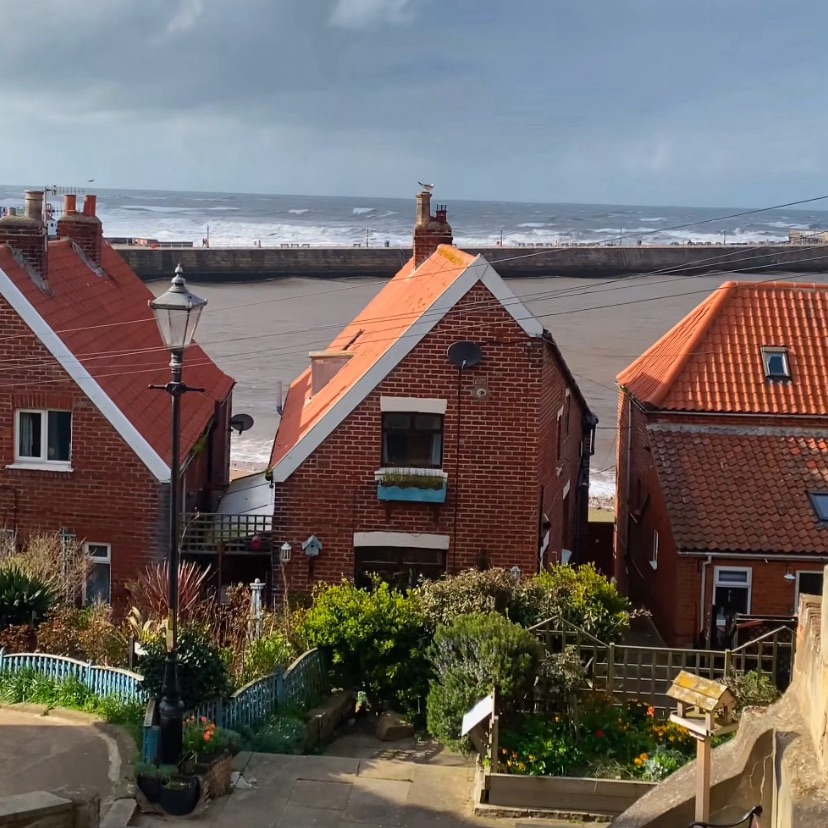
Today, Henrietta Street remains one of Whitby’s most scenic spots. From its elevated position, you can enjoy sweeping views of the harbor, the North Sea, and Whitby Abbey perched dramatically on the cliff above.

Tate Hill

Tate Hill is a small but incredibly scenic street that offers one of the prettiest viewpoints in Whitby. From here, you can enjoy beautiful views over the cottage rooftops toward Whitby’s piers and lighthouses, making it a perfect spot for photography. If you are looking for a quiet place to pause and take in the town from above, Tate Hill is well worth adding to your walk.

Church Lane and Donkey Road

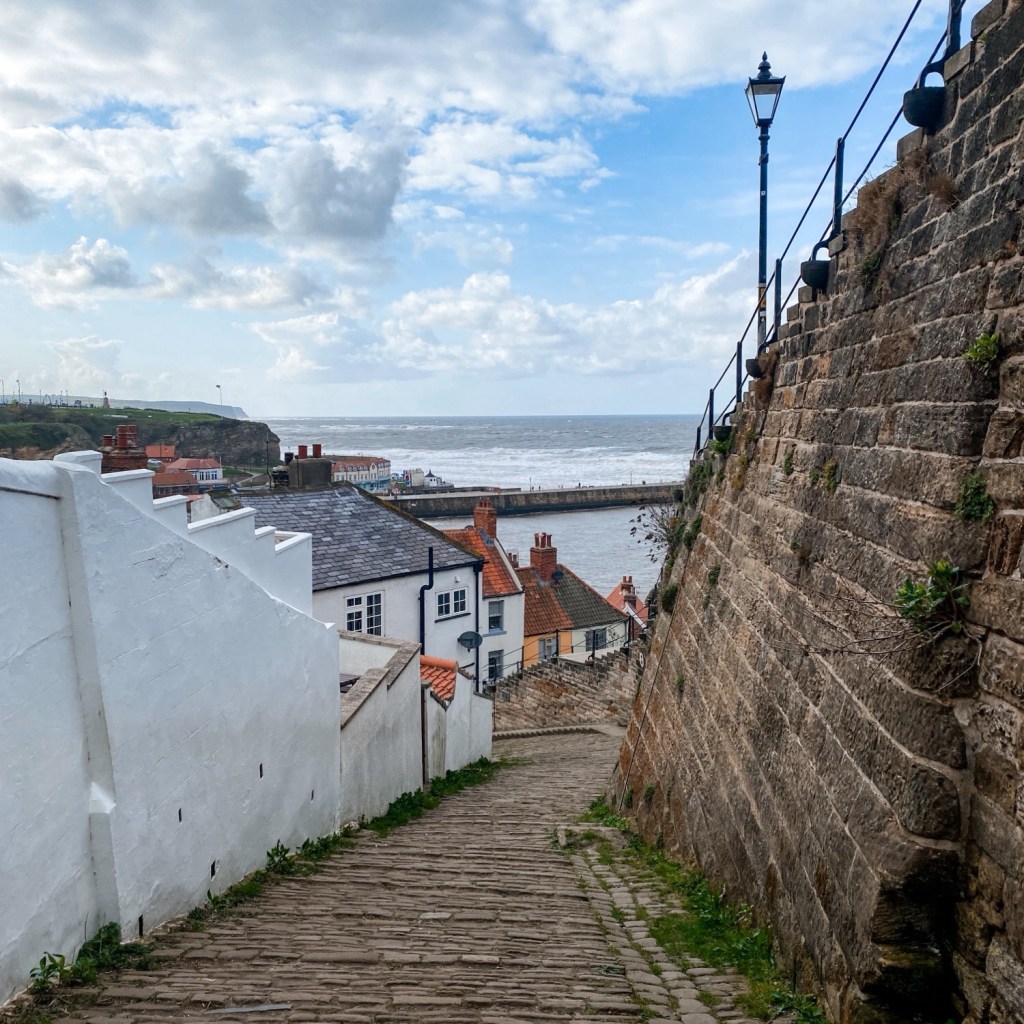
The steep and cobbled Donkey Road dates back to 1370, although the stonework you see today was laid in 1774. The path runs parallel to the famous 199 Steps and leads up toward the iconic Whitby Abbey.

Donkey Road earned its name from the donkeys that once lived on the abbey plain and made their daily journey down to the beach, where they gave donkey rides to visitors. While the donkeys no longer walk the route themselves, the historic name remains.

As you make your way down Donkey Road, you are treated to a striking view over the rooftops, shops, and the sea beyond. And trust me, the walk down is far easier and just as rewarding as the climb up!

Pier Road

Pier Road in West Whitby feels like classic seaside England. This street leads directly to the main beach and is lined with amusement arcades, ice cream stalls, fish and chip shops, and a local fish market. It is one of the liveliest streets in the village and a great place to experience Whitby’s maritime energy.

Cliff Street

Cliff Street is a lovely street to wander, offering wonderful views over the coastline and the village below. It is lined with charming houses and holiday cottages, making it a peaceful yet central place to stay.

From Cliff Street, you are only minutes from Whitby town centre, the beach, the pier, and many of the village’s main attractions, which makes it a great base if you plan to spend the night in Whitby. You can check for accommodations here and around the area through Booking.comExpedia, or Vrbo.

Getting to Whitby

Whitby is located on the North Yorkshire coast and is accessible by both car and public transport.

• By car: Whitby is around 1.5 hours from York and makes a great stop on a North Yorkshire road trip. You can rent a car through Expedia or Booking.com.
• By train: The Esk Valley Railway connects Whitby to Middlesbrough and passes through stunning countryside.
• By guided tour: If you are based in York or Leeds, many visitors choose to visit Whitby on a day tour of the North York Moors and coast.

How Long to Spend in Whitby

To truly enjoy Whitby, plan to spend at least one full day, although two days is ideal. This allows enough time to explore Whitby’s prettiest streets, climb to Whitby Abbey, walk the harbor, visit museums, enjoy local seafood, and explore the coastline without rushing.

Final Thoughts

I would love to know what you think of these street recommendations. Is there one you are most excited to explore? Let me know in the comments, and do not forget to add these nine prettiest streets in Whitby to your Whitby itinerary!

If you want to discover even more about the town’s history, legends, and hidden corners, you can book a self-guided Whitby walking tour here and explore at your own pace.

Find this post helpful? You can buy me a warm drink and support my work here!